

A bushwalk manifesto
Somewhere along the way, manifestos gave way to corporate neatness, writes local architect Ben Wollen. But maybe it’s time to reclaim them
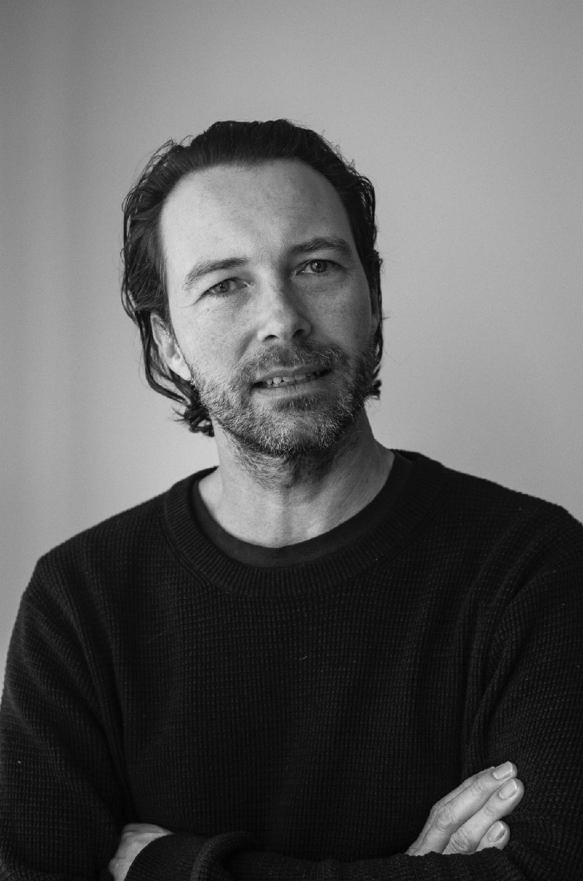
Once upon a time, architects wrote manifestos. Today, we hire marketing strategists to draft vision and mission statements. I’m not sure if that’s progress or decline – it’s just something I’ve been wrestling with since my business coach sent me out into nature to “find inspiration”.
I like my coach. Unlike the textbook, always-positive, Tony Robbins-style entrepreneurs I’ve had before, she’s more like a Buddhist with marketing nous. She runs yoga classes, meditates, lives simply in northern NSW (at least through the Zoom lens), and – uniquely – told me to sit on a boulder under tall eucalypts until I figured out what drives me.
I’m not naturally introspective. My old statements were straightforward enough…
Vision: To save the planet one house at a time.
Mission: To help clients realise their dream home, aligned with their sustainability goals and budget.
Clear. Pragmatic. Job done. But, apparently, too flat, too uninspiring. Harumph.
So I went on a bushwalk. I wrote a poem. I almost stepped on a red-bellied black snake, and stumbled into quicksand-like mud. I didn’t return with a sparkling mission statement, but I did return with a thought: where once we wrote manifestos, now we write slogans.
At university, we studied manifestos – polemic, unapologetic, defiant. Wright’s The Art and Craft of the Machine. Le Corbusier’s Towards a New Architecture. Fuller’s Operating Manual for Spaceship Earth. Even Vitruvius, 27 BC, with his Ten Books on Architecture. At their peak, the Futurists shouted theirs from newspaper front pages.
Somewhere along the way, manifestos gave way to corporate neatness. But maybe it’s time to reclaim them. A manifesto was always two things:
A rally against what’s broken.
A set of principles for a better way.
Perhaps vision and mission statements don’t need to be abandoned – only re-infused with the boldness and honesty of a manifesto.
I left the bush not with answers, but with this:
“Architecture should be more than a business plan. It should be a call to arms.”


