

Autumn has arrived and mushroom season is kicking off
Amanda De George names the Illawarra's most amazing spots to take fungi-hunting to new heights

I have semi-dried washing strung from one end of the house to the other. There are muddy paw prints dotted here and there, but there’s a plus side to the seriously rainy weather the Illawarra has had: mushrooms and slime moulds abound.
Autumn is the time for fungi to shine, and all that rain, not to mention an abundance of fallen leaves and decaying organic matter, is like a trigger for the hidden, main body of the fungi – called the mycelium – to fruit.
The mycelium itself isn’t seasonal. It spreads through soil, leaf litter and decaying wood as an underground network. When conditions are right – usually around 24-48 hours after a good rainfall – you’ll start to see fungi in many different forms appearing.
I’m willing to bet your lawn is like mine and is hosting some pretty interesting species of mushroom, but if you don’t mind becoming a host yourself (to a leech or two), the Illawarra has some amazing spots to take your fungi-hunting to new heights.
Our fave spots to find fungi
Cascade Falls Walk - Macquarie Pass National Park
This easy walk is around 2 kilometres return and follows the creek through shady rainforest and stands of tall eucalypts and huge, twisting vines. With all that spectacular scenery, it’s going to be hard to focus, but eyes down and remember what you’re there for: fungi!
Look around the bases of trees and along the edges of the trail, especially around decaying logs, which are fantastic spots to find shelf and jelly fungi, or among the leaf litter. Some fungi are super-tiny so don’t be afraid to pick up fallen sticks and branches for a closer look.
A hand-held mirror is a must so you can see the gills of the fungi close to the ground.
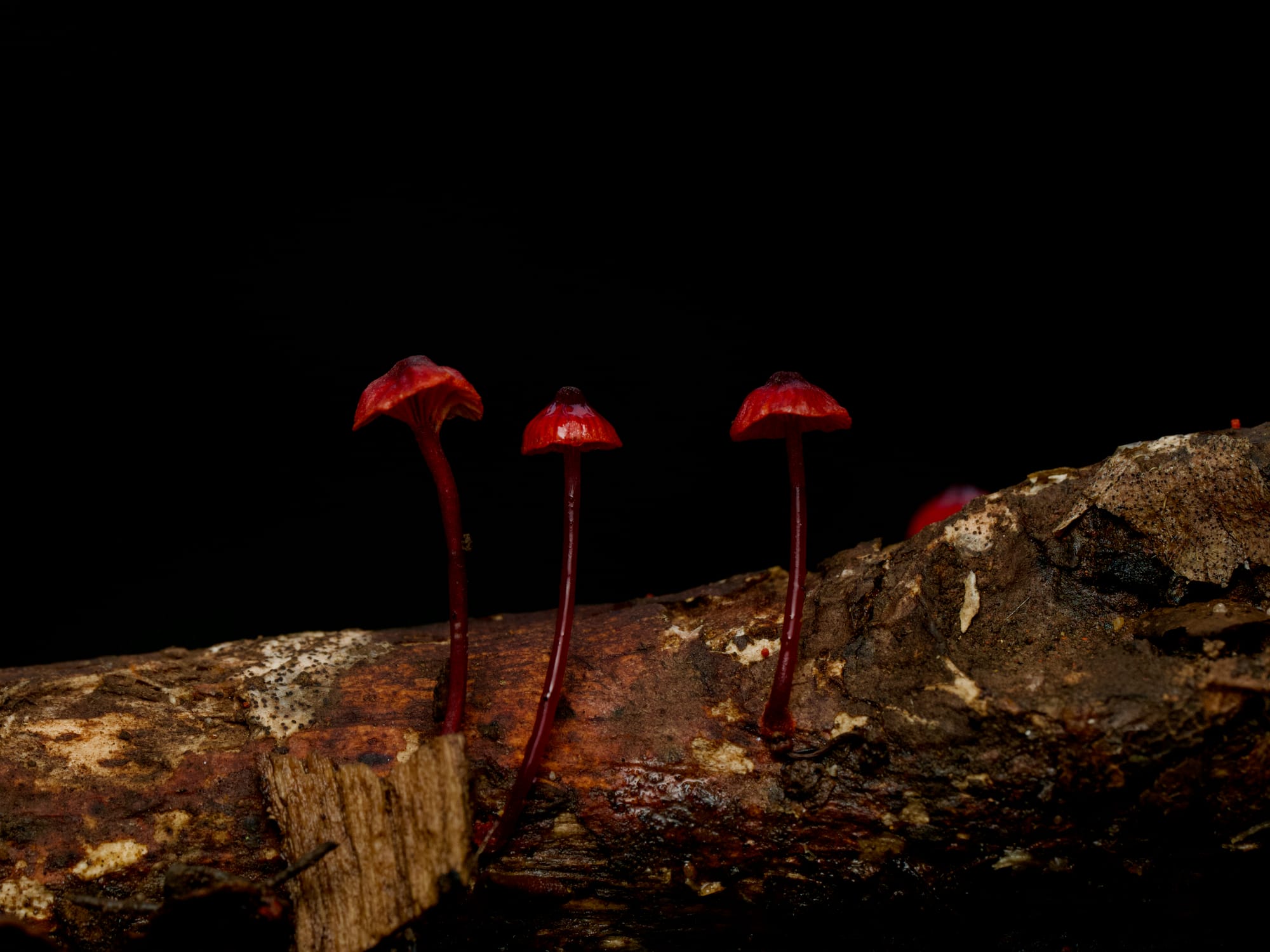
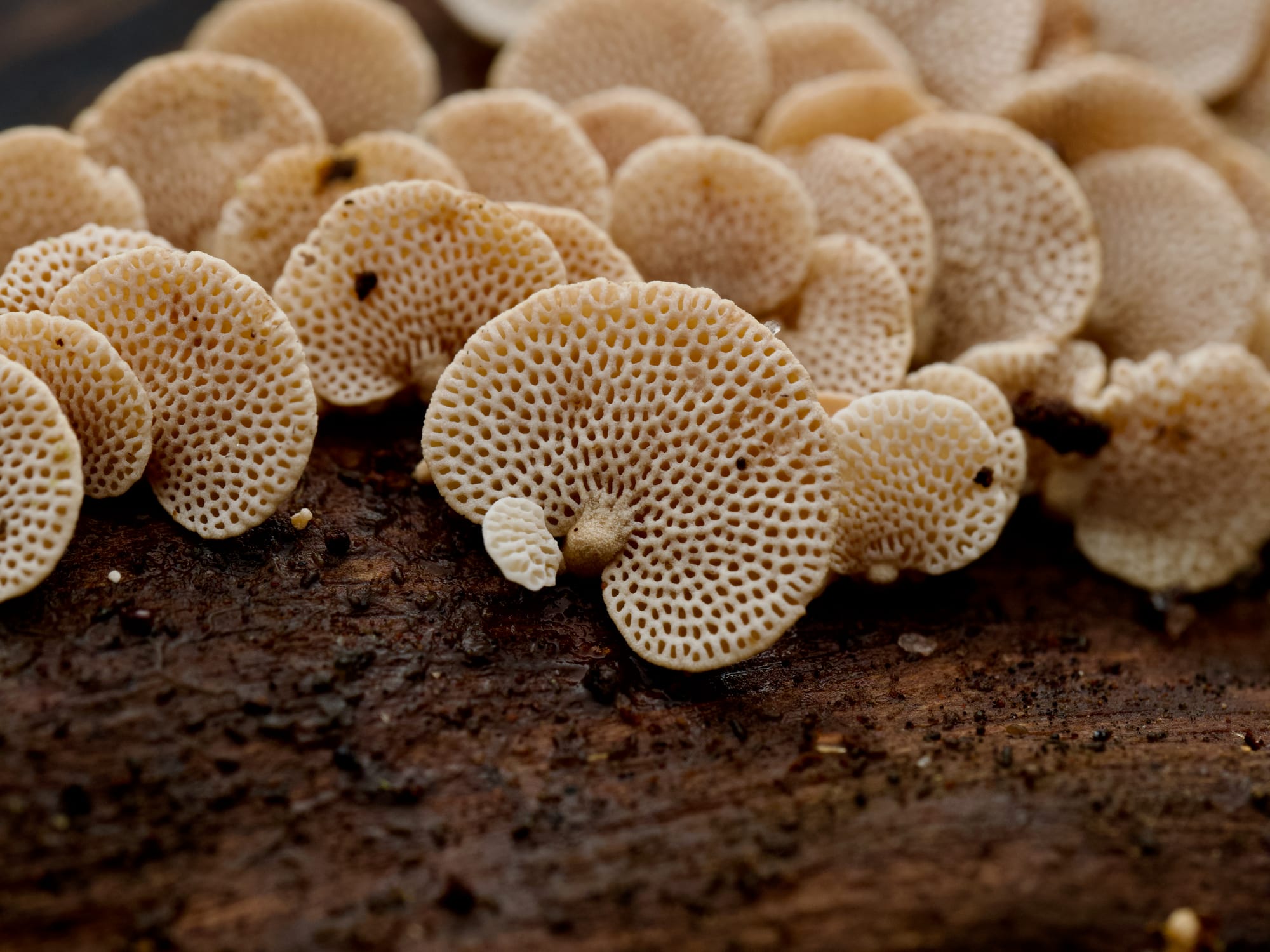
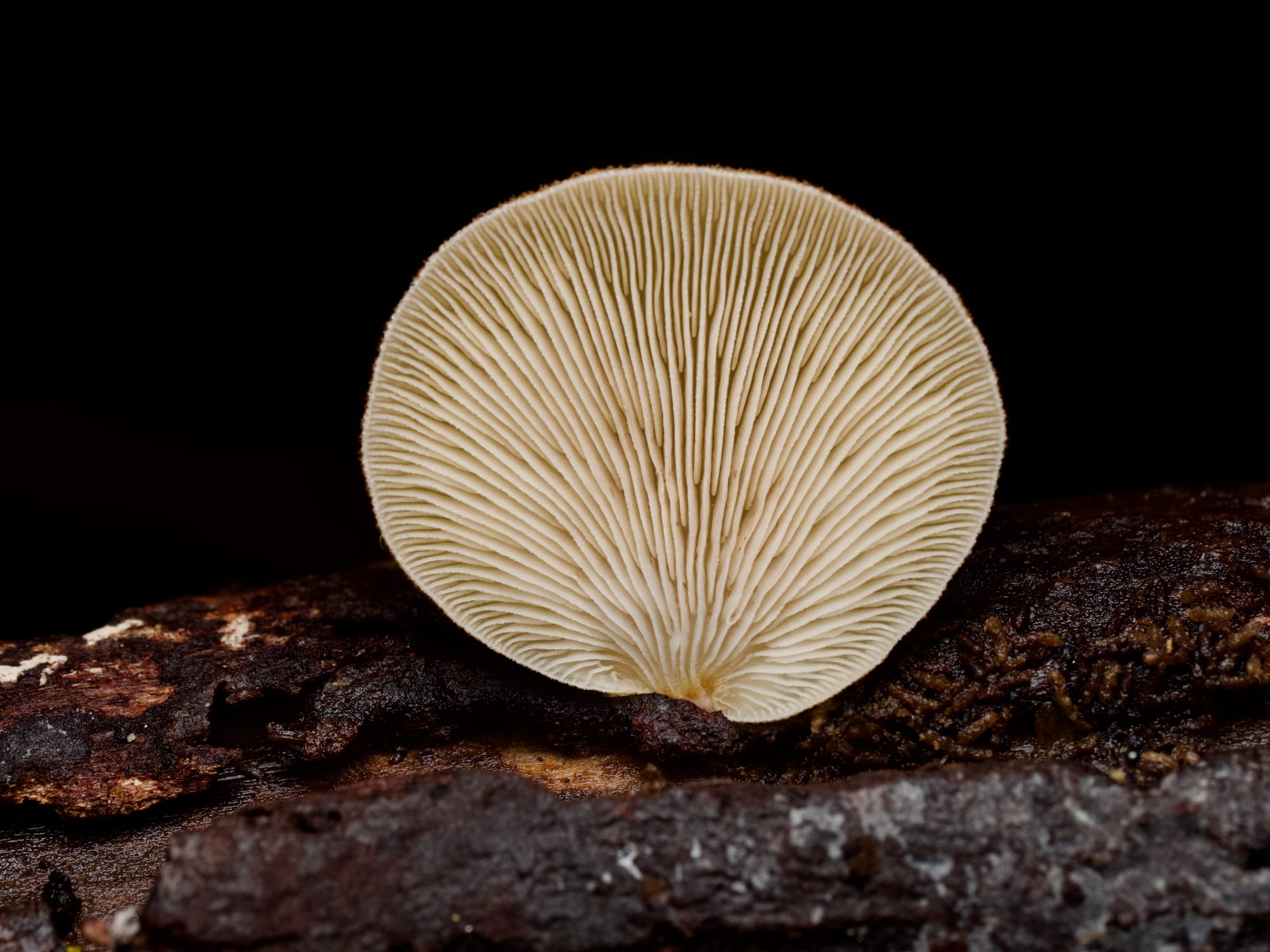
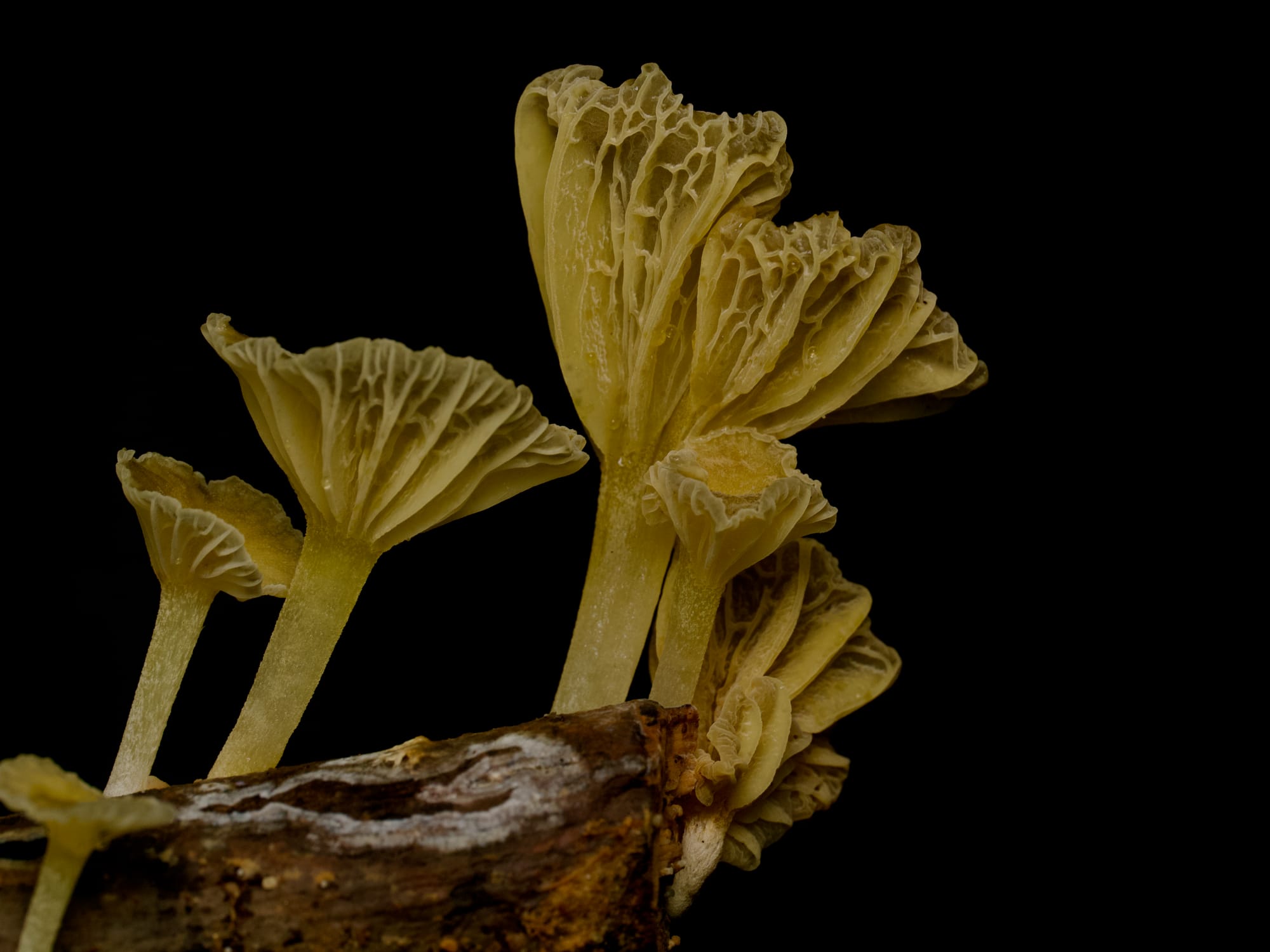
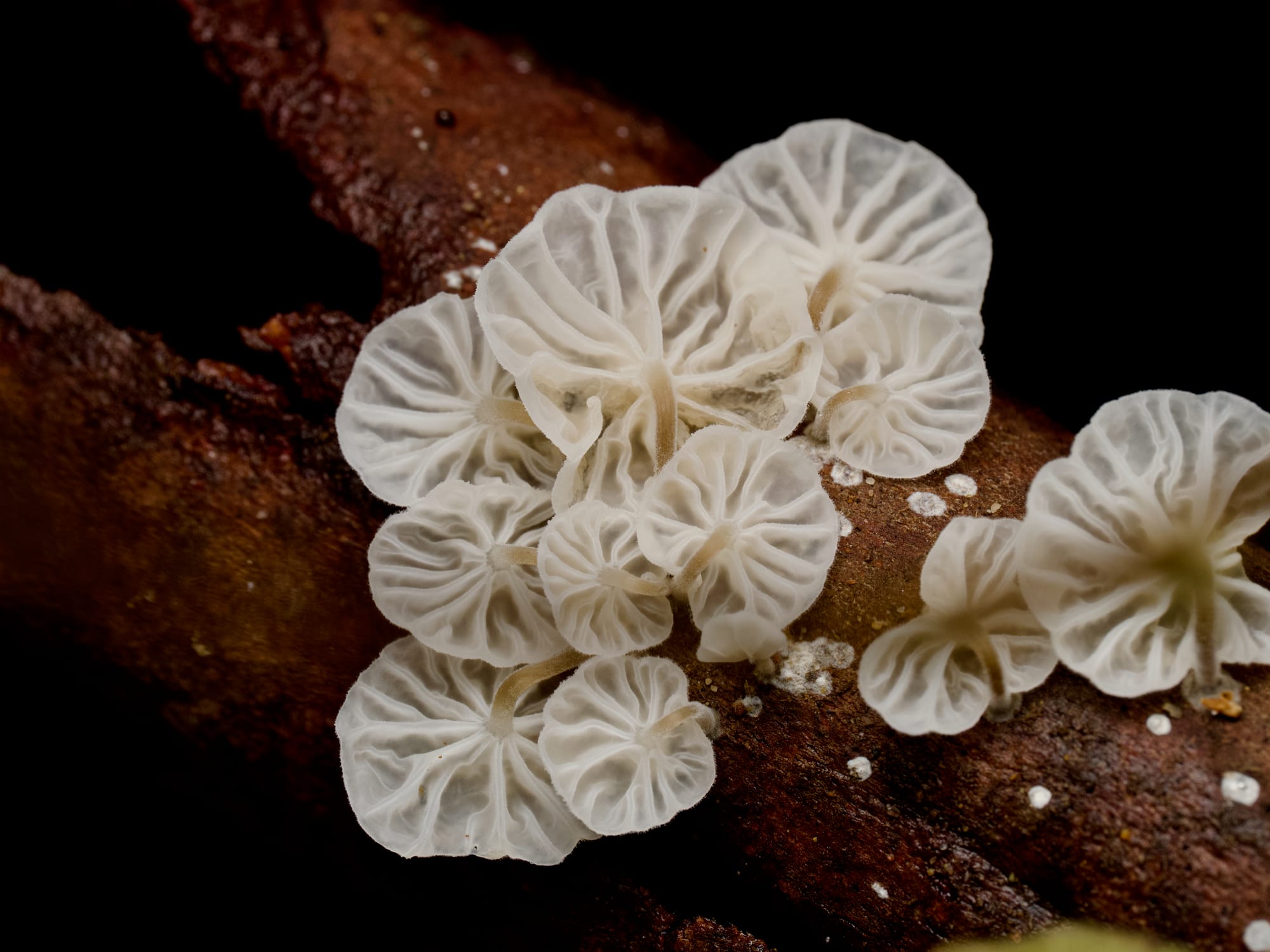
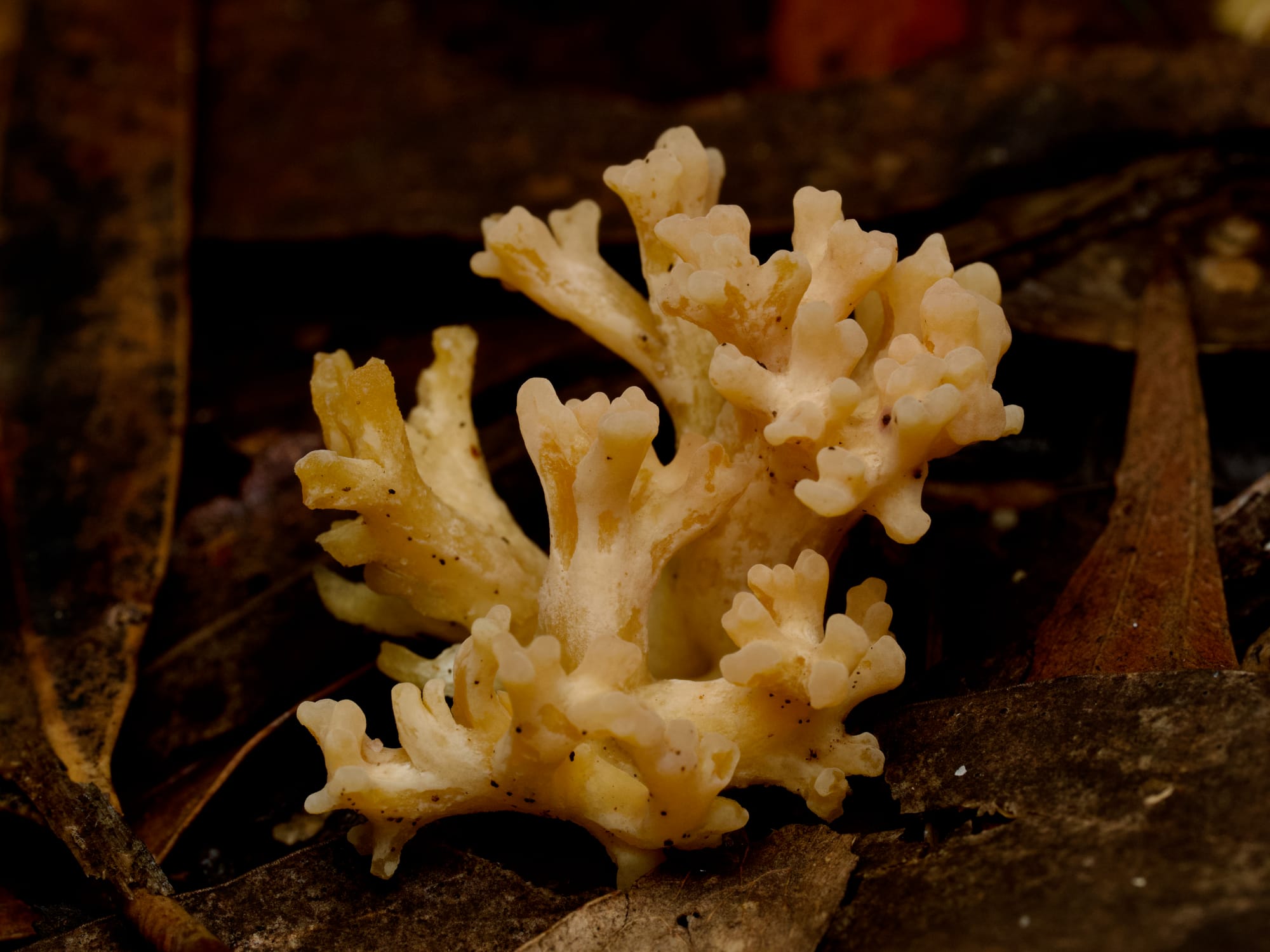
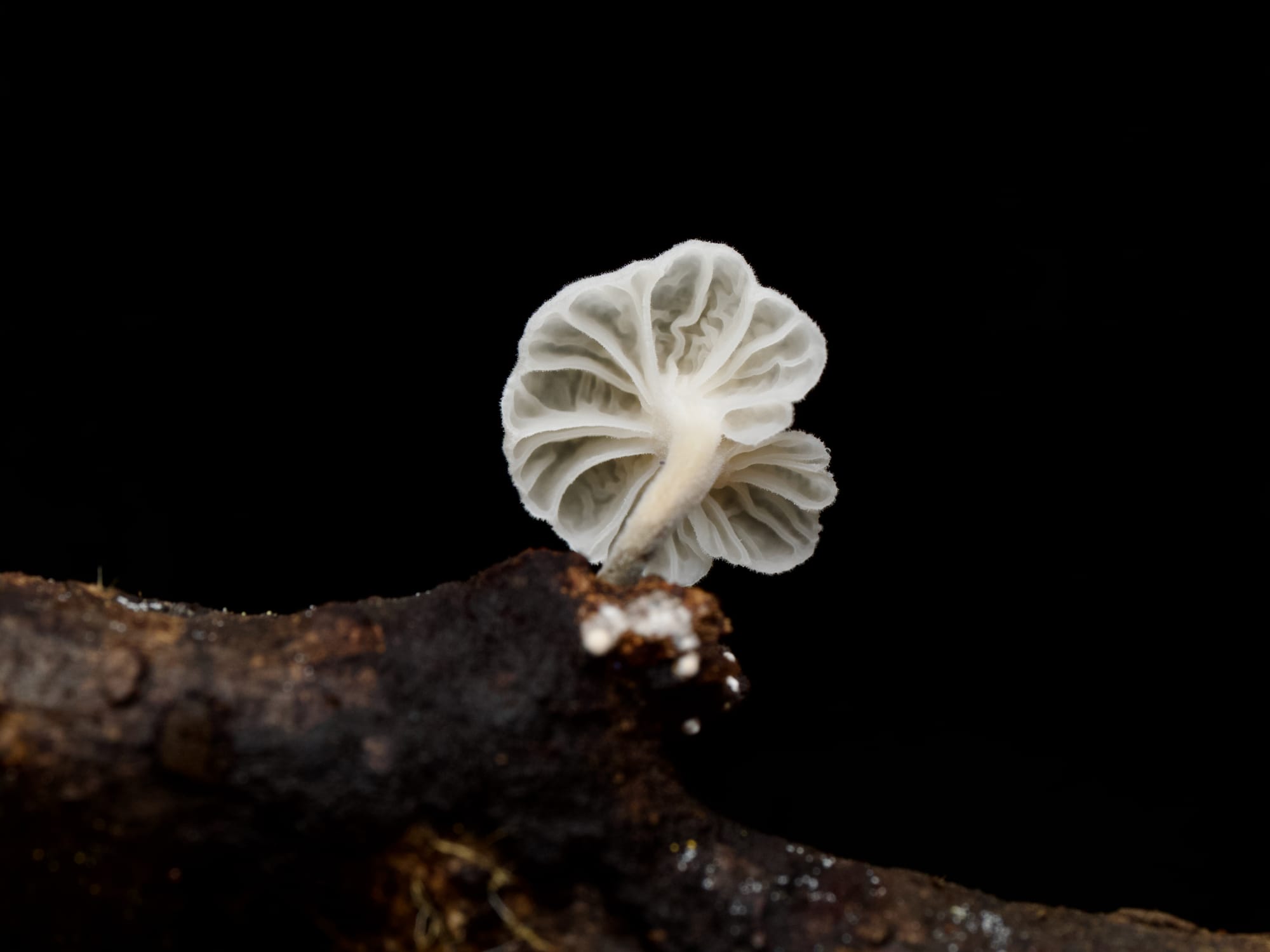
Some of the fungi you can find in the Illawarra. Images: Amanda De George
Mount Keira Ring Track and Lookout
The Ring Track is a 5.5km loop, but walk a few hundred metres in either direction from the track-head at Byarong Park after good rain and you’ll find an abundance of fungi.
At eye level, look for dinner plate-sized bracket fungi. These are often leathery or woody and come in a beautiful array of colours. Among the leaf litter, you can expect several species of super-tiny but very lovely specimens. I especially love the teeny red bonnets.
Walking into the bush just off the carpark from the lookout, you’re in for a treat. Along the edge of the pathway, I’ve found several species of gorgeous coral fungi in orange and violets which are some of my favourites. I’ve also encountered the very intricate Panellus sp. growing on a fallen log. This super-pretty, very small species also glows in the dark.
Puckeys Estate Reserve, North Wollongong
Probably not the first place that comes to mind when thinking about fungi, but this spot is quite well known for ghost mushrooms, the bioluminescent fungi that practically becomes a celebrity when it fruits.
Puckeys is easy to access and is an annex of Wollongong Botanic Gardens. If you head in to see the glowing ghosties, pack a tripod and some reasonable expectations. Most glowing mushrooms only have a very faint whitish glow to the naked eye – the bright green colour is captured through long exposure.
Final tips
And while damp forests are the best places to find fungi, anywhere that brings together shade, moisture and decaying organic matter work. Check mulch piles, in leaf litter, old garden beds and large grassy areas.
Just remember, your best bet is hunting a day or so after rain – and don’t go eating the mushies unless you’re an expert. We’re trying to make memories here, not headlines!


