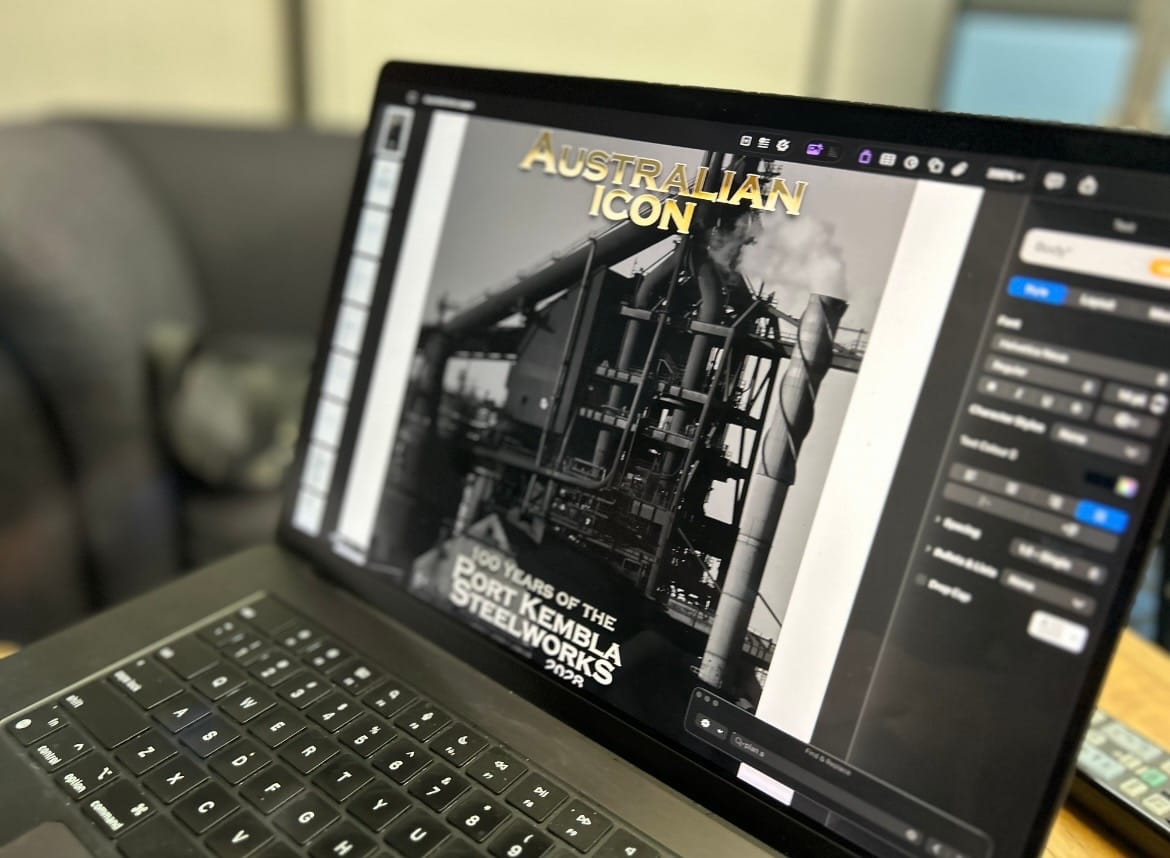

Book of the century aims to capture steelworks history
How do you tell a story of the Illawarra's most historically pivotal industry? Finding someone fascinated by the subject is a great place to start

When Bluescope executive Craig Nealon first set foot inside the Port Kembla steelworks in the early 1970s, he was aghast.
Craig was visiting with classmates on a school tour, and all these years later, he still remembers the experience vividly. “I thought it was so hot and dirty and that I’d never want to work in a place like this,” he said.
But as Craig explained to The Illawarra Flame, when his school studies ended in the late 1970s, circumstances changed, at a time when youth unemployment in the Illawarra was rampant.
“I figured out there were actually good jobs here, and very secure well-paid jobs.”
Closing in on 50 years later, working firstly with Lysaght, then BHP, and now Bluescope, Craig admits those scary first impressions are now a distant memory. “I just love this place,” he said.
So much so, he’s decided to take on a monumental challenge, documenting the history of the Port Kembla steelworks from its very beginnings in 1928 to the present day. Craig’s plan is to have his book (working title “The Icon”) published in time for the centenary of the steel plant in 2028.
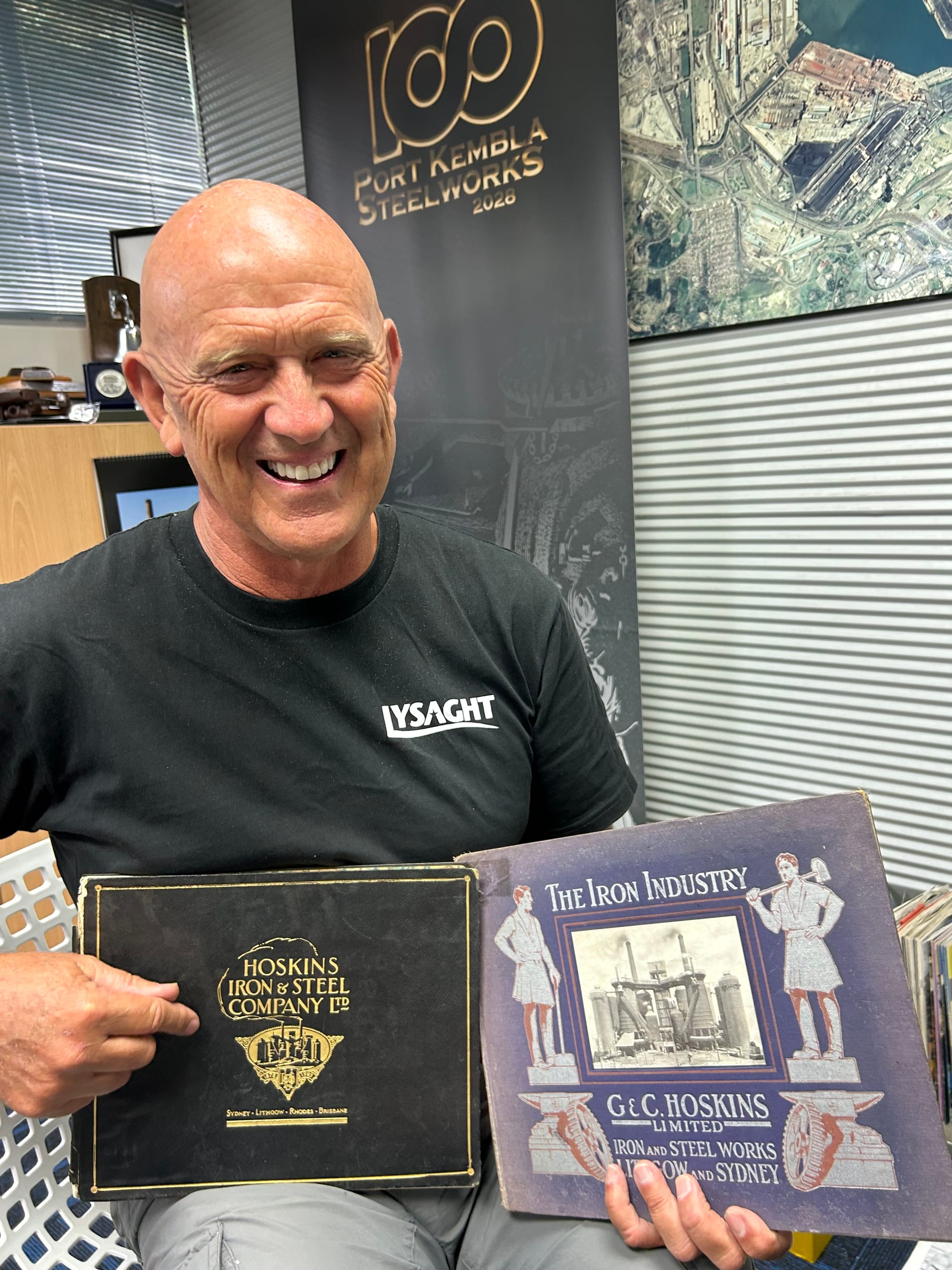
The Flame’s Jeremy Lasek sat down with Craig to get some fascinating insights into how this epic task has come about. It’s a classic labour of love, capturing 100 years of history from one of Australia’s largest and most successful industrial sites in a single book.
What inspired you to try to document 100 years of steelmaking here at Port Kembla?
The whole time I’ve been here, I’ve had an interest in the history of the place, because I used to get Lysaght and BHP books and magazines. Many were of high quality and they always had something about our history. I found it really interesting – fascinating, in fact. I feel the history of this place is something that’s important to me.
Q. Was the approaching centenary of steelmaking here the motivator, or have you been planning to write this book for a long time?
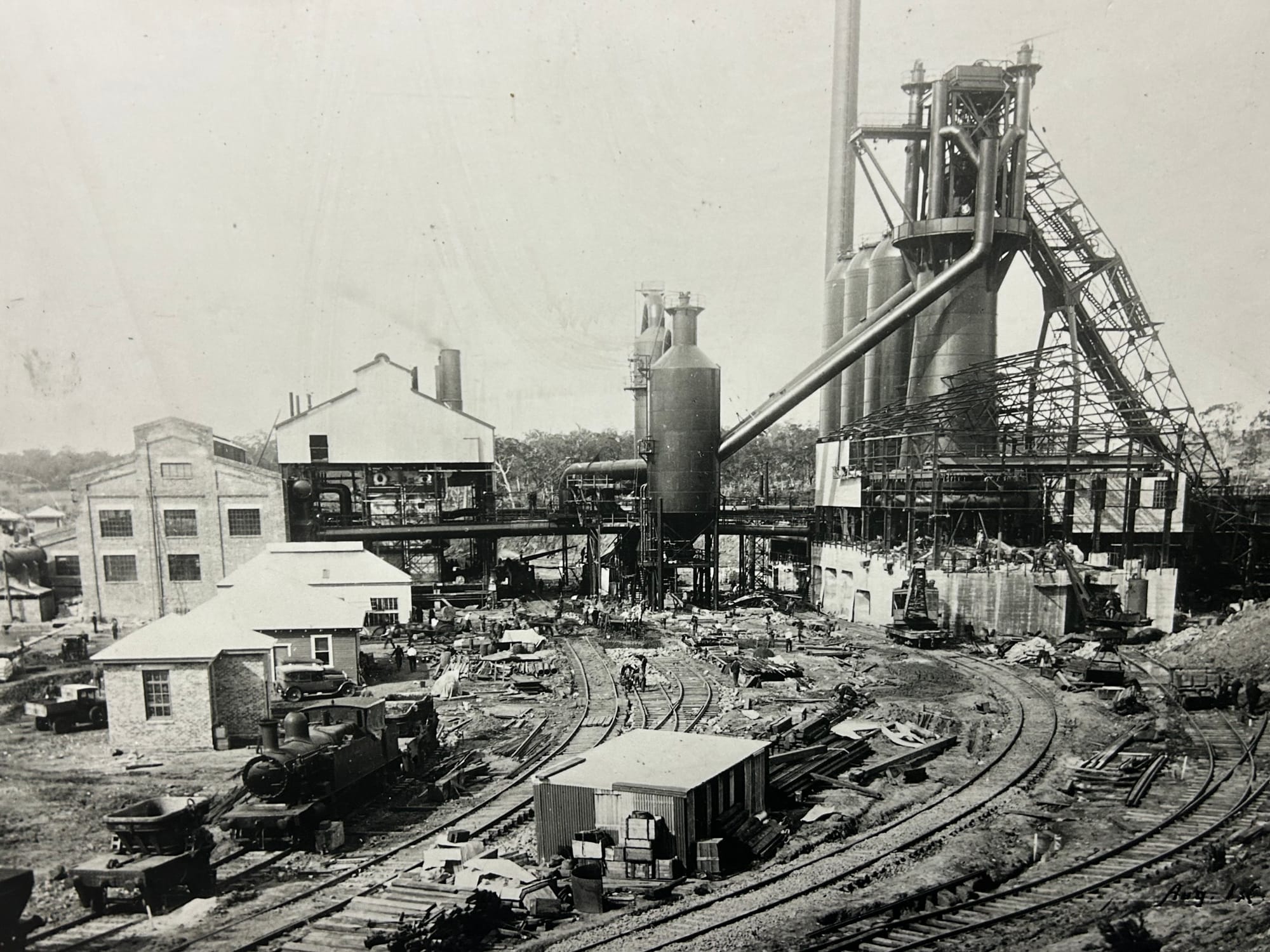
A. No, I wasn’t planning to do a book, but I knew there were people who wanted one. We actually went through a phase a few years ago when we were cutting back on spending, and so there wasn’t the opportunity for me to sound someone out to write a book and pay them to do it. So, I thought, oh well, I’ll just do it myself. I’ve never written a book before, so it’s challenging.
Q. In researching for the book, what have you found the most difficult?
A. It’s such a complicated history, and to me, so much of it is really interesting, but I want to make this book interesting for everybody. So there’s the question; what to leave in and what to leave out? It‘s really difficult. There are so many good things that have happened here, and there have been bad things too. So what emphasis do I place on all those things? It’s a very, very challenging thing to do.
Q. It’s such a massive story, with all the highs, lows and events over the decades. How do you pick out the highlights and what makes the cut for the book?
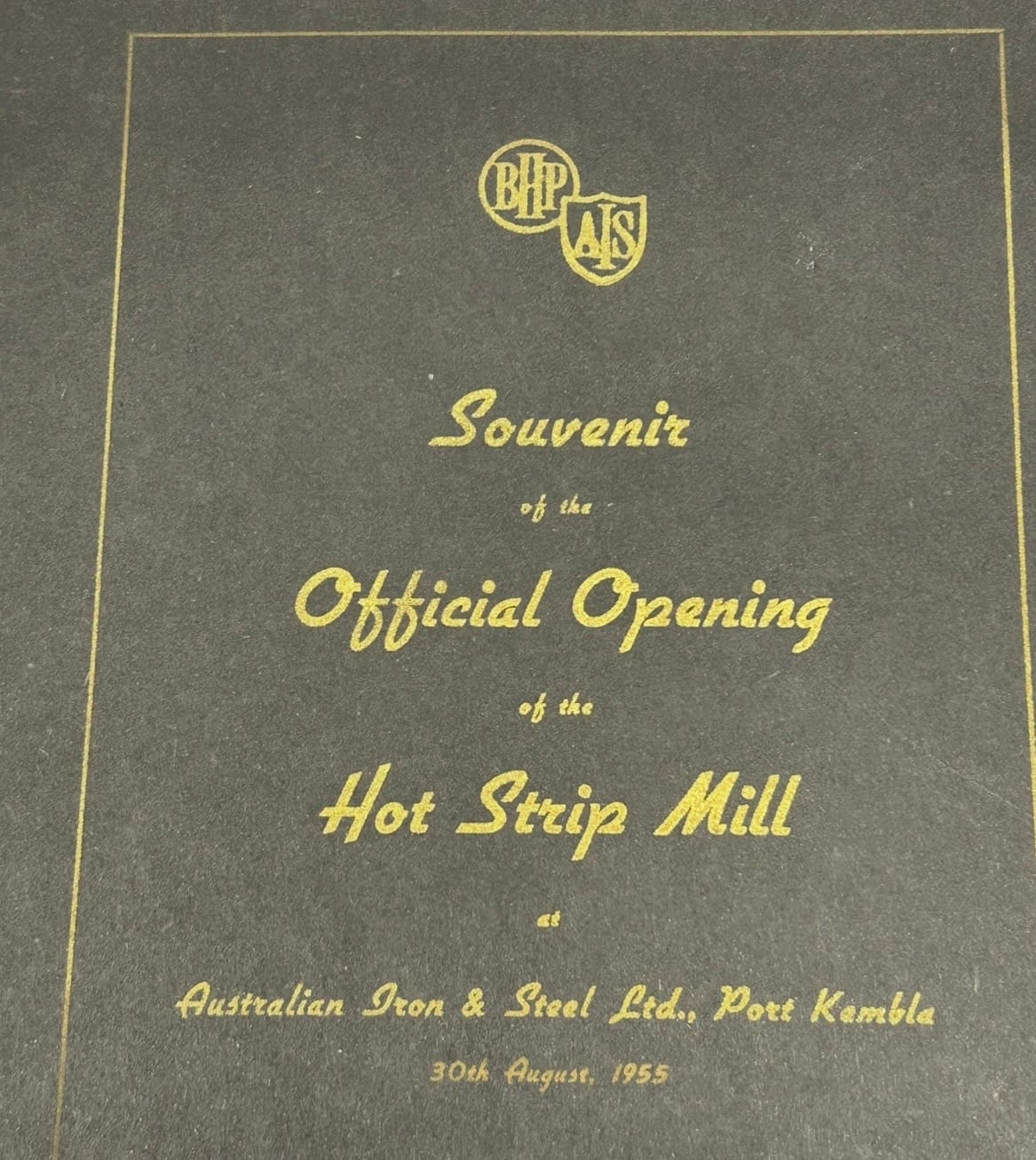
A. It’s a very complex history, and I know there are a lot of people around who will hold it very dearly because they‘ve lived it as well. So I’m conscious of doing justice to everybody that’s been here, and that’s not just the people who have worked here but also the people in the community who have been touched by it in some way.
Q. Would you describe the whole process as something of a journey of discovery?
A. Oh, definitely. Because I was originally a Lysaght person, I hadn’t worked in the iron and steelmaking side at the front end of the business. So for me, there‘s been a lot to learn and get my head around.
Q. You started work on the book in August 2024. Have you made one or two really significant discoveries?
A. The biggest thing I’ve realised is the true heroes here have been the workers. It’s not just the managers, but all the people who have been involved in this industry. To me, they’ve been really great Australians. It might sound a bit over the top, but I really believe it. The workers have been the most significant people who have made such a big difference to our country. It hasn’t been about working here to make money; it was about building something, and making something significant which in turn has been very good for our country.
Q. How important were the years when Australia was at war for steelmaking here?
A. I think the second world war was a time when Australia had to stand alone, and Australia figured out how t0 make things. We used to make ships and planes and automobiles, and steel underpinned all of that because you needed steel machinery and steel components to make all those things. So during WW2, we were required to provide the steel for the industries that needed it and for the war effort, of course.
Q. Was any of that military hardware made here?
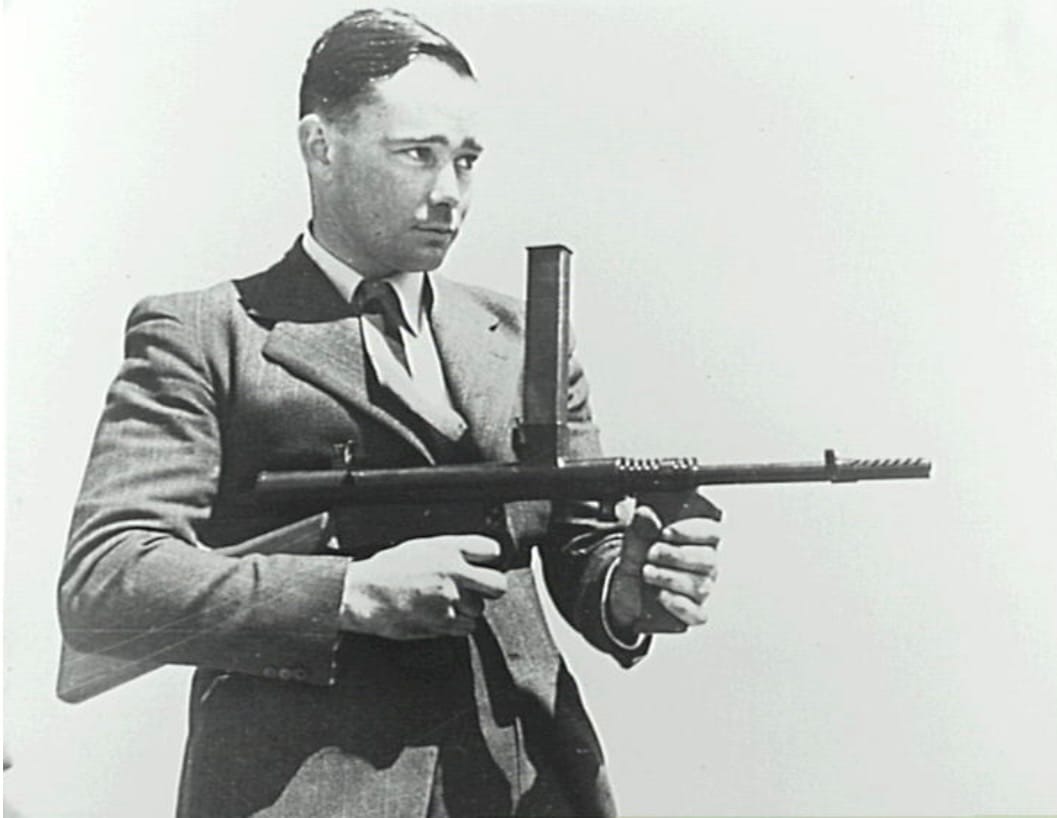
A. Yes, the Owen Gun is quite a story. It was a local guy, Evelyn Owen, who designed it and was involved in fine-tuning it. The components were made elsewhere but the gun was assembled here. It was a Lysaght engineer and manager that really championed it. The gun was tested on a sporting oval at the southern end of the Springhill works.
Q. Because it’s a company publication, I guess we can expect the stories to be very positive?
A. Well, no it’s not. I’m doing it personally, and while the company is supporting me, so far the company hasn’t influenced me at all, so it won’t have a BlueScope logo on it. I can put my hand on my heart that it’s an independent project but I’ll have my biases because I love the place, so it will be presented in those terms.
Q, I’m conscious of you trying to find a balance. How will you handle the many difficult times that have taken place here?
A. There have been some unpleasant times here over the years and those stories need to be a part of it because they’re part of our history as well.
Q. Are you referring to all that strike action in the 1970s and 1980s? How bad was it in those days?
A. I’ve quoted in my book that there was one year when there were 452 individual strikes. I’m not sure if that’s a record or not but it was a confrontational time.
Q. That period would have had a huge impact on the business and the workforce?
A. It wasn’t a good time for anyone but in the end, I can’t be too critical of the unions because there were always two sides to any issue.
Q. What about weathering the downturns for the steelworks?
A. The significant one was when the number six blast furnace shut down. That was a huge change here. It meant halving production essentially and that meant a ripple effect throughout the entire business, and it meant a lot less people. That was an economic decision as much as anything, and it needed to be done, but it wasn’t a pleasant time when so many people were out of work.
Q. Will your book look at the negative image issues at the steelworks when it wasn’t as clean and environmentally responsible as it is today?
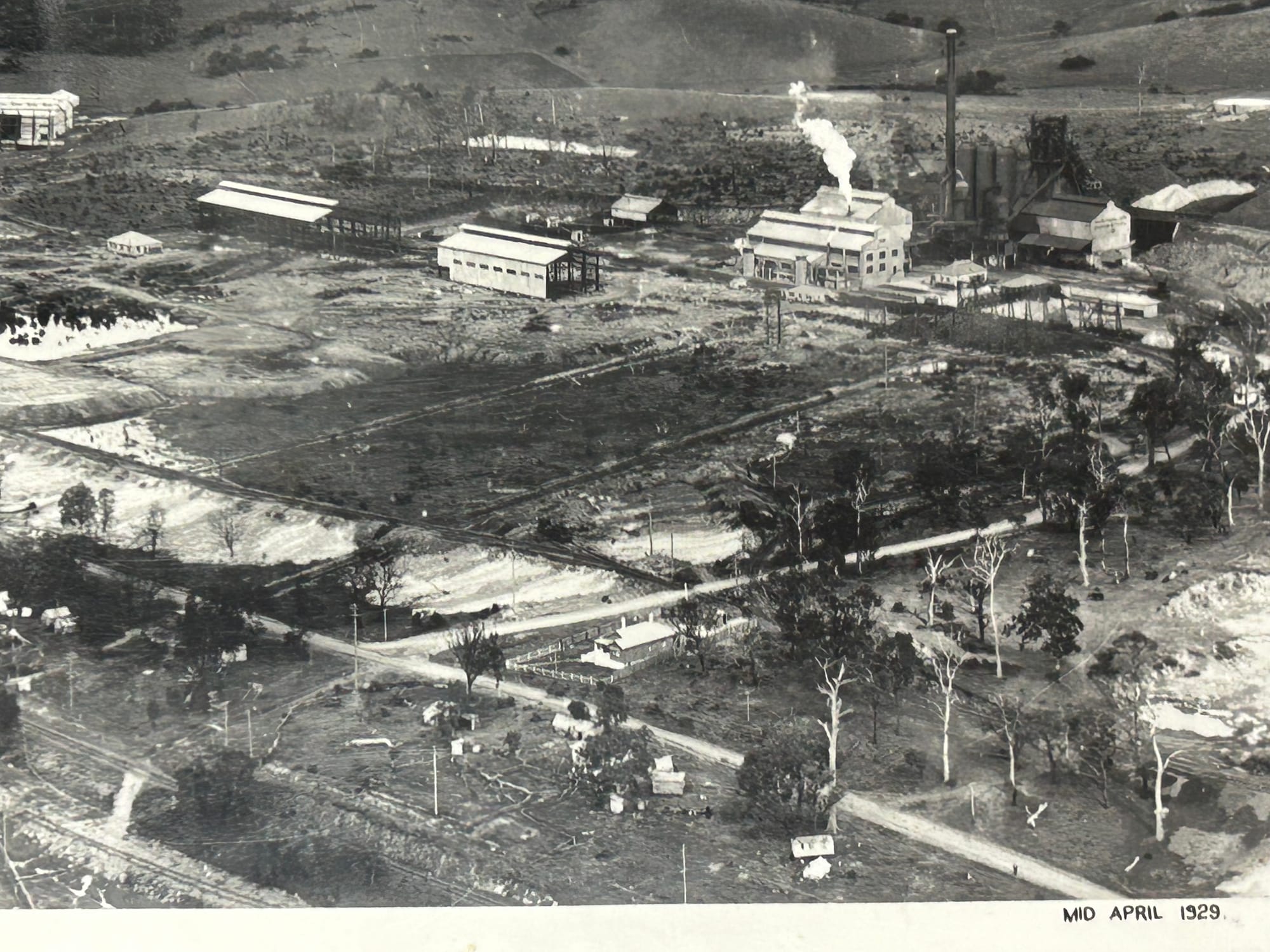
A. Definitely. There’s a section on the environment and a section at the end of the book on my personal observations rather than opinions. But I certainly write about when I visited as a school kid and I thought it was so hot and dirty that I would never want to work in a place like this; but that didn’t last too long. They were the days when you’d drive down Five Islands Road and you could smell the sulphur in the air. It wasn‘t good and everyone would admit that. But I think the company should be proud of what it‘s done since then over the years, like greening the place and introducing pollution-reduction equipment. There are good stories.
Q. What will your book say about the influence of migrants who came to Australia to work at the steelworks?
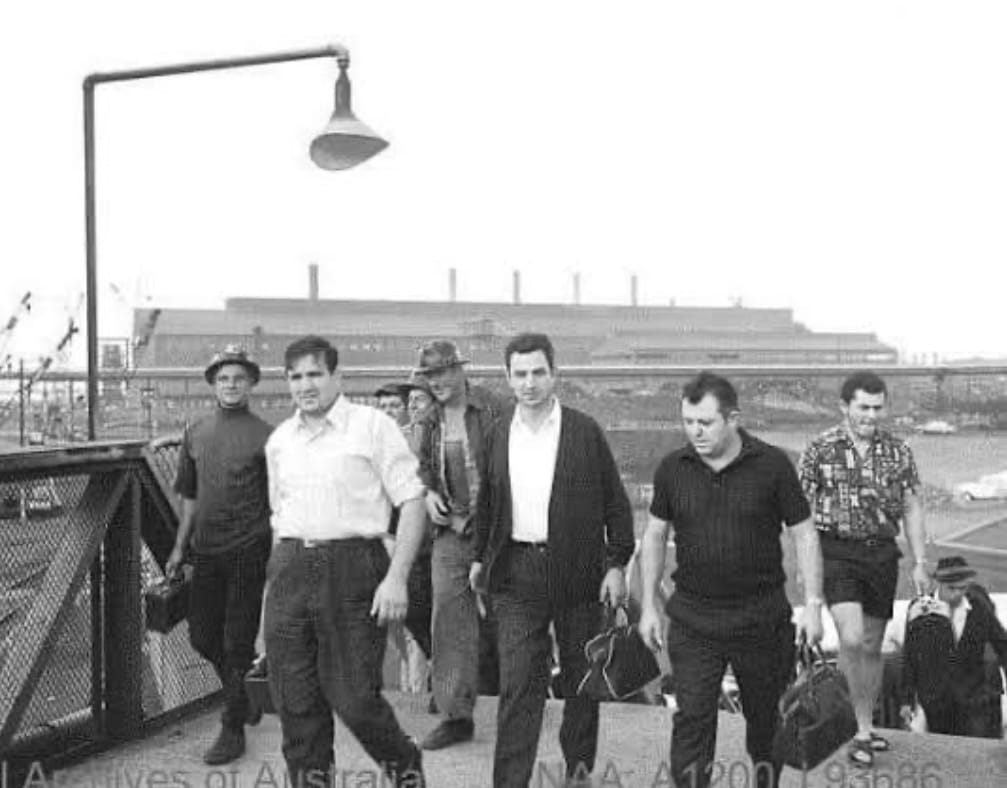
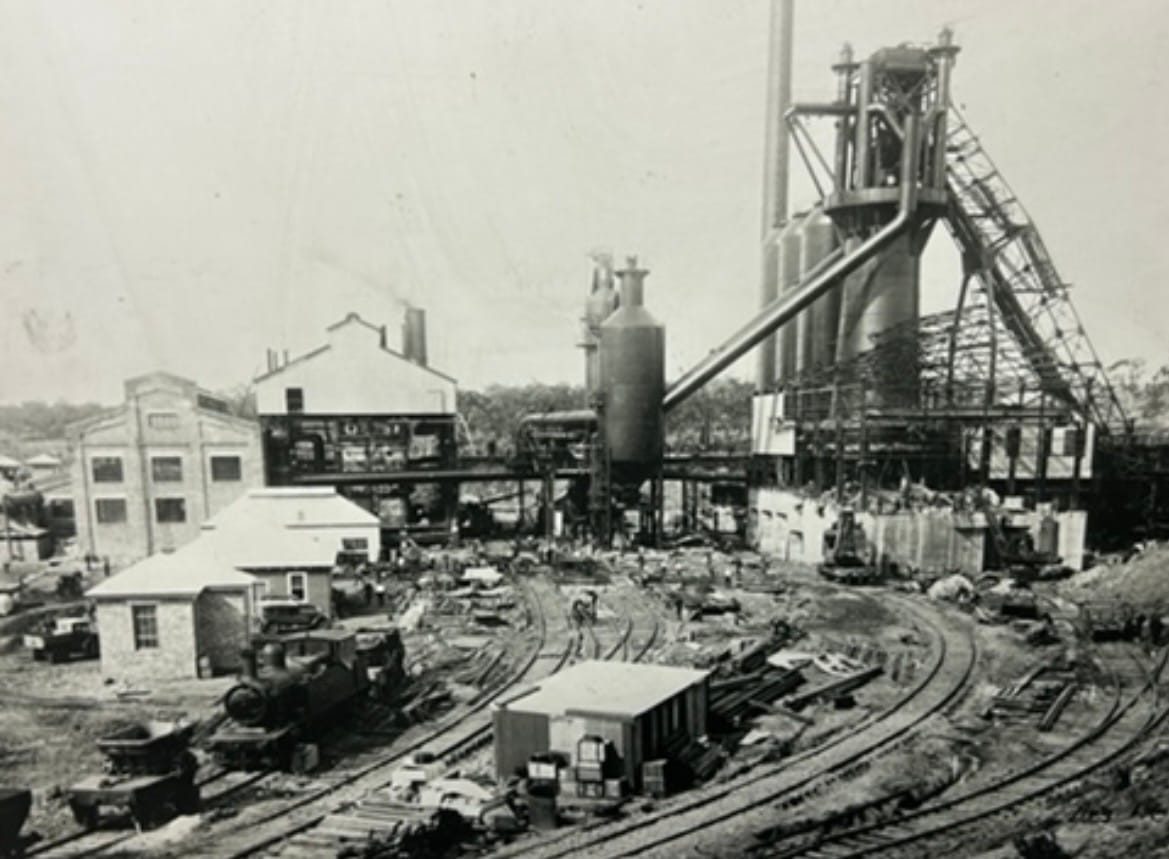
A. That is a huge part of our story. A lot of people came here from other places, and we all know of the people that came from just about every country in Europe after World War Two because we all have friends and neighbours who are part of that heritage, and Wollongong is a great place because of it. I’ve got to say there were a lot of British migrants that came here right from the very start and even back in the Lithgow years. And this place was a magnet for people from elsewhere in Australia. A lot came here from regional NSW where it was harder to get a job, so people descended on this place. One of the interesting aspects of that was they needed somewhere to live, and so there were a lot of hostels built up around this place. There were people living in shanty towns here when the place started.
Q. I know a lot of those migrants came to Australia and the steelworks with no understanding of English. That must have created its own challenges?
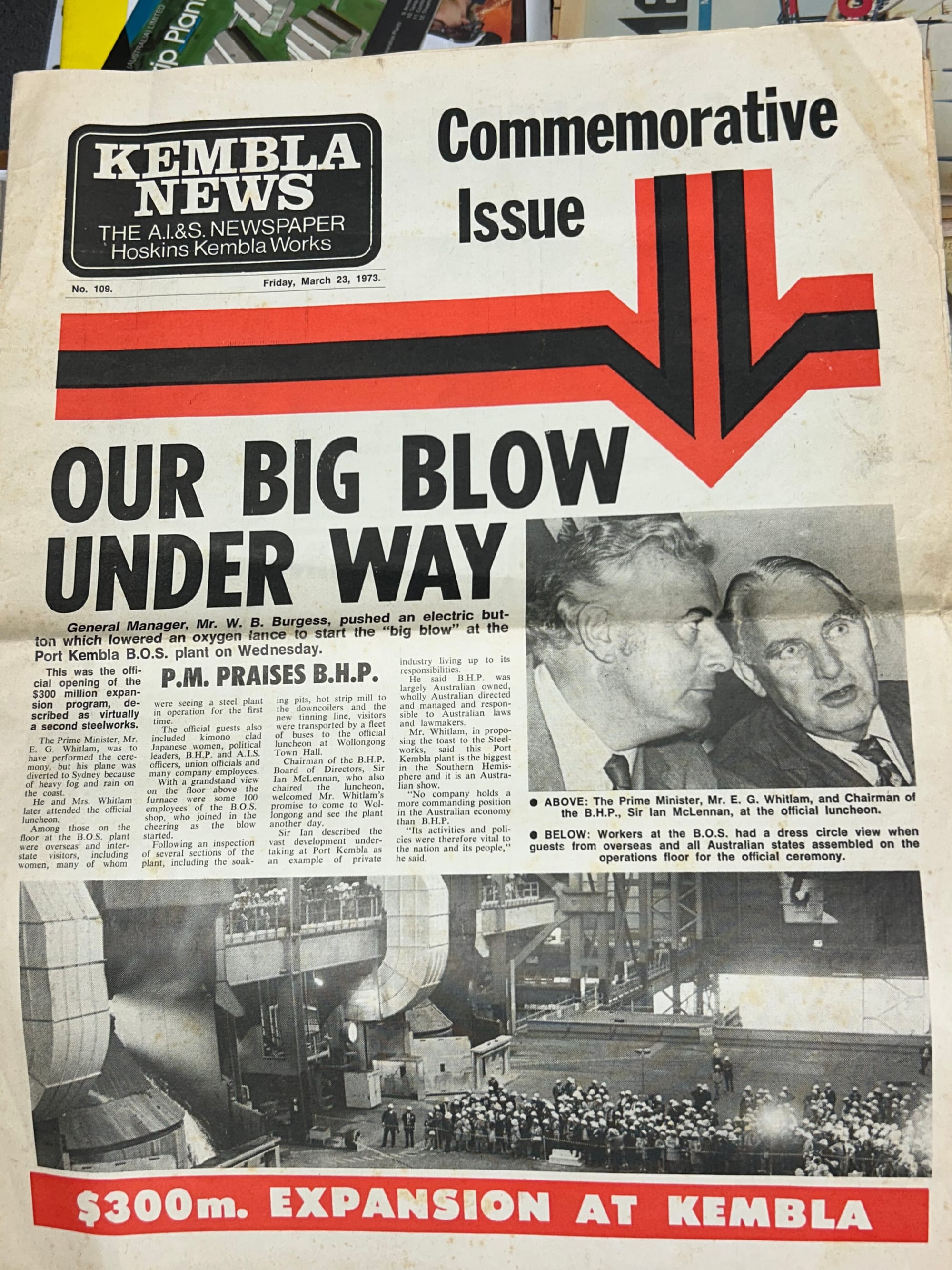
A. That’s right. There were so many different languages being spoken here. At one time, BHP’s Kembla News newspaper had some stories printed five or six different languages. Many people couldn’t speak English and they certainly couldn’t read English so that led to a lot of issues. The company tried hard to help out, setting up a lot of English language classes.
Q. On a heavy industrial site like this, safety is always a priority, and I’m sure the safety record today is much different to earlier in the steelworks’ history?
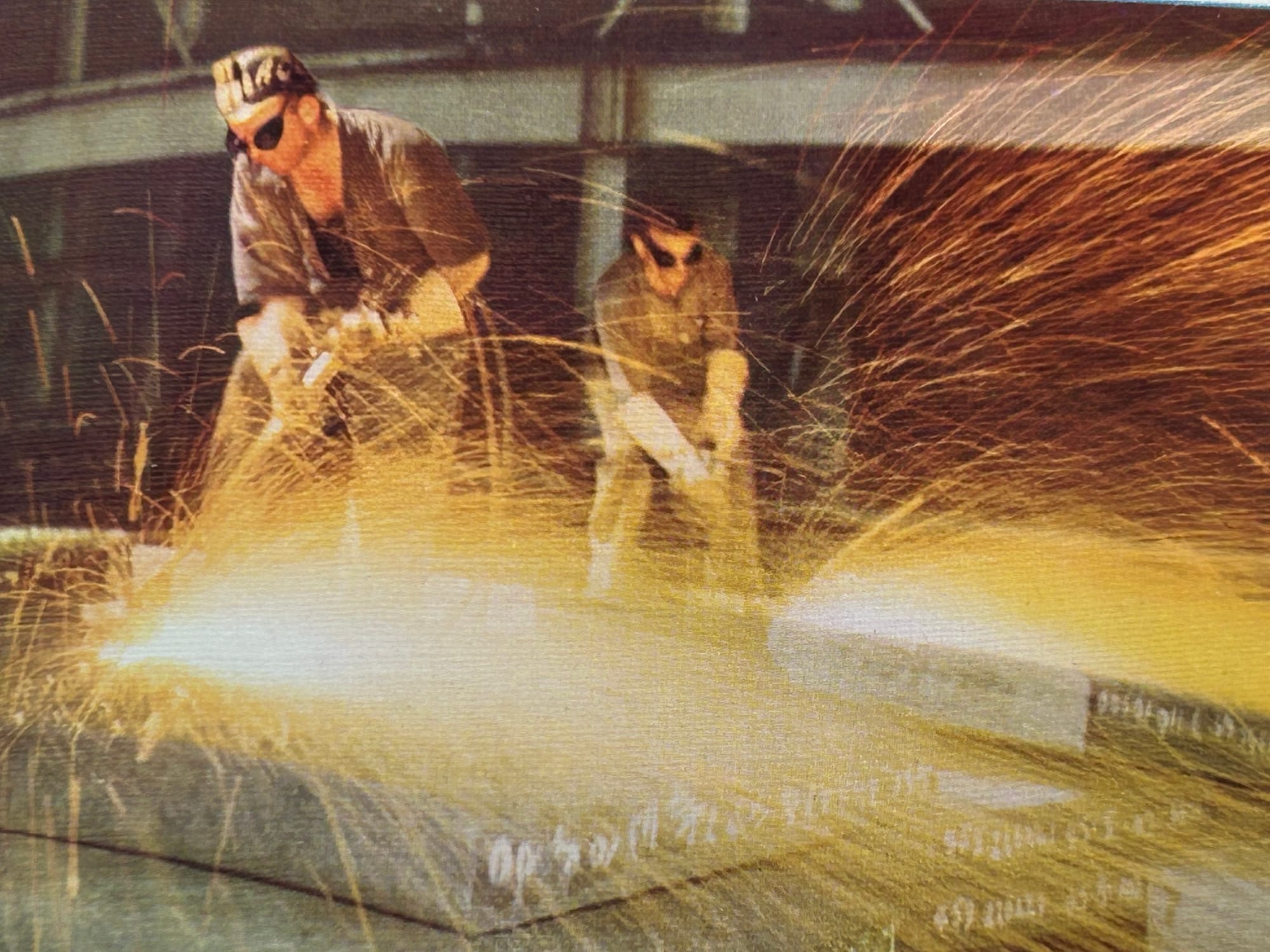
A. Safety has always been a focus but we’ve hurt a lot of people over the years, and we’ve lost a lot of lives here, very sadly. The big thing is I’ve seen change. The focus on safety has always been there but in the past it was very much, let’s deal with something after it happened. Now, there’s much more of a focus trying to anticipate what could go wrong and trying to eliminate that risk.
Q. For the first 50-60 years of operation, here it was almost 100 per cent run by men. How has that changed?
A. It took a lot of community pressure for changes to happen to enable women to be employed in certain roles because it was a thing of the times. It was thought that this was only a man’s place because it was hot and dirty and dangerous, and you don’t want your daughters or your wife or the women in your life working in such a place. But over time, there has been a change. There are jobs and there’s no reason why women can’t do them, and we all know that now, but that came about because change had to happen here. And a lot of it was based on community pressure. It’s been a good thing for the business. The diversity of our workforce improved the place; I have no doubt about that.
Q. You must be excited having your book ready for release in time for the steelworks‘ centenary in 2028. What else is planned for the big 100th birthday?
A. Certainly there will be an opportunity to invite ex-employees back for functions and tours and I expect that will happen as a matter of course.
Q. Could the centenary year see a nostalgic return of the famous steelworks picnic day?
A. (Laughs) Those picnic days were huge. Thousands of people would pile on a train and head down to Berry or Kiama. They would have three-legged races and egg and spoon races, and looking through the old magazines, there was a married ladies race and single ladies races, and the same for men, and of course the tug-o-war. These were huge events on their own right. Today we have a picnic day, and so we have a holiday but no event.
Craig hasn’t settled on the final title for his book but the working title is most appropriately Australian Icon.