

City champions say no to Port Kembla nuclear AUKUS base
Three past Wollongong citizens of the year and a current top citizen have added their voices to the debate

Five leading Wollongong citizens and community leaders have spoken out, expressing their concerns about the prospect of Port Kembla Harbour becoming the home base for the controversial AUKUS nuclear subs.
Last week, former Midnight Oil lead singer and federal Labor minister Peter Garrett was named as the lead commissioner for a public inquiry into AUKUS. He will be supported by fellow commissioners in former head of Australia’s Defence Force, Admiral Chris Barry, and another former federal Labor minister, Carmen Lawrence.
The crowd-funded review of the multibillion-dollar nuclear submarine project – Australia's largest ever Defence deal – was launched last week at Parliament House, where Garrett said it would shine a light on a project that has been shrouded in secrecy.
The five-month independent public inquiry will finalise its findings in October and public hearings will be held across the nation. In the Illawarra, August 14 will be the opportunity for the commissioners to hear local views – for and against – at a venue yet to be announced.
Anyone interested in speaking (with a five-minute limit) or making a formal submission can find out more via the inquiry website.
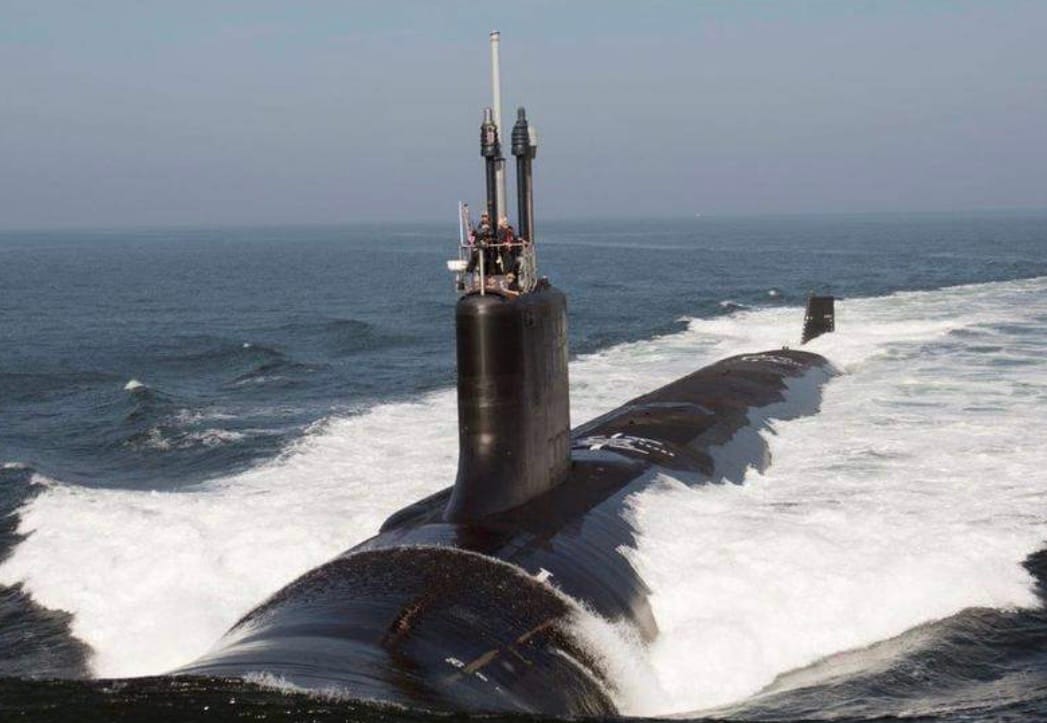
The Illawarra Flame last week reported the concerns of the local trade union movement. South Coast Labour Council secretary Arthur Rorris criticised the secrecy of the project, the potential impact on Port Kembla Harbour and the surrounding population, and a lack of any input to date from Wollongong City Council, which he said should be representing the views of the local community.
Arthur says the AUKUS deal and the release last month of once-secret documents showing Port Kembla to be the preferred location for the subs should put the issue high on the agenda for the state election next March.
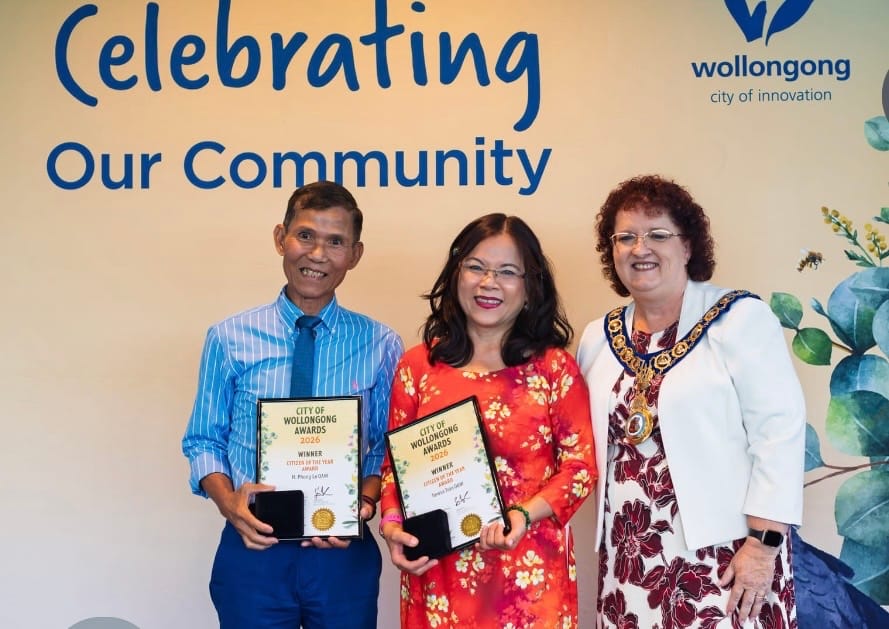
Top citizens add their voices
Three past Wollongong citizens of the year and a current top citizen, Teresa Tran, have added their voices to the debate, expressing their concern about the lack of consultation and transparency to date.
“It’s important that we have our voices heard," Teresa said.
“My family came here to seek stability and most of all a peaceful future for our children. We want to preserve a peaceful and welcoming culture.”
Teresa said her concerns, and the concerns from many in the region’s Vietnamese community, centred on environmental impact and safety.
“We are in paradise here. We never take anything for granted.
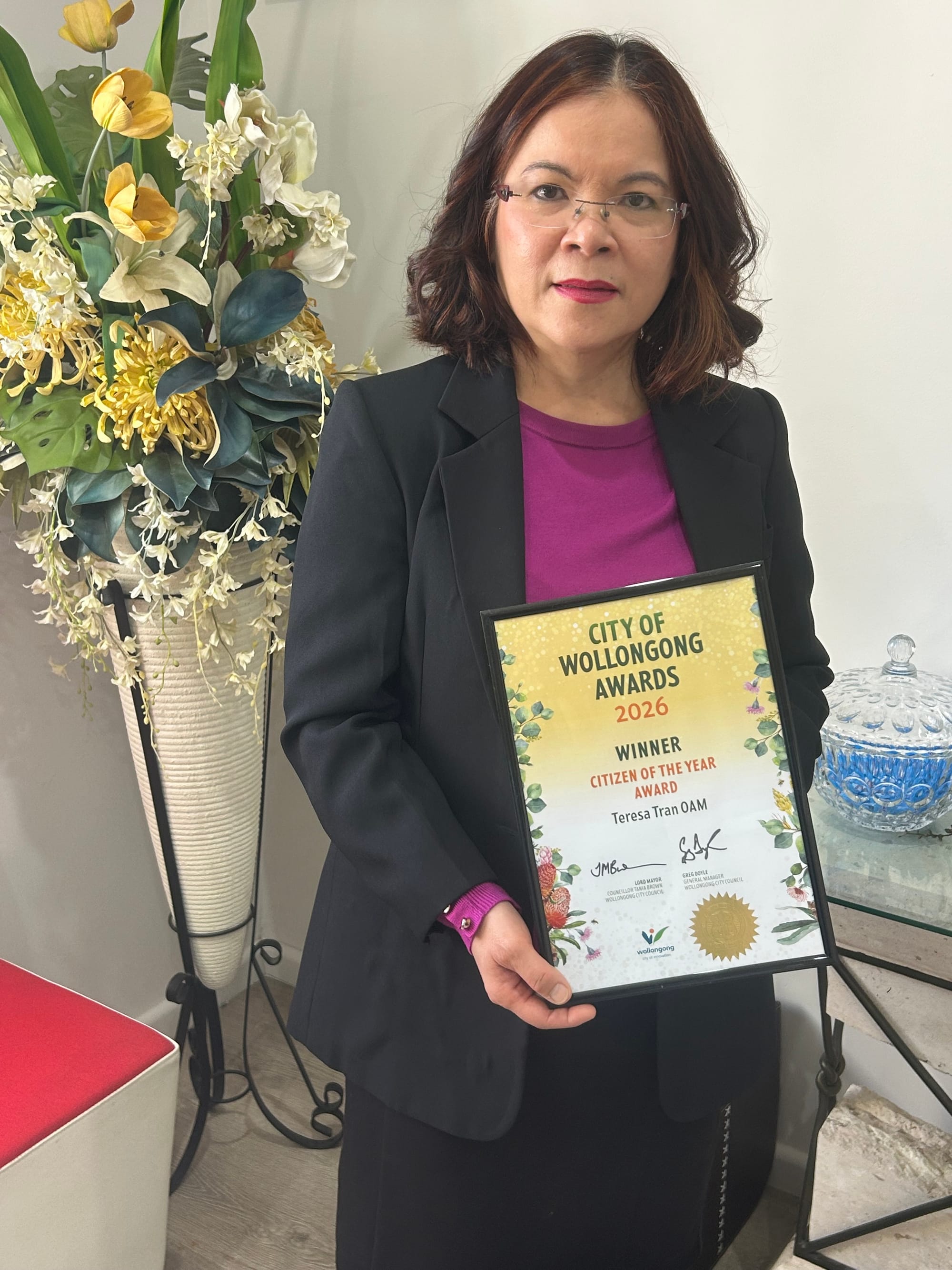
“Respectful discussion is important. I hope they don’t make decisions behind closed doors. They should be talking to the community now and trust needs to be built. The discussion should start here with local people who may be affected. This is where the conversation should begin, not in state parliament."
Asked for her reaction to the release of a detailed review into the AUKUS arrangements under freedom of information, Teresa said: “If there is nothing to hide, everything should be open and available to the public. We certainly don’t just want this imposed on us."
Teresa was also insistent that First Nations elders should be consulted early about any plans to establish a nuclear submarine base at Port Kembla.
One of those elders, Aunty Barb Nicholson, lives in Port Kembla in an area identified in the previous government’s study as a potential exclusion zone.
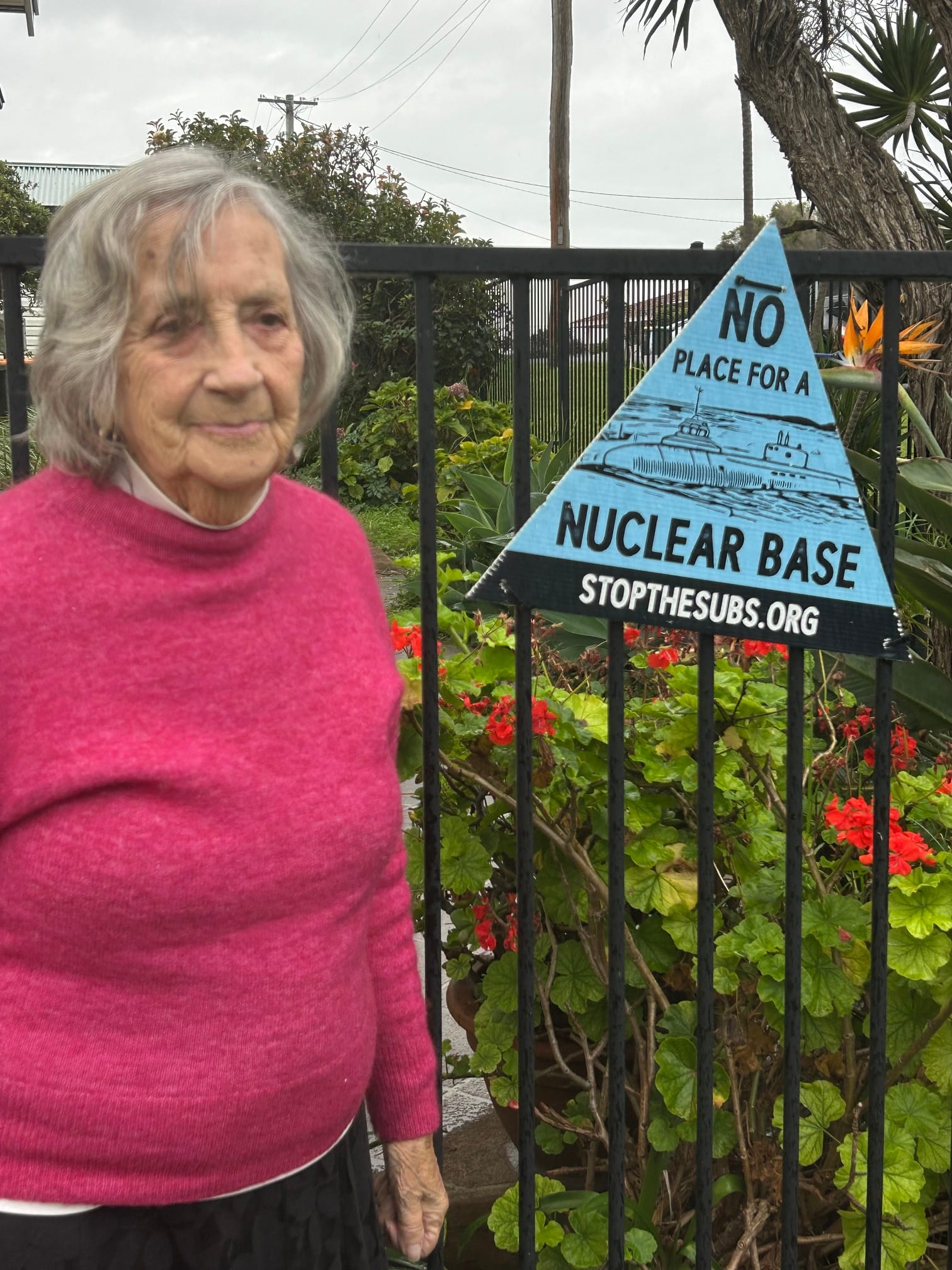
The sign in Aunty Barb’s garden makes it clear that she has grave concerns about what’s planned.
The 2024 Wollongong Citizen of the Year told The Illawarra Flame: “Overall, no one is impressed with it … the risk is too high.”
Aunty Barb feared Port Kembla would become a prime target if Australia found itself in conflict.
She said that during World War II, Japanese submarines had patrolled close to Port Kembla. “That just gives an example on a local level how the risk is enhanced.”
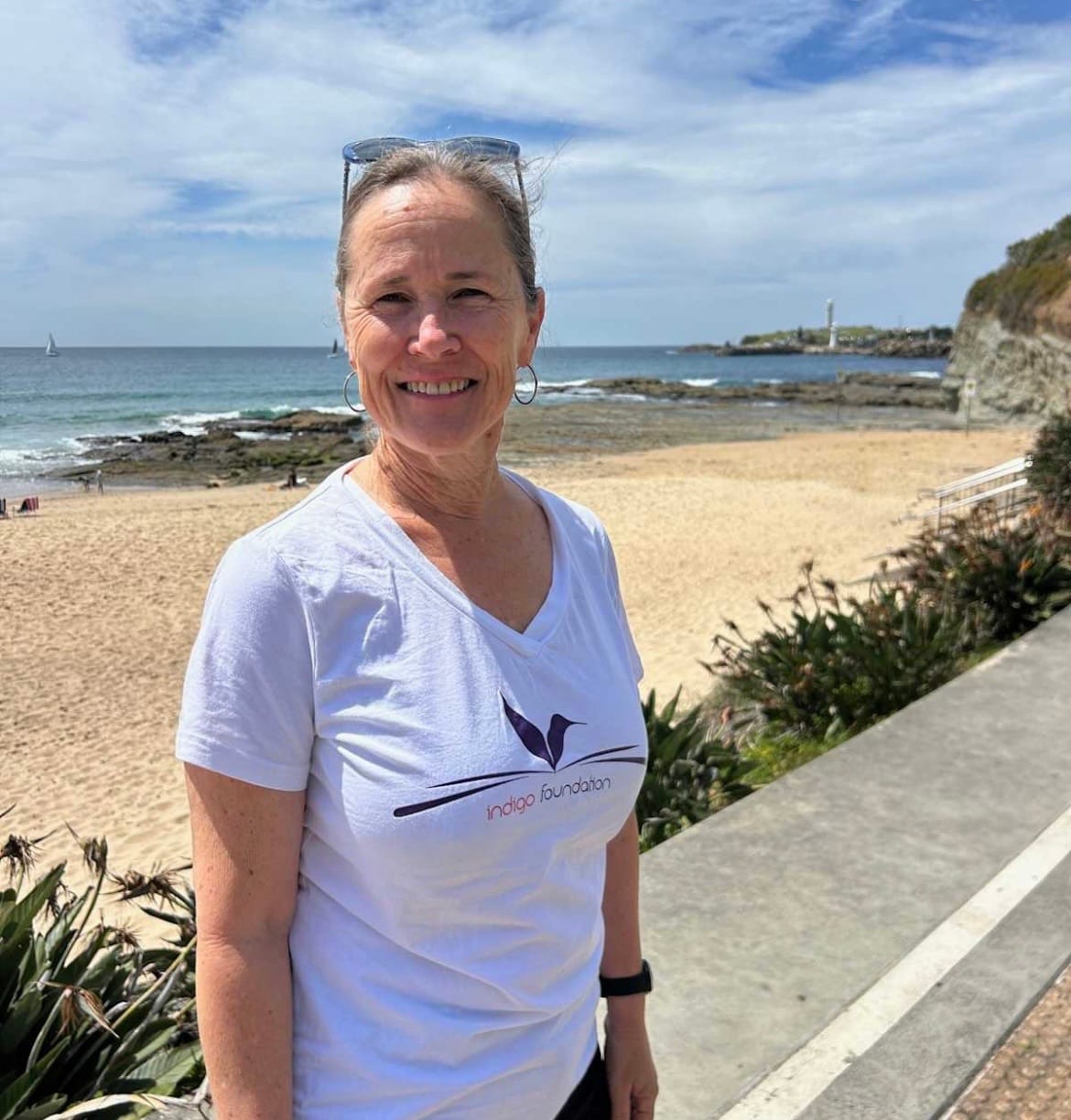
Wollongong’s 2023 Citizen of the Year Sally Stevenson has made no secret of her opposition to any plan for the submarine base to be located in the Illawarra.
“I absolutely oppose a nuclear submarine base in Port Kembla – or anywhere in Australia," Sally said.
"In addition to successive Australian governments fully subjugating to the United States and its unhinged military interests, obsessions and profit-making, as a community we must also understand the unique health and safety risks associated with naval nuclear reactors and the environmental impact any potential accident would have on the port.
“A base proposed here threatens both regional peace and our marine ecosystem- and our community’s health.”
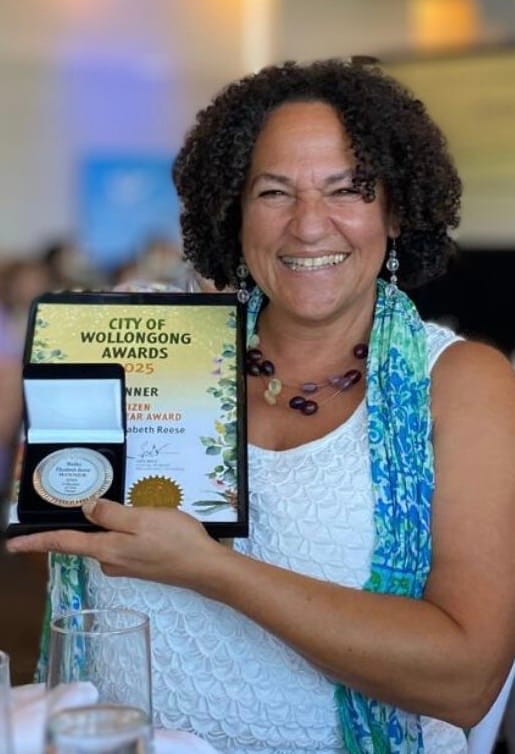
Malika Reese, Wollongong’s 2025 Citizen of the Year, also listed community and environmental safety as her major concerns.
“I also think the lack of transparency is incredibly concerning,” Malika said. “It feels outrageous that they are considering Port Kembla as the base. It will then make this region a possible target for attacks, let alone the environmental implications.
“To me the real question is, why are we still spending so much money time and resources on war machines when we should be evolving as humans? We could be spending that money where it can be better utilised; with our communities, in our health and education sectors, in our families and ageing populations.”

Healthy Cities Illawarra CEO Kelly Andrews says she will watch progress on the new independent public enquiry led by Peter Garrett with interest.
“Healthy Cities Australia signed the Port Kembla Declaration because it aligns with our commitment to public health, community wellbeing, and sustainable developmen,” Kelly said. “Peace is a prerequisite for health and we can’t take peaceful cities for granted.
“The militarisation of Port Kembla could very well be seen as undermining regional peace, which is fundamental to health outcomes. There are direct public health risks associated with potential nuclear incidents and radioactive waste, there are risks to the marine environment, and besides all that, it will be good to see some scrutiny of the Defence budget.
“I am continually struck by the imbalance in how we invest as a nation: we underfund prevention in health and wellbeing despite it being cheaper than treatment, and knowing it keeps Australians happier and healthier for the long-term – while Defence regularly commits to decades-long, eye-watering future investments to manage possible risks.”


