

Council criticises 'degraded' state of Wollongong Station and lack of action on 'vulnerable' Windang Bridge
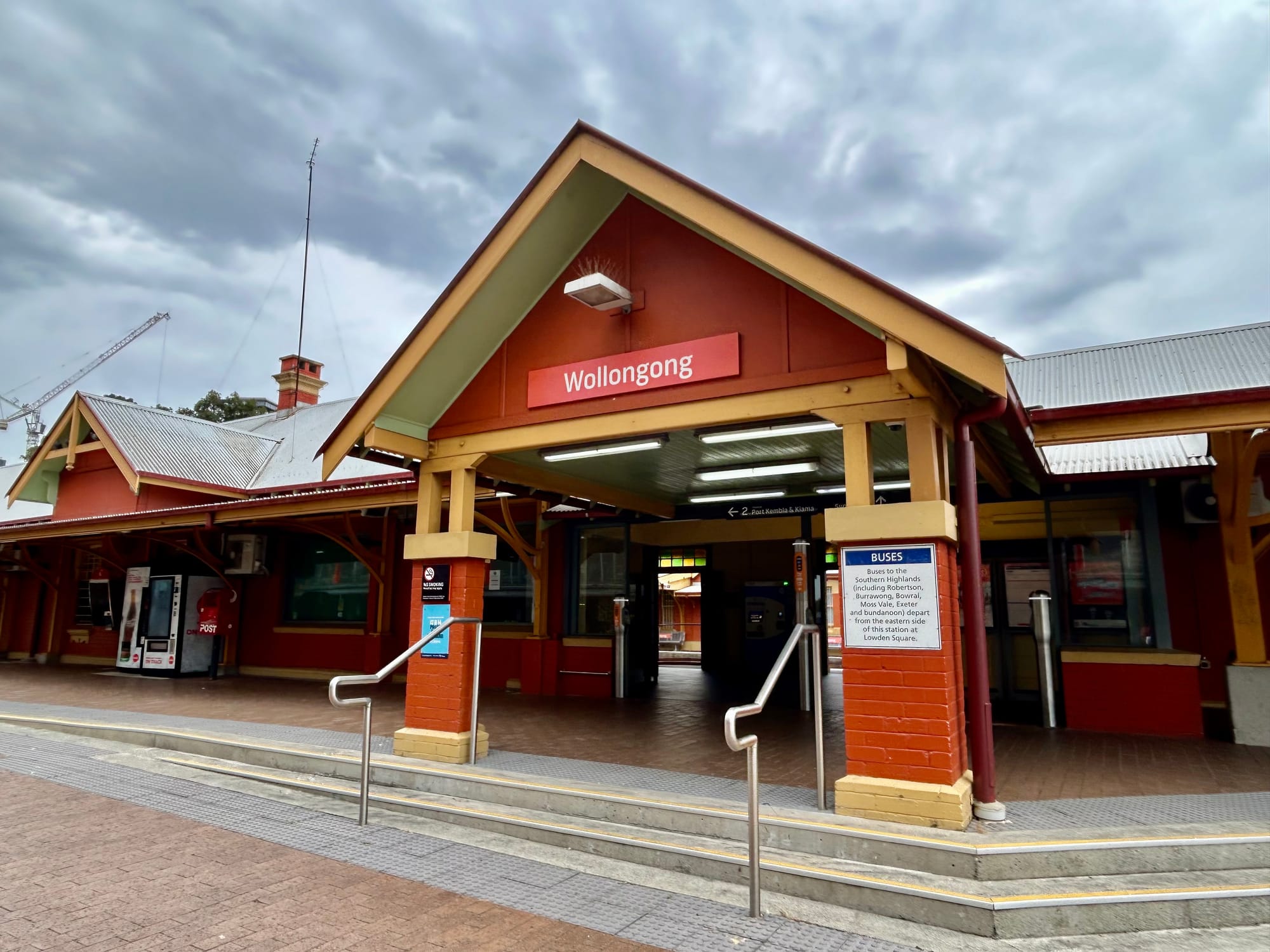
In a wide-ranging submission to the NSW Government’s future regional transport strategy, Wollongong City Council didn’t mince its words when describing the state of our city’s main railway station

In a wide-ranging submission to the NSW Government’s future regional transport strategy, Wollongong City Council didn’t mince its words when describing the state of our city’s main railway station.
“The station precinct as it stands today is degraded, disorientating and presents safety concerns that are a barrier for utilisation for all modes of transport," Council’s submission said.
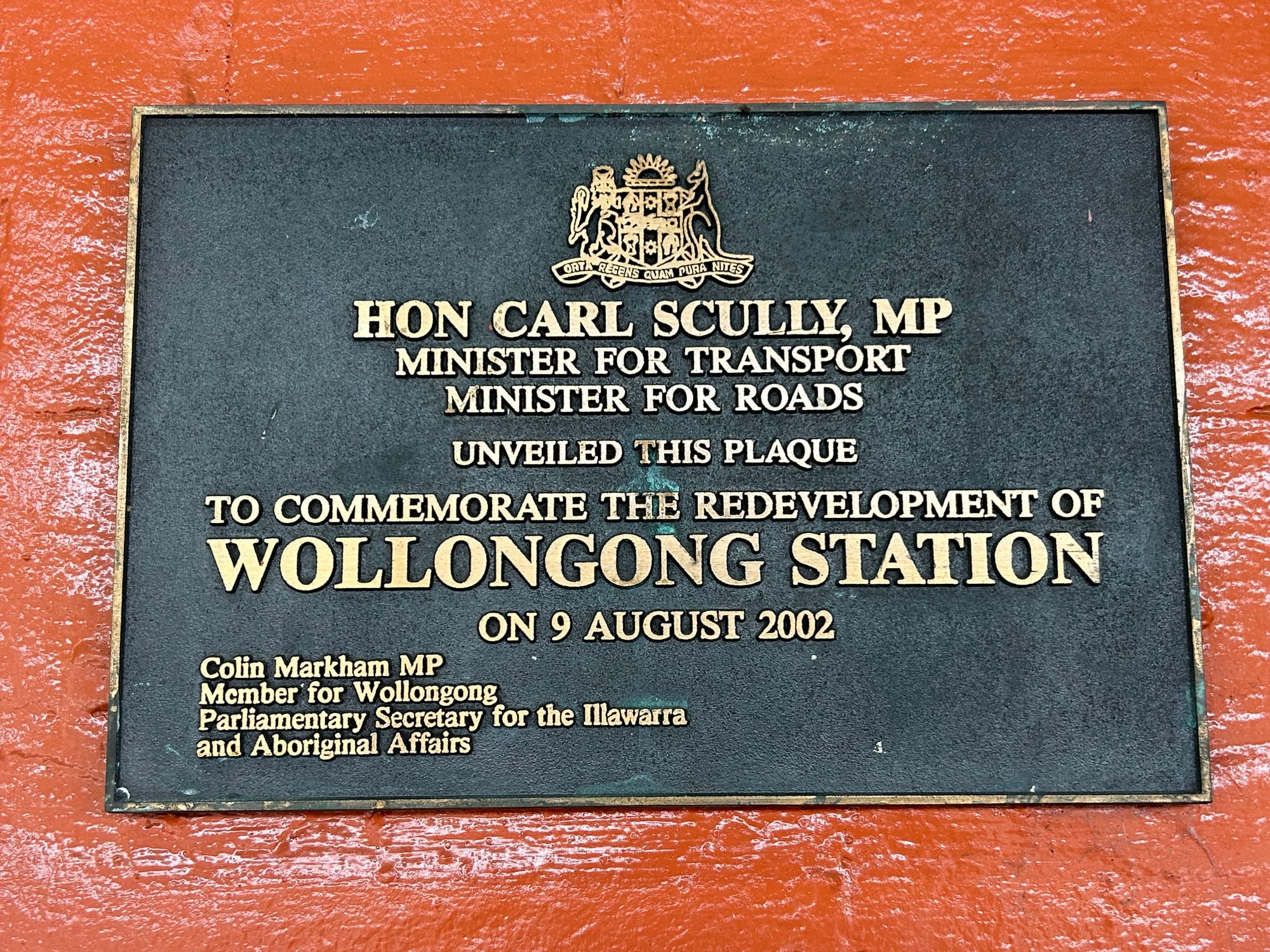
A bronze plaque at the city‘s main station tells the story. The last significant revamp at the station took place in 2002. That’s nearly a quarter of a century ago.
Council is calling for significant new state government investment to bring the city’s heritage-listed central station into the 21st century. But more on that later.
State's plan is 'underwhelming'
At Monday night’s open council meeting, Ward 3 councillor Ann Martin was highly critical of Transport for NSW for its draft regional strategy, which she said lacked “energy" and had “lots of gaps”.
“I’m seriously underwhelmed,” Cr Martin said when referring to the draft transport plan’s failure to see the importance of finishing the Maldon-Dombarton rail link that she says should carry people as well as freight between south-west Sydney and Wollongong.
Cr Martin’s most stinging criticism was reserved for the ongoing delays finding a solution to erosion problems at the entrance to Lake Illawarra that, according to the report from Wollongong Council’s officers, is making Windang Bridge “vulnerable". She laid the blame squarely at the feet of the NSW Government bureaucracy and asked why it was “left to Council to find solutions”.
Cr Martin said Council was still waiting for the state government to respond to a request for a permanent solution to problems with erosion at the entrance to the lake.
Council said in its submission that tidal movements resulting from the permanent opening of the lake entrance were contributing to significant erosion of the waterfront along Windang foreshore and undermining of Windang Bridge.
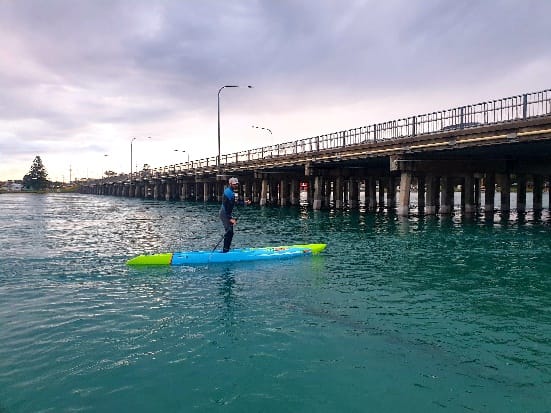
Better make sure the bridge is still standing
In the state government’s draft plan, Windang Bridge is identified as part of a significant bus corridor linking Shellharbour with Warrawong/Wollongong. Council is seeking NSW Government’s support to resolve issues with the current and growing vulnerability of Windang Bridge.
For Cr Ann Martin, the alarm bells are ringing. “If you want to have a fantastic shuttle between Shellharbour and Wollongong, you’d better make sure the bloody bridge is still standing,” she said.
“If that bridge comes down then we’re in trouble.
“We are being let down by these sorts of strategies when there are clearly gaps.“
Cr Martin said Wollongong Council should “put a rocket under them [Transport for NSW] and get this plan sorted.”
Now, back to those concerns over Wollongong railway station.
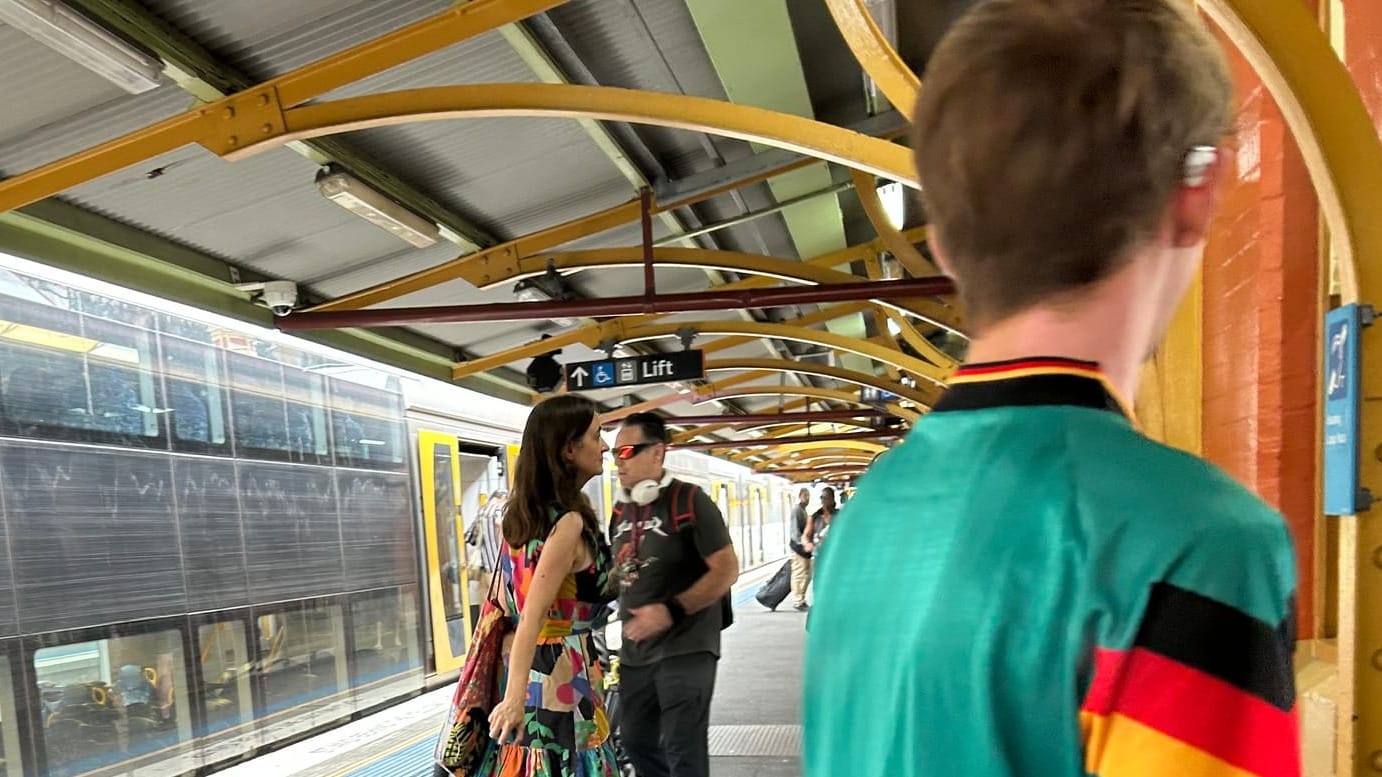
The Council submission expressed concern that future urban infill plans for Corrimal, North Wollongong and Dapto under the government’s transit orientation development (TOD) might take precedence over the Wollongong railway station precinct.
Wollongong Station should be priority
“The principal regional priority for facilitating sustainable high-density infill should be the Wollongong station precinct,” Council’s submission said.
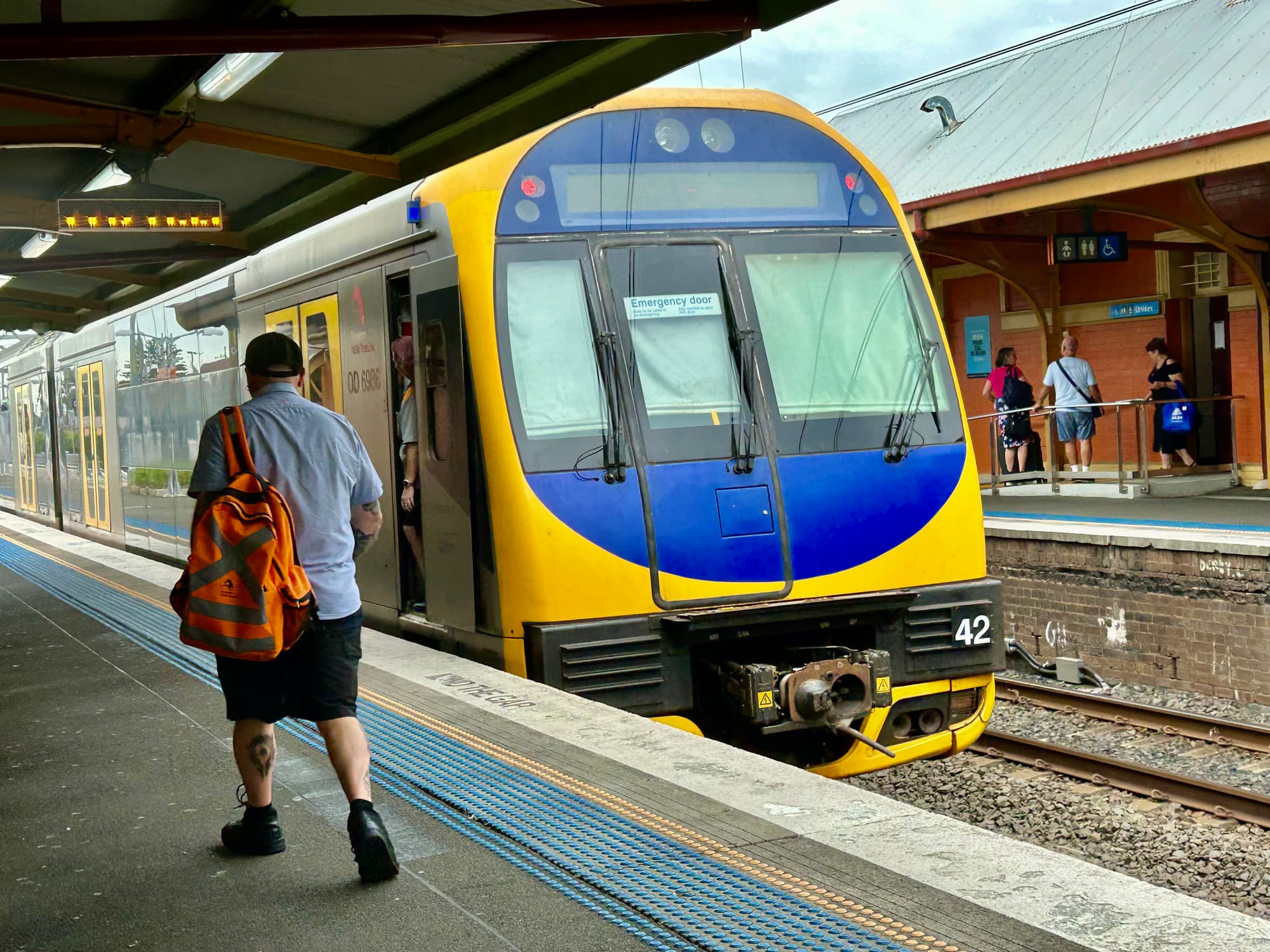
“Wollongong is the busiest station in the region, with approximately 140,000 monthly entries and exits. Given Wollongong’s role as the region’s highest-order commercial centre, an expanding health and education precinct, and the primary hub of the Illawarra economy, investment into this precinct to deliver on the NSW Government Masterplan is critical.”
Council says Transport for NSW's “Wollongong Station Precinct Draft Master Plan” identified “infrastructure upgrades and potential redevelopment opportunities that will be the catalyst for high-density infill development with a high level of access to public transport, employment and health services.”
Council said Wollongong’s central station shouldn’t play second fiddle to suburban railway hubs.
“There is opportunity for significant increases in dwelling capacity within 1200 metres of Wollongong station and it should not be represented as a lower order station to Corrimal, Dapto and North Wollongong.”
(See details on the history of Wollongong railway station at the end of this story).
Our biggest future transport challenges
The draft Illawarra Shoalhaven Regional Transport Plan sets out more than 45 initiatives across roads, public transport, walking and cycling, freight and land use integration.
Wollongong Council’s detailed submission picked up on many of the biggest challenges facing locals trying to get around the city and the region each day. These include:
- The absence of a Wollongong-Shellharbour Public Transport Service Plan to help coordinate movement within and between the two cities. Council said this could hinder future growth areas of West Lake Illawarra, Warrawong and the surplus BlueScope lands.
- Significant road congestion on the M1. The draft plan doesn‘t capture the current and growing capacity issue on the Princes Motorway and Council says given the pace of growth in West Dapto, “the draft plan should include initiatives in the short term to identify sustainable transport initiatives, such as improved public transport to reduce the number of vehicles on the roads that can reduce future congestion impacts on this crucial corridor as the demand grows.”
- Inclusion of initiatives to advance planning work on the Maldon-Dombarton rail link. Council wants the state government to broaden the proposed use of this new rail line, to include passenger travel as well as freight movements between south-west Sydney and Wollongong-Port Kembla.
- A proposed cruise ship terminal at Port Kembla Harbour. There is no mention in the draft Transport for NSW plan for Port Kembla to become the next cruise ship terminal for NSW. “Investment in Wollongong as NSW’s third cruise turnaround port would address current demand, support long-term growth, and help maintain a vibrant and sustainable cruise sector for the state,” Council’s submission said.
Footnote: Wollongong railway station (platform 2) was constructed in 1887. The platform 2 refreshment room, still in use today, was constructed in 1890. Platform 1 station and refreshment room were constructed in 1923 and 1926 respectively. Wollongong station was added to the NSW state heritage register in 1999.


