

Fair food flourishes in crisis, but delivery costs bite
Green Connect's award-winning urban farm at Warrawong is raising the cost of home deliveries of its freshly picked produce

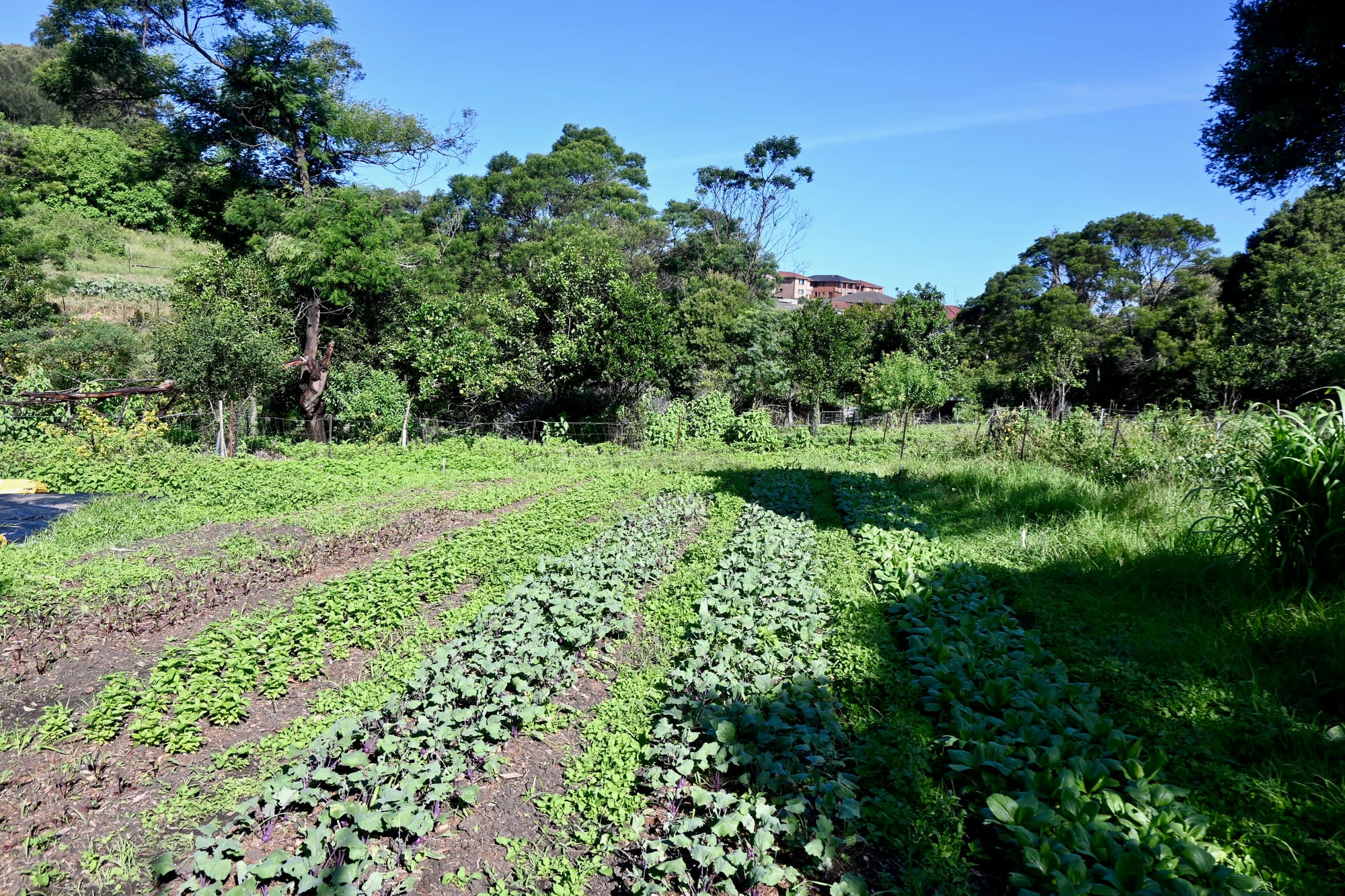
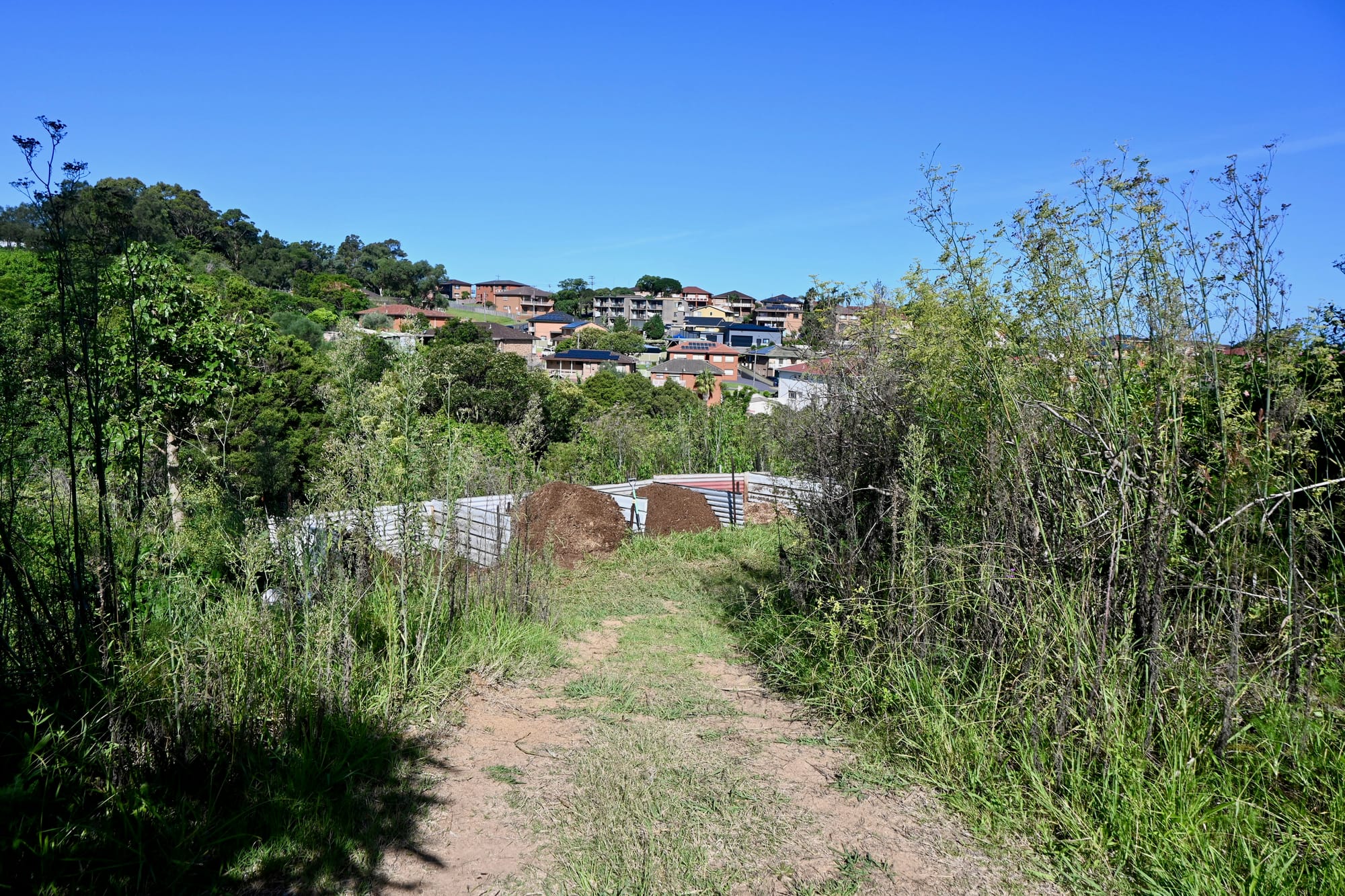
At 11 acres, Warrawong’s best-kept secret hardly needs a tractor. The small team at Green Connect Farm grow everything organically and hand-pick vegies, herbs and fruit.
However, rising fuel costs will affect the farm's veg box deliveries.
“We have two vans and a diesel ute,” says Robert Servine, CEO and company secretary of Green Connect Farm. “And we deliver from as far as north as Coledale and all the way down to Kiama.
“We’re going to raise our delivery charge.
“It's costing us too much money and we're actually going to be losing money on deliveries.”
Customers who collect their weekly boxes from hubs – including two new pick-up points at Tarrawanna’s Reub Goldberg and Corrimal’s Elite Supplements – won’t be affected, but farm to front door delivery costs could rise from $9 to about $12.
Green Connect harvests enough fresh produce for 145 veg boxes a week and about half of these go straight to Illawarra homes.
“It's tough time at the moment for everyone, but we hope that people will be okay with the cost increase and continue to support the farm,” Robert says.
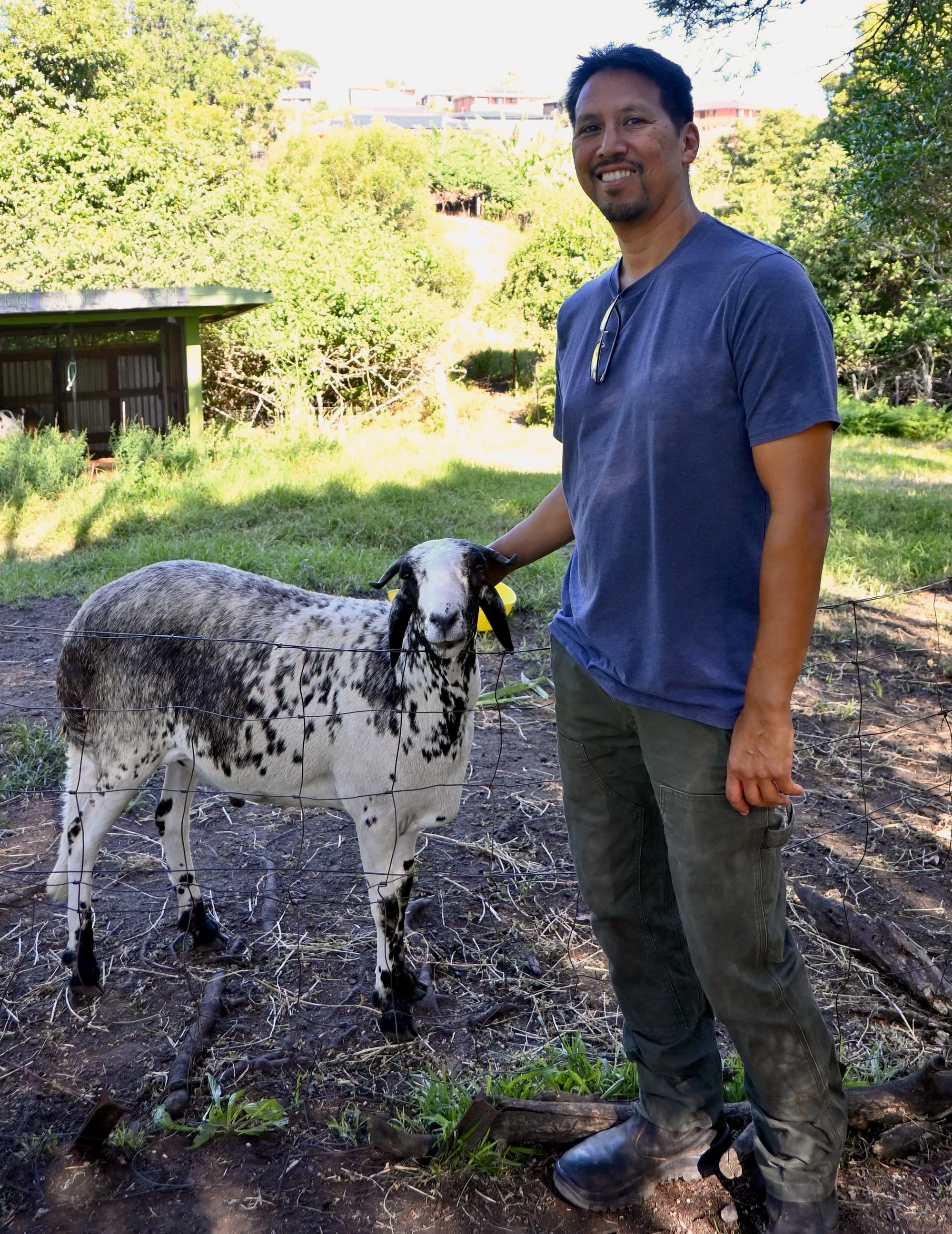
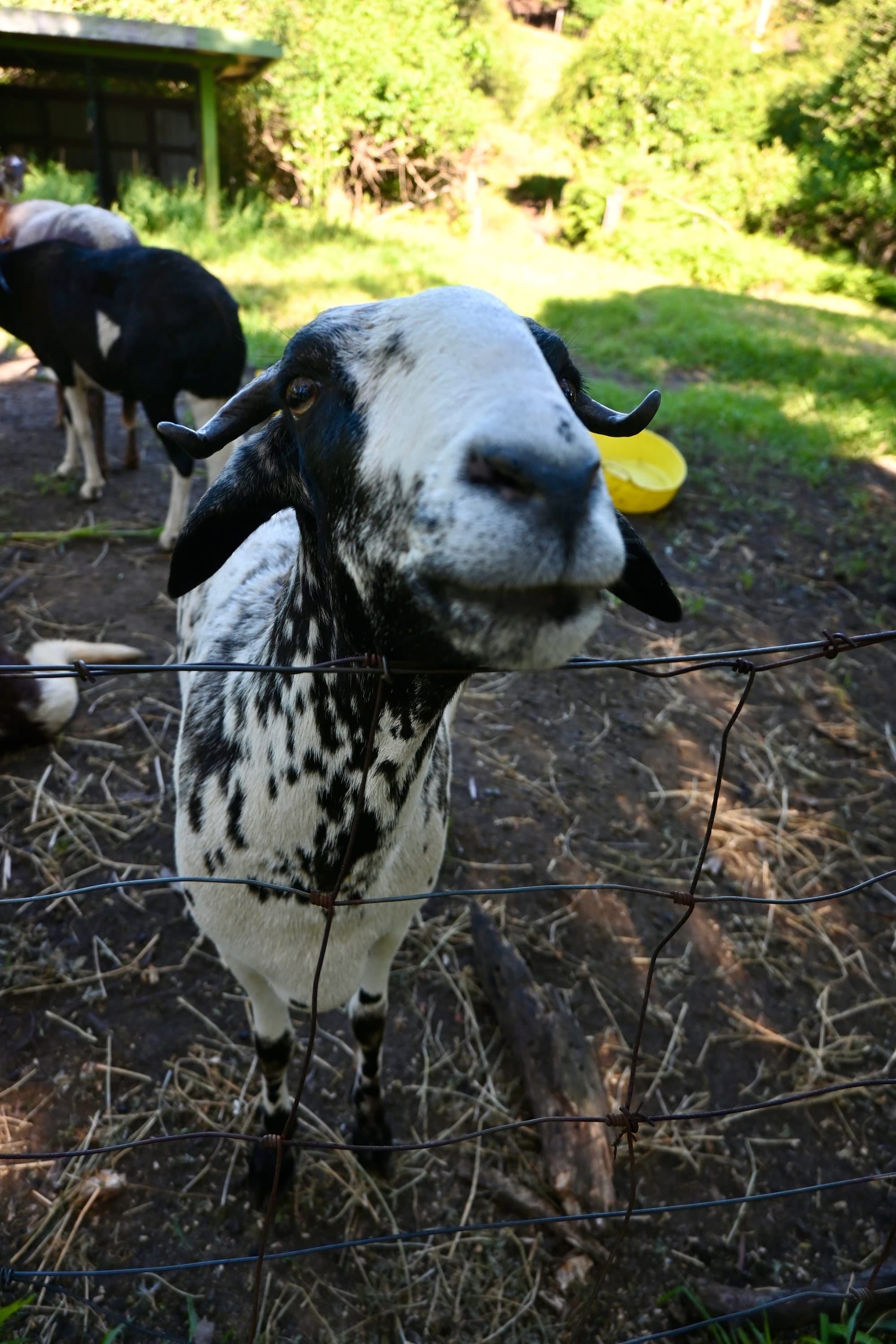
At right: Robert Servine with Sebastian, one of the friendly African fat-tail sheep that children love to pat.
Costing from $36 a week, Green Connect's seasonal fruit and veg boxes are slightly more expensive than standard supermarket stock. “But if you compare organic for organic – not organic for conventional – we are comparable in organic vegetables,” Robert says.
The farm is in between seasons, yielding both summer and autumn vegetables, and so far has been shielded from fuel price hikes.
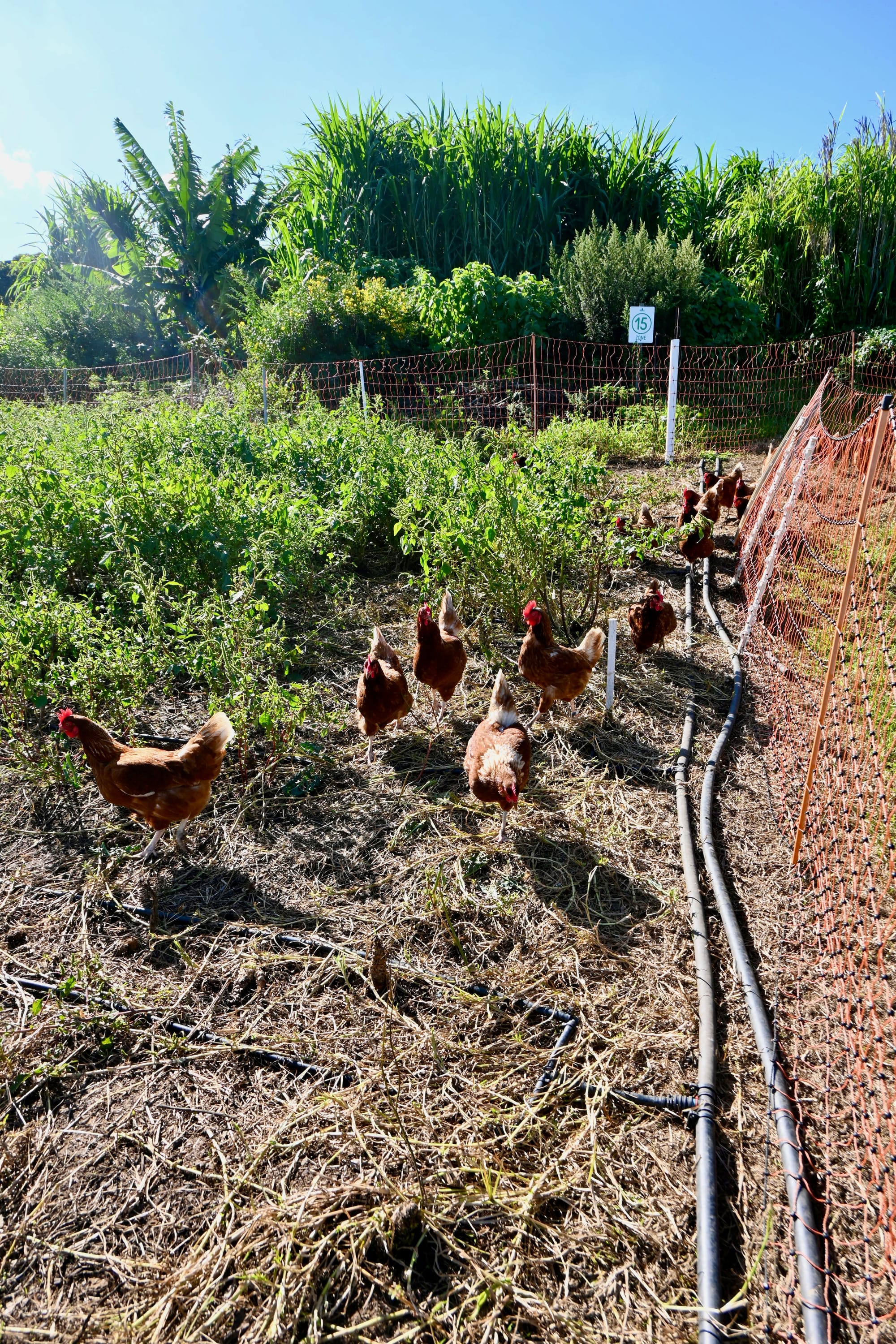
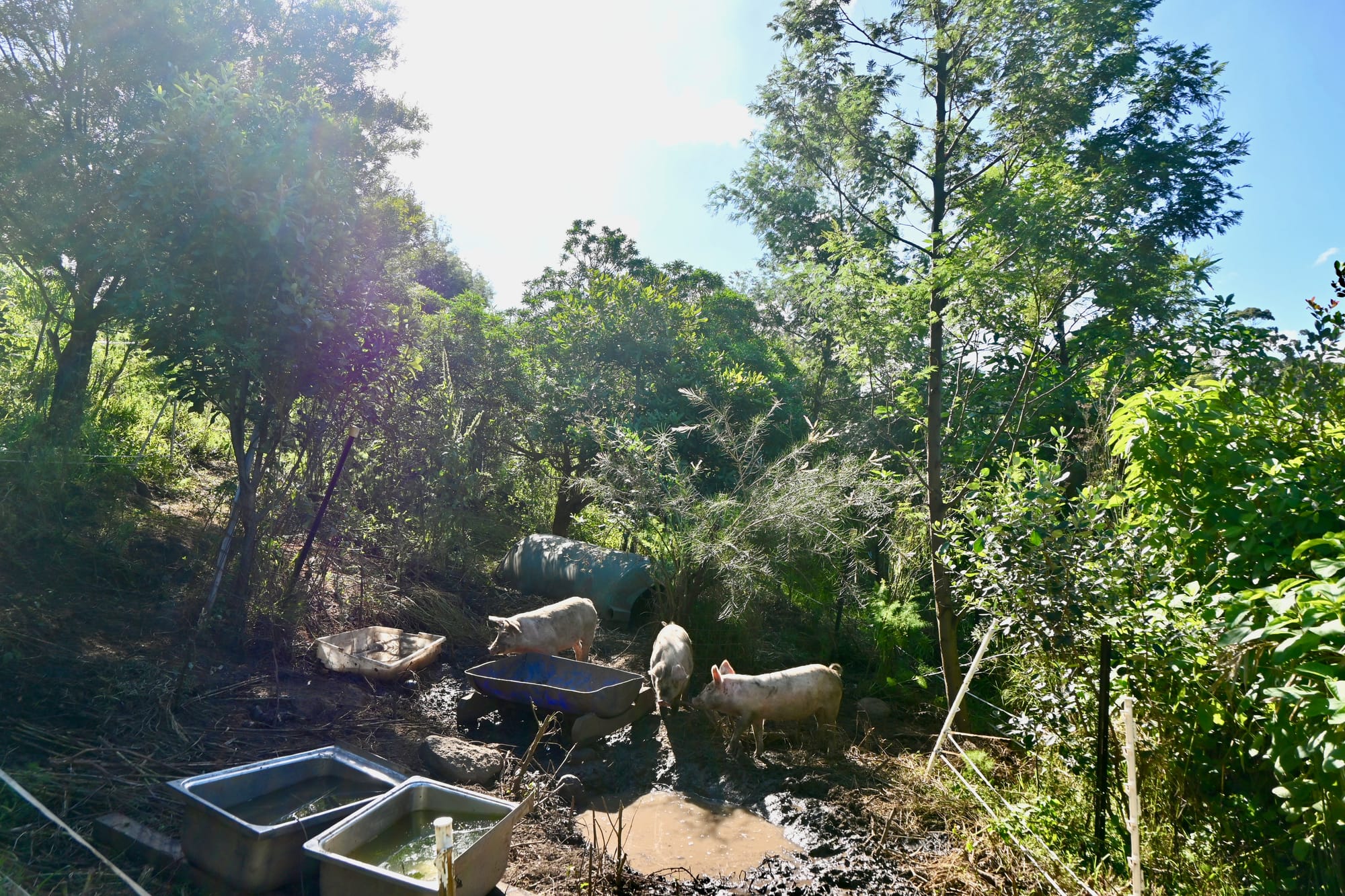
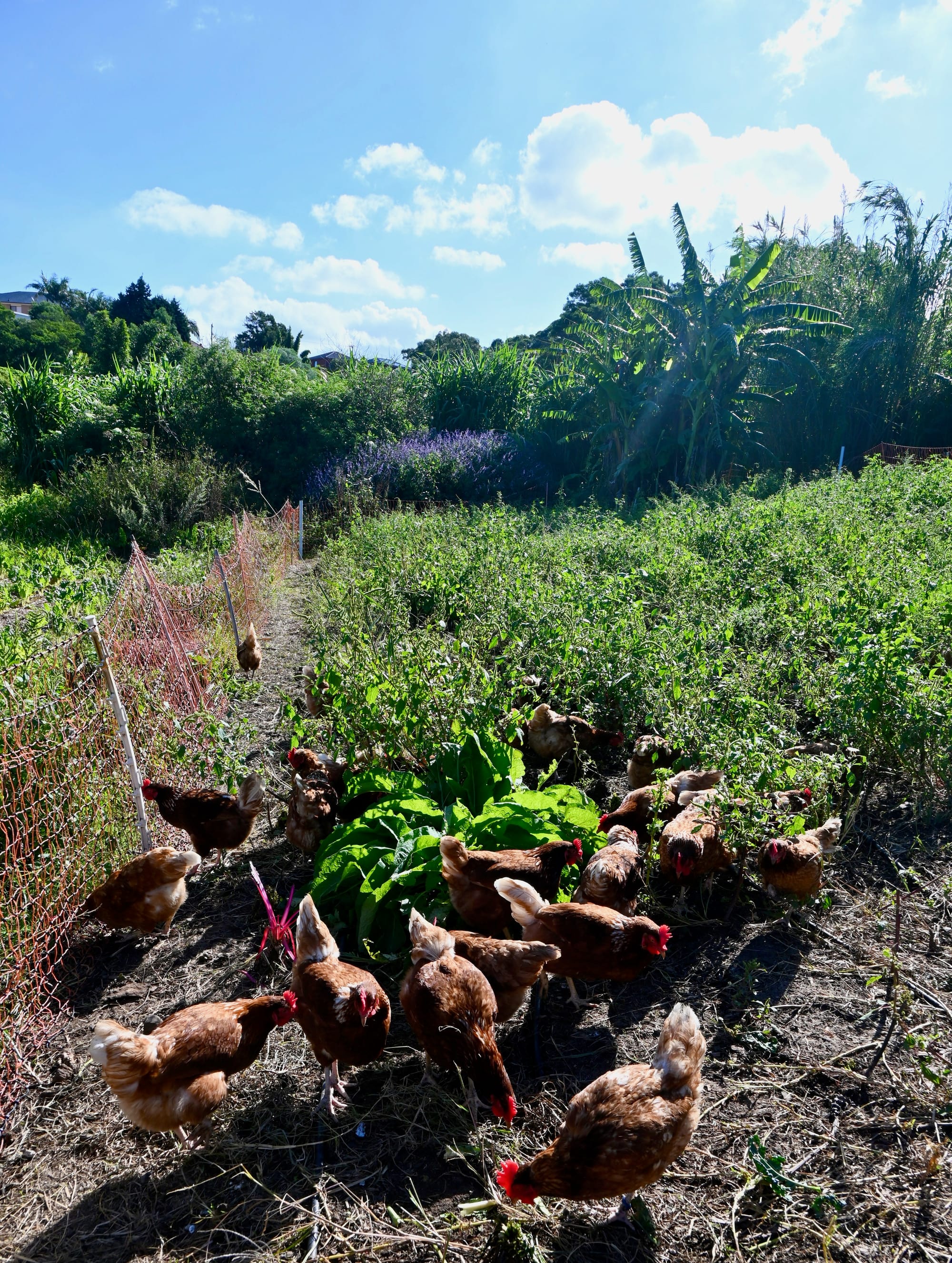
Farm hands – including former refugees, young people and volunteers – use compost and crop rotation to build healthy soil. Grazing goats, pigs and African fat-tail sheep help with land maintenance, as do a free-ranging flock of chickens, while supplying about 25 eggs a day.
"We still have lots of eggplants and cucumber and zucchini,” Robert says.
“Tomatoes finished last week, but we're also getting lots of greens because of the cooler weather, so kale and silver beet, bok choy, kohlrabi, stuff like that.
“We're sheltered in the fact that we're local. We don't have a lot of food miles. We don't use synthetic fertilisers, so fertiliser not coming in doesn't impact us whatsoever. Our customer base is quite local – the cost of diesel delivery and stuff has gone up, so we're not completely immune, but we're probably more so than other farms.
“We're mainly doing things by hand. We use whipper-snippers and we do have a tractor here. We don't use it very often, just to move stuff around. We don't use the tractor on the beds whatsoever, because it's too heavy for the soil.”
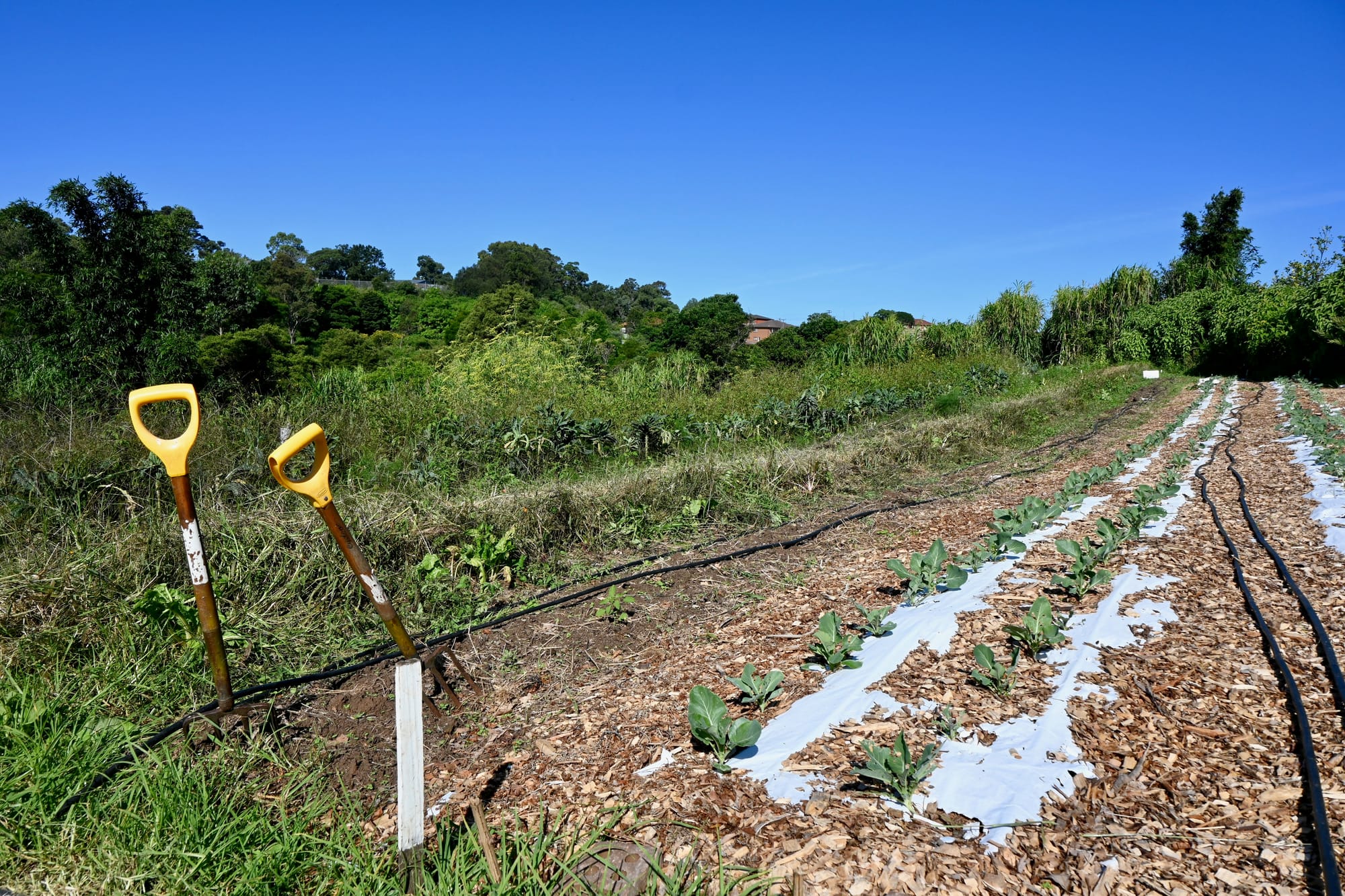
Farm hands tend the land mostly by hand, using no chemical fertiliser or herbicides.
Backing onto Warrawong High School and accessed via a driveway on Anna Avenue, the farm is more than a decade old but better known overseas than in its own backyard (except perhaps among real estate agents, who promote houses with “farm views”). Word has spread in sustainability circles, and last year, when US singer-songwriter Jack Johnson played at Sydney Opera House, Green Connect was invited to have a stall outside his concerts.
“Internationally, we're known,” Robert says. “But locally, the people down the street might not even know we're here.”
At February’s City of Wollongong Awards, Council presented the diversity and inclusion prize to Green Connect for its role in creating jobs for young people and former refugees while producing ethical fair food. Council also celebrated its nature-based learning programs and environmental leadership.
It was a welcome boost for the farm, which split from parent company Community Resources a year ago and is now an independent not-for-profit, relying on community support, fundraising and grants.
“We have to do everything on our own now. I'm always worried about the future of the farm,” Robert says.
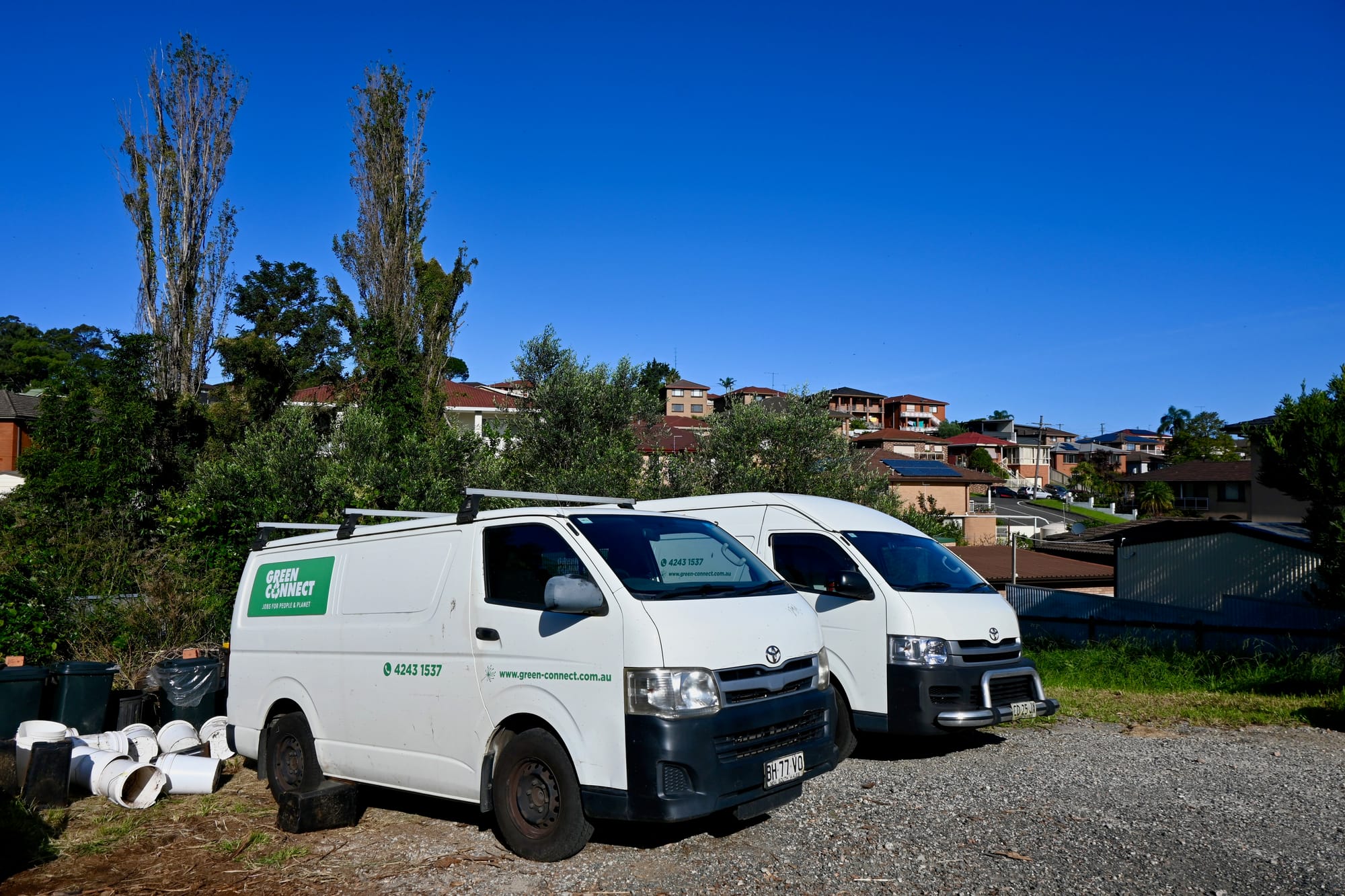
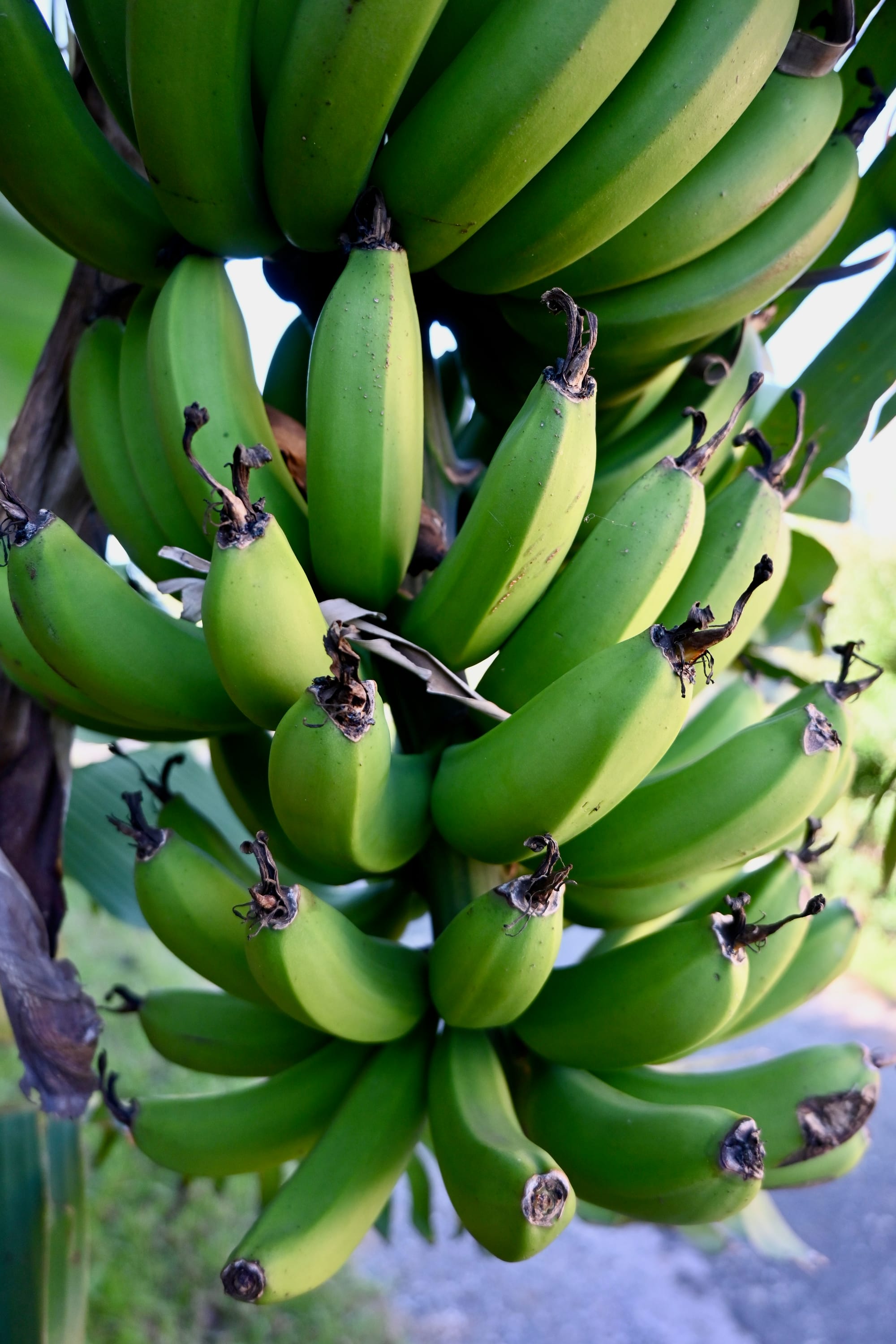
The fertiliser shortage won't affect the organic farm at Warrawong but fuel costs are a problem.
Since Christmas, Green Connect has lost about 30 veg box subscribers, probably due to cost of living pressures, and the prospect of further grocery price hikes has triggered a creative team response – workshops for adults.
“We're looking for new revenue ideas because we're running at a bit of a loss,” Robert says. “The farm is very well positioned to help in a crisis where fuel is expensive, supply chains are impacted. But also we're in a position to educate the public – by doing more workshops about growing your own food.
Already, the farm hosts school tours, teaching children where food comes from – that honey isn’t made in a shop, bananas don’t grow underground and brekkie burgers contain eggs from chickens and bacon from pigs.
Robert says for many students, the tours trigger lightbulb moments. “My food was once a living thing – some of them never thought of that before, which is wild.
“Now with this crisis, I think it's time that we help educate the community and increase the knowledge of local food systems. We have knowledge and skills and experience that we can share. So it's an opportunity for us to step up.”
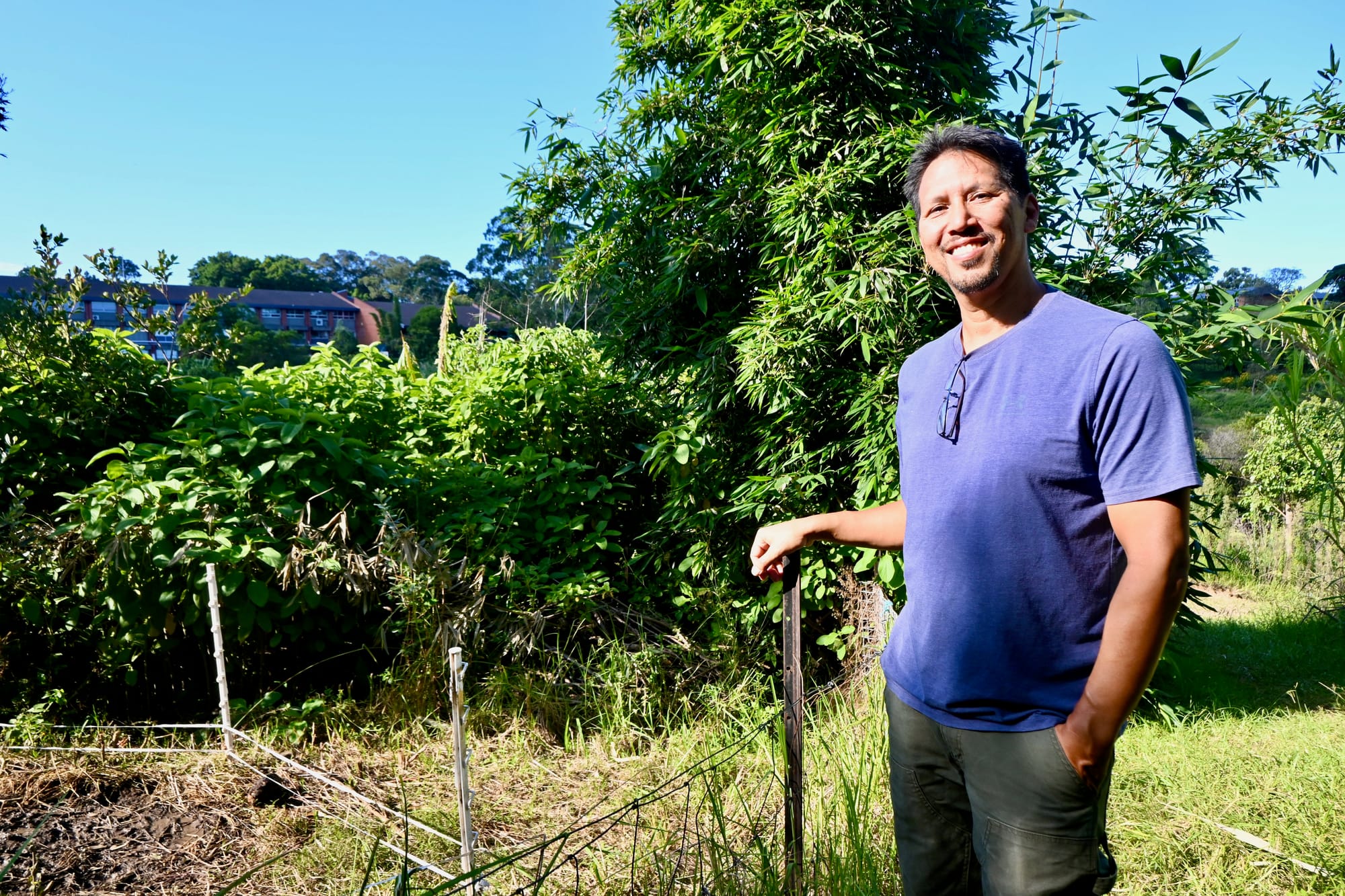
Originally from Seattle, Robert wasn’t born to farming. He's a working dad with a degree in psychology who finds stress relief in jiu jitsu, a leader in the not-for-profit sector who found his purpose while travelling the globe and a vegetarian who has come to terms with raising pigs at Green Connect through the contented lives they lead and the education they provide.
“I travelled the world for about 10 years,” Robert says. “I studied yoga and meditation in India and Burma and Nepal. I got married to an Australian, then we went back to the US and started a farm.”
He also ran a gardening program in Seattle. “We hired homeless youth to work on organic farm, and it was the best program. I just loved working there, it was like we were changing people's lives. But then I came to Australia, and I couldn't find anything similar.
"So when the opportunity came up with Green Connect [in 2022], I jumped at it.”
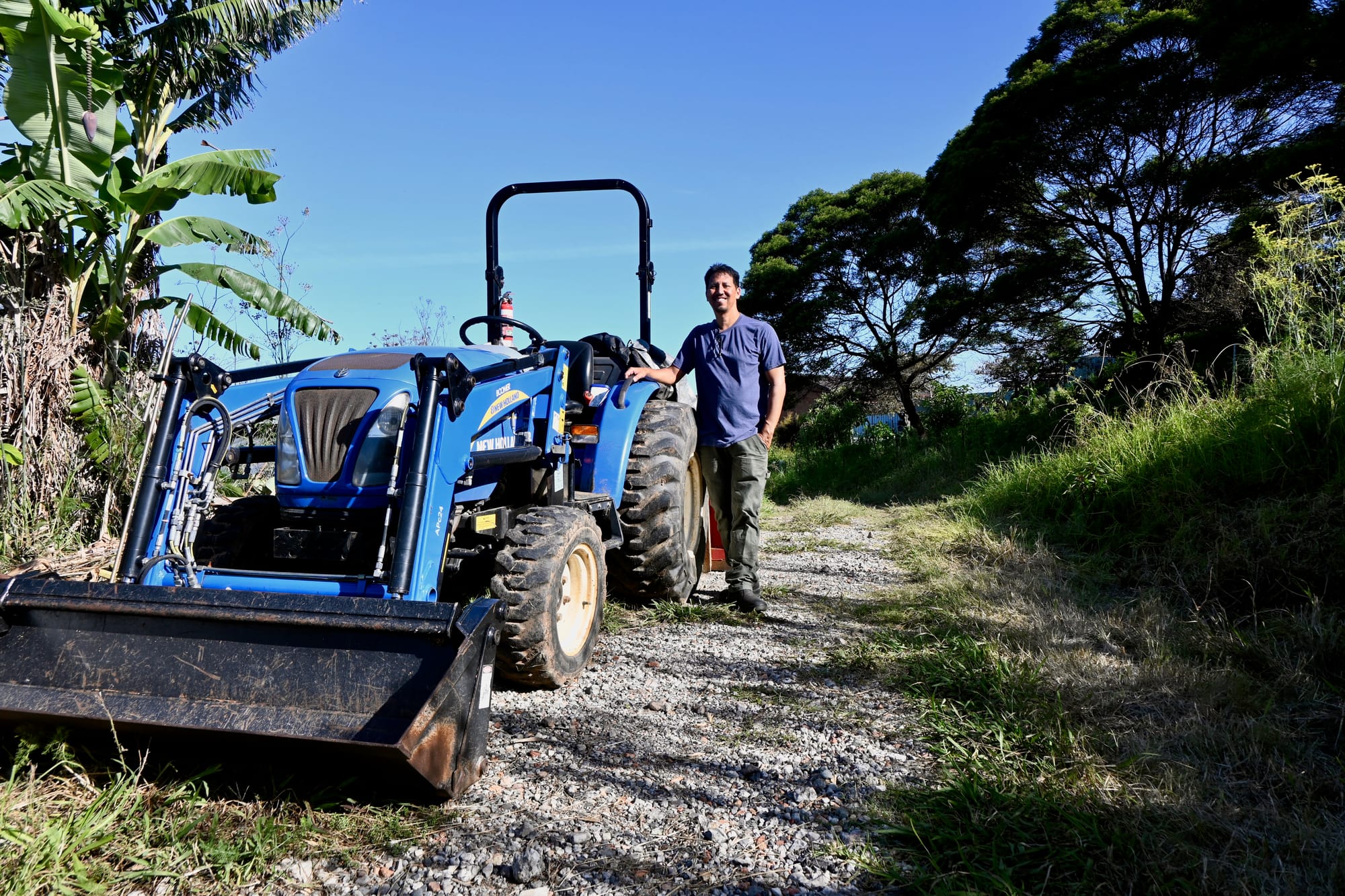
The land at Warrawong was transformed about 13 years ago.
An advocate of resilient communities, Robert believes citizens can learn from the generation who grew “victory gardens” to supplement agricultural production and boost morale in World War II.
“It was part of the war effort that people grew their own food,” he says. “Every household had to have a certain amount of land so that they were able to grow their own food. We've gotten comfortable since then and forgotten.
“I think we can't rely completely on what's in the grocery store. We saw that during Covid. Once the grocery store bills start rising, people will start thinking, ‘Hey, I can grow this at home.’ Even just herbs, like coriander and parsley – they're easy.
“Rethinking where our food comes from, getting as much of it as we can locally, growing our own, supporting local farms – that'll be a much more resilient food system.”
Green Connect has limited capacity to expand. “We could increase to about 220 boxes, but if we went over that, we'd have to get a bigger cool-room.”
Find out more at the Green Connect website.
The ethical urban farm at Warrawong has become part of the community.


