
Forest bathing: a natural antidote in stressful times
Wollongong Botanic Garden is a perfect place to discover a blissful way to reconnect with nature

Things are really difficult for many people right now. Work, study and job-seeking pressures intensify week on week. The prices of essential goods and services keep going up and up. There never seems to be enough time to do what needs doing. And many of us feel under the weather all the time: headaches, poor sleep, snuffles, sore throats and general irritability.
This article doesn't propose any systemic, organised responses to the massive political and economic pressures that are creating the stresses we live with; that's beyond the remit of my column. But I can and do write about exploring strategies that interact with the Illawarra's unique biodiversity to help communities protect and restore our physical and mental health.
So in that vein, let's talk about forest bathing. Forest bathing, or shinrin-yoku is a form of therapy developed in the 1980s by the Japanese Ministry of Agriculture, Forestry and Fisheries as a healing technique based on spending quiet time in nature. It was intended to help counter the stress and anxiety experienced by people in rapidly developing and urbanising parts of Japan. A series of studies funded by the ministry suggested that spending time in forests had positive impacts on human health and well-being.
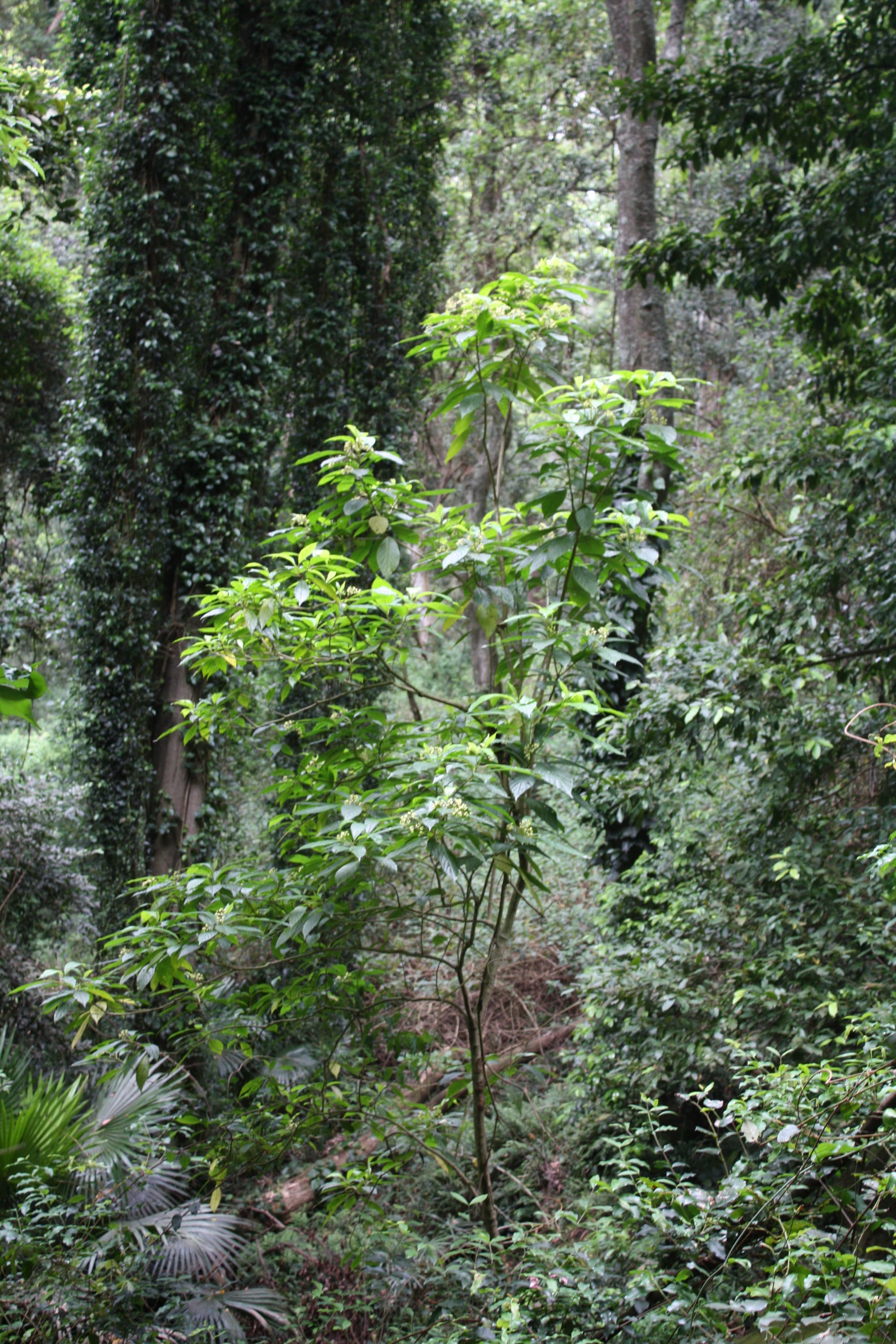
Since the 1980s, the concept of forest bathing has spread from Japan to other countries including Australia. Practices have also evolved, drawing on an increasingly rich evidence base. Researchers around the world study the impacts of forest bathing on physical and mental wellbeing.
For example, a 2019 systematic review of the evidence reported that spending time in a large area of green in a forest may significantly reduce anxiety and negative emotions (Ye et al. 2019). The same review covered studies on improved human immune function from interaction with antimicrobial and insecticidal compounds, called phytoncides, derived from certain plants. While a lot of the studies are small, and there are many variables yet to be unravelled, self-reporting indicates that many forest bathing participants do feel a benefit.
I took a wander in Wollongong Botanic Garden with counsellor and trained forest bathing practitioner Meg Bracken, who is bringing the practice to Wollongong. As we walked slowly and attentively in the cool shade, Meg talked about the benefits of forest bathing and described the classes that she runs.
Meg told me: "[Forest bathing] helps reconnect people with nature. To be as close as possible to nature, we walk in silence. As we walk, I introduce Japanese philosophies, building a sense of reciprocity between humans and the rest of the world. And I always start a walk with acknowledgement of Aboriginal care for country."
"We do an activity called 'tuning the senses' where people close their eyes and use their other senses such as hearing to connect differently with the place around them and to really slow down. Then they're a bit more in the moment. And I also like to do barefoot walking."
Meg's own journey to become a forest bathing guide came through COVID-19 redundancy, a counselling diploma and an occupational injury that forced her into a period of enforced inactivity; this led her to take stock of her life in a way that earlier challenges had not.
She took a course in forest bathing in Victoria, and found that it made a huge difference. She noticed changes in herself, and then also in family and community members. This confirmed that she was on a good path for herself and for others.
Meg Bracken now offers forest bathing to the general public, with monthly sessions at Wollongong Botanic Garden; the next one is this Sunday 22 November. Meg is also seeking opportunities to collaborate with community groups to make these experiences accessible to less advantaged people in the Illawarra region.
References
Ye W, Qi Y, Yangliu P, Xinren G and Yuangiu L (2019) Medical empirical research on forest bathing (Shinrin-yoku): a systematic review, Environmental Health Preventative Review, 2019 Dec 1;24:70, available online https://pmc.ncbi.nlm.nih.gov/articles/PMC6886167/ accessed 15 November 2026.


