

His motel key was under his car footmat: What became of Attila?
The release of a book outlining 12 cases that continue to baffle police marks National Missing Persons week

Twelve years have passed, but someone must remember something – even the smallest detail – about Attila Bogar.
In early October 2014, Attila left Melbourne in a distressed and paranoid state, police say, driving towards Sydney. He called his family from Sydney on October 10 to say he was heading home and was getting something to eat. He has not been seen or heard from since.
On October 17, 2014, Attila's vehicle was found near bushland on Picton Road, Picton NSW with his belongings inside and his motel key under his car foot mat. Police and SES searches surrounding bushland without success.
"It's a really weird story with definite Wollongong connections. Someone surely must have seen him in Wollongong or spoken to him,” says missing persons advocate Nicole Morris, who last month released her third book, LOST, in recognition of National Missing Persons Week (August 2-8).
“He made a weird triple-zero call to police on the way back from Wollongong, claiming to have committed a crime that we know he didn't commit... so it's again really weird... if there's anyone that does have information about what Attila was doing in Wollongong, that would be really helpful."
Complementing her 21 years as the director of non-profit Australian Missing Persons Register, Nicole's true-crime series aims to shed light on cold cases across the country.
"I started the register 21 years ago, as an ordinary person who had a bit of a curiosity about missing persons, and found that there was not very much information out there on the internet about missing persons in 2005,” she says.
“So I said, 'Well, I will create a resource for other people who want to learn.'"
Roughly 49,000 people are reported missing across Australia every year, around 130 per day, with more than half being teenagers. While most missing individuals are located safely within days, more than 2800 cases remain classified as long-term missing – unresolved for longer than three months.
"Most people who go missing are found, and often safely within a few days,” Nicole says.
“But it is those long-term missing that we are concerned about, where there's just been no trace of them, and that's kind of who I wanted to talk about in the book.”
Through the Missing Persons Register, Nicole helps raise awareness for missing persons, sharing information online, and reaching tens of millions of people online in hopes of helping investigators find missing Australians.
“It's really about awareness. In this book I do a little bit of investigative work, but I don't ever pretend to be a police officer – that's their role. But if I come across witnesses and statements and information that was maybe overlooked or missed in the 1970s, then I was able to present that in these cases in the book,” Nicole says.
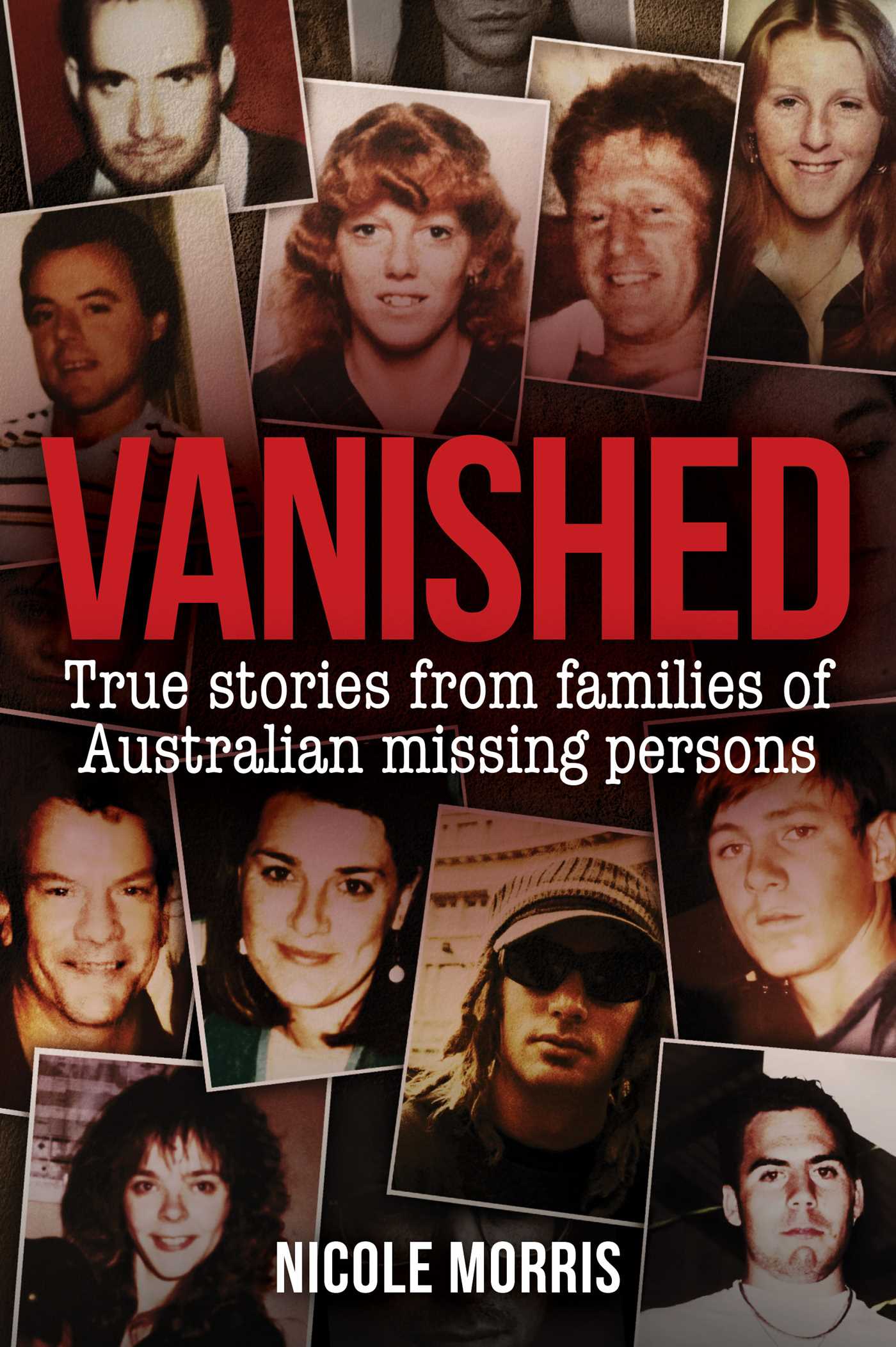
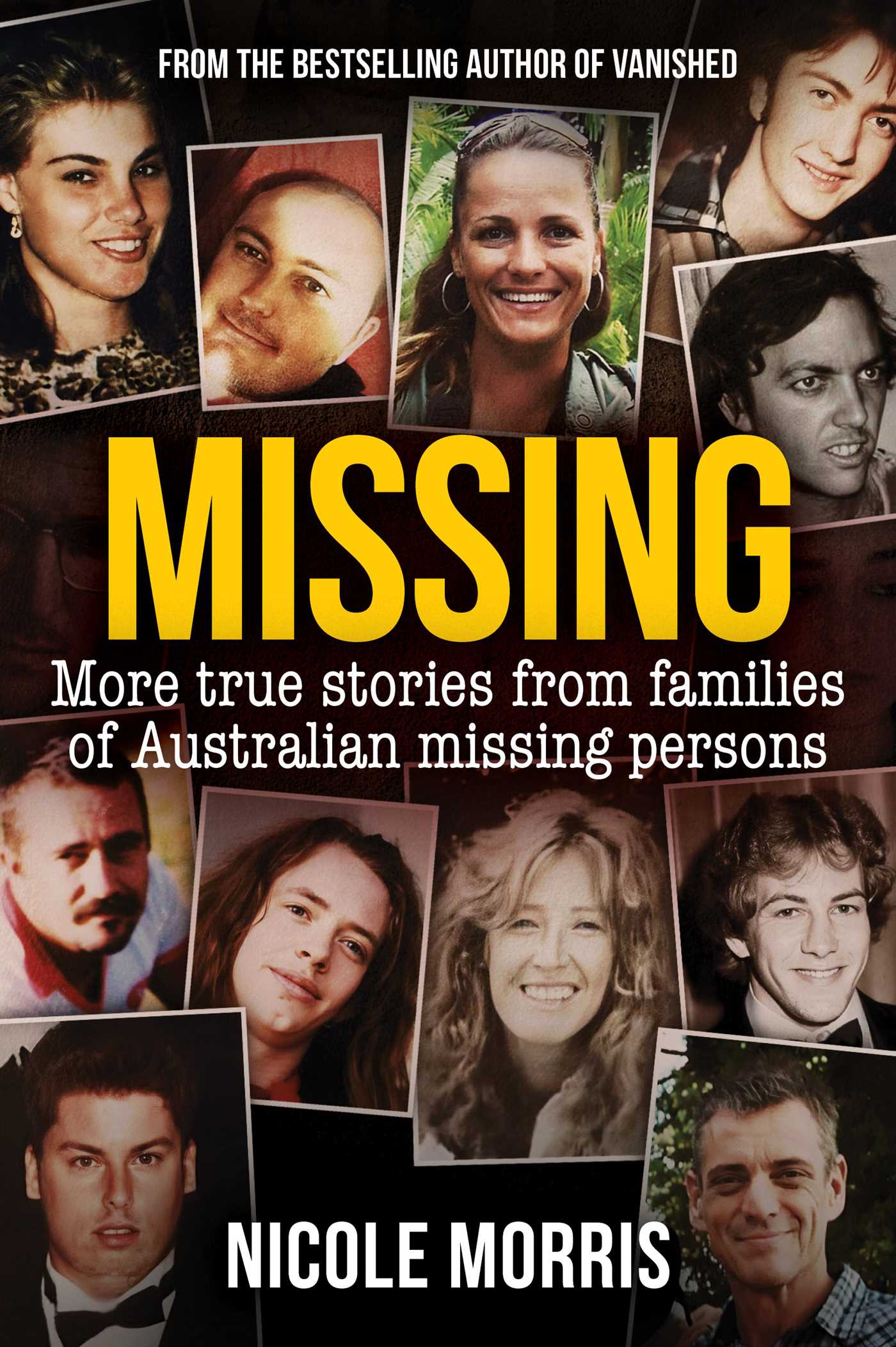
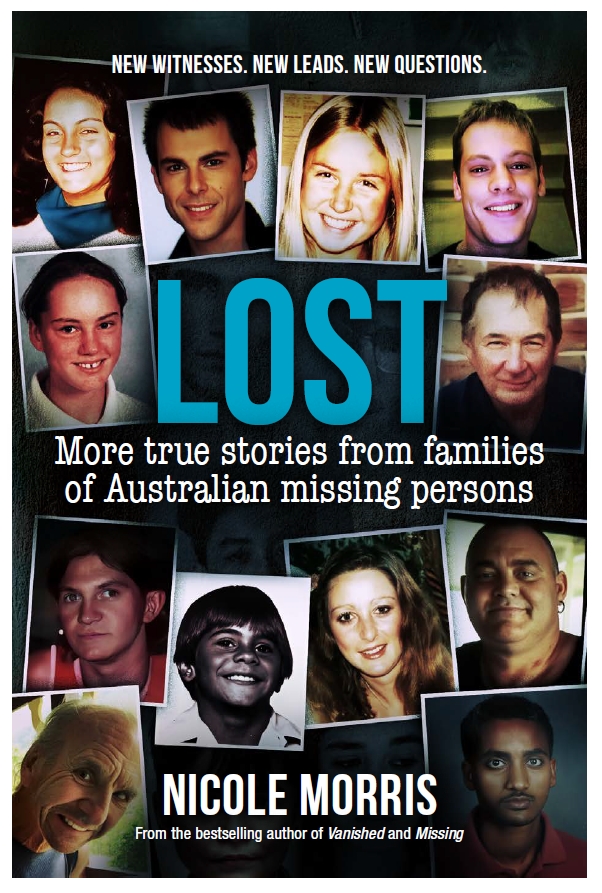
Over two decades of advocacy work, Nicole has built the research skills and relational sensitivity necessary to write books such as LOST. She has established strong relationships with families of missing persons, developing a reputation for thorough and respectful storytelling without relying on sensationalism.
"Because I’ve been doing it for such a long time, people know that I'm not going to sensationalise it... I’m not going to be one of those people who are just putting out a story so that I get the attention, that's the very last thing I want, and I think the families understand that,” she says.
“I think the families have come to trust me and trust that I will do a good job in sensitively telling their story.”
Outside of her writing and advocacy work with AMPR, Nicole works as an aged care worker.
“It sounds like something completely different, but I keep people with dementia safe and stop them from going missing, so I guess it's similar there,” she says.
“But I think I always wanted to be a writer, and that tied in with the register. I thought, 'Well, writing the books gets the information to a lot of people and I can go into a lot of detail about the whole lives of the missing persons.’”
To maintain her own mental well-being while handling heavy cold cases, she relies on personal grounding routines, meditation and spending time with her family.
Her past work has helped draw attention to police investigations and encourage authorities to offer significant rewards for long-cold cases. In LOST, she examines 12 cases dating from 1978 to 2024, including unidentified skeletal remains, two cases linked to Ivan Milat, and stories with connections to the Illawarra.

Through her advocacy, Nicole hopes to challenge common misconceptions surrounding missing persons. She stresses that most disappearances stem from severe mental health crises, requiring community empathy and ongoing support for grieving families who are left without answers.
"Because we're all a bit obsessed with Netflix, I think people assume that all missing persons have been murdered, and that's absolutely not the case,” she says.
“I’d really like people to see the pain that the families go through and have that compassion for these poor families who just want answers."
One aim of National Missing Persons Week and the release of LOST is to encourage the public to keep sharing information. Small, seemingly insignificant details held by community members could be life-changing information for those searching for loved ones.
"It's really about making appeals for information to the public, and if someone knows something that they've been sitting on for years, reading a story in the book about how a family is still looking will prompt their conscience to make that phone call to Crime Stoppers."
For more information or to contact Nicole Morris, visit the AMPR Facebook page. LOST: More true stories from families of Australian missing persons by Nicole Morris is published by Big Sky Publishing.


