
Hoons' car noise 'now a public health problem'
Only 22 per cent of people feel safe in Wollongong’s CBD at night - due largely to excessive noise from a handful of drivers


The growing problem with hoons on the streets of central Wollongong is out of control and must be fixed, according to a health advocate and former Wollongong citizen of the year.
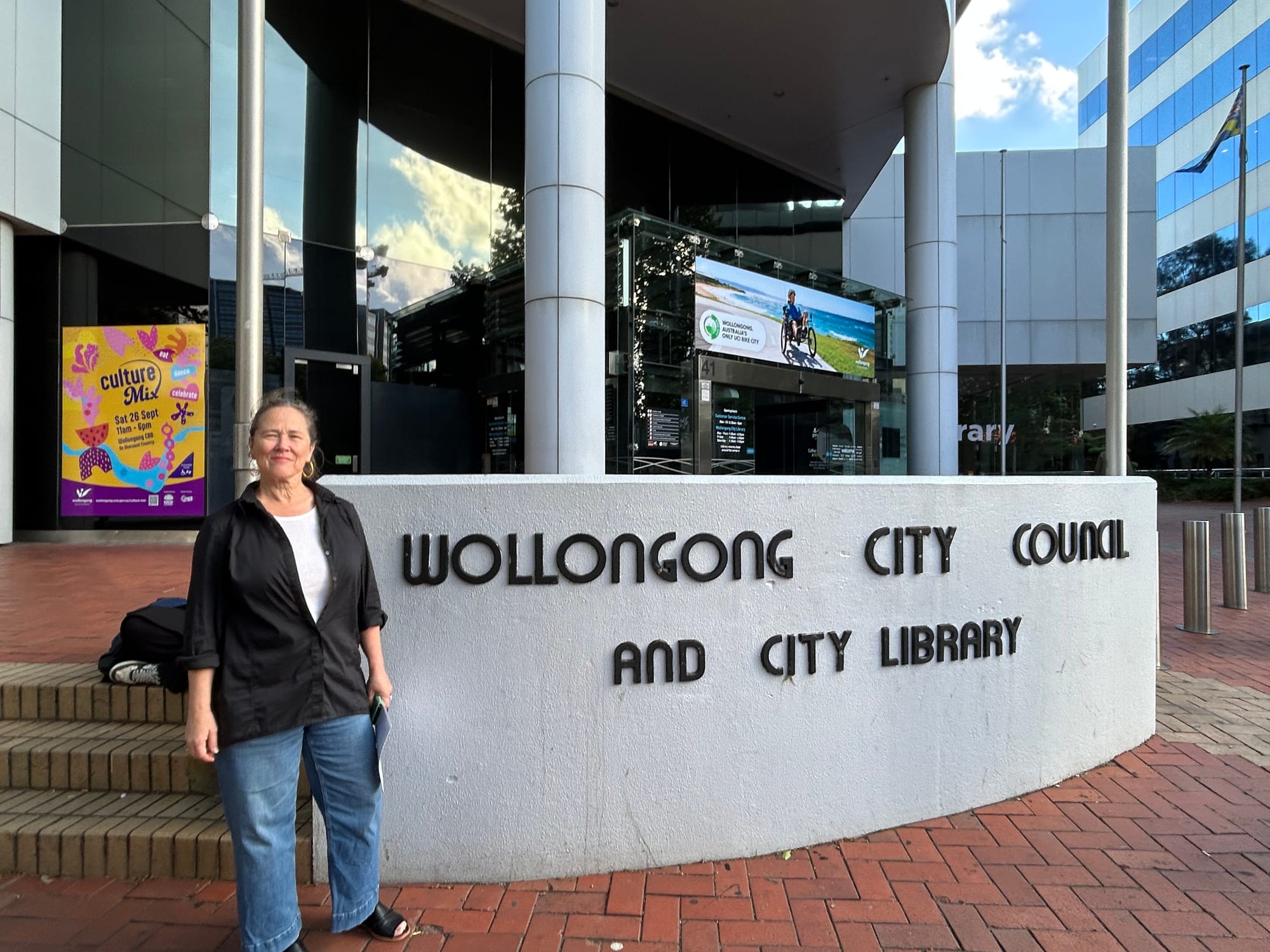
In a plea to Wollongong City Council on Monday night, Sally Stevenson said people were moving out of the city's heart because it had become “unbearable to live in”.
Speaking during a public access forum, Sally told councillors she lived in Crown Street and was fed up with “ongoing anti-social driving, including excessive vehicle noise”.
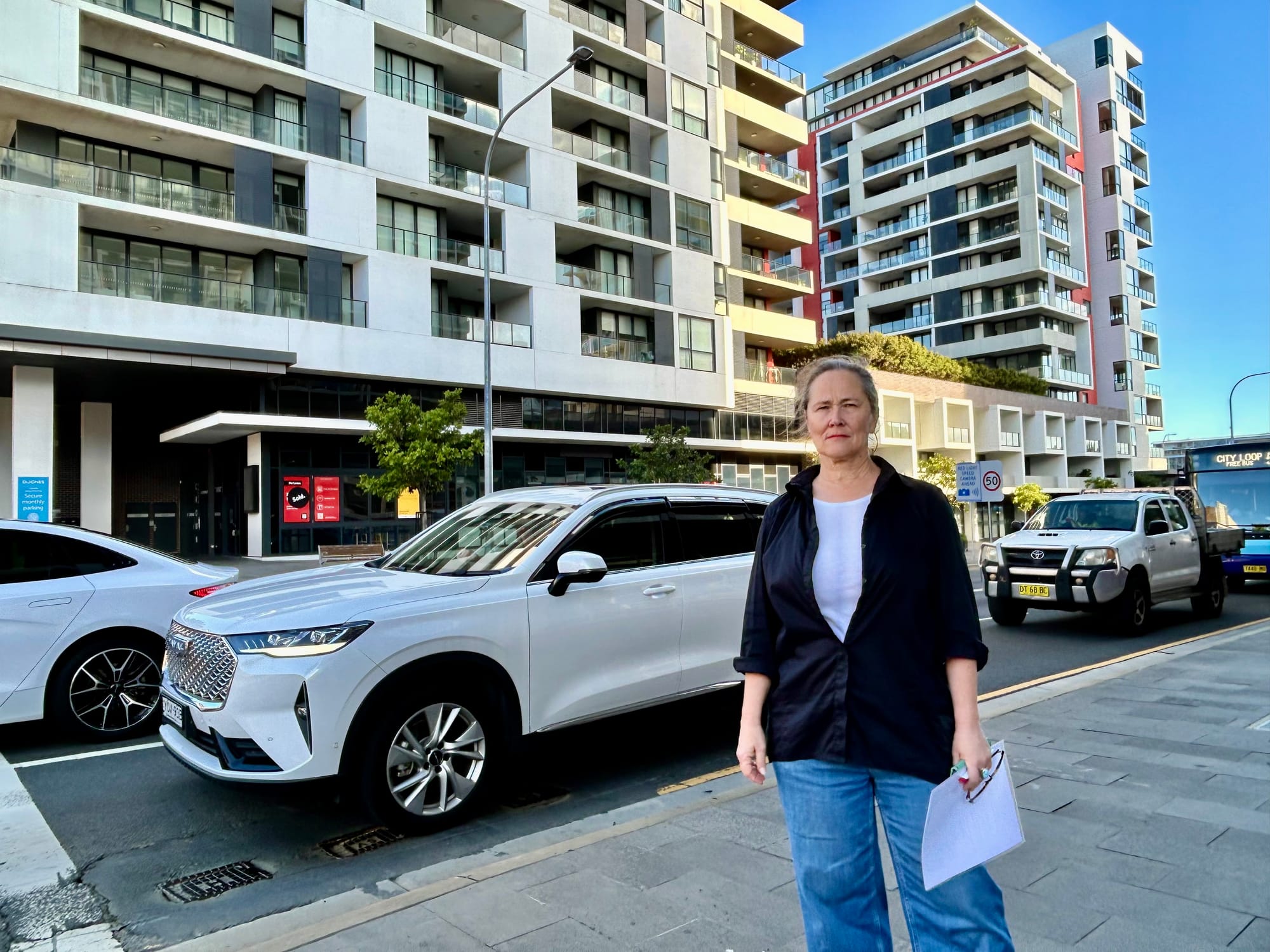
“By way of example, on Sunday of the recent Labour Day public holiday weekend, I heard what is legally termed 'offensive vehicle noise' from 10.30am until almost midnight, every 15 to 20 minutes – all day and well into the night. That was not unusual for a weekend, and more frequently these days on a weekend. The noise is not simply a frustration.”
Impacting sleep
Sally says she’s aware that the noise of car engines revving loudly is impacting residents in their homes and their sleep.
She said the noise of a single revved engine could exceed 90 decibels. The World Health Organisation recommends keeping night-time traffic noise below 45 decibels.
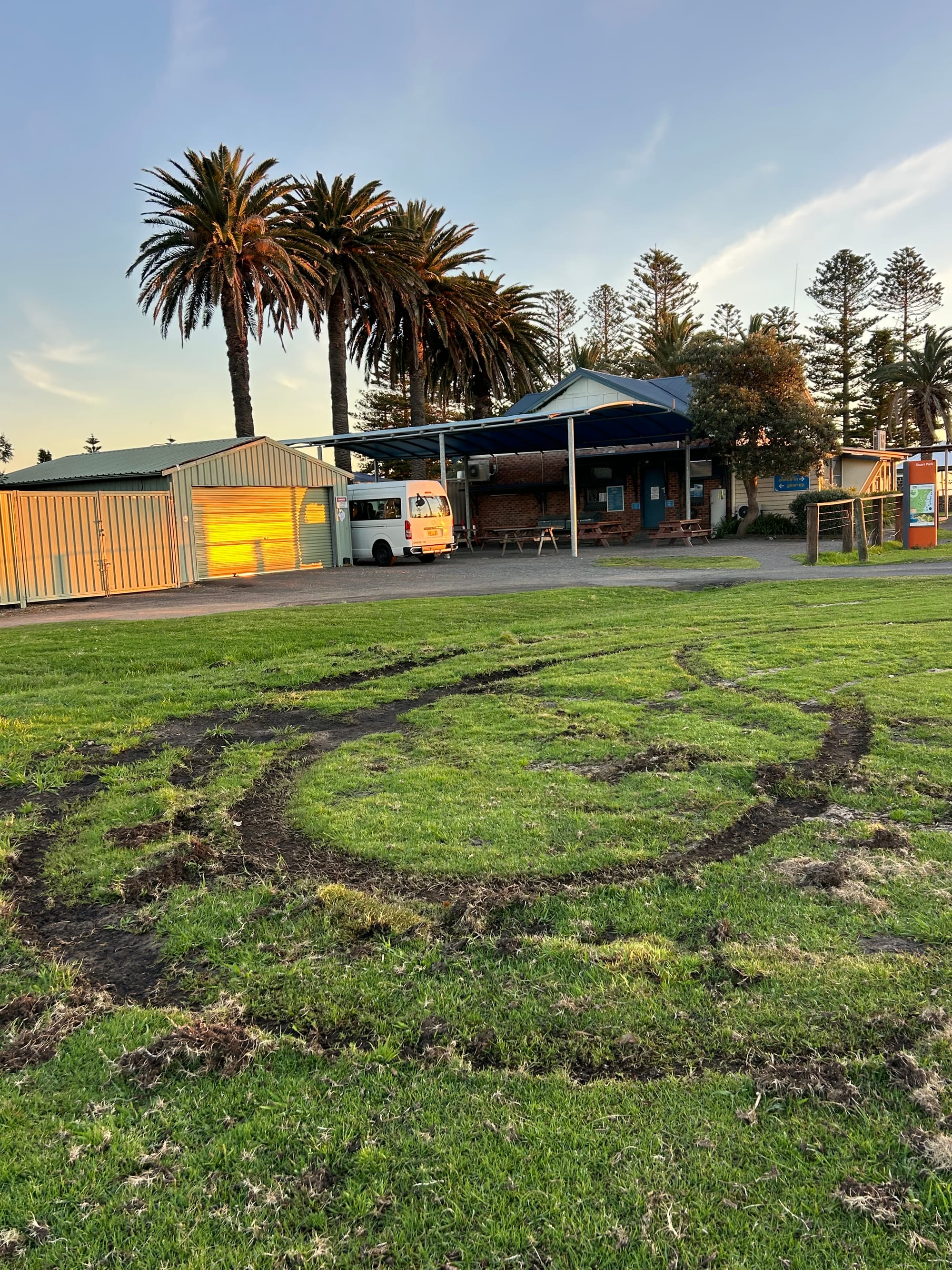
Sally said continuous broken sleep was linked to fatigue, heart disease and poorer mental health.
“The noise is so bad in Wollongong now that many of us can no longer sleep with our windows open, and even when they're closed, we are woken,” she said.
“Please consider families trying to put babies and young children to sleep, shift workers, tradies who go to bed early to get up at the crack of dawn, and veterans, people who have come to Wollongong from war zones, and survivors of domestic, family or sexual violence who live with PTSD.
“They can all be significantly and very negatively impacted by this sudden, explosive noise.
“I know people in my building who have been moved out because it was impacting their mental health so severely.”
Sally, who is the past executive director of the Illawarra Women’s Health Centre, told council the noise created by hoons affected how safe people felt. She quoted from a recent council survey that reported only 22 per cent of people felt safe in Wollongong’s CBD at night – a 43 per cent drop since 2017.
“Anti-social driving is not the only cause, but aggressive driving and noise on our streets is part of what tells people, especially women, that the streets aren’t safe. I personally have had cars come up behind me and rev excessively to scare me, for fun. If nothing else, this is a women’s safety issue.”
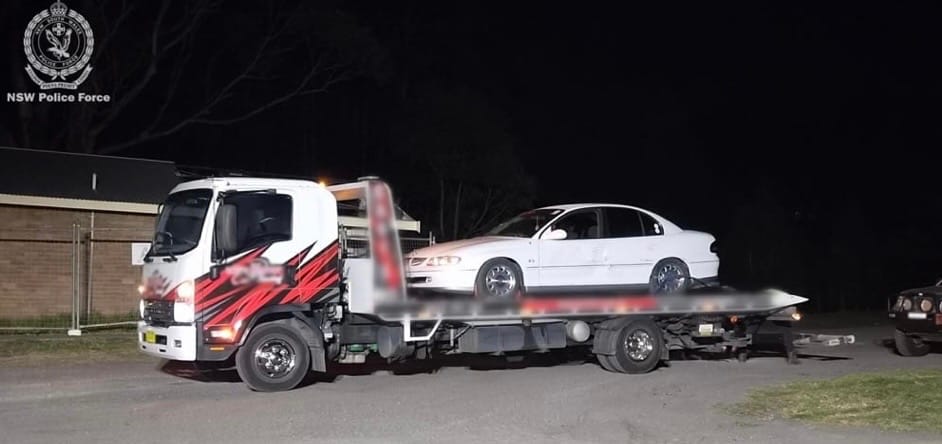
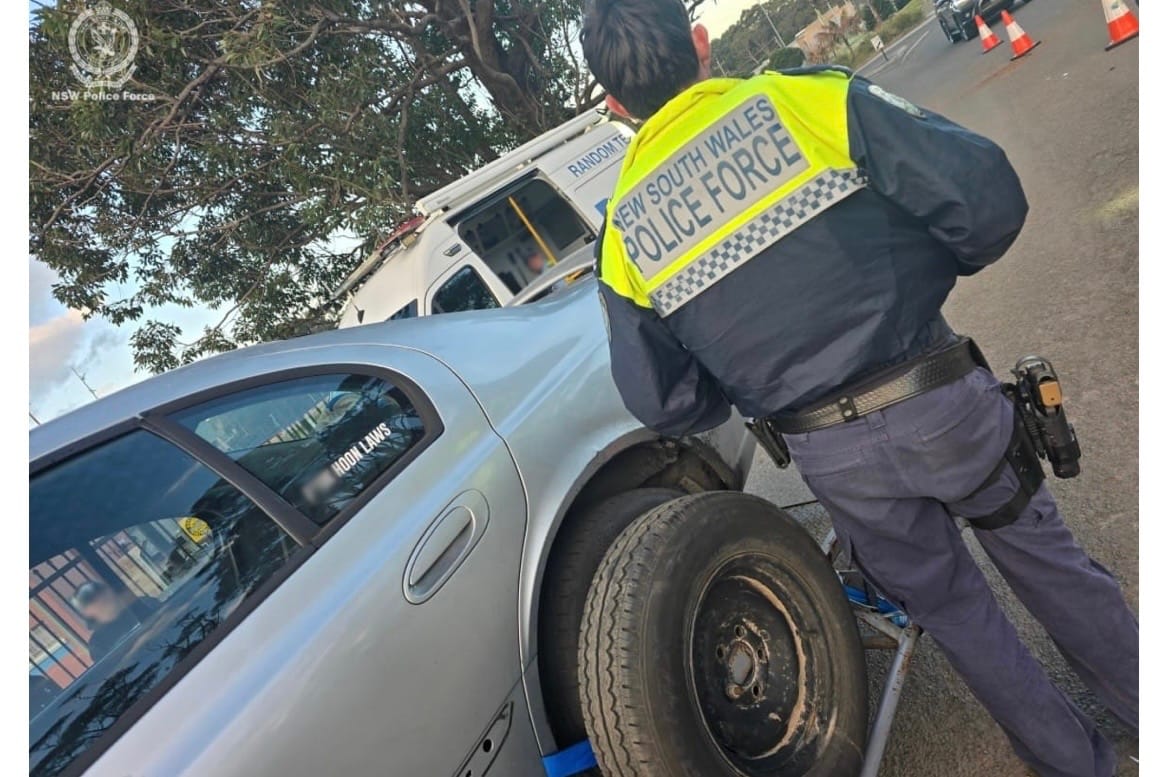
As reported in The Illawarra Flame, more than 70 infringement notices werer issued to more than 50 drivers across the region in a police operation in July. Sally says without more regular actions by enforcement agencies, the problems will continue.
A solveable problem
She believes the problems can be solved.
“The NSW noise camera trial, which included Wollongong, found that 55 per cent of noise events came from the same small group of vehicles, passing repeatedly. Noisy driving peaked at night and on weekends, and aggressive driving was a factor in every event. A small number of offenders, at predictable times and places, is exactly where targeted enforcement works.
“The trial was more than six months ago. No fines were issued and since then the noise has only become worse. Unfortunately, while council’s own draft Community Safety Plan for 2026 to 2031 includes action on e-scooters and e-bikes, it does not mention hooning, anti-social driving or vehicle noise at all.”
Dob in a hoon
Sally said there was too much onus put on the community to solve the problems.
“Right now, we are told to dob in a hoon ourselves. To report, you need to read the number plate of a car driving past at night, record the details, take the video as evidence, and work out whether to report it to the EPA or police. That is not easy if you are already fearing for your safety as you walk to your car or home at night. In fact it can be dangerous.
“True, reporting has its place, but stopping hooning is not an individual’s responsibility. Residents are not the enforcement system.
“I met with the Lord Mayor to raise this issue. She told me she finds it frustrating, but that council sees vehicle noise on public streets as primarily a matter for NSW Police. I understand that, but if enforcement sits with police, council can still make sure it happens.
Catching the culprits
“Council can fund a targeted user-pays NSW Police operation in our worst hotspots for a relatively small amount of money.”
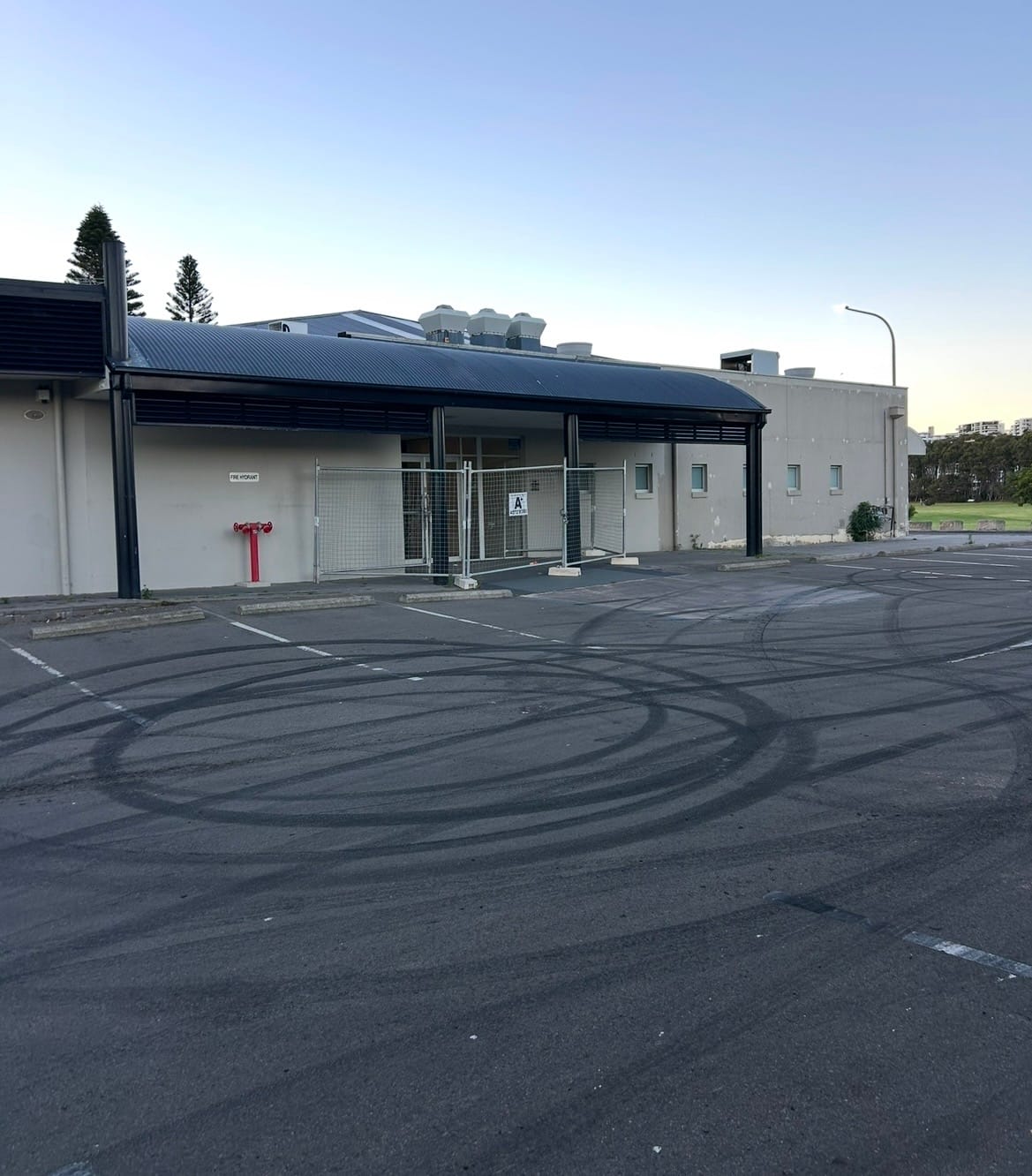
Sally said once police started issuing fines, word would spread among those creating the noise and the bad driver behaviour would drop significantly.
“I’m mindful that council is considering traffic mitigation measures, and I welcome that. But I know those measures are expensive, and there is not yet a budget for them.
“A user-pays police operation is something council can do now, at a fraction of the cost, while longer term measures are planned and funded.
“This noise harms our sleep, our health and our sense of safety. Wollongong is becoming unbearable to live in. It comes from a few drivers, at predictable times and places, which means it can be fixed. I’m asking council to lead a response to do this.”
Reclaim the Night
Meanwhile, on Thursday evening, October 29, Wollongong City Council is supporting the annual Reclaim the Night march which aims to raise awareness and make a stand against gender-based violence and sexual assault.
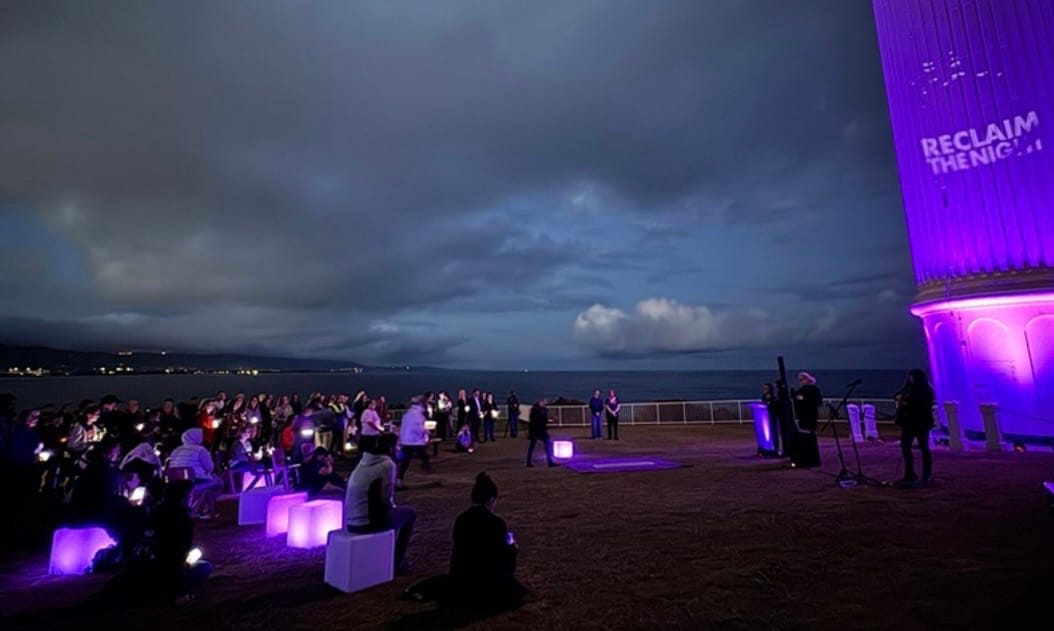
There will be a candlelight vigil to honour the women and children who have lost their lives due to domestic and family violence, and to acknowledge the ongoing impact of violence on individuals, families and communities.
Thursday’s event will begin in Andrew Lysaght Park near the WEC at 6.15pm before the march to the lighthouse at Flagstaff Hill.


