

In praise of sedges
Our small sedges are often confused with weeds – co-creator of Growing Illawarra Natives Emma Rooksby recommends a few good species for gardens and verges
My last article was all about plants that get called 'weeds,' including quite a few plants that are part of our awesome local ecology.
As you would have guessed from that piece, it never ceases to amaze me how easily we judge the plants and animals and ecologies that come our way because they don't measure up on some metric or other. Too messy, too fast-growing, too monotonous, too-sparse, whatever it is…
And I've made those judgements too, I admit.
But now I'd like to take us back to a space where our human judgement isn't the most important thing. Can we tune in to the amazing plants and animals that also live here and try to flourish among our increasingly urbanised surrounds?
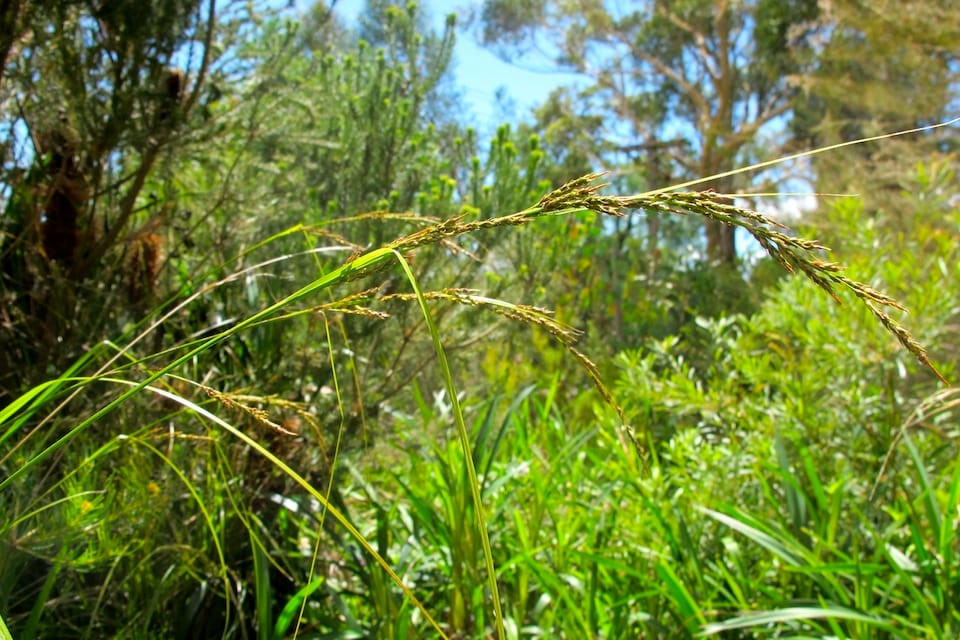
A case in point is the diversity of small native sedges that call our parks and gardens home. They do their best, each spreading gradually out via the seeds they produce, which don't have known animals to disperse them over longer distances. And sadly, for their troubles, most of us think they are weeds, aka 'problem plants' turning up unbidden and requiring extensive management.
I hope I can change your mind on some of these sedges!
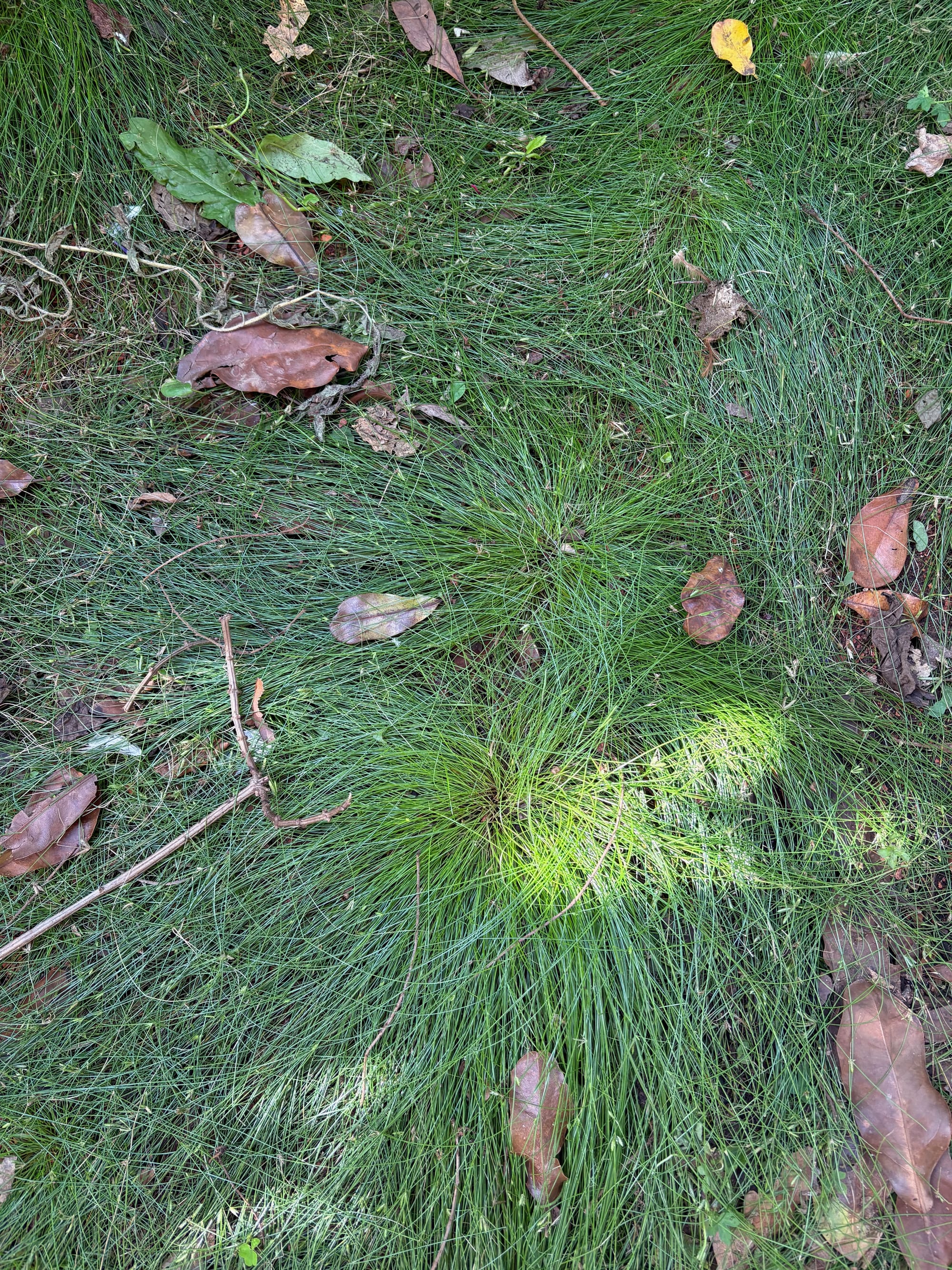
First and foremost, check out the absolutely awesome Slender Flat-sedge (Cyperus gracilis), which graces many a verge, front yard, backyard and bush garden. Tough, bright green and low-lying, Slender Flat-sedge is a bit like a younger and shorter 'Cousin It'. It tolerates full sun as long as it gets regular moisture, and copes with significant foot traffic to the point where it is a staple on unmanaged verges across the Illawarra region.
It would make an incredible component of a native lawn or verge, never requiring mowing, and responding well to a bit of walking around. What's not to like?
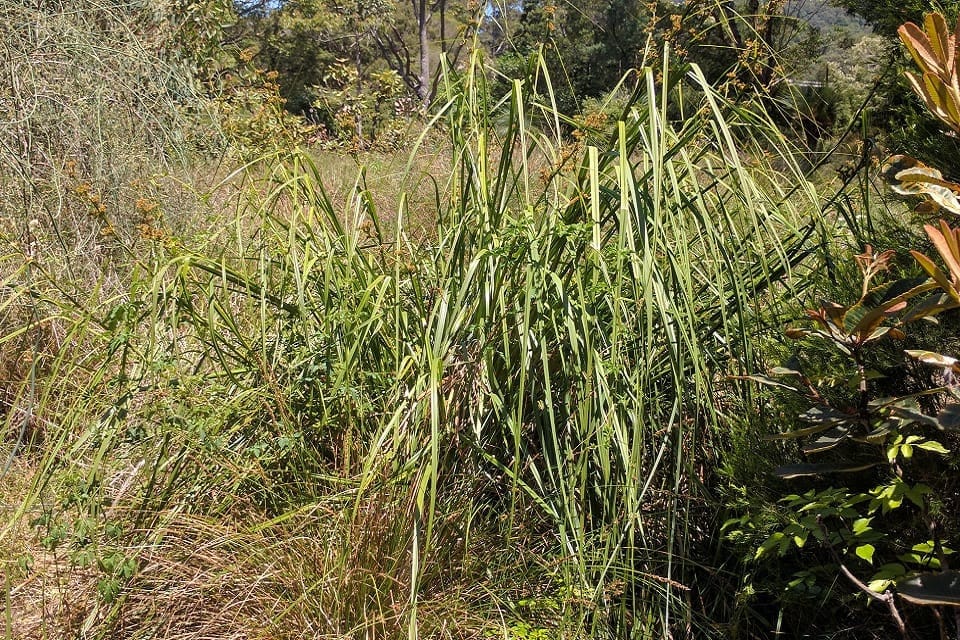
Native sedges include over 20 species, with everything from low-growing coastal plants tolerating sandy soil and salt spray to dramatically tall, water-loving plants, rainforest specialists that thrive in low light levels.
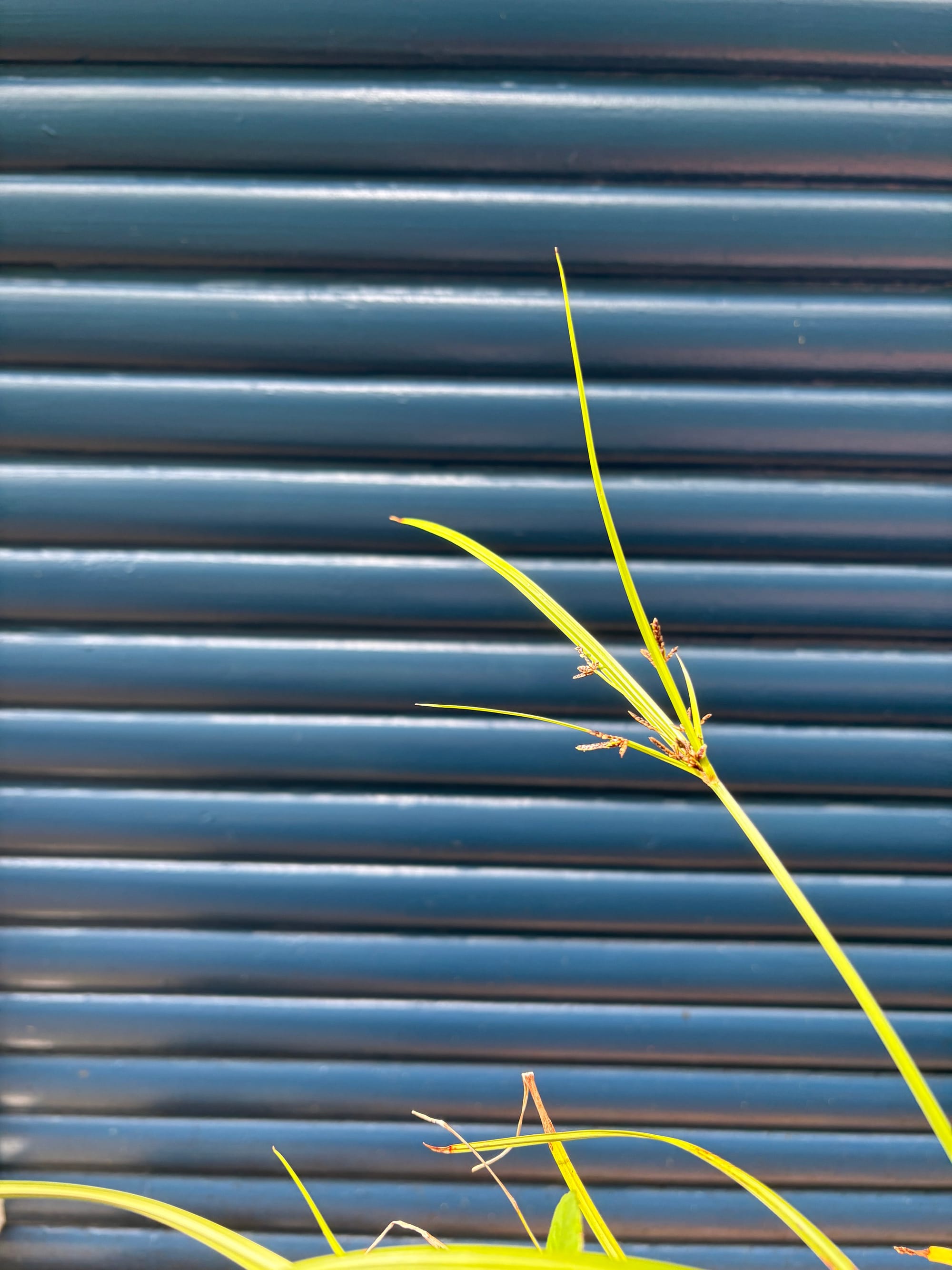
Pretty well anywhere you go in Illawarra, if there's some kind of remnant or recovering native vegetation, you'll see some of these sedges doing their thing. Their decorative seed heads and gently spreading habit make them welcome arrivals.
Almost whatever garden space you have, there will be a sedge or sedges to help fill it. Once settled in, they will generally spread and make themselves even more at home, creating clumps and swathes and filling in damp spaces.
And, in good news, many local sedge species are available through nurseries, either Wollongong Botanic Garden's GreenPlan nursery or local backyard growers who propagate more for fun than money.
Stream Hill Community Day
Learn more about Illawarra nature at a free, family-friendly event at Integral Energy Park from 10am-1pm next Tuesday, April 14. There'll be walks, planting and fun for kids, who can get messy making seed bombs, create boomerang art and discover the world of native bees. Register via Humanitix.


