

Meet MCCI's new chair
Croatian community member Tom Begic is leading the MCCI board in a challenging era, determined to carry on the good work of Ken Habak to support peace and harmony
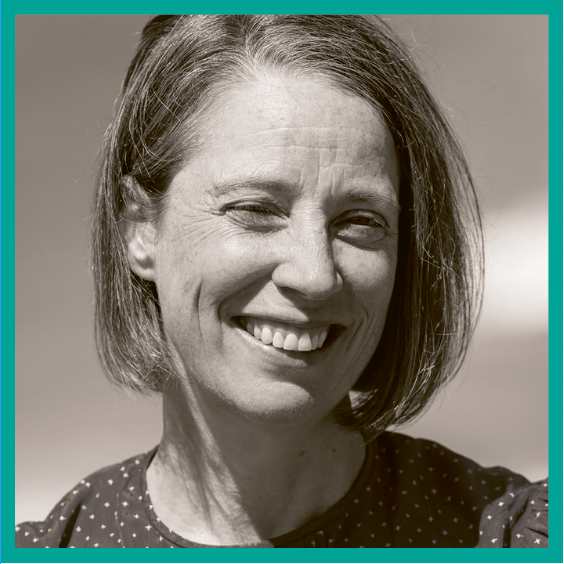
Tom Begic stepped into his new leadership role amid a national crisis.
On Sunday, December 14, Bondi’s Jewish community were targeted in a terrorist attack on the opening night of their religious celebration, Chanukah by the Sea. Fifteen innocent people, including a child and a Holocaust survivor, were killed.
Days later, in Wollongong, Tom was elected chair of the Multicultural Communities Council of Illawarra (MCCI) board, taking on a role held for a quarter of a century by the much-loved Ken Habak OAM. Behind the scenes, the MCCI team were busy working with police and the local Jewish community to ensure the final night of Chanukah could safely go ahead at Stuart Park.
Come Sunday, 21 December, Tom and MCCI CEO Chris Lacey – as well as people from our Indian, Vietnamese and Nepali communities, Buddhist monks and a First Nations pastor – joined the crowd who gathered amid clearing showers to sing Oseh Shalom, while Rabbi Menachem Aron lit the last candle of the Menorah. Cunningham MP Alison Byrnes later praised this show of solidarity in parliament.
It was a remarkable act of support from a local organisation.
So, last month the Illawarra Flame seized a chance to meet the man now leading MCCI’s board, catching up with Tom Begic on a break from his day job at BlueScope, where he is the manufacturing supervisor at Lysaght, makers of Colorbond and Zincalume Steel.
Tom is the son of immigrants who escaped a repressive communist regime in search of a better life. Born and raised in Australia, he was 10 in 1981 when he first visited the family’s homeland, travelling with his mother and three siblings. “Dad couldn't go, because he fled the former Yugoslavia – he had to escape, otherwise he was going to get jailed, or worse, shot. So Mum took us to meet the grandparents and family.”
His father is from Croatia’s mountainous Dalmatian coast, which Tom says is famed for its beauty, Mediterranean food and, of course, the Dalmatian dogs of Disney films fame. His mother is from the flat agricultural lands of Slavonia, in the north-east. After his father fled Yugoslavia, the couple were apart for two years, including for the birth of their eldest son, Tom’s older brother.
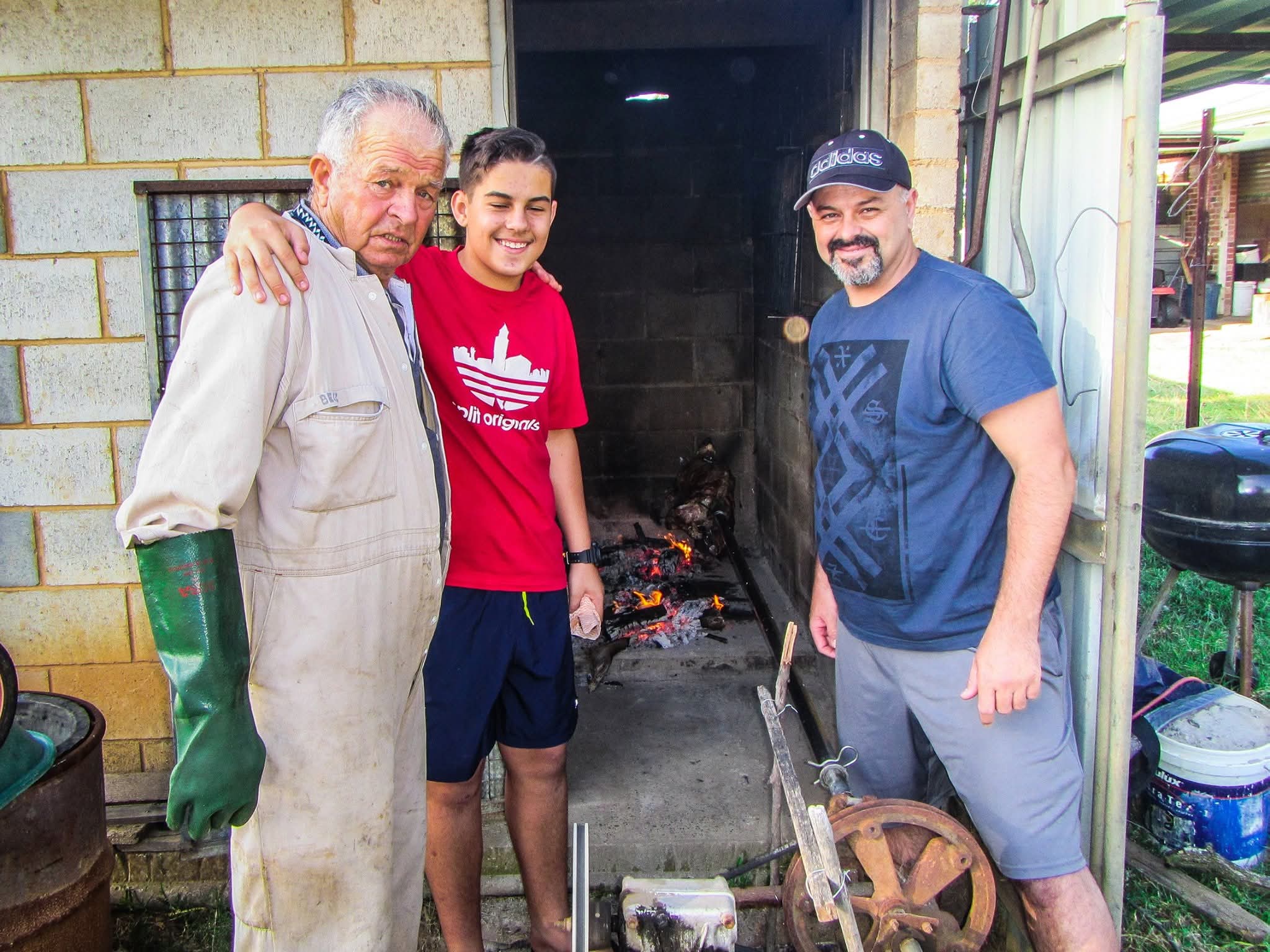
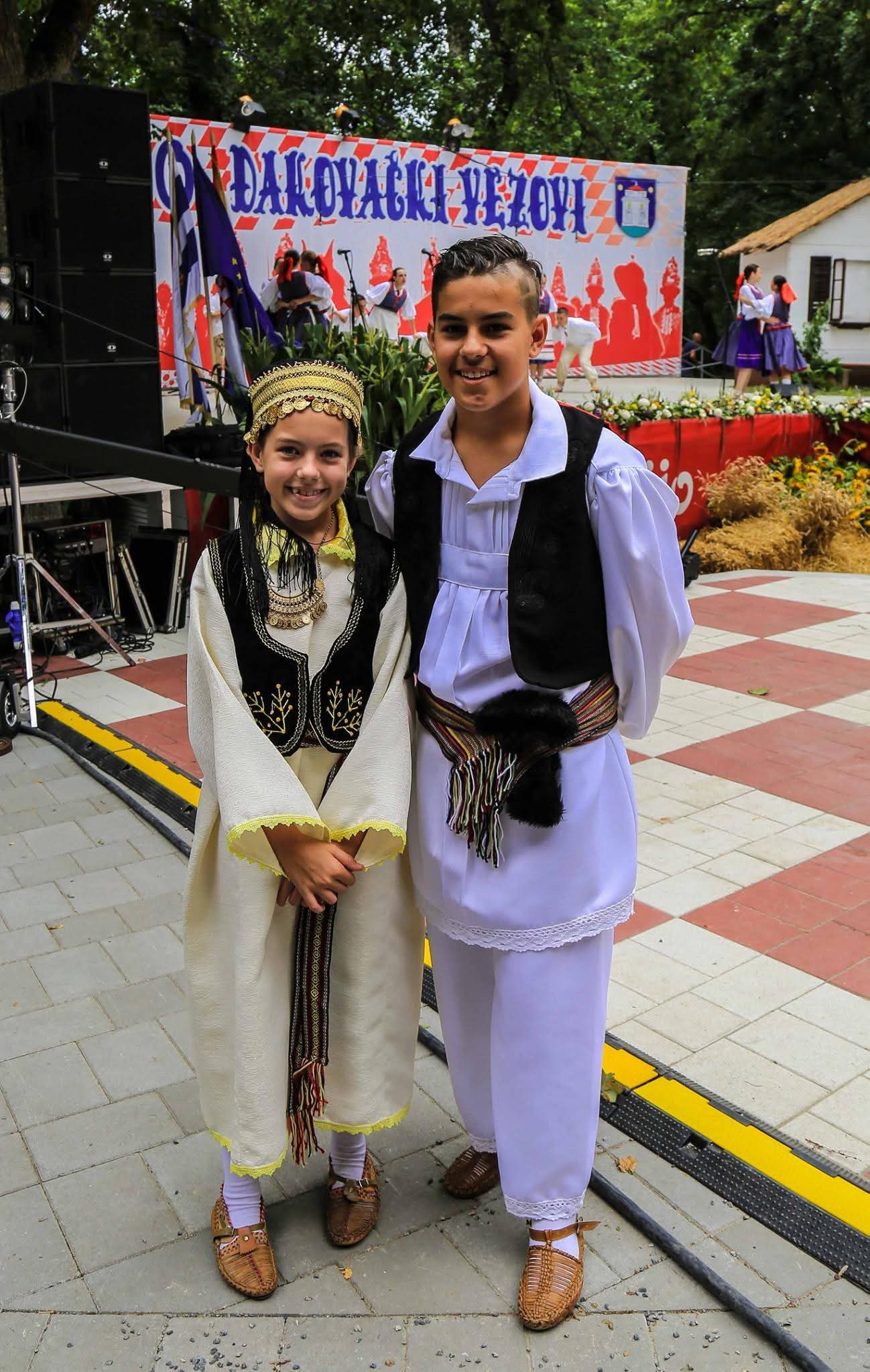
Three generations: Grandfather Vinko with Tom and his son Zhan cooking traditional meals on heated stone floors and hot coals. At right: Children Mia and Zhan at a folkloric festival in Croatia in 2016.
Tom says his parents’ migration story is typical of many Eastern Europeans who came to Australia. “Some of them were escaping government, tyranny, politics; others were trying to find a better place to bring up families and a better ability to earn income. Despite every story being unique, there are a lot of similarities too."
Tom studied electrical engineering at university, then at age 21 he accepted his parents’ birthday gift of an airfare to spend nine months in Croatia. It would prove a formative experience, driving a lifelong commitment to social harmony and travel.
Today Croatia is a tourist hotspot, its historic cities and beautiful Adriatic coastline famous as the setting for Game of Thrones. Back in 1994, the land was torn by a four-year war with the Serb-backed Yugoslav People's Army after Croatia declared independence in 1991. “The conflict was a decent enough distance away from where I was working and studying, but I got to experience that as well, unfortunately,” Tom says.
“It really opened my eyes up to international politics and conflict, and the things that are going on in the world even today – a much broader lens on what I've seen, compared to what gets reported, for example.”
Coming home, Tom took up a job with BHP (now Bluescope), starting a career that would connect him with people from many cultures, including Wollongong’s Macedonian community. “The steel industry is built by waves of migration,” he says.
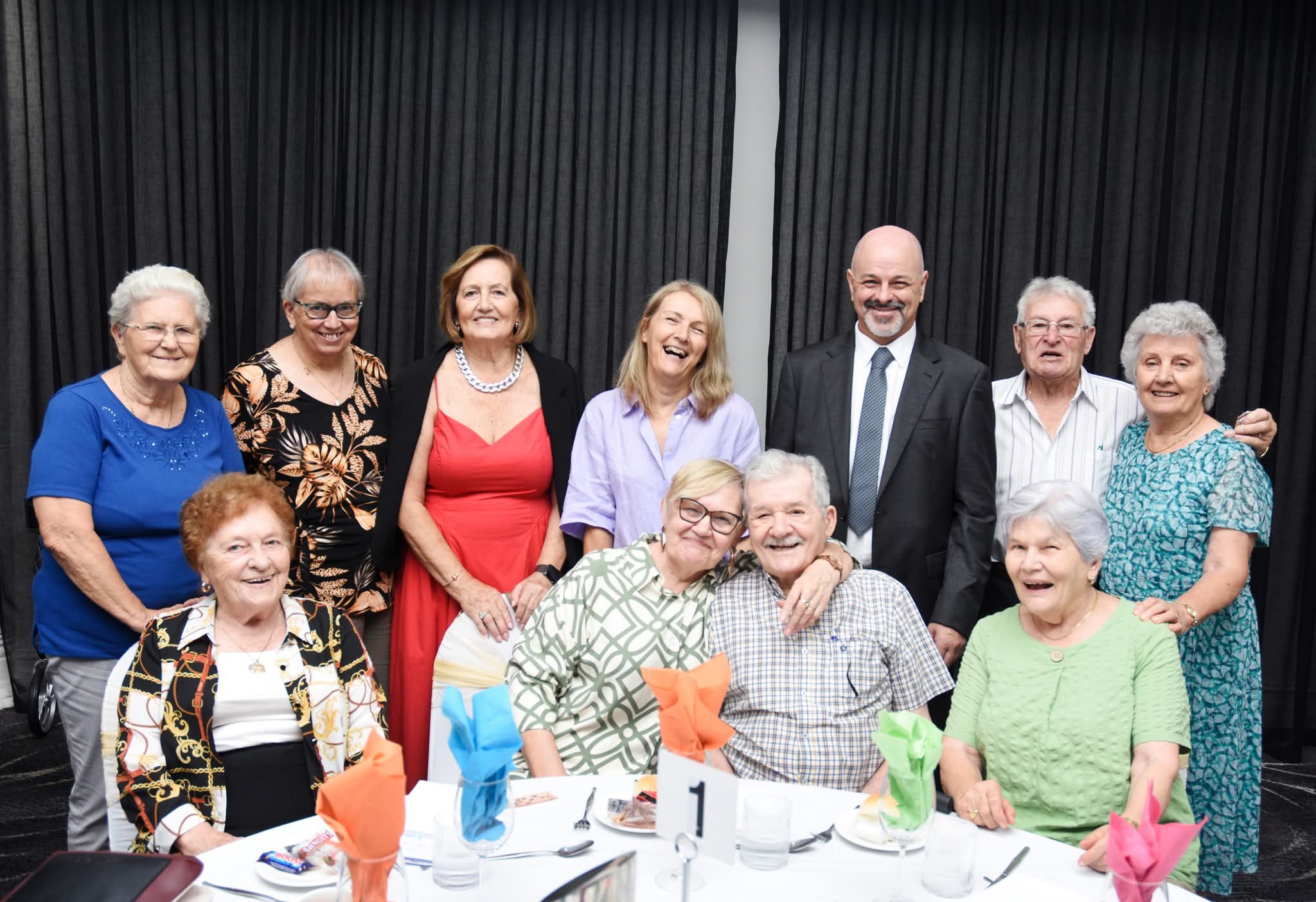
Tom with the Croatian Social Group at the 2026 Multicultural Seniors Fiesta held in March at the Fraternity Club
For the past 25 years, Tom and his wife, Marijana, have lived in Wollongong, raising two children, son Zhan and daughter Mia, now in their 20s. From his parents and in-laws comes a love of Croatian cuisine, including sweet cakes, cabbage stew and spicy cevapi. Wine-making is an enduring family tradition with its roots in the small vineyards of Croatia’s villages. While his parents live on a farm at Wilton and buy the grapes, every year crushing and barrelling the grapes brings the family together.
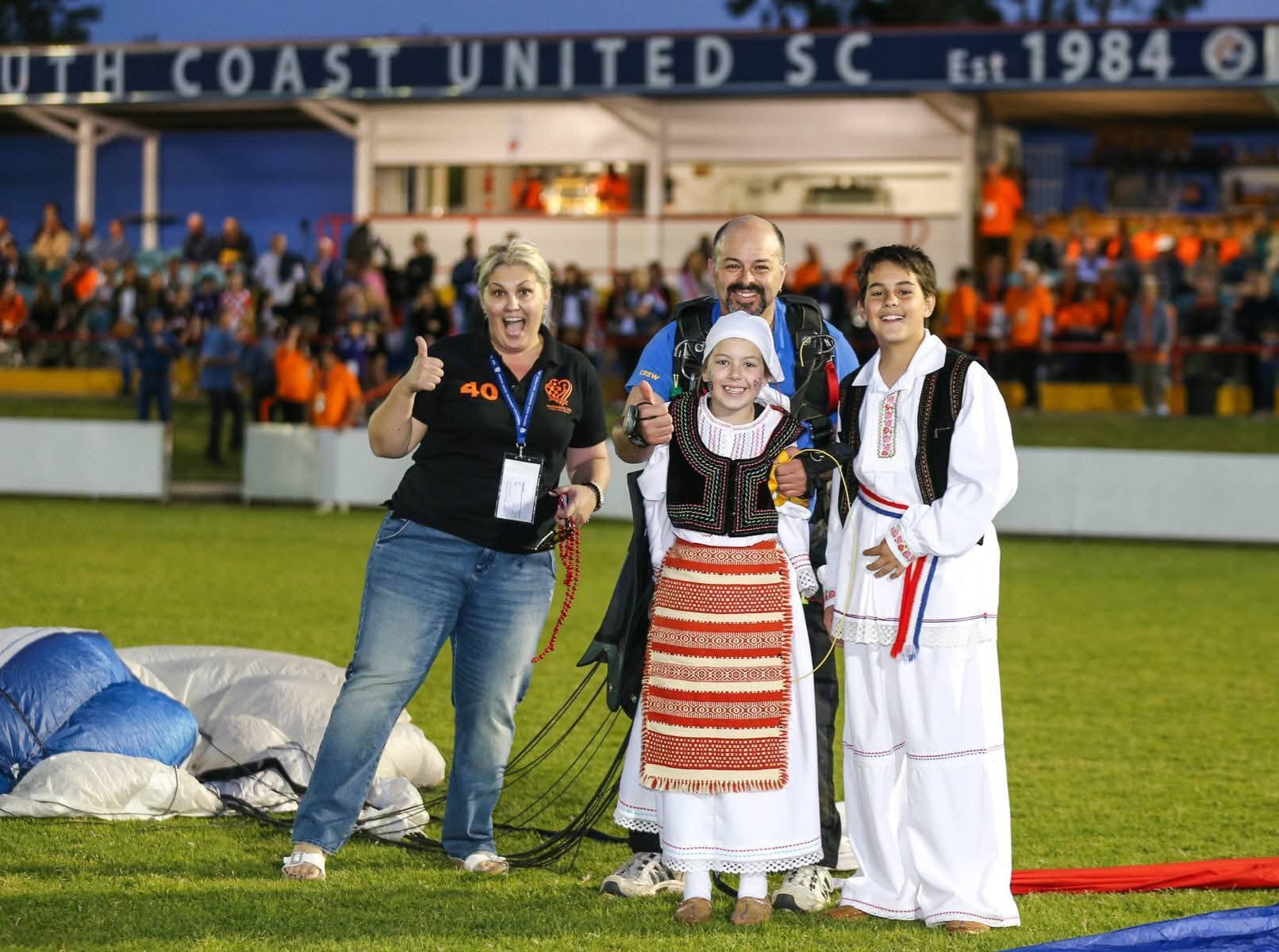
Tom and Marijana with children Mia and Zhan, pictured at an event organised by the Croatian Catholic Church and Zagreb Folkloric Group and South Coast United in 2014, when Marijana was on the organising committee for the Australia & New Zealand Soccer Tournament
Growing up, Tom remembers his father juggling two or three jobs, as a boilermaker, working in farming and mining, but always finding time to volunteer and help raise funds to build churches and community centres.
“To me, it's just something the community does: ‘I'll help you. You help me. We'll build this thing together and we'll enjoy the fruits of our labour together.’ I think it's just part of the culture,” he says.
“I do a lot of volunteering, and I have done ever since I was a young adult. My two focuses at the moment are MCCI and the State Emergency Service.
“My primary focus at SES is remote search and rescue. I coordinate and run the training for all of New South Wales for remote and rugged search and rescue, and at Wollongong [SES], predominantly focus on flood rescue and vertical rescue.”
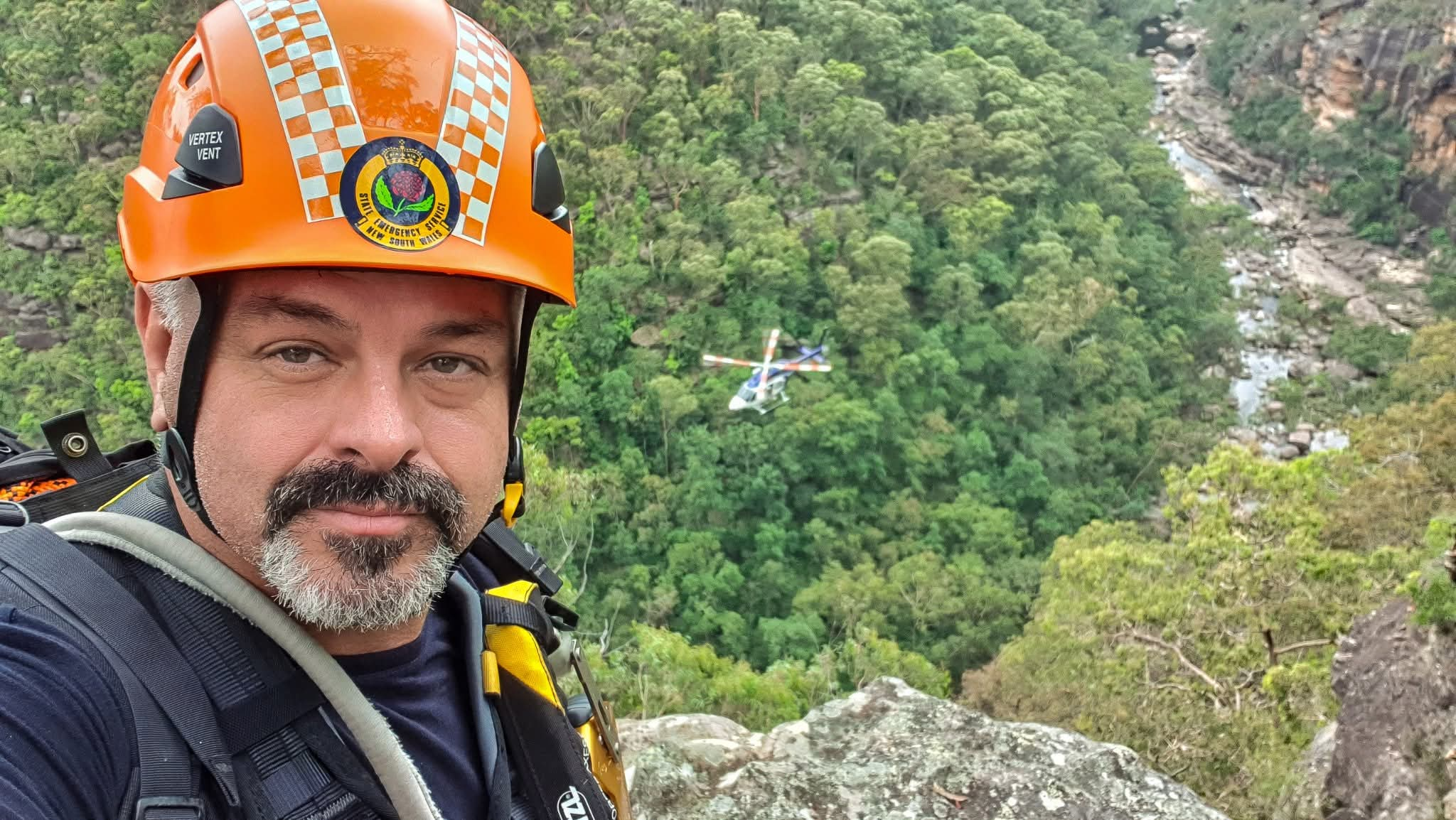
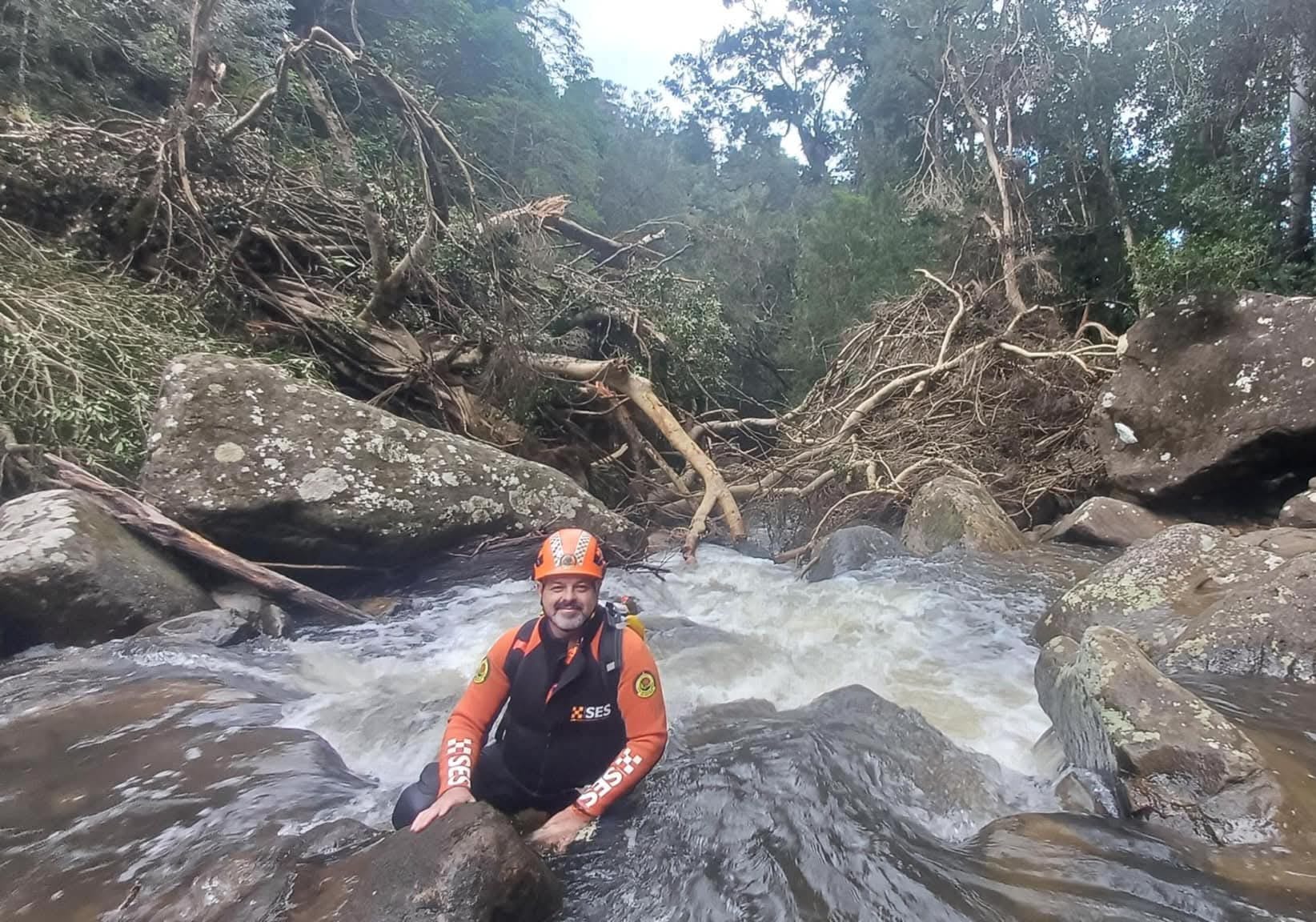
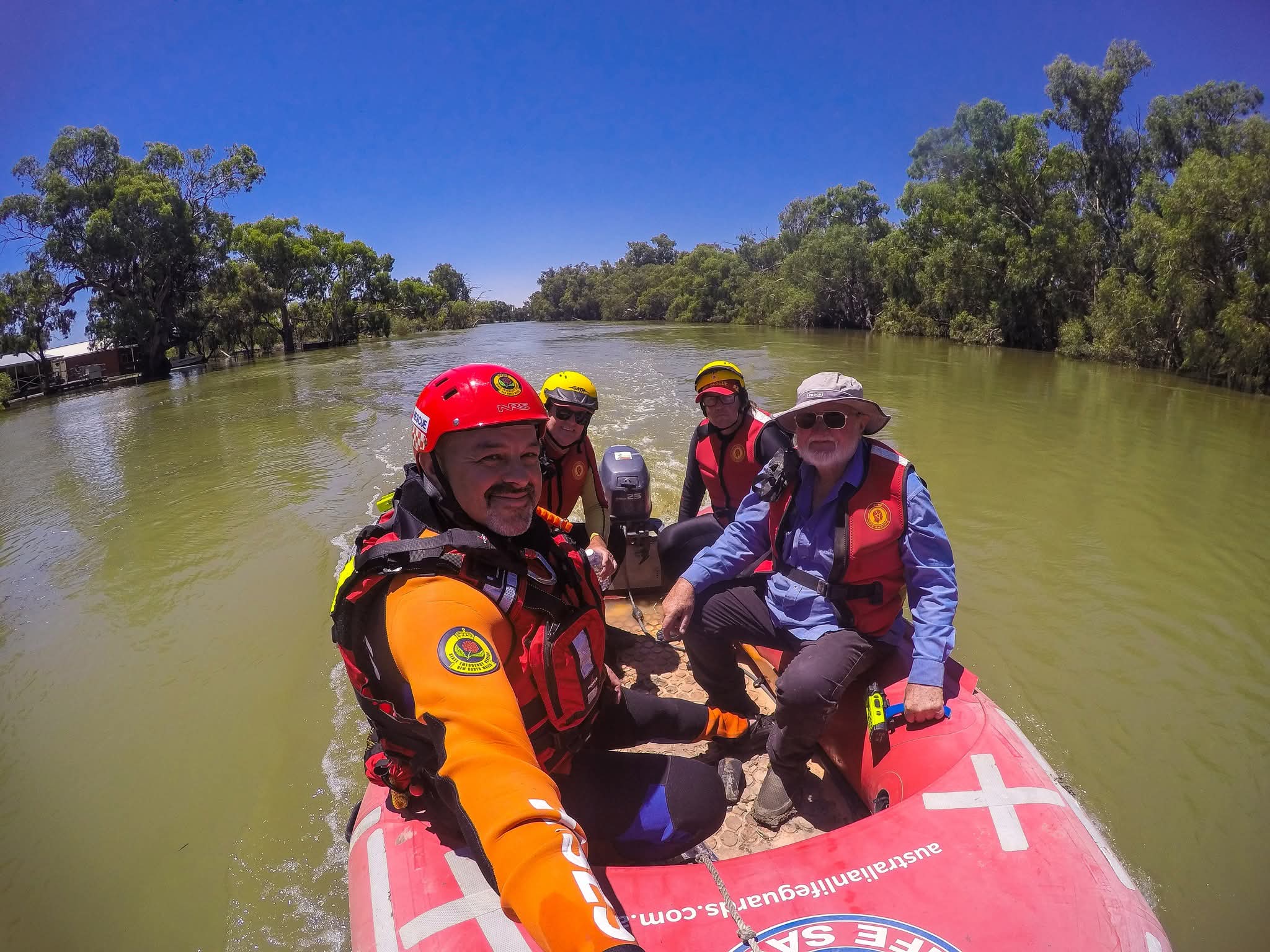
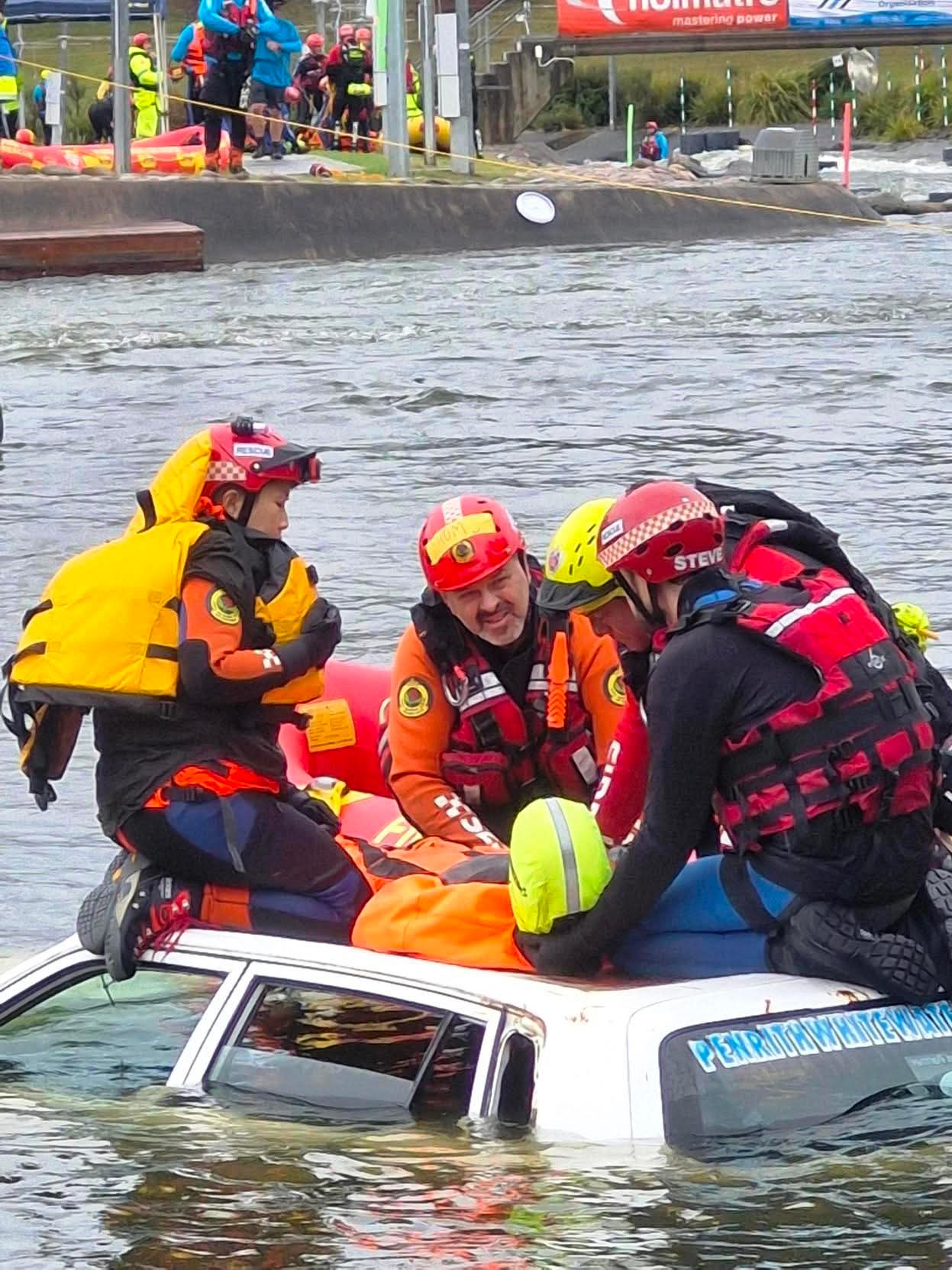
Tom's work with the SES has involved (from left to right) conducting missing person searches in the escarpment, deployment to Menindee Lakes as a flood rescue volunteer and taking part in a rescue competition at Penrith Whitewater Stadium
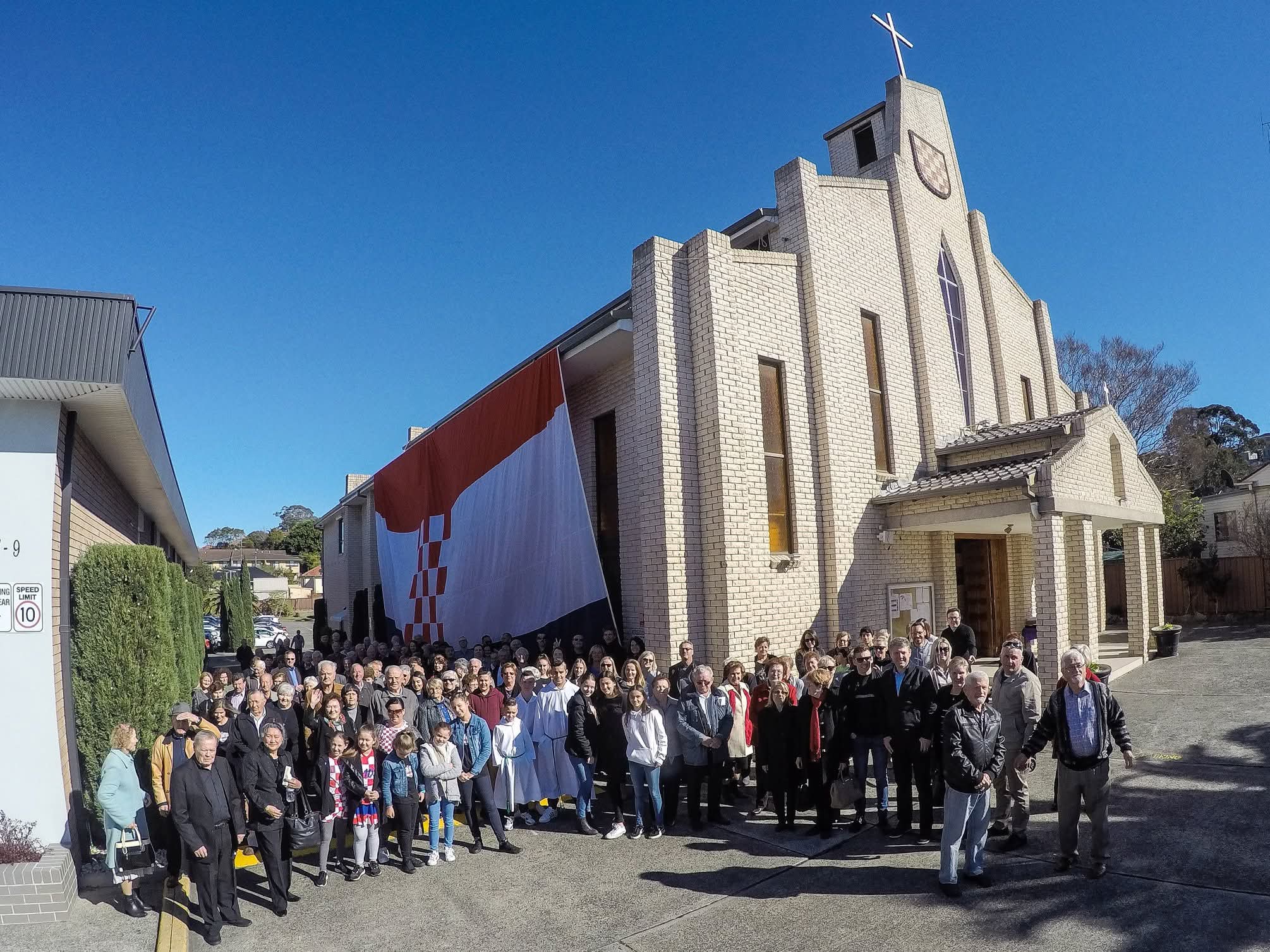
Tom came to MCCI after years of involvement in the local Croatian community, which numbers about 700 families, linked by Figtree’s Catholic church and hall.
Past chair Ken Habak also worked at BlueScope and asked Tom to join the board a decade ago. He now relishes his expanded role, saying: “It's a privilege.”
Tom’s primary duty now is to ensure MCCI’s sustainability, and good governance is key, he says.
“Our organisation was very small 10 years ago. We probably had 50 employees and volunteers. Take it to now – we’re no longer a committee. We're a board of directors in a company and the organisation's grown from [an annual budget of] less than a million dollars to hitting $20 million soon.”
“We're now more of a skills-based board. We have a great CEO in Chris Lacey, who is very professional and skilled.
“Advocacy is still a critical part of what we do. We aim for everyone to be included in our society and to contribute in a meaningful way.
“We've expanded from Illawarra only to the ACT, Queanbeyan area, Shoalhaven. We've got 170 employees, approximately, and a similar number of volunteers.”
To accommodate this growth, MCCI will soon move from Corrimal Street to a bigger headquarters on Old Springhill Road in Coniston.
Global wars and extremism continue to present challenges. Tom believes it’s vital to call out problems and citizens have a fundamental right to protest.
“I also think that part of the privilege of being able to protest is you do that in a peaceful way.
“Our goal is peace and harmony in the community. You want people to live good, happy, healthy lives, to continue with their culture and their beliefs, but also to contribute to Australian society as a whole. That's what we aim for.”
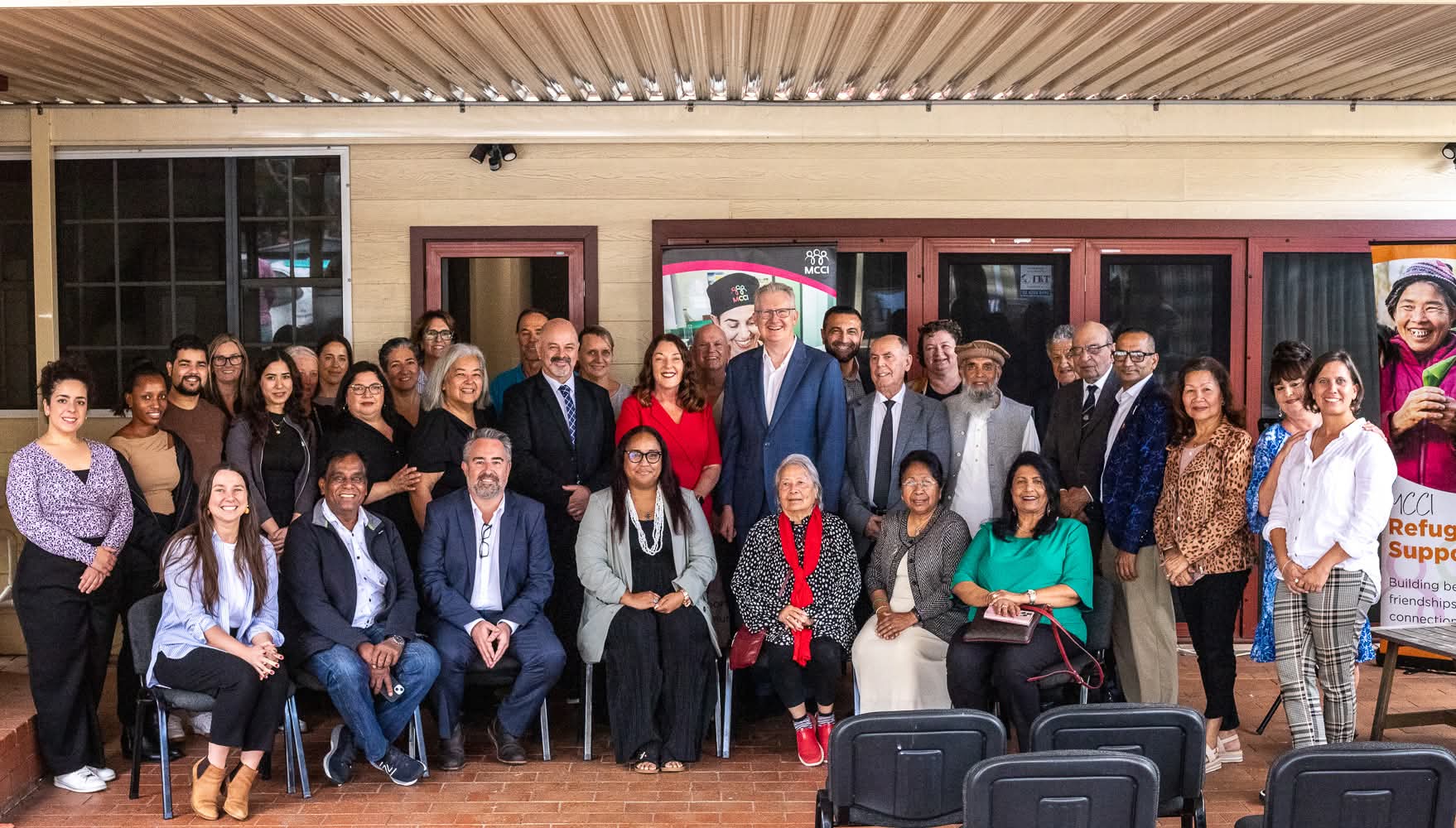
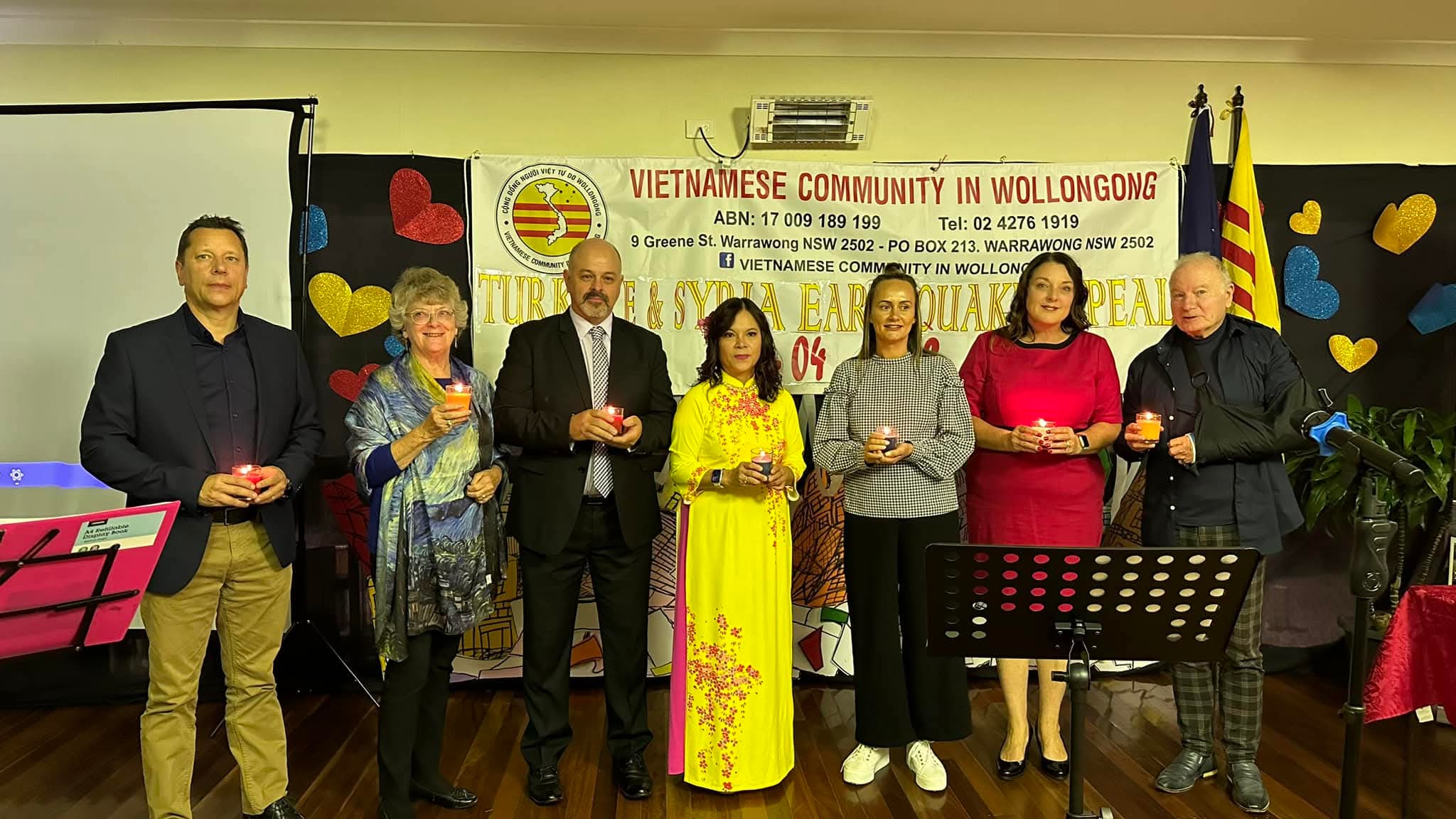
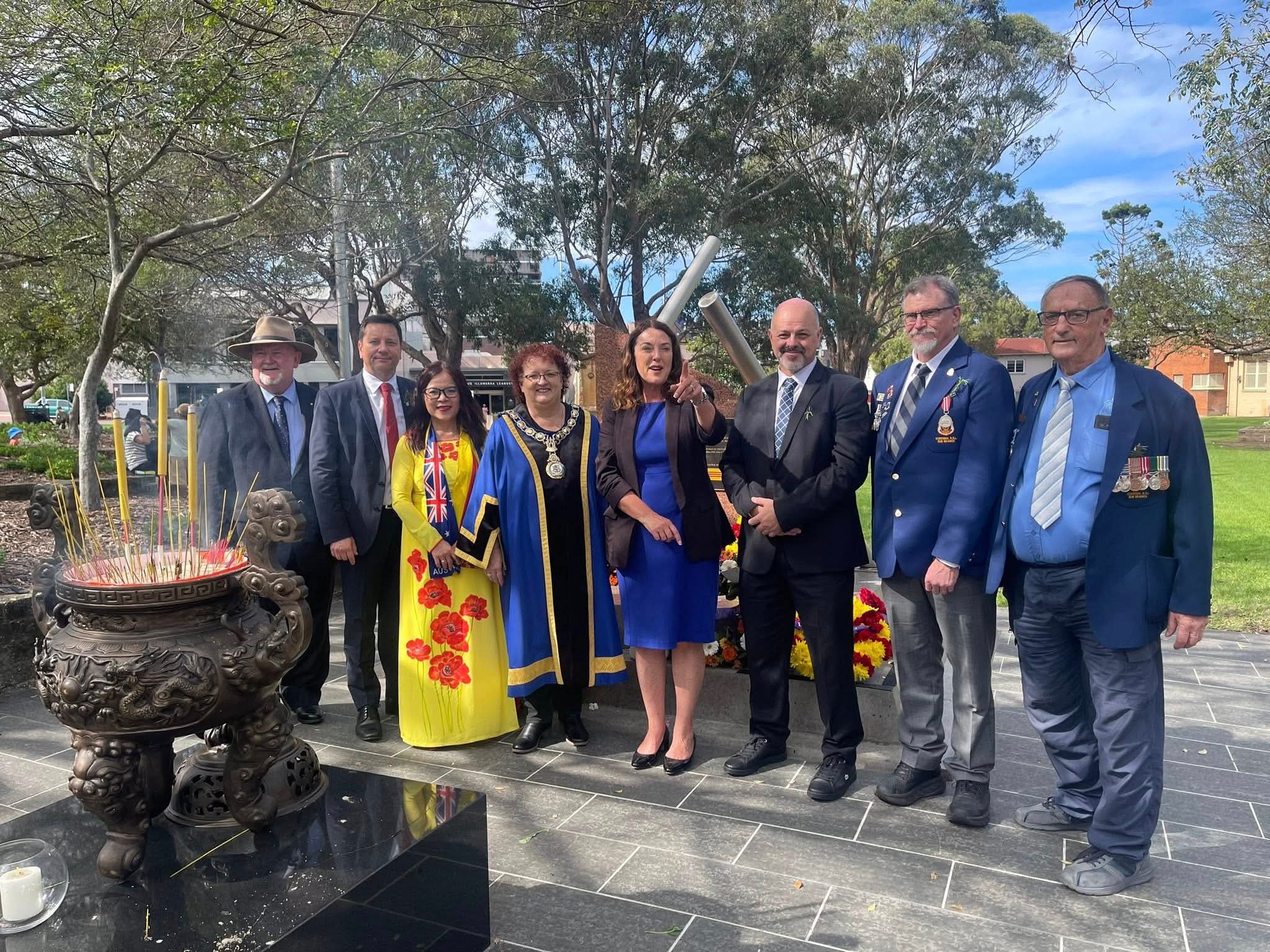
Tom with the local politicians and the Vietnamese Community of Wollongong, named Community Group of the Year at the 2026 City of Wollongong Awards for its decades of service supporting local refugees, war veterans, and widows.


