

More money for trees – and how forests can help our city breathe
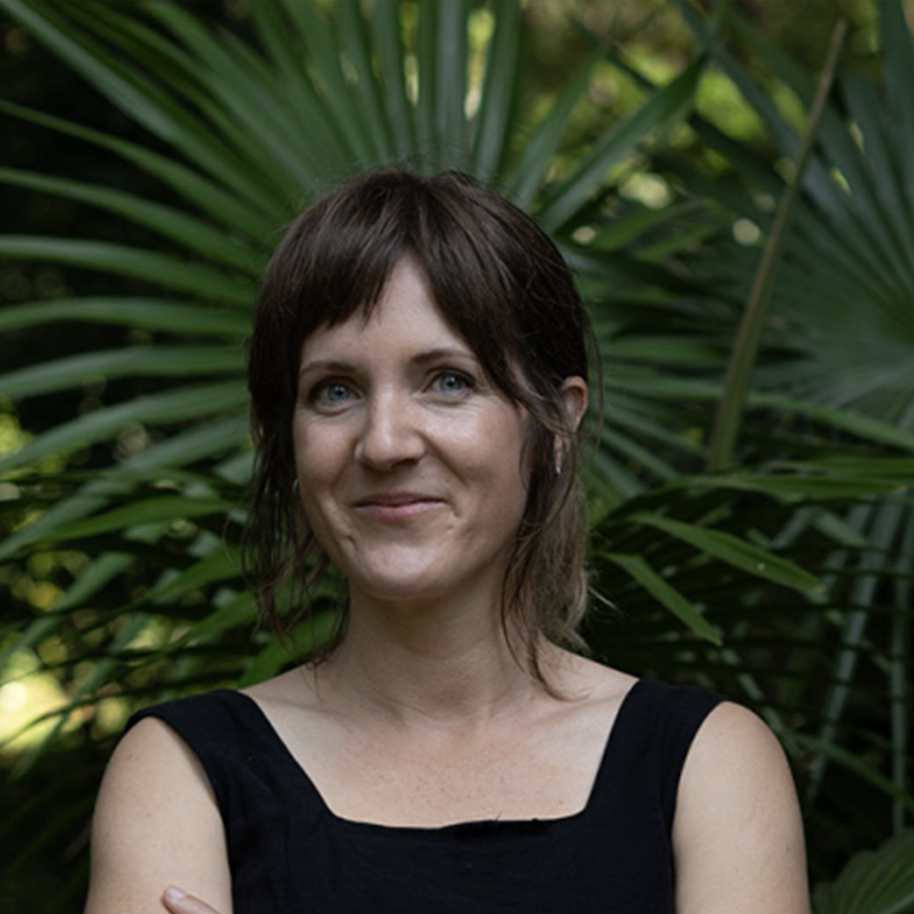
A bit of blue sky thinking could really change how we think. Kathryn Morgan, co-director of Understorey Landscape Architects, reports on new canopy trees for Wollongong, and shares some thoughts on layering
Wollongong City Council has secured $480,000 under the NSW Government’s Greening Our City program, with plans to plant more than 1500 trees across the region. The aim is to increase canopy cover from 27 per cent to 35 per cent and cool neighbourhoods most vulnerable to rising summer heat.
It’s good news! We need these trees for shade, biodiversity, air quality and mental health. Held between escarpment and sea, Wollongong’s lush greenery is part of what draws people here and allows us to stay and thrive. But greening a city requires more than numbers. It asks us to look closely at where shade falls and who it falls for, at soil health, plant communities and water. Greening can restore and support healthy ecology over time.
A Wollongong Council spokesperson said the funding would be delivered in line with existing policy frameworks.
“The grant funding will be used to deliver initiatives in accordance with our Tree Management Policy, which is guided by a right tree-right place principle to plant trees well suited to local conditions.”
They added that planning and delivery will be informed by technical expertise.
“We work closely with internal qualified arborists and horticulturalists, and external subject matter experts, to inform species selection, site suitability and establishment requirements for each tree planting initiative.”
Community participation will also form part of the rollout.
“Local schools will be involved in the delivery and planting of tiny forest projects, while some community groups and subject-matter experts have been invited to participate… Council staff will also engage with residents in targeted suburbs, inviting them to participate in selected tree-planting initiatives along residential streets.”
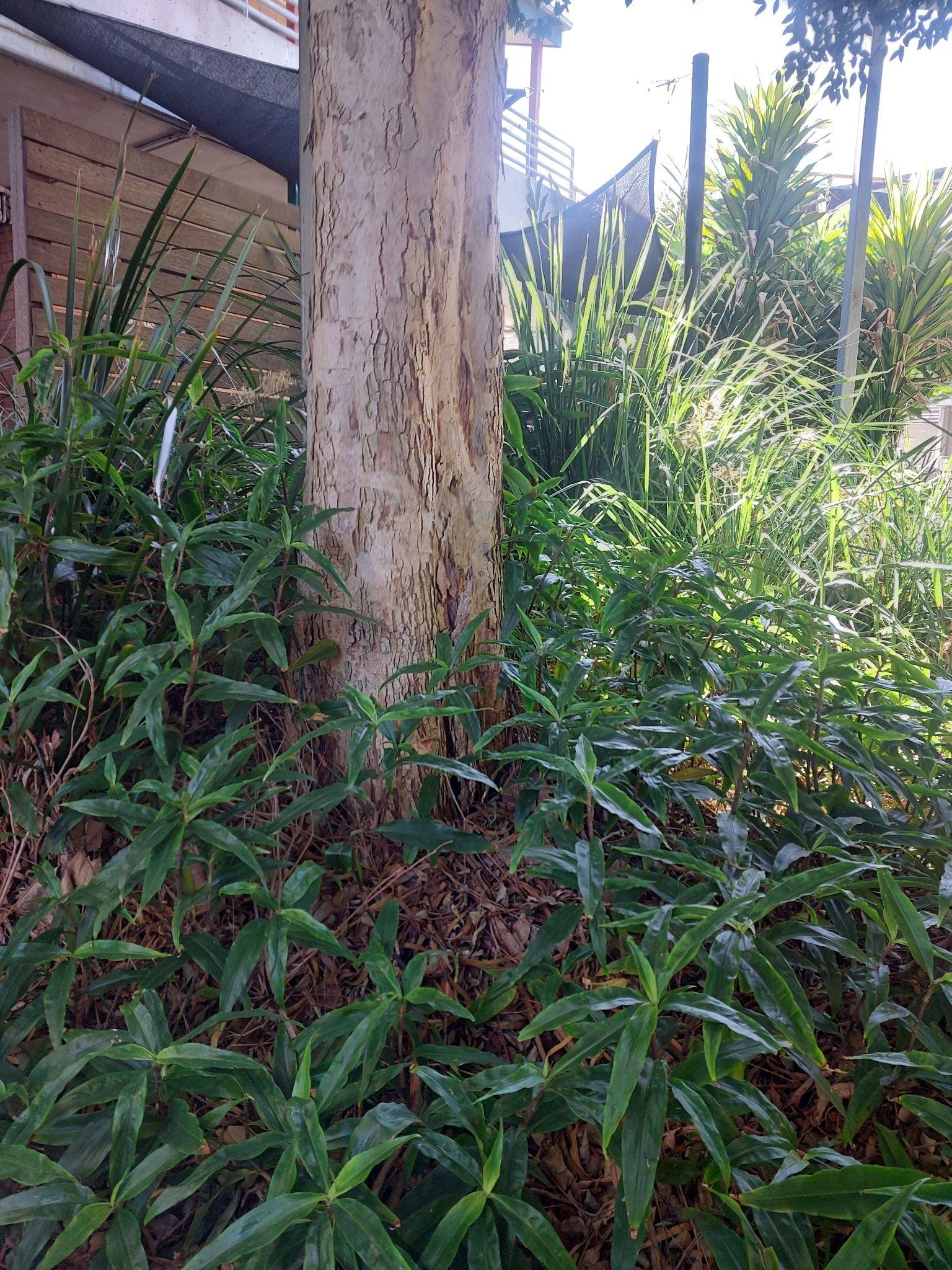
Southern suburbs including Port Kembla, Warrawong and Berkeley have been identified as priority areas. These suburbs tend to have lower canopy cover, higher exposure to heat and more hard surfaces. As Wollongong grows, planning must centre on equity.
Children sit at the centre of this. They experience heat most directly, spend long periods outdoors in schools and parks, and will live longest with the consequences of decisions made today.
Port Kembla is shaped by ocean, escarpment and the Five Islands Dreaming. Today, it is also shaped by freight lines, steelworks, hard ground and exposure to heat and wind. Compacted soils, existing infrastructure, urban expansion and industrial land uses limit where trees can grow. In many places, the challenge is not simply planting trees, but creating conditions for them to survive.
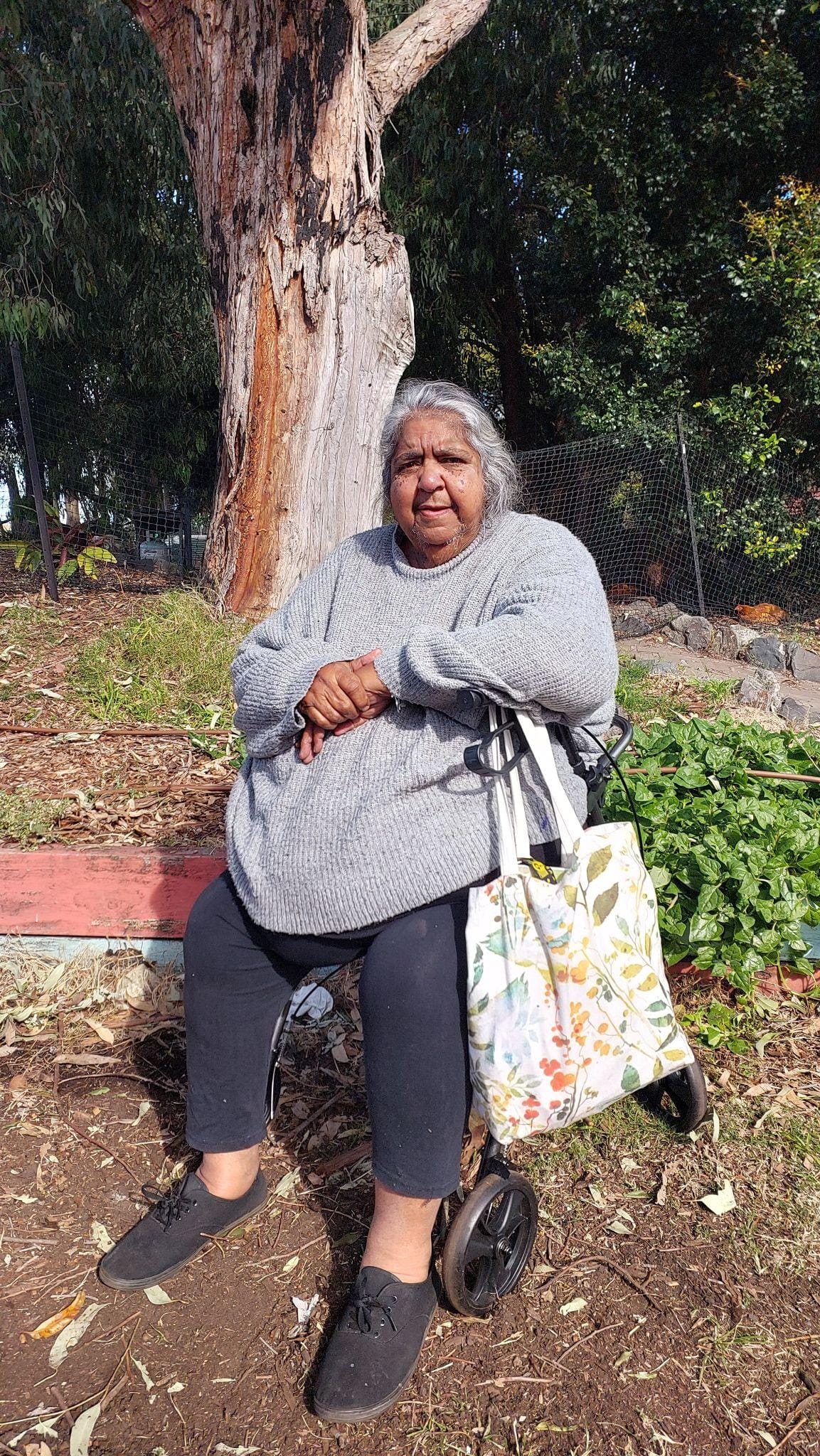
Coomaditchie Elder Aunty Lorraine Brown. Photo: Kathryn Morgan
At Coomaditchie Aboriginal Corporation, Elder Aunty Lorraine Brown offers a grounded interpretation of the “right tree, right place” principle.
“The right tree in the right place would have small root systems so it doesn't disturb pathways and infrastructure and would have a large canopy.”
She adds that greener streets would bring both environmental and social change.
“Streets need shade; they need trees to take away the pollution, creating more oxygen. More trees would take away the look of just a steel city, creating a fresh environment – green and clean.”
Here, greening is not only about temperature, but about identity of place.
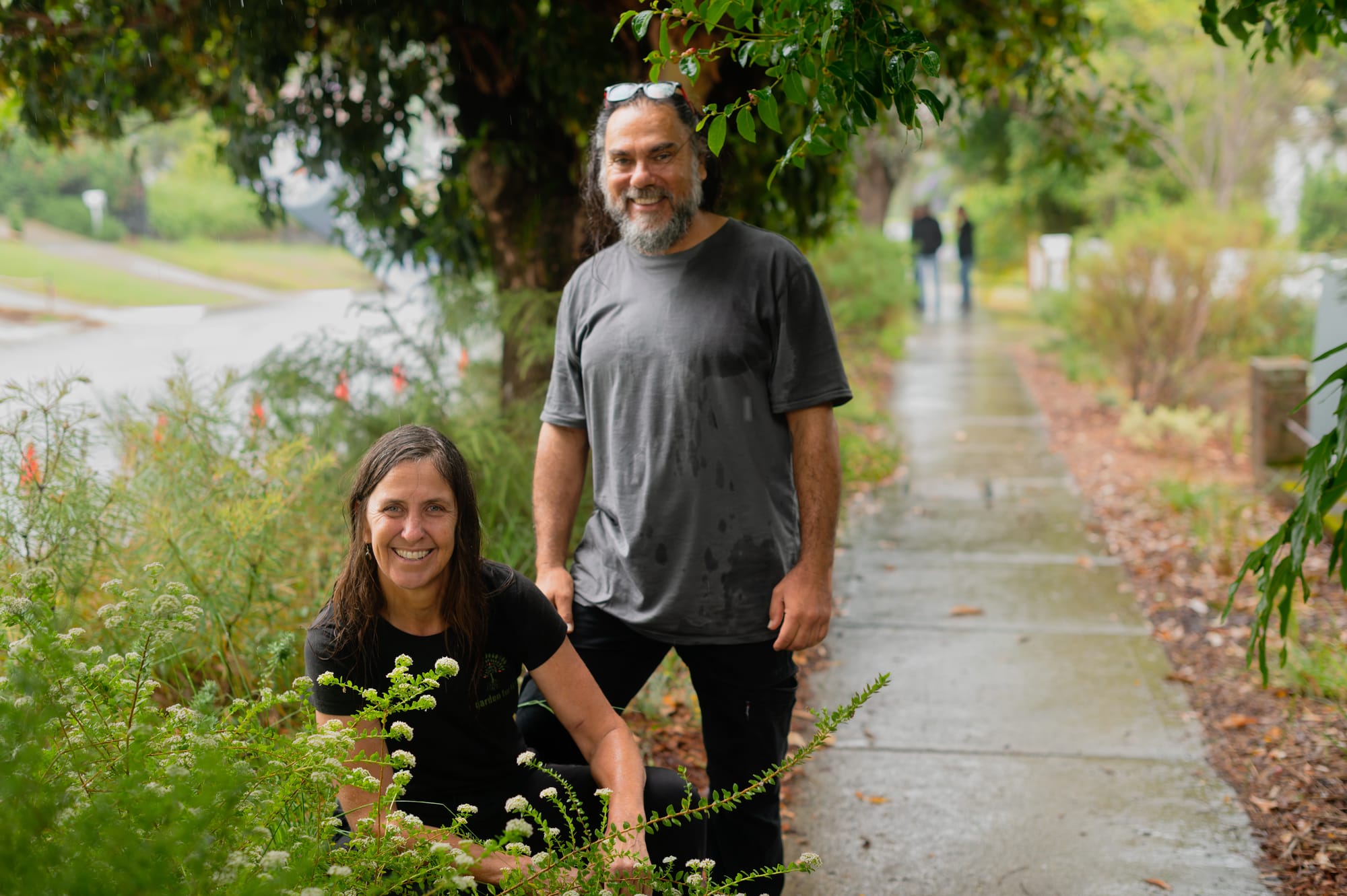
Environmental educator Narelle Happ has worked with schools across the Illawarra. For her, the impact of green space for children is immediate and measurable.
“Access to green space changes everything. Many school grounds are dominated by hard surfaces that absorb and radiate heat.
“Tree canopy and layered planting significantly cool the environment, making playgrounds safer and more usable year-round.”
But she also sees deeper benefits.
“Nature is incredibly regulating. I consistently see calmer behaviour, improved cooperation and fewer conflicts in greener environments.”
For Narelle, these spaces are essential infrastructure.
“Green space is preventative health infrastructure.”
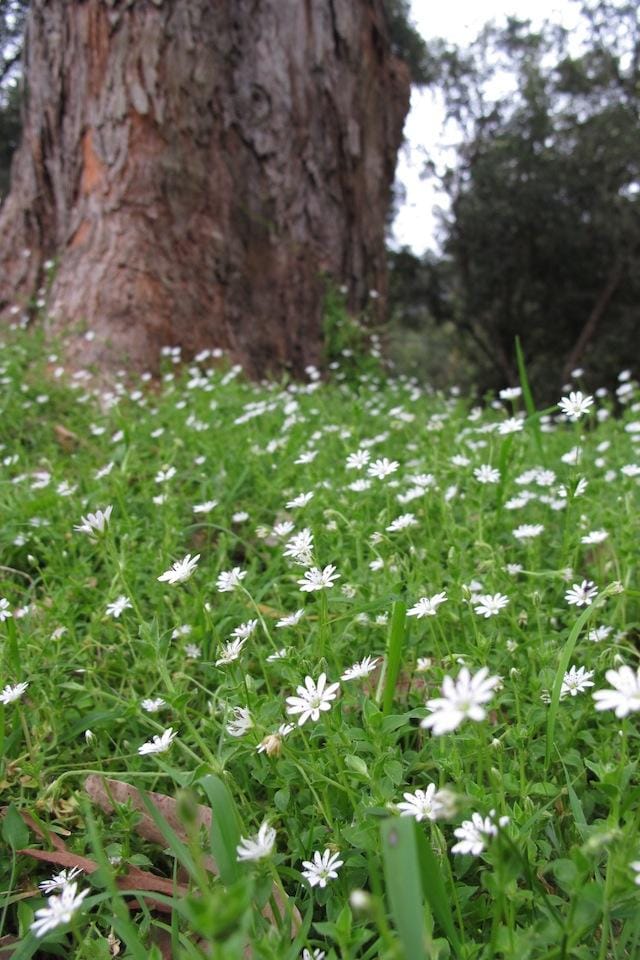
Landscape architect and playspace designer Sarah Hart argues that canopy is not enough.
“A lawn with a few trees is not the same as a layered, biodiverse landscape. These spaces should be biodiverse, with sensory richness, nooks and crannies for explorative and imaginative play.”
As Wollongong grows, she says, attention must shift to the everyday landscape.
“It is the small spaces in between that need to be prioritised. Greener streets, urban plazas, parks and schools, particularly in high-density and growing suburbs.”
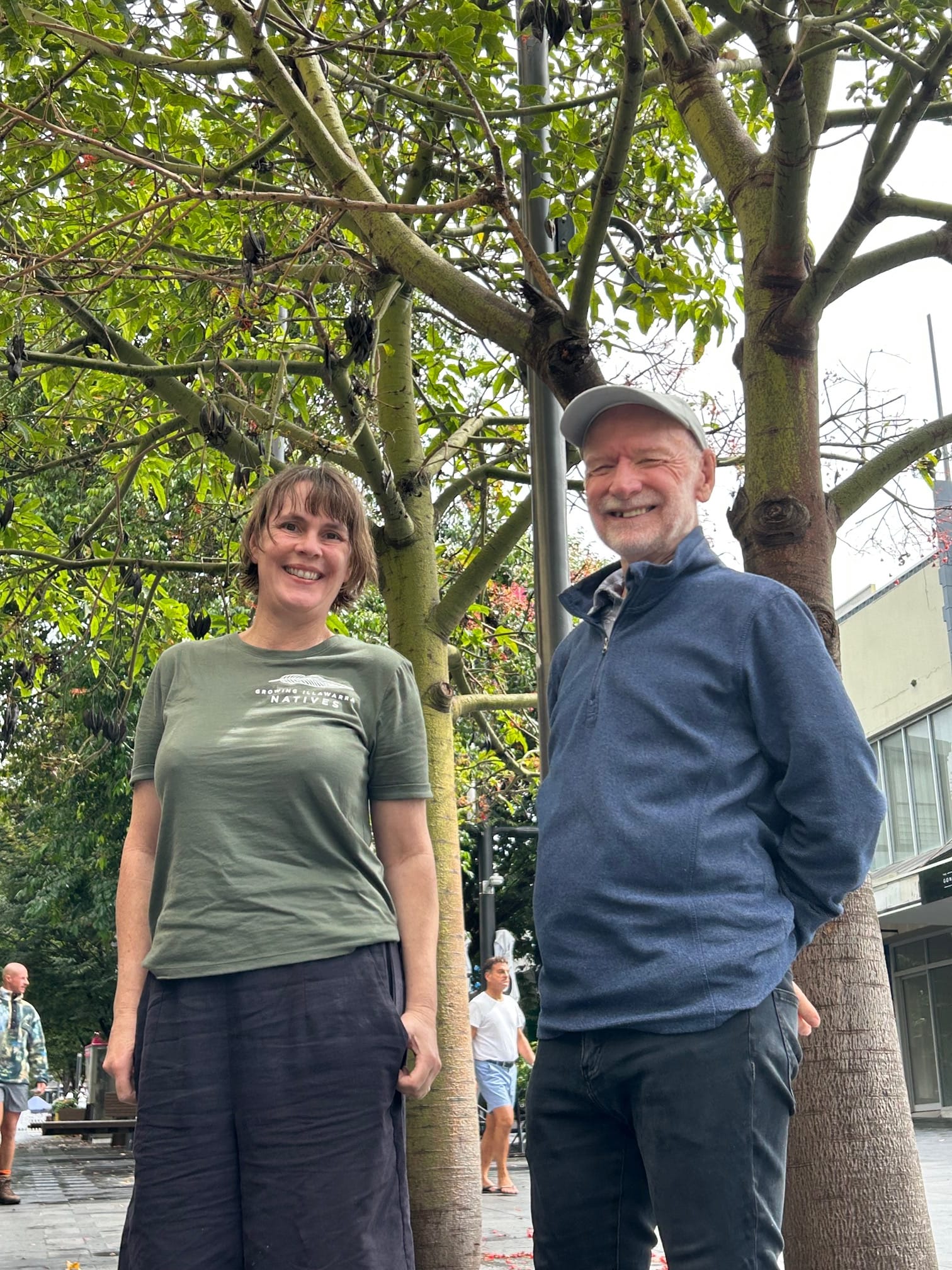
Environmental educator and co-creator of Growing Illawarra Natives Emma Rooksby elaborates on the need for a holistic approach to tree planting: "Canopy provided by trees is essential to urban greening and cooling efforts...
"But trees are just one component of local biodiversity, making up less than 10% of local plant species. Many native animals depend on the shelter and food provided by native shrubs, grasses, climbers and ground covers.”
Emma adds that the holistic approach benefits the trees themselves: “Including understorey species makes plantings more resilient, and protects our local pollinators. It also means a reduced need for mowing, which is noisy, costly and uses energy.
"Meadows require weeding but this is a more pleasant and contemplative task than mowing.”
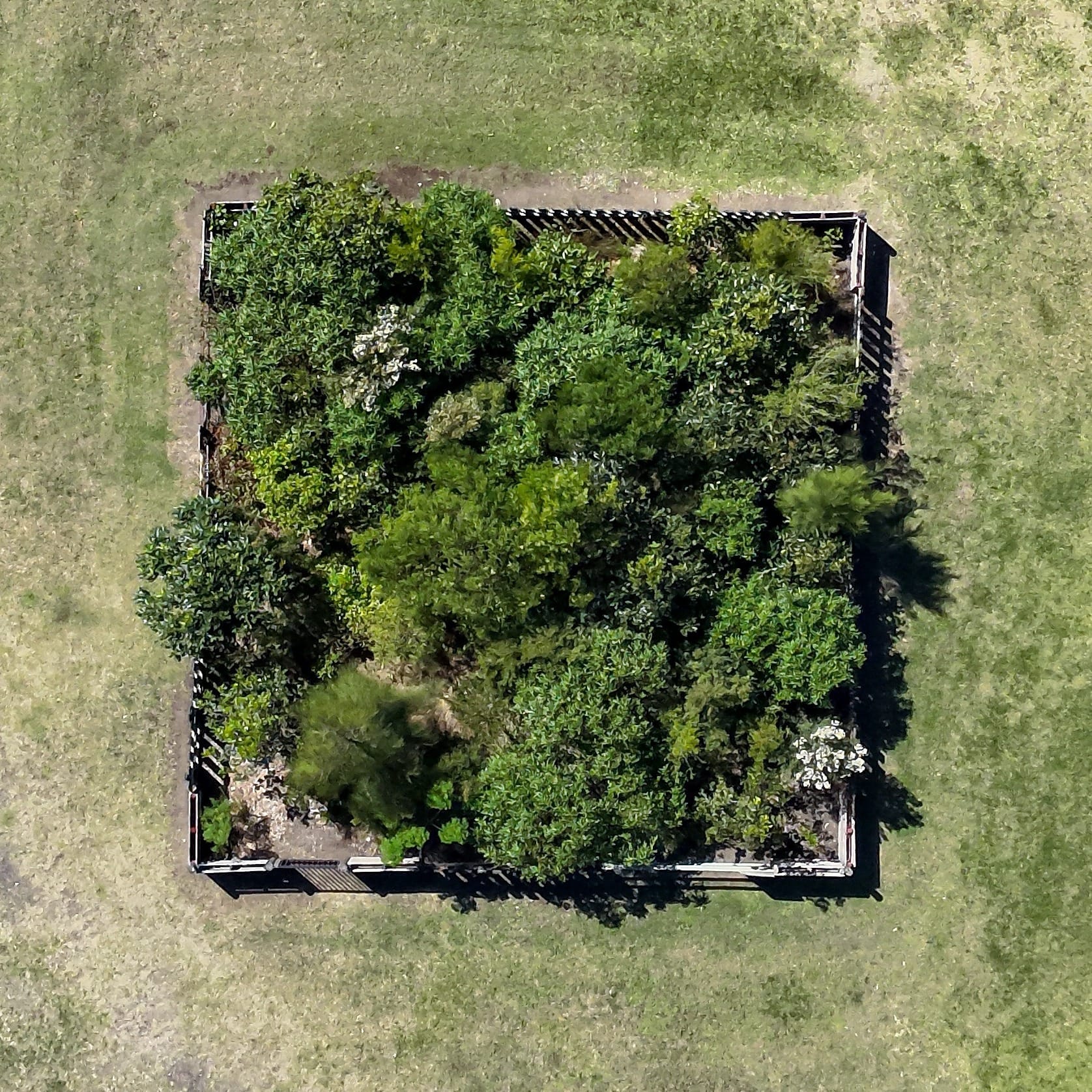
The shift beyond planting individual trees to cultivating living systems is already under way in Wollongong. Council has planted tiny forests of very dense, fast-growing plantings of locally appropriate species.
These award-winning plantings demonstrate how small patches of land can support biodiversity, cooling and community participation at once. Tiny forests also reflect a broader understanding of urban greening.
Australian philosopher Val Plumwood cautioned that environmental strategies imposed from the top down can struggle to take hold if they overlook everyday relationships between people and place. By contrast, approaches such as Miyawaki-style planting, which underpins many tiny forest projects, bring people into the process of planting and care. This in turn builds shared responsibility and connection.
Put simply, greening is not only technical, but cultural work.
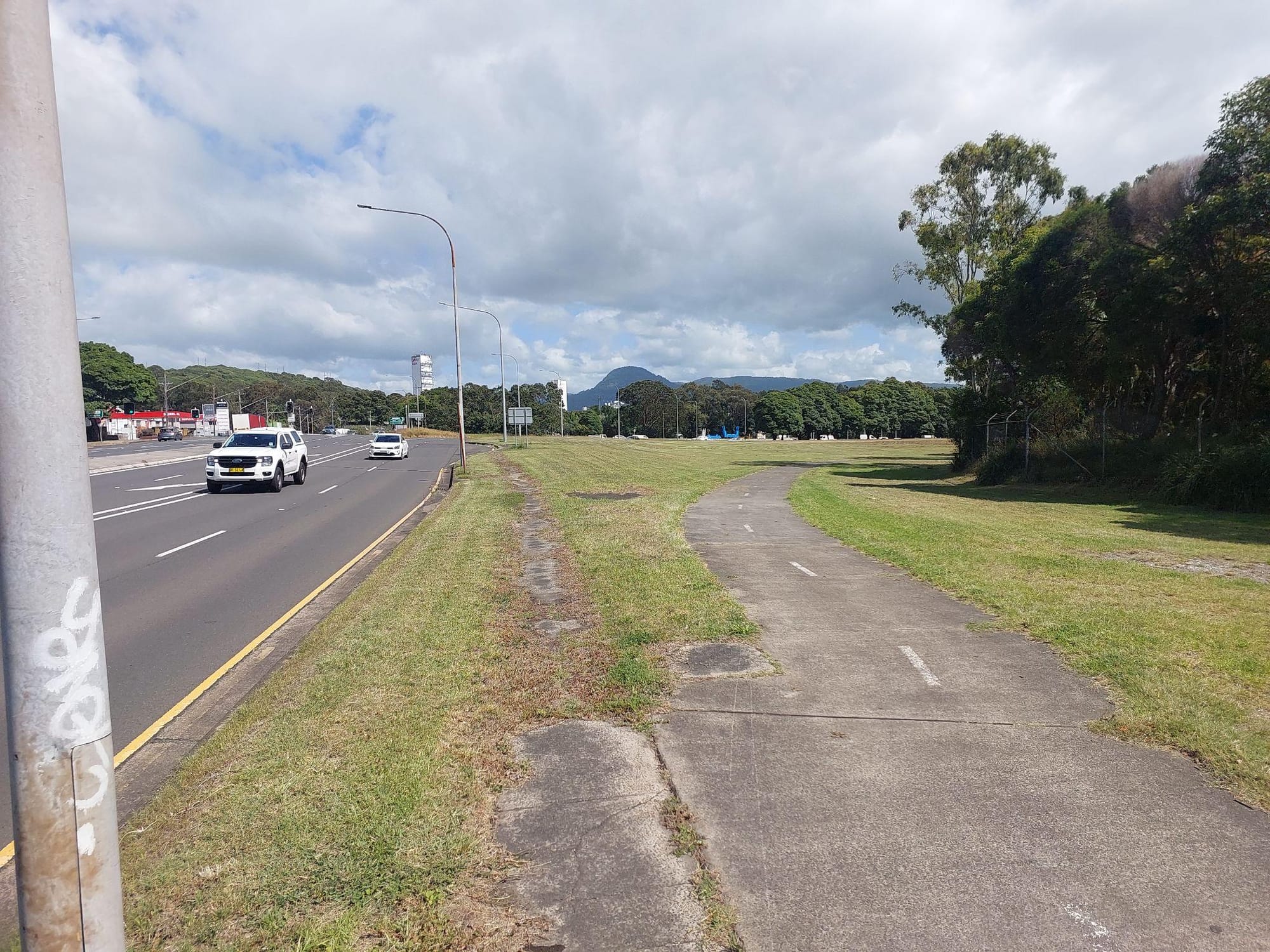
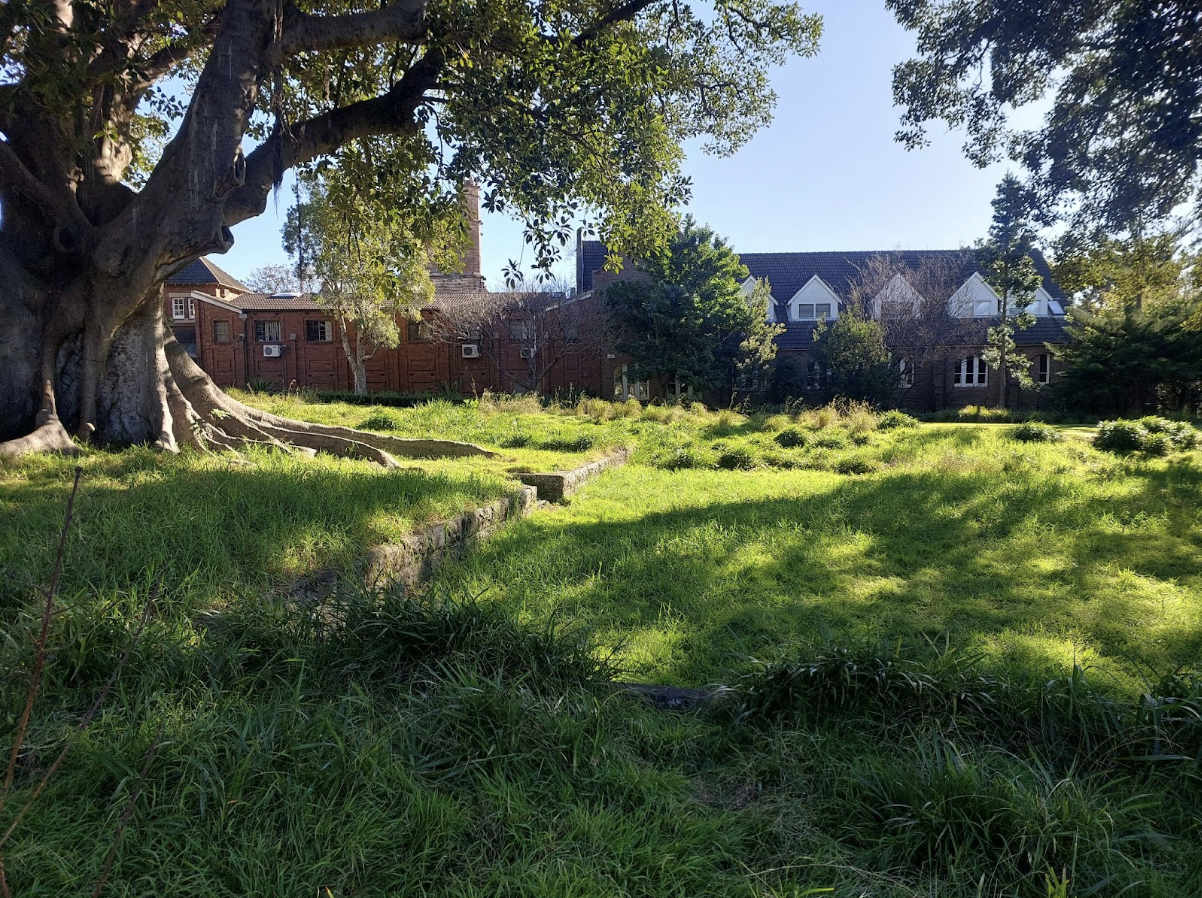
As Wollongong expands its canopy, perhaps this is an opportunity to build on the success of tiny forests by extending their principles into streets, parks and everyday public spaces. Rather than thinking of trees as isolated plantings, this means designing for living systems, that is, combining canopy with local understorey species, attention to soil health, strategies for patch longevity and ongoing maintenance.
As designer and author Dan Handel says, rather than asking what forests can do, we should be asking what humans can do. Forests are shaped by cultural ideas as much as ecological processes.
Bringing forests into the city requires a shift in thinking of trees as objects towards trees in community. That is, canopy as forests: shared, living and lived-in environments.
Whether we call this gardening, forest-making or greening, we need to consider canopy and all that supports it from below, and all the living it makes possible.
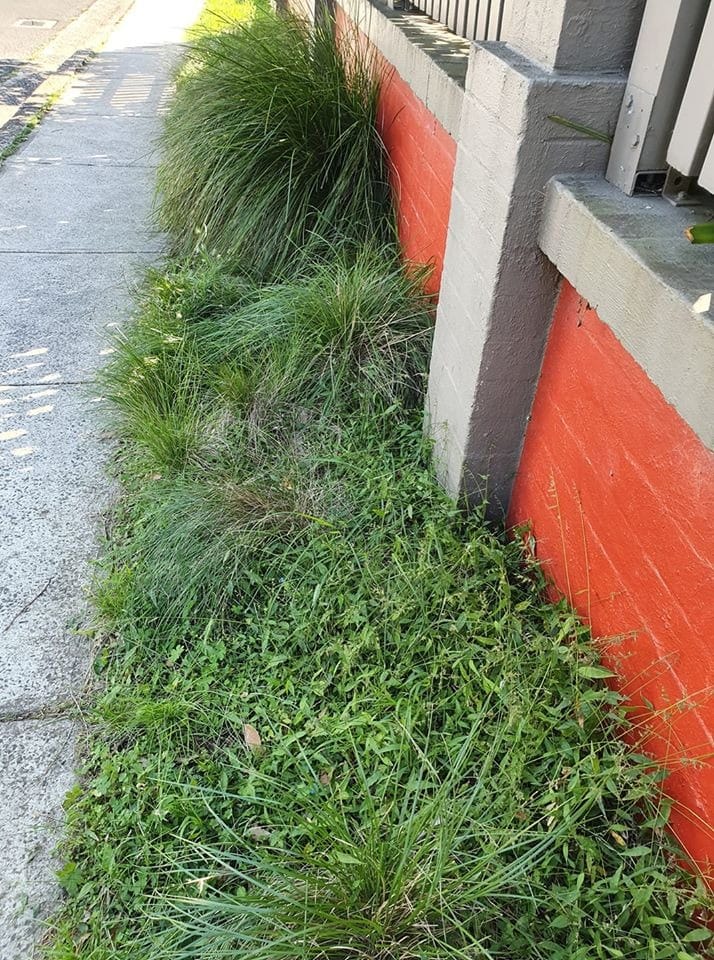
It means different maintenance and knowledge – being able to differentiate “weeds” from understorey plants and pull them out by hand.
Looking ahead, Aunty Lorraine imagines what a greater canopy could look like:
“Port Kembla would be a fresher and greener place for people to come and visit. Pollution would be less dominant. It would be a total upgrade — being fresh and inviting instead of black and dusty. I feel like you could breathe more.”
References
- Handel, D. (2024). Designed Forests: A Cultural History (1st ed.). Routledge.
- Plumwood, V. (2002). Environmental Culture: The Ecological Crisis of Reason. Routledge.


