
Three Transport Priorities for the federal election
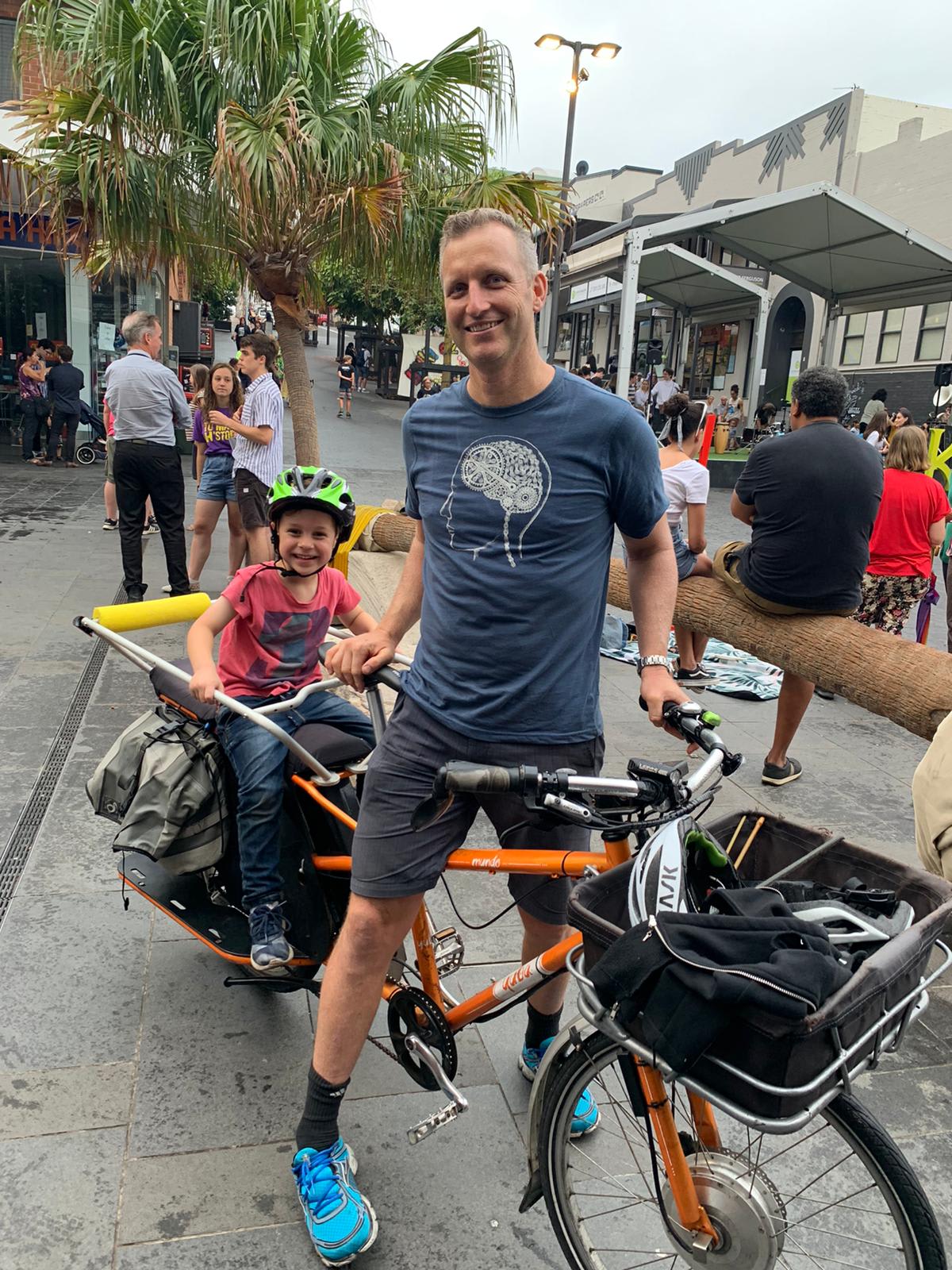
Safe Streets to School that was founded by parents from Wollongong is part of an alliance of 13 health, transport, education and climate organisations presenting the Three Transport Priorities to federal politicians at Parliament on Monday 14th...

Safe Streets to School that was founded by parents from Wollongong is part of an alliance of 13 health, transport, education and climate organisations presenting the Three Transport Priorities to federal politicians at Parliament on Monday 14th February, ahead of the election.
Safe Streets to School Media Release, Monday 14 February 2022
Three Transport Priorities for the federal election: for happy, safe and healthy kids – and to also save our economy billions
As schools go back across the country, we urgently need to do more to keep our kids safe on the roads and to get them and their families moving more.
To achieve the needed change, our alliance of 13 health, transport, education and climate organisations is presenting the Three Transport Priorities to federal politicians at Parliament on Monday 14th February, ahead of the election.
The Three Transport Priorities are:
- Lower Default Urban Speed Limits in residential areas, shopping streets and school zones.
- 1500m Safe Routes to School including footpaths, pedestrian priority crossings, and ‘no drop off’ zones.
- E-Bike Purchase Subsidy of up to $1000 off for customers purchasing an e-bike.
Why these priorities?
- The Three Transport Priorities are evidence-based solutions to reduce crashes, reduce congestion, and increase physical activity.
- We know that business as usual will continue to lead to crashes ($22bn), congestion ($19bn), and physical inactivity ($16bn), costing Australia a whopping $57,000,000,000 (57 billion dollars) every year.
- Walking and cycling are COVID-safe forms of transport and the additional physical activity has benefits for our immune system.
- We need to make our streets safer, as tragically, drivers of motor vehicles remain the number one killer of children in Australia.
- We need to make our streets safer, as half of Australian parents have concerns about letting their children walk or cycle to school.
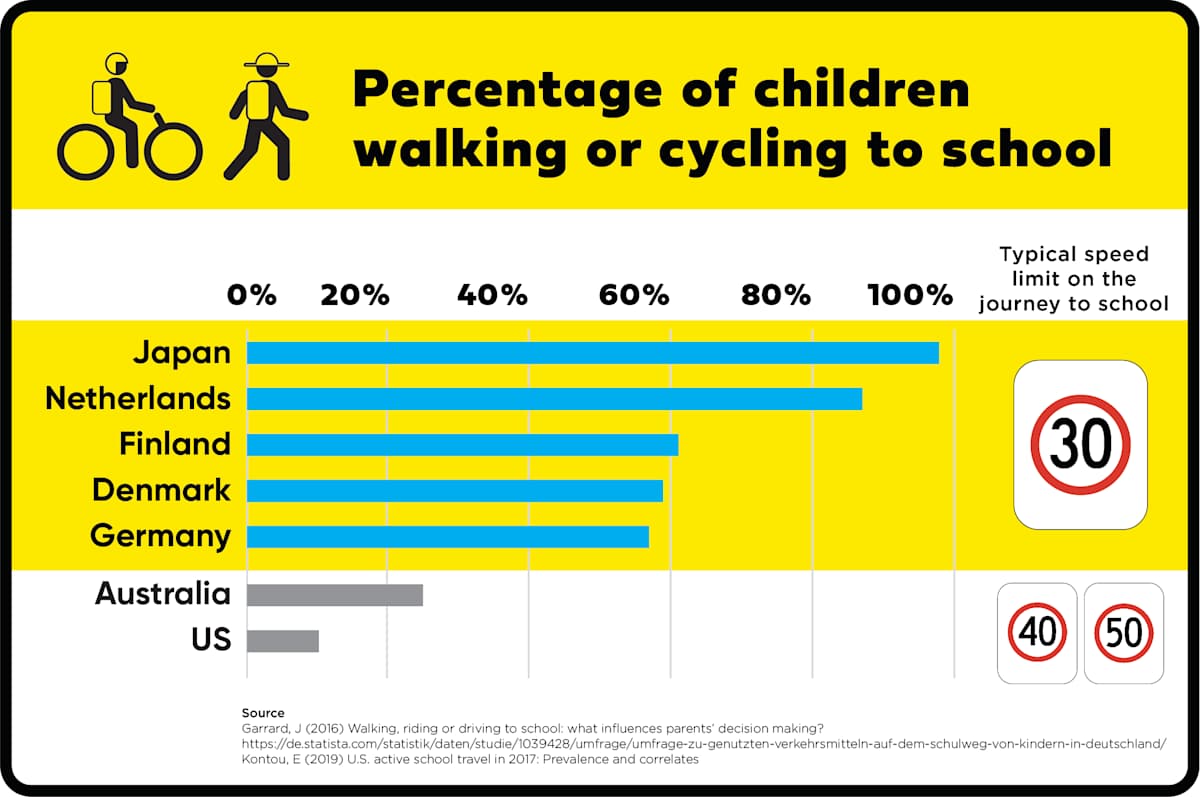
- Our local roads were once playful streets, where 3 in 4 children walked or rode to school – and parents felt safe to let them.
- Nowadays, just 1 in 4 children walk or cycle to school, despite more than half of children living within 1km of school in urban areas.
- There are longer-term impacts too. 1 in 10 Australians will die early, because of diseases caused by physical inactivity (e.g. heart disease).
- E-bike subsidies encourage parents to purchase e-bikes — a healthy way for parents to role model physical activity with their kids
But do Australians want the Three Transport Priorities?
Yes. National data shows that:
- Two-thirds (67%) of Australians back a diversion of some government road funding for local walking and cycling infrastructure and public transport.
- Two-thirds (64%) also support lower speed limits in local streets to make them safer for people
Tepi Mclaughlin, Spokesperson for the Australasian Society for Physical Activity said: “The Three Transport Priorities are tangible, evidence-based and popular solutions to reduce traffic crashes, reduce congestion and increase physical activity.”
Mclaughlin added: “They’re also cost-efficient. We know that we could build a new pedestrian priority crossing outside every school in the country for the same cost as the Sydney NorthConnex tunnel.”
Lena Huda, Spokesperson for Safe Streets to School, who partnered on the development of the Three Transport Priorities said: “All kids and families should be able to enjoy getting to school safely. We started our campaign in Wollongong, a city with amazing potential for walking and cycling to school. However, many streets are too hard to cross for children and many streets lack footpaths. Consequently, most children are driven to school.”
“Cars and children are competitors in local streets. In Australia, we have chosen cars. Probably not on purpose but the result is visible. Most children are driven everywhere and not many children are allowed to play in their local streets. The three Transport Priorities will create a better balance so that more families feel they have the option to walk or ride.”
“More often than we think we need to accept that change is necessary (like reducing urban speed limits) to keep things we value (children being active and independent). International evidence is overwhelming that low-speed neighbourhoods are better for children’s health and wellbeing and have little impact on travel times.”


