

The great outdoors: even greater than we thought to create happier kids
An opinion piece by Simone Potter, founder of Bush Magic Adventure Therapy

As children return to school each year, much of the public conversation focuses on academic readiness: literacy levels, classroom behaviour, routines and expectations.
But many of the challenges children experience at the start of the school year are not academic at all.
Difficulty regulating emotions, navigating friendships, managing frustration or coping with the sensory demands of busy classrooms are increasingly common concerns raised by parents and educators. These struggles are often framed as problems to be fixed through more structure, more programs or more instruction.
Yet many of the skills children need most at school are not learned well through instruction alone. They are learned through experience, particularly through play, movement and interaction in natural environments.
Outdoor play is often treated as a break from learning, a reward after “real work” has been completed indoors.
In reality, it is one of the most powerful contexts in which children develop the social, emotional and self-regulation skills that underpin learning itself.
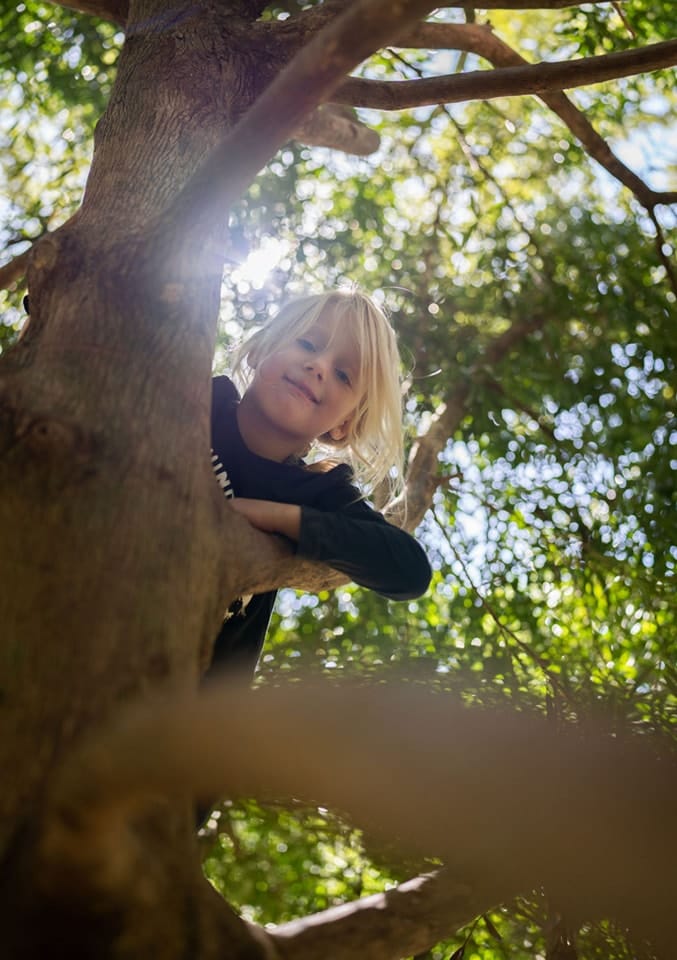
When children play outdoors, they are constantly practising complex skills. They negotiate rules, resolve conflicts, assess risk, manage disappointment, collaborate with peers, and regulate their bodies and emotions in response to real-world challenges. These experiences build confidence, adaptability and resilience – qualities that strongly influence how children cope at school.
This kind of learning cannot be easily replicated through worksheets or programs. It happens when children are given time, space and permission to engage deeply with their environment.
One of the most misunderstood concepts in education and parenting is child-led learning. It is often assumed to mean a lack of structure or adult involvement. In practice, the opposite is true.
Supporting child-led play requires skilled adults who can observe closely, understand child development and intervene with intention rather than habit. It asks adults to resist the urge to constantly direct, fix or control, and instead support children to work through challenges themselves. Adults are there to provide guidance when needed.
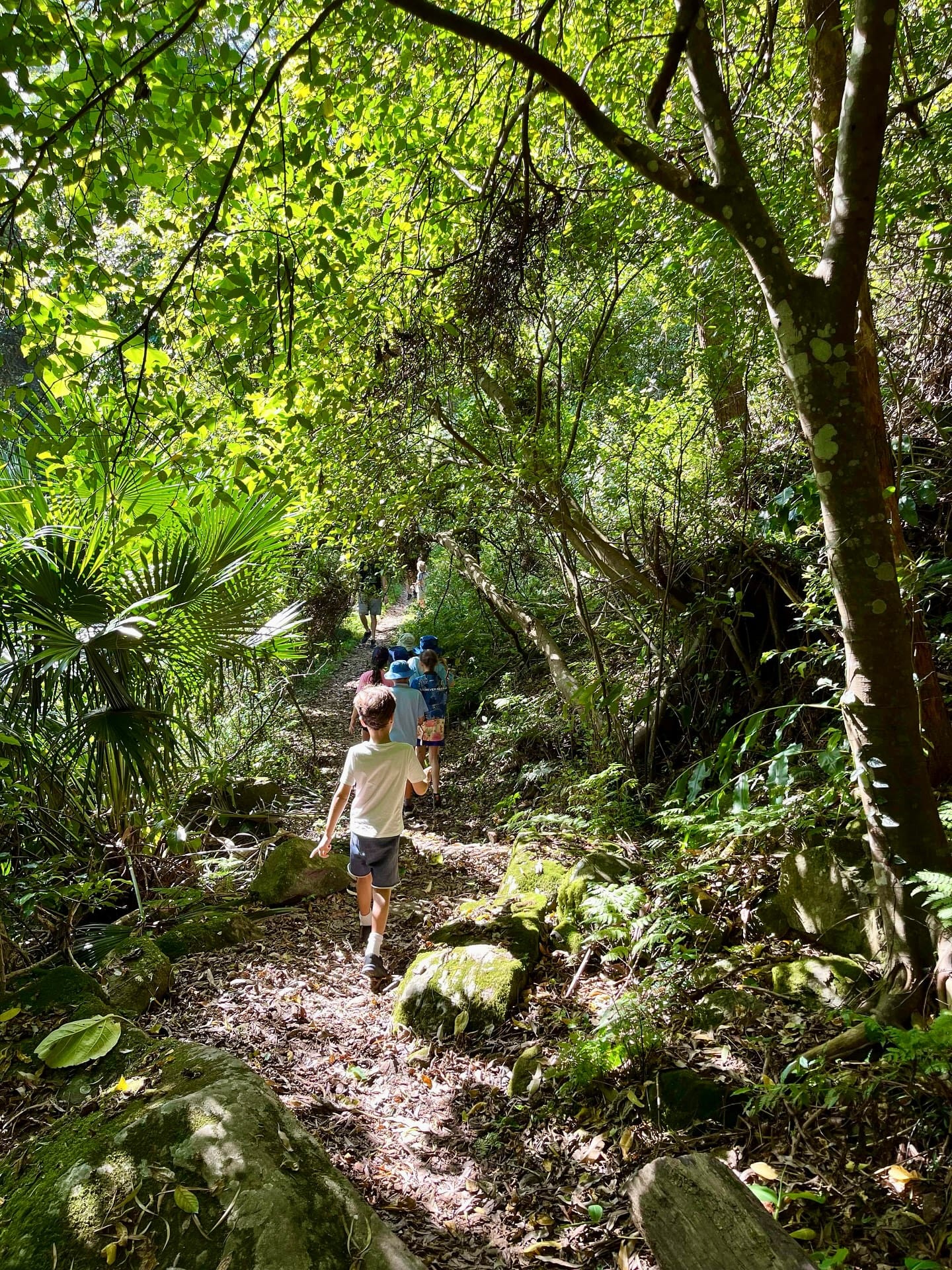
Nature offers an ideal context for this kind of learning. It provides built-in challenges, variability and feedback. A slippery rock, a fallen branch, or a disagreement during a game all invite children to problem-solve, adapt and learn. When adults trust these processes and provide relational safety, children gain a sense of competence that carries into classroom learning.
This is particularly important when considering children’s mental health and wellbeing.
Many behaviours labelled as “dysregulation” or “challenging behaviour” are not signs of defiance or failure. They are often children communicating unmet sensory, emotional or relational needs. For many children, especially neurodivergent children, regulation happens through the body first – through movement, pressure, rhythm and repetition – long before it can happen through language.
Natural environments tend to offer what many indoor settings cannot: space to move freely, varied sensory input, opportunities for risk-taking and moments of calm and observation. These conditions support children to regulate themselves, making learning and connection more accessible.
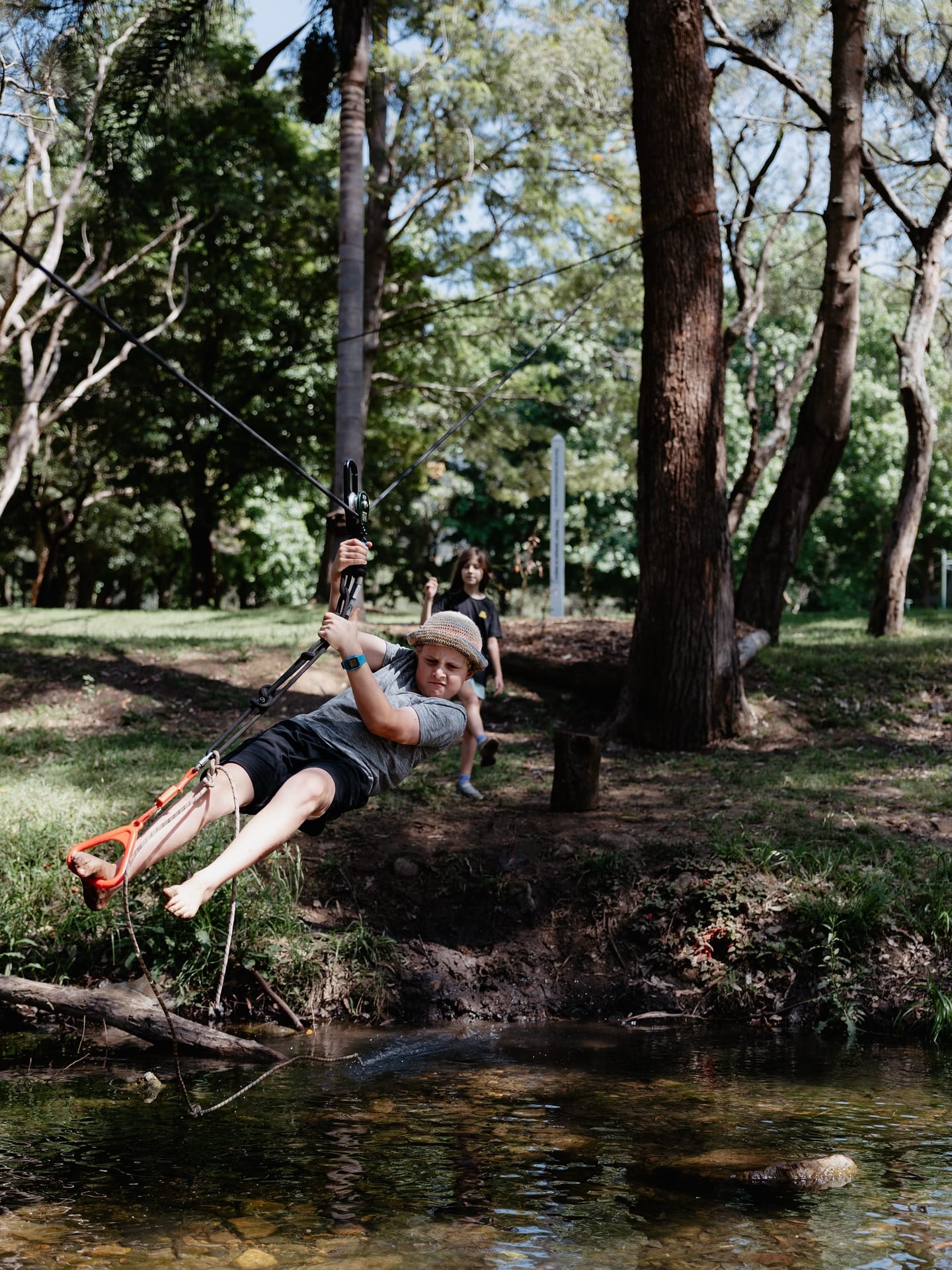
When outdoor play is reduced or tightly controlled, children lose access to one of their most effective self-regulation tools. The result is often increased stress, behavioural difficulties and disengagement, issues that are then addressed through more control rather than a reconsideration of the environment itself.
As children head back to school, there is an opportunity to rethink how we support learning and wellbeing. Rather than asking how to fit more into already full days, we might ask which environments best support children to thrive.
Valuing outdoor play is not about lowering expectations or rejecting structure. It is about recognising that learning is embodied, relational and deeply influenced by context. It is about understanding that social skills, emotional regulation and resilience are not optional extras, they are foundational.
When schools, families and communities recognise outdoor play as a legitimate and essential part of learning, children are better supported to cope with the demands of school and life.
Sometimes, the most effective response to children’s struggles is not to add more programs, but to change the environment and the way adults show up within it.
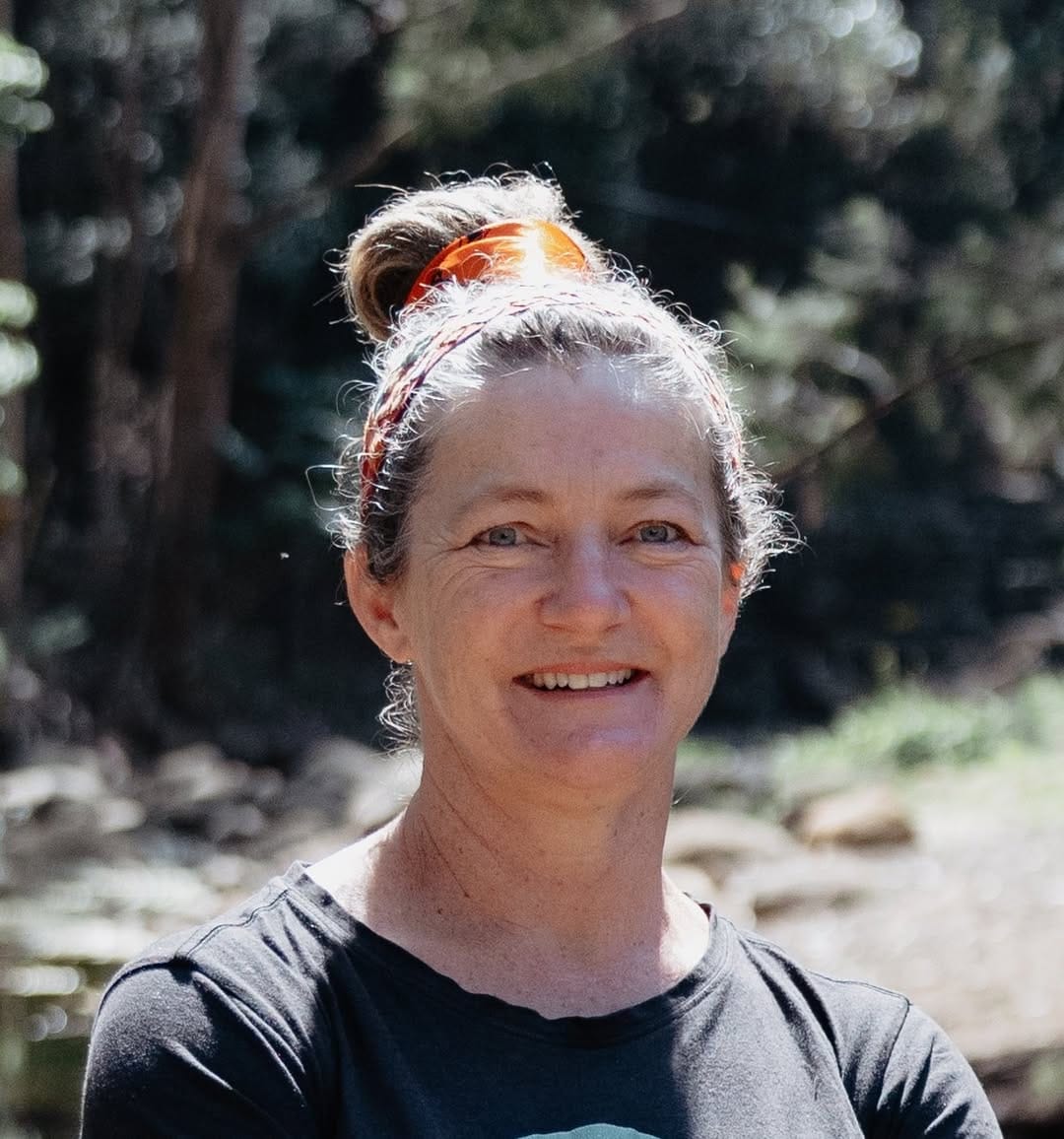
Simone Potter is an educator and practitioner specialising in nature-based childhood, outdoor play, and children’s social and emotional wellbeing.
With a background in education and counselling, Simone has spent years working alongside children in natural environments, observing how play, risk, relationship and sensory experience support regulation, learning and mental health.
She is the founder of Bush Magic Adventure Therapy, an inclusive nature-based program supporting children through child-led outdoor experiences and regularly works with neurodivergent children, families and educators.
Simone’s work challenges the undervaluing of outdoor play in mainstream education and highlights how skilled adult presence, rather than constant direction, supports children’s development, resilience and wellbeing. She shares practice-informed reflections on children, nature and learning through the platform Bush Magic: The Nature of Childhood.


