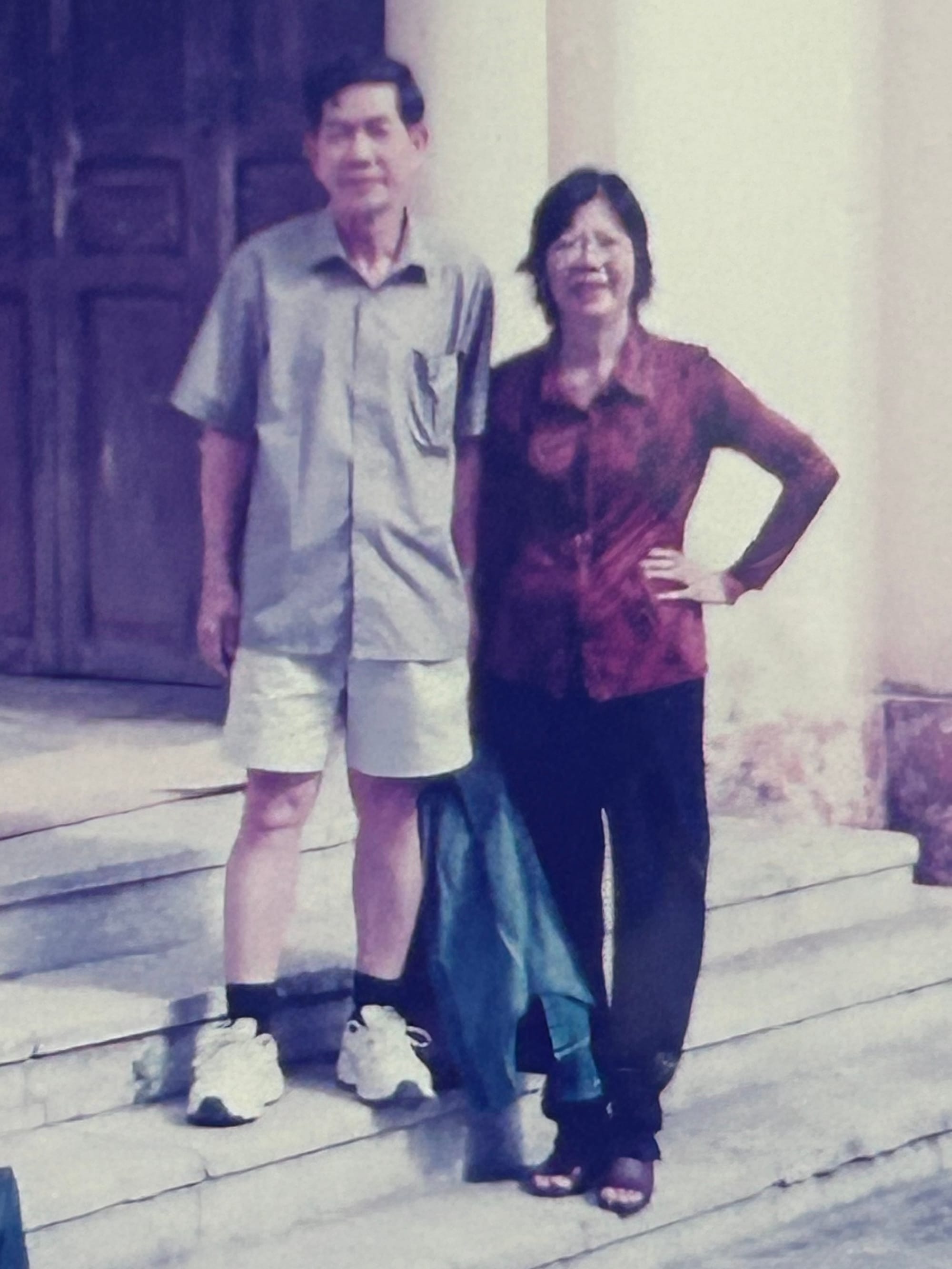

Trauma, war, escape, leads to a 'beautiful life' in Wollongong
Every year, 20 June marks World Refugee Day, the international day to honour people who have been forced to flee. Today, through sharing this story, The Illawarra Flame is proud to champion their right to seek safety

On this World Refugee Day, we present a war story, a love story, a great escape, and an incredible success story, all wrapped up in one.
Sitting down with Vietnamese refugees Manh and Quan Tran in their comfortable Woonona home, it’s hard to imagine the trauma and triumphs they've been through; firstly fighting for survival in their country of birth, and then embracing their new lives in a country that didn’t just throw them a lifeline, it threw its arms around them.
Every year, 20 June marks World Refugee Day, the international day to honour people who have been forced to flee. Today, through sharing this story, The Illawarra Flame is proud to champion their right to seek safety, build support for their economic and social inclusion, and advocate for solutions to their plight.
It’s now closing in on 50 years since Manh and Quan’s lives changed forever, joining thousands of others from South Vietnam, who, fearing for their lives, risked everything to escape to find a better life than take their chances under the invading communist regime. They gathered up their two young daughters and a small collection of their most prized possessions, saying goodbye to their country of birth to set out on a perilous journey to the free world.
A tiny baby girl at birth, Quan was born in 1941, two years before the boy who would later become her husband. Their families were close, living just a short distance apart in the small provincial town of Travin. The kids went to the same primary school and Manh became a close friend with Quan’s younger brother.
In their teenage years, Manh went to a Catholic boarding school where French was the chosen language. Little did he know how learning French would become a big advantage much later in his life. Quan attended a girls school and was also educated primarily in French.
An out of school tutor
In high school, when Quan was struggling with some of her classes, her father asked family friend Manh – despite being two years younger – to help her out, as an out of school tutor.
Quan remembers Manh in his teenage years as a bit of a romantic. “He sent me lots of love letters every week when I was in high school,” she said. When Quan said “lots” she meant it. “I had two boxes of letters that I kept. That’s a lot of love letters.”
Over time the pair saw more of each other away from the school books, going to movies and just hanging out. They both attended university; Quan studied social work and Manh qualified in economics and politics.
“We helped each other in our student life… we looked after each other,” Manh said.
It came naturally
In their 20s, after finishing their studies, the couple became even closer. “It just came naturally,” Manh said.
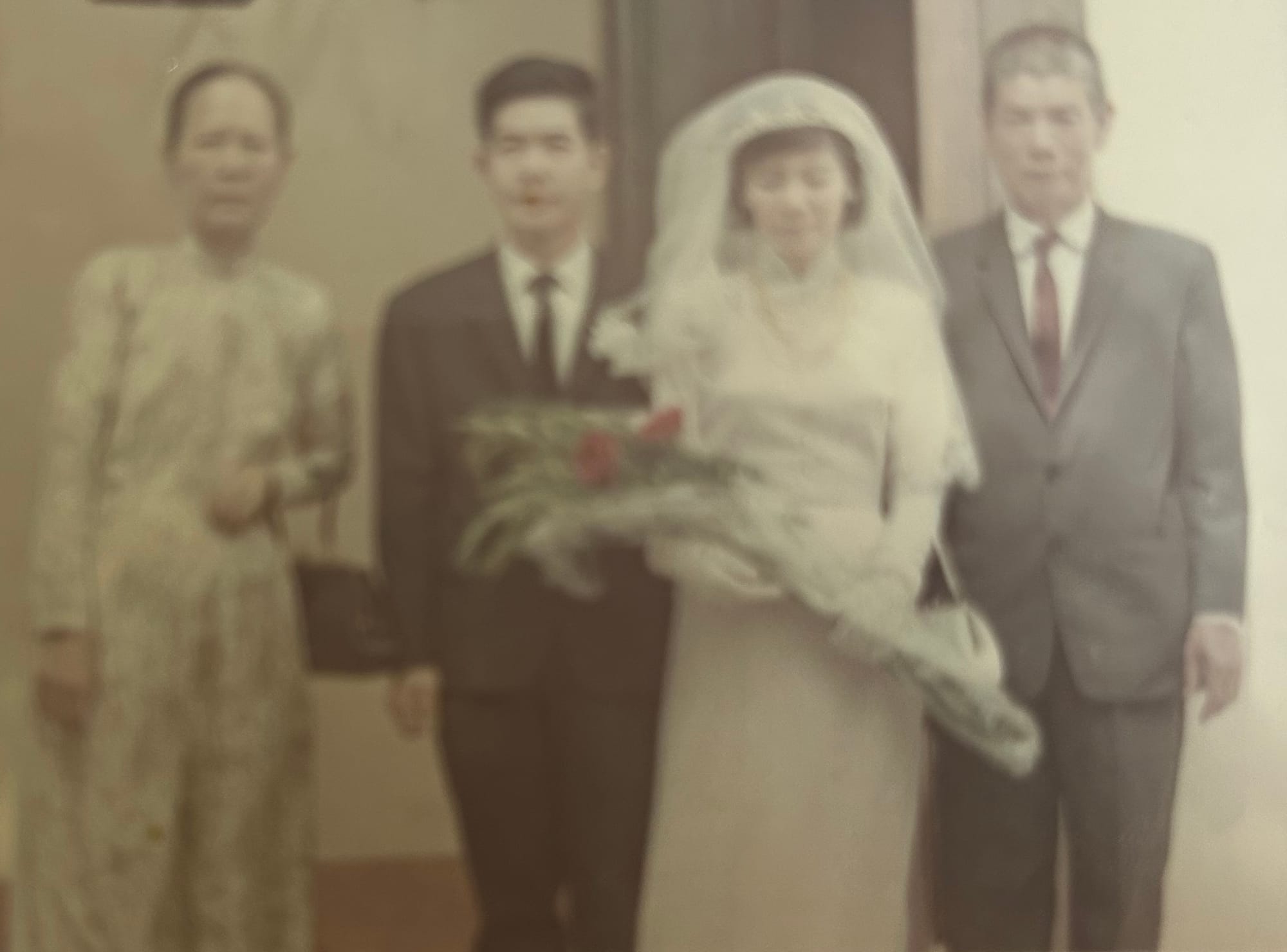
In 1968 they were married. Soon after, Manh was conscripted into the Army where his education quickly helped him rise through the ranks to become an officer. Quan started her adult life in charity work, spending 10 years with the International Foster Parent Plan.
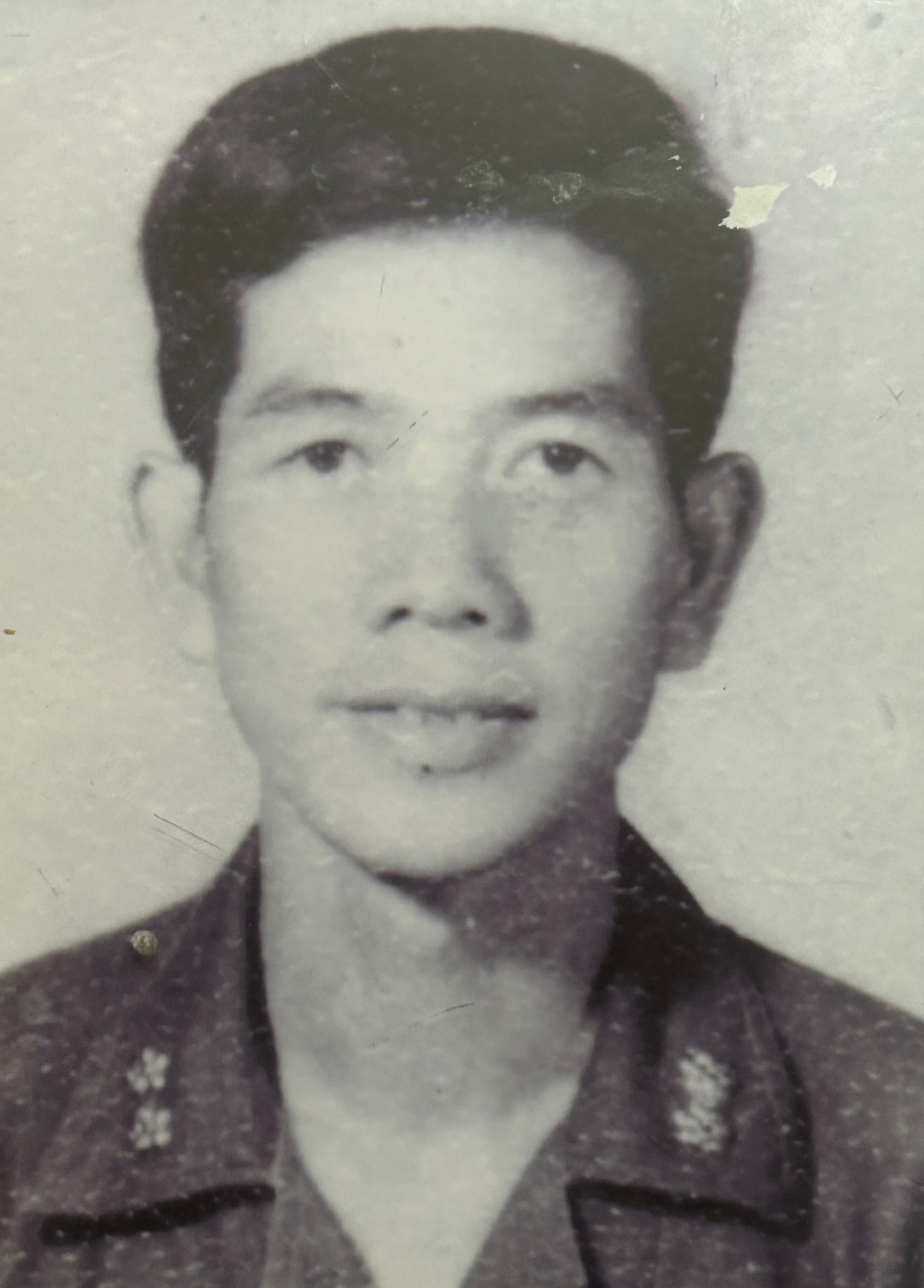
The first of their daughters, Nghi Tran, was born in 1972. Her sister, Minh Tran followed four years later. But before the eldest girl was born, Saigon fell to the communists. As an officer, Manh was taken away to a “re-education“ prison camp where he survived a cruel existence on a bowl of rice and a pinch of salt a day for two and a half years.
“Our second daughter was born when I was in the camp. I didn’t see her for nearly three years.”
Planning their escape
As soon as Manh was released from prison the family was reunited and they started planning their escape from the oppressive new regime. Manh blames himself for sacrificing their first opportunity.
Through Quan’s work, there was an offer for the family to be choppered out of South Vietnam on an American helicopter. The time and place were all set, but at the last minute Manh had second thoughts.
“I refused to go because I wanted us to use our skills and qualifications to work and contribute to Vietnam’s future.”
Manh soon realised what a bad decision that was. Within days he was taken to another camp and told he would be stripped of his Vietnamese citizenship. And then it got worse.
“They took away my Vietnamese citizenship and said my family would not be regarded as Vietnamese citizens for three generations.”
It was too late, but he realised he should have agreed to jump on that chopper with Quan and the girls. “It was completely my fault, because I made the decision to stay.”
When he was released, Manh made up his mind he wouldn’t miss the next opportunity to escape. “I talked with my wife and we decided if there was any possible way to escape, we would. Not for us, but for our children. We had to escape.
Manh and Quan remember the precise details of how they escaped, like it was yesterday.
Boarding a tiny boat
It was the 16th of March 1978, when the four of them clambered aboard a tiny fishing boat moored on the river behind Quan’s mother’s home. Manh remembers vividly how there were 43 people squeezed on board – 21 adults and 22 children, many of them travelling unaccompanied.
“I said to my wife, if I put my foot on that boat, I’m never coming back,” Manh said, recognising both the risk and the potential for this dash for freedom to change their lives forever. “In that situation, you either win, or you lost.”
“It was really scary getting on that boat,” Quan said. “We pretended we were going shopping to the market, so we took very little with us.” This was all under the watch of the communist police who randomly fired warning shots into the air to intimidate the locals.
They remember the stranger who was steering the boat, and who they’d entrusted with their lives, turning off the boat’s single light, allowing them to slip silently down the river undetected in the pitch black.
Having navigated their way to the river mouth, they connected with a larger boat. Then began a harrowing three-day journey, finally crossing the border into the relative safety of Malaysian waters.
On safely reaching the mainland they found themselves together with about 2,000 others who’d fled Vietnam, the majority of them, according to Manh, were wealthy Chinese, who’d bribed the communist authorities to secure their passage to safety.
'I'm your ally'
Carrying all of his identification papers, Manh said he had a stroke of luck when a Malaysian police officer befriended him, saying he had worked in Vietnam with the Malaysian Army. “He told me, 'I’m your ally',” Manh said.
Their Good Samaritan gave Manh, Quan and their girls directions – to follow the beach for several hours until they’d find a refugee camp. They were told that was their best chance of securing a final passage to a new home.
On arriving they found only 120 people and the Tran family was given a plastic tent and encouraged to go into the forest to gather timber to “build a house”.
They stayed about three weeks waiting for their lucky break. Having sacrificed that earlier opportunity to flee to America, Manh still had his heart set on taking his family to the United States. “I thought America would give us greater opportunities.”
Fate works in mysterious ways and the first contact from an immigration official in the refugee camp came from Australia.
“I remember his name still, Mr Smith,” Manh said. The Australian immigration officer checked out the Trans' qualifications and other papers and made them an immediate offer. “He said, 'All right, if you want to come to Australia you sign the papers and in two weeks you’ll go to Kuala Lumpur for final medical check-ups.' So I signed," Manh said.
The very next day the Americans turned up at the camp and asked if the Tran family would like the opportunity to settle in the States.
“I said no, because Australia had offered to take my family first, and I had already signed. Australia gave us the opportunity, and I refused America,” Manh said.
Historic first flights
Five weeks later, in late June 1978, having passed their medical, the family were amongst 160 passengers, on the first flights carrying Vietnamese refugees out of Kuala Lumpur. Wide-eyed, they touched down in Sydney before being transported by bus to their first destination in Australia, the Fairy Meadow Migrant Hostel.
“Amazing. I couldn’t keep my emotion,” was how Manh described his feeling, arriving at his family’s new home in Wollongong. While those semi-circular metal Nissan huts weren’t anything flash, for the Trans it was safe, secure and a new home.
Able to speak “a little bit of English", Manh and Quan had a slight advantage over the other Vietnamese refugees. But all of them were “frustrated and scared”.
“When we arrived, no one knew anything. It was a different culture. We had to learn everything from nothing to get our lives back,” Manh said.
First days on the job
After a month applying for jobs, Manh helped three other men secure work at the steelworks, and he laughs about their first day on the job as general hands (labourers) at the Hot Strip Mill.
“We started work at 9am and each of us was given a big broom and told to sweep the floor.” Manh said they worked so hard the floor was spotless within two hours. “The leading hand came over and said, 'Shit, what are you doing? This job shouldn’t be finished till 3 o’clock. If you finish the job too quickly then there will be a big problem'.”
Quan secured her first job within 24 hours of arriving at the migrant hostel. When management heard of her qualifications and experience in social work, and the sort of children’s charity work she’d been doing in Vietnam, Quan was asked to take on the role as the hostel’s “house mother”. That role involved her providing support and guidance to unattached Vietnamese teenagers whose parents couldn’t afford the fare to join them on the journey to Australia to start a new life.
Quan loved that role and still expresses pride in how successful her “children“ turned out. All completed their education, and went on to carve out professional careers as doctors, dentists, engineers and housing managers.
Manh said the children were so successful, as young adults they were able to sponsor their parents to follow them to Australia; with the support of the Trans, of course.
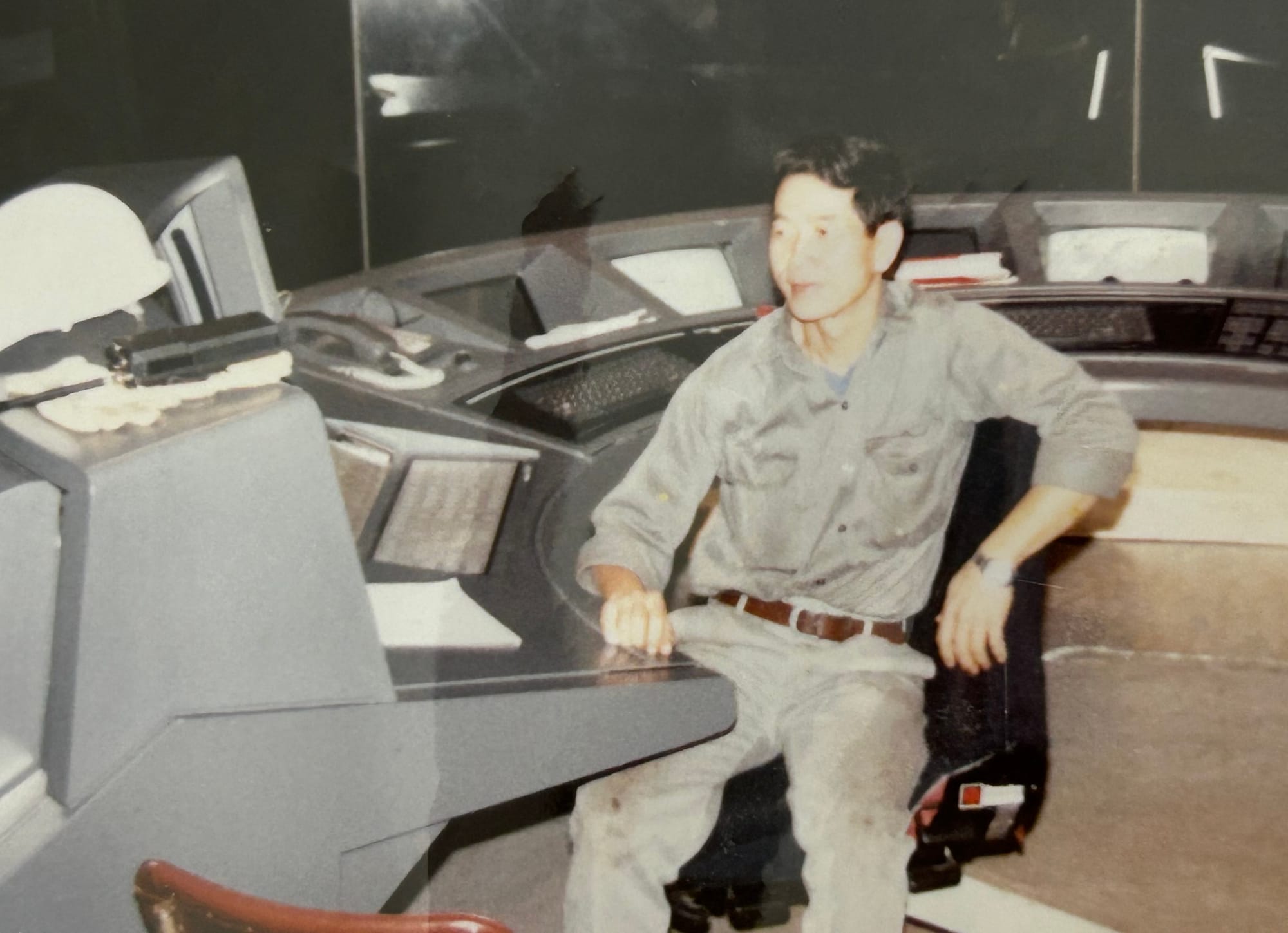
Back at the steelworks, Manh’s knowledge of the French language gave his career a massive boost. In the early 1980s, when steelworks management decided to upgrade and automate, many jobs were lost.
“The steelworks quickly went from an old-fashioned place, relying on labour, to a workplace which used modern technology. All the technology they brought in was from France and the instructions written in French. The steelworks' engineers couldn’t understand it and so I translated everything from French to English.”
That was a game-changer for the Tran family. “My pay went from $3.13 per hour to $14.50 per hour, plus a bonus, just because no one else could understand French.”
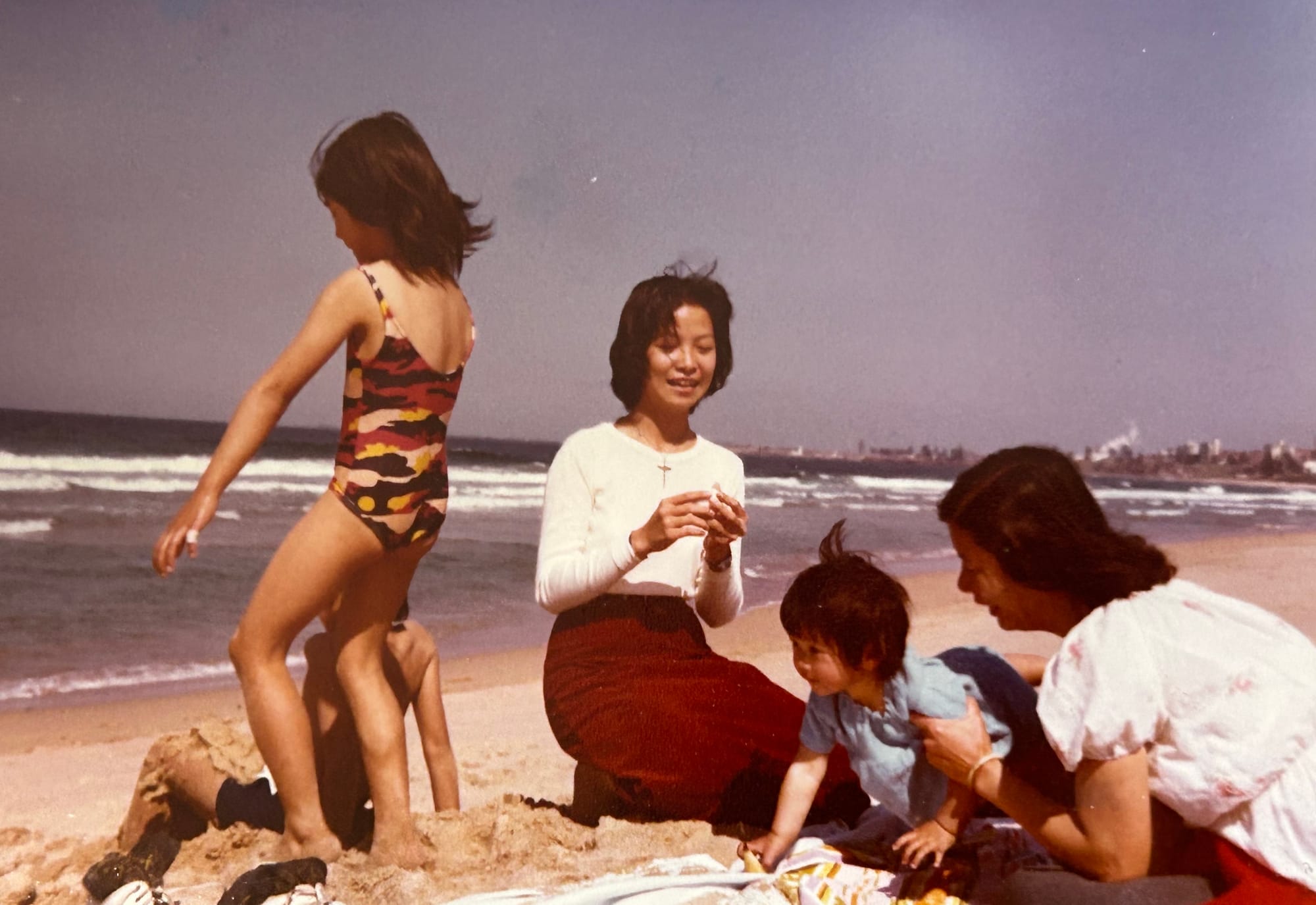
Two years after arriving in Australia, they purchased their first home for $38,500, in Cowper Street, Fairy Meadow. It was just a short walk to the hostel, enabling Quan to continue in her "house mother” role for another 11 years.
Dealing with homesickness
It wasn’t just the younger Vietnamese refugees who needed Quan’s support. “I remember an older group of refugees at the hostel who were homesick, saying they couldn’t stay here and had to go back."
“The language is so different. The food is so different. We want to go back to Vietnam,” they told Quan. She asked the immigration department for assistance because this group was “so heartbroken” finding themselves so far from home. Quan said it took time, but eventually every one of these seniors warmed to living in Wollongong and were “happy” to be in their new home.
Working with migrants
Next, Quan moved into a more traditional social worker's role, still working with refugees and migrants. It was there she met Franca Facci, who is now the chair of the Illawarra’s Migrant Heritage Project.
“Quan and I started working together in 1985 with the Commonwealth Employment Service,” Franca said. “At the time there was a huge downturn at the steelworks and a lot of unemployment with a lot of schemes to help get people work.”
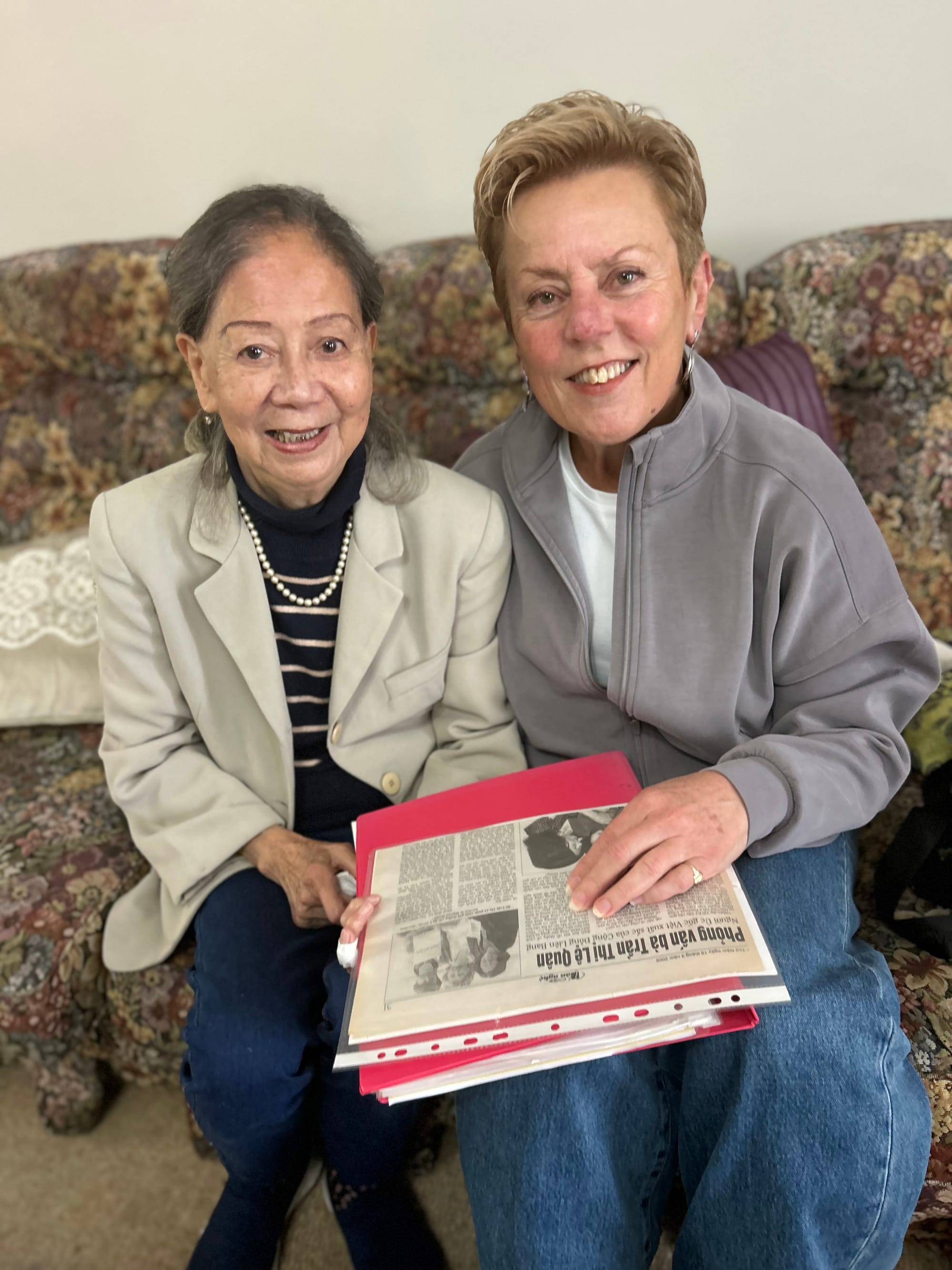
Quan and Franca worked together on a program that employed multilingual workers in Cringila to work with migrant communities, “because there were lots of health problems and lots of people who didn’t speak English well and couldn’t access the health system,” Franca said.
“When Neville Wran came in as premier our positions became permanent, and Quan and I worked together for more than 20 years.” Their entire team provided multilingual support in a dozen languages.
“I remember Quan doing a lot of really important work with the Vietnamese community because few other people understood the trauma they’d experienced of being a refugee.
“I remember when I heard Quan’s story, it just made me realise how privileged my life was as a second-generation Italian-Australia,” Franca said. “Also, how valuable the contributions from all these communities were, and particularly the Vietnamese who came to Wollongong where they raised money for other communities. They were so grateful to have come to Australia, a peaceful country.
“Quan and Manh have worked together with the Vietnamese community, building up people’s confidence, building up their understanding, and building communities.
“The Vietnamese Association is a place where people come together, and not just socially, but to have some camaraderie and understanding of culture too, and sharing their culture with their children and grandchildren,“ Franca said.
A lifetime of war
When I sat down to chat with the couple in their comfortable lounge room, Manh’s first words were: “You should know from the entire time of my childhood to becoming an adult and travelling to Australia it was always wartime in Vietnam.”
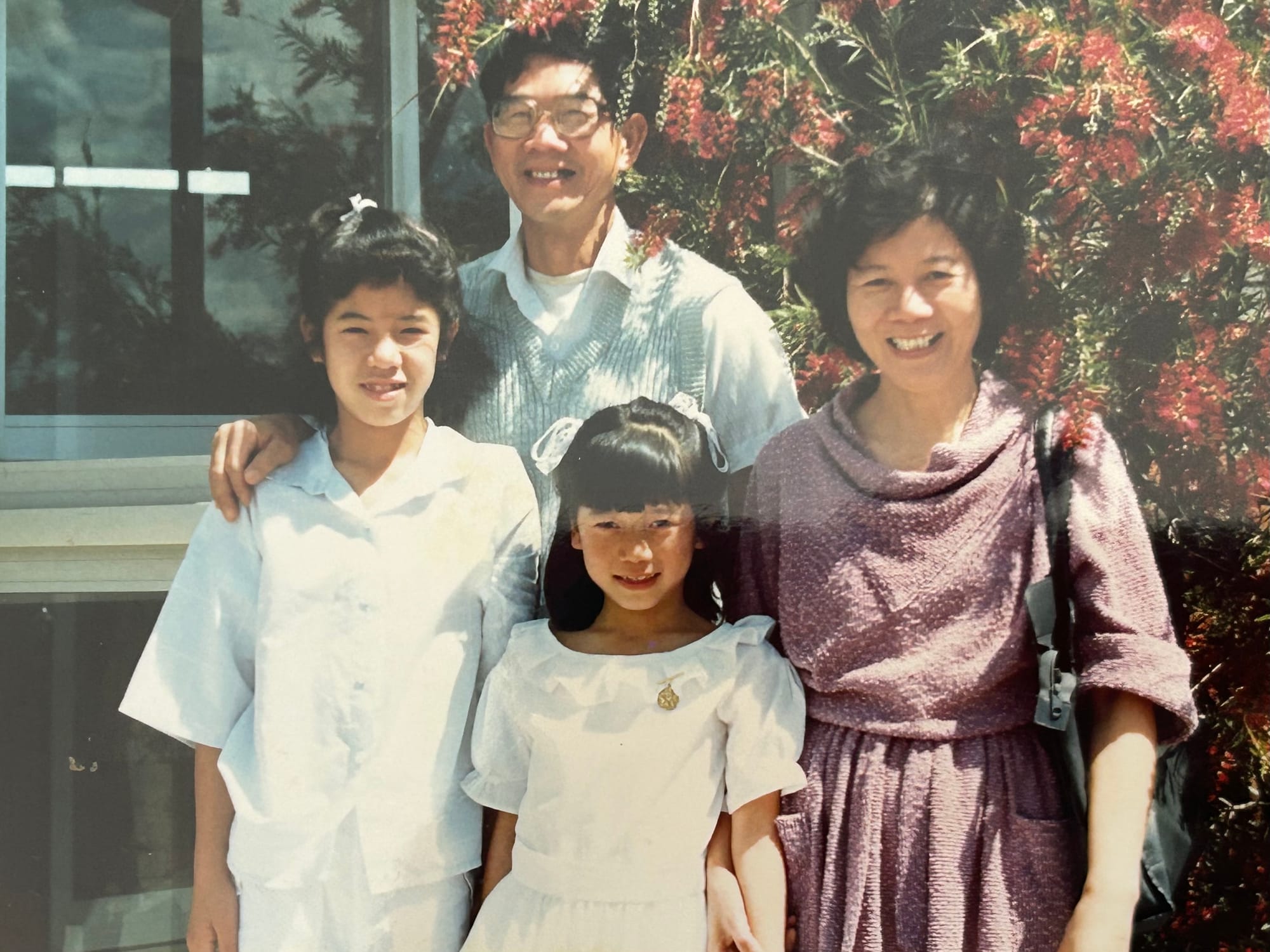
Compare those memories of 35 traumatic years living in his country of birth with his “beautiful life” shared with his family in Australia. “I love the people. I love the atmosphere. We are very proud that we have successfully come here and made a good life for our children,” Manh said.
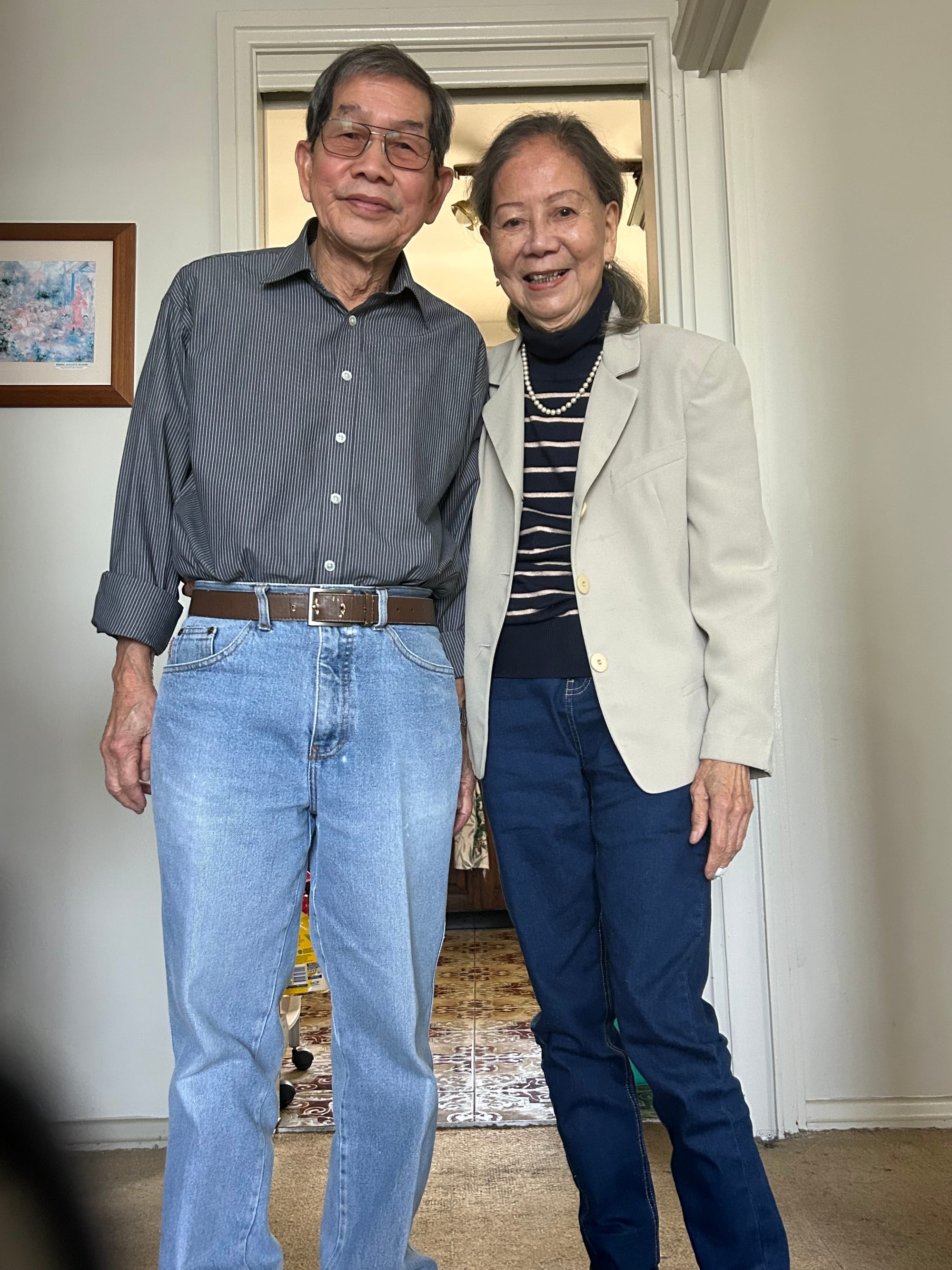
Quan agrees 100 per cent. “It has been so good. We are so thankful to be here. We have lived so happily in this environment and in harmony.”
And there's no doubt, Wollongong, the Illawarra and Australia are the big winners from the arrival over the decades of millions of migrants and refugees who have all played their part in making this nation the multicultural success story that it is.
From The Illawarra Flame: Happy World Refugee Day!