

Why one Illawarra Iranian sees the war as 'a rescue and humanitarian assistance'
Illawarra local Diana Ramezani shares her views on a complex subject
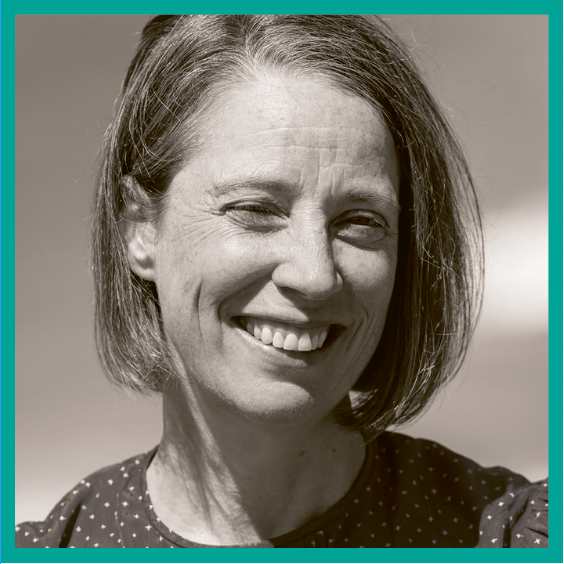
When Diana Ramezani hears the name of her country in the news, she feels a mix of emotions.
"As an Iranian living in Australia, I’m sorry for the rising fuel prices, the flight disruptions and the lost holidays people are experiencing. I know these events affect people’s everyday lives here, and I wish the situation were different," she told the Illawarra Flame on Friday.
Diana is the public officer for the Illawarra Iranian Association, but speaking independently to share her personal views on a complex question: why many in her community are glad the US and Israel struck Iran and assassinated its leader, Ayatollah Ali Khamenei.
“For many of us, this war is not seen as an attack or invasion, but as a rescue and humanitarian assistance," Diana said.
"We don’t want war. For decades, we have tried to create change from within. But every movement has been stopped with brutality. Over the past few months, the government has brought weapons of war onto the streets to silence its own people. Who can stand against war weapons with empty hands? That is the point when we called on the world for help.
"We hope that the regime change happens as soon as possible.”
The day after the war began, while a small group met in Wollongong’s Stuart Park, Diana was among about 10,000 Iranian Australians who gathered at Sydney’s Hyde Park to dance, wave pre-regime flags and express their hope that US and Israeli missile strikes could lead to democracy.
Over a week later, as the war widens in the Middle East, it’s unclear when or how hostilities will end. Diana said the Iranian diaspora is worried about the conditions for peace.
"What many of us hope for is real change in Iran. For us, the issue goes beyond nuclear weapons. Even if the government agreed to give up its nuclear program, the real question remains: what about the people inside Iran who have lived for decades without basic freedoms and safety?"
A psychologist who works as a multicultural support coordinator, Diana left the Islamic republic three years ago and says her family in Tehran are among the majority who want an end to the dictatorship.
“We are really worried about war and what happened to innocent people. But at the same time, we are very happy. We couldn’t believe it – Khamenei is dead. Everybody was happy. We were crying. Even now, when I explain it, I'm very emotional, because we saw that the big murder in our modern history, the person who is responsible for our young people’s blood, is dead.
“It is heartbreaking for us to see our country and its infrastructure being damaged and destroyed. We are not sure about the future, but we are very hopeful for regime change.”
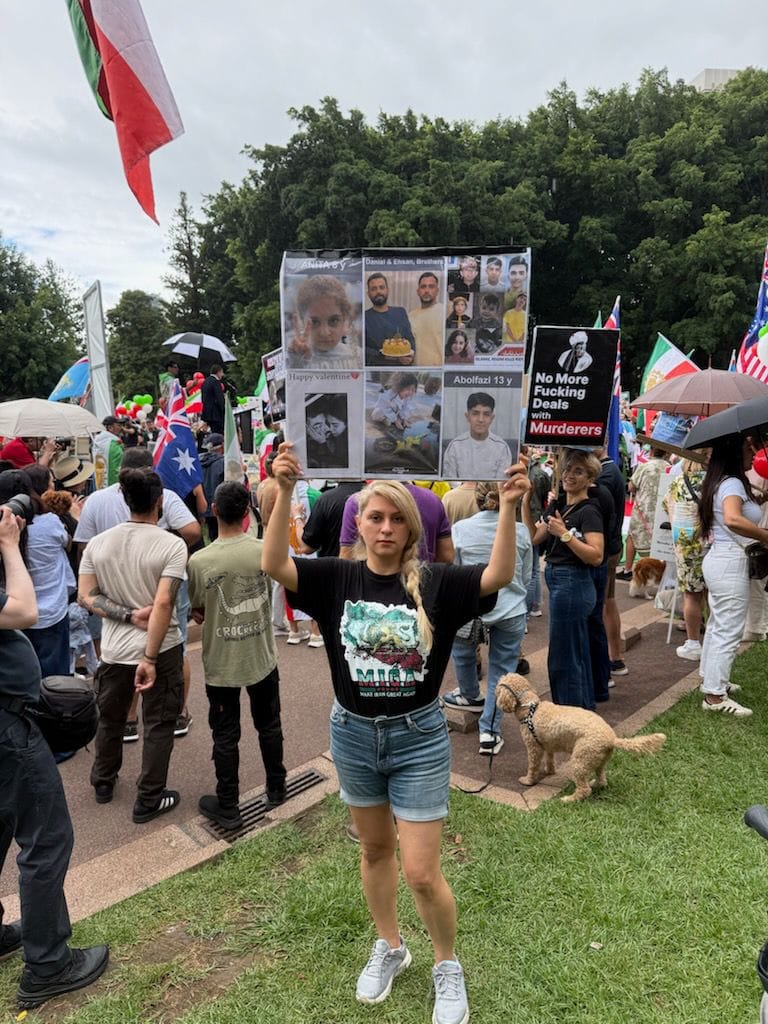
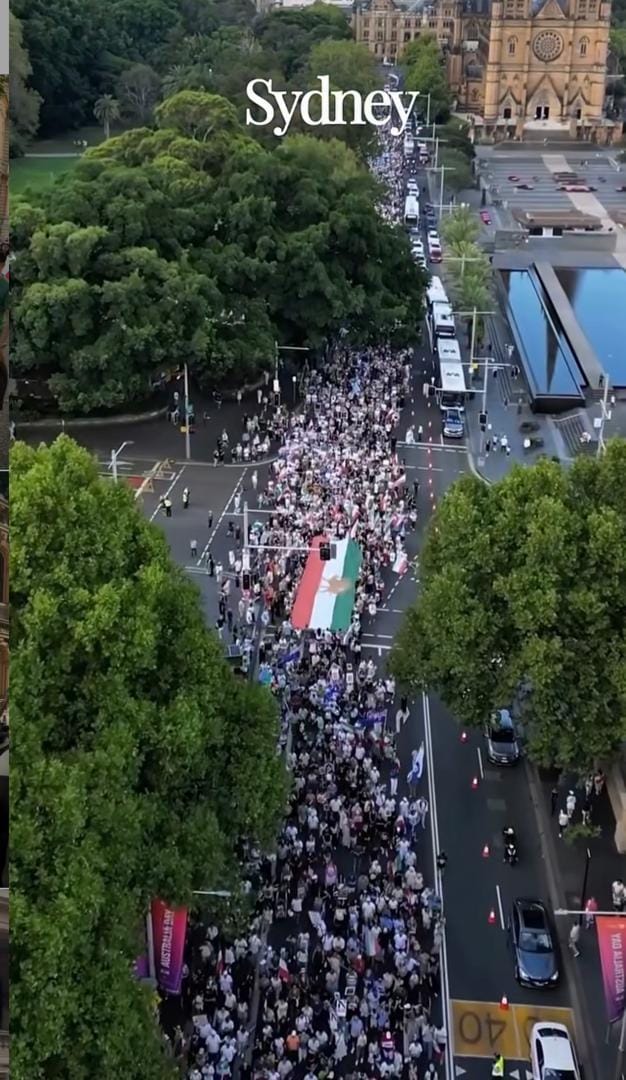
Diana Ramezani at Hyde Park on February 14, when thousands marched through Sydney as part of a global day of action in solidarity with protestors in Iran. Photos supplied
Diana hopes her people can finally be free of a government that’s ruled with an iron fist throughout her lifetime.
“The dictatorship, it's not something new in my country. It's for more than 47 years. But recently they did something like genocide,” she said.
In January, protestors took to Iran’s streets to call for change. Security forces, including the Islamic Revolutionary Guard Corps (IRGC), set about what Amnesty International described it as “the deadliest period of repression” in its decades of research, with unknown thousands of civilians killed “under the cover of digital darkness”. The death toll has been reported to be over 30,000 – Diana claims sources in Iran have said “60,000 in two days”.
“It was very bad when you see young people, students, women, kids – even as young as two, three-year-old kids – are killed by government, and just because they wanted to say, 'Hey, we need some change.'
“They also arrested 100,000 people in less than a month. They are all in jail now with their situation and fate still unclear. They could be executed.
The Iranian regime has shut down the internet and severely restricted communications, isolating people inside Iran and preventing them from contacting the outside world. News from family mostly comes in text messages via Starlink, while Australian Iranians use Telegram and WhatsApp to talk together daily. “If we have any news from inside Iran, we update on social media,” Diana said.
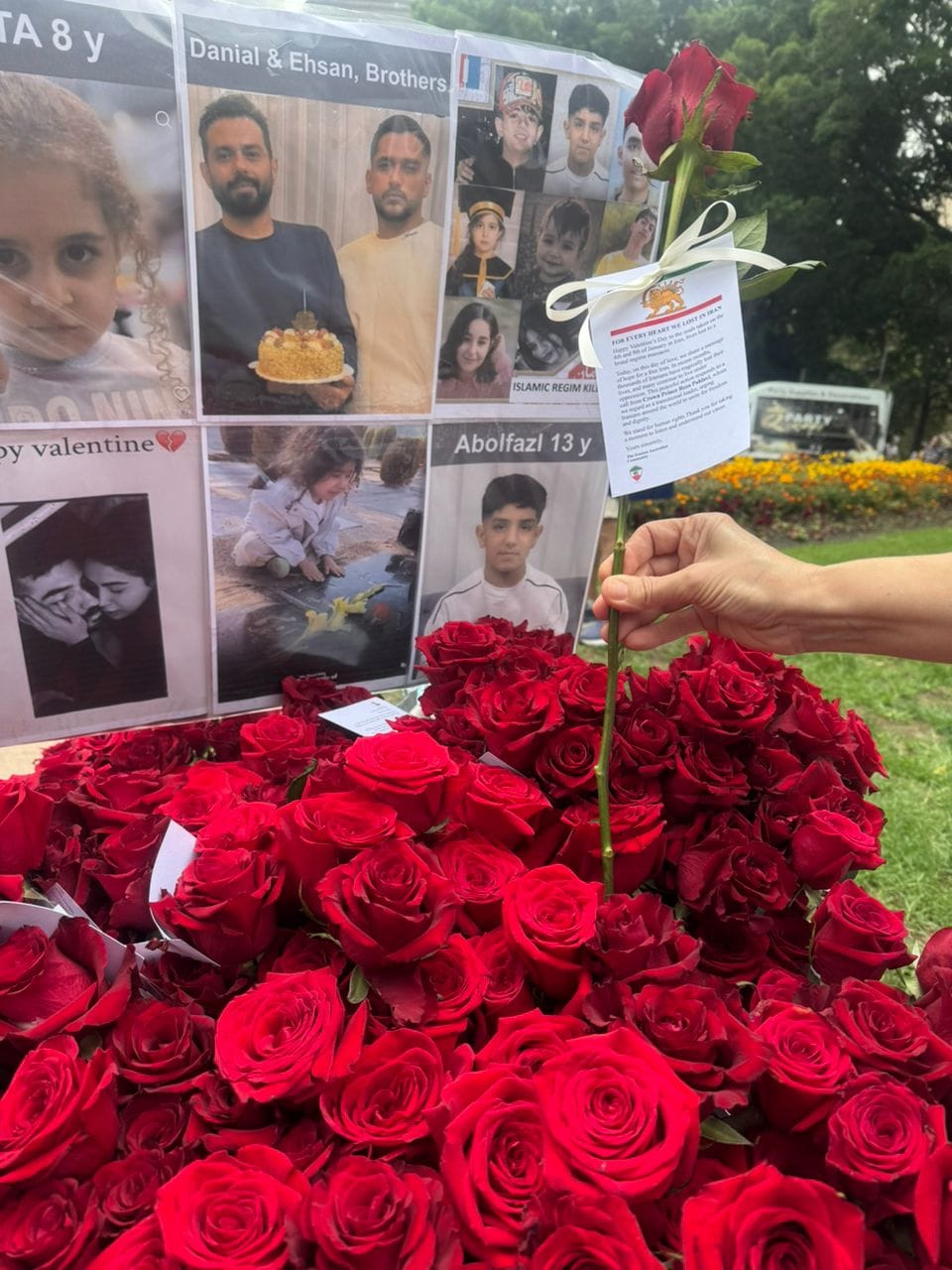
“We cried with every photo. We cried with every name. We cried with every video. Families have lost their loved ones. Parents have lost their children. And when the government wants to do that, they shut down the internet to do it in silence."
Diana said last year her cousin, a father of two, was arrested after posting an Instagram story asking why Khamenei wanted to be unkind to his people. “It was just one story on Instagram. A story that lasts for 24 hours only, not even a permanent post.” Diana said he gave up the property deeds to his home in exchange for freedom.
Illawarra’s Iranian community numbers more than 2000, with about 500 people attending events. This time last year, the Illawarra Flame reported on the group’s celebration of the ancient spring festival of Nowruz, which means ‘New Day’ and is known as a time of peace, rebirth and reconciliation.
This year that event is up in the air.
Speaking less than a week after the US and Israel launched the first strikes in a war that has spread to directly impact more than a dozen countries, Diana said if the regime was overthrown, then the 2026 Nowruz – 20 March on the Solar Hijri calendar – could be a historic celebration. “But if it was not, it will be observed as a memorial.”
She said Iranian state broadcasts have warned that anyone supporting the war will be killed. “It was in the TV, very clear, with no shame and no covering up.”
Diana said talking to the media may be risky, as the regime’s reach extends beyond Iran’s borders, but she is determined to share Iranians’ views on the public record and has also spoken to ABC radio.
“It's not very safe,” she said. “But to be honest, I don’t really mind. Our people inside Iran have no voice and are losing their lives for freedom. It's our responsibility here to go out, talk to media about them, and share their voices.”
Over the past week the local Iranian community has swung between hope and despair. “It's very complex and complicated, because we are very hopeful the regime is going to be done,” Diana said.
“Khamenei is killed, and many other leaders in Iran. So, we are very happy, and we are really hopeful that it ends to better outcomes for people.
“But at the same time, we are very worried … especially when they cut the internet.”
Amid the anxiety of war – including for her brother-in-law, who came home from hospital to rest after heart treatment but awoke to the sound of bombing – Diana said she’s found Australians to be “very supportive, very kind”.
But she said the current situation in Iran has been misunderstood. “So, people said that, for example, ‘We are so sorry that Israel attack you.’ We are sorry as well, we are peace people, not war people."
Diana believes war was unavoidable after decades of diplomacy, negotiation and inside efforts had failed. “We know that the war has costs … But the regime has sent weapons into the streets. We needed strong international support. We could not do anything with empty hands.”
While Iranians in Wollongong meet regularly and keep in touch via social media, Diana said it can be difficult for Farsi speakers to find mental health support outside of Sydney. But the Illawarra Iranian Association can help.
“If you need any support especially mental health support, just don't be silent,” Diana said. “Just come out and talk. We are here to support each other.”
Contact the Illawarra Iranian Association via email.


