

Activists swamped in wonder even as threat to drinking water remains
One Sunday afternoon, not long after a damning report on US miner Peabody’s plans to expand coalmining in the Woronora catchment, a group of nature lovers went for a walk in Darkes Forest. Their goal: to visit an upland swamp

One Sunday afternoon, not long after a damning report on US miner Peabody’s plans to expand coalmining in the Woronora catchment, a group of nature lovers went for a walk in Darkes Forest. Their goal: to visit an upland swamp.
“Standing at the edge of an upland swamp – it’s like seeing a whale breaching or the black cockatoos flying at dusk. You feel the power of this place,” local poet Ali Jane Smith said.
Ali is part of grassroots group Protect Our Water Alliance (POWA), which invited members and friends to join their Dharawal National Park outing to O’Hares Creek on November 30.
“We wanted to experience one of these beautiful, life-sustaining ecosystems,” Ali said.
“Understanding upland swamps helps us understand the whole system of our waterways in this region. They store and clean the water that eventually flows through to the taps in our houses and out to the ocean we swim in and eat from.”
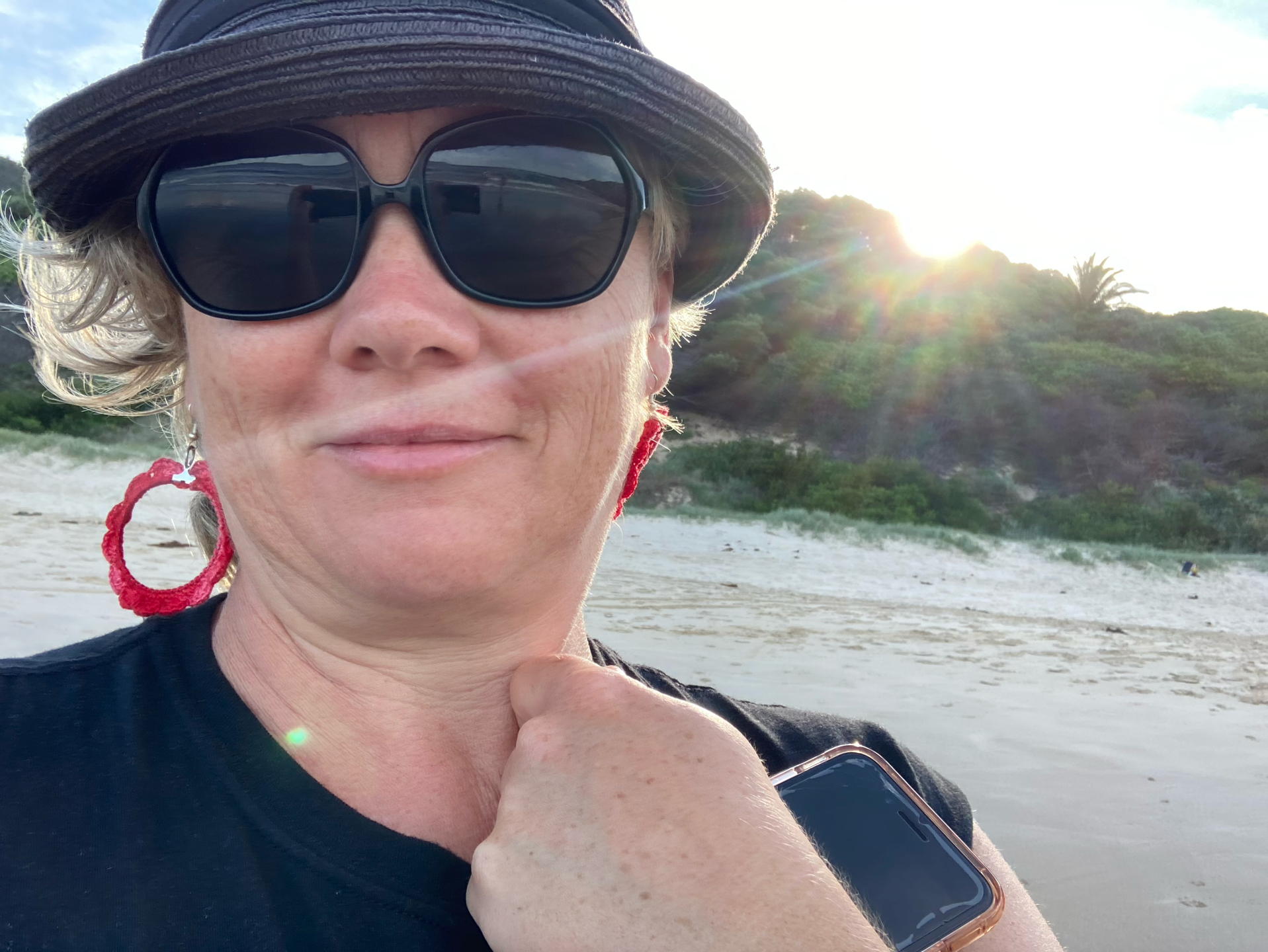
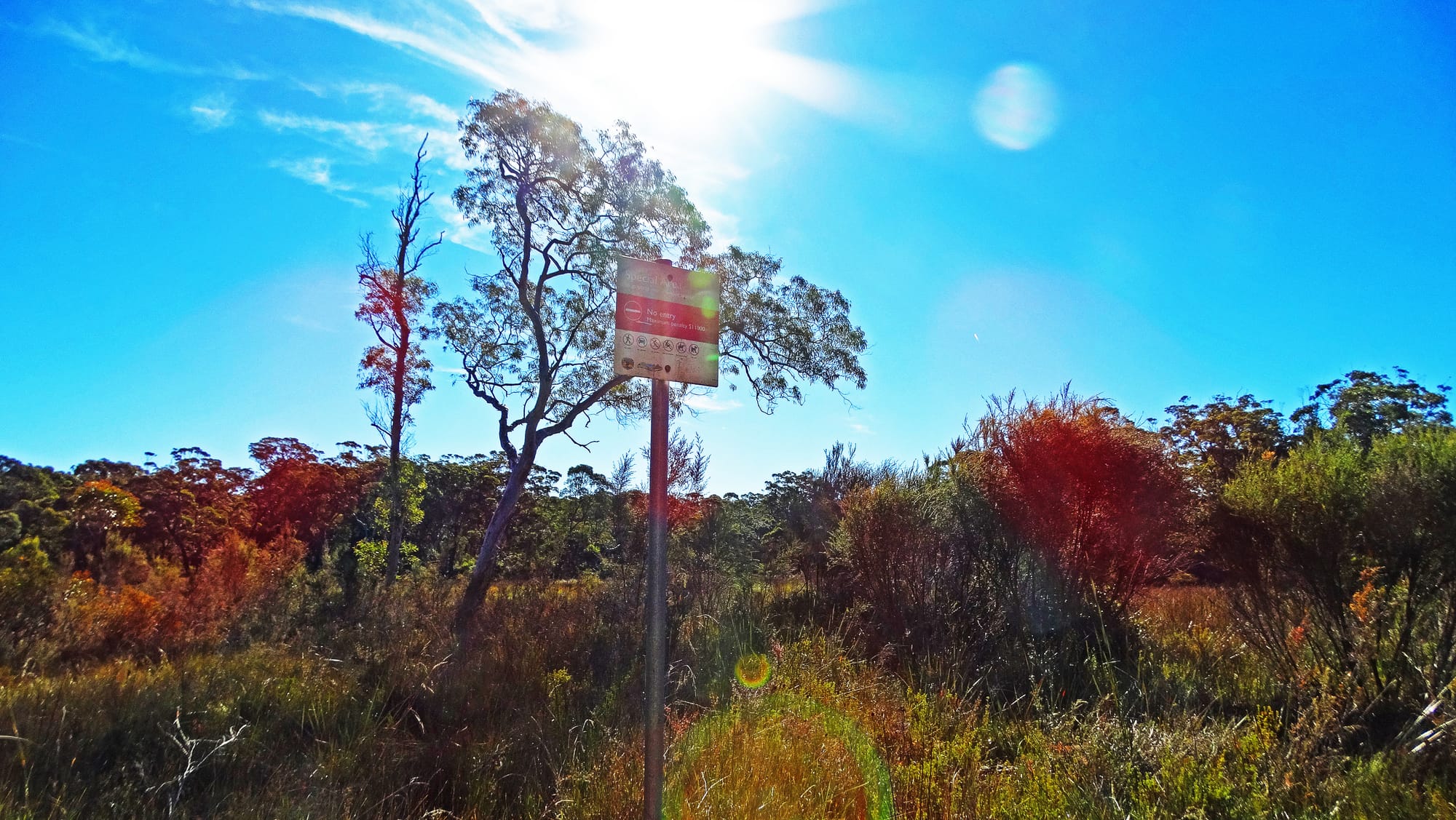
Poet Ali Jane Smith. At right: Swamps are often in Special Areas, with this sign near a Southern Highlands swamp reading: 'No entry – maximum penalty $11,000'. Photo: Tony Markham
More mining in catchment proposed
Most coastal upland swamps are off-limits, with even bushwalkers forbidden from entering the sensitive catchment where they flourish. However, the government is considering allowing Peabody to expand coalmining in the Woronora Special Area, with a decision expected early this year.
Since the project was put out for public submissions in late July 2025, POWA members have had an anxious wait. Upland swamps not only help maintain water quality; they're home to rare species such as the prickly bush-pea, the giant dragonfly and other water-dependent flora and fauna, many of which are recognised matters of national environmental significance (MNES).
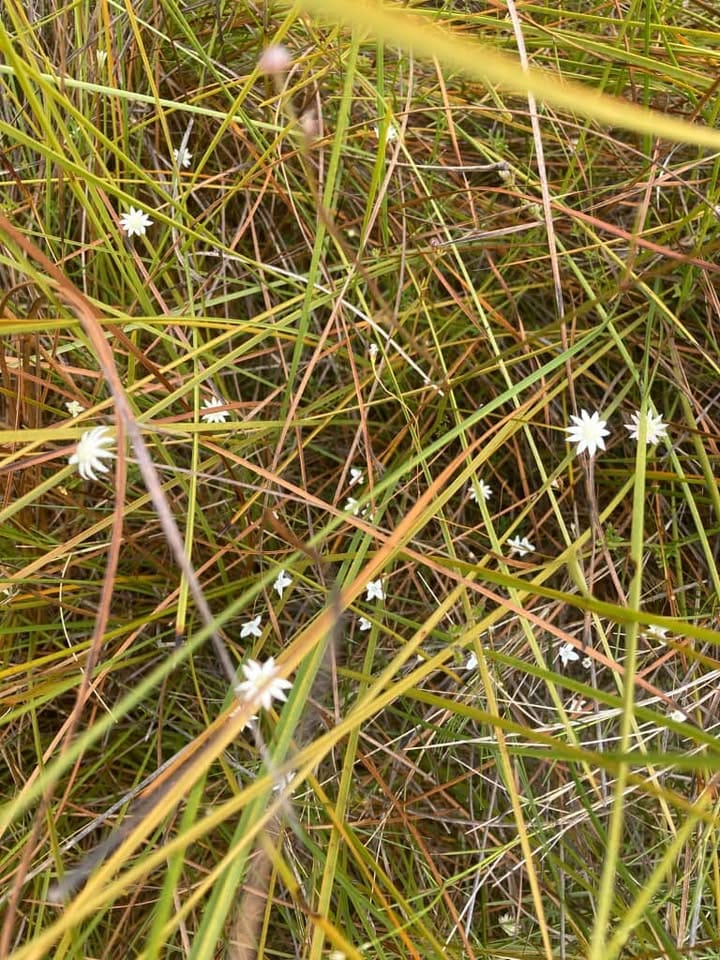
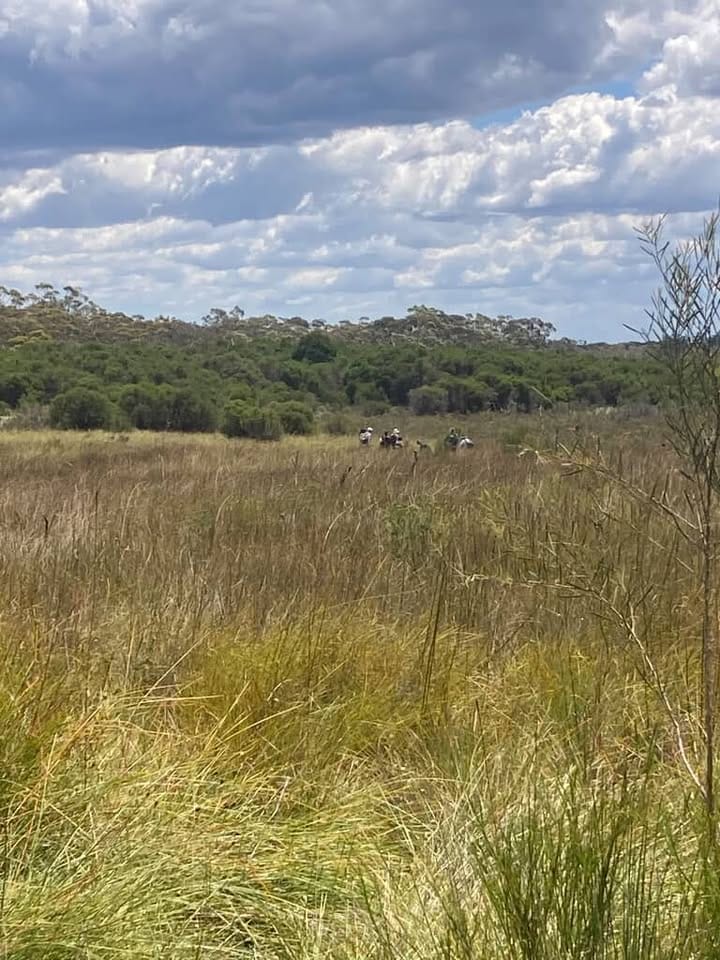
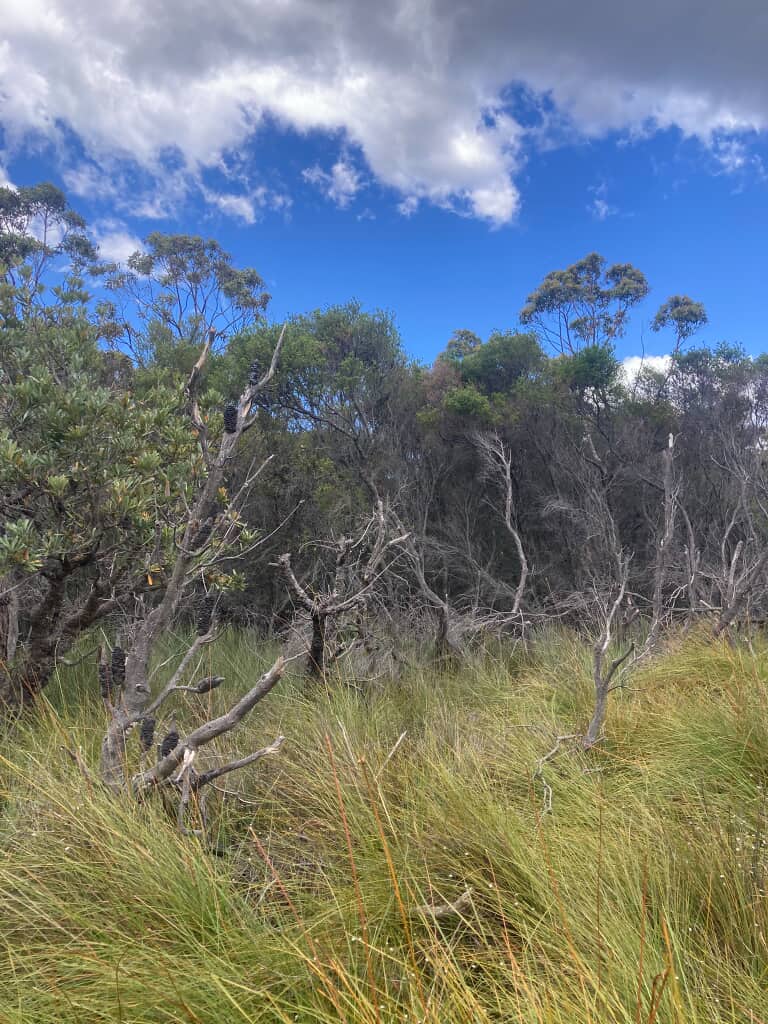
Scenes from POWA's walk in Dharawal National Park. Photos: Ali Jane Smith
Peabody’s proposal, considered a State Significant Development, is to reconfigure an existing longwall, add a new one, dig a ventilation shaft and build a new access road west of its Metropolitan Mine in Helensburgh. The expansion would be on the Woronora Plateau, home to the Woronora Reservoir and Hacking River catchments.
Sydney Water data shows up to half a million people may receive some of their water from the Woronora Water Filtration Plant (WFP). In the northern suburbs of Wollongong, drinking water for about 8500 people in Helensburgh, Otford, Stanwell Park and Coalcliff comes from the Woronora Dam.
Water security was a key concern in feedback from WaterNSW, the state-owned corporation charged with keeping drinking water safe, and also in the response from the Independent Expert Scientific Committee on Unconventional Gas Development and Large Coal Mining Development (IESC), published in November.
Among eight key potential impacts of Peabody’s project, the IESC report flagged “irreversible changes" to fauna, flora and ecological processes in coastal upland swamps and “surface water diversion through new underground pathways that may degrade surface water quality”.
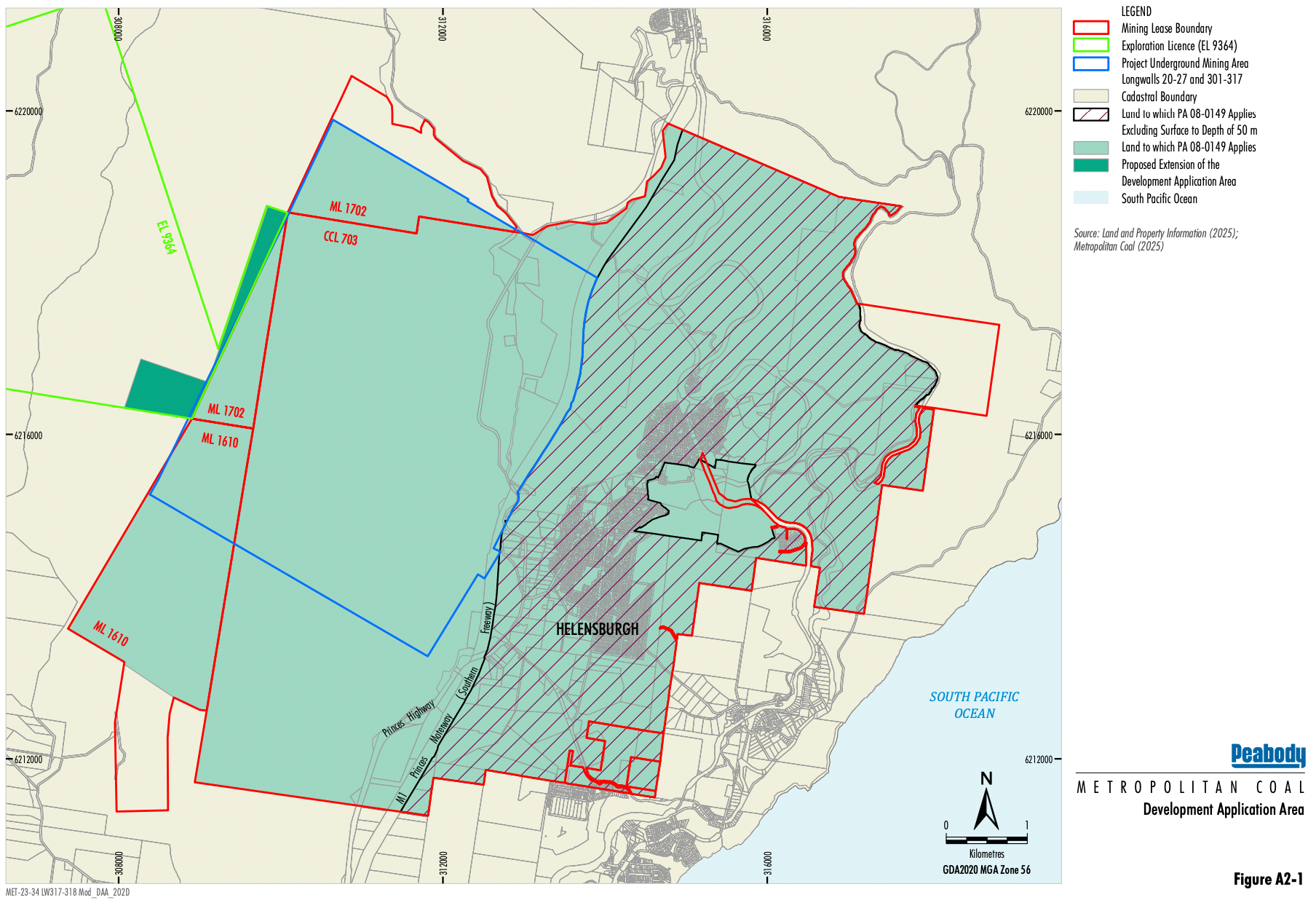
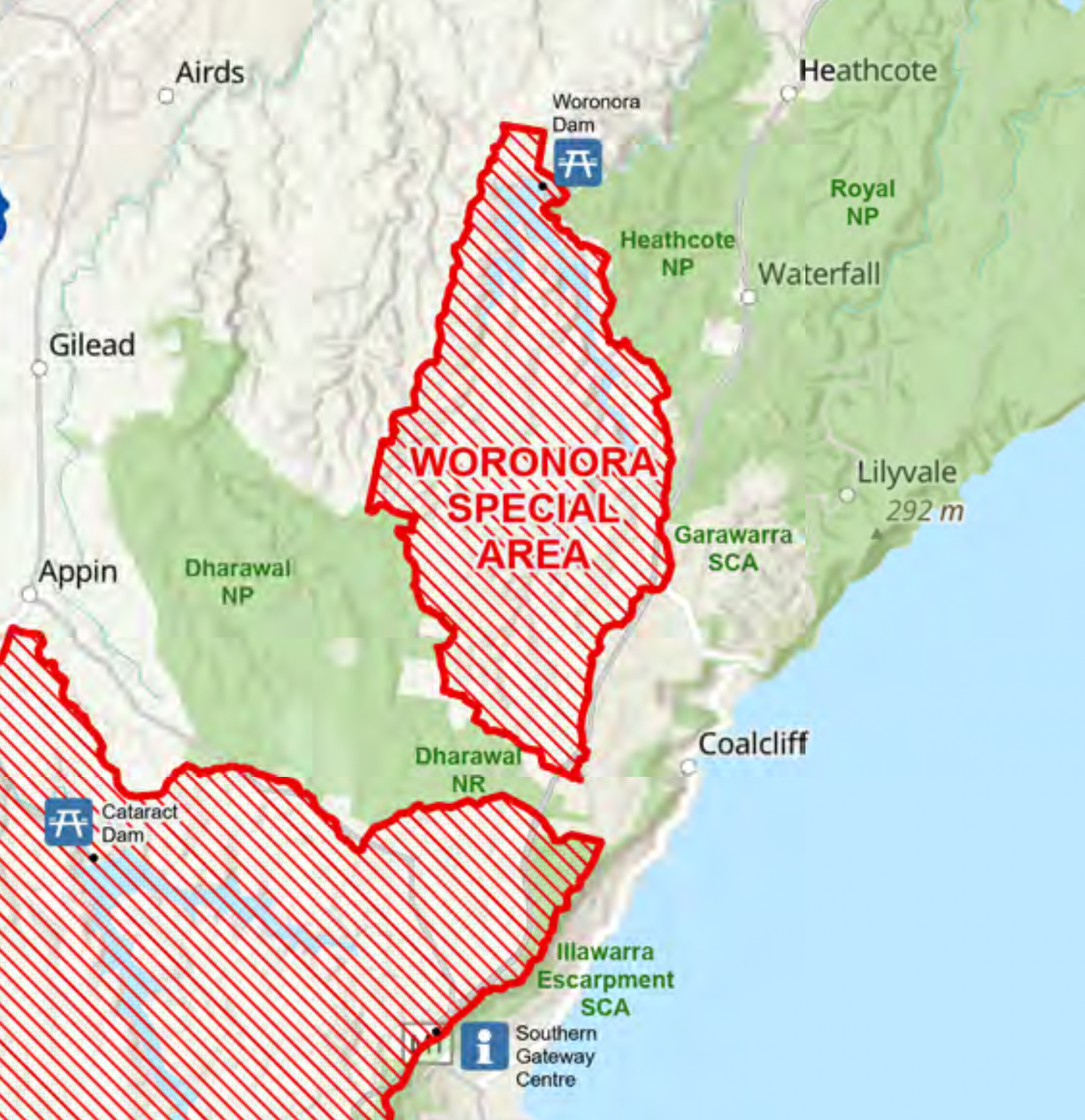
The development application area in Peabody's documents. At right: The Woronora Special Area on a WaterNSW map.
POWA hopes planning minister will protect swamps
Ali said: “It can be frustrating to know that the Planning Minister [Paul Scully], our Member for Wollongong, could protect six swamps with a stroke of the pen — but I remain optimistic that he will listen to all the water drinkers in Wollongong who need these swamps protected, for the sake of our drinking water, and to store greenhouse gases and look after wildlife.
“Protecting the catchment would be the most extraordinary legacy a Planning Minister could have, I think. Preserving something so precious would be an act that’s greater than building the Harbour Bridge or the Opera House, when you think about it. Generations to come would have reason to deeply appreciate something like that.”
Many generations past have worked in Helensburgh's historic colliery, which dates from 1884, and local opinions on its future are mixed, with the Mining and Energy Union’s submission describing the modification as a “sensible response to discovered geological challenges”.
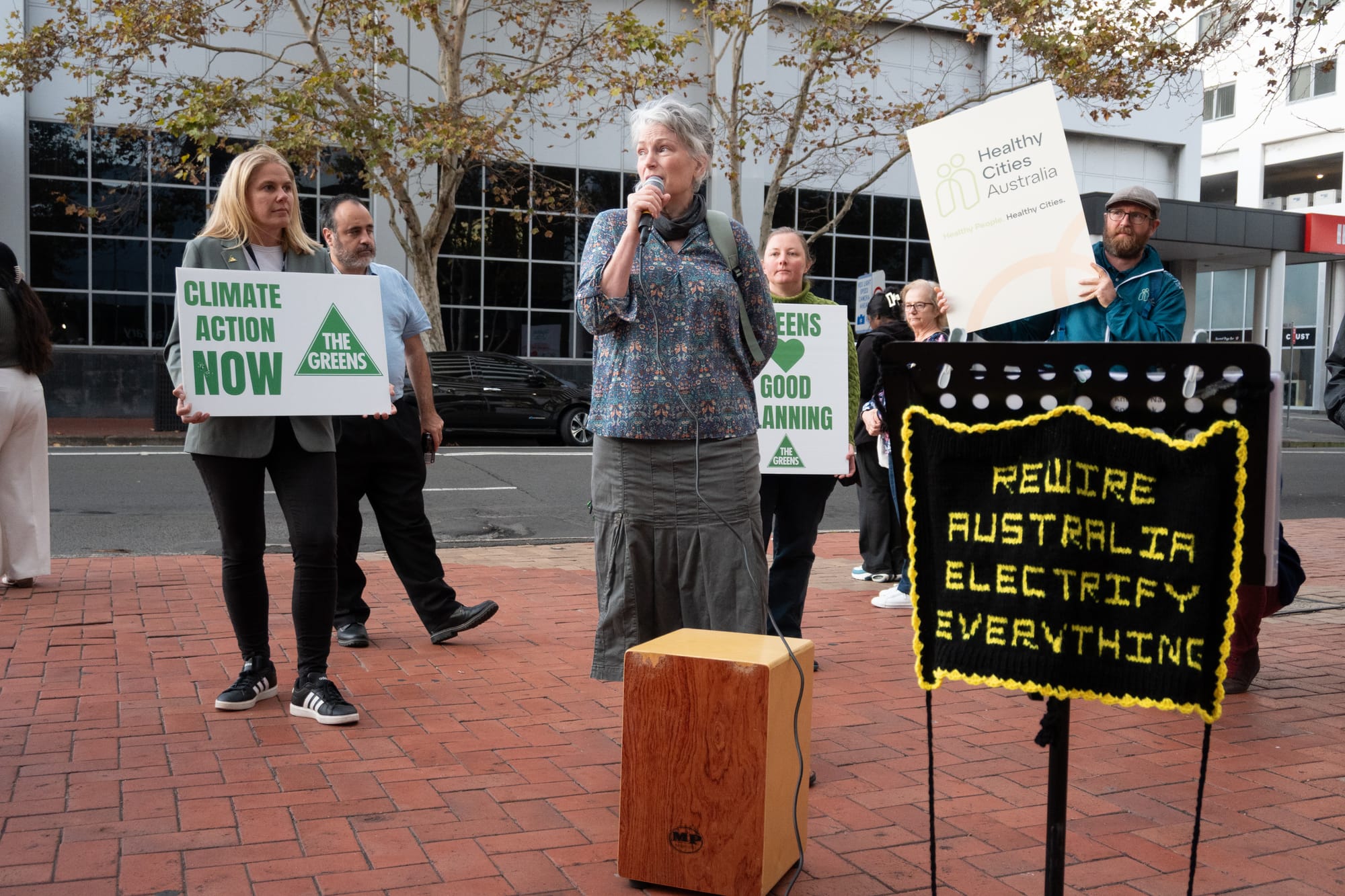
Cr Jess Whittaker holds a Climate Action Now sign as fellow Greens Cr Deidre Stuart addresses an electrification rally outside council in 2025. Photo: Illawarra Flame
'You can't glue a water catchment back together'
Following August’s consultation, which was criticised as poorly advertised, NSW Planning received more than 200 submissions, including 140 objections, 75 in support and one comment (Wollongong City Council).
Unlike Sutherland City Council, where councillors unanimously voted to object, at August’s Wollongong Council meeting, all eight Labor representatives voted down the Greens’ motion for council to object to Peabody’s plans.
“As a council, we need to stick up for our drinking water catchment,” Greens Cr Jess Whittaker said at the time. “We depend on it. There’s been severe cracking of the Waratah Rivulet, and the company's feeble attempt to repair it with epoxy only shows that you can't glue a water catchment back together.”
However, both Greens and Labor councillors admitted to finding the documentation, which ran to more than 700 pages, complex. “I'm not afraid to admit that I wasn't able then to evaluate it against relevant legislation and requirements, environmental standards,” said Labor Cr Dan Hayes, who recommended a response be left to expert public servants.
The IESC’s assessment is easier reading.
Its verdict comes in six succinct pages, ending with: “The IESC cannot envisage any feasible mitigation measures, including offsets, that could safeguard these irreplaceable water resources and water-dependent MNES. Instead, it is strongly recommended that the proponent avoid longwall mining below all Coastal Upland Swamps TECs [Threatened Ecological Communities] and waterways in the project area.”
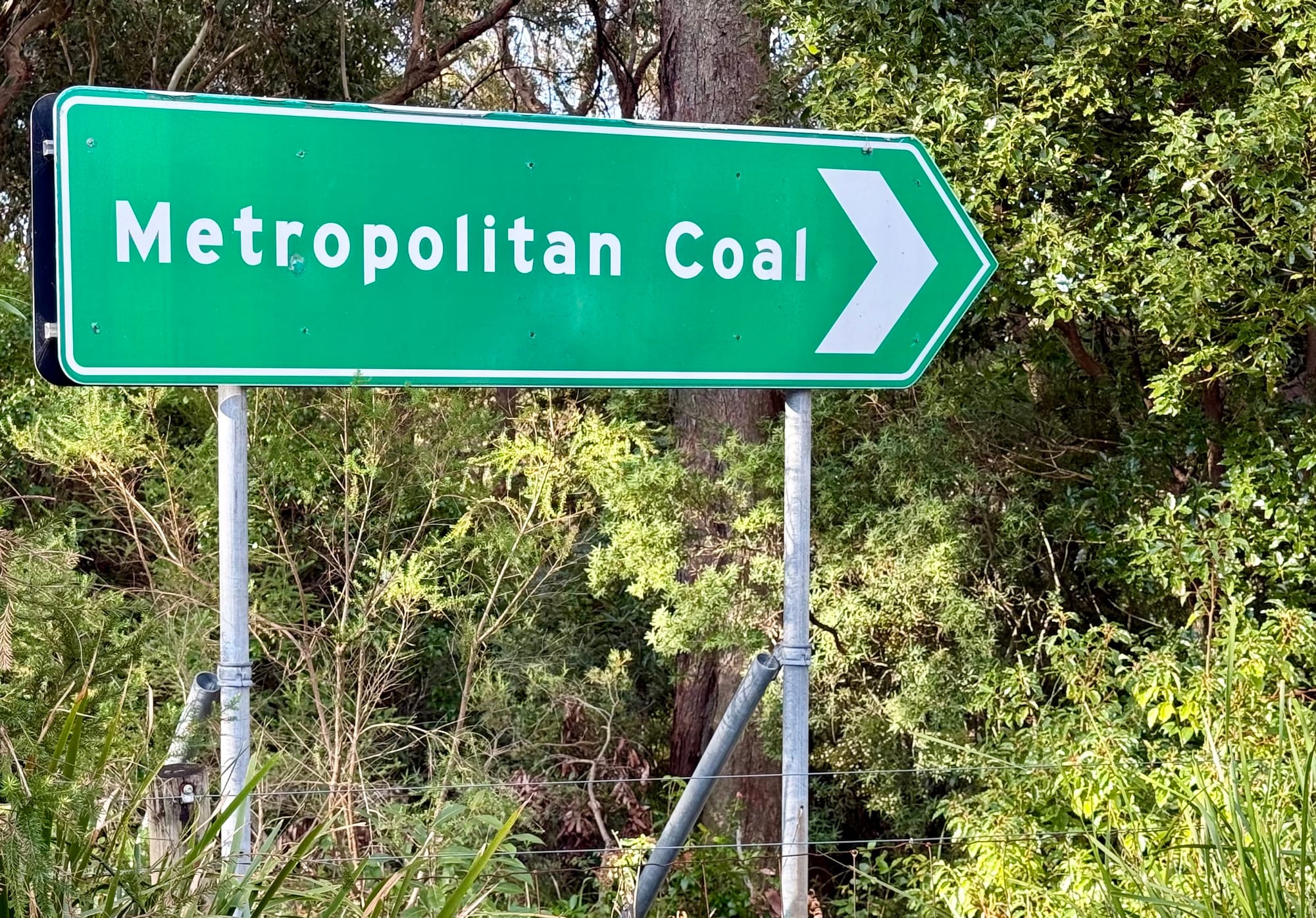
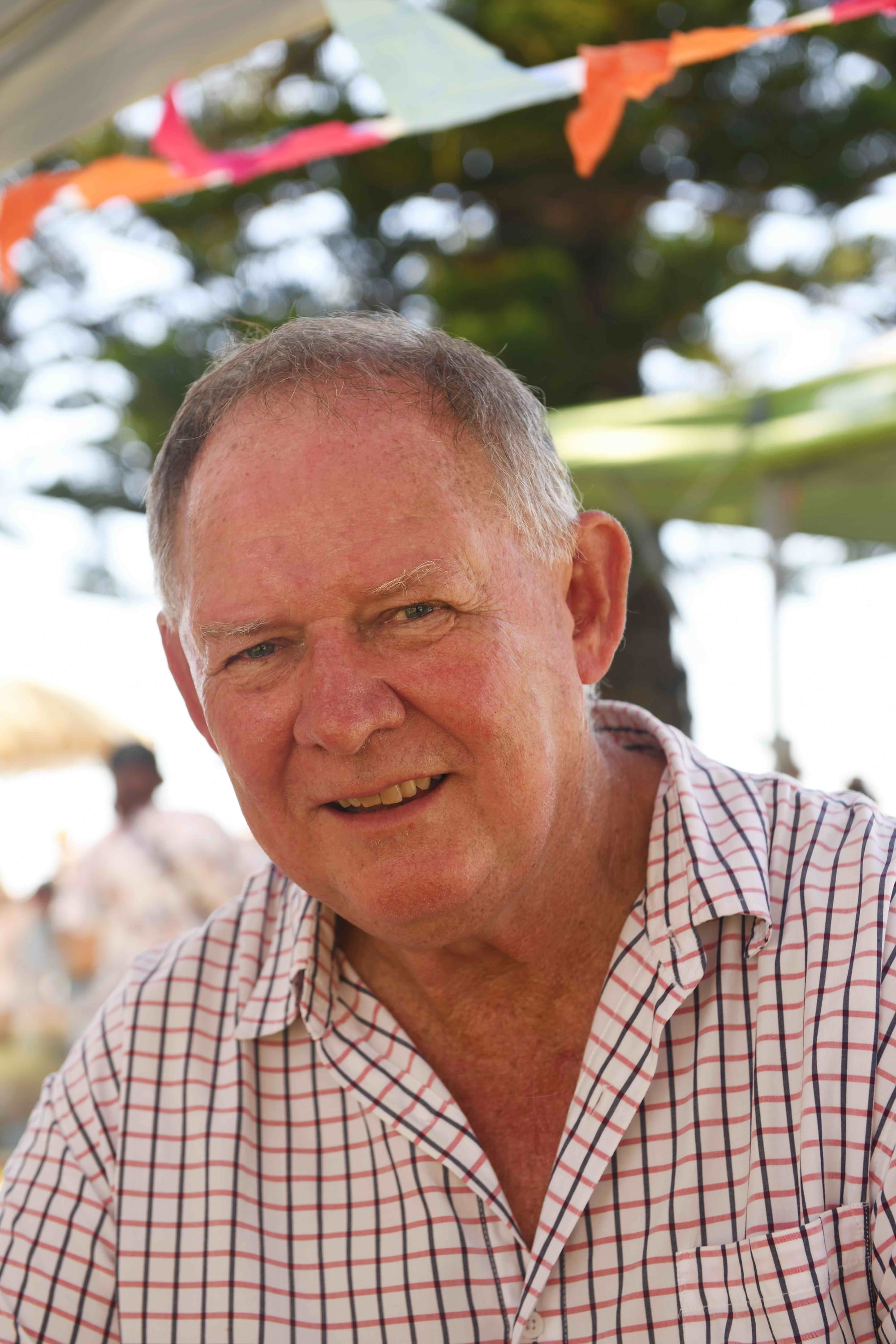
A sign pointing to Helensburgh's Metropolitan Mine. Photo: Iris Huizinga. At right: retired miner Darryl Best supports a just transition from fossil fuel to renewable jobs. Photo: Unicorn Studios
Mining jobs at risk
Peabody says the Metropolitan mine – which produces coal critical to Port Kembla steelworks – employs 400 people and its expansion will allow the colliery to operate until 2032, instead of closing in 2029.
In a recent opinion piece, titled 'Where will all those workers go? This is not some far-off event' in the Illawarra Flame, retired coalminer Darryl Best shared why he’s become a supporter of renewable industries.
“The driving motivation behind this is firstly for a better climate, but also so the people who have helped to power Australia for decades have jobs to transfer into when those mines are shut down," he wrote. "This is to avoid the devastating effects that mass unemployment has on rural communities. And let’s be clear: coal is on its way out and the mines will close.”
Next month, POWA hopes the state government will act on the looming employment problem.
Ali said: “The NSW Government is introducing the Future Jobs and Investment Bill into Parliament in February, and that could be a mechanism to make sure that mine workers don’t lose out either. Supporting workers directly rather than mining companies who have not really stepped up to the challenge of the energy and manufacturing transition – that’s the pathway to protecting people and the catchment. And we can do that.”
Watch the Upland Swamp Walk film by POWA's Tony Markham, with sightings of a vulnerable Rosenberg's Goanna and endangered Giant Dragonfly


