
Adelaide Writers' Week controversy reflects 'broader surge in censorship'
Following the collapse of Adelaide Writers’ Week, South Coast Writers Centre director Dr Sarah Nicholson has warned that the threat to freedom of expression is not a one-off
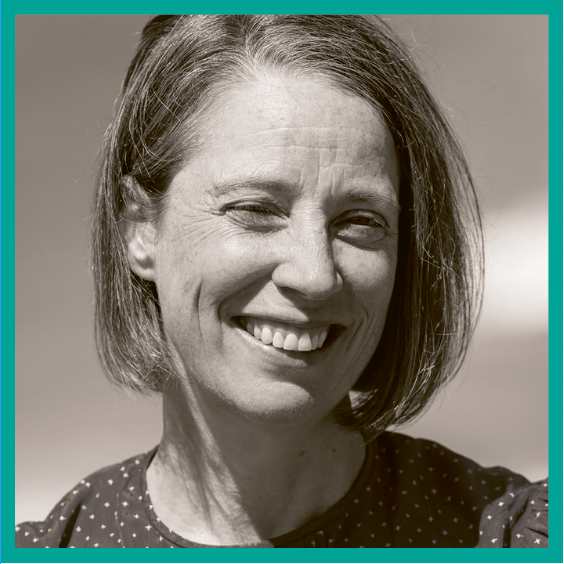
Following the collapse of Adelaide Writers’ Week, a local literary director has warned the threat to freedom of expression is not a one-off in the arts.
More than 180 speakers boycotted the country's largest writers' event after the Adelaide Festival board disinvited Palestinian-Australian author Dr Randa Abdel-Fattah, claiming her appearance would be “culturally insensitive” after the Bondi massacre.
The 2026 writers' week has since been cancelled and an apology issued, but the controversy casts a long shadow.
“It reflects a broader surge in censorship in Australian creative arts that’s been impacting artists, arts organisations, and events over the last two years,” said Dr Sarah Nicholson, director of the South Coast Writers Centre.
“There are many examples. Some of the most prominent include Creative Australia who revoked (and later reinstated) Khaled Sabsabi's appointment as Australia's representative to the Venice Biennale and the State Library of Queensland's cancellation of K.A. Ren Wyld's literary fellowship, both due to lobbying based on perceptions around their personal politics.
“Most pertinently in 2025 the Bendigo Writers Festival effectively collapsed after it tried to enforce a code of conduct on their guests, effectively prohibiting them from criticising Israel, causing a significant writer boycott of the event.”
SCWC has “so far” not run up against external pressure to censor its programming, Sarah said.
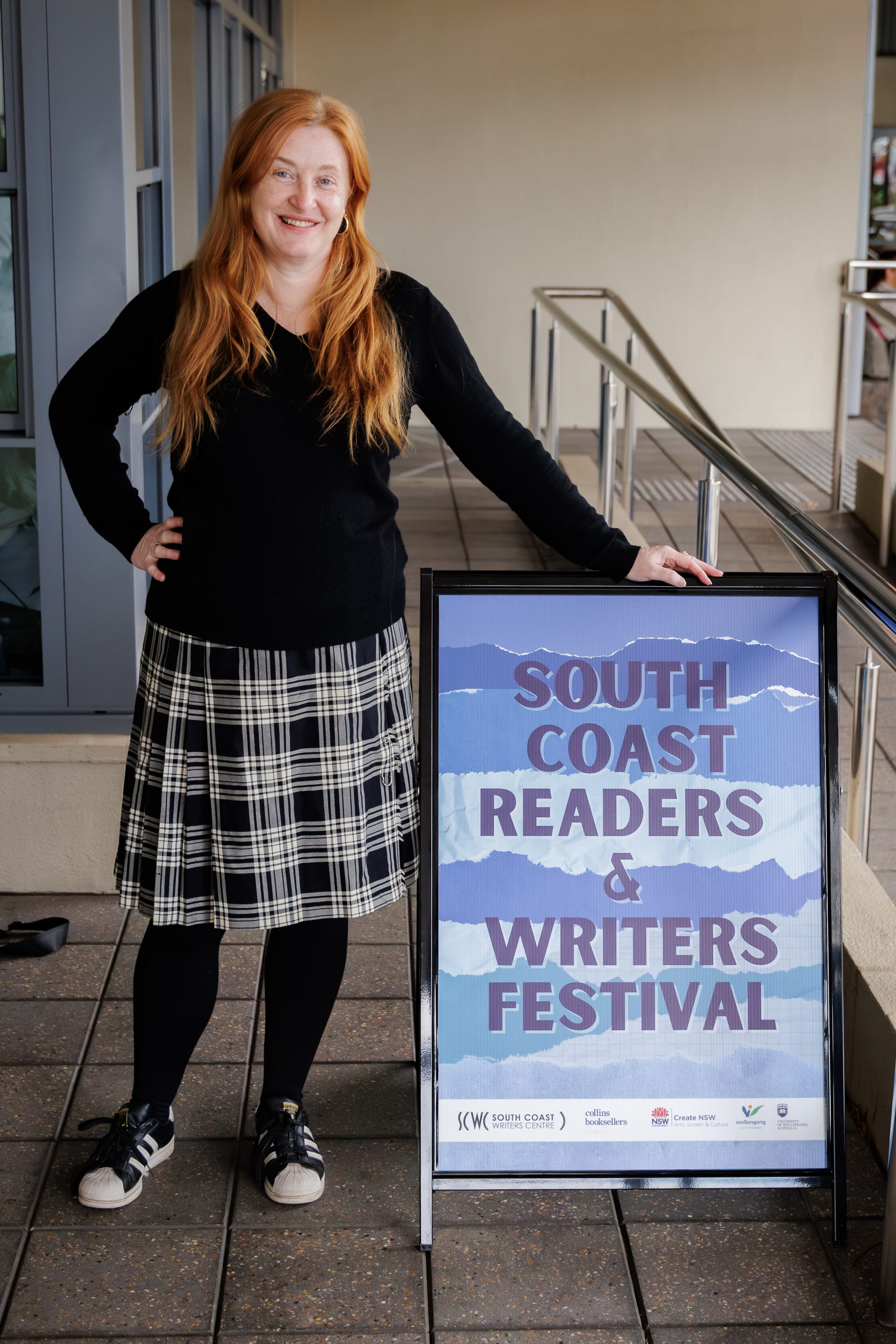
SCWC director Dr Sarah Nicholson says the 2026 festival program will address artistic freedom of speech. Photo: Ironbark Photography
Last year, the not-for-profit organisation – run by a small team of three, who work part-time out of a basement office at Coledale Community Hall – successfully held two major festivals in July and November. SCWC hosted challenging conversations and featured strong line-ups, with guests including political analyst Amy Remeikis, social commentator Jan Fran and historian Professor Clare Wright.
The Stella Prize-winning author delivered the keynote address at True Story festival in November 2025, sharing the story behind the ṉäku dhäruk (bark petitions) by the Yolngu people of Arnhem Land. Afterwards, Clare praised artistic director Caroline Baum for curating a “frank and fearless non-fiction festival”, describing the atmosphere at Coledale as, “Warm, open, intelligent, generous, generative, safe.”
Clare also thanked SCWC for setting up a “terrific conversation” with Jaymee Beveridge, former vice president of Indigenous Strategy and Engagement at UOW.
“Great conversations on the stage, in the green room, on the foreshore, in the RSL,” the author wrote on her Instagram page. “As it should be. Public engagement at its most honest and most civil. Build it and they will come.”
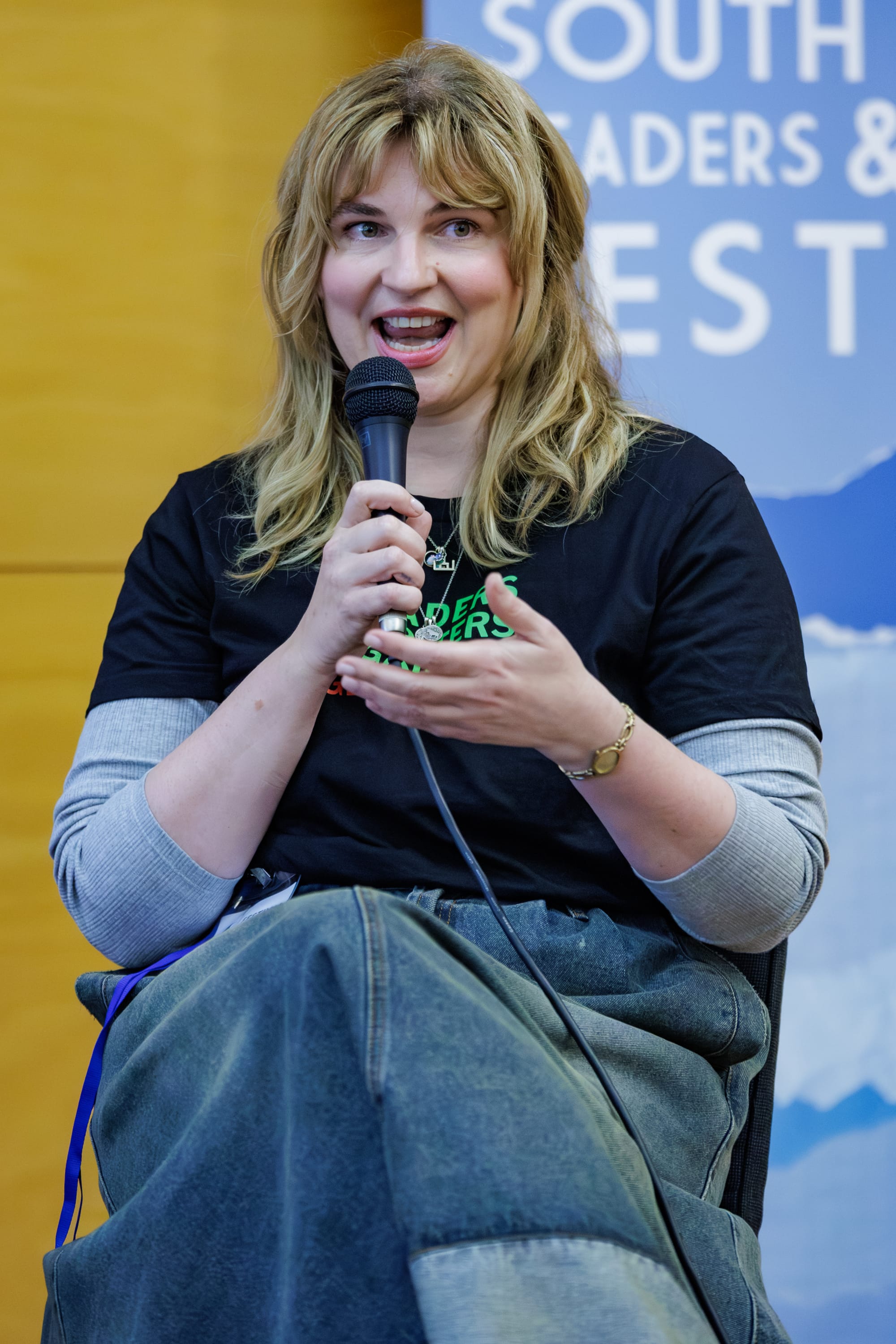
L to R: Amy Remeikis, Clare Wright and Jan Fran at SCWC events last year. Photos: Ironbark Photography
This month Clare Wright was among the authors who pulled out of Adelaide Writers' Week, saying that she was “appalled at the moral cowardice, wrong-headedness and short-sightedness" of the board's decision.
Sarah said, “A number of the writers who have withdrawn from the Adelaide Writers Festival in solidarity with Randa Abdel-Fattah have appeared at either South Coast Readers and Writers Festival or True Story festival in recent years, including: Jane Caro, Clare Wright, Larissa Behrendt, James Bradley, Bri Lee, Cam Wilson, Ariel Bogle, Tim Ayliffe, Amy Remeikis, and local authors Sue Turnbull and Lucy Nelson.”
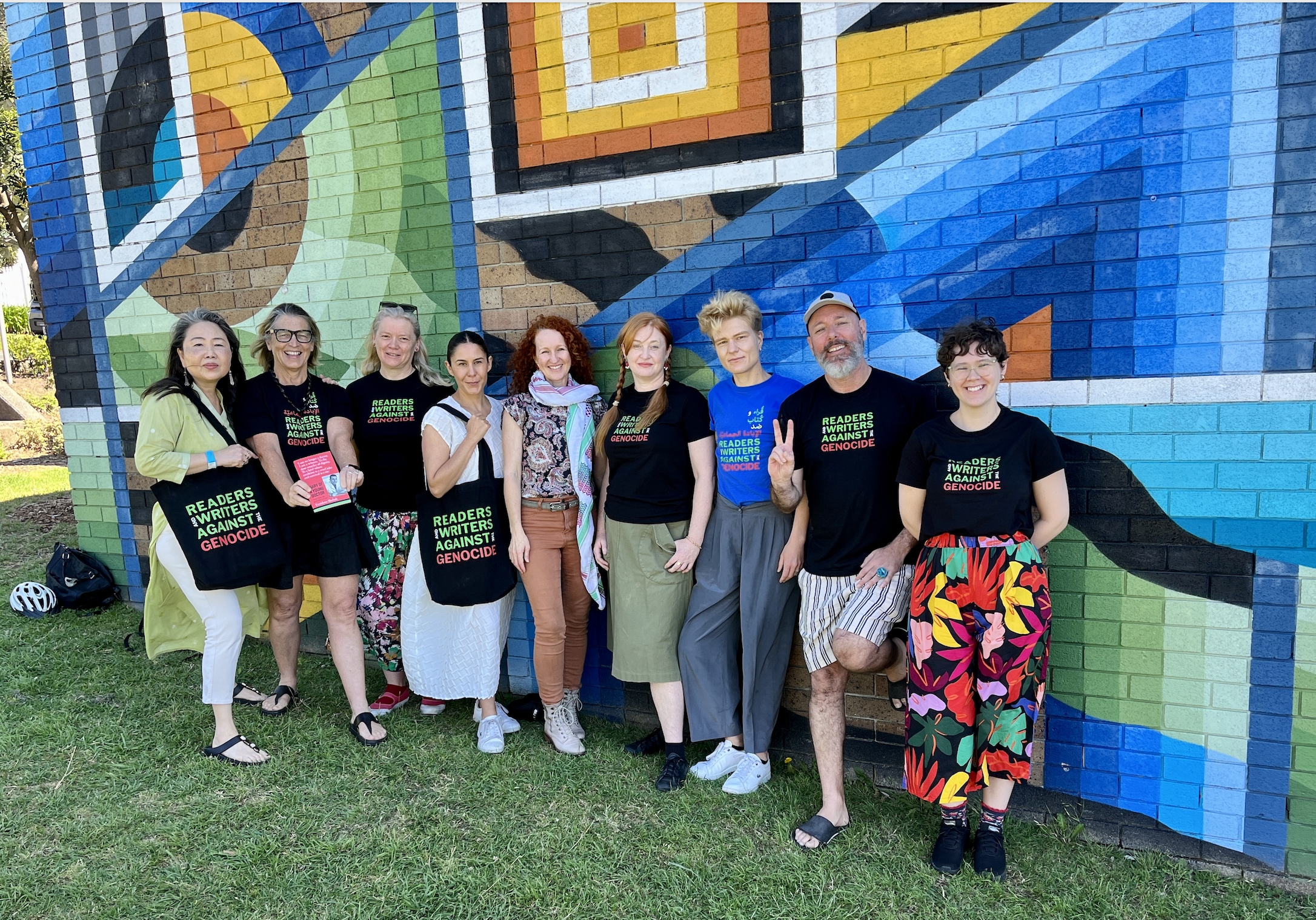
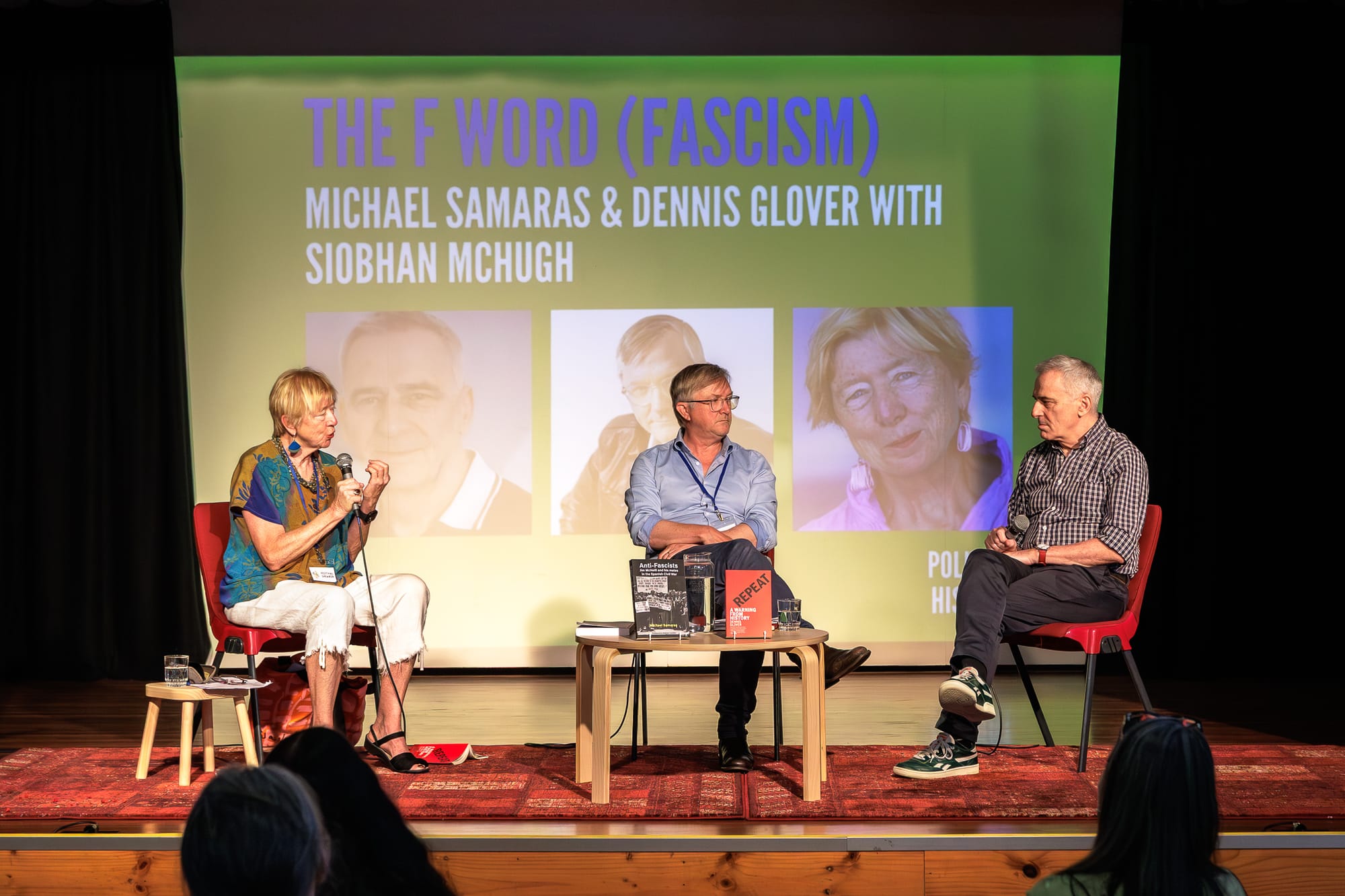
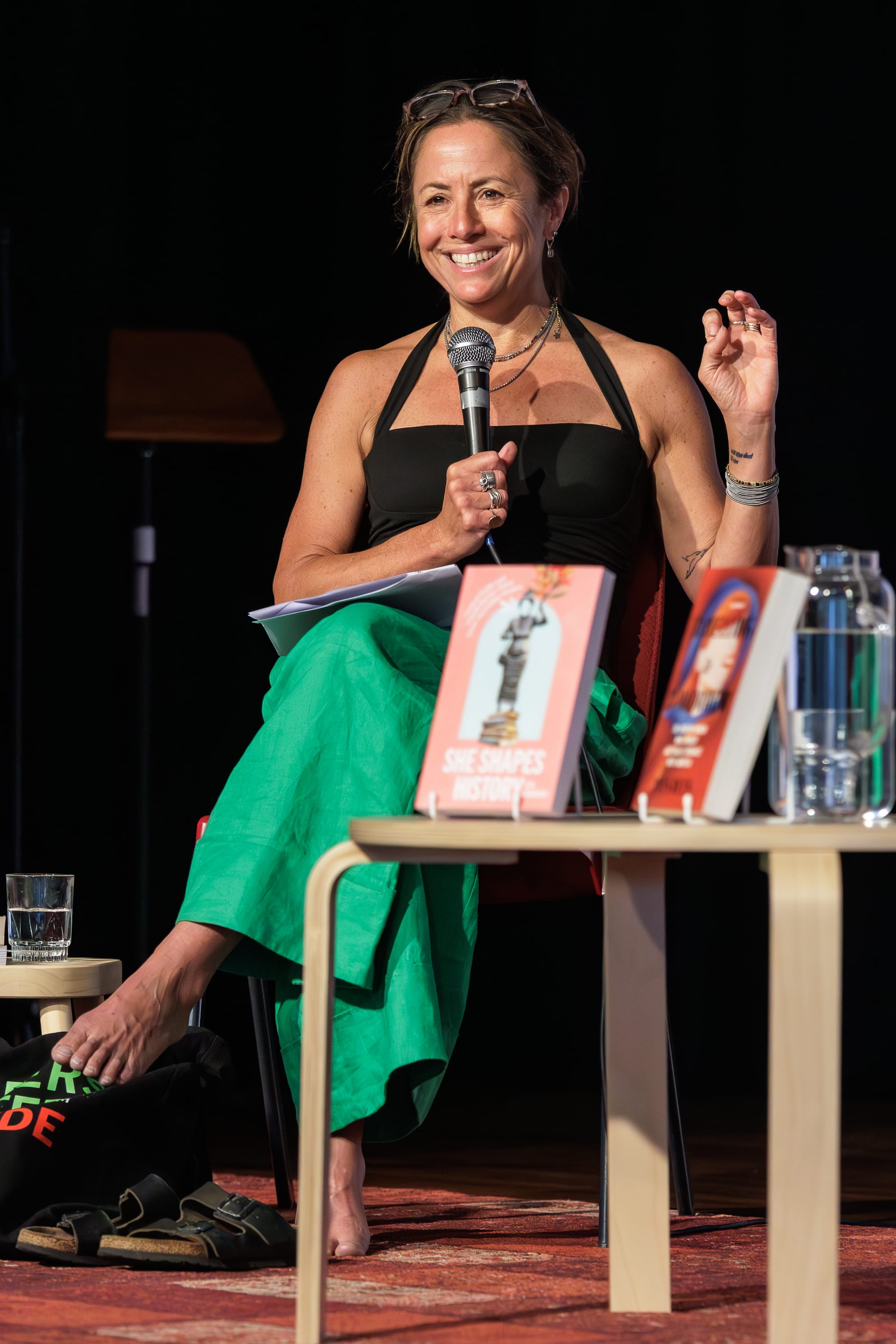
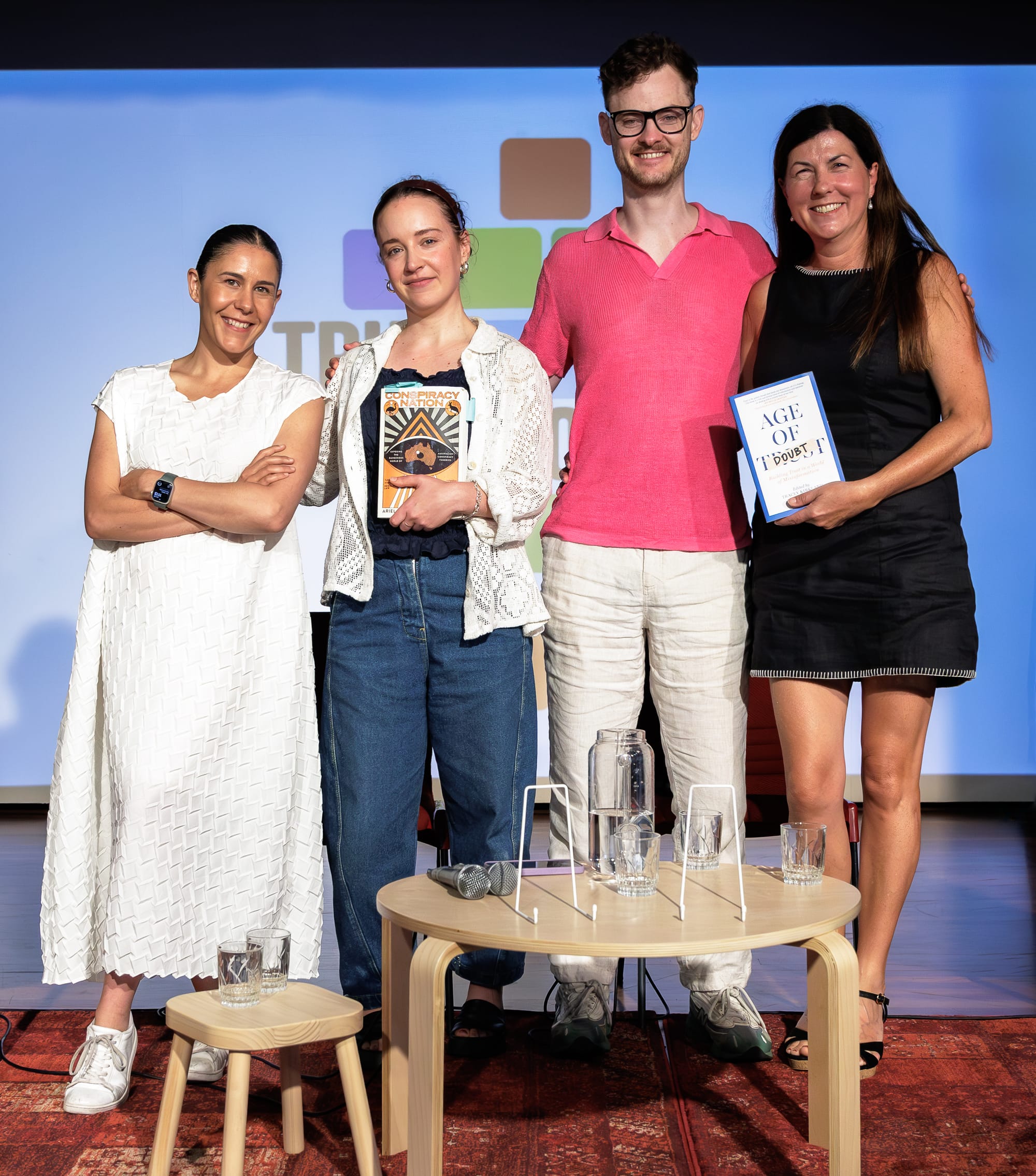
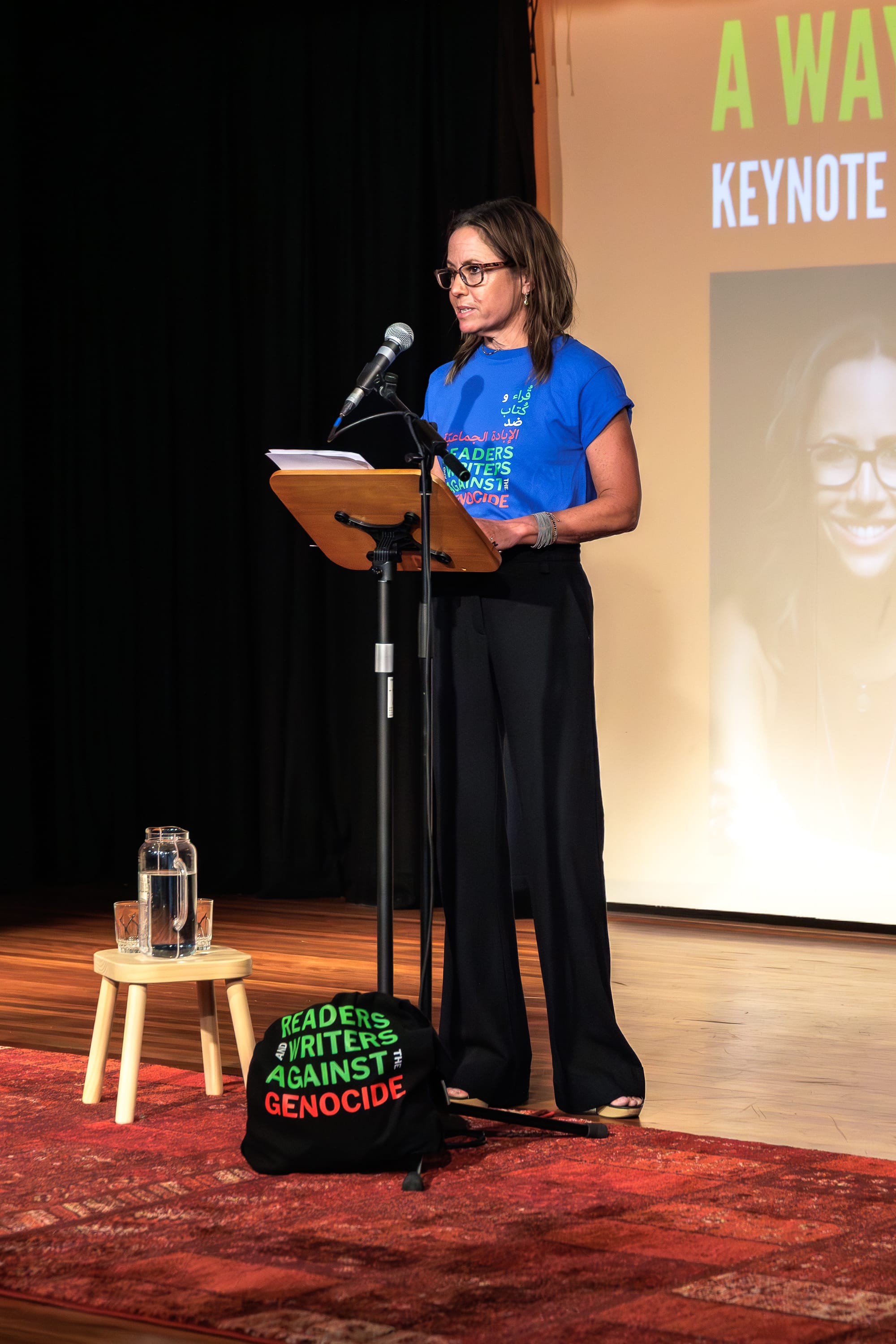
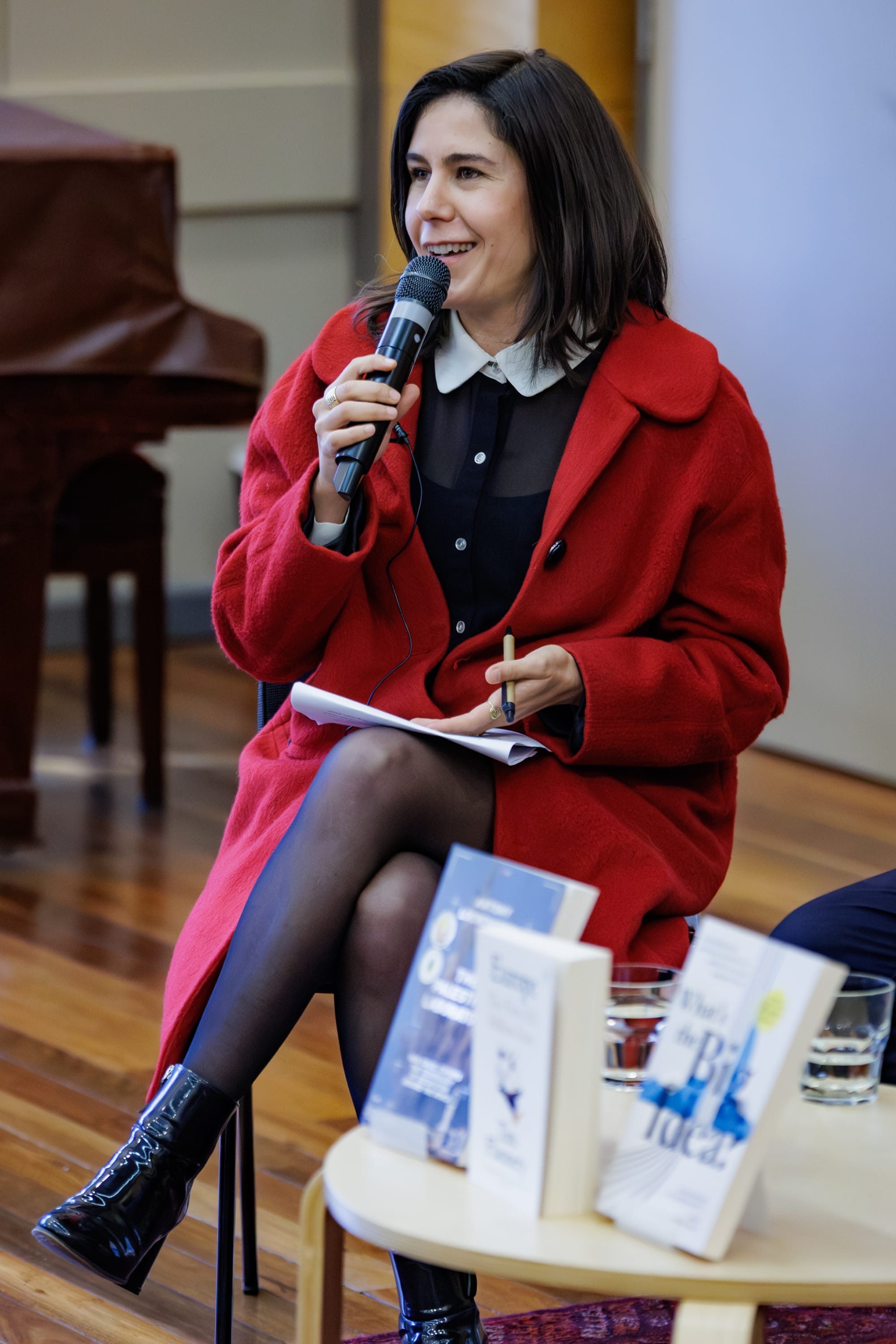
Clockwise from top left: Readers and Writers Against Genocide, authors Michael Samaras and Dennis Glover discuss fascism with Siobhan McHugh, journalists Jan Fran, Ariel Bogle, Cam Wilson and Tracey Kirkland; and Professor Clare Wright at True Story festival in 2025. Photos: Ironbark Photography, Illawarra Flame
After a week of resignations and recriminations, the Adelaide Festival Corporation has apologised to Dr Abdel-Fattah and invited her to speak at its next event, issuing a statement saying: "Intellectual and artistic freedom is a powerful human right. Our goal is to uphold it, and in this instance Adelaide Festival Corporation fell well short."
The question now is how to ensure independent public debate can continue to thrive – and SCWC has already decided this will be a key topic on its next program.
“At the 2026 South Coast Readers and Writers Festival, which will happen over the weekend of July 25-26, our guests will be discussing the current political climate, the increasing censorship of Australian writers' voices and what we can do to protect our artistic freedom of speech,” Sarah said.
SCWC is currently inviting submissions for its 2026 Poetry Award, responding to the theme states, in association with the Wollongong Art Gallery exhibition Set States. Entries close on March 22.


