Let's play Bird Bingo!
Let's play, BIRD BINGO! See how many birds you can spot when you're out and about. Post your photos on Facebook or Instagram with #flamebirdbingo for your chance to win the South Coaster guidebook.


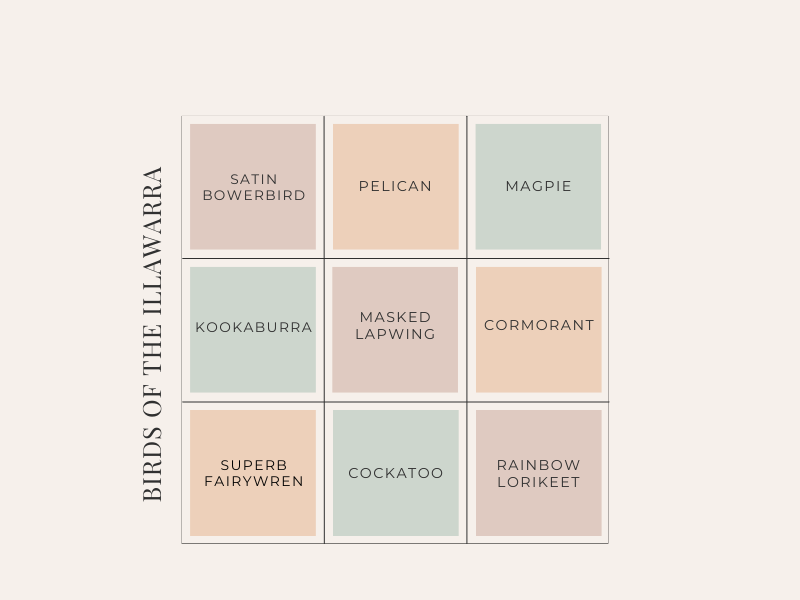
Let's play, BIRD BINGO! See how many birds you can spot when you're out and about.
Post your photos on Facebook or Instagram with #flamebirdbingo for your chance to win the South Coaster guidebook.
Click here to download your Flame Bird Bingo card.
Satin Bowerbird
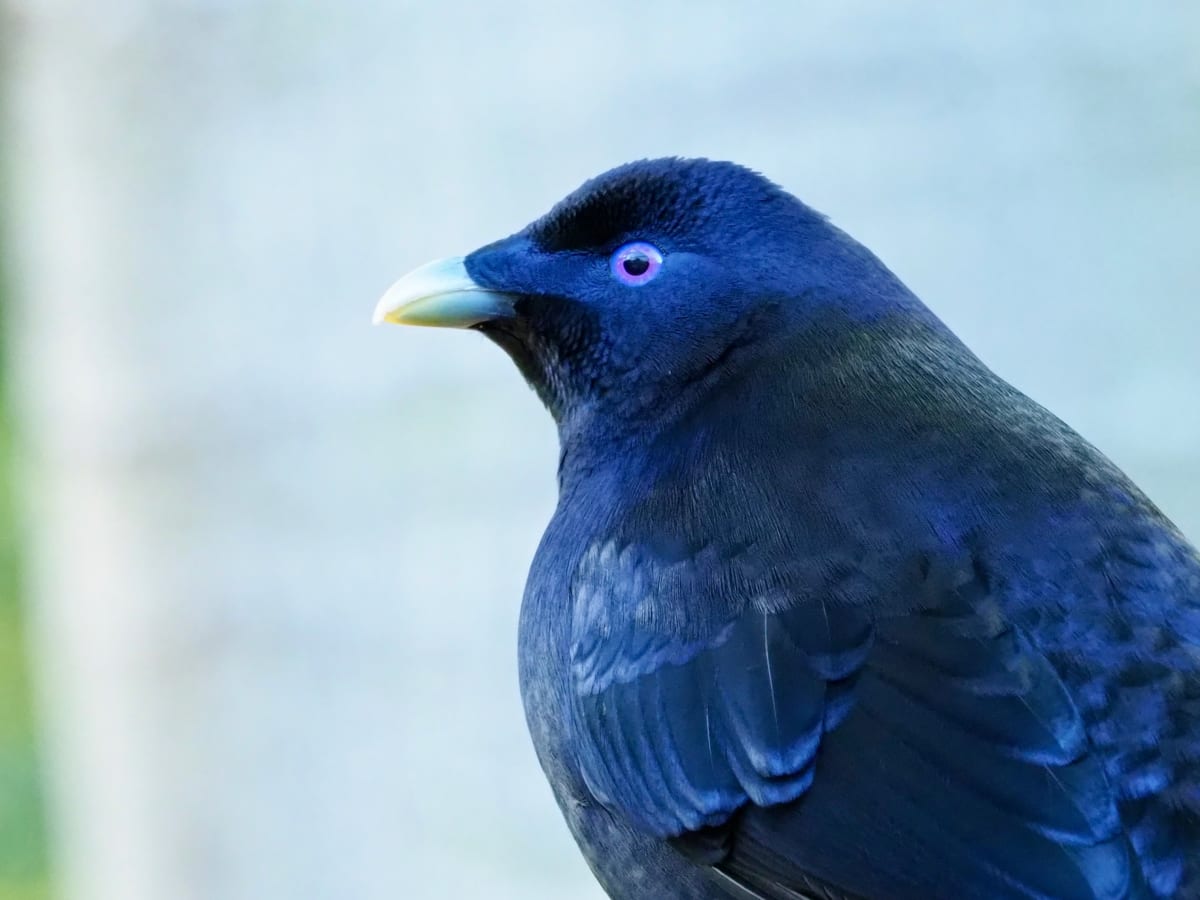
The male Satin Bowerbird doesn't get his beautiful blue/black plumage until he's seven years of age. Until then, the males and females look similar with green, scalloped feathers. You might find these birds sneaking into your yard to pluck fruits, flowers and bugs from your garden. There are lots at Wollongong Botanic Garden, including a couple of impressive bowers, where the males display their collection of flowers and blue things to impress the ladies.
Where: Gardens and wetter woodlands.
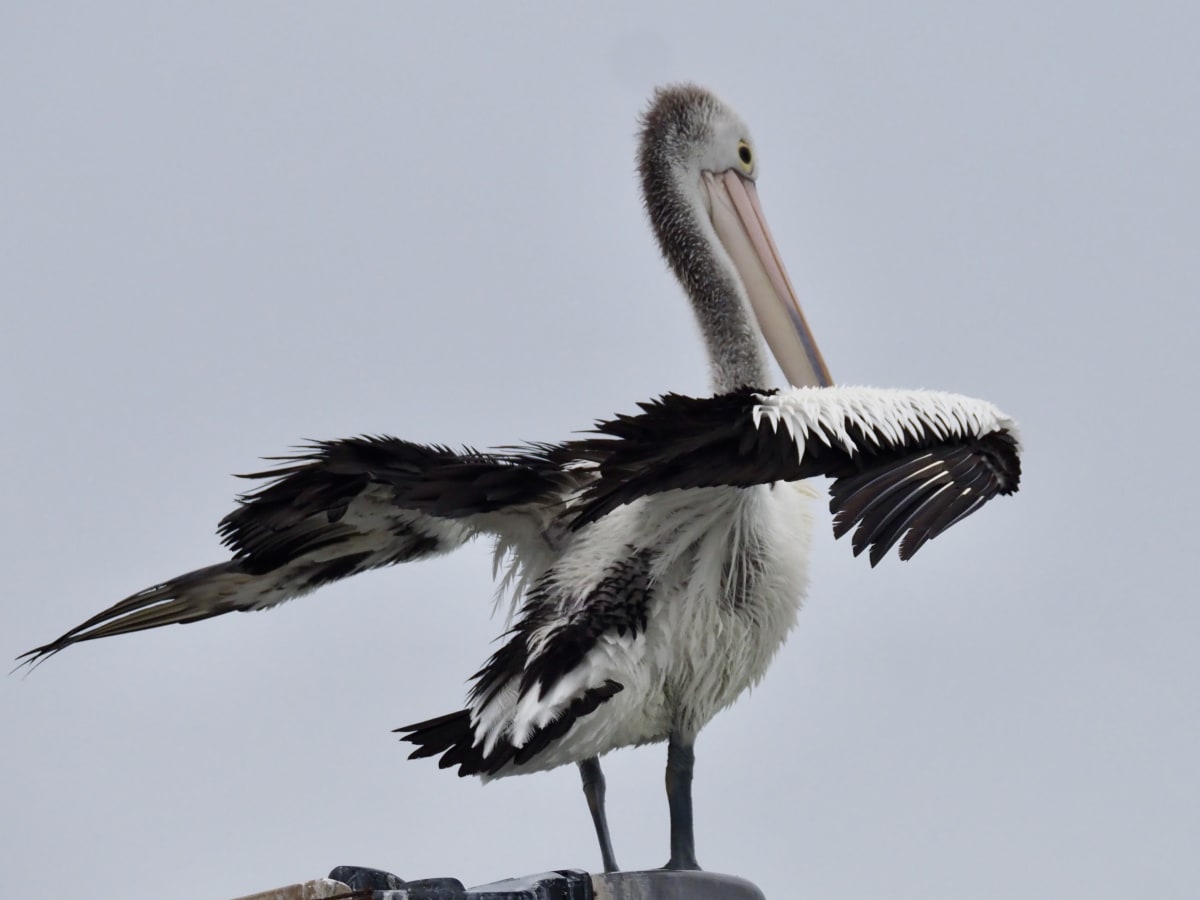
Pelican
Did you know that when the Pelican's bill is full, it can hold up to 13 litres! It uses the large pouch as a net and when fishing will plunge its bill into the water, scooping up water and hopefully fish. It then moves its head in a way that allows the water to empty out, leaving the fishy catch to be swallowed. You might see these birds soaring on the thermals, high above the ground or cruising around on lakes or waiting for a handout from fishermen cleaning their catch.
Where: Near bodies of water – ocean and lakes.
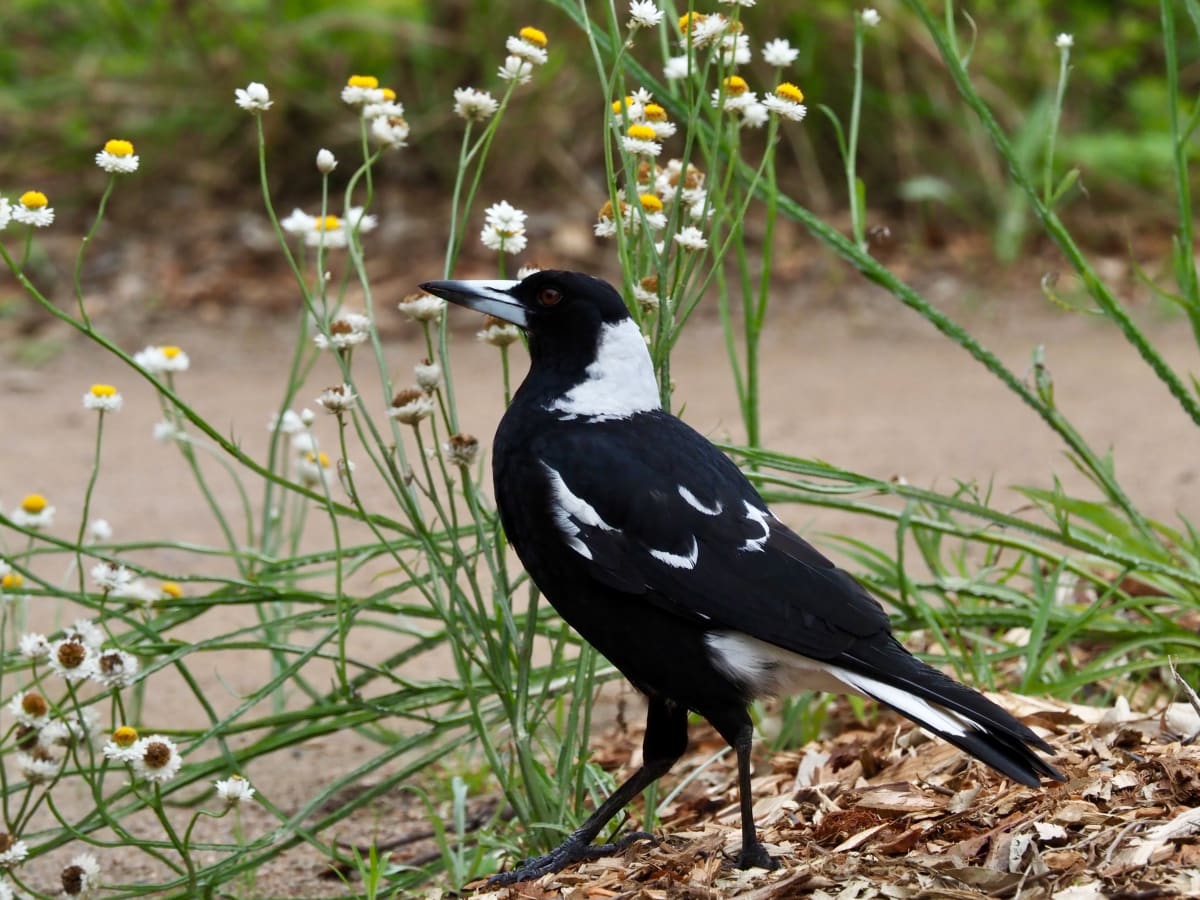
Magpie
Australian Magpies have excellent memories. They swoop during breeding season, to protect their nest and will often swoop the same people year after year. So it pays to make friends with your local maggies! You might see them using their beak to dig for worms in the grass.
Where: Locations with both trees and open areas – sporting fields and parklands.
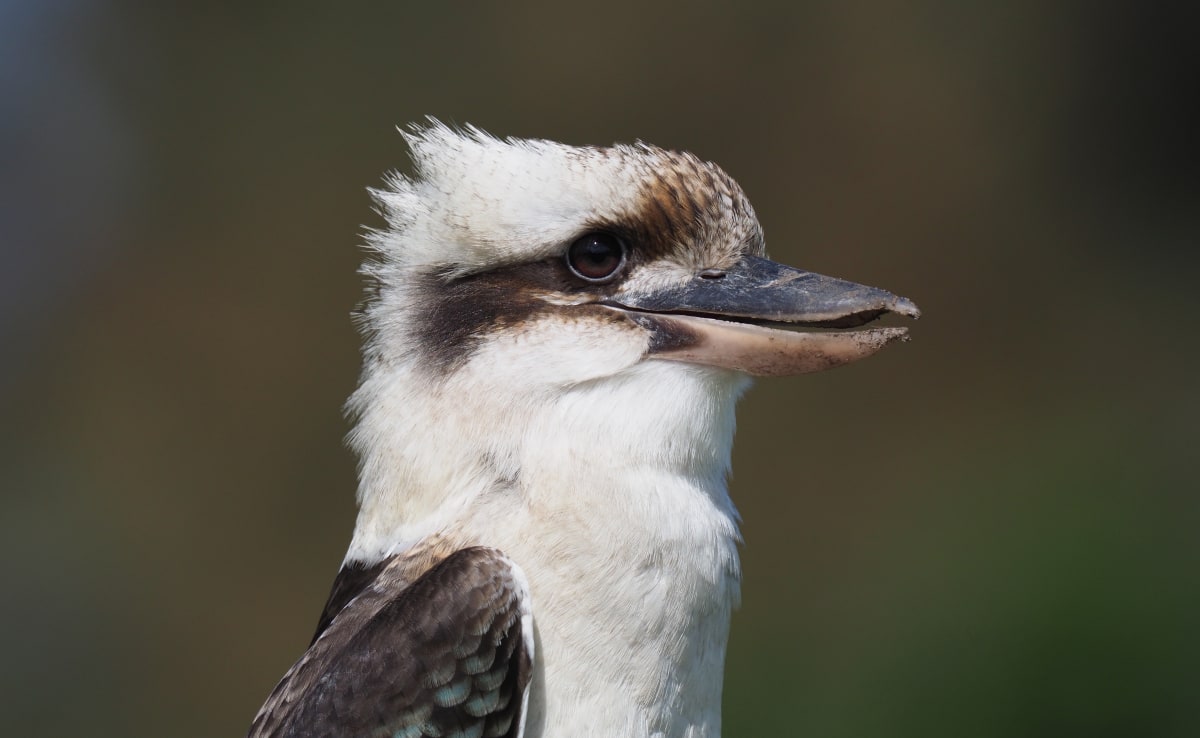
Kookaburra
The Laughing Kookaburra's laugh is actually a territorial call. It's to warn other birds away, especially other family groups of Kookaburras and says, "We live here. Keep on moving." Kookaburras pair for life and their young will help raise the new babies (kookabubbas) for a season or two.
Where: Any wooded areas with trees that have hollows.
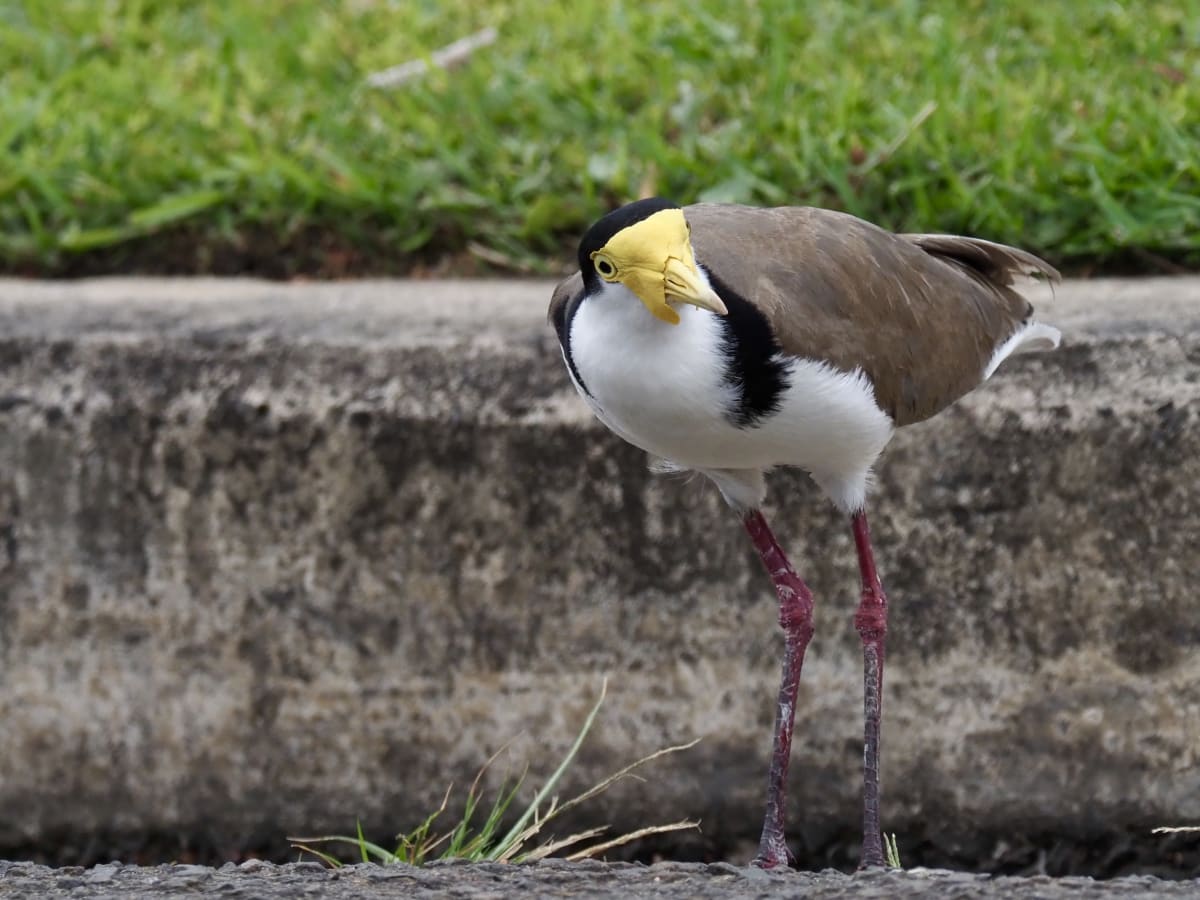
Masked Lapwing
These birds come with their own built-in defence system with each of their wings containing a yellow spur! They're very territorial and will swoop while loudly calling and displaying their spurs to protect their nests and young chicks. They often seem to make their nests in the most ridiculous placeslike in the middle of sports ovals and roundabouts!
Where: Urban areas, mudflats, grasslands and beaches.
Cormorant
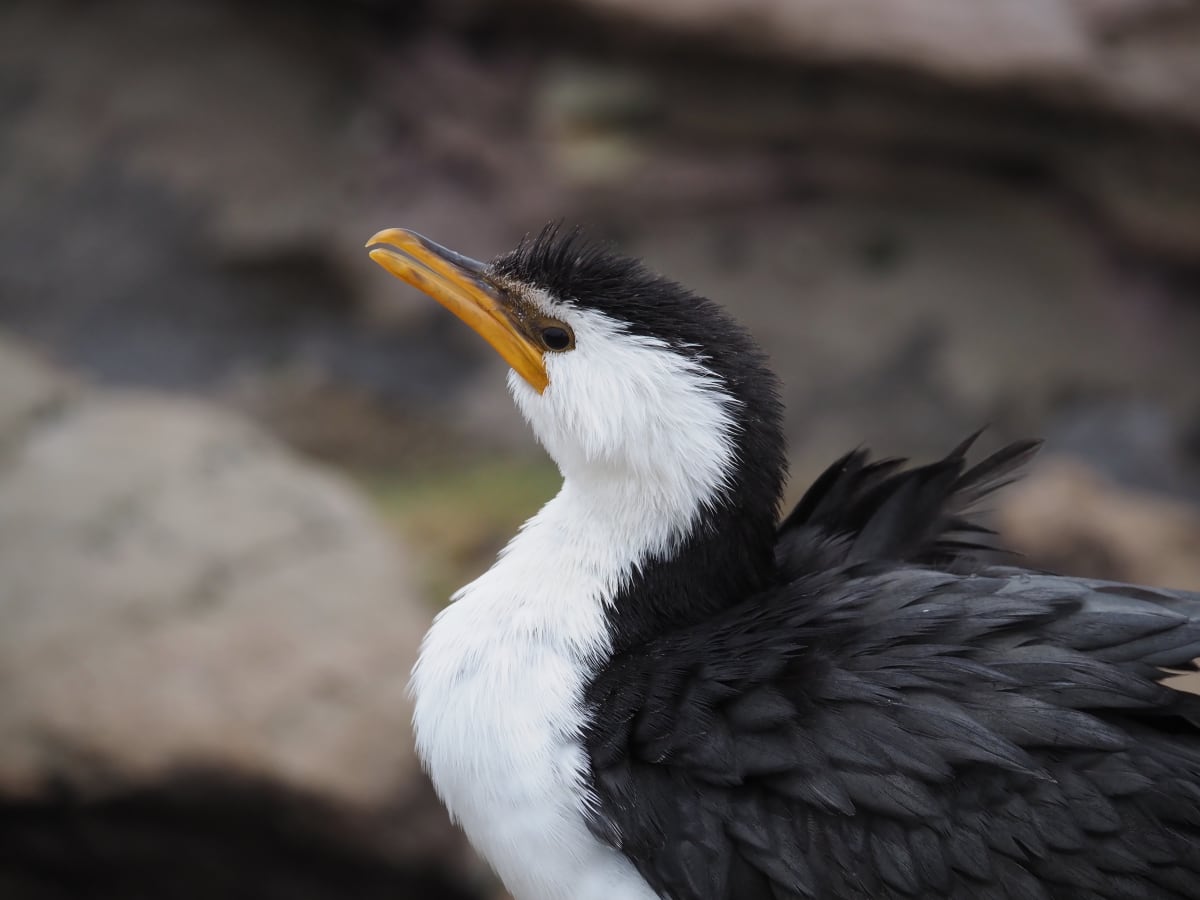
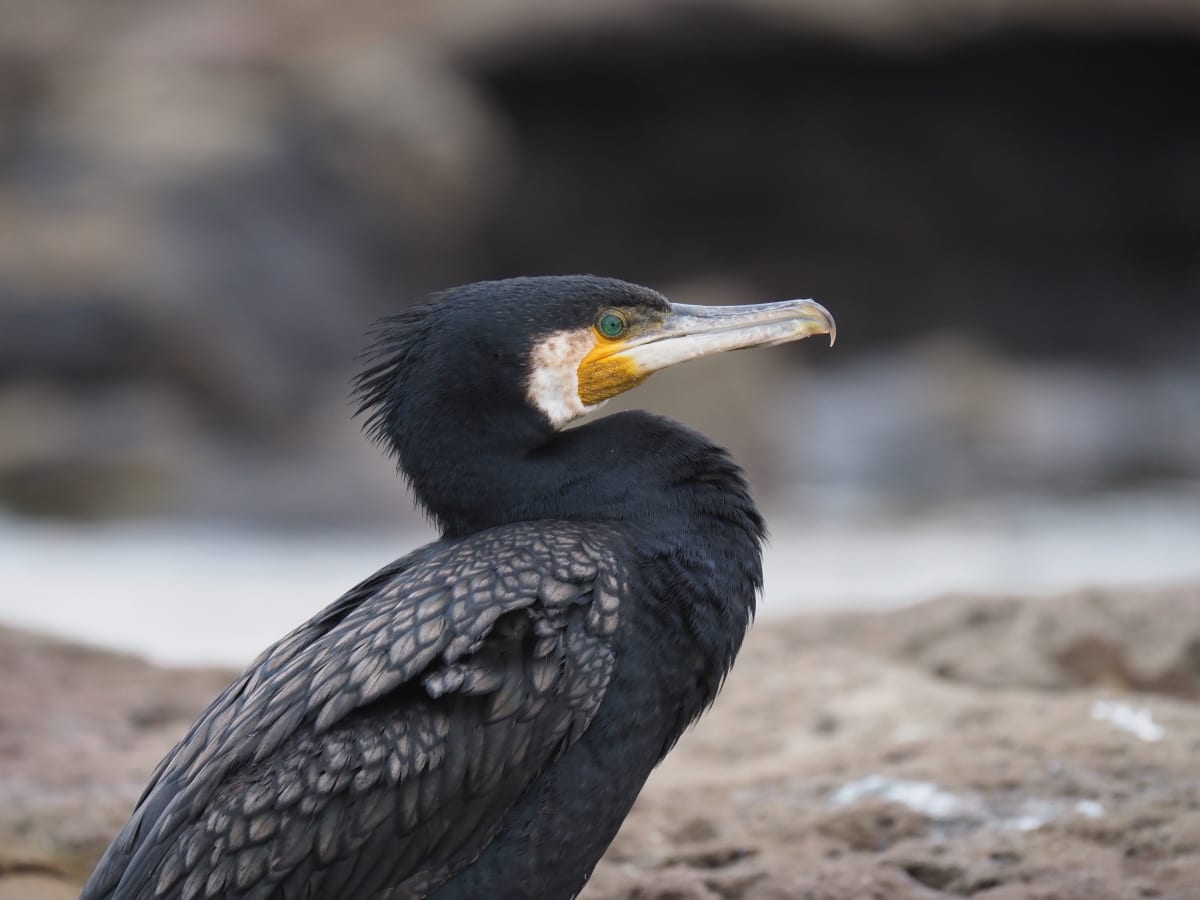
Since there's a few species of cormorants in the Illawarra, you can choose the one you want to play.
Little Pied Cormorants are happy in both fresh and salt water. They breed in colonies and you might see groups of stick platform nests in trees locally. Look for the whitewash (poo) over the branches.
Where: Any body of water but common on rock platforms and there's a couple often sitting on top of the rotunda at Wollongong Botanic Garden.
Great Cormorants are the largest cormorant species in Australia. They eat fish, crays and frogs and, when they dive, they can stay underwater for one minute.
Where: Any body of water but often found drying out their feathers on the top of light poles near the beach.
Superb Fairy-wren
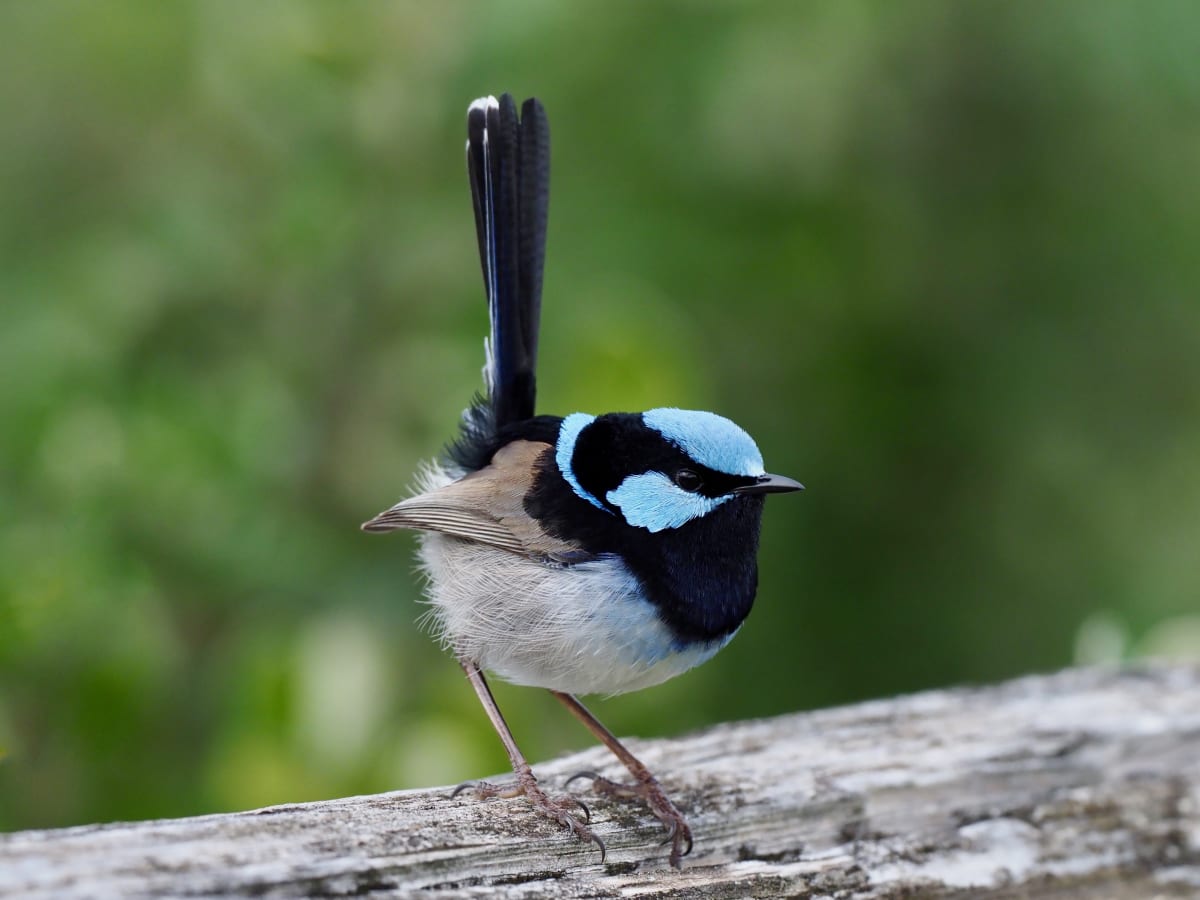
Fairy-wrens eat insects but also some seeds and small fruits. During breeding season, the dominant male has bright blue and black plumage and is accompanied by several females and younger males. The females are brown with an orange beak, while the young males are also brown, they have a black beak and blue tail. They're cooperative breeders with young birds (mostly males) from the same territory helping to raise new babies.
Where: Thick understorey like shrubs. Often seen along cycleways near the beach, where they hop along the ground catching bugs.
Cockatoo
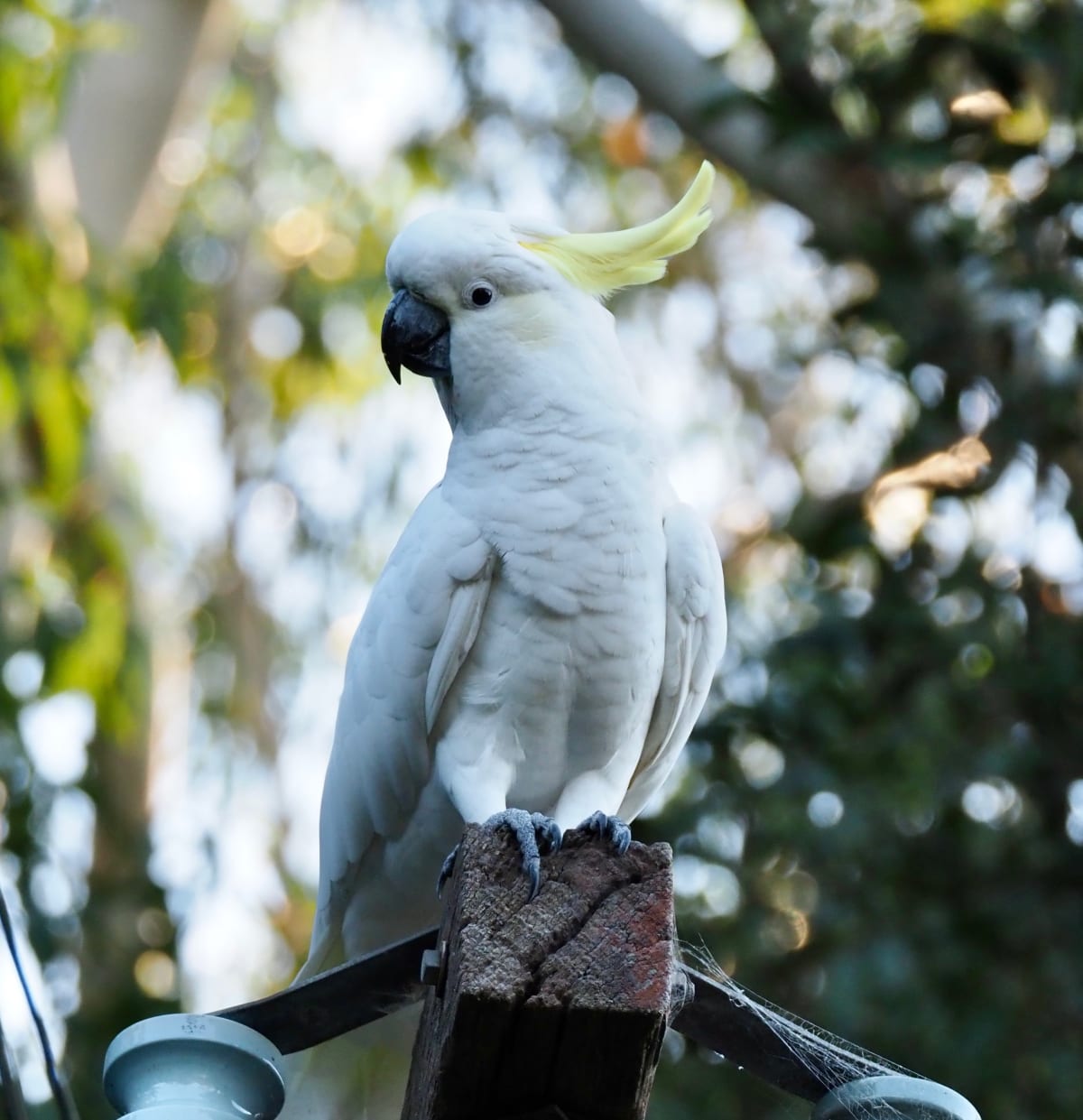
Two cockatoos to choose from here.
Sulphur-crested Cockatoos' beaks grow continuously. They will chew on tree bark and bite off branches to trim it down and stop it getting too long. In the wild, they eat nuts, seeds, berries and roots but are partial to bits of decking too!
Where: Urban environments and areas with tall trees and suitable hollows for nesting.
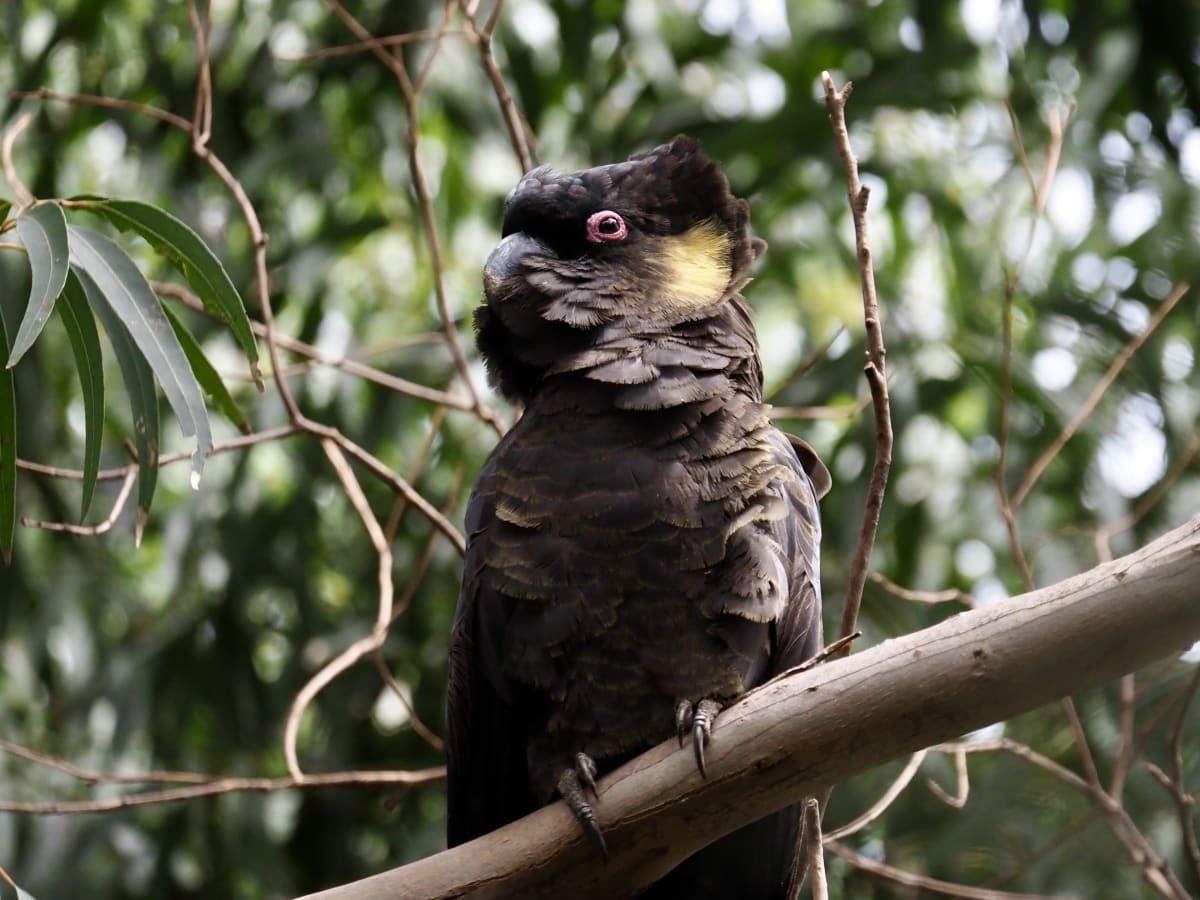
Yellow-tailed Black Cockatoos can actually hear their favourite food, wood-boring larvae, wiggling around inside of tree branches! They use their strong beak to rip open the bark to get to the grub inside. They also eat seeds and particularly love banksia and pine.
Where: Near their favourite food sources, so look for banksia trees along cycleways. You might hear their eerie call before you see the bird.
Rainbow Lorikeet
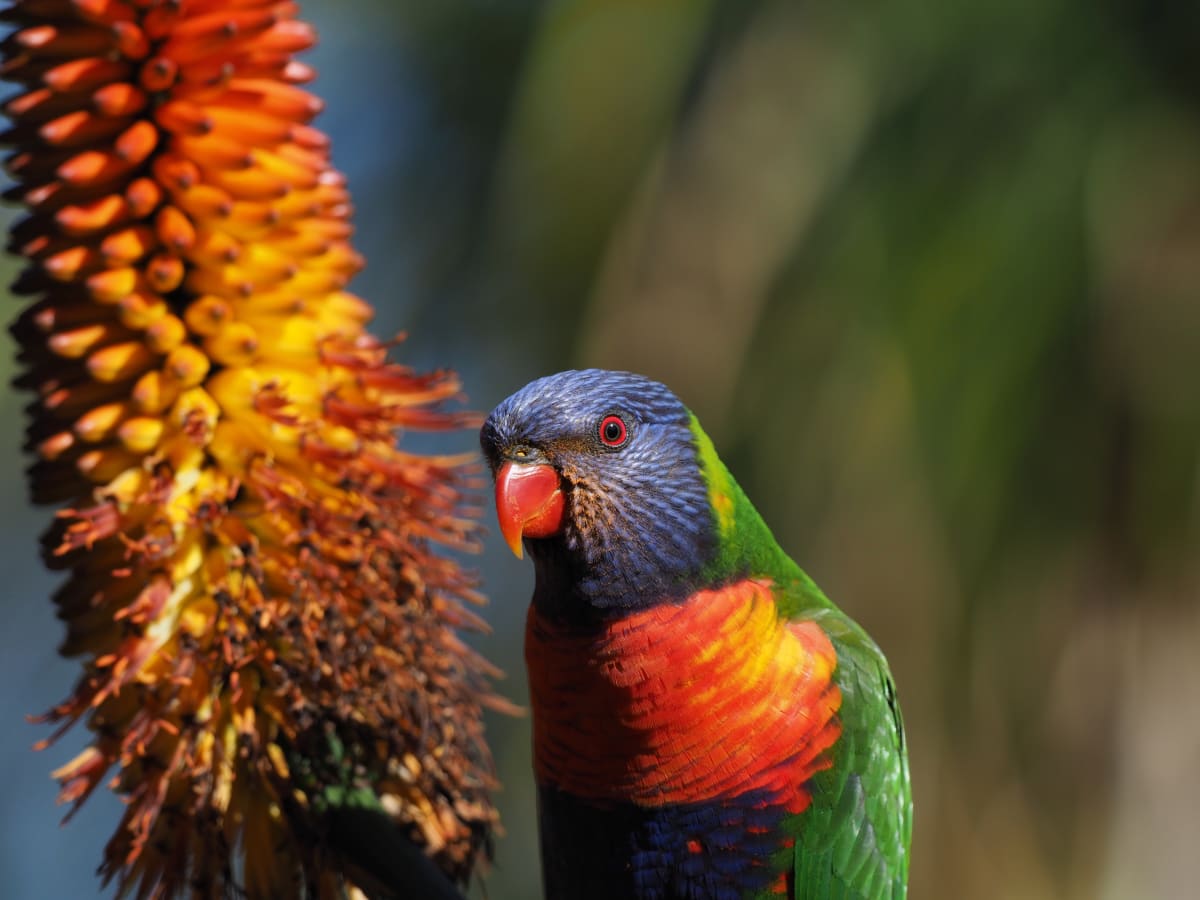
These birds love to feed on nectar. They have a special brush-shaped tongue for this purpose and you'll often see them upside down foraging in flowering shrubs. It's recently been discovered that pollen is probably the main part of their diet (this one has pollen on its face) but they also eat insects and seeds as needed.
Where: Anywhere you can find flowering trees and shrubs.