Community groups unhappy with big plans for city fringe site
Weerona student accommodation would be replaced by up to 300 homes proposed for the Gwynneville site


“Outrageous”, an “ambit claim” and a development that “could lead to severe congestion and gridlock”.
Community groups didn’t mince their words in submissions opposing the scale of the lastest housing development plan for Wollongong, lodged with the state government to take advantage of newly introduced special planning powers.
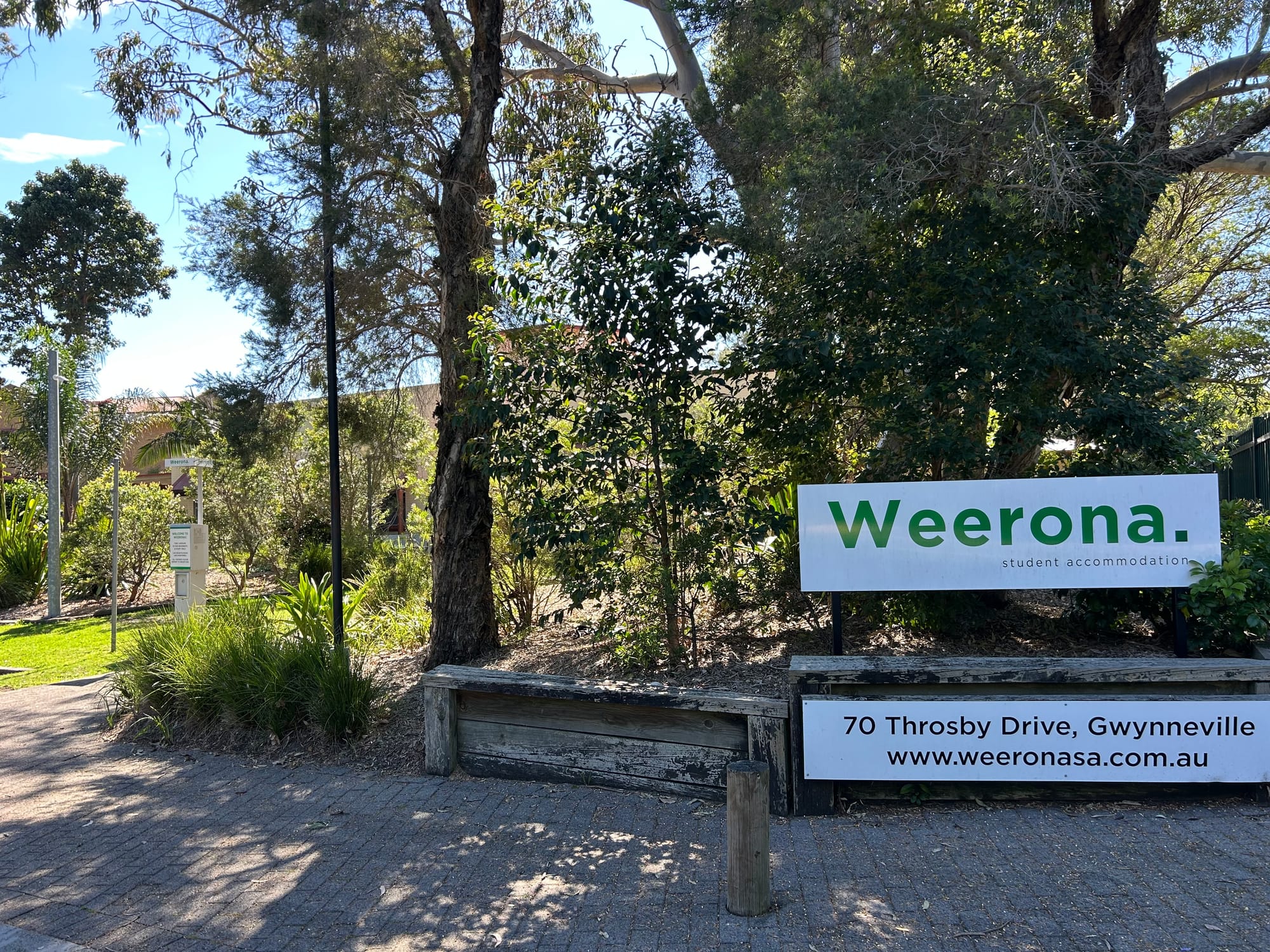
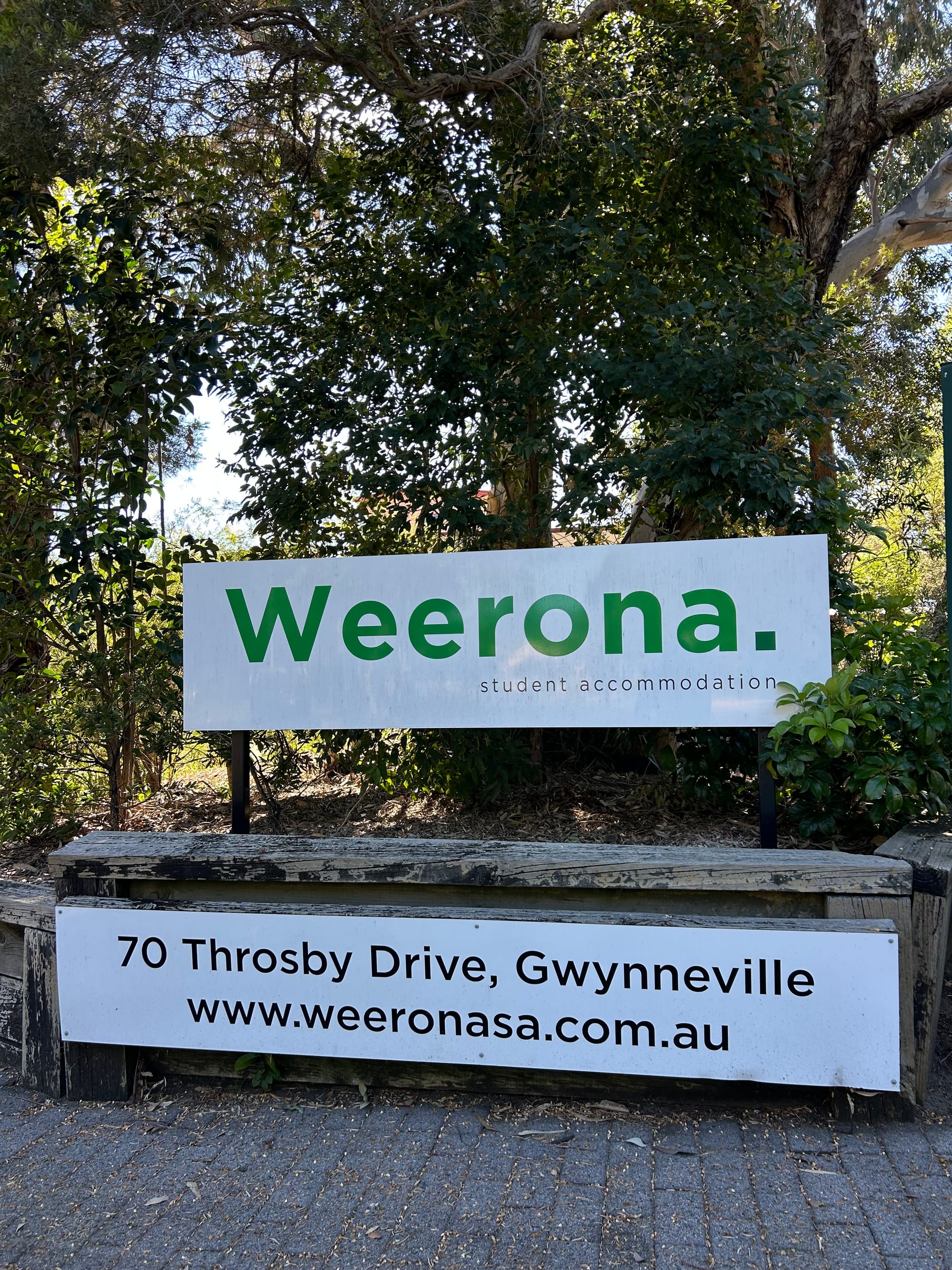
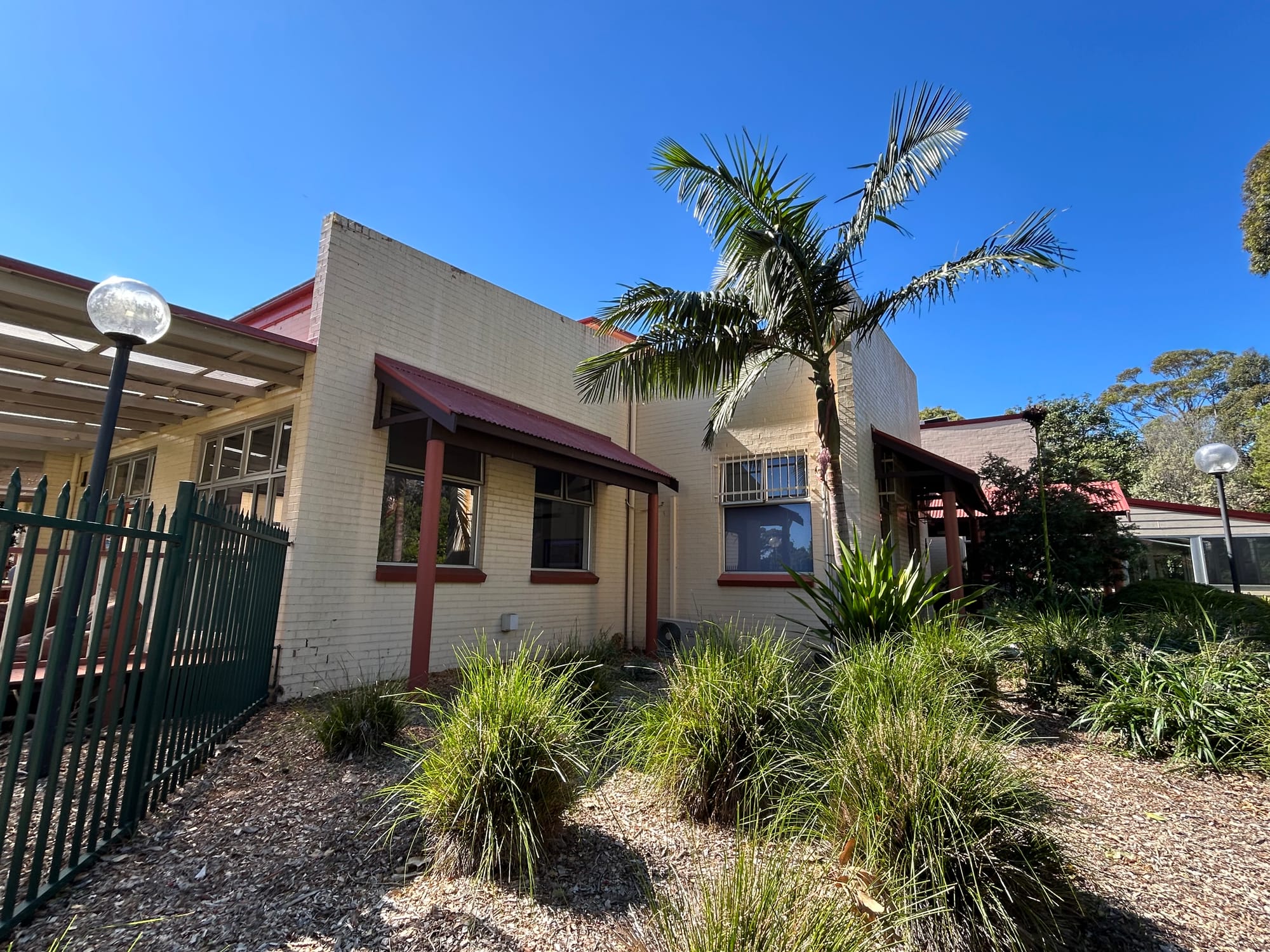
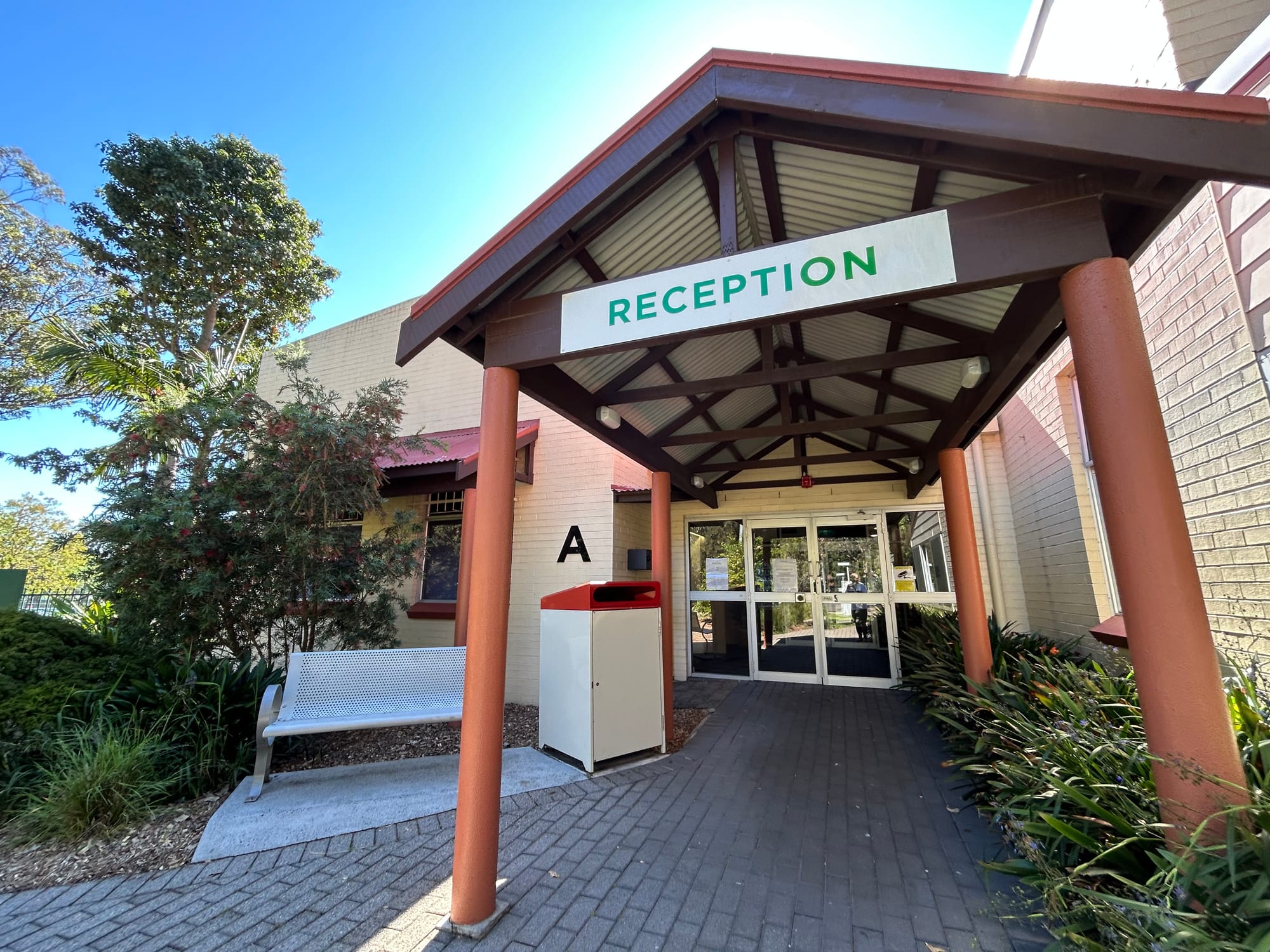
The site is in Gwynneville, adjacent to Beaton Park, and occupied by Weerona, providing student accommodation for the University of Wollongong.
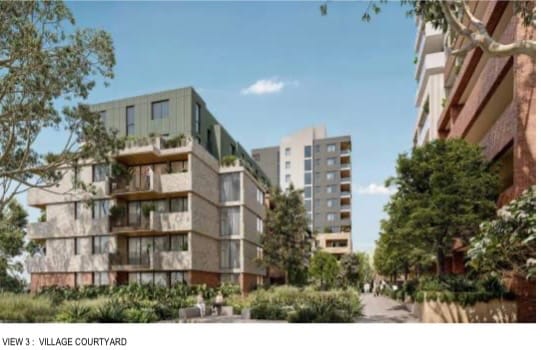
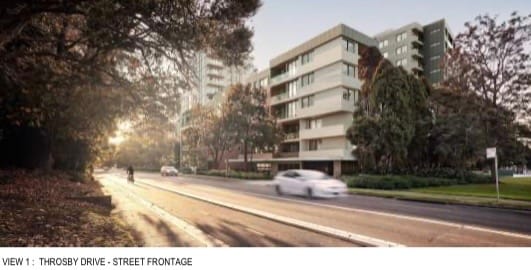
Local developer Realta Enterprises has lodged plans to replace Weerona with six buildings of up to 13 storeys, holding 230 apartments and 84 co-living rooms.
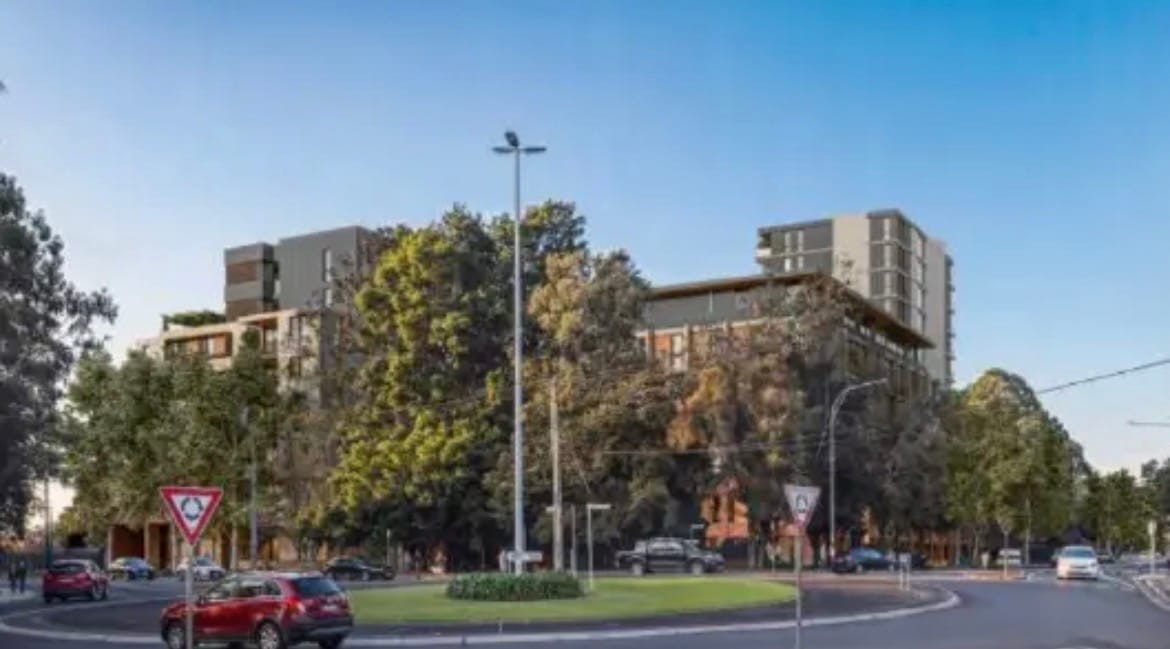
The site, on the busy corner of Throsby Drive and Foley Street, houses around 200 students under an existing three-storey height limit. If the plans are approved, the location would accommodate more than 300 homes.
When the public exhibition period closed last Friday, Neighbourhood Forum 5’s submission “strongly objected“ to the project in its current form.
“Basically, it appears to be an ambit claim for massive overdevelopment that majorly contravenes council’s planning policies, proposes five times the planning height limit and is in the wrong location on the approaches to low-density residential suburbs,” the NF5 submission says.
“This is another example of how the Housing Delivering Authority and State Significant Development is taking decisions about our city and community out of council’s and the community’s hands, and excessive and inappropriate development is imposed on regional areas by a planning minister and state government planning department with their view that this will solve the so-called 'housing crisis'.”
NF5 raised a number of concerns about the project’s plans, including the added pressure on existing local road and stormwater infrastructure, lack of parking, shading of nearby homes and obstruction of escarpment views for people living nearby.
The main objection is about the scale and density of the new housing blocks in what remains a traditionally low-rise Wollongong suburb.
“This is an outrageous variation to the permissable standards in a low-density neighbourhood and makes a mockery of our planning system,” the NF5 submission says.
“The proposal will absolutely and fundamentally alter the landscape and low-density residential character of Gwynneville and be detrimental to the city.”
Keiraville Residents Action Group (KRAG) said it was “deeply concerned about the cumulative impacts of large-scale development in the north-western precinct of Wollongong CBD”.
KRAG is worried that this project, combined with the Homes NSW development plans near the UOW, major high-rise proposals along the Flinders Street precinct, the former Bunnings site and Keira Place in Smith Street, “raises fundamental concerns about the ability of the existing road network and supporting infrastructure to accommodate the anticipated growth.”
“Planning decisions must consider the cumulative effects of all major developments between Keiraville-Gwynneville and the CBD, rather than relying on assessments of individual projects to capture the full extent of the future congestion and infrastructure demand,” the KRAG submission says.
“The community should not be expected to absorb the consequences of unchecked growth through traffic gridlock, inadequate infrastructure and a decline in local amenity.
“Responsible planning requires that infrastructure capacity and community needs be addressed before, not after, the impacts of development become entrenched.”
The NSW Department of Planning, Housing and Infrastructure is collating submissions, allowing Realta an opportunity to respond before the department assesses the application.