From bottle cap to plant pot – how Illawarra kids are closing the loop
Greg McBrien reports on a plastic recycling program run by a family-owned skip bin business in this partner content with Tiny Tins


When a preschooler in the Illawarra drops a milk bottle cap into a collection tub, there is a fair chance they will one day hold what it becomes. A pen, maybe. A small plant pot. A set of dominoes.
That full circle is the point of the plastic recycling program run by Tiny Tins, the family-owned skip bin business based in Unanderra and operated by Adrian and Karlie. What began as a small experiment has grown into a network of more than 90 collection points across local preschools, schools, businesses and community groups, all quietly gathering plastic bottle caps.
"We started our plastic recycling program as a way to take waste that would otherwise have very little value and turn it into something useful again," Karlie says.
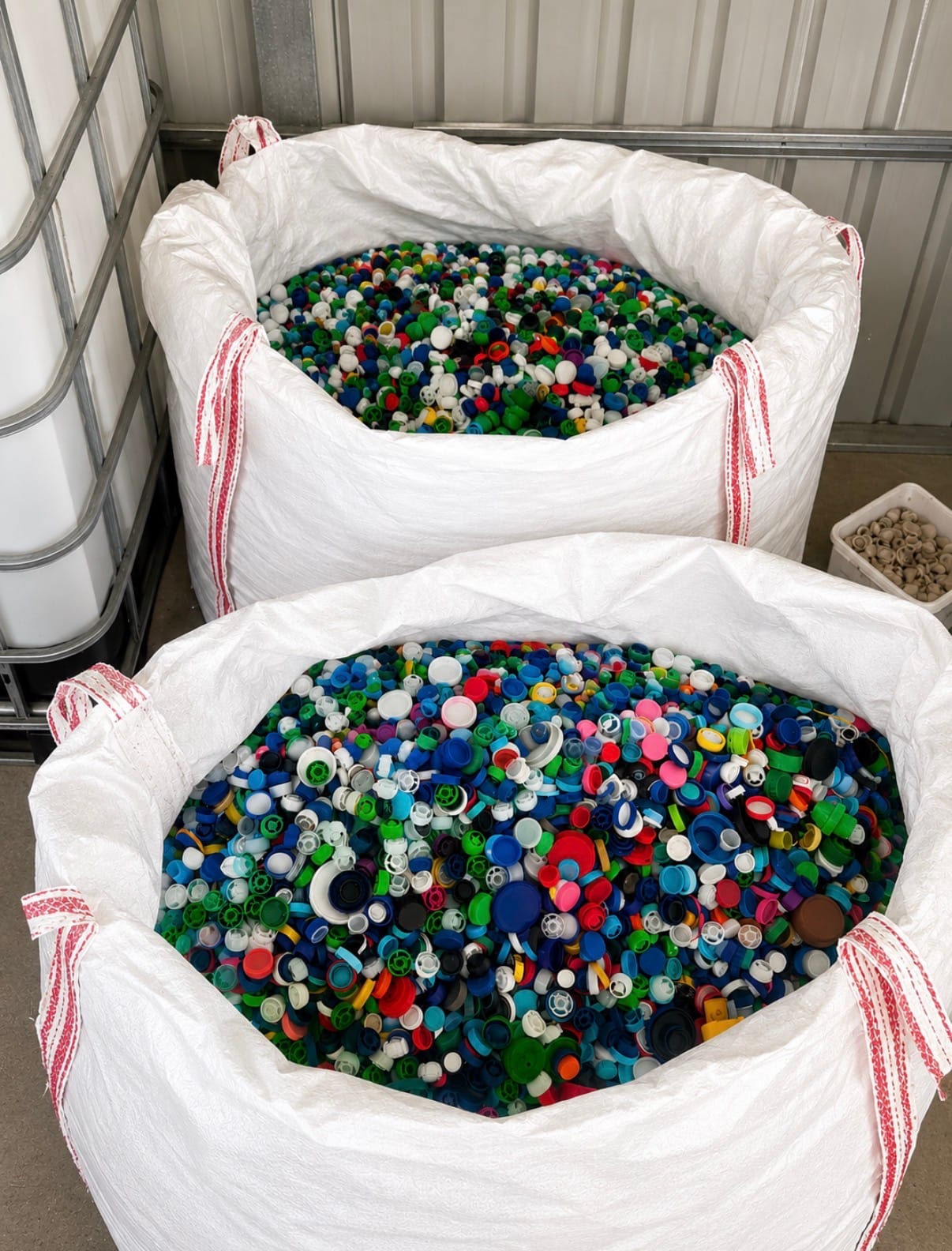
Bottle caps are a good example of the problem. They are small, they are made from a different plastic to the bottles they come off, and they routinely slip through kerbside recycling systems. Tiny Tins collects them, sorts them by colour, granulates them and then runs the granules through an extruder to form entirely new products, all on site in the Illawarra.
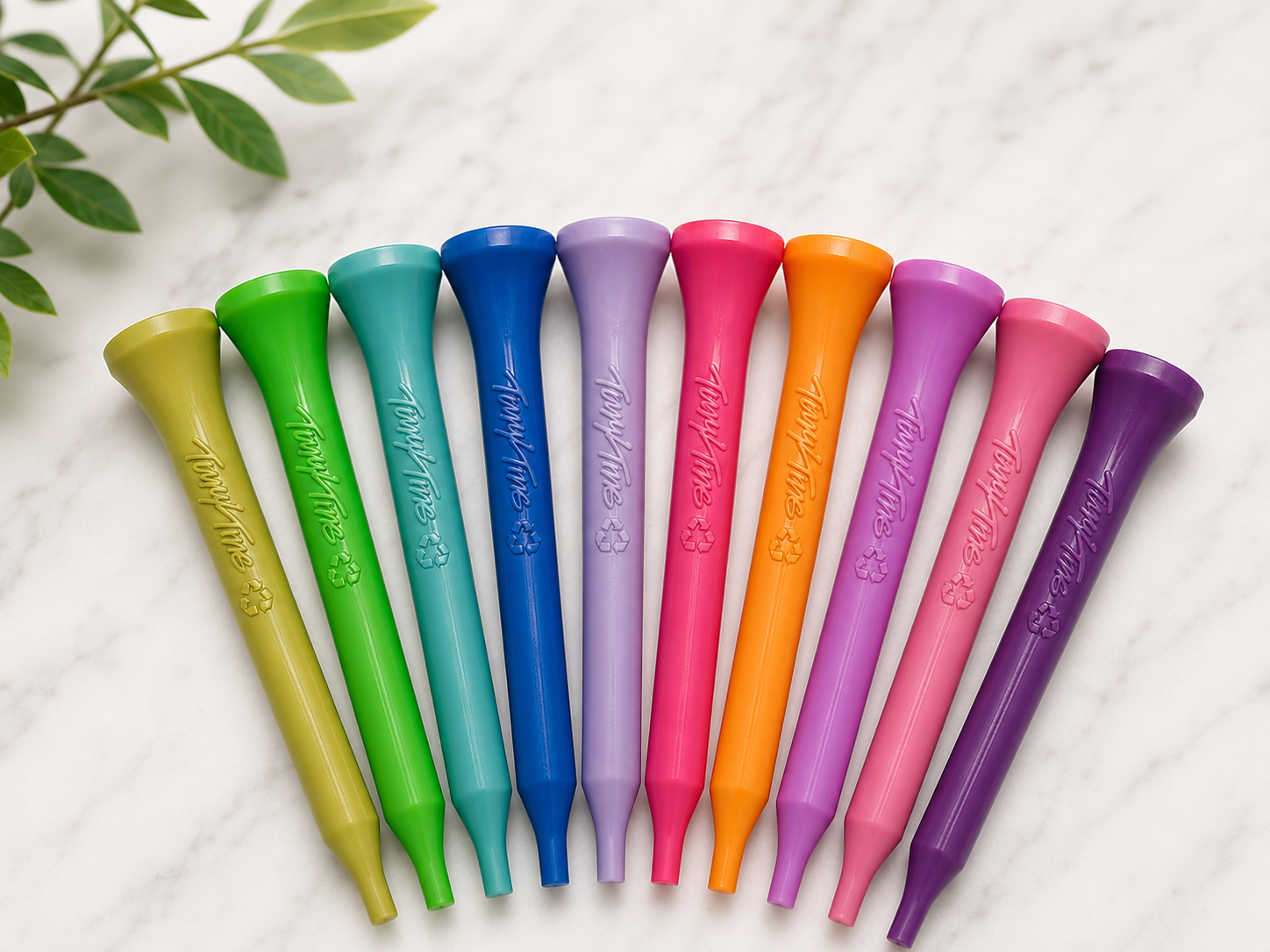
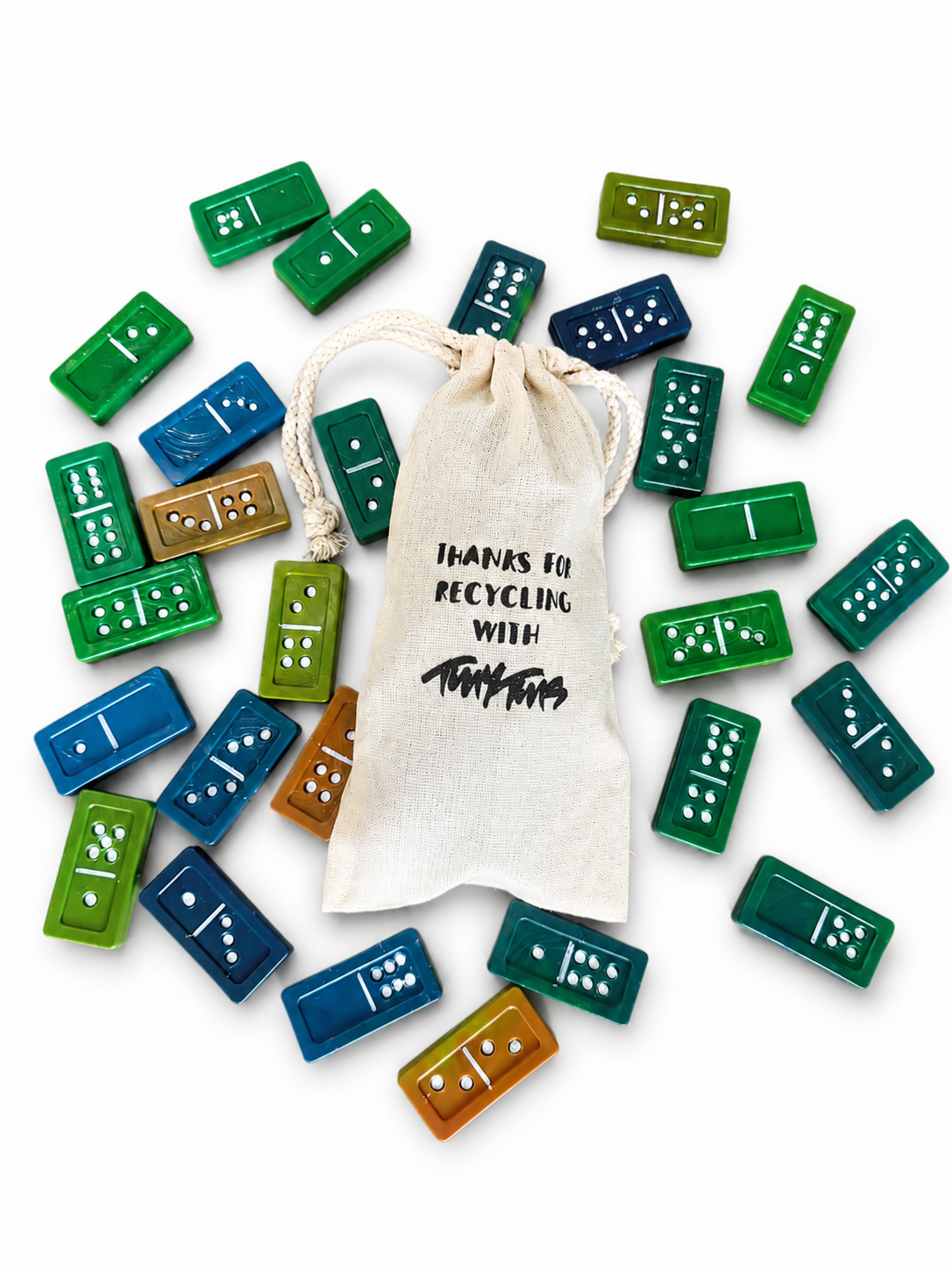
The product list is deliberately practical, pens, plant pots, domino sets and golf tees, with new moulds being trialled all the time. The maths behind them is what tends to land with children. Around six bottle caps will make one pen. Roughly ten will make one of the small plant pots. It is a simple way for a four year old to picture what a tub of caps in the corner of their classroom actually adds up to.
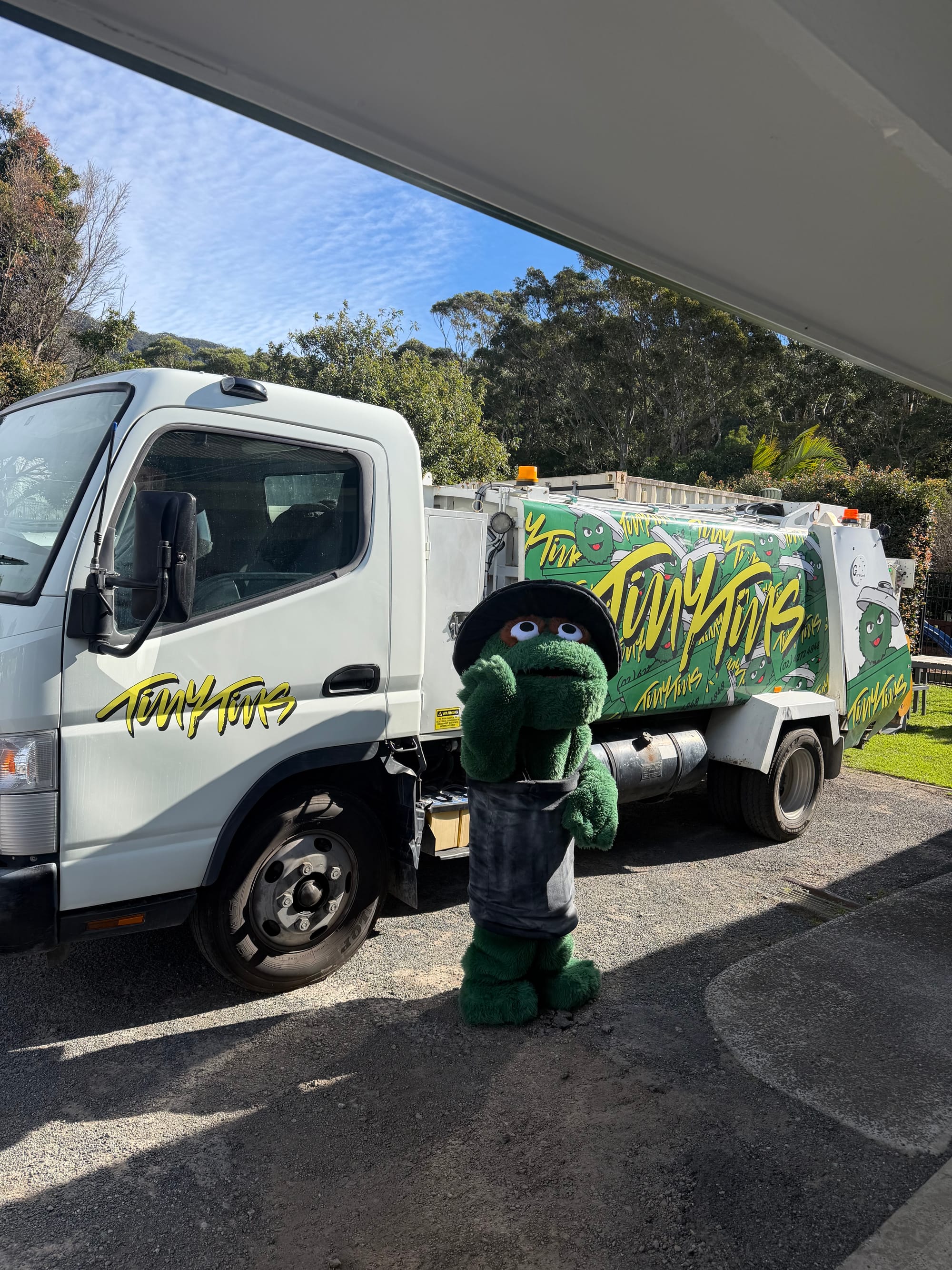
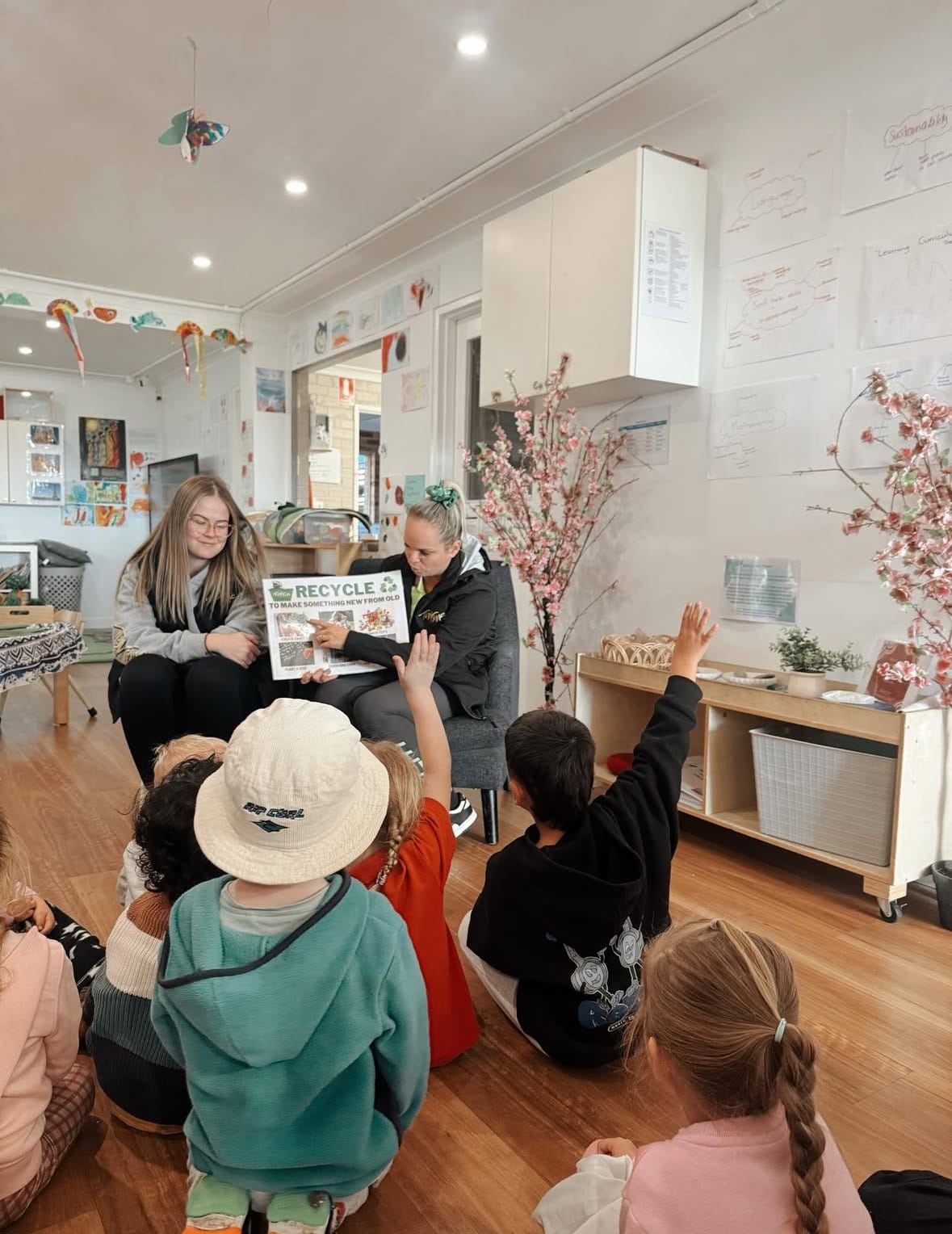
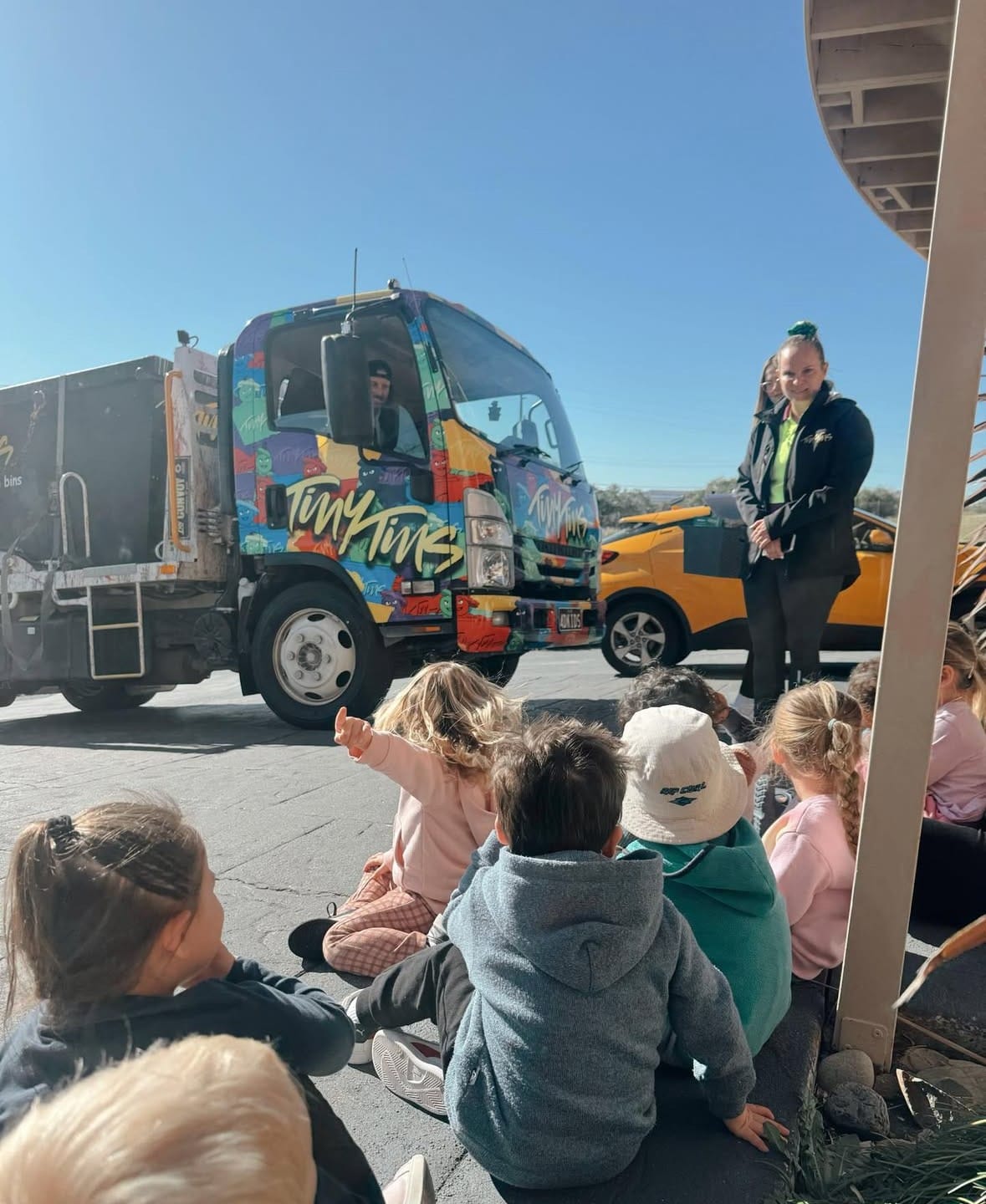
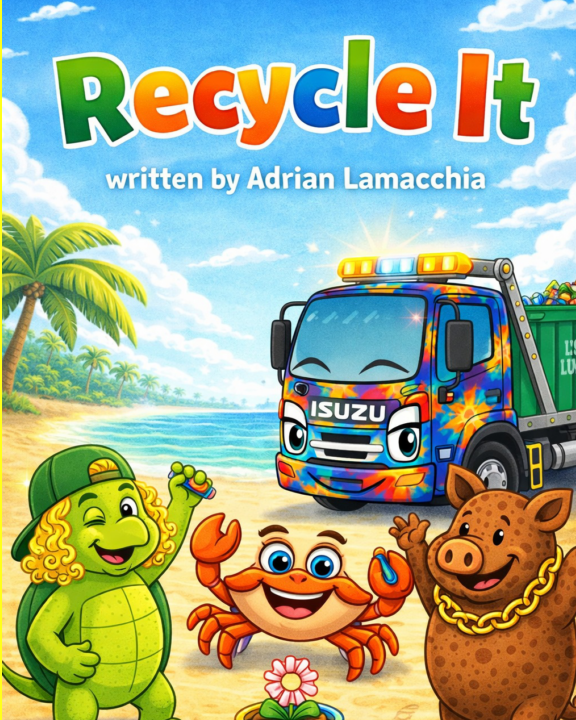
Education is the other half of the program, and arguably the bigger half. Adrian and Karlie visit preschools and primary schools across the region free of charge to talk to children about waste, recycling and the circular economy. The sessions are built to be hands on rather than theoretical. Where the site allows, a Tiny Tins truck comes along. There are hi vis vests and helmets to try on, waste sorting activities to work through, a reading of the company's children's book, and a conversation about where rubbish actually goes once it leaves the kerb.
"One of the most important messages we try to teach is that rubbish doesn't always have to be rubbish," Adrian says.
"Something as simple as a bottle cap can become a completely new product instead of being thrown away."
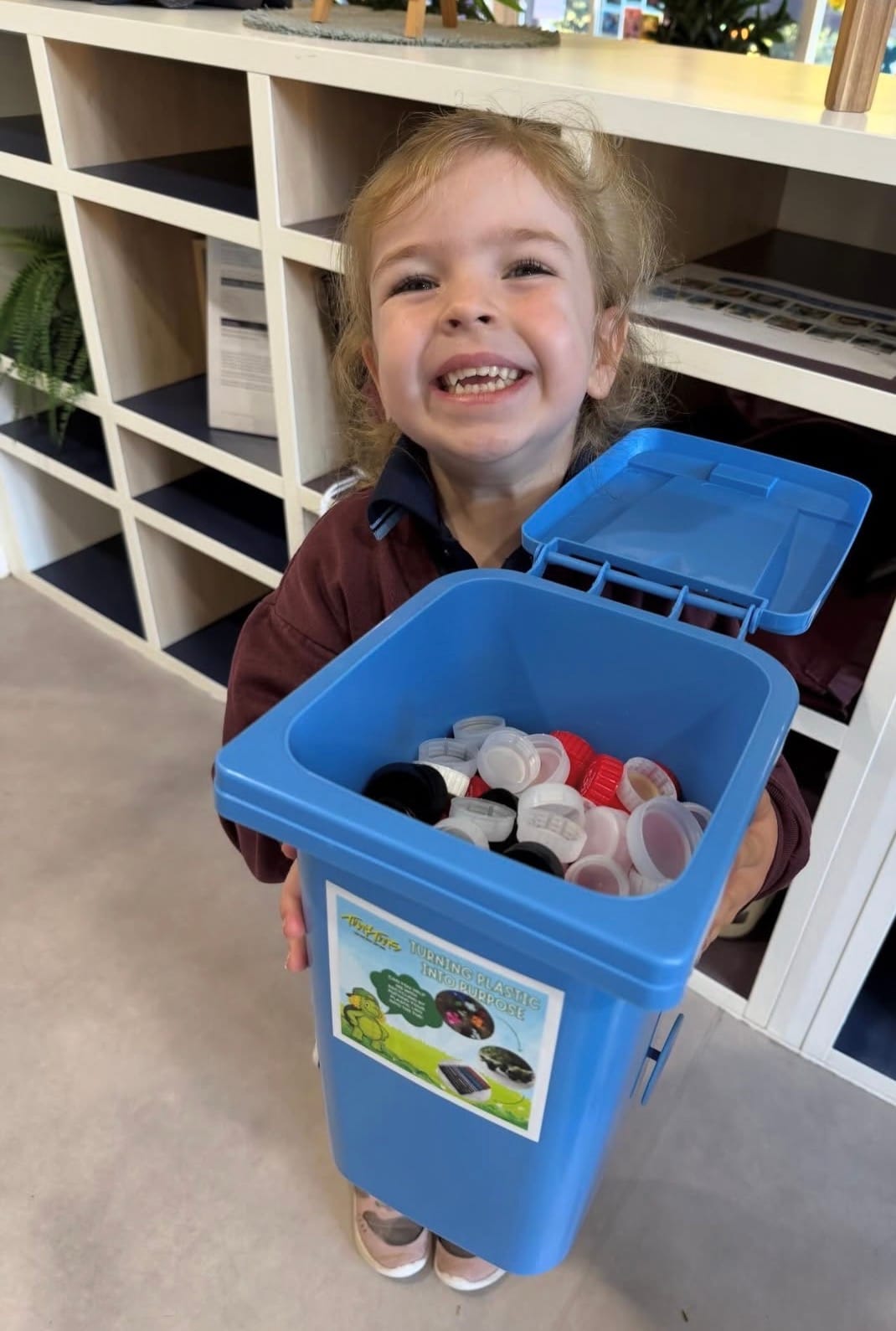
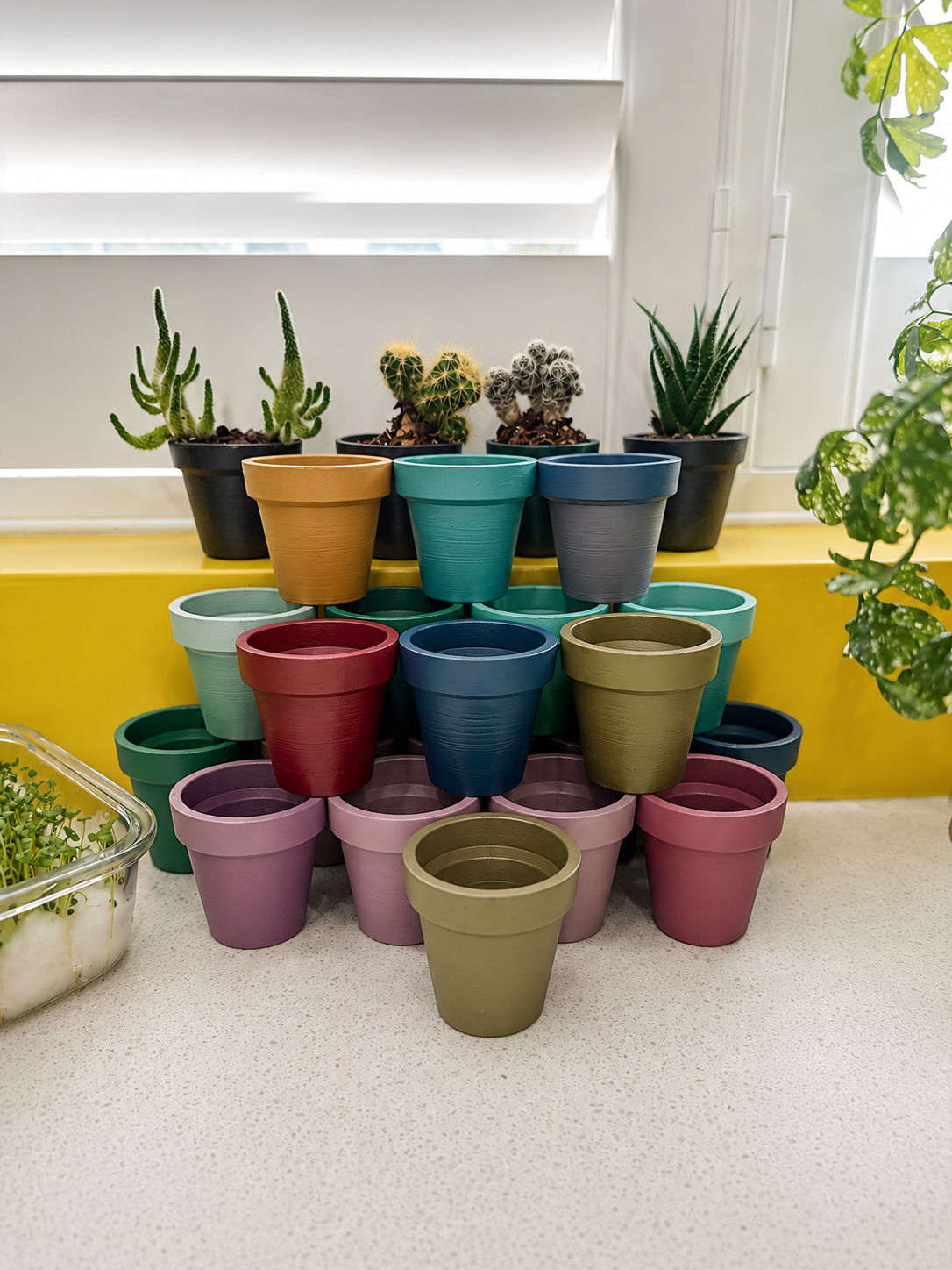
The part the pair say children respond to most strongly is seeing the loop close. The kids collect the caps. The caps are processed locally. And then the same children get to see and hold the products their collecting helped create, which is a very different experience from being told that recycling is a good idea.
Word has travelled. School and preschool visits for 2026 are now fully booked, and a waitlist has opened for 2027. For a program run by a small local operator around the day to day demands of a working waste business, that level of demand says something about how much appetite there is in Illawarra classrooms for this kind of teaching.
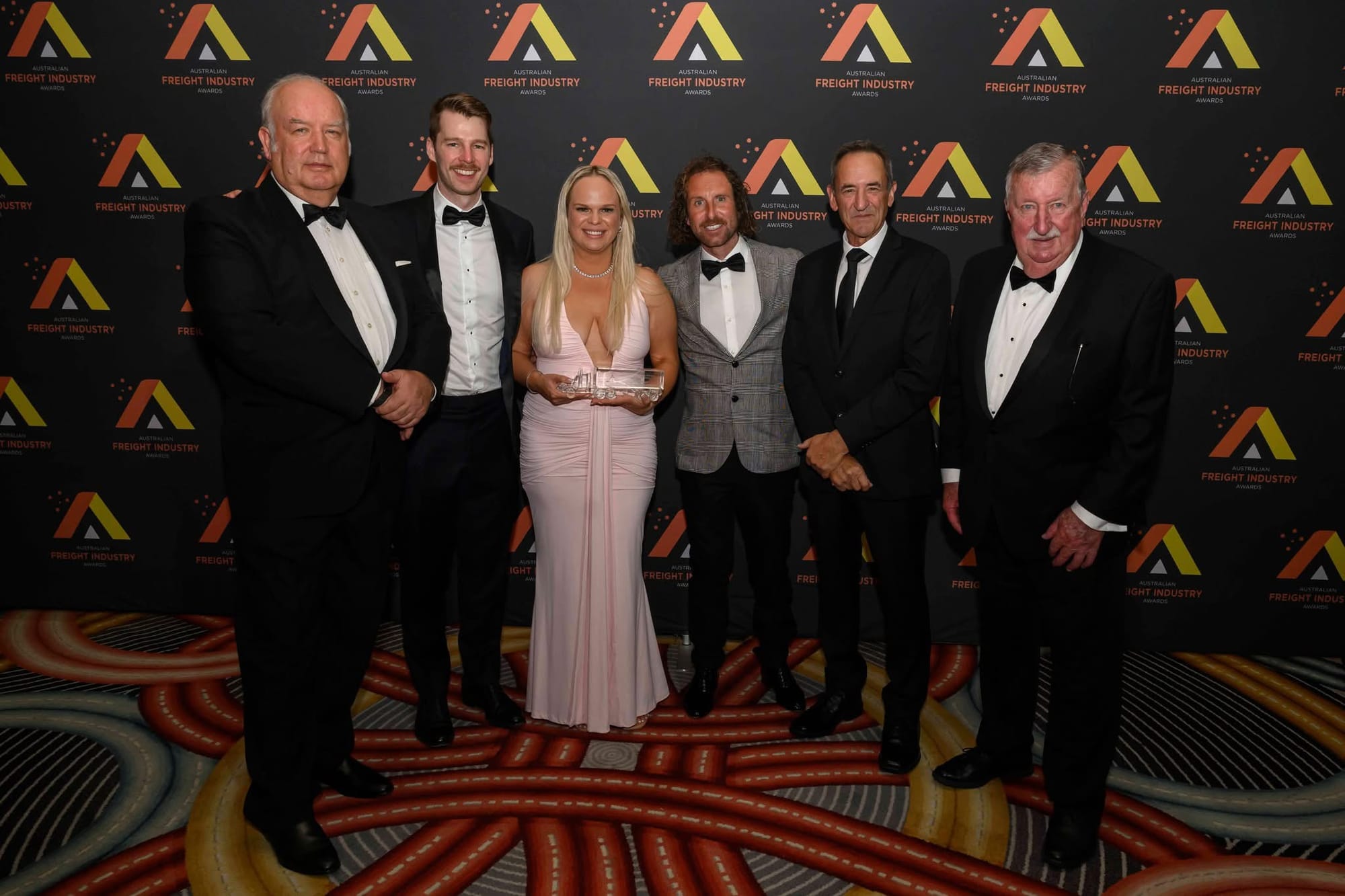
Recognition has followed too. In 2026, Tiny Tins was named Waste and Recycling Business of the Year at the Australian Freight Industry Awards, a national award that sits alongside a 2025 Local Business Award, a 2025 Business Women's Award and a 2025 Excellence in Small Business Award.
"It was a huge achievement for us as a small family owned Illawarra business," Karlie says, "and recognition of how much Tiny Tins has evolved beyond simply collecting waste."
That evolution has happened on top of the core business rather than instead of it. Tiny Tins has been operating for more than 25 years and still spends its days on the unglamorous work of skip bin hire across Wollongong and the Illawarra, from Coledale in the north through to Gerringong in the south, serving households mid renovation, builders on site and businesses clearing out. The recycling program is what happens with the material that would otherwise have nowhere useful to go.
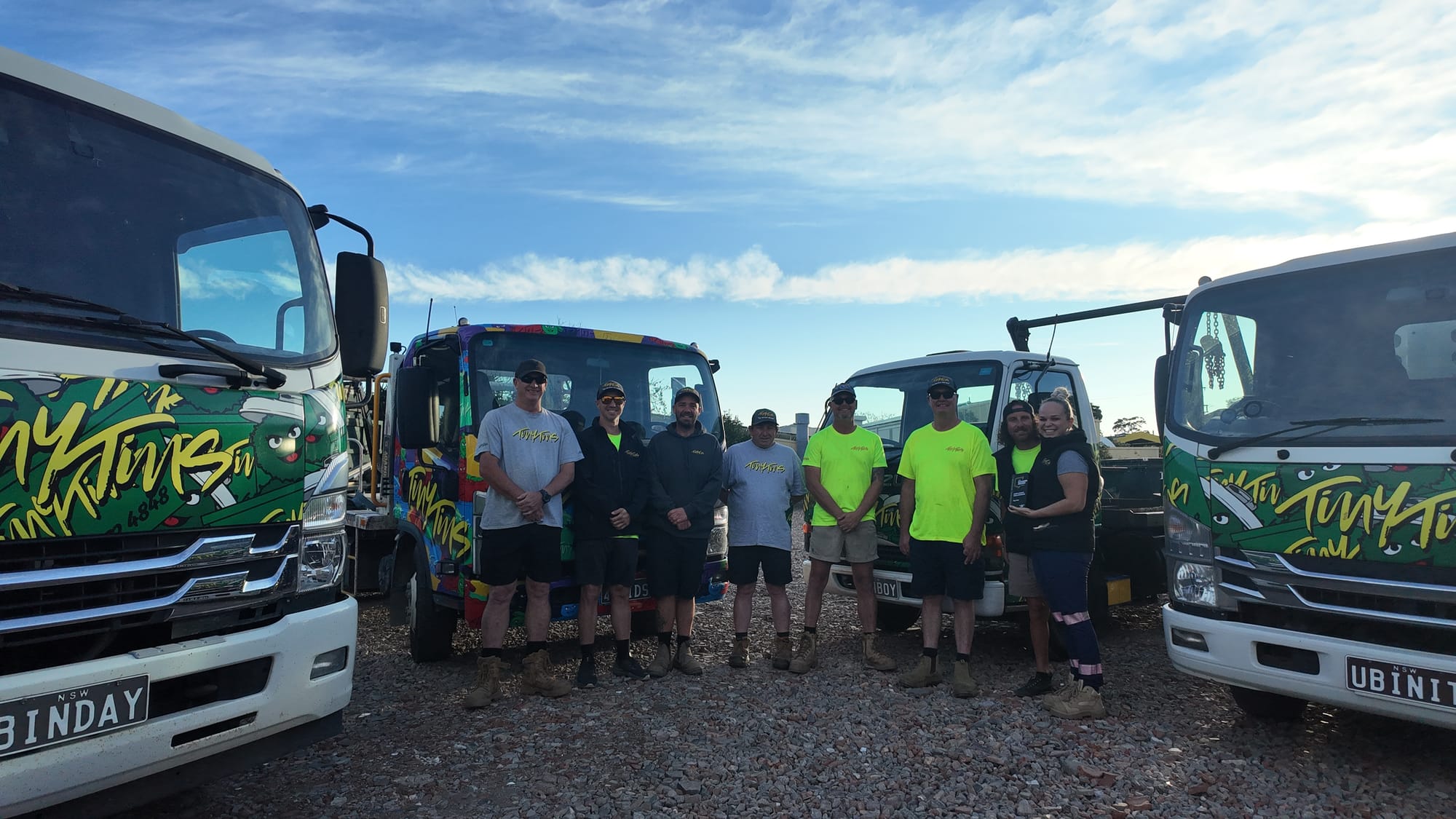
Next comes scale. The team is experimenting with larger recycled plastic products and additional moulds, looking for more ways to give collected plastic a second life rather than a one way trip to landfill.
"For us, sustainability isn't a separate part of Tiny Tins," Karlie says. "It has become part of what we do every day. We want to keep finding practical ways to recover resources while also getting the next generation excited about recycling."
For local preschools, schools, businesses and community groups, joining in is straightforward. Collection points are free to set up, the caps get picked up locally, and the children get to watch their own rubbish turn into something they can hold. Groups interested in becoming a collection point, or in joining the 2027 education visit waitlist, can get in touch with Adrian and Karlie at Tiny Tins on 0426 241 951.
It is a small idea, repeated often enough to matter. A cap that was heading for landfill becomes a pen on a kitchen bench, and a room full of Illawarra four year olds learns that waste is mostly a question of what you decide to do with it.
Illawarra Flame partner content with Tiny Tins, a proud supporter of local independent news.