

Global success of parkrun becomes Illawarra hit
There's a simple magic to parkrun - and it's working wonders for hundreds of people thriving at grassroots level
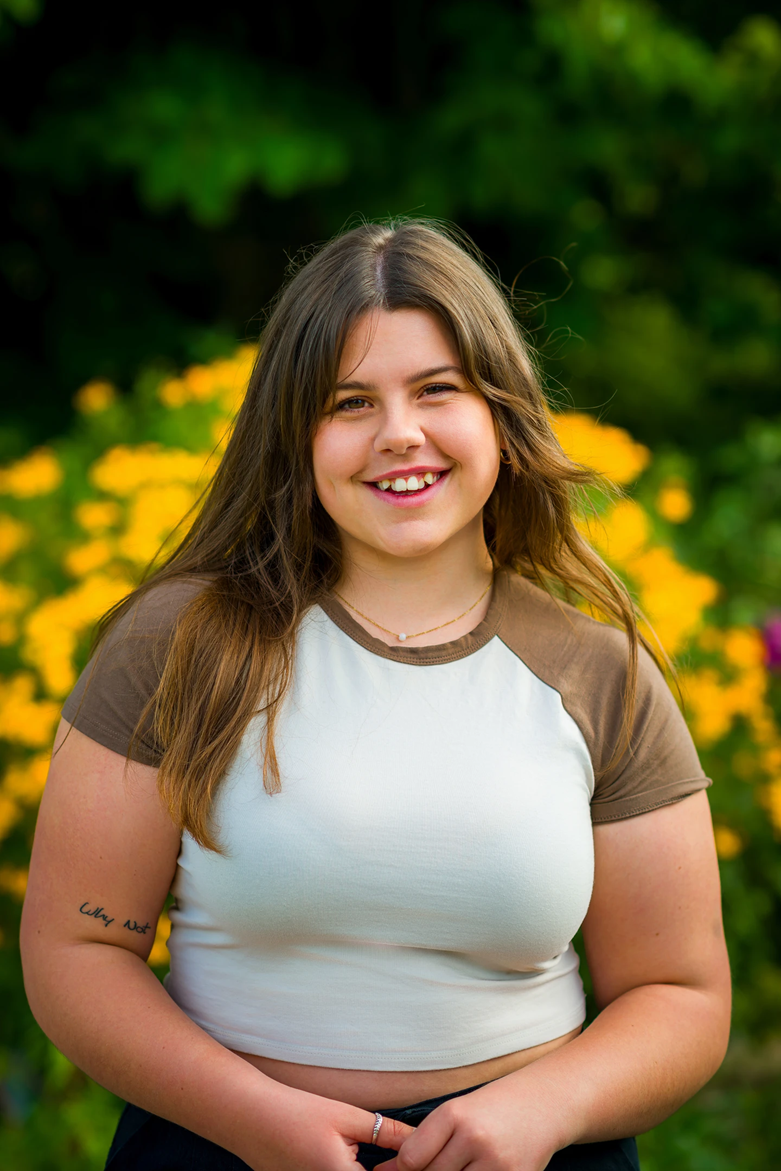
Brendan Scollary joined his first parkrun when the free, volunteer-run health program was new to Australia more than 12 years ago. Today, there are more than 530 parkruns in the country, but at the time, there were less than 80, and Brendan couldn’t see the benefit of driving more than 40 kilometres to the nearest parkrun in Sandon Point.
“I had given up competitive running by then, and I couldn’t see sense in driving that distance to take part in a 5km community run,” he says.
“But a good friend of mine persisted and finally convinced me to give parkrun a go. I was sceptical, but parkrun was unlike any running event I’d ever been to.”
Brendan, a Shell Cove resident, was immediately taken by the simple magic of parkrun: the quality of local volunteers who organised the event, and the freedom to run or walk with prams and pets without pressure to perform.
“There were no paper entry forms to fill out. There was no cost – it was entirely free. You only had to register online, once – where you were given your own unique parkrun ID number for life,” he says.
“Everyone was smiling. Everyone was happy. People were high-fiving one another! Most people then gathered at the local cafe for coffee and refreshments and a post-event chat.
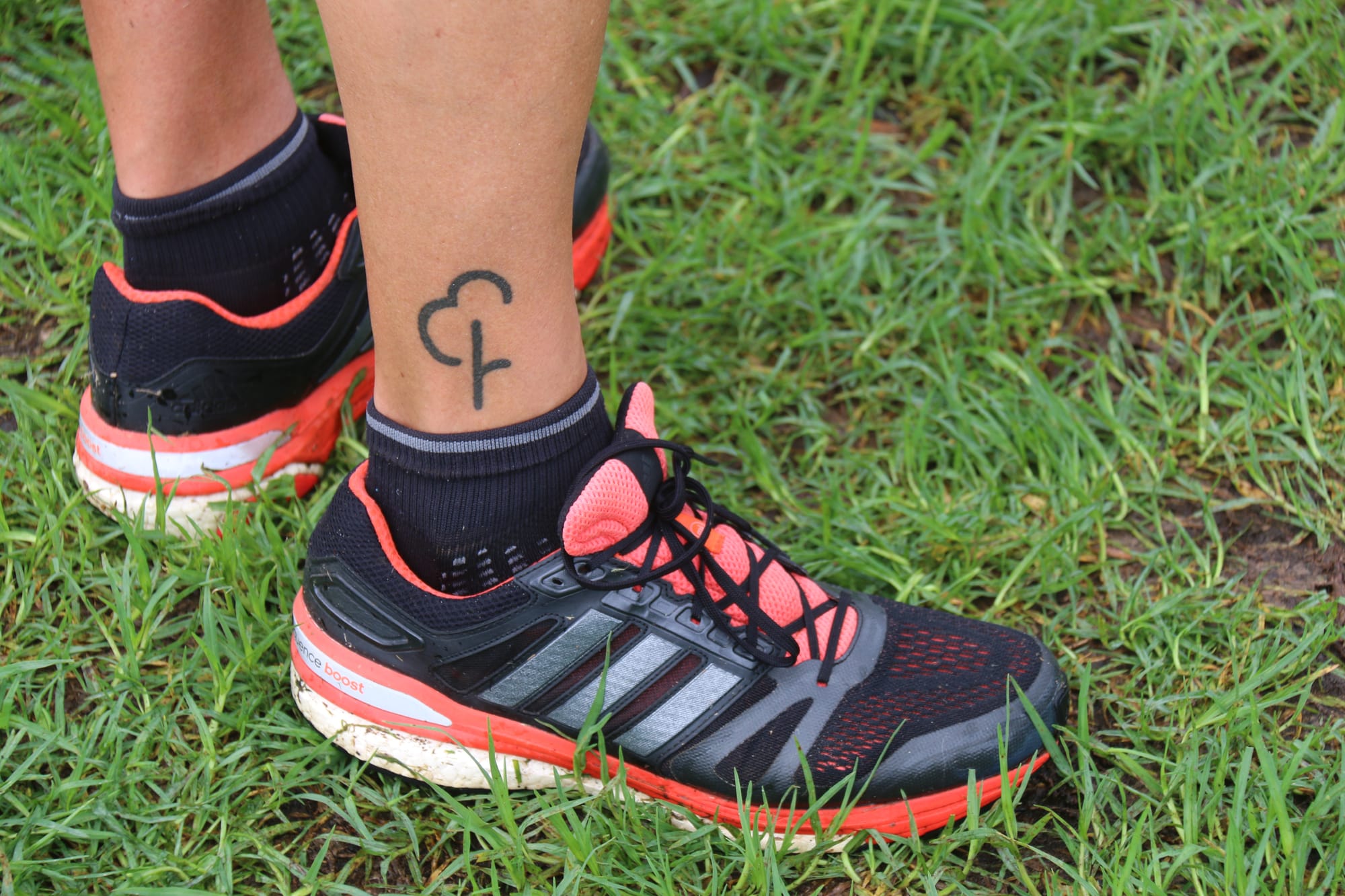
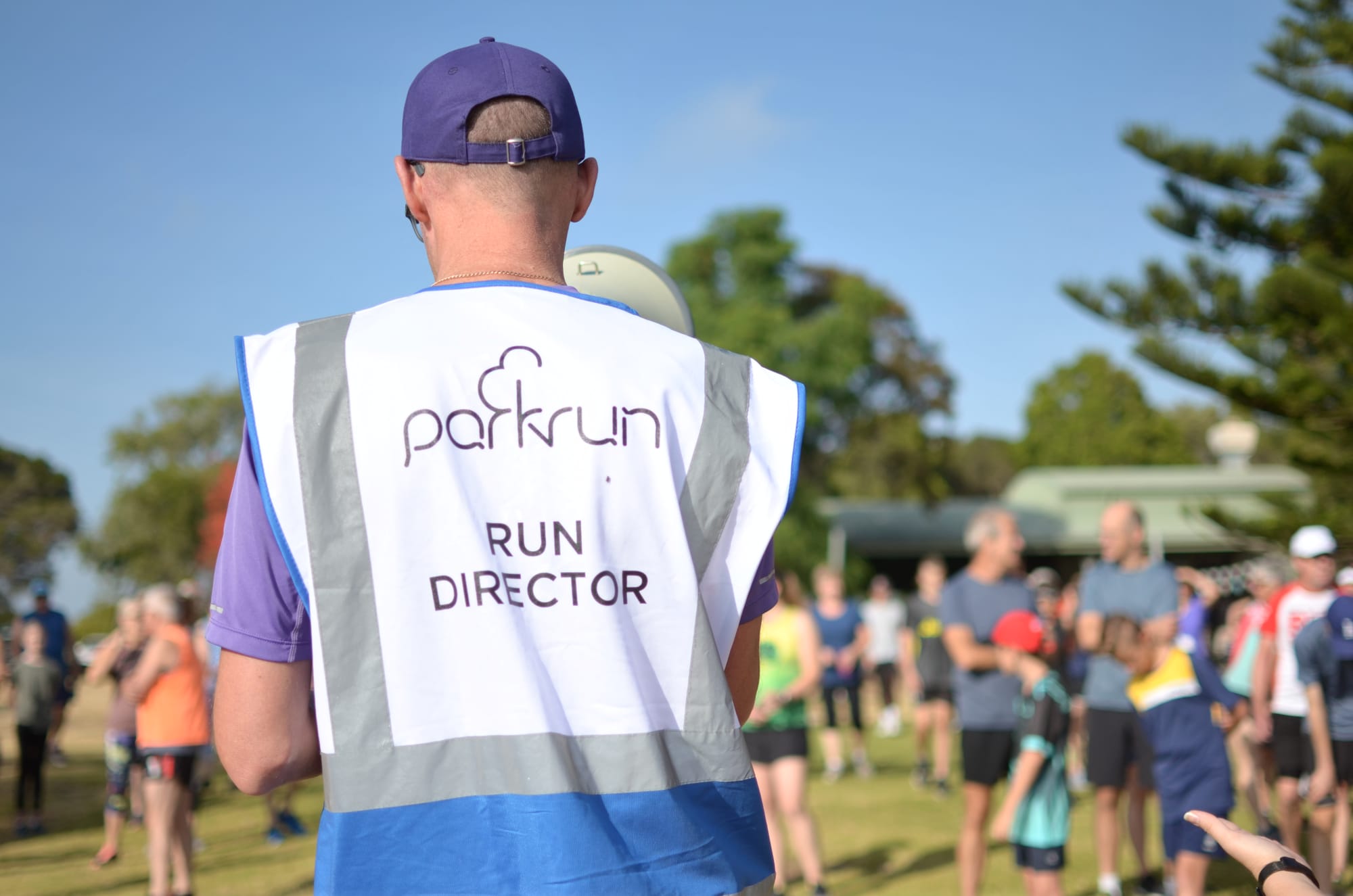
People love parkrun and it shows, with the Shellharbour event now welcoming over 400 people each Saturday. Photos: supplied.
“Later that day I received an email with my result, right down to where I finished in my age group and gender. It was encouraging. It congratulated me. It was simple in its messaging, and it was an unexpected and welcome addition to my day. I was hooked.”
Brendan helped set up Shellharbour parkrun closer to home in 2014, at the beautiful and pristine Killalea Regional Park. It grew from just 53 participants to over 400 parkrunners coming to more than 500 events, with Brendan as event director for many years.
He sacrificed his runs to become a regular volunteer alongside his daughter, Em, who was born with Williams Syndrome, a rare genetic disorder involving intellectual disability and developmental delay.
“It became a welcome part of her growth into adulthood. Coming to parkrun each week gave Em the opportunity to socialise in a safe, caring environment with people who grew to know her and enjoy seeing her each week,” Brendan says.
Em has become a parkrun celebrity, volunteering at more than 300 events and taking part in parkrun in Victoria, NSW, South Australia and Queensland.
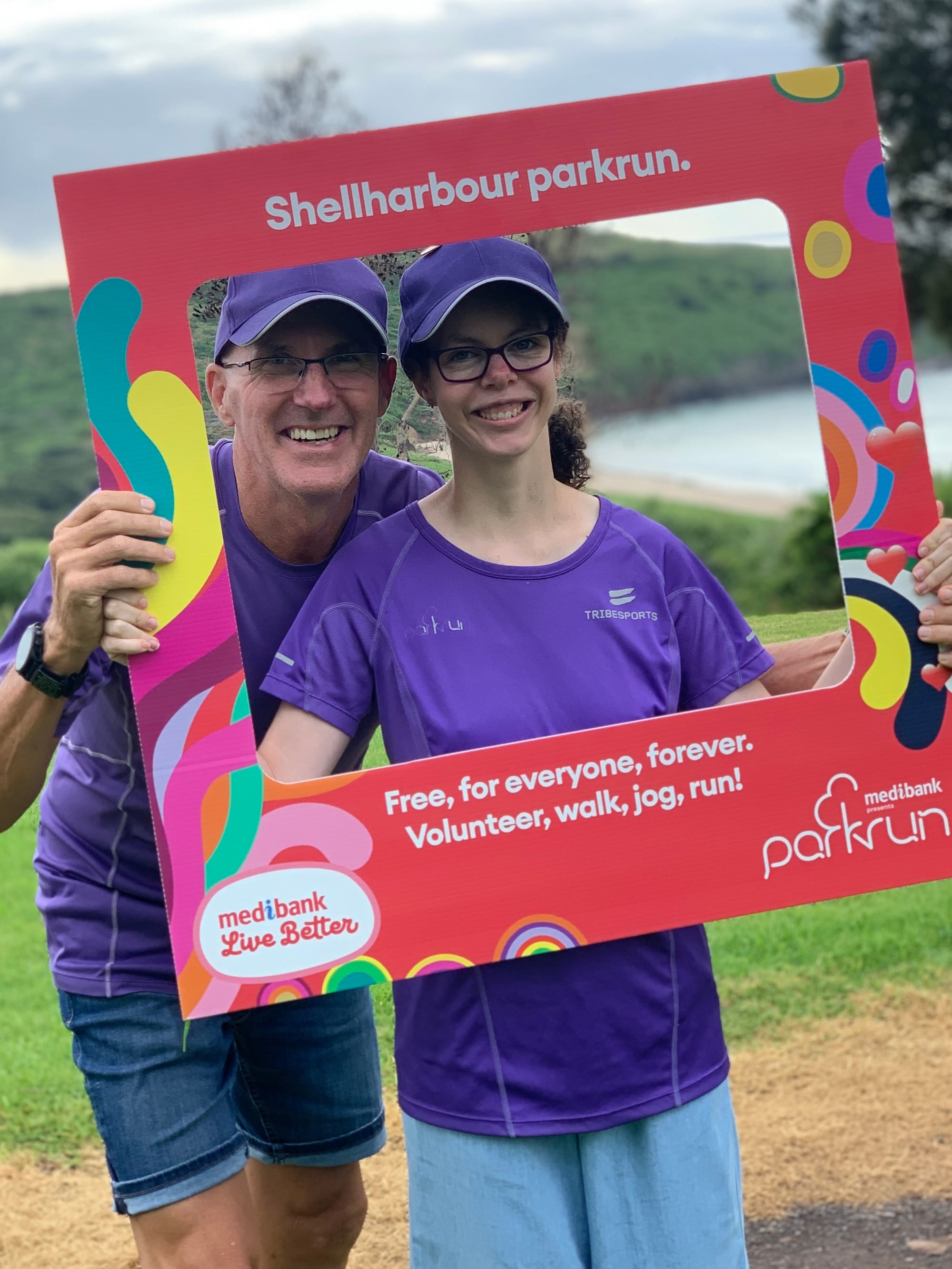
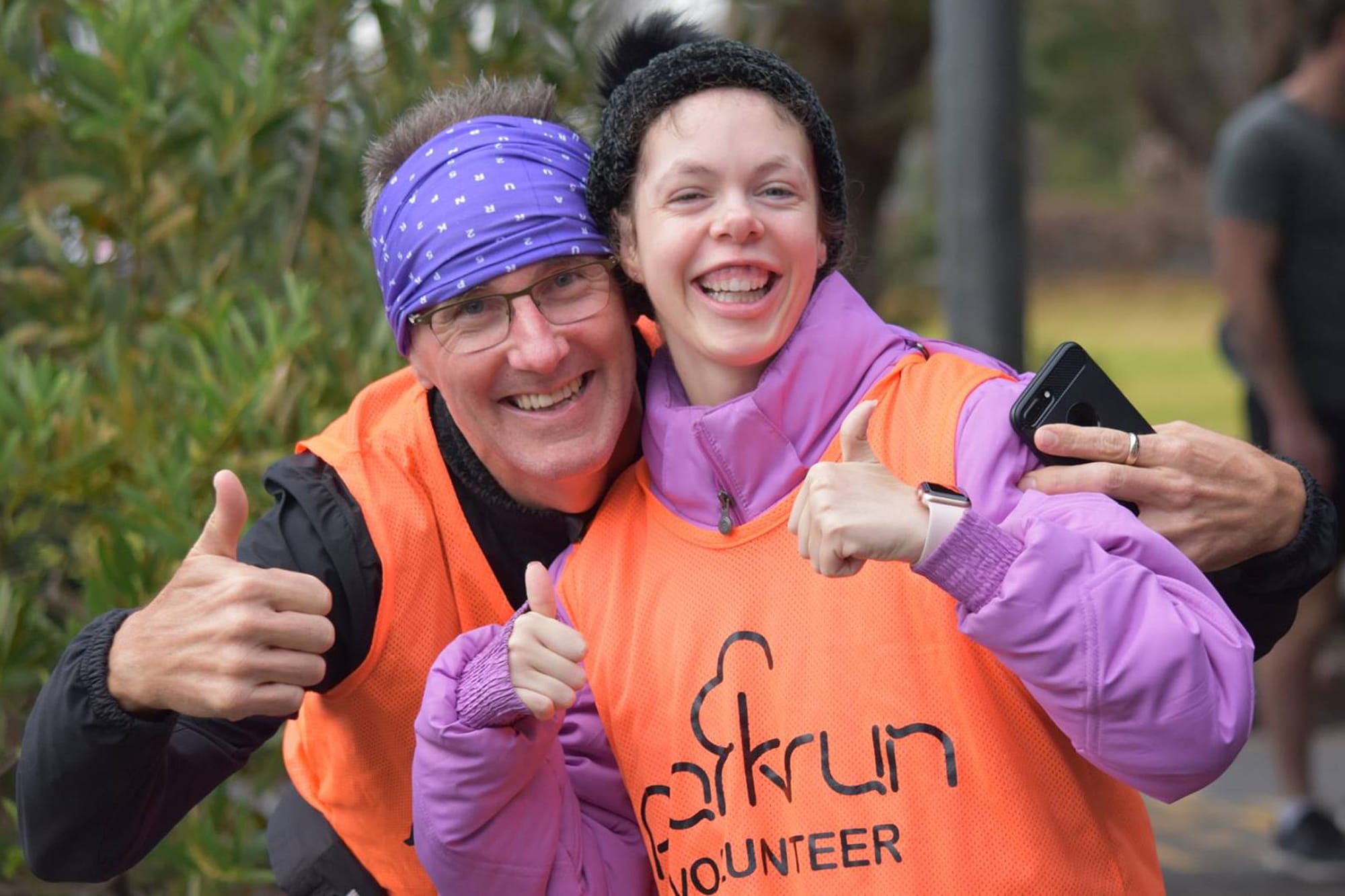
Brendan and Em. Photos supplied
Brendan’s three sisters and father live interstate and share his passion for parkrun. His father is in his mid-80s and has “found a new lease on life” through parkrun, completing more than 150 events and volunteering more than 100 times.
“Instead of becoming reclusive and dormant, being able to get outside, complete a walk with like-minded people, engaging in meaningful conversation, having something to look forward to each week, instead of staying home, alone,” Brendan says.
“It’s not only for your physical health, but for your mental health as well. And parkrun delivers both, in spades. I have witnessed this first-hand so many times.”
The problem and solution
Despite our strong sporting culture, more than half of Australians do not meet weekly guidelines for physical activity.
UOW researcher Professor Anthony Okely, who led the development of the Australian 24-hour Movement Guidelines, notes that sedentary lifestyles are increasing with the rise of screen-based work and leisure, contributing to high rates of chronic disease and loneliness.
Glen Turner is a parkrun official who moved from Shellharbour to the UK, where he was hooked by the movement about 15 years ago. He sees parkrun as a vital community health intervention that’s changed his life and countless others.
"One day in 2010, I went along with no expectations, and I met more people that morning than I'd met in the six years I had been living in London... I was hooked straight away,'' Glen said.
''I think about the size of my world when I started parkrun compared to now, and it's very different... I've got lots and lots of friends and colleagues all around the world."
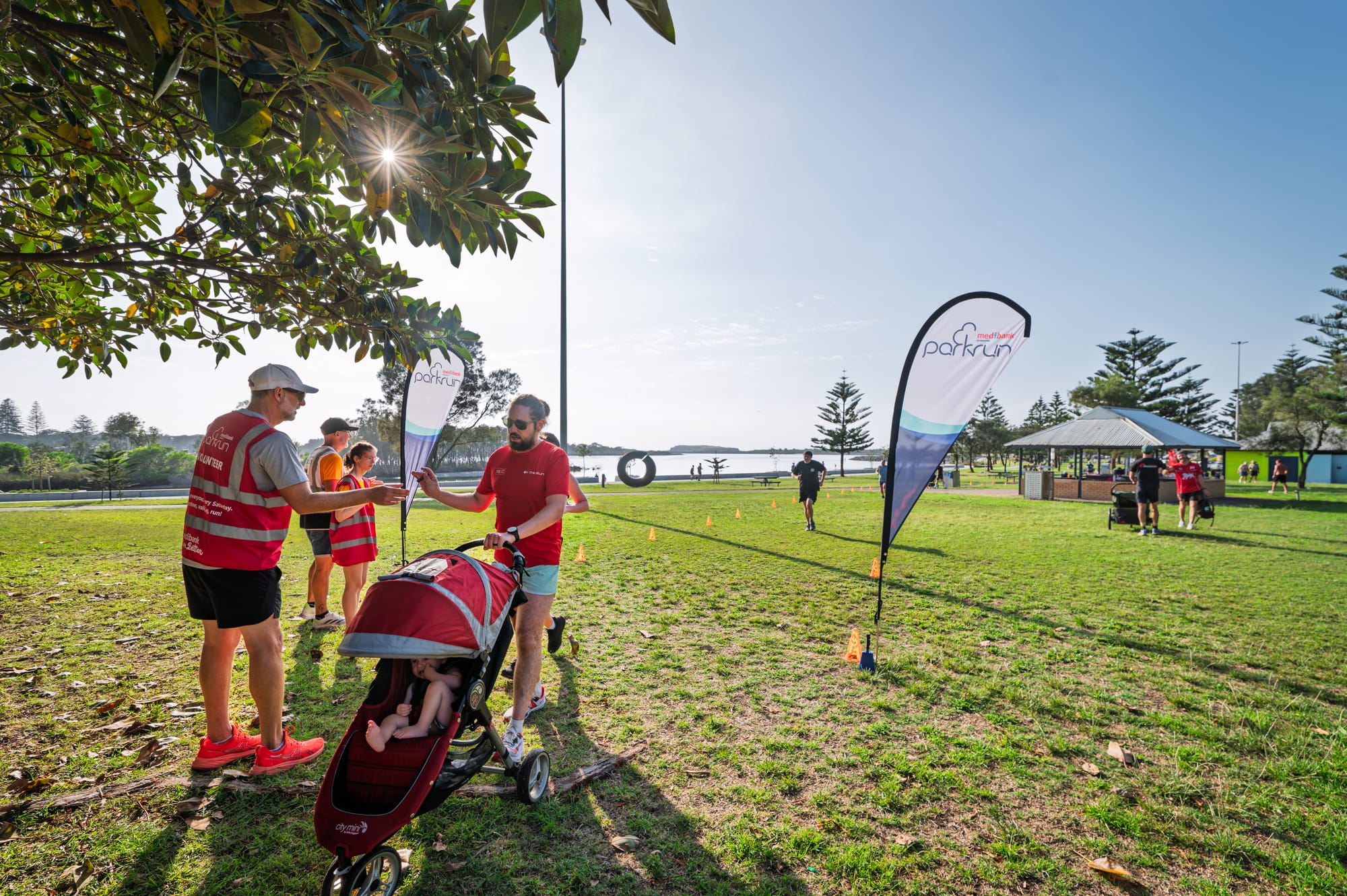
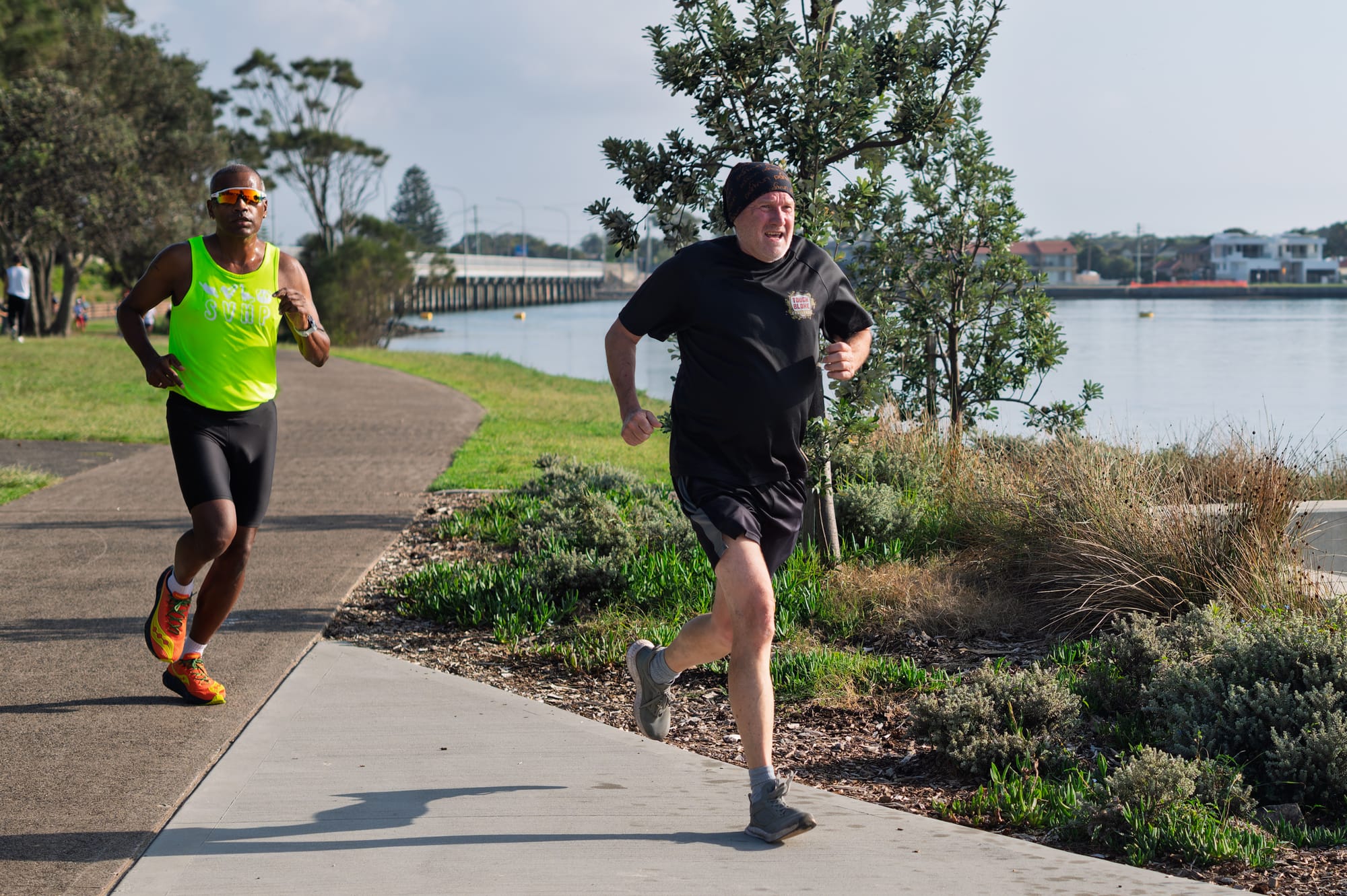
Reddall Reserve parkrun. Photos: Tyneesha Williams
The social benefits are often more enticing than the physical ones: “The number one motivator for people returning is to be with other people. It’s very much about getting the community together... allowing them to be out in the fresh air together, to be social and active,” Glen says.
The medical community is taking note. A 2019 survey found that nearly 70% of GPs in Australia regularly prescribe parkrun to their patients. Specifically, 91% recommended it to improve fitness, 78% for mental wellbeing and 56% to help patients make friends.
"We know the social aspect is incredibly important. Running groups and walking groups are really great at reducing isolation and giving people a sense of belonging, at building communities,” Glen says.
"Often we'll see three or four generations at parkrun, taking part side by side. Whether they're walking or they're running or they're volunteering or they're sitting around having a chat."
Breaking down barriers
Parkrun is aimed at minimising common barriers to physical activity, including cost, accessibility and pressure to perform.
"The fact that our events are free is really important, especially with the cost of living crisis. Most of our events allow dogs, we see lots of parents pushing prams… we’re always aiming to attract more people who aren't active, who aren't volunteering, who are isolated in their communities,” Glen says.
A 2022 survey looked at potential barriers to continued participation in parkrun events, observing that 43% of people who register for parkrun in UK, Australia and Ireland do not attend, or attend once only. The research revealed four main reasons for non-attendance: inconvenient start times, injury/illness, childcare obligations and feeling too unfit. In light of this feedback, parkrun has continued to make events as accessible and welcoming as possible.
“Every parkrun, wherever you go around the world, the concept is exactly the same. It’s very much about getting the community together once a week, and allowing them to be out in the fresh air together, to be social and active,” Glen says.
“Unlike a gym, there's no membership. You come along whenever you want, and you take part however you want. If you wake up in the morning and you want to come, that's great. If you want to sleep in, then you can – there's no expectation that you're there every week. I would just encourage people to grab a friend or a family member and come along.”
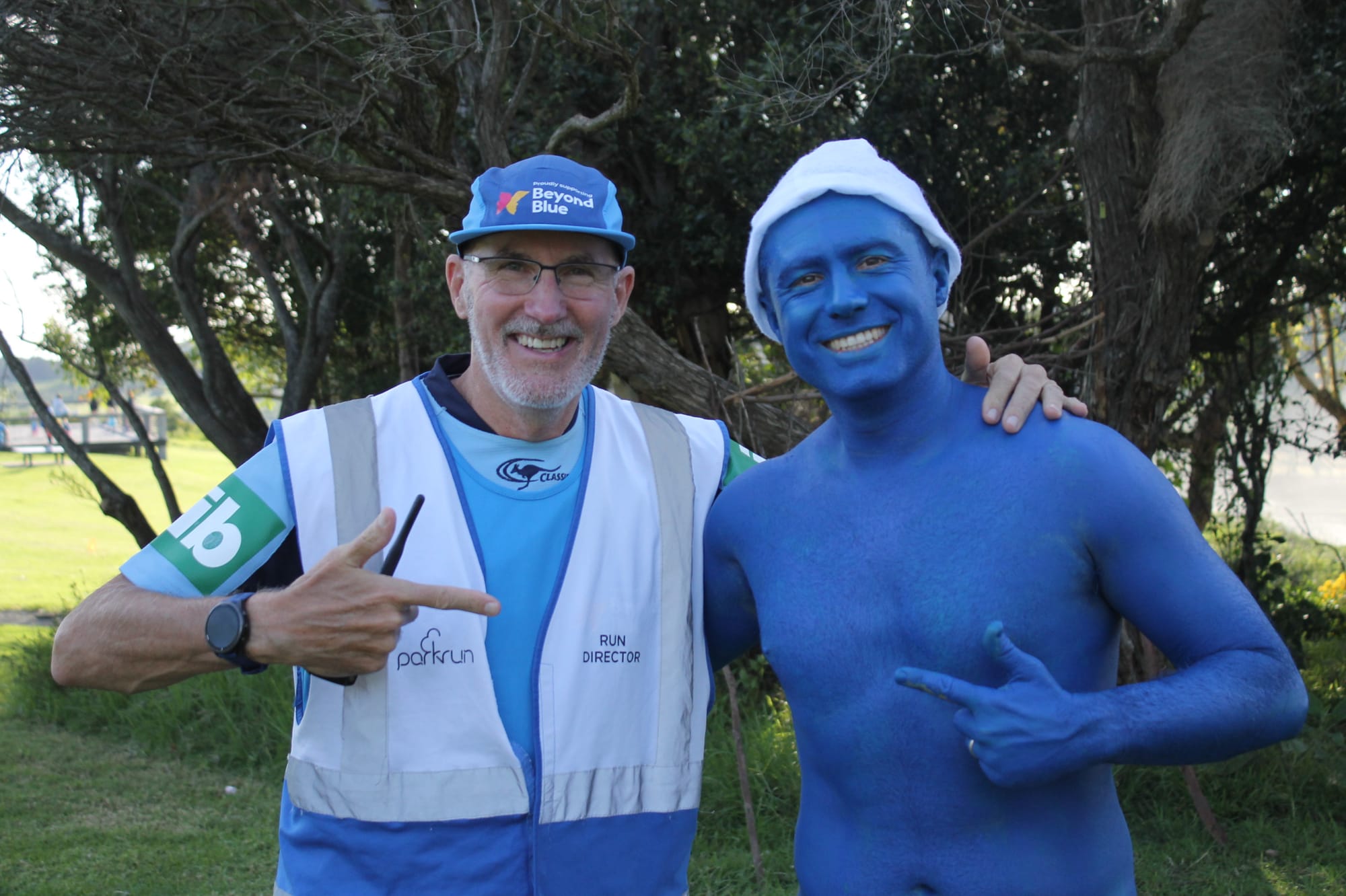
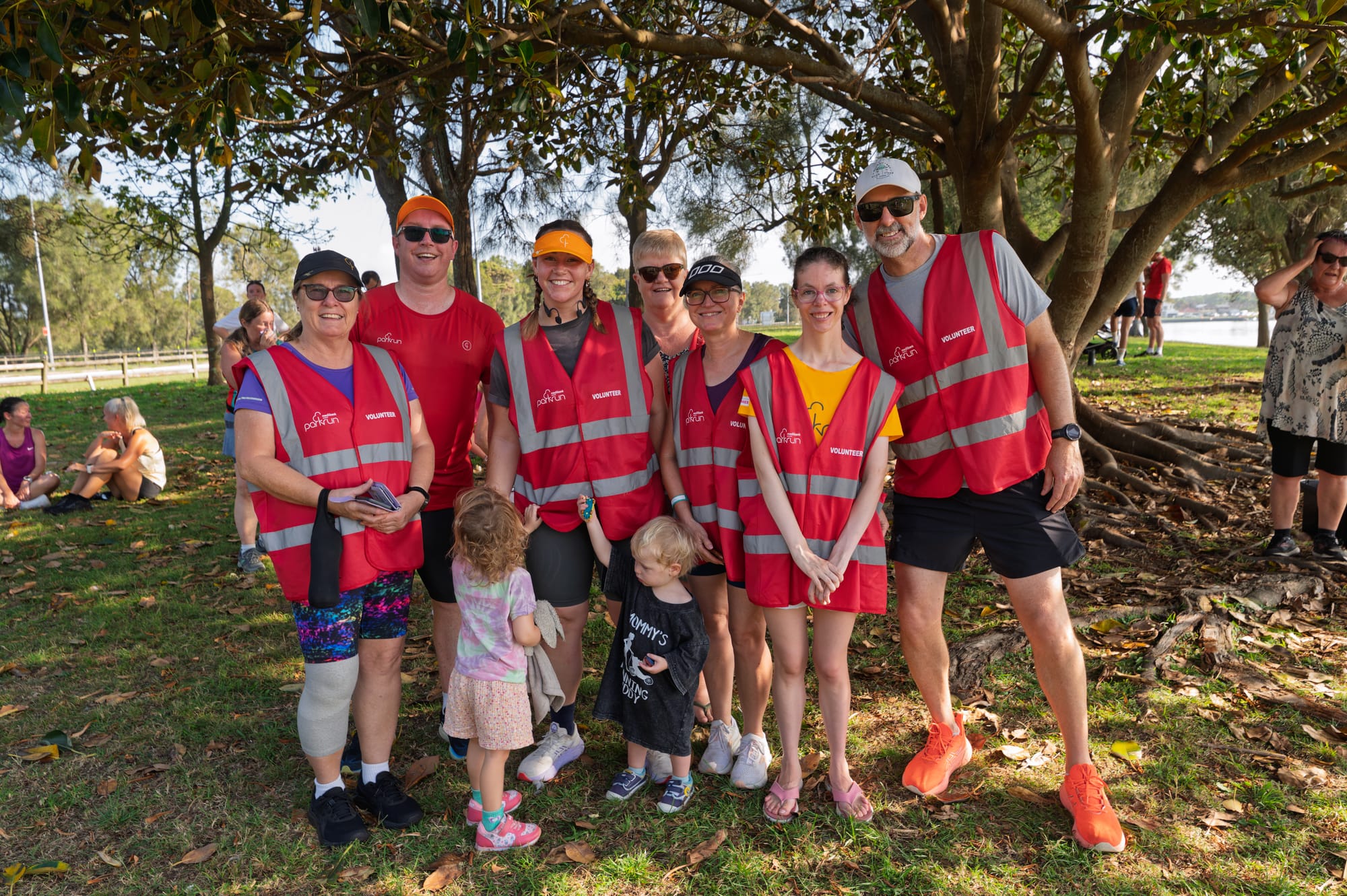
parkrun also raises publicity for other organisations, such as Beyond Blue, and is entire run by volunteers. Photos supplied
The worldwide success of parkrun is a credit to the individual communities that host it every week. It’s not a “one-size-fits-all” model – each event is made to suit the interests of passionate residents who want to get their neighbours moving.
“Every parkrun event is started by a local community. A team of volunteers will come to us [parkrun officials] and say we'd like to put a parkrun in our town, and we support them to do that,” Glen says.
Parkrun will help volunteers liaise with council/land managers to ensure that every course is safe, accessible and easy to manage. Courses come in all shapes and sizes, from Sandon Point parkrun’s paved stroll to Shellharbour's off-road, hilly and grassy adventure. The aim is to make sure that everyone, anywhere, can join a parkrun near them.
Setting up in Shellharbour
A decade on from introducing Shellharbour parkrun, Brendan and his family have set up a new event at Reddall Reserve.
“Killalea was, and still is, a perfect location for a parkrun. The park was beautiful. It was mostly untouched. There was no traffic. There was a beach. It was pristine. It had a lagoon, with a walking track already surrounding it,” Brendan says.
“Shellharbour parkrun is unique in that the course is entirely 'off-road', the track is on grass or gravel at all times and is challenging due to the 70m elevation required to complete the course. It can also be difficult to traverse if there has been significant rainfall in the area. It can be cancelled if the course is deemed unsafe for participants.”
Brendan had always wondered about other suitable locations in the area, where it could be easier for people of all ages and abilities to participate, no matter the weather conditions. It took 10 years to find the perfect spot at Reddall Reserve.
“Shellharbour City Council had just completed major works on redeveloping the Reddall Reserve promenade with a wide cycleway and upgrades to the public amenities,” he says.
“With Council’s full support, we were able to find a suitable and flat 5km course utilising the fully sealed cycleway between Reddall Reserve and the Oak Flats PCYC.”
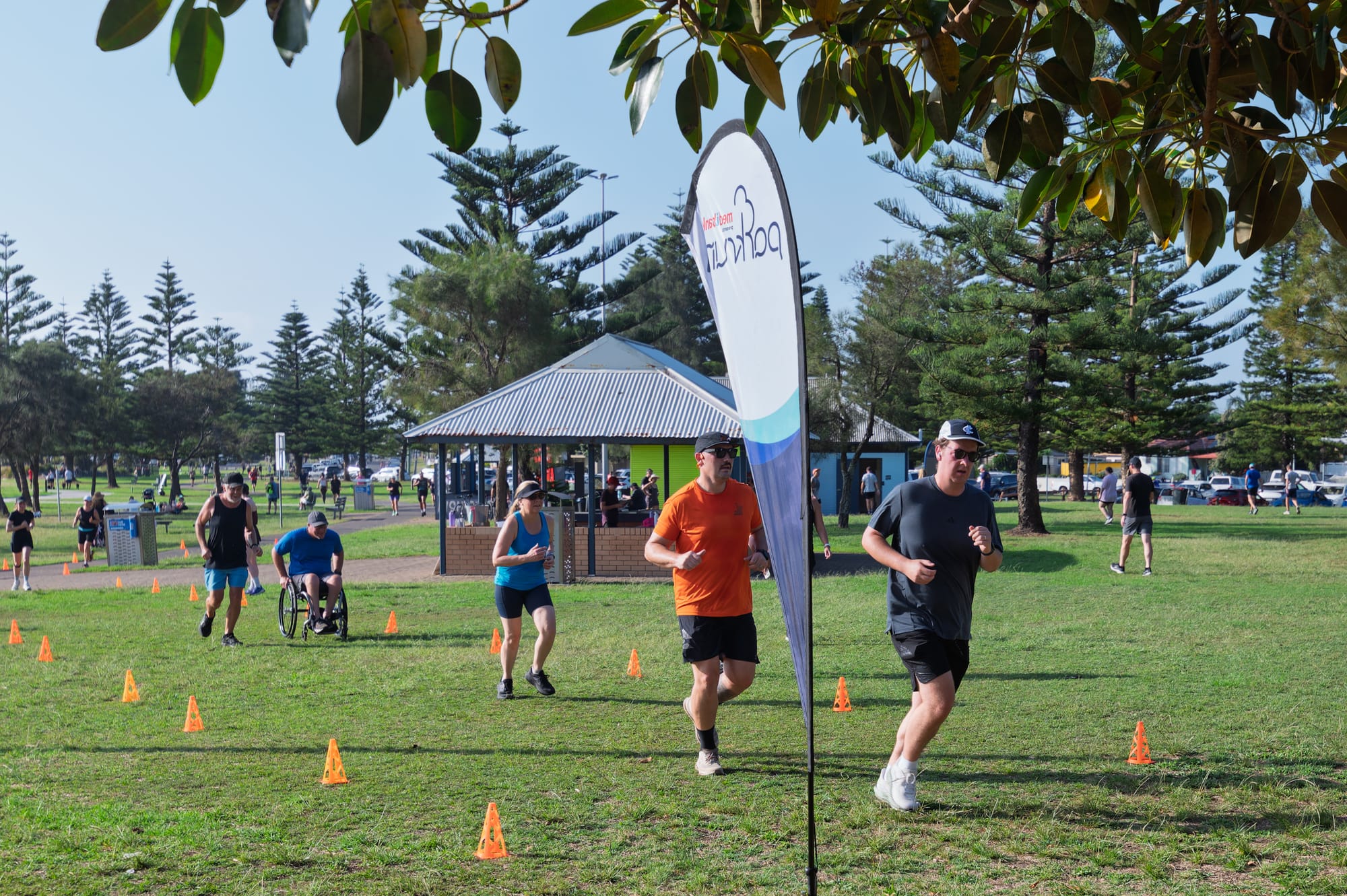
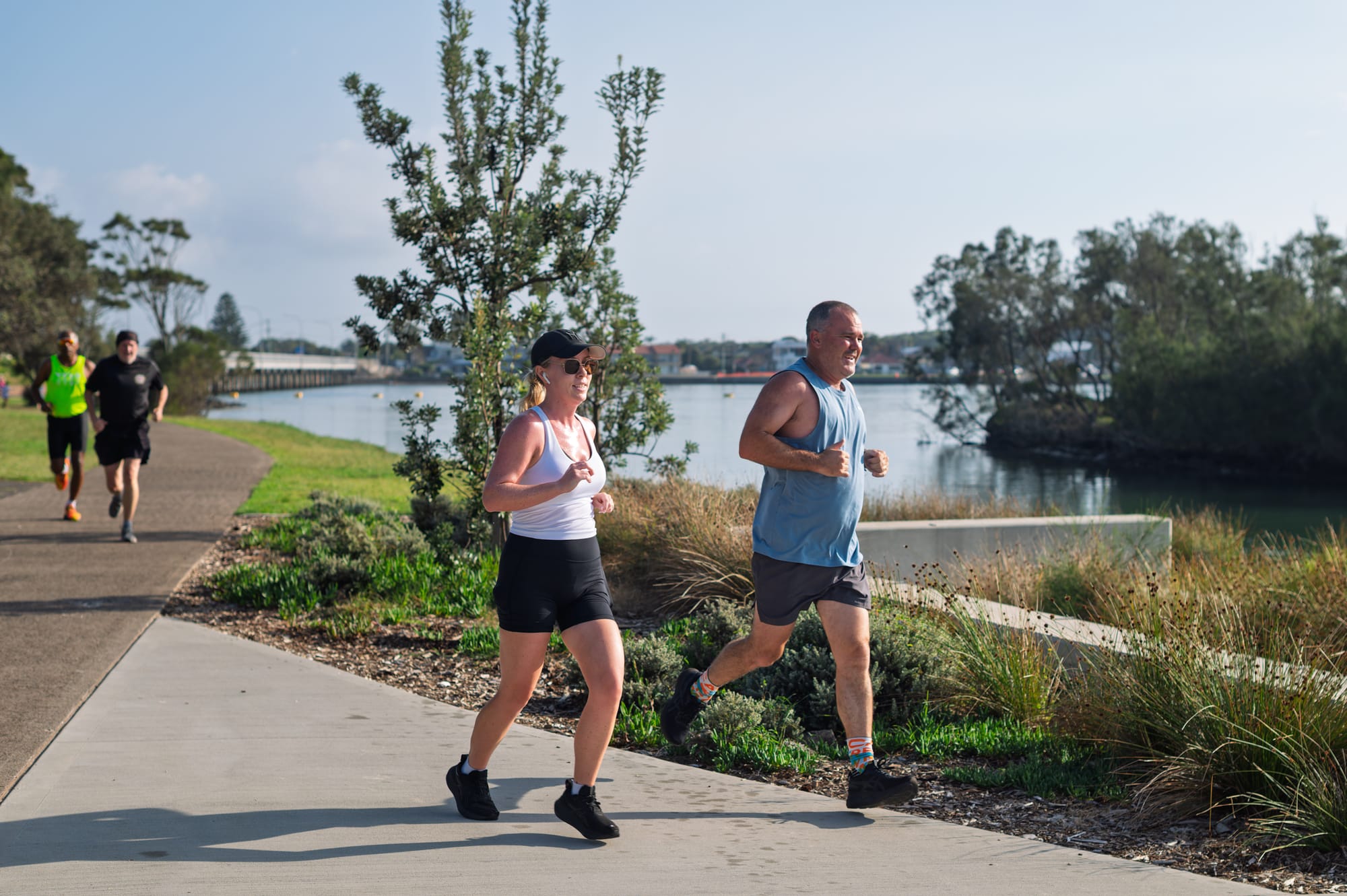
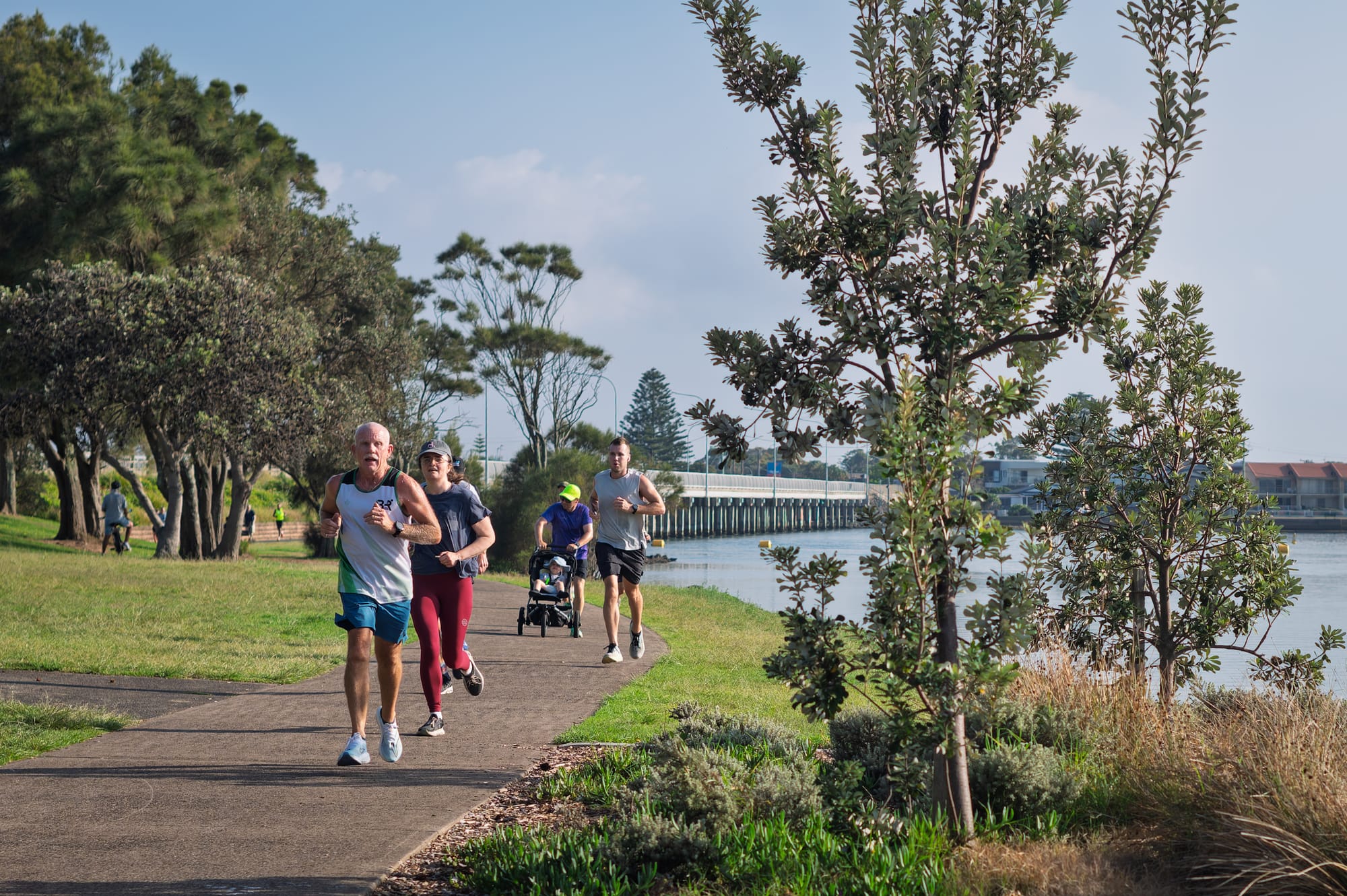
Reddall Reserve parkrun. Photos: Tyneesha Williams
It’s still early days for the new site, but Brendan is seeing 200-odd participants each week, with lots of visitors from outside the area.
“It has been lovely to see the engagement from locals – those from Shellharbour, Kiama and Wollongong who have never done parkrun before. Their support, especially when it comes to volunteering each week, has been exceptional! Without those volunteers, our event cannot take place,” Brendan says.
“Whether you’re running, walking or volunteering, the connections you form, celebrating milestones, sharing a chat or simply saying hello – help build confidence, boost wellbeing and create a welcoming space for everyone. The physical activity is important, but the community you become part of is what really makes it special.”
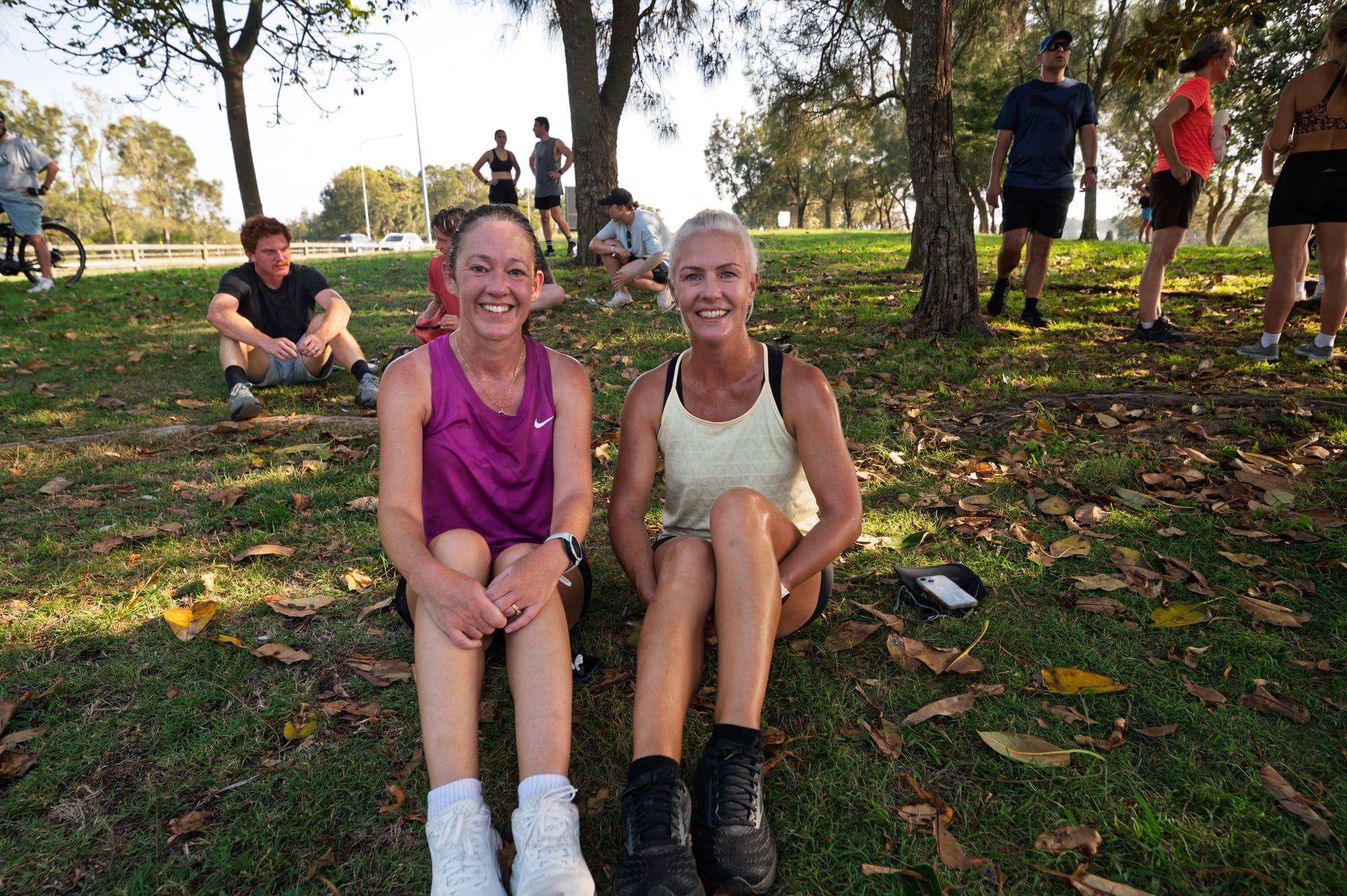
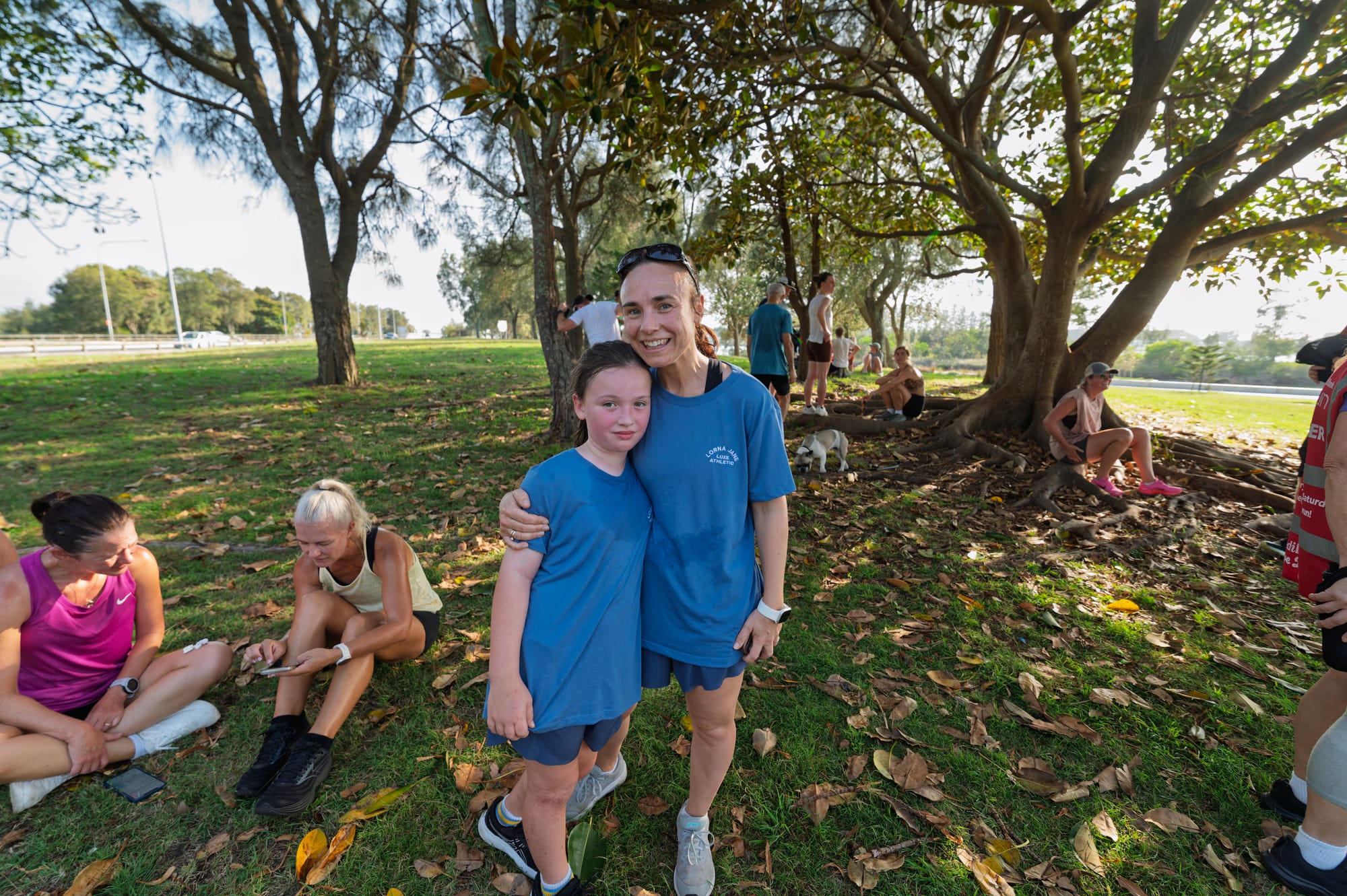
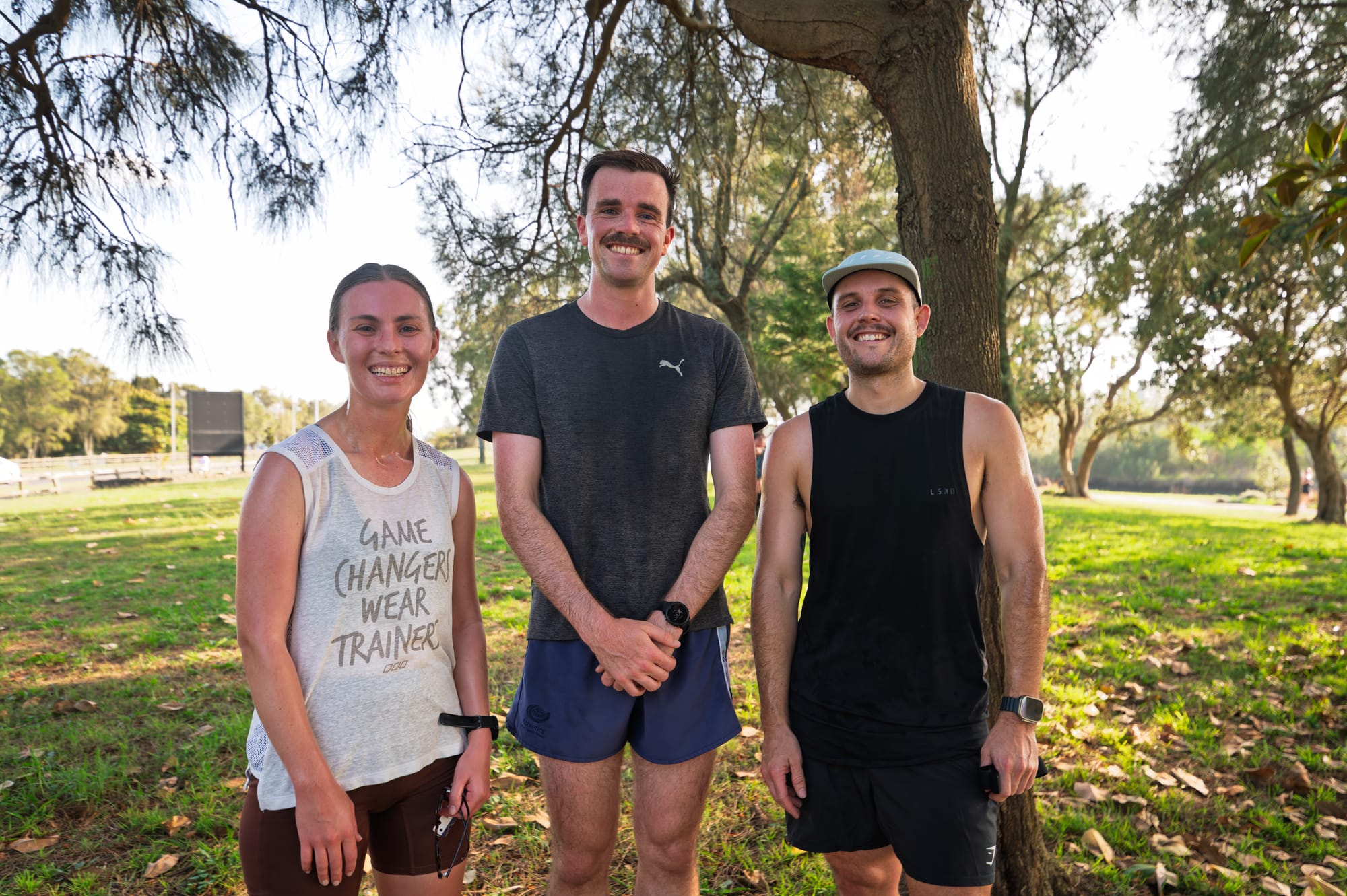
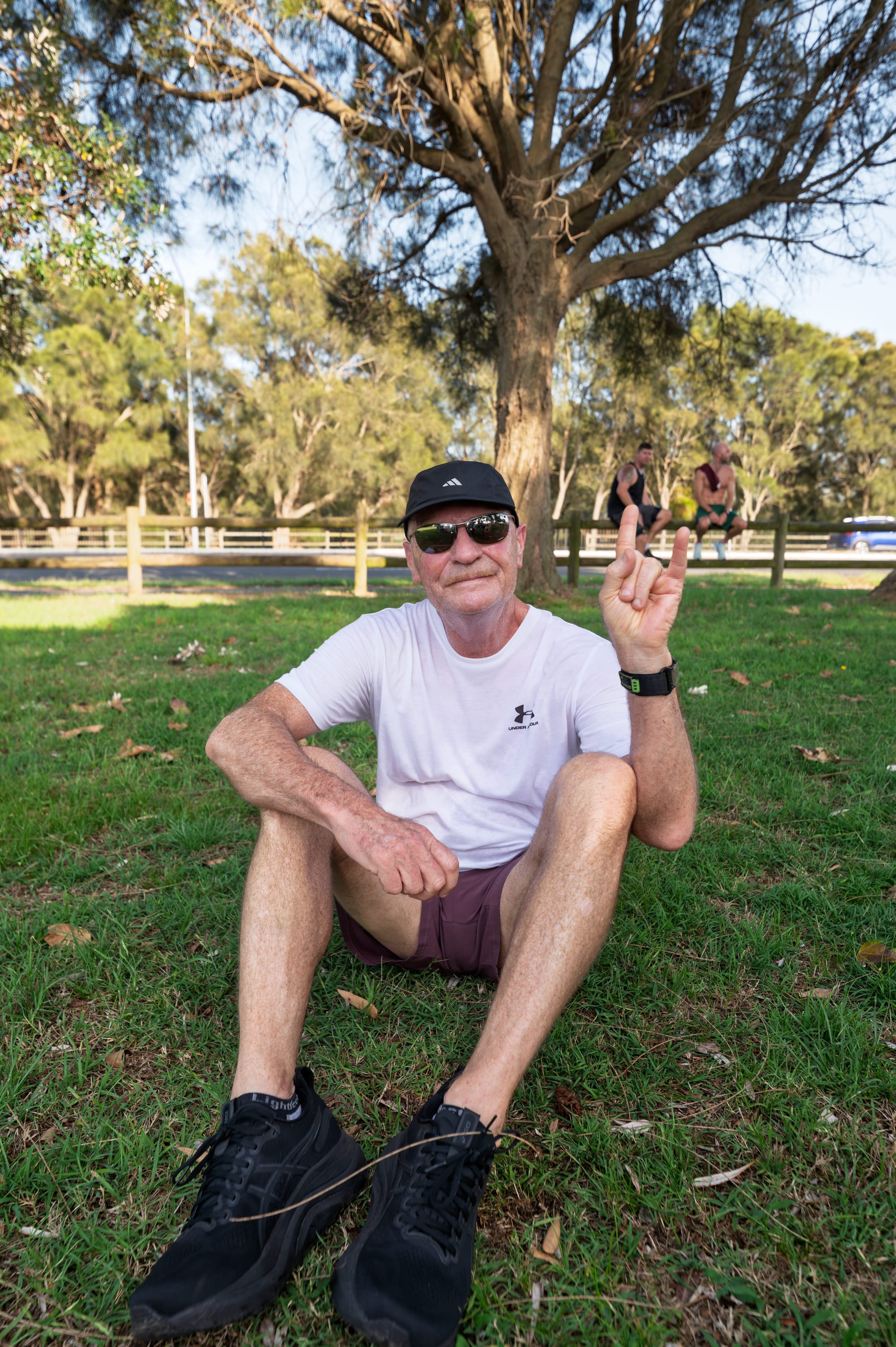
New friends made at Reddall Reserve parkrun. Photos: Tyneesha Williams
How to take part in parkrun
Register for free at the parkrun website.
Find out more about Reddall Reserve parkrun here and check the Facebook page. Or just come along on Saturday mornings by 8am, to Reddall Reserve, 79 Lake Illawarra Parade. Contact Brendan at reddallreserve@parkrun.com


