
Woonona principal will champion equity in education with Harvard scholarship
Caroline David will attend a leadership program at the Harvard Graduate School of Education in 2027
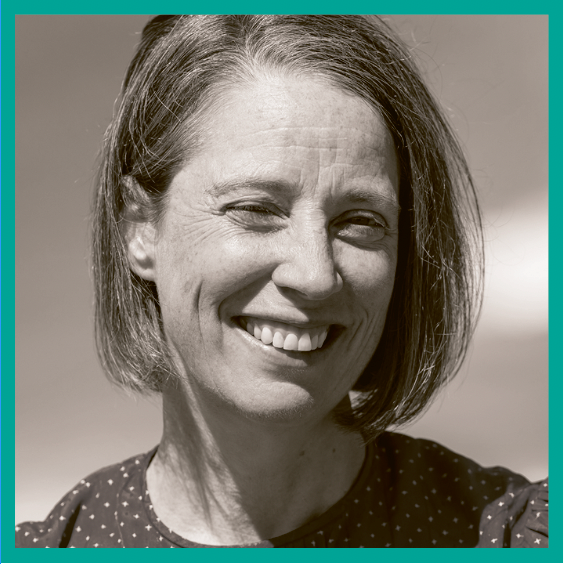
The principal of Woonona High School has won a prestigious award to study in the US. Caroline David was one of four head teachers to be honoured with a Harvard principals scholarship at the Public Education Foundation’s 2026 Proudly Public Awards gala event at Sydney Town Hall on 4 May.
She wants to use the opportunity to advance a policy revolution, so all children can enjoy a free high-quality education as a democratic right.
“What I hope to achieve is more research into how systems embed equity alongside choice,” Caroline says. “We are the second most segregated schooling system in the OECD, which is a national disgrace.”
Caroline has a vision for a fairer system where the government funds all schools and everyone attends the school of their choice. “The biggest issue for me is equity.
“I would like to appeal to people's sense of fairness. It's desperately unfair that public money is supporting advantaged students to buy their way out of going to the local school, at the disadvantage of those very students who we need to support.”
In her eight years at Woonona, the school has grown academically and, in 2024, her students achieved the highest average HSC score of any non-selective school in the Illawarra and South Coast. Caroline is immensely proud of staff and students.
“I can tell you story after story of young people whose lives have been absolutely transformed by the world-class education that they are offered at Woonona High School and the opportunities that their family circumstances would never have been made possible. I'm so proud we have so many students who are first in family to graduate school or the first in family to go to university.
“The teachers at my school are absolute world quality, if I could handpick a school's worth of teachers, I would handpick these ones.”
However, after 25 years in teaching, Caroline says the system is still failing vulnerable children and gives it no marks for fairness.
“For equity, it's a zero. It's very unfair.
“Some students can choose what school they want to go to – if they want to go to a faith-based school, a selective school, an art school.
“But not all children get that choice, which results in a disastrous result for disadvantaged students, who are increasingly in schools with high concentrations of other disadvantaged students – and we know that that does terribly for their trajectory in life.
“We also know that when you concentrate advantaged students together, they don't necessarily do any better than if they were just in their local high school. So our policy is privileging the enhancement of advantage for some, but at the absolute detriment to disadvantaged students who can't exercise that school choice in the same way.”
The solution lies not in fees, tests or other barriers but in accepting all students, she says: “If you receive government funding, everyone plays by the same rules …you can't be just ejecting students because they're difficult to handle or have complex needs.”
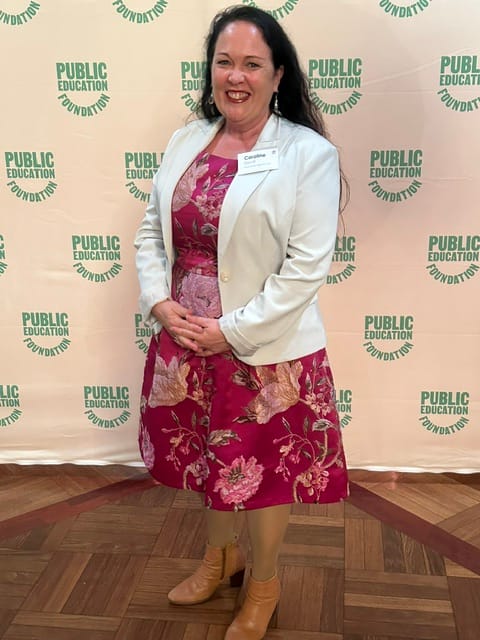
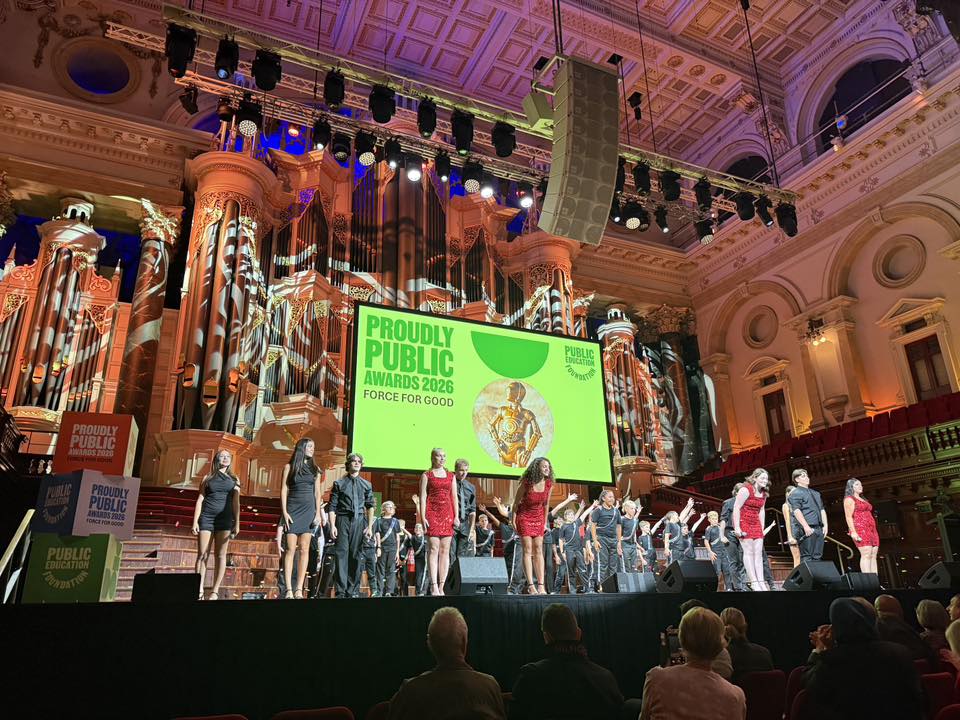
Caroline David at the gala event, which included performances by Wollongong's Southern Stars
Lessons from around the world
Caroline started her career by studying economics and Japanese. She brings a variety of experience – including living in Japan and working at Sony’s PlayStation factory in Kisarazu – to leading Woonona High (which is how the school comes to have a Japanese exchange program). In 2024, she travelled to Canada with a group of Australian educators to investigate a better school system.
“We've written a report called Lessons from Canada,” Caroline says. “A fair system is possible.
“In Ontario, all schools have the same level of funding. Parents don't pay fees for any school – which means that students are actually choosing the type of school that they want to go to. Whereas here students, just for example, go to a faith-based school because they don't want to go to a public school, not because they actually want a faith-based education.”
“So if you're a family who wanted a faith-based education, for example, why should you have to pay fees? I don't think you should have to. I think you should have to be able to access a school of your choice.”
Caroline is now four years into a PhD at Sydney University that she plans to finish next year, before going to Harvard in July 2027. There she hopes to learn from other nationalities about how Australia can meet its goals of excellence and equity. “What my PhD is examining is how the public schools have to take every student, and we wear that as a badge of honour, where it's a privilege.”
However, the very inclusive nature of public education can backfire, she says.
“People look at those [disadvantaged] students and make a judgment about the school, rather than a judgment about the social conditions that that young person has experienced.
“In my PhD research, my research question is ‘how principals of comprehensive public schools frame success’, and they have all spoken to me about this great contrast between how the community views their schools – by the behaviour of students outside school, for example – and how their own school community and the parents view the school, which is as wonderfully inclusive, vibrant places of joy, where disadvantaged children get access to a huge amount of opportunities that their family circumstances would never have allowed them access to.”
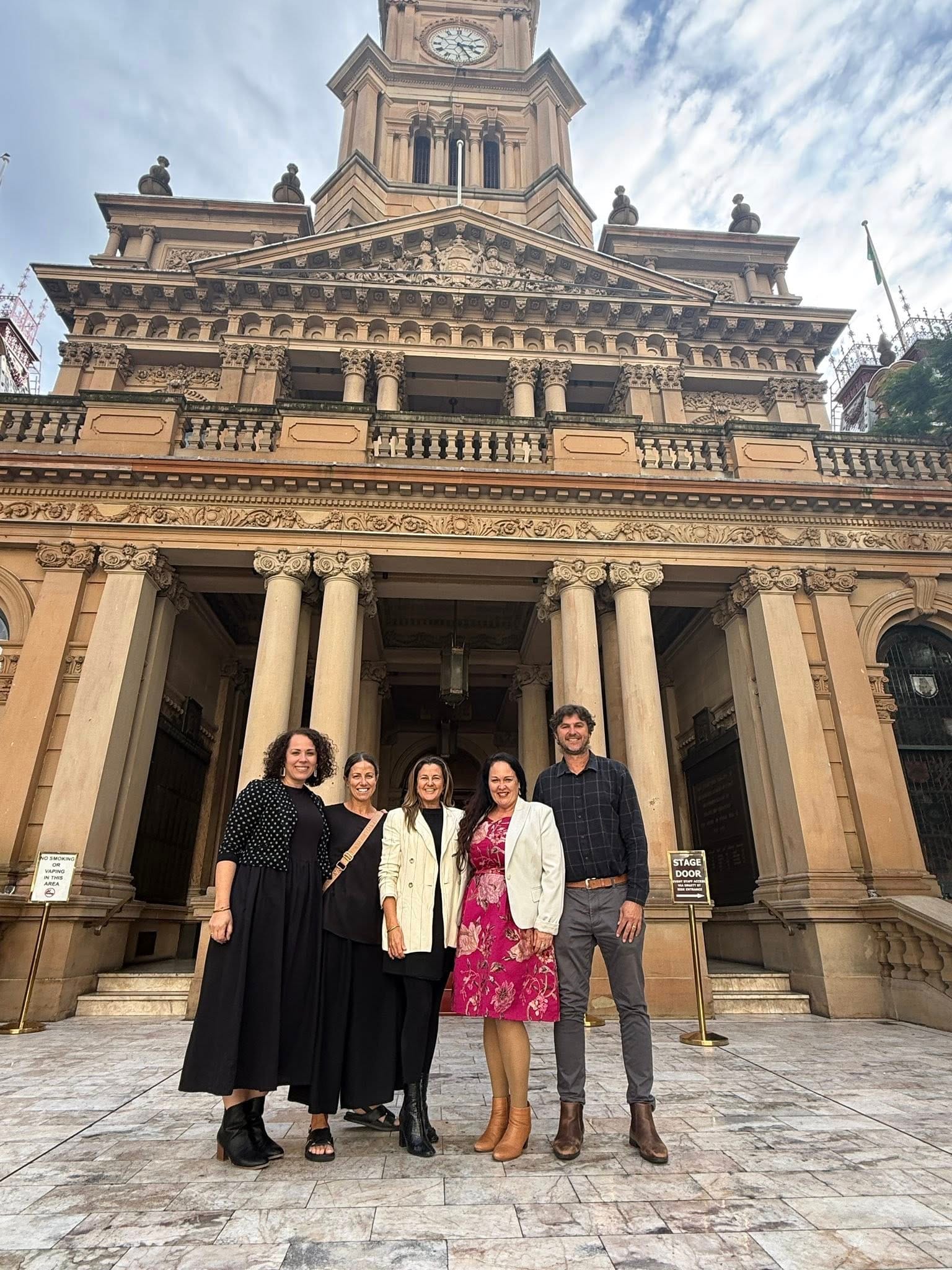
The Proudly Public Awards were held at Sydney Town Hall on May 4
Public school attendance is falling
Australian Bureau of Statistics data shows that, in 2025, while most students were in government schools, the percentage is falling. The ABS found that between 2021 and 2025, total enrolments increased by 3.2%. Independent schools grew most (15.3%) then Catholic schools (5.7%), but government schools recorded a drop of -0.4%.
Caroline thinks parents have misconceptions about what makes a good school and, as more children go out of area, she has seen public schools like Woonona become more disadvantaged compared to the makeup of their postcode.
“Twenty-five years ago, it was much more common just to send your kid to the local public school, but now it's becoming much more competitive, and really, every school has to offer the same curriculum.
“We know that student achievement at the end of school is determined by two things. The first one is the family background … so that's where a child's education journey starts, but where it ends is about their own effort.
“Just sending your child to a school that's known for good HSC results or good academic performance doesn't make that child also a high academic performer if they don't put the effort in.”
In Tuesday’s Federal Budget, Caroline would like to see "full funding" for public schools. “Public schools were promised 100% funding in Gonski in 2012. We’re now in 2026 and full funding is not going to arrive at public schools until 2034. And public schools do the hard, heavy lifting.
“We have to accept every student that comes in the door. It's a privilege to accept every student, but we can't do that on the smell of an oily rag.”


