

Heatwave kills hundreds in Illawarra flying fox colonies
Hundreds of flying foxes succumbed to extremely high temperatures on January 10 while dozens of pups were orphaned and taken into care

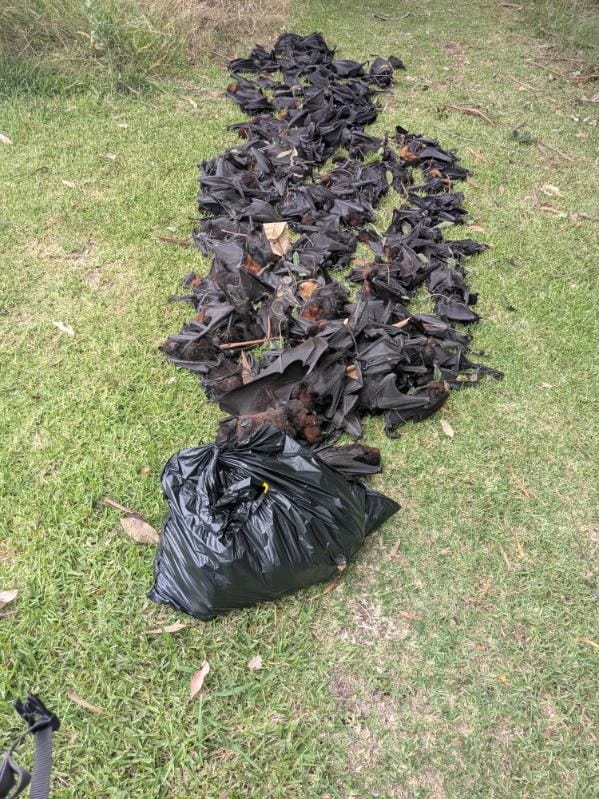
Hundreds of grey-headed flying foxes (Pteropus poliocephalus), a threatened species, and black flying foxes (Pteropus alecto) died in this month's heatwave, with temperatures topping 40 degrees on the Saturday, January 10. And dozens of pups were orphaned and taken into care.
It's no secret that I'm a huge fan of these important pollinators who keep our east coast forests safe and look adorable while doing it. As the temperature climbed, I was sick with worry for our local camp but the reality was worse than expected.
In Dapto, an estimated 500 bats died, while another 170 deaths were recorded at a camp in Figtree. WIRES said more deaths were expected in days after the heat subsided as animals struggled to recover from the effects of severe heat stress and the availability of good quality food resources as rains moved in.
The black flying foxes were hit hardest.
WIRES NSW bat coordinator Storm Stanford said the black species were tropical animals and less adapted to temperate zones.
“They’re about the same size [as grey-headed flying foxes] – they eat probably more fruit and less blossom than the greys, and the greys are the flying fox species most adapted to live in southern conditions,” Storm said.
Habitat destruction has been forcing black flying foxes further south to higher temperatures and lower humidity than they're adapted to as they search for food and shelter.
“They’ve been coming down the coast, and the reason for that – and the reason why grey-headed flying foxes are in trouble too – is habitat destruction,” Storm said. “And as there’s less habitat that blacks prefer to live in, they come into less ideal places, which is further down the coast.”
While the numbers lost seem catastrophic, it's not until you speak with volunteers on the ground that you get a sense of how devastating this event has been, not only on the bat population, but also on rescuers and carers.
On the Sunday after the heatwave, WIRES volunteer Rebecca Daly went to the Figtree and Dapto camps to rescue surviving bats, collect bodies and save orphaned pups. A WIRES volunteer since 2019, Rebecca described the horrific scenes that awaited the rescuers.
“As the rescue group, we were removing those bodies and starting to count them, looking at the species, age and that kind of thing so we knew what kind of impact had been had by the heat event,” she said.
“It’s hard to know what it’s like until you’re seeing it – that kind of devastation on that scale is really quite confronting. And wildlife rescue generally can really be quite traumatic.
“We kind of felt like we haven’t experienced it like this before and it’s a bit of a shock to the system. We’ve got a lot of carers now doing around-the-clock care for the ones that have come in. They’re just flat-out now. It’s going to be a huge week for those people.”
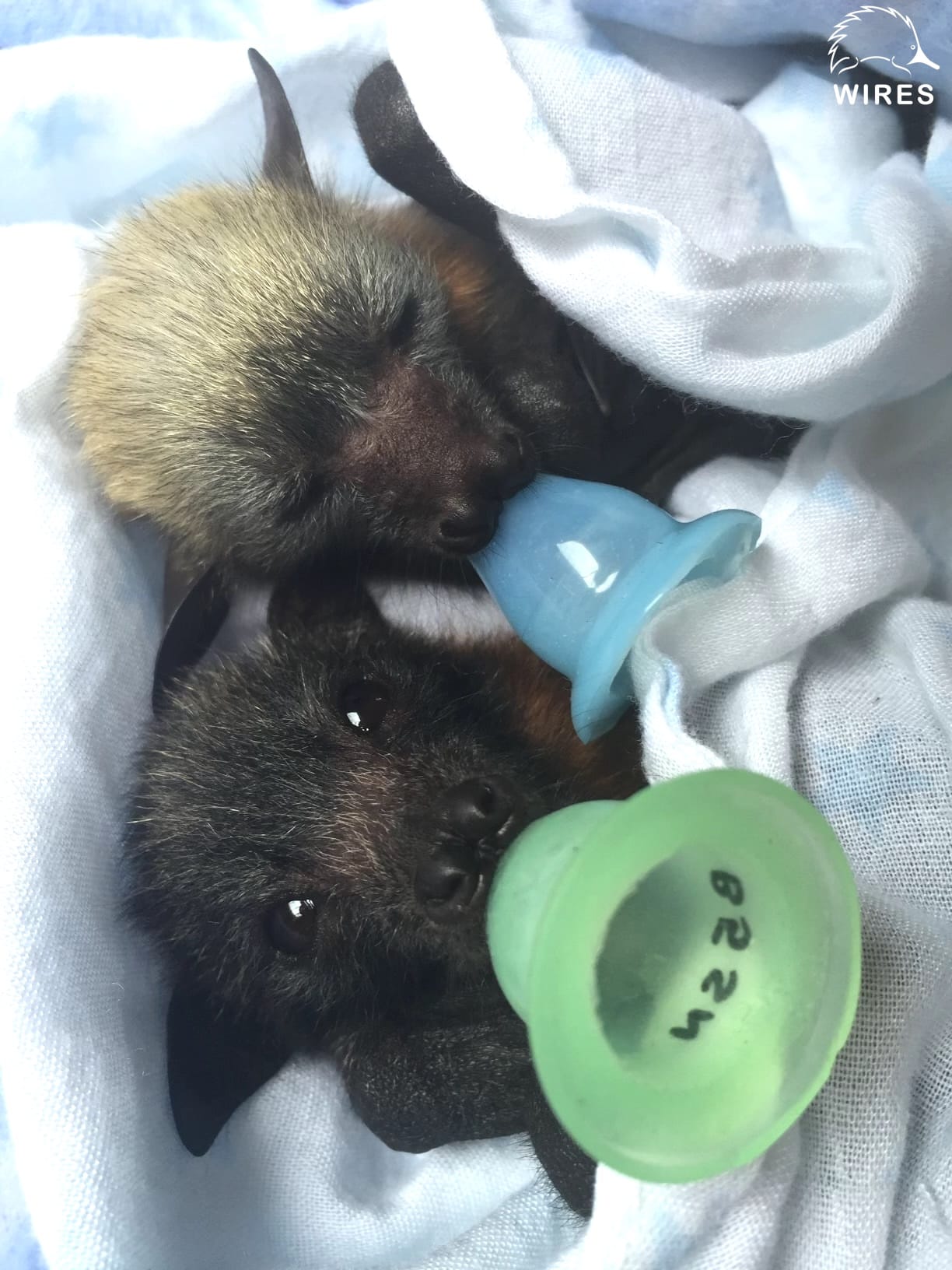
Storm said the impacts of the heatwave extended well beyond the hottest days.
“The heat event isn’t just the days that it’s hot – it’s also all the days afterwards where the animals try to recover,” she said. “Animals have renal damage try to recover from that.”
She said the sudden transition from extreme heat to significant rainfall could further undermine the bats’ chances of recovery as food sources became increasingly scarce.
“The trees are also affected by the heat so they don’t tend to produce as much nectar and fruit,” she said. “So there’s less food around at a time when the animals are doing less well and then we’re about to have rain.
“Rain will wash out any blossom so it has an impact on food resources.”
If you find a sick, injured or grounded bat, it's important to not touch it. Contact WIRES on 1300 094 737 and the team will arrange for a trained and vaccinated bat rescuer to attend.


