
How high is too high for our city’s skyscrapers?
Wollongong's high-rise buildings are reaching for the clouds it seems, with news that developers have lodged plans for an apartment tower block up to 38 storeys high, and a second 38-storey proposal is also underway.


I remember as a kid, gazing in wonder as we drove past Wollongong Hospital, perched on the top of the hill and towering over Wollongong.
Back in Wollongong in the 1970s, our regional hospital was as close as you could get to what you could consider to be serious high rise. In the scheme of things though, at eight-storeys, it was just a baby.
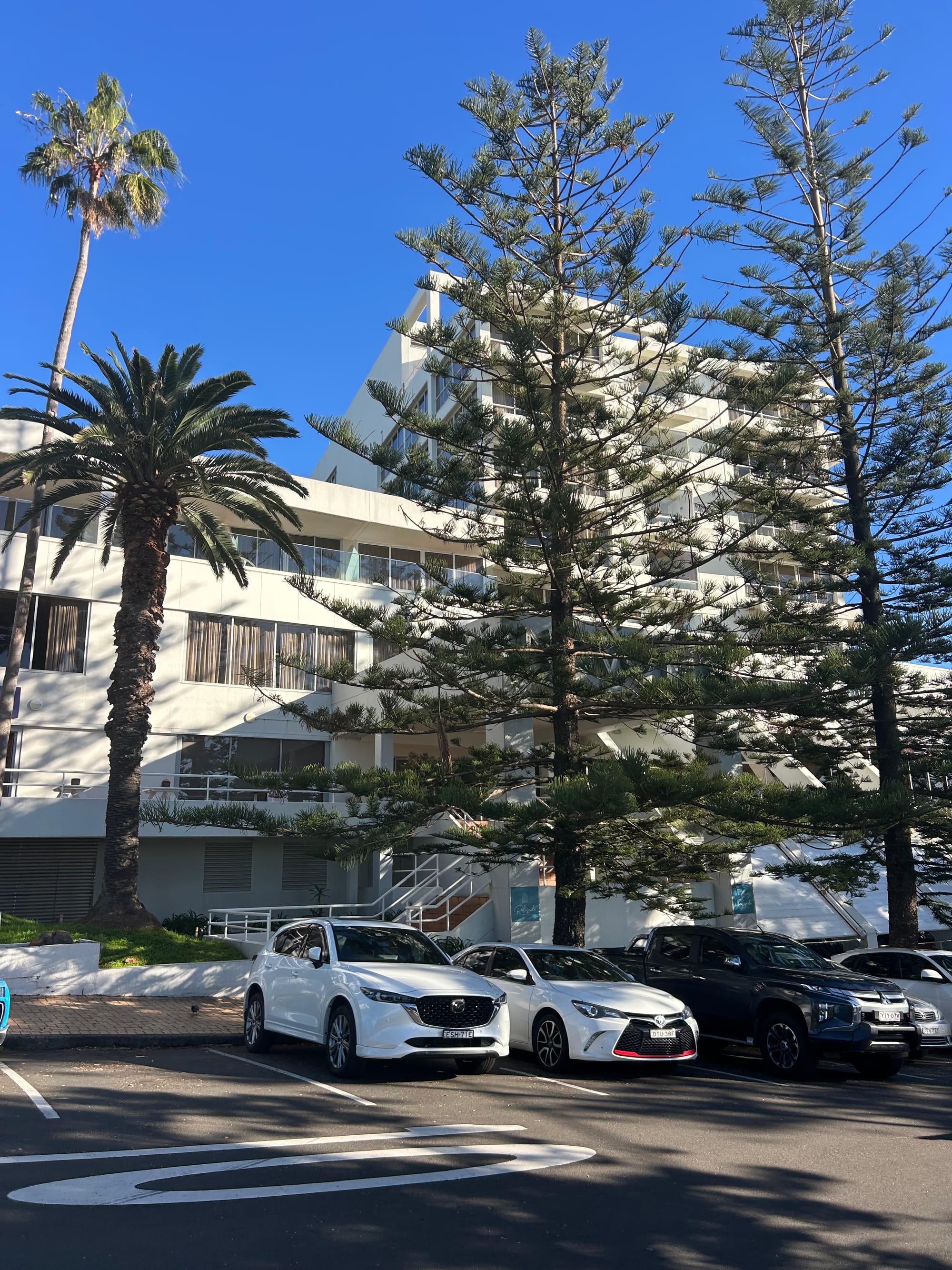
Then along came the 1980s, and our city started to grow up, literally. With a pro-development council, led by Frank Arkell, the North Beach International Hotel was opened, towering over our city’s most popular beach. (It’s now known as the Novotel), Four decades on, it’s still the region’s best-known and arguably most-loved hotel.
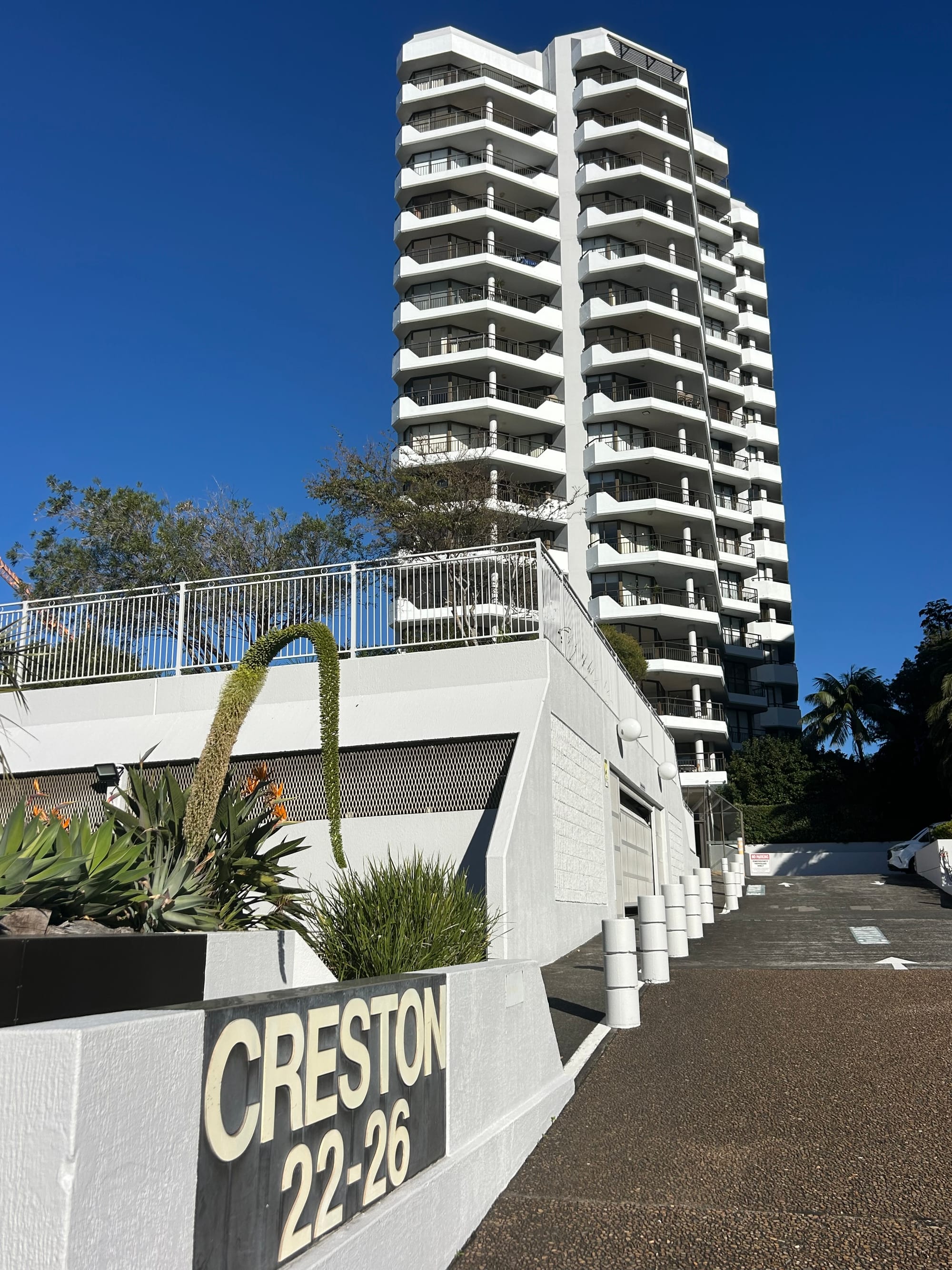
Just up the road along Corrimal Street, the Creston, on Smith’s Hill was promoted as an iconic residential tower when it opened in 1983. It was an imposing 13 storeys, and for nearly 40 years it easily held the title as Wollongong’s tallest building.
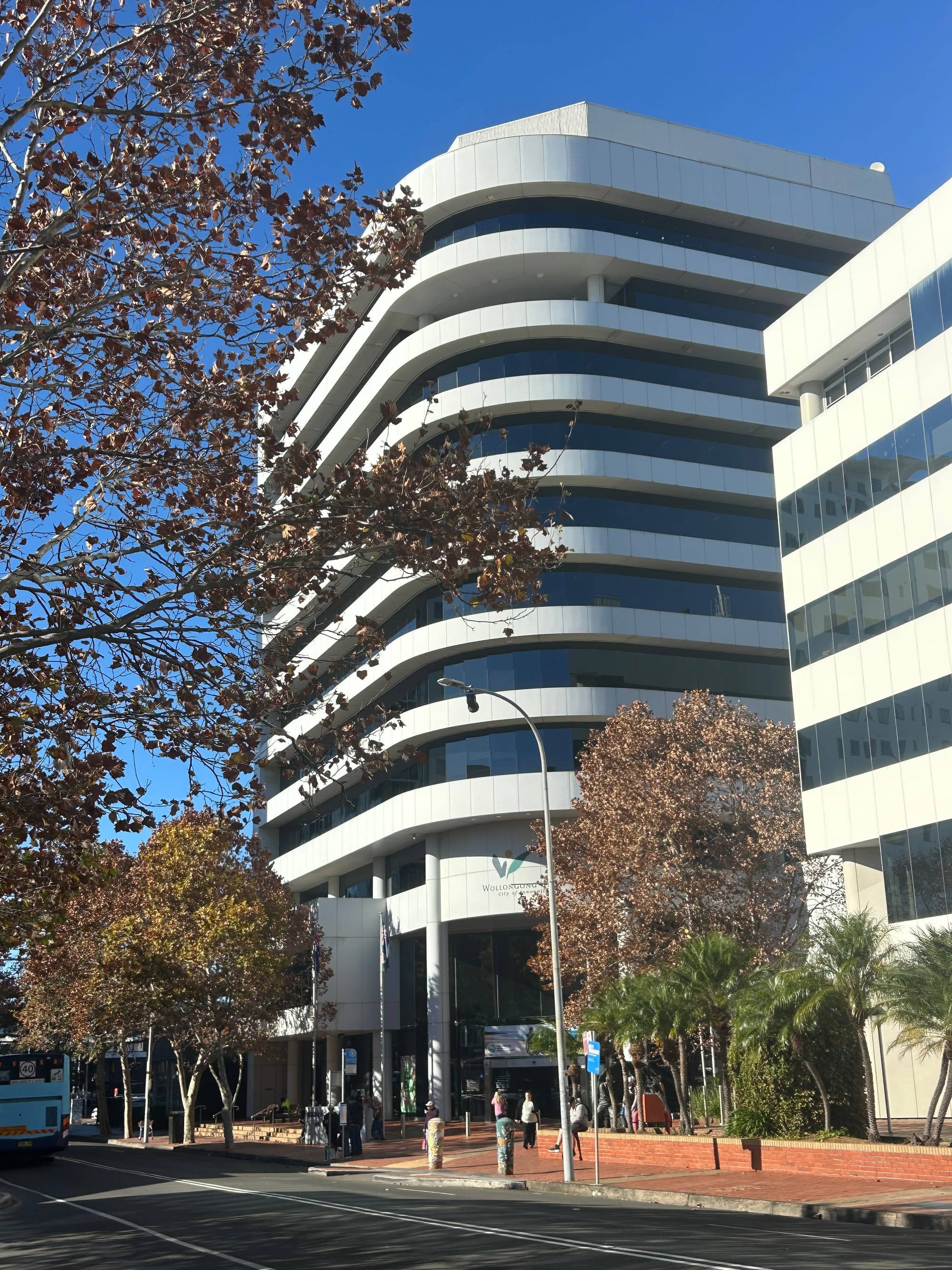
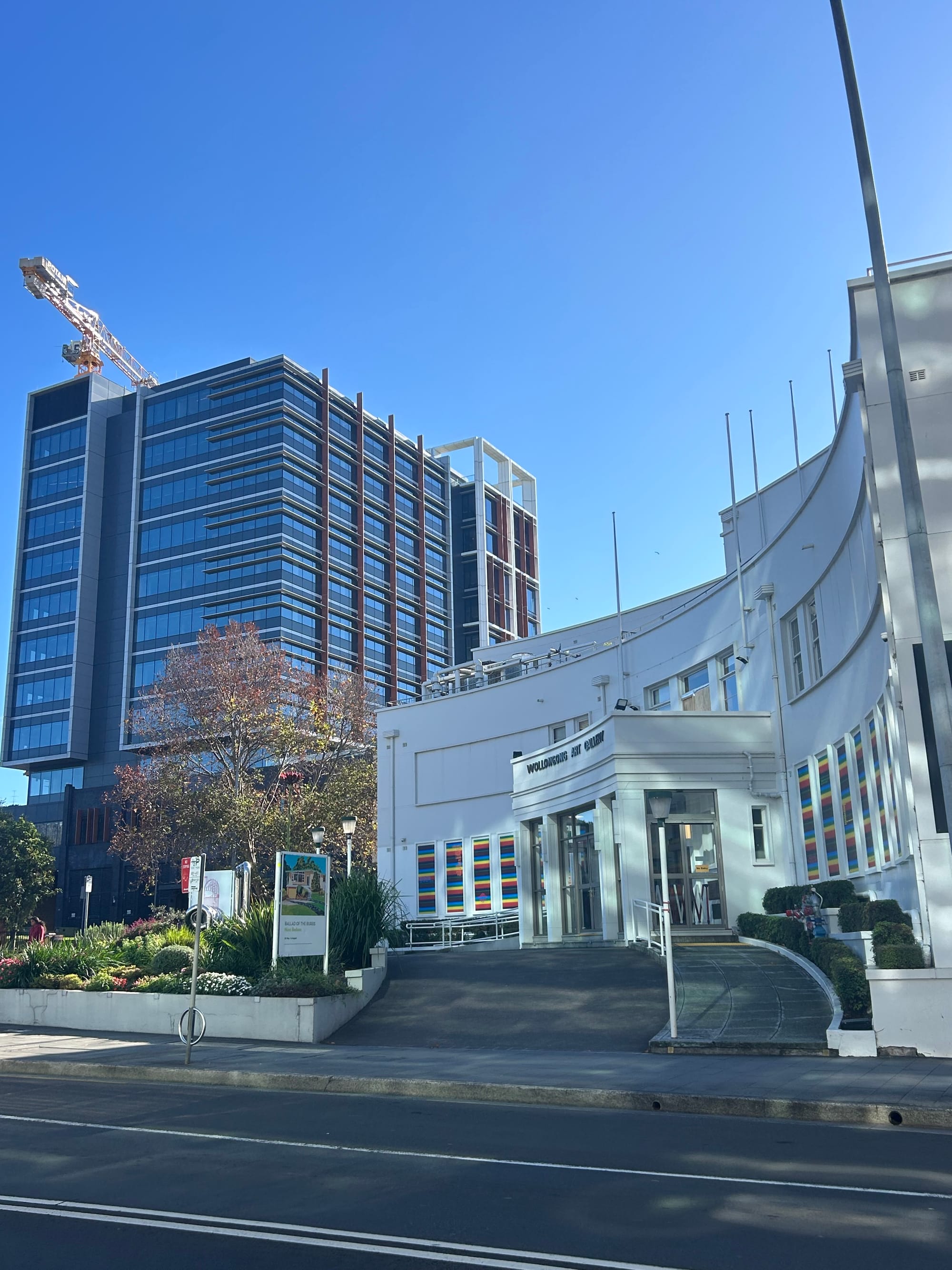
Even Wollongong Council embraced the latest craze to build high, trading in its ageing town hall on the corner of Crown, Kembla and Burelli Streets in the late 80s for a modern 10-storey office block close by.
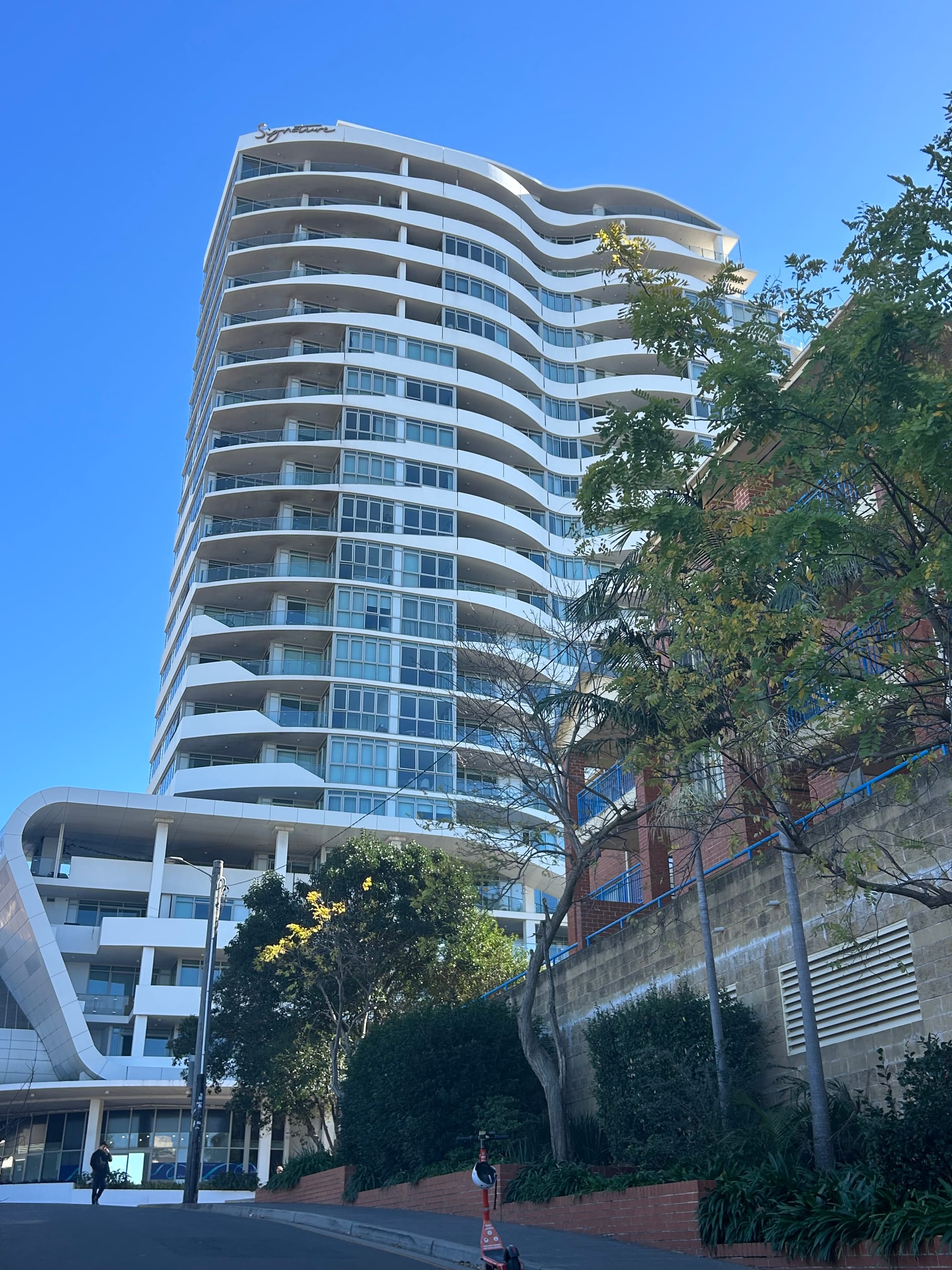
It wasn’t until the year 2020, 37 years later, and with COVID running rampant, that the Signature building at the northern end of the CBD reached for the sky, stealing the tallest building title from atop its 21 storeys.
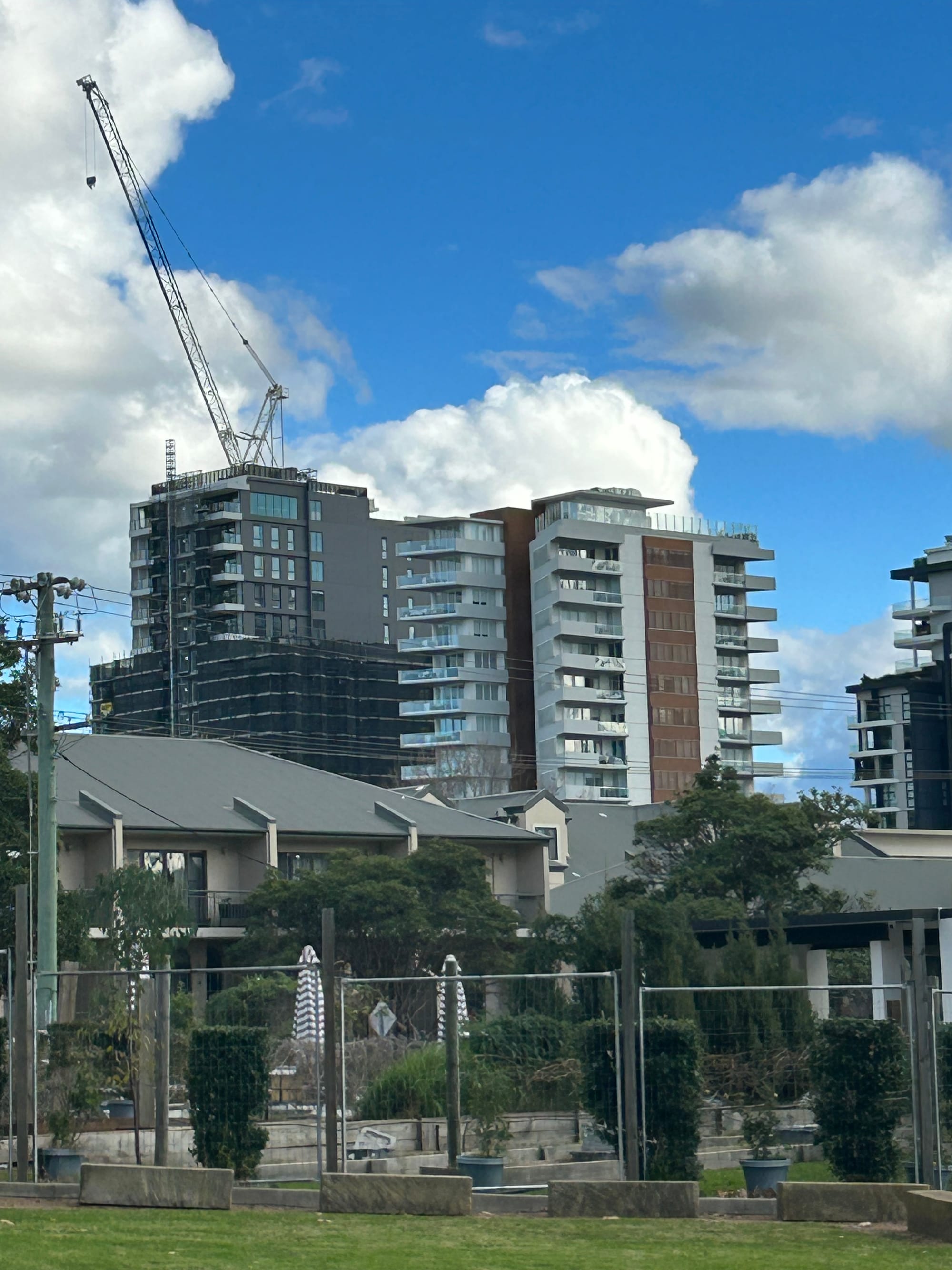
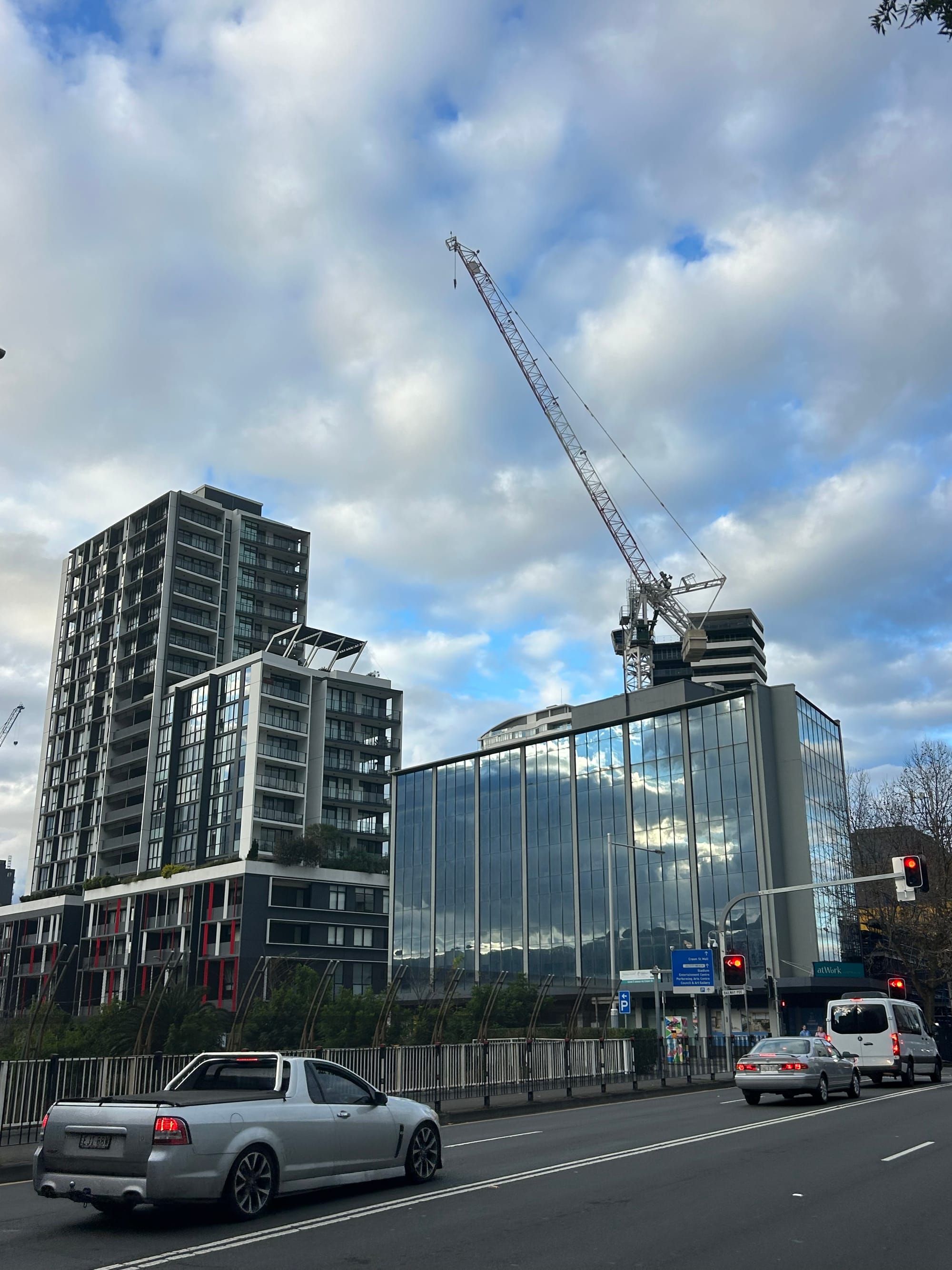
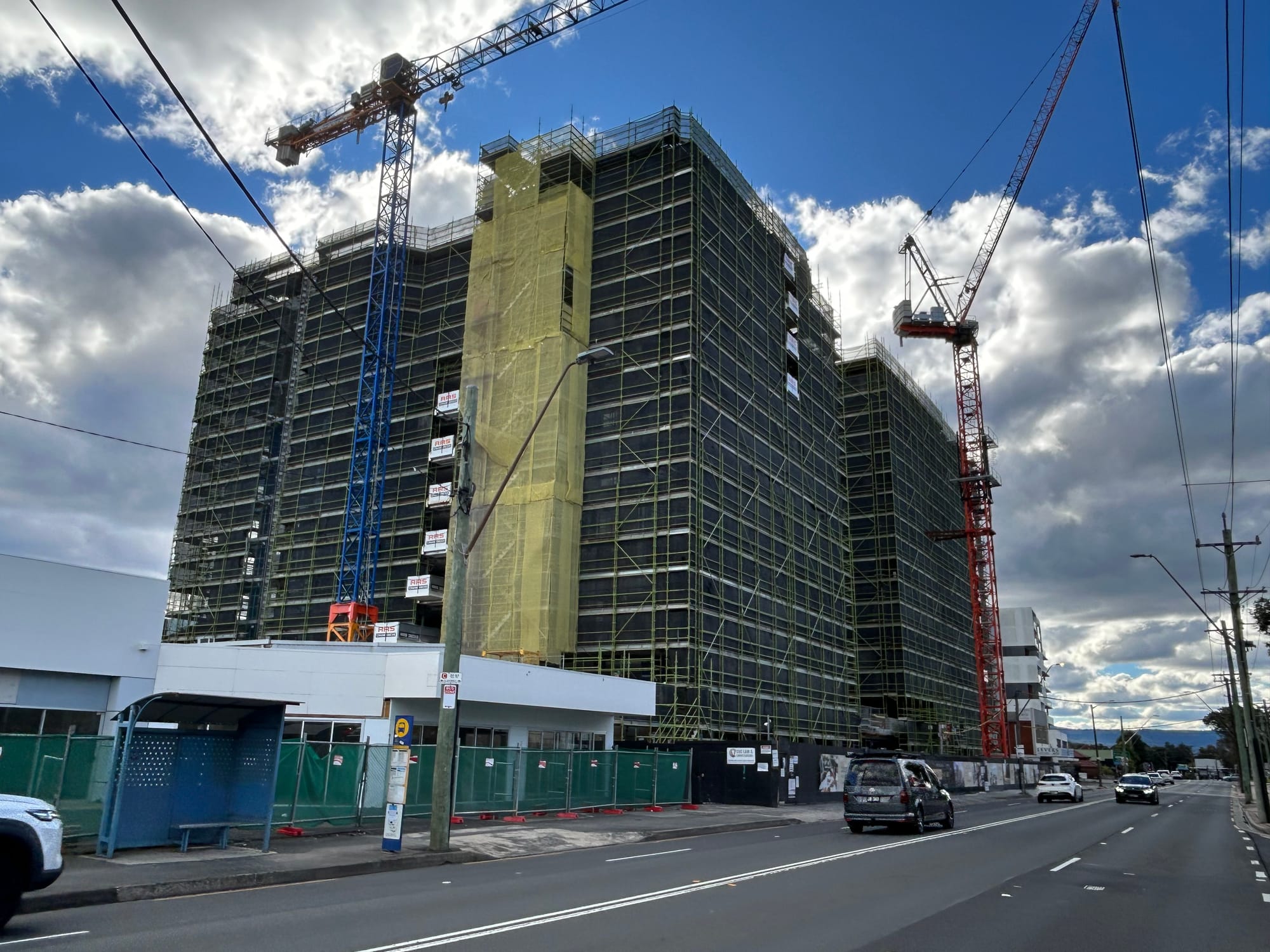
In the six years that have followed, there seems to be new high-rise springing up everywhere, with even more in the pipeline. Our skyline is changing almost daily, with all those cranes dominating our city views.
It’s meant some adjustments for those who have enjoyed the convenience of inner-city living for many years. They are now sharing roads, parks and footpaths with the thousands of new apartment-living arrivals.
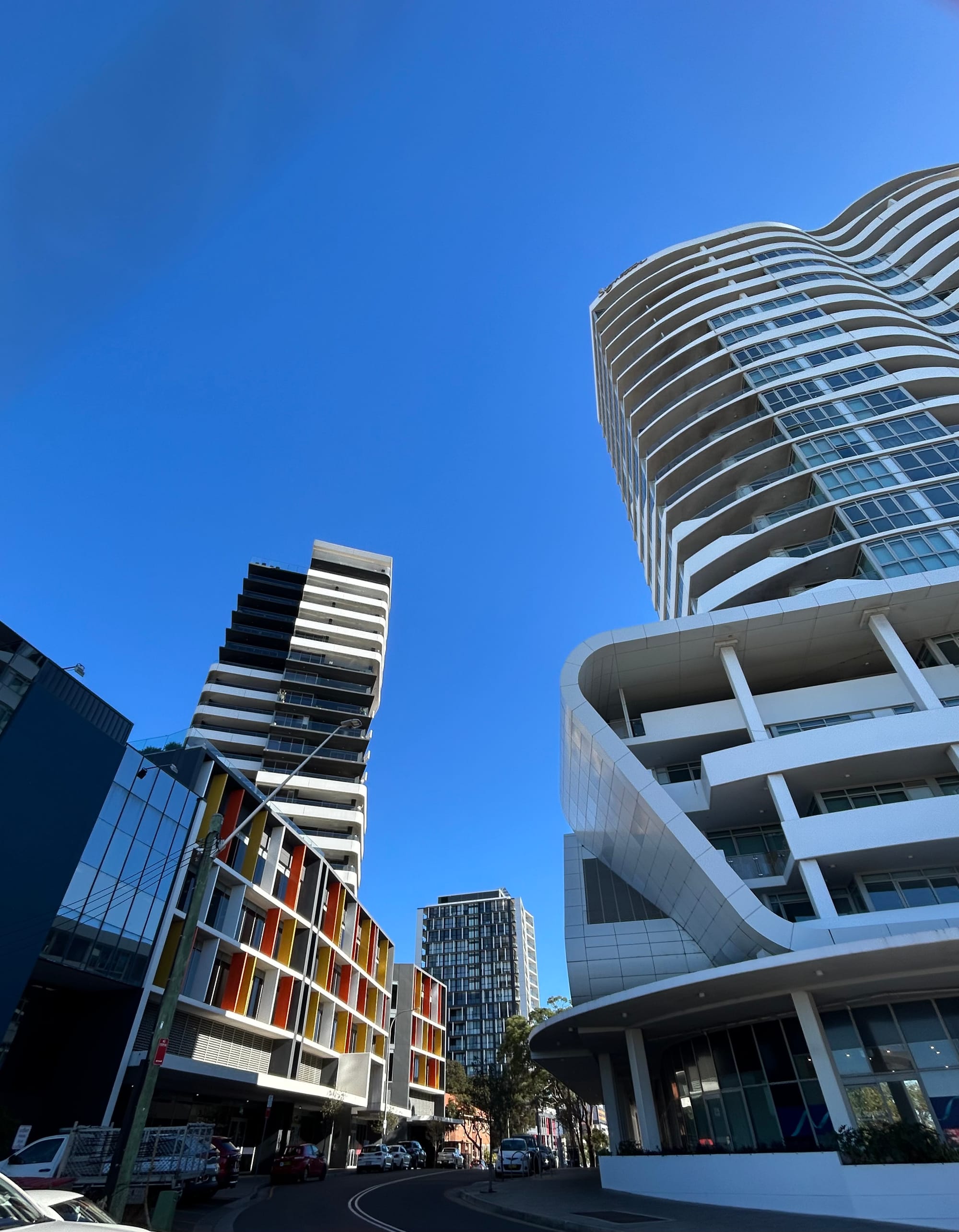
While many newcomers to the city are enjoying spectacular water and mountain views from their new apartments, some long-term locals have lost the views they’ve enjoyed for decades; taking one for the team to ensure more people get their own little slice of Gong living.
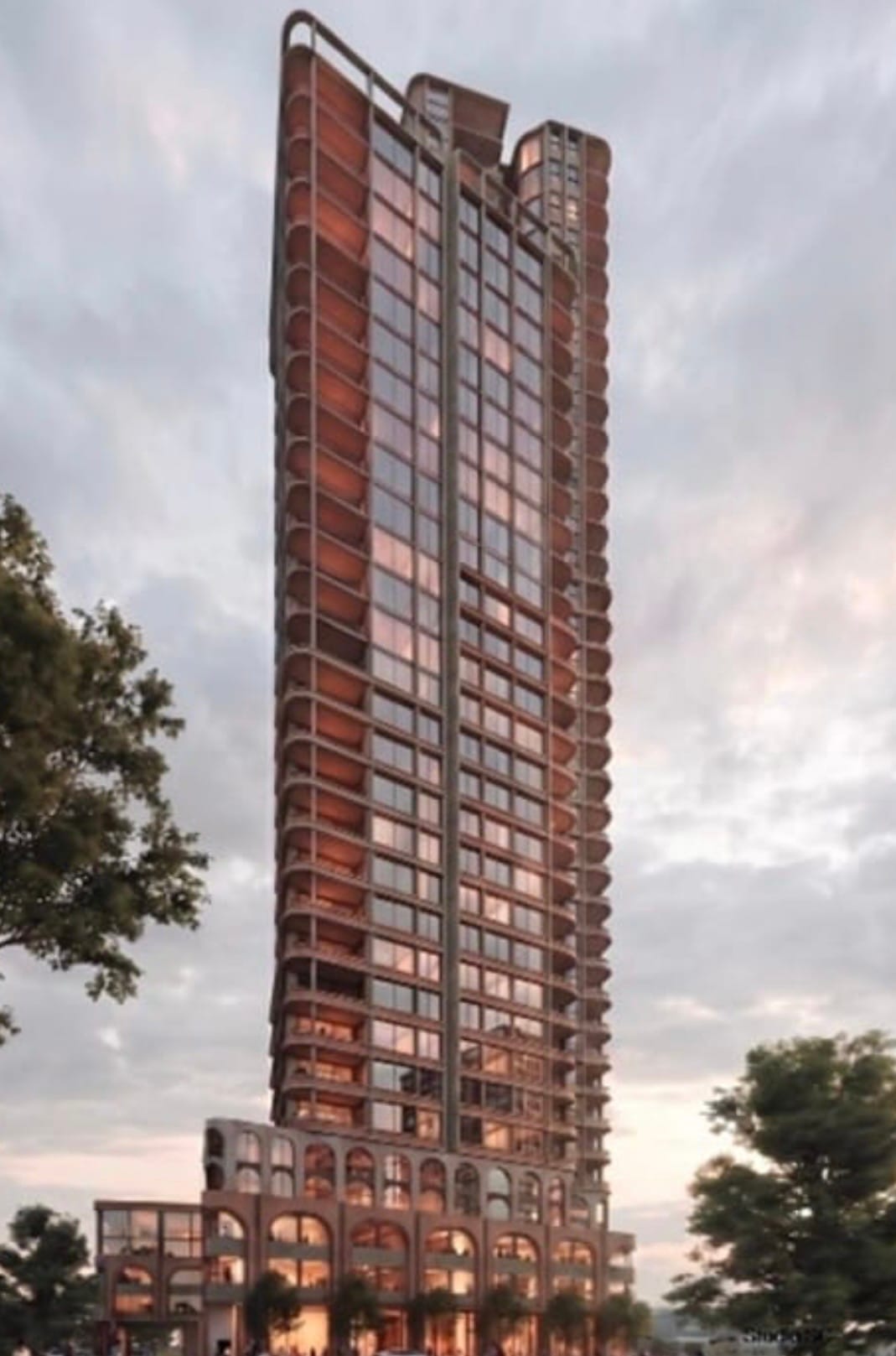
In recent weeks, news that developers, eyeing off prime real estate sites in Wollongong’s heartland, have lodged controversial plans for an apartment tower block soaring up to 38 storeys high. The plans propose a building four times higher than what is currently permissible and they’ve raised more than a few eyebrows.
Even 10 years ago, the prospect of skyscrapers leaping 130 metres into the Wollongong sky would have seemed fanciful. But the housing crisis has emboldened the state government, which has been tasked with creating a record number of new homes - many of them “affordable”.
With the development industry salivating, and more than happy to oblige, they’re making every post a winner. We now have the unprecedented situation where special housing zones have been created, in which Councils have no real say over what can be built there and there are no height limits.
This year one of the debates will be over the proposal for that 38-storey mixed-use development just a stone’s throw from North Wollongong railway station, which is lodged as a State Significant Development Application (SSD).
There’s now a second 38-storey proposal lodged for the former takeaway chicken site at the corner of Crown Street and Gladstone Avenue.
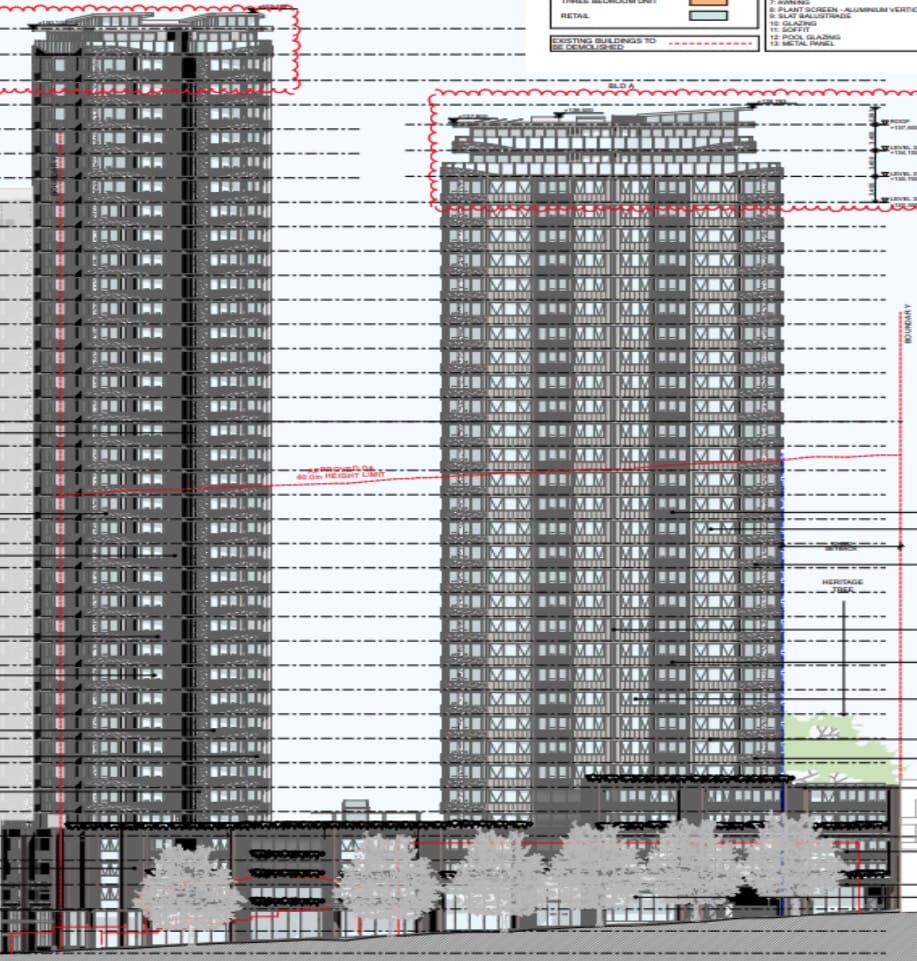
The public has until 6 July to comment on the proposal for 467 apartments (67 affordable) and with an increase in the maximum permissible height from 60 metres to 125 metres.
Who knows, next year we may have a 50-storey DA lodged, on the premise of helping to provide desperately needed new homes.
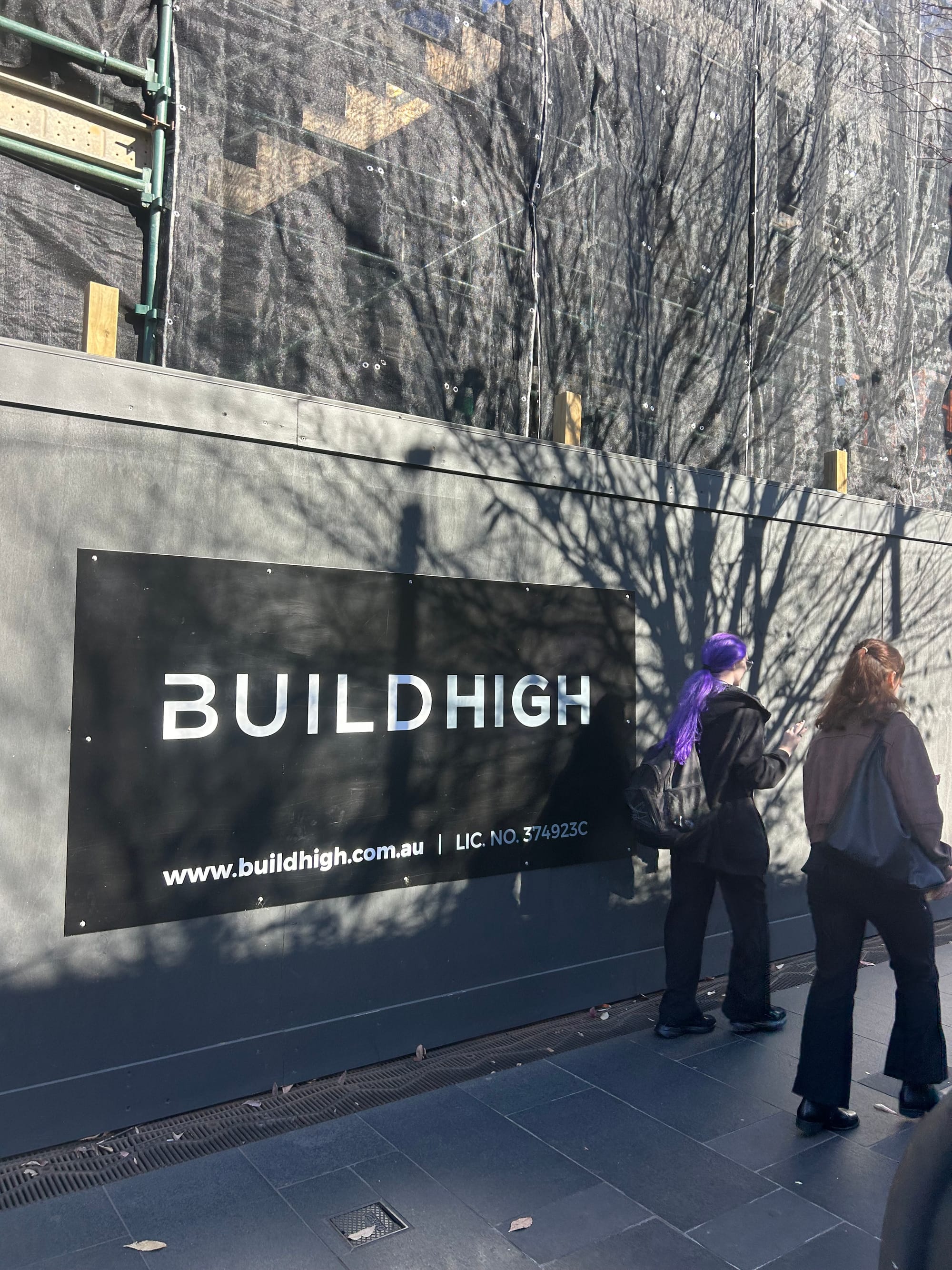
What's your maximum building height limit?
It begs the question, if Wollongong is to do its bit, and grow up, HOW HIGH IS TOO HIGH?
Speaking at Council after prominent community members Terry Wetherall and Michael Corban raised their concerns over the proposal for the 38-storey residential tower, Lord Mayor Tania Brown, said she felt something “around 20-storeys” was about right.
While our Council has no say over how high buildings should be allowed to go in certain state significant precincts, The Illawarra Flame asked all Wollongong City Councillors if they had a view (pardon the pun). If you could set a maximum building height limit, what would that be?
Councillor Richard Martin provided the most succinct response, following his Labor Lord Mayoral leader in saying “I believe 20-storeys for the CBD” should be the right height.
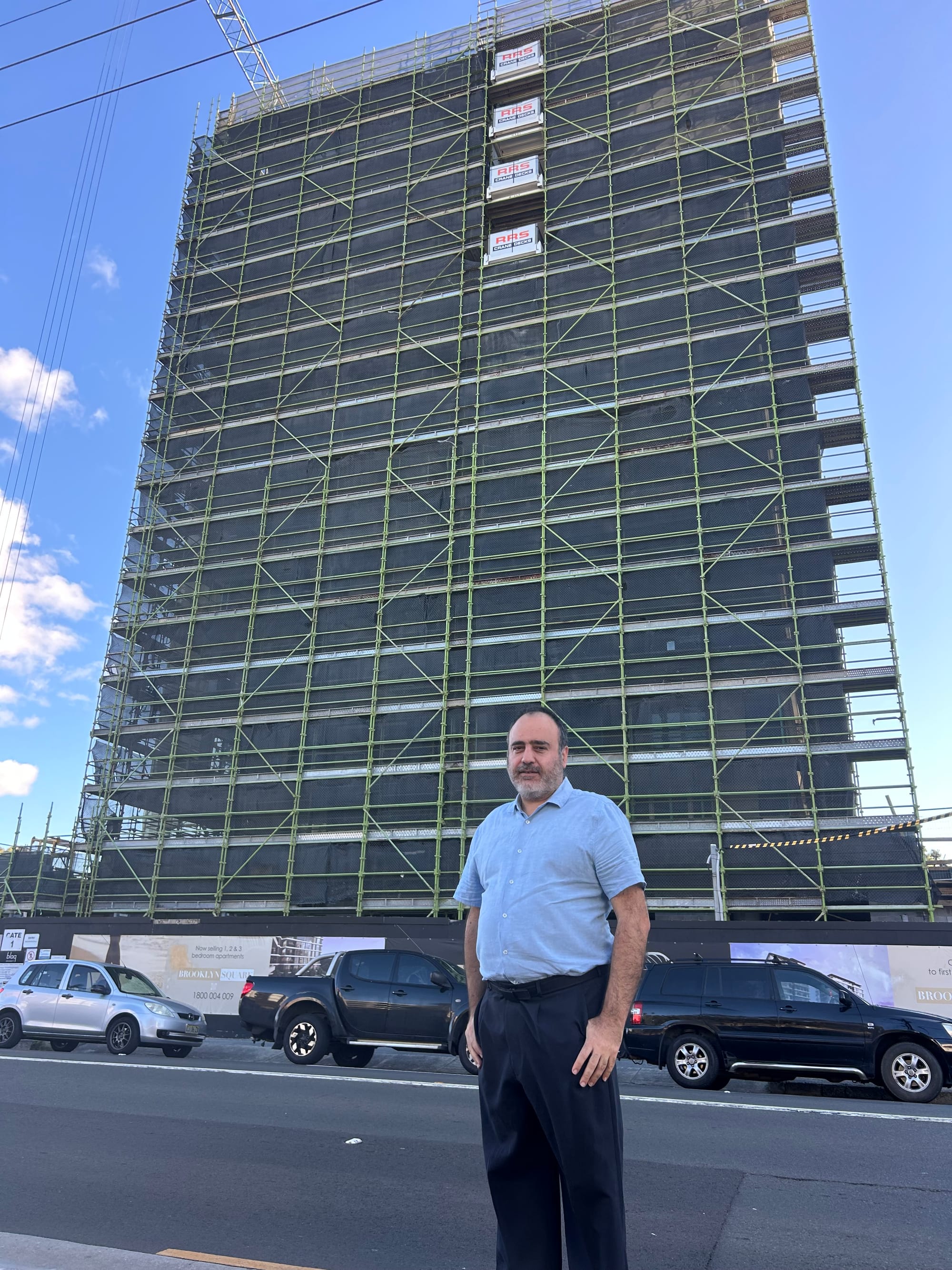
Independent Cr Andrew Anthony, said he “supports development at a human scale.
“Building heights should be capped at 10 to 12 storeys in the CBD of Wollongong, and a max of eight storeys around the town centres.
“One of Wollongong’s greatest assets is the visual connection between the ocean and the escarpment. We should not sacrifice these views by allowing continuous rows of high-rise towers to dominate the skyline and create a wall between the coast and the mountains.”
A question of liveability
Cr Linda Campbell believes the question we asked should not be simply “how high is too high?”
“A better question is: ‘Does this height help provide homes for people while also creating a well-designed, liveable and fair community’?”
“Decisions about height should recognise a fundamental point: everyone needs and deserves a safe, secure and affordable home,” Cr Campbell said. “Housing is not just a planning issue; it is a social issue, an economic issue, and a matter of dignity. If communities do not make room for enough homes, the result can be higher rents, fewer choices for families, longer commutes, and more people pushed into housing stress or homelessness.”
Cr Thomas Quinn said he believed the “right height” for future high rise “is one that balances the community needs, i.e. more affordable housing, access to modern transport infrastructure, and one that also captures the essence of our region which for most people I would say is one that protects the lines of sight to the escarpment.”
Cr David Brown said that, often, “height is not the most important feature of a building’s potential impact on its surroundings, compared with say its permissible use (commercial, residential, industrial, etc) and a poorly designed structure that sits below the height limit can have more impact than a well-designed taller building.
“It’s often the case in planning that one size does not fit all, and building heights of proposals under SSD will have to be considered on their individual merits and how they meet the housing crisis challenges that has prompted this new pathway for approvals,” Cr Brown said.
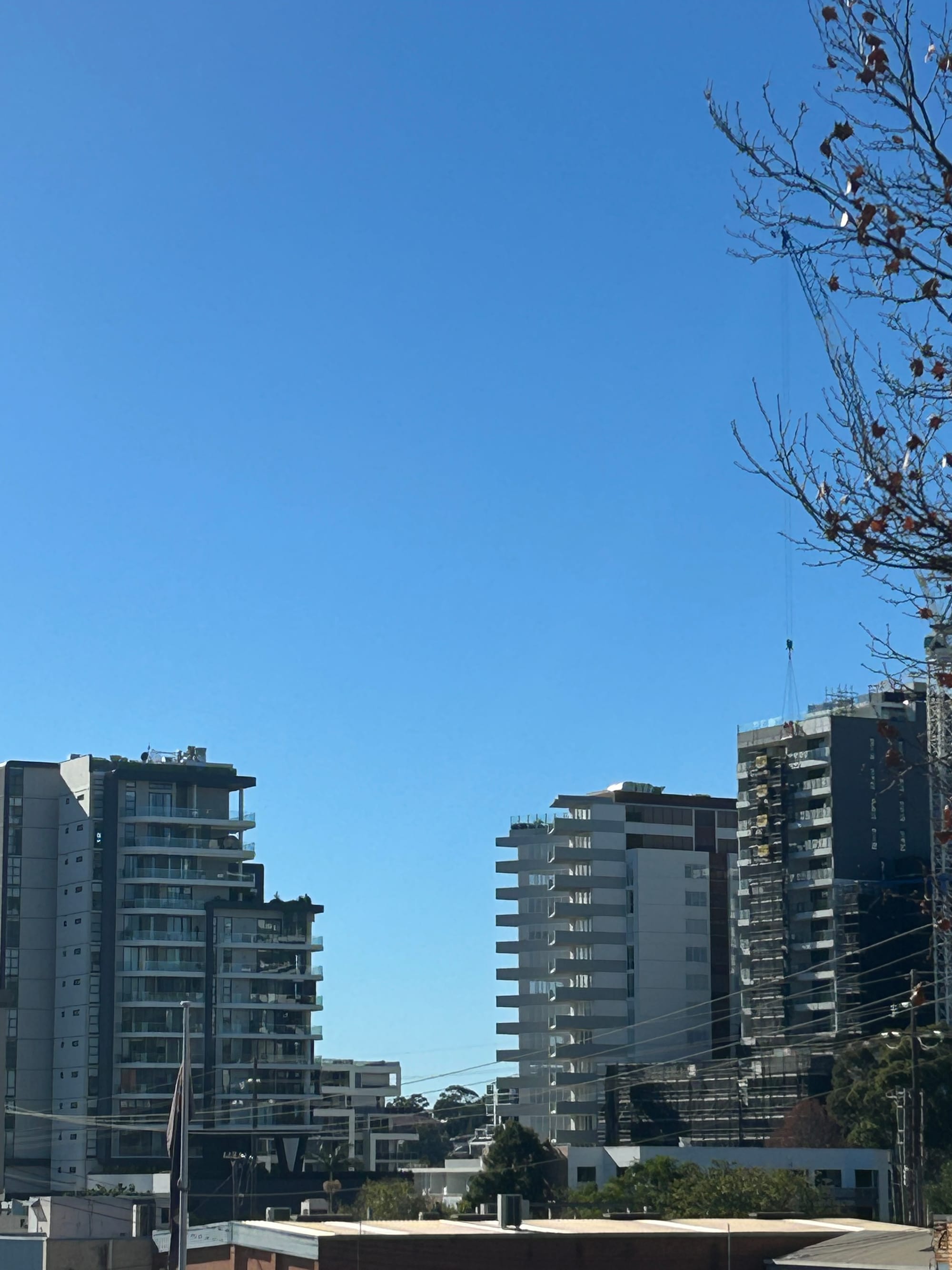
Greens Cr Kit Docker said “I do not think there is a single height that answers the question of “how high is too high?” for Wollongong. Each development should be considered on its own merits, including its location, design quality, impact on surrounding streets, and whether the infrastructure and services are there to support it.”
Cr Docker said the people of Wollongong shouldn’t fear the increasing amount of high-rise.
Density “has to be supported”
“Well-planned density can deliver real benefits. It can reduce urban sprawl, protect natural areas, lower emissions, and make it easier for people to live close to jobs, services and public transport. But those benefits are not automatic. Density has to be supported by good urban greening, open space, active and public transport, and community infrastructure so our city remains cool, liveable and human-scaled.
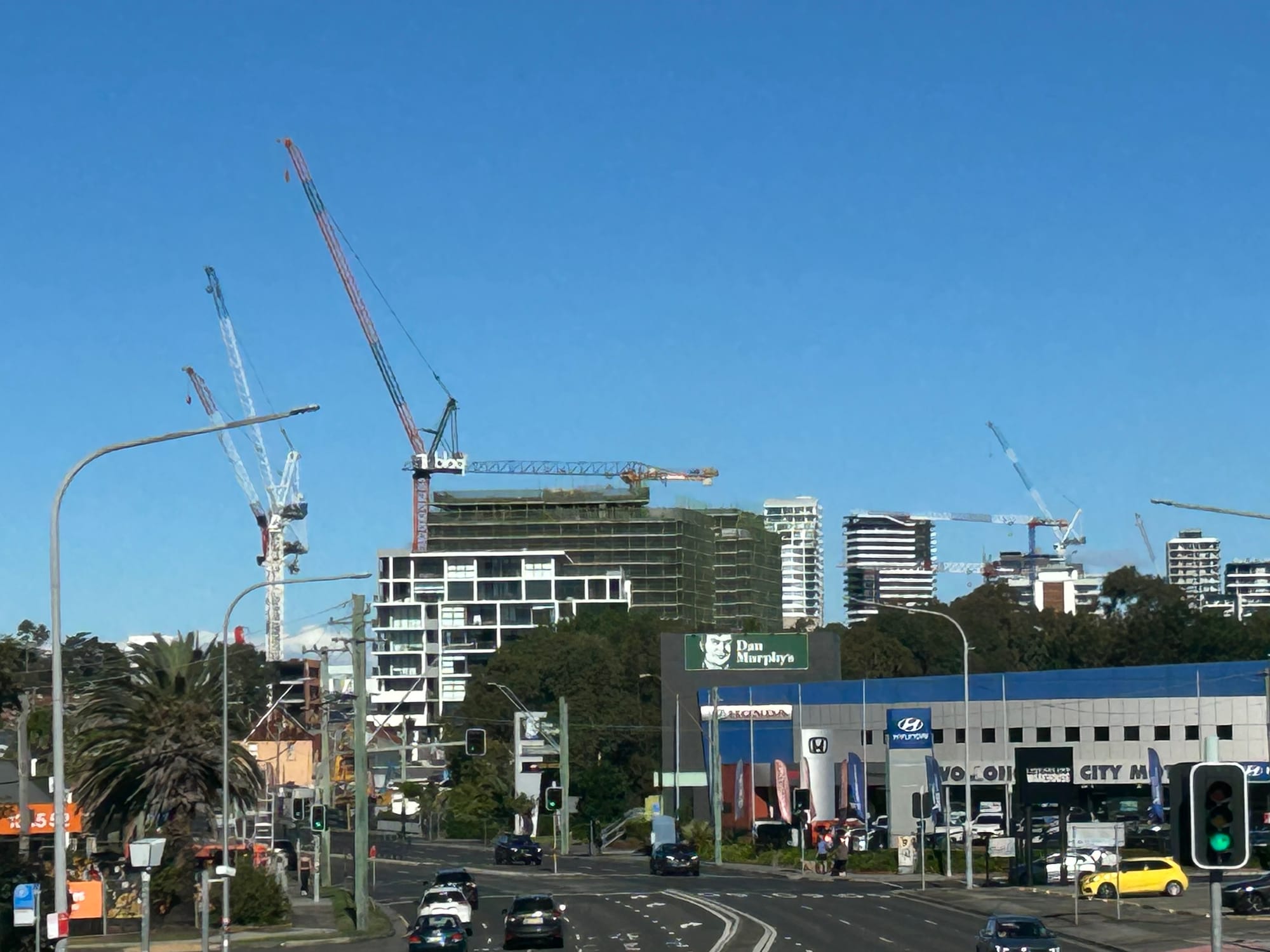
“My concern is that some developments are using State Government bonuses and approval pathways to go well beyond local planning controls, while councils and communities are left with little say,” Cr Docker said.
“As the State Government continues to override local planning controls through State Significant Development, councils are increasingly left to manage the impacts and deliver the infrastructure and services needed, despite having little or no say in the scale of development being approved.
“The biggest disappointment with the current uplift is the State Government’s failure to capture the windfall profits created through these pathways and turn them into affordable housing for key workers, young families and vulnerable communities.
“Wollongong can and should grow, but height alone should not be the measure of success,” Cr Docker said. “The real test is whether growth delivers a city that is affordable, sustainable, liveable and shaped with the community.”
Who cleans up the mess?
Cr Anthony raises further concerns that with Wollongong Council now having very little influence on some of the biggest development decisions, it will be Council left to clean up the mess should things go wrong.
“Our road networks, parking, public transport, pedestrian and cycling infrastructure is not adequate for the current widespread high-rise development the city is experiencing.
“I wonder who is benefiting from all this development, because it’s certainly not the Wollongong community,” Cr Anthony said.


