

Census volunteers spy 107 whales from Port Kembla
Whale watchers were stationed at headlands across the state for ORRCA's annual census on Sunday

Volunteers braved wind and rain atop Hill 60 in Port Kembla to take part in ORRCA’s annual whale census on Sunday, June 28.
Citizen scientists were spread across 27 sites along the NSW coast, with 24 hotspots conducting a coordinated count from 10am-12pm. This created a snapshot of whale activity, lessening the risk of double counting after 2025’s census racked up a record 5,995 sightings.
In the two dedicated hours, whale watchers counted 520 adults and 30 calves along the NSW coast.
All up, about 2000 whale sightings were recorded between sunrise and sunset.
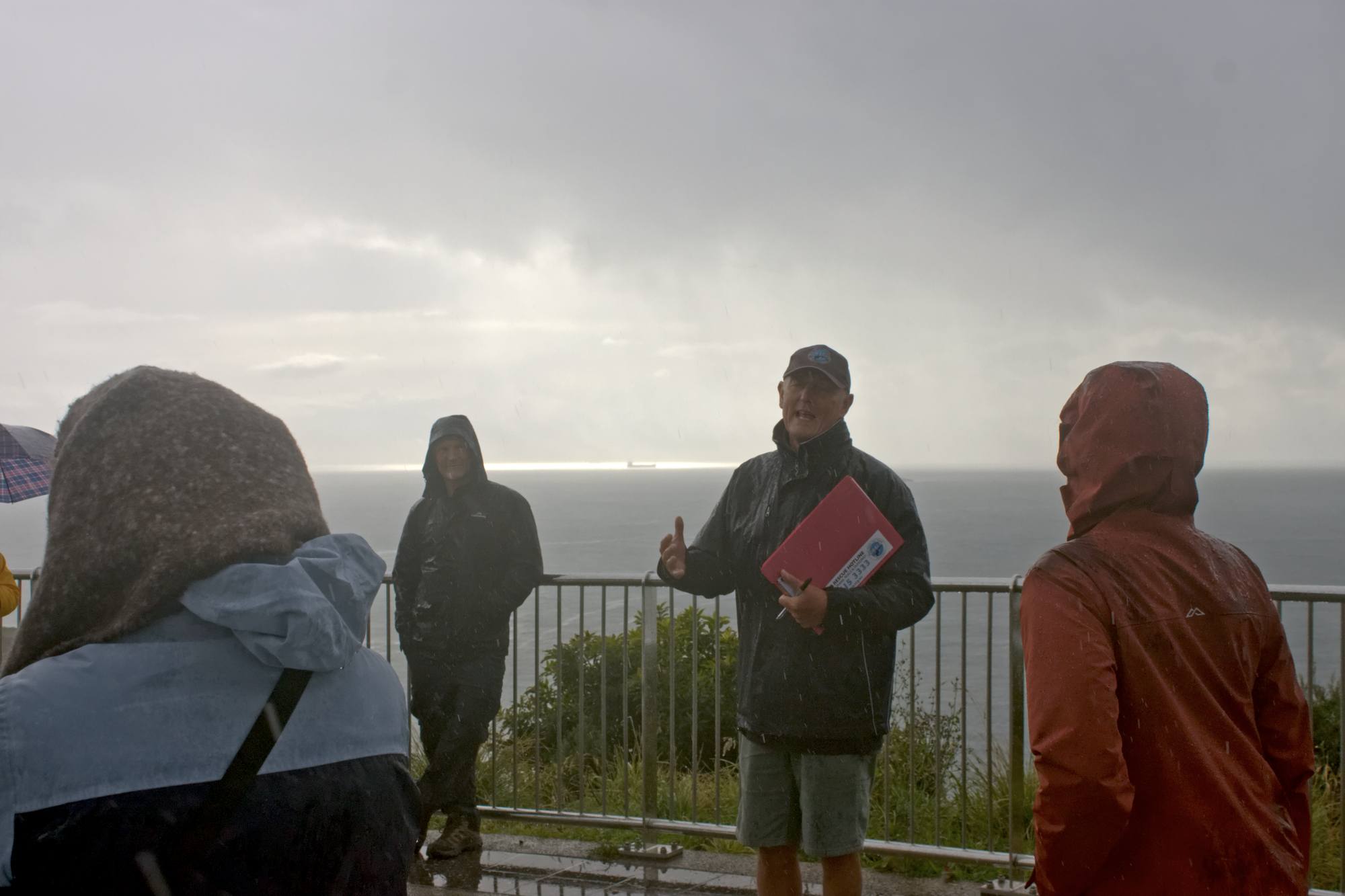
It was a grey start to the day at Hill 60. Photo: Patrick Breen
The day started cold, wet and foggy for Hill 60’s whale watching crew, so much so that volunteers began a dog count as a morale booster. Then the weather cleared in time for the coordinated count and onlookers were treated to whales breaching in the sunshine around the Five Islands Nature Reserve.
There were 107 whales sighted over the course of the day.

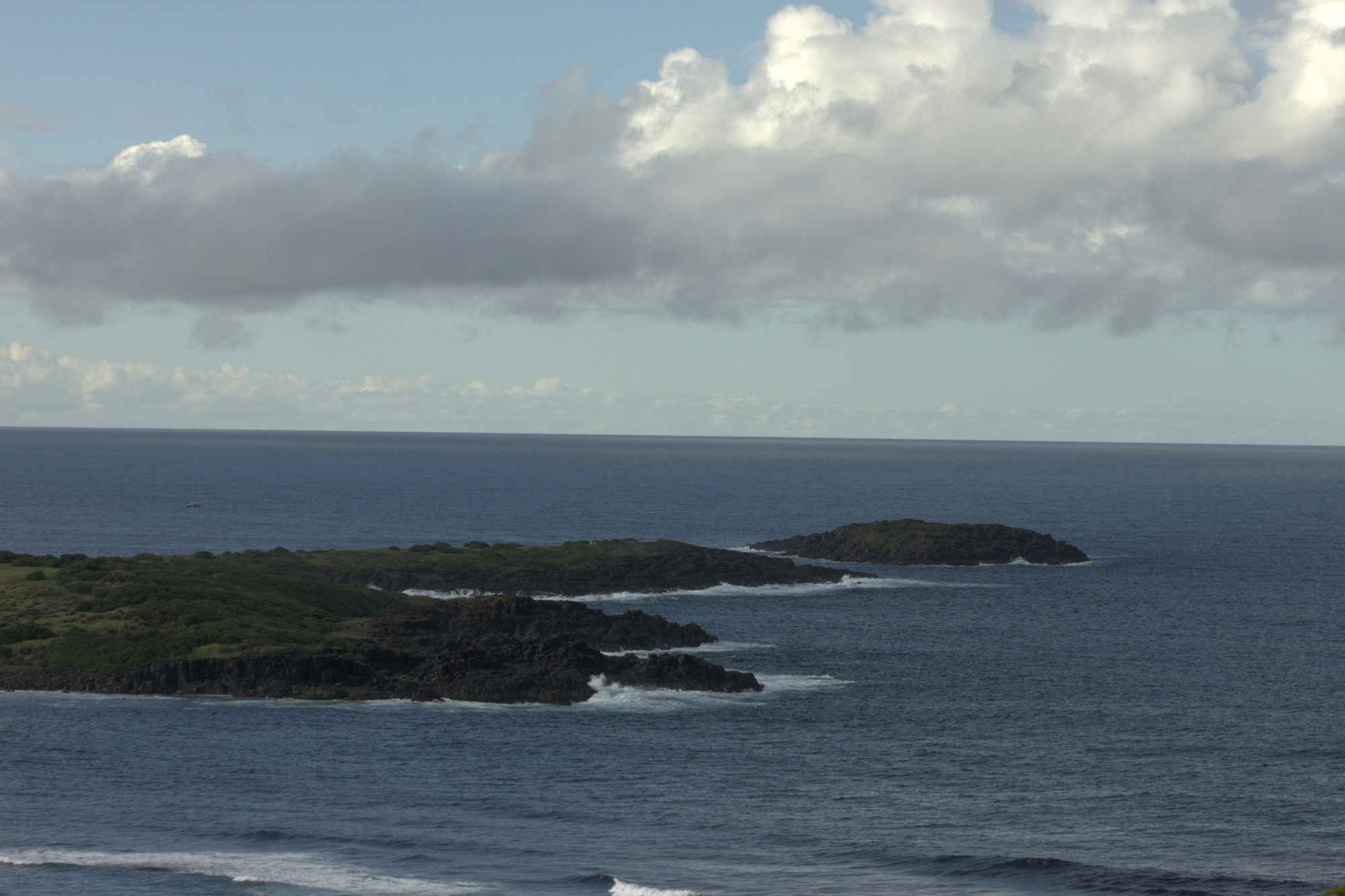
Sunday's clouds cleared for spectacle of whales. Photos: Patrick Breen
What the census tells us
The Organisation for the Rescue and Research of Cetaceans in Australia (ORRCA) has run the census for 27 years.
Pip Edwards, vice president of ORRCA, said the census boosts our understanding of whales and their behaviour, with the observations gathered over decades allowing researchers to compare trends.
“So that would be things such as whale behaviour, whale abundance – so how many you're seeing coming past a certain point in time, how many are travelling together and what the composition of that group is, so whether there's calves, travelling with escorts, travelling with females.”
The census has also helped to track the size of whale populations.
“At this stage, it does seem that the humpback whale population is continuing to grow, and not only does our data support that, but data from scientists all along the east coast of Australia is validating that,” Pip said.

An 'incredible' success story
“We believe the humpback whale population to be estimated at around 50,000 individuals now that come past the east coast of Australia, and data does indicate that that population is continuing to grow," Pip said.
“Which is an absolute incredible conservation success story, given that in the 1960s their numbers were just down in the hundreds.”
The data also helps ORRCA in its rescue work.
“One of the lesser known things that we use this data for is actually understanding some of the best vantage points along the east coast where you do get those whales coming in quite close to shore,” Pip said.
“And that actually helps us from a rescue perspective.
“So when we have entanglements, for example, and we're trying to track whales up the coastline, we'll activate ORRCA team members to points along the coastline where we know we have the most likelihood of intercepting those whales.”
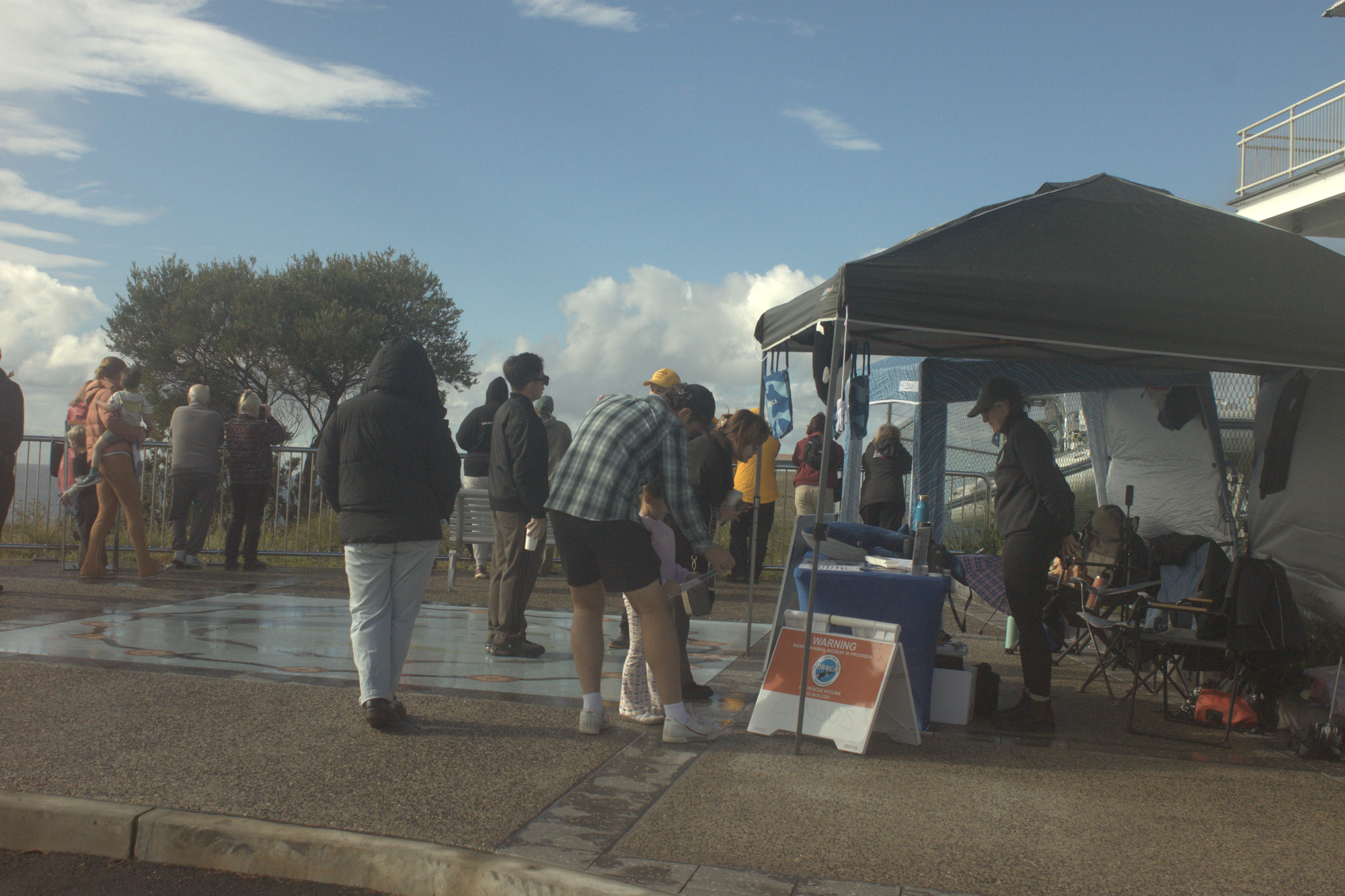
For more info and donations visit www.orrca.org.au.


