

In toughest time for farmers, shopping local helps
Want to support local farmers as the fuel crisis bites? Head to the Apple Shack at Glenbernie Orchard this weekend for fresh fruit, plus pantry staples like apple cider vinegar, and award-winning craft cider
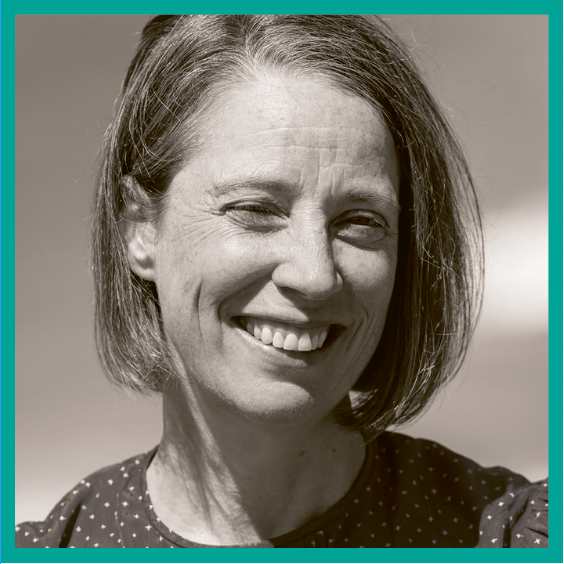
The true grit of Australian farmers is evident at Glenbernie Orchard. Right now, the Fahey family are keeping calm and carrying on with the autumn apple harvest while coping with extraordinarily tough times on two fronts.
Over summer, amid peak season for peaches and nectarines, farmer Glenn Fahey was diagnosed with a brain tumour, an advanced Grade 4 Glioblastoma.
Since then, the community has rallied round, raising thousands of dollars to support the hard-working family who have given so much to the district – providing local jobs, volunteering in business and tourism roles, and serving up annual Apple Pie Day benefits for the local CWA branch.
Glenn – who runs the orchard with his wife, Jo – also captained the Darkes Forest Rural Fire Brigade for many years and firies turned up in force for February’s fundraiser at Helensburgh pub.
Now the fuel crisis has added another thick layer of anxiety.
“Being a small to medium commercial family farming has never been more challenging,” Jo Fahey told the Illawarra Flame yesterday.
“I know of farms in NSW who have been told it could be six weeks before you can get the fuel you've ordered, if at all.
“It’s scary not knowing if you’ll have fuel for your tractors but you have to keep doing what you can to keep going, so prioritise things that you have to do first. It’s not easy and definitely causing additional stress.”
Bigger farms may have supply contracts and large storage facilities, but smaller ones order on an ad hoc basis. “So smaller family farms like ours are not able to rely or have certainty that when you order fuel you’ll be able to get it.
“Fertiliser costs and availability is also at threat.”
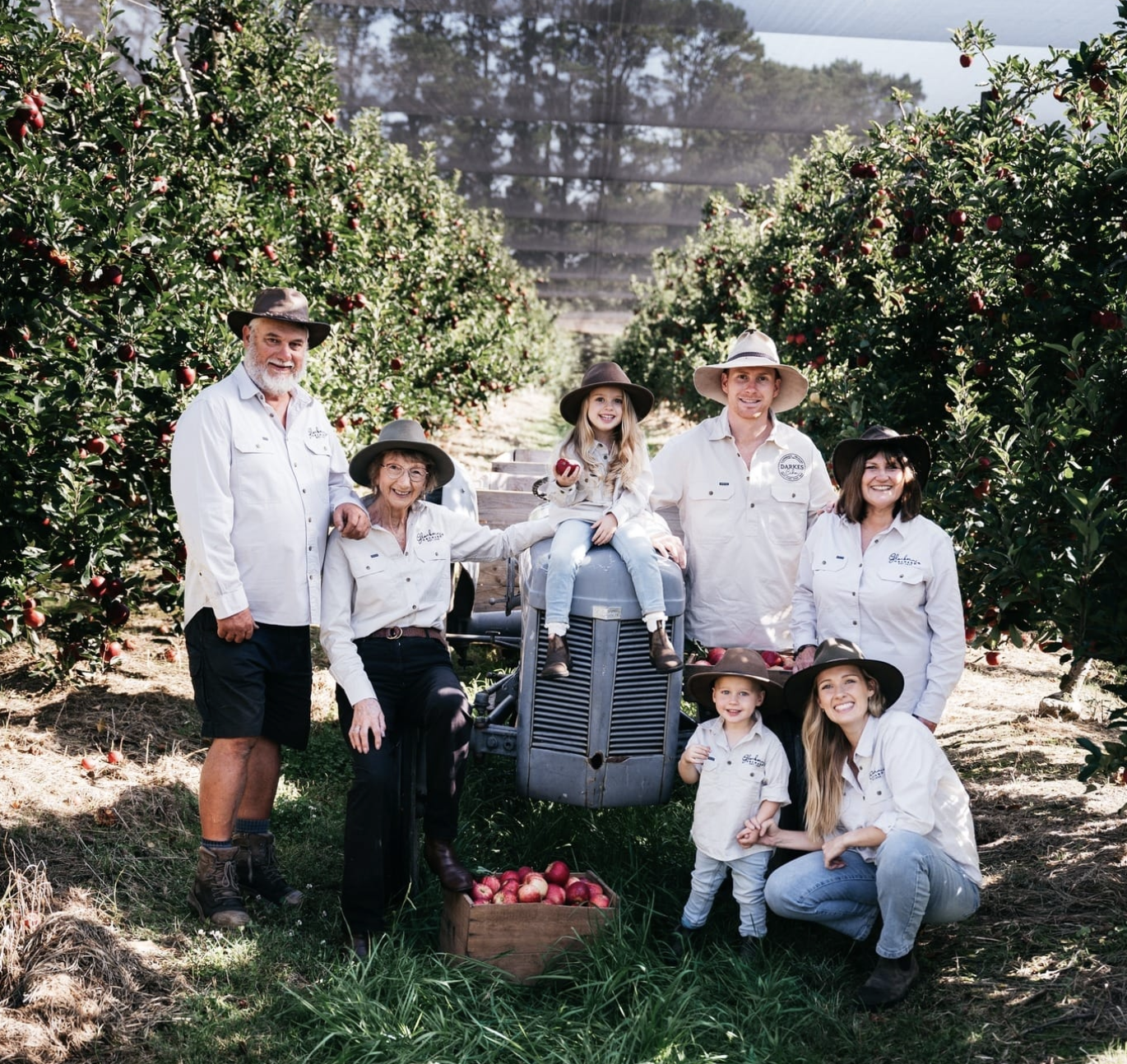
Fuel for the harvest and more
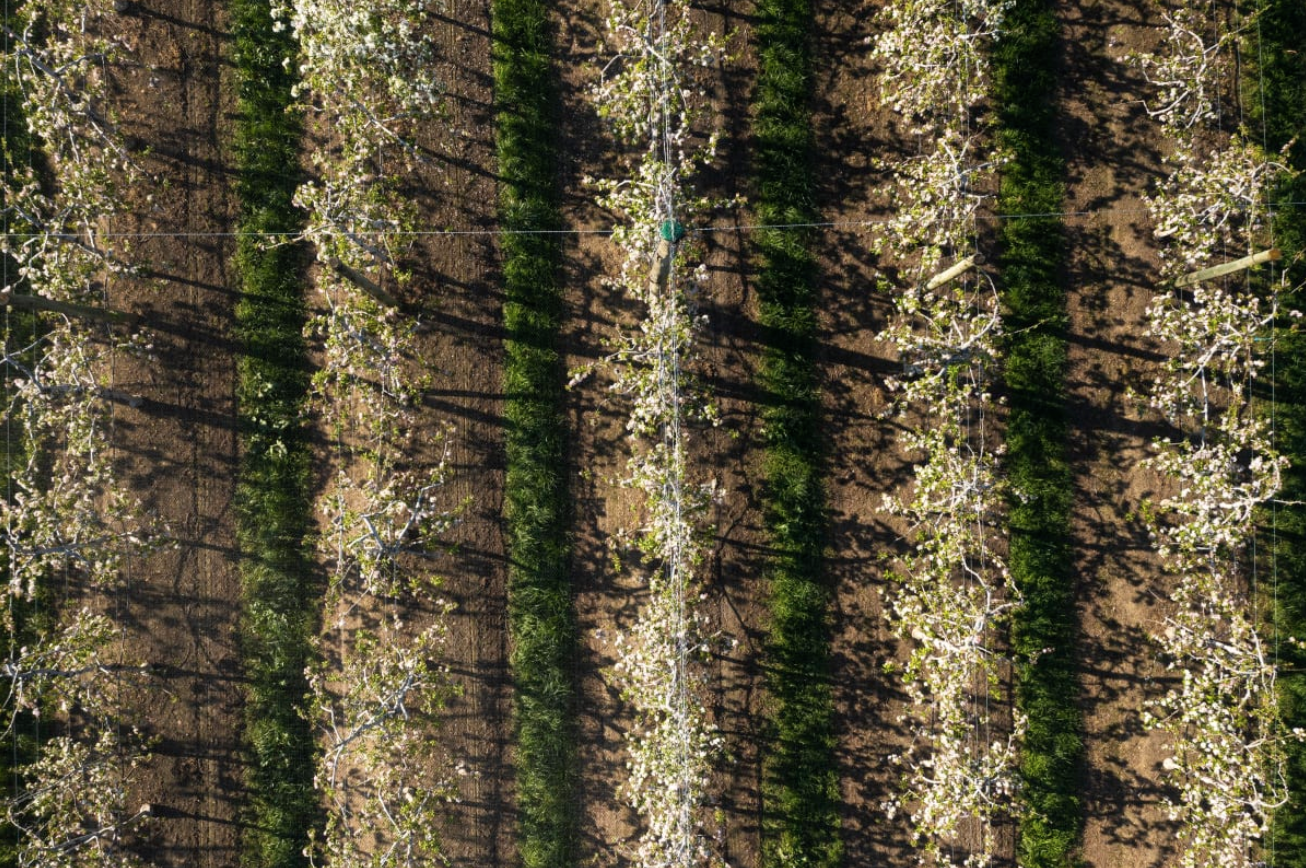
With over 22,000 fruit trees, Glenbernie is the Illawarra’s last remaining commercial orchard and right now the team are harvesting Kalei, a newer apple variety related to the Royal Gala that's described as having a "perfect balance of sweetness and acidity”. Soon they’ll be picking crisp green Granny Smiths, then the popular Pink Lady apples after Easter.
Day-to-day farming requires a lot of fuel as it's used in everything from delivery trucks to tractors and power ladders. Jo acknowledged that the team are feeling “a bit stressed” about the farm’s needs.
“We need fuel for harvesting our apple crop and then after we pick, it also impacts our ability to transport these apples for sale in the wholesale market,” she explained.
“Sending the apples anywhere was already high cost to the apple processors, juicers or simply to a packing facility. So this becomes unviable financially based on what we are paid per kilogram. We can’t cover the cost. It costs us to send the product anywhere from the farm.
“Our cold storage on site isn’t big enough to hold all the apples we grow here if we can’t sell them fast enough. Sending our apples to other places for storage involves transport and then additional off-site storage costs.”
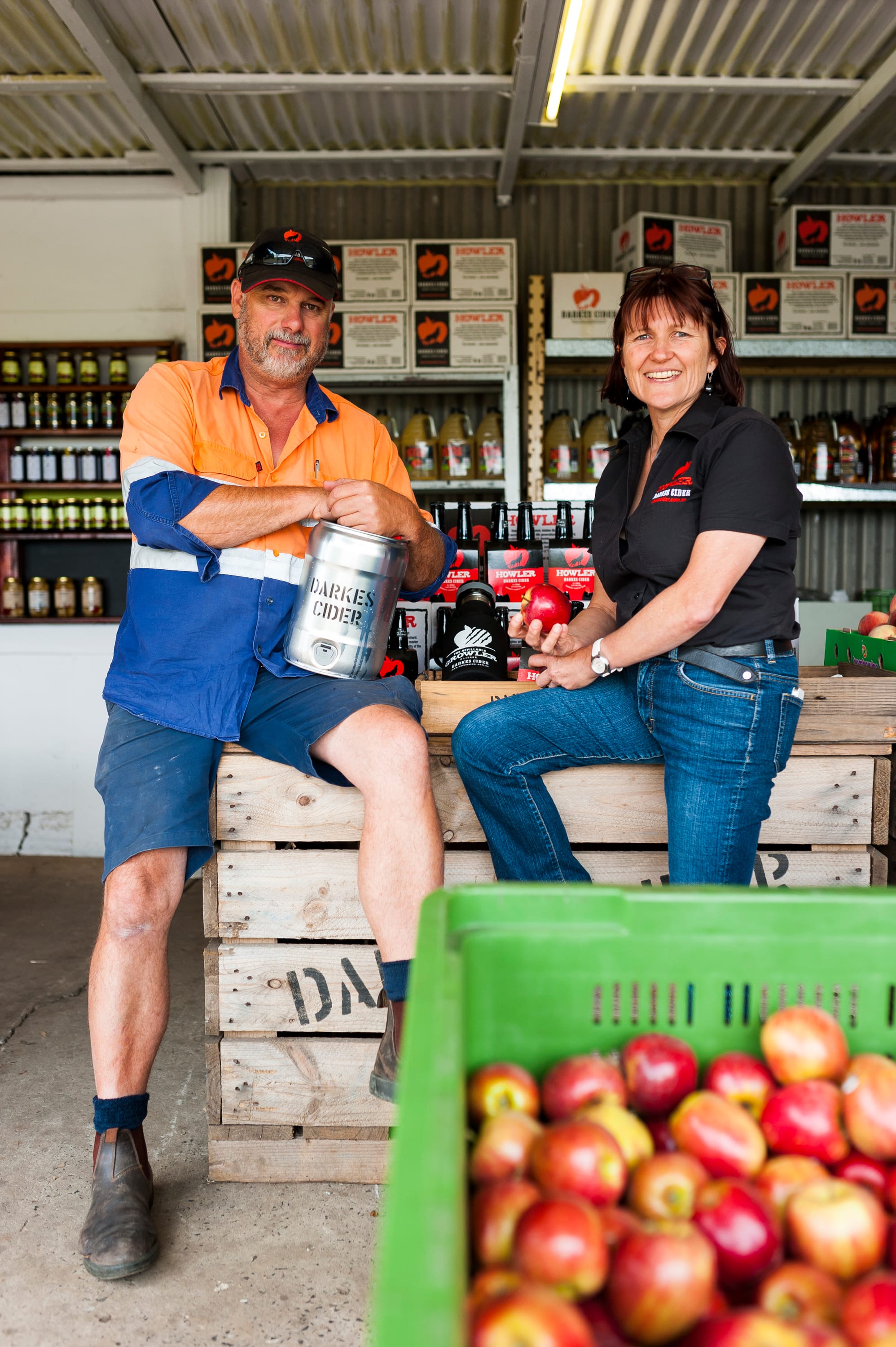
Achievements under pressure
Faheys have tended this land since 1939, with fruit trees planted in the 1950s now yielding stone fruit over summer and apples in late summer and autumn. They are no strangers to triumph and disaster, having won many food and drink awards over the decades, all while surviving floods, drought and a changing food market.
About a dozen years ago, Glenn and Jo’s son Brandon and daughter Casey suggested using the Darkes Forest apples to diversify to craft cider. This move was so successful that in 2021 the team sent three ciders to London's prestigious World Cider Awards and came away with four prizes: the grand title of ‘World’s Best Sparkling Perry’, gold medals for Darkes Howler Cider and Darkes Perry, plus a silver for Darkes Dry Cider.
During the Covid lockdowns, the orchard pivoted to online shopping and free contactless home deliveries. Now that successful service is under pressure, Jo said.
“We have been absorbing the costs of freight for local deliveries but it is rapidly becoming untenable and we will need to start charging fees where previously we did not – but that’s at a risk of it being too high cost for our customers.
"High delivery cost forces consumers, who buy direct from farmers currently, back to purchasing from supermarkets.”
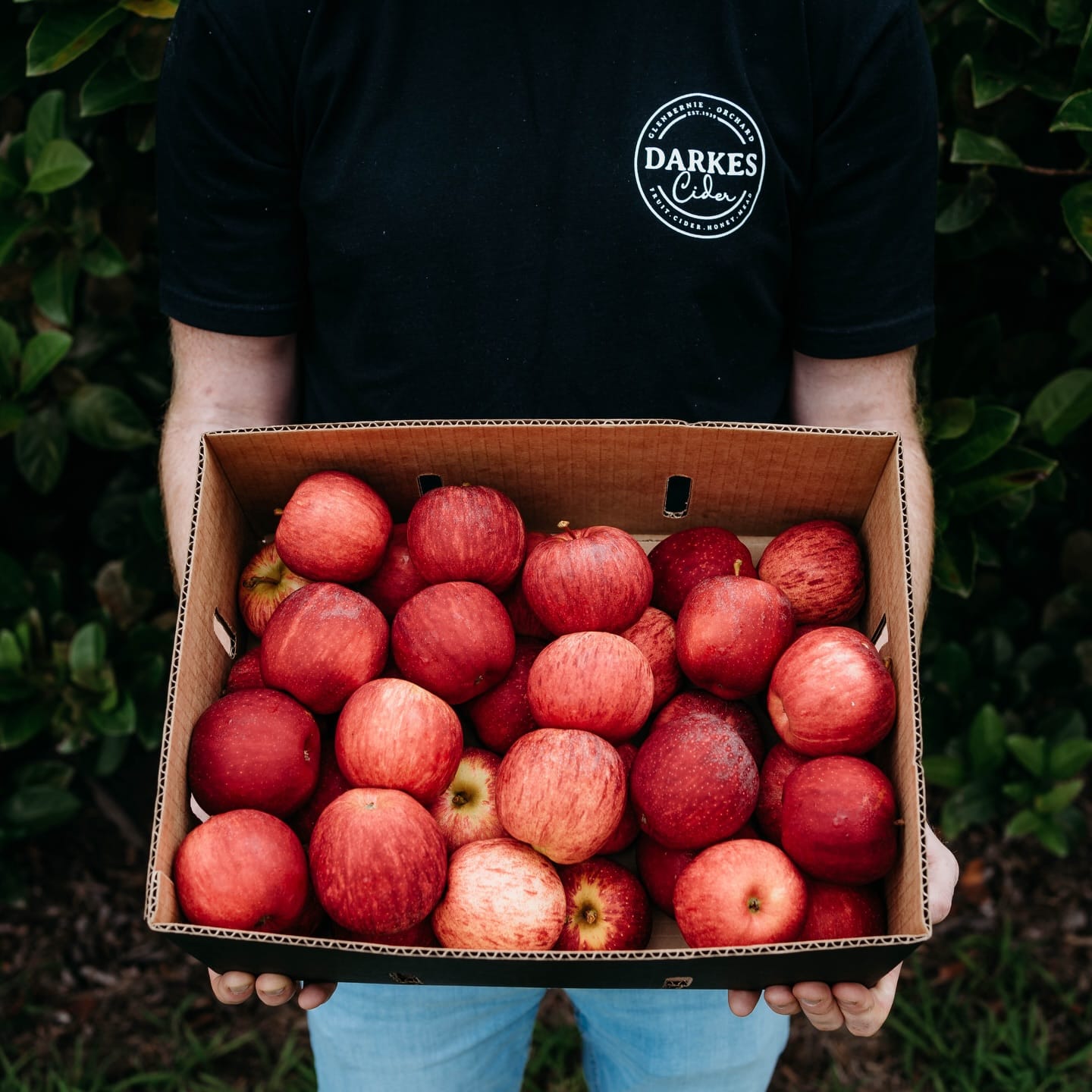
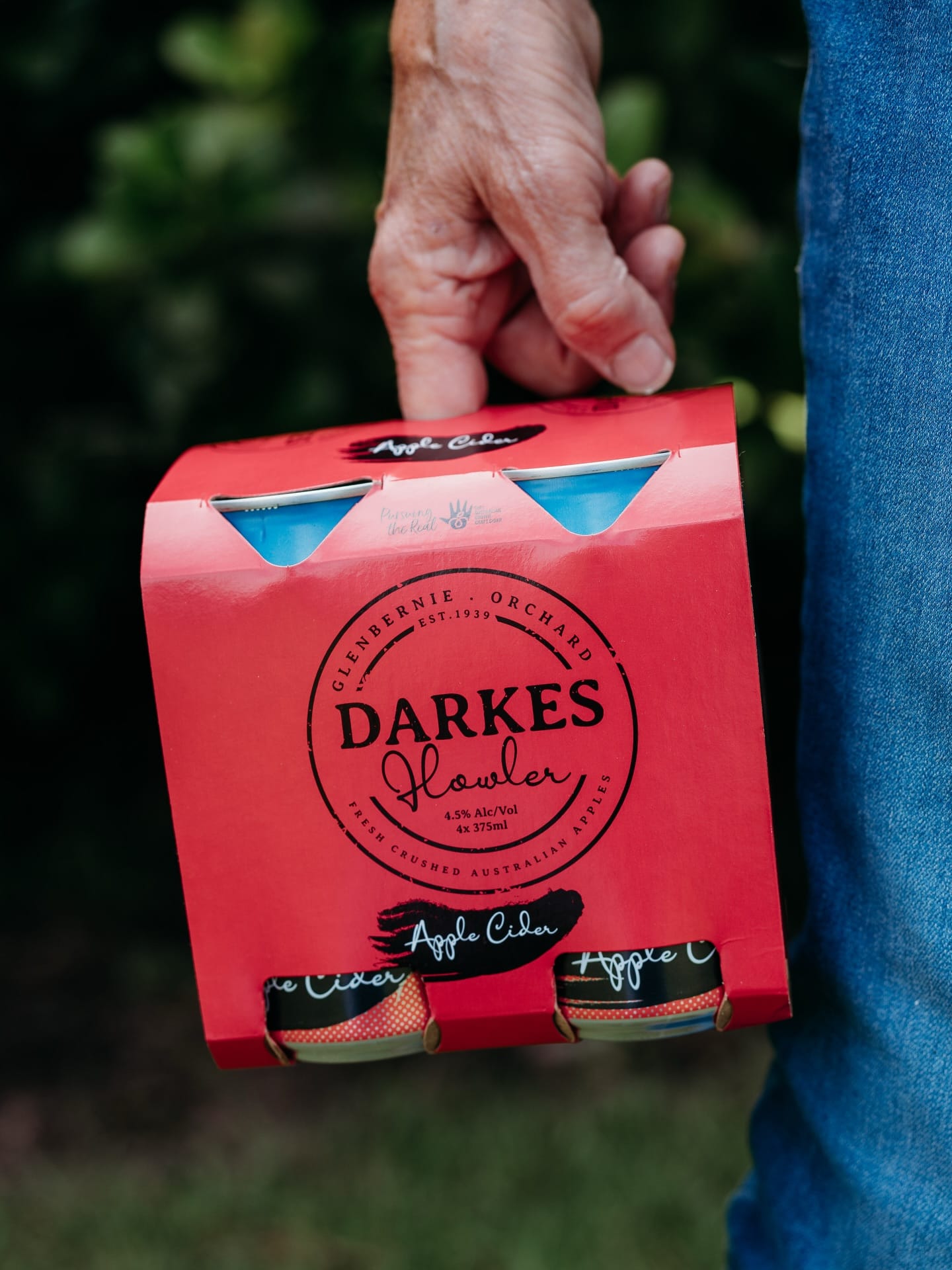
From tree to tipple – Darkes Cider is an award-winning product of Glenbernie Orchard
Broader threat to food security
The local sixth-generation family farm is an example of the national threat to agriculture, as the inability to access fuel for tractors and machinery will threaten food security more broadly, Jo said.
“We need fuel for our tractors to operate – not just for harvest but for all of our operations such as mowing to stop weed growth between the trees,” she explained.
“If we don’t keep the grass mown, we get weed development and incursions into other areas. Long grass and weeds attract pests and disease and then there is a knock-on effect to control these.
“We need fuel to run pumps for irrigation and for fertiliser application.
“Our tractors also are involved in distribution by spraying of micro nutrients to the trees. Plant nutrition and health is important all year round.
“Our power ladders for working in the tops of the trees not just for picking but also upcoming pruning and tree training that is done after harvest are also driven by fuel.”
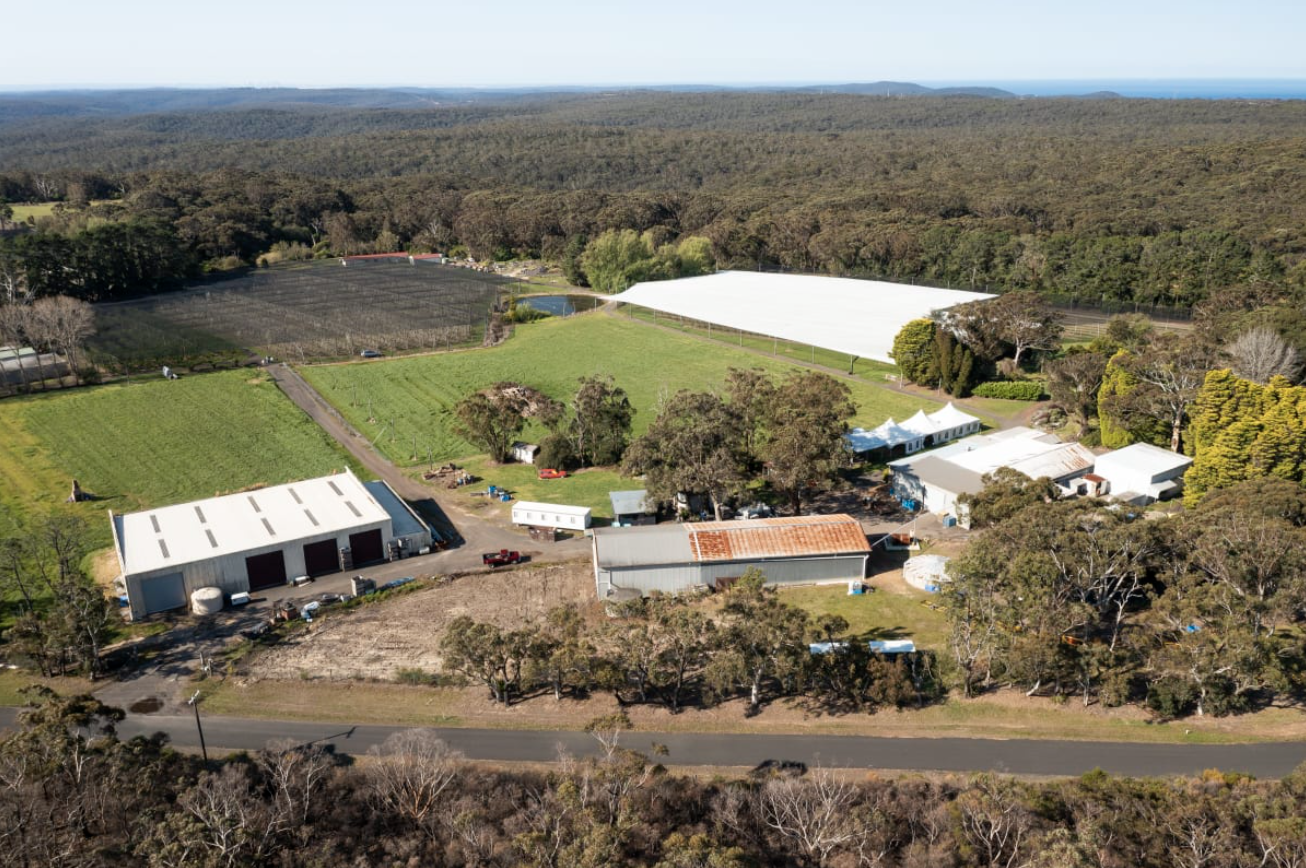
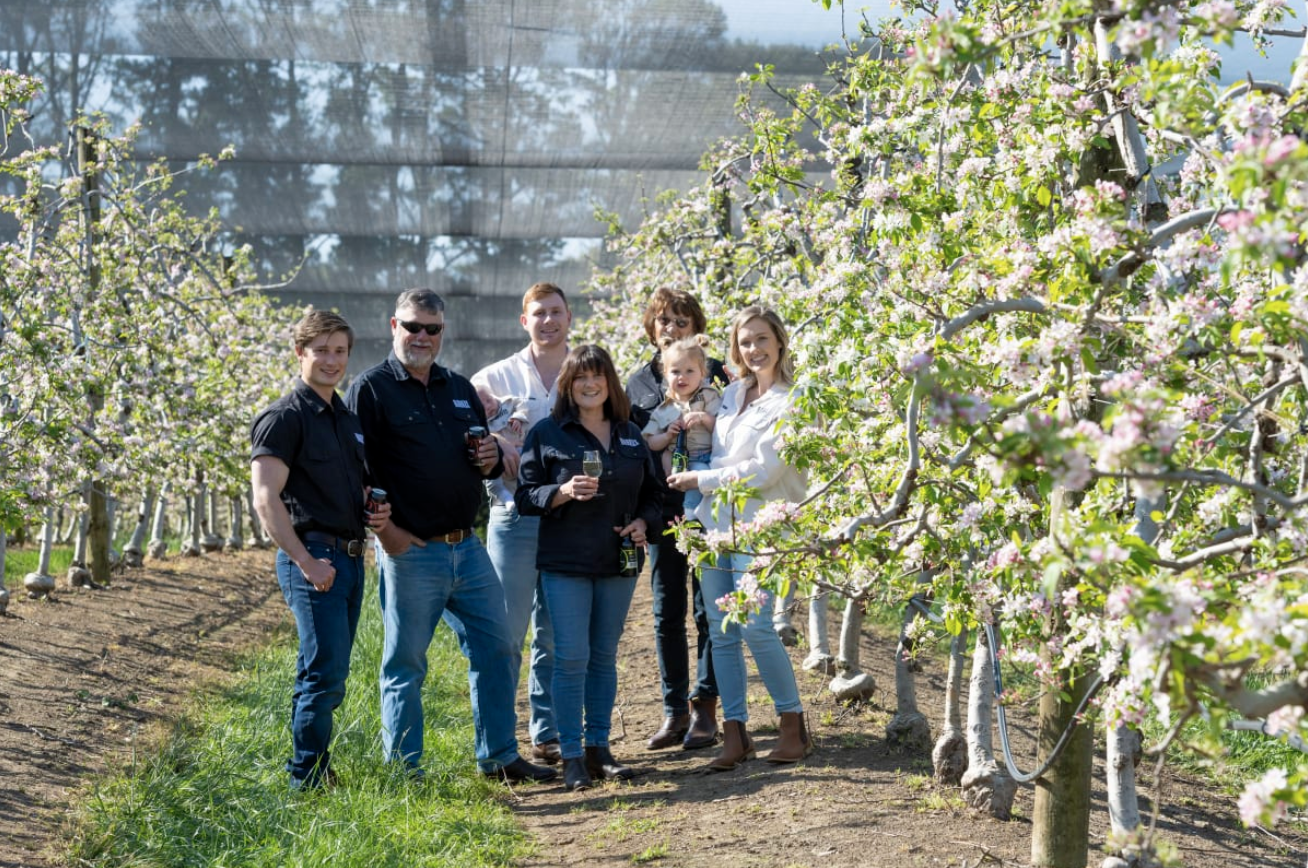
A view across the farm. At right: Three generations of the Fahey family in the orchard. Photos: Anthony Warry
On a commercial scale, the farm is small at 100 acres, but that’s still about 30 football fields and getting around requires a variety of vehicles, including quad bikes, which all need fuel.
“Properties like ours are generally too big to ‘just walk’ everywhere and you also do a lot of carrying of heavy, bulky equipment,” Jo said. “You’d never get any work done if you had to walk back and forth across the farm between jobs or blocks of plantings and you just couldn’t carry the equipment either. We are talking many kilometres per day.
“Getting parts for broken down machinery or transport of machinery to a workshop for repair is also something impacting on us.”
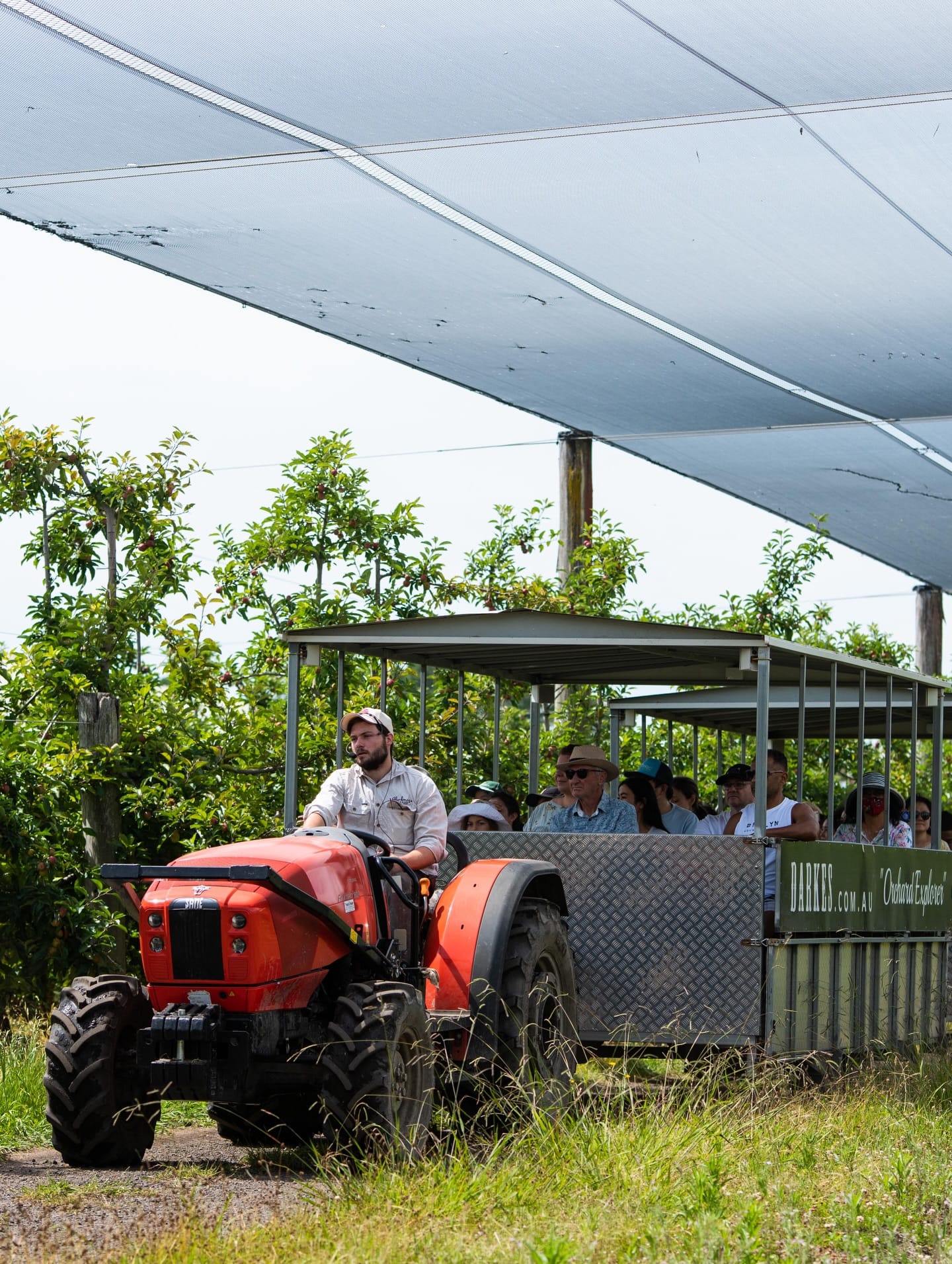
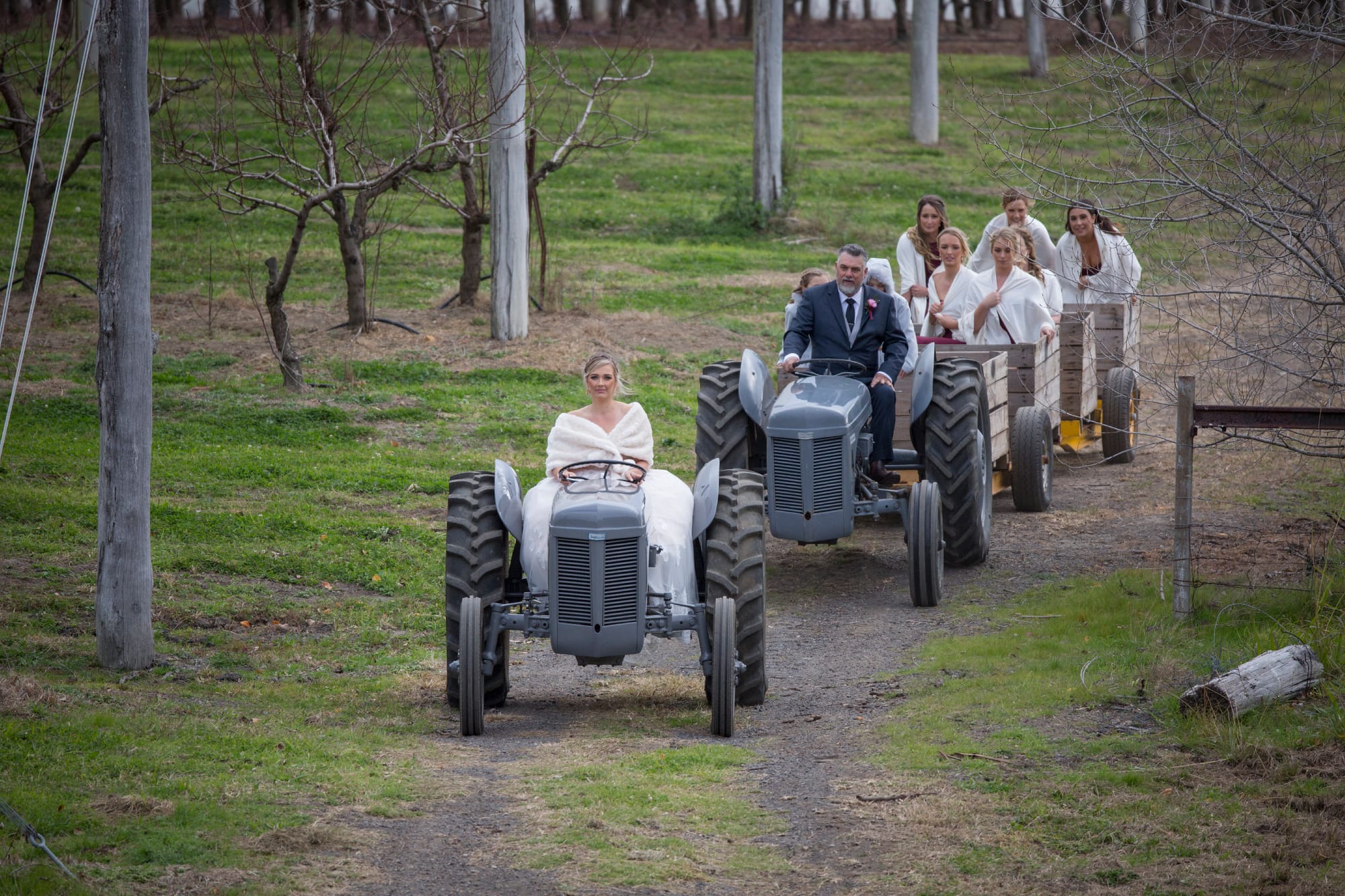
Tractors play a vital role at Glenbernie, ferrying staff, tourists and, a few years ago, Casey and her bridal party
Low food miles key to sustainability
The concept of ‘low food miles’ – the distance from farm to plate – has long been a feature of the sustainability movement, backed by shoppers conscious of their carbon footprint. Now, with major supermarket prices tipped to rise, Jo has suggestions for those who want to support the orchard, save money and shop local.
“Just keep ordering or, better still, visiting if possible, buying from our shop. Get neighbours or friends together and buy as a group a larger amount and split it up or increase size of the order or your individual shop.”
It’s a beautiful drive to Darkes Forest but visitors, like farm staff, will struggle to get there via public transport.
“Staff need fuel to travel to work,” Jo said. “We don’t have any suitable public transport to and from Darkes Forest and we are located too far away and on dangerous roads for pushbikes. Most farms are located in areas where there is no viable public transport option for workers.”
The best option is to make a day of it – take the beautiful boardwalk to Maddens Falls then pop over to the farm cafe for lunch – with apple pie for dessert – at outdoor tables with a view of the fruit trees. On weekends, families may also enjoy tractor train rides and Pick Your Own tours.
The Apple Shack farm shop/cellar door/kitchen is open from Thursday to Sunday. Shop online for fresh produce and pantry staples, such as apple cider vinegar, bush honey, jams and sauces. Online deliveries are every Tuesday and Friday.
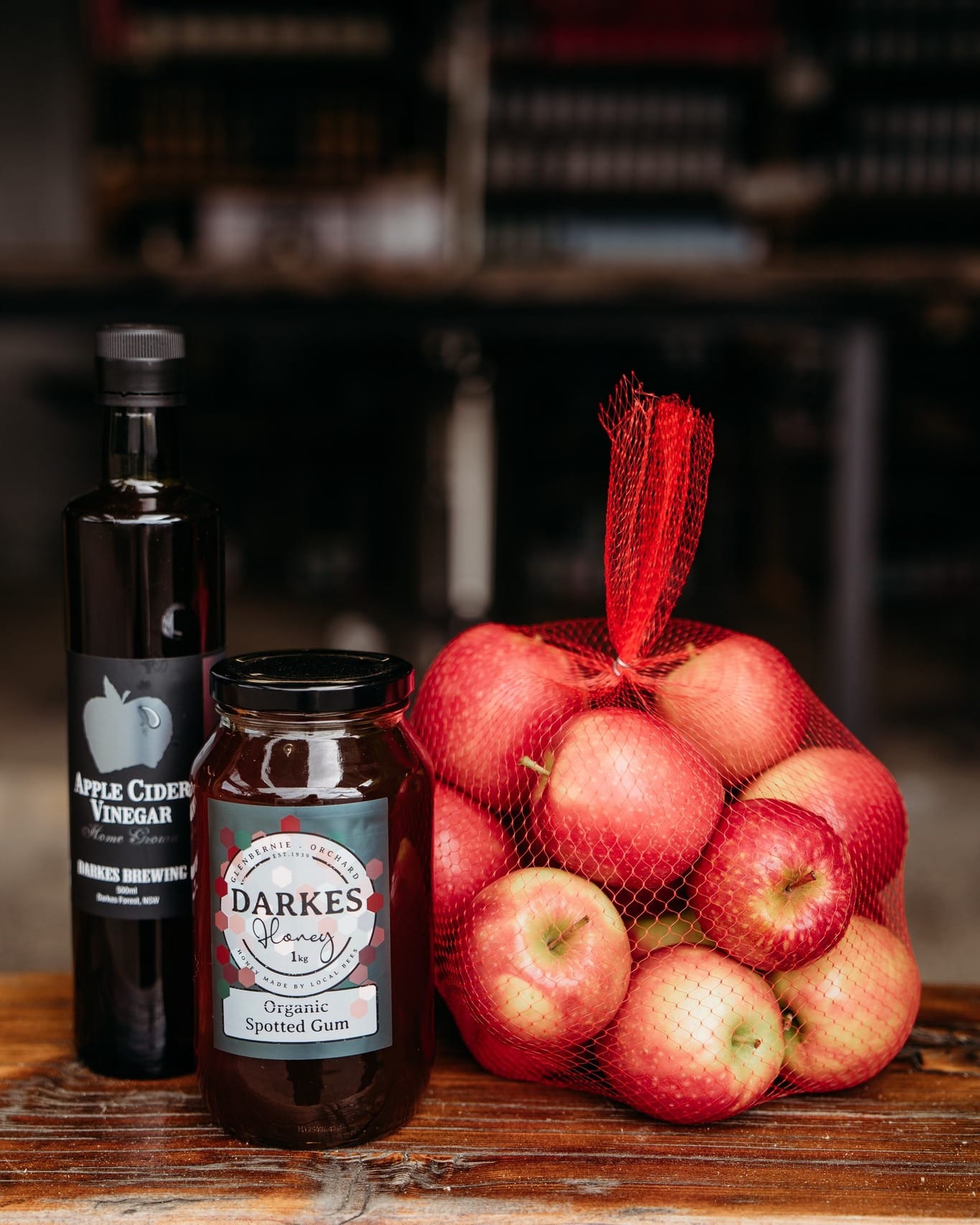
Buy orchard produce direct from the farm at Glenbernie's Apple Shack store


