

Let’s be bold with our future transport plans: expert
With current structures 'inadequate' ahead of an expected population boom, Dr Philip Laird has urged ambitious plans be embraced

A leading Illawarra transport expert says it's time Wollongong lived up to its City of Innovation tagline by seeking more ambitious means of moving locals from A to B.
Responding to Transport for NSW's call for public submissions to create a new 20-year regional transport plan for the Illawarra and Shoalhaven, Dr Philip Laird listed what he believed were the top priorities to improve connectivity.
His views formed the submission from the community advocacy group, Neighbourhood Forum 5, representing the people of central Wollongong.
Addressing the latest meeting of Wollongong City Council, Dr Laird said planning needed to start immediately for the city to be able to cope with the projected population growth, from 215,000 in 2021 to 289,000 in 2041 – a 34 per cent increase.
He said current road, rail and active transport infrastructure wasn’t adequate for the existing population, let alone one growing by another third.
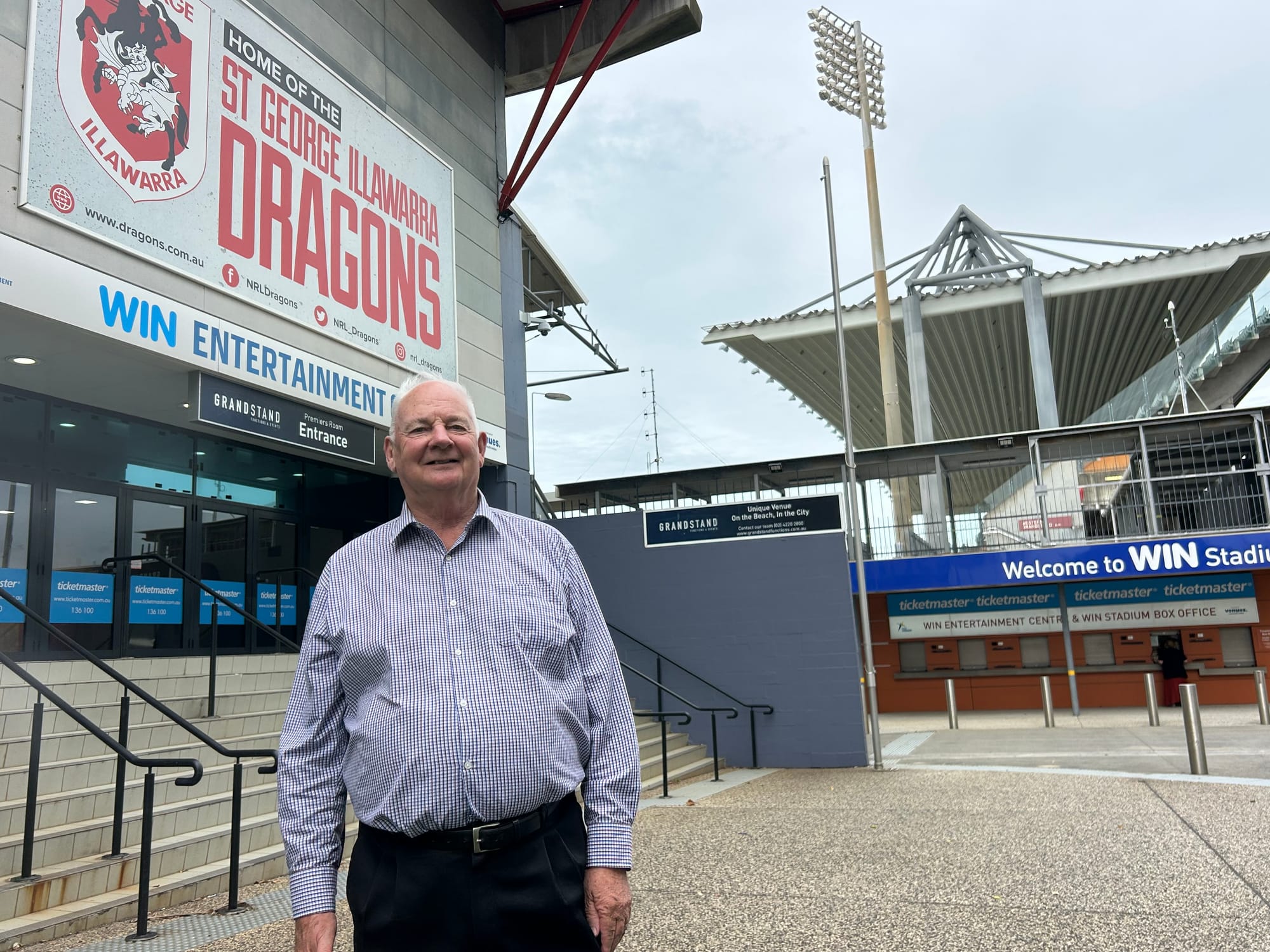
Dr Laird said plans just released for a major upgrade of the WIN Stadium/ entertainment centre precinct should provide the catalyst for providing a light rail system operating from the railway station to City Beach.
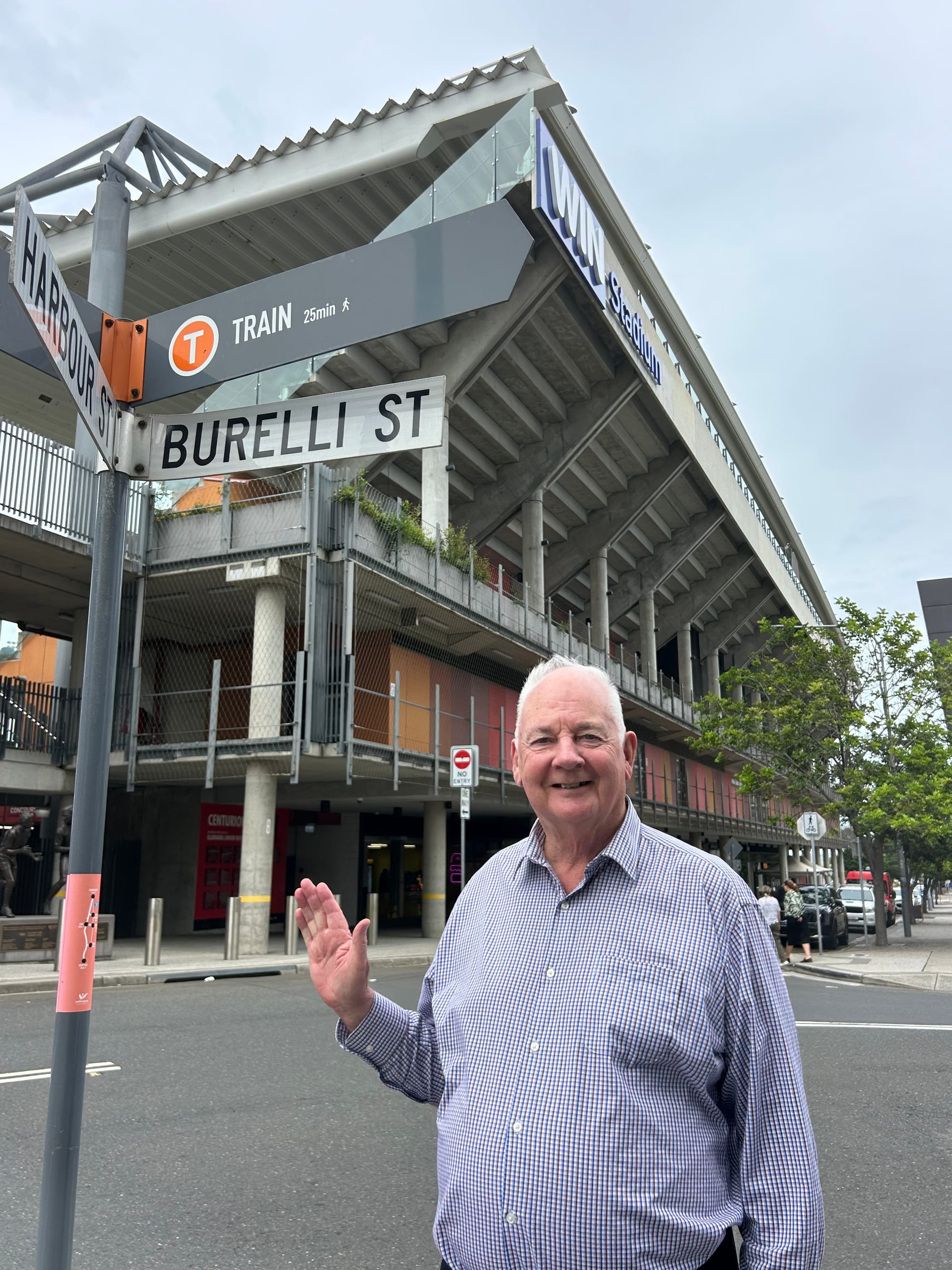
“We should demonstrate that we are a true City of Innovation and investigate a trackless tram which could run through the Crown Street mall,” Dr Laird said.
“It could help revitalise the mall just as the light rail has benefited businesses in Sydney CBD’s George Street. Trackless trams are proving effective in other works cities. They are a cheaper light rail option and why shouldn’t Wollongong become the first city in Australia to adopt this mode of transport?”
Rail service 'inadequate'
In his wide-ranging submission, Dr Laird bemoaned the “inadequate” current rail service operating between Wollongong and Sydney. The federal government last month announced grand plans for a high-speed rail service linking Sydney and Newcastle.
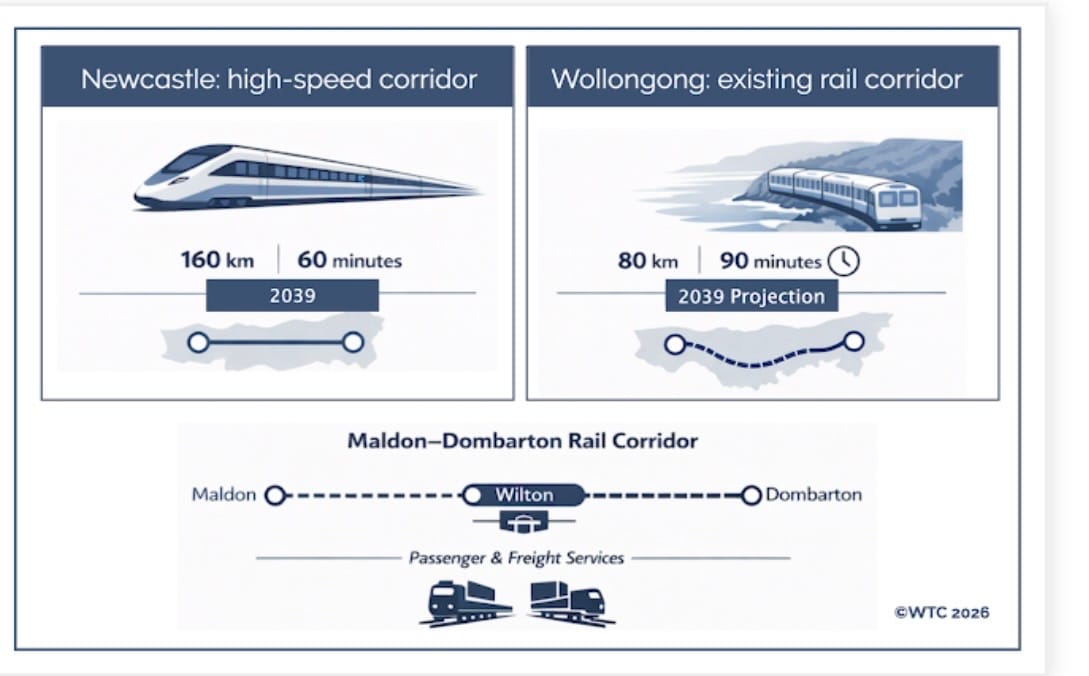
“Meanwhile, there’s nothing to benefit Wollongong. In 2039, Newcastle commuters will be travelling the 160km journey to Sydney in 60 minutes. From Wollongong to Sydney, it’s half the distance but the travel time will be 30 minutes longer.
“Not only do we need more train services, we need faster trains,” Dr Laird said.
New airport a game-changer
He used the new regional transport plan as an opportunity to repeat “for the thousandth time” calls to finish work on the 35km Maldon to Dombarton rail line.
Dr Laird believes the opening later this year of the Western Sydney airport should be the game-changer needed to restart work on the long-awaited link into Sydney’s growing south-west.
When the Maldon-Dombarton line was first promoted in the 1980s, it was primarily to help shift freight to Port Kembla off local roads and on to rail.
The problems and dangers associated with freight on our roads is likely to get worse, according to new forecasts from Transport for NSW. They show that almost 33 million tonnes of road freight and nine million tonnes of rail freight were transported through the region in 2021. This is forecast to grow to almost 42 million and 11 million tonnes respectively by 2041.
Dr Laird says the combination of a booming population in south-western Sydney, combined with big numbers of people arriving at the new airport, means the Maldon-Dombarton line should also be capable of moving large numbers of passengers, also requiring a new train station to be built at Wilton.
Extend the Gong Shuttle
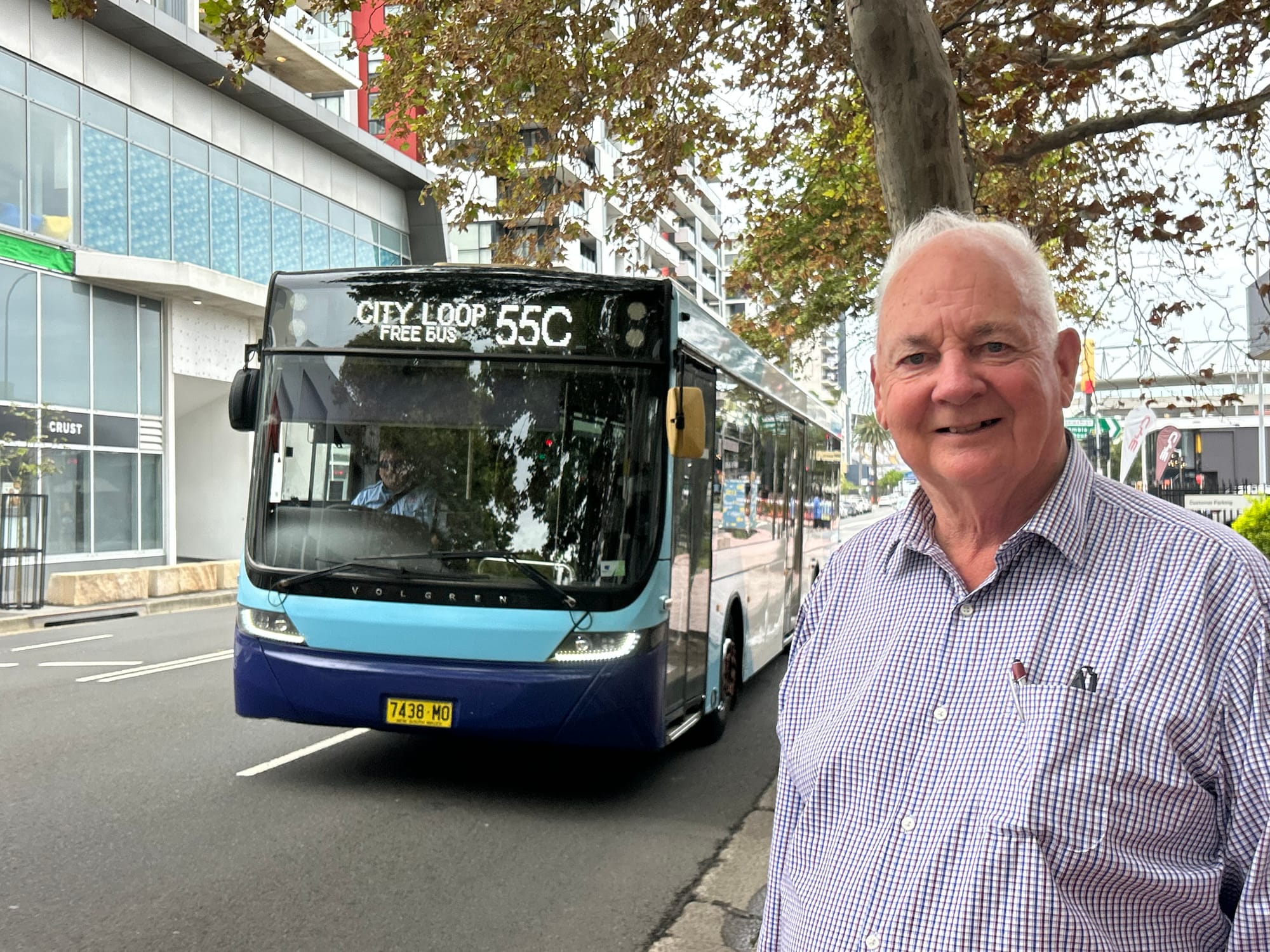
Dr Laird is also calling for an extension of the popular free Gong Shuttle bus to the city’s south.
“We’d like to see that bus extended from WIN Stadium into South Wollongong with a loop taking it to Figtree’s shopping centre.”
Consultation on the new regional transport plan closed last month, and Cassandra Ffrench, executive director for Transport for NSW, said respondents had highlighted the importance of safe travel for all and better access to transport services as key objectives.
“Top priorities and themes emerging from feedback include calls for more frequent and reliable public transport services, safer roads, improved congestion on key routes and better active transport connectivity,” Ms Ffrench added.


