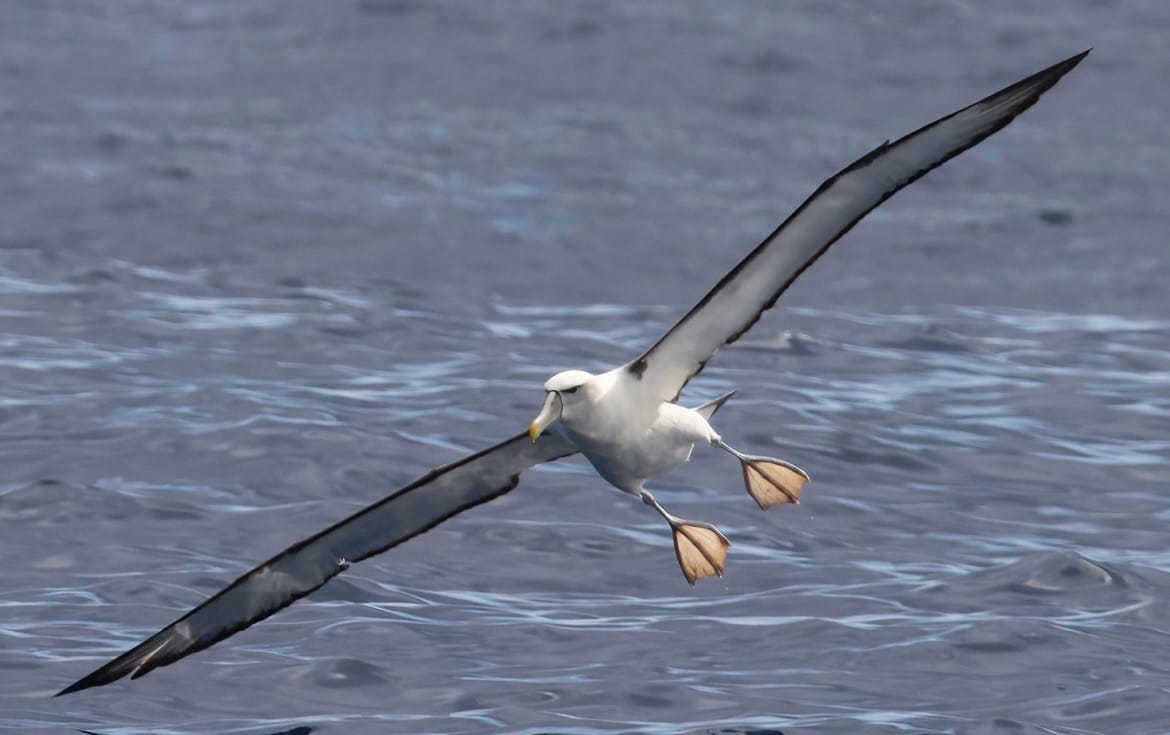

Let’s save the albatross before it’s too late
Today is an ideal time to focus on this exceptional bird - its very survival is at stake

Today, globally, we celebrate one of the most iconic and endangered groups of birds. The albatross been a prolific visitor to the waters off our coastline, but worryingly, its numbers are falling. Without some intervention – and soon – many of their species face extinction.
Celebrated on June 19 each year, World Albatross Day, allows us to shine a light on this remarkable bird species and the conservation crisis facing these iconic ocean dwellers.
Each year, an estimated hundreds of thousands of these magnificent birds are killed, accidentally, mostly by commercial fishing.
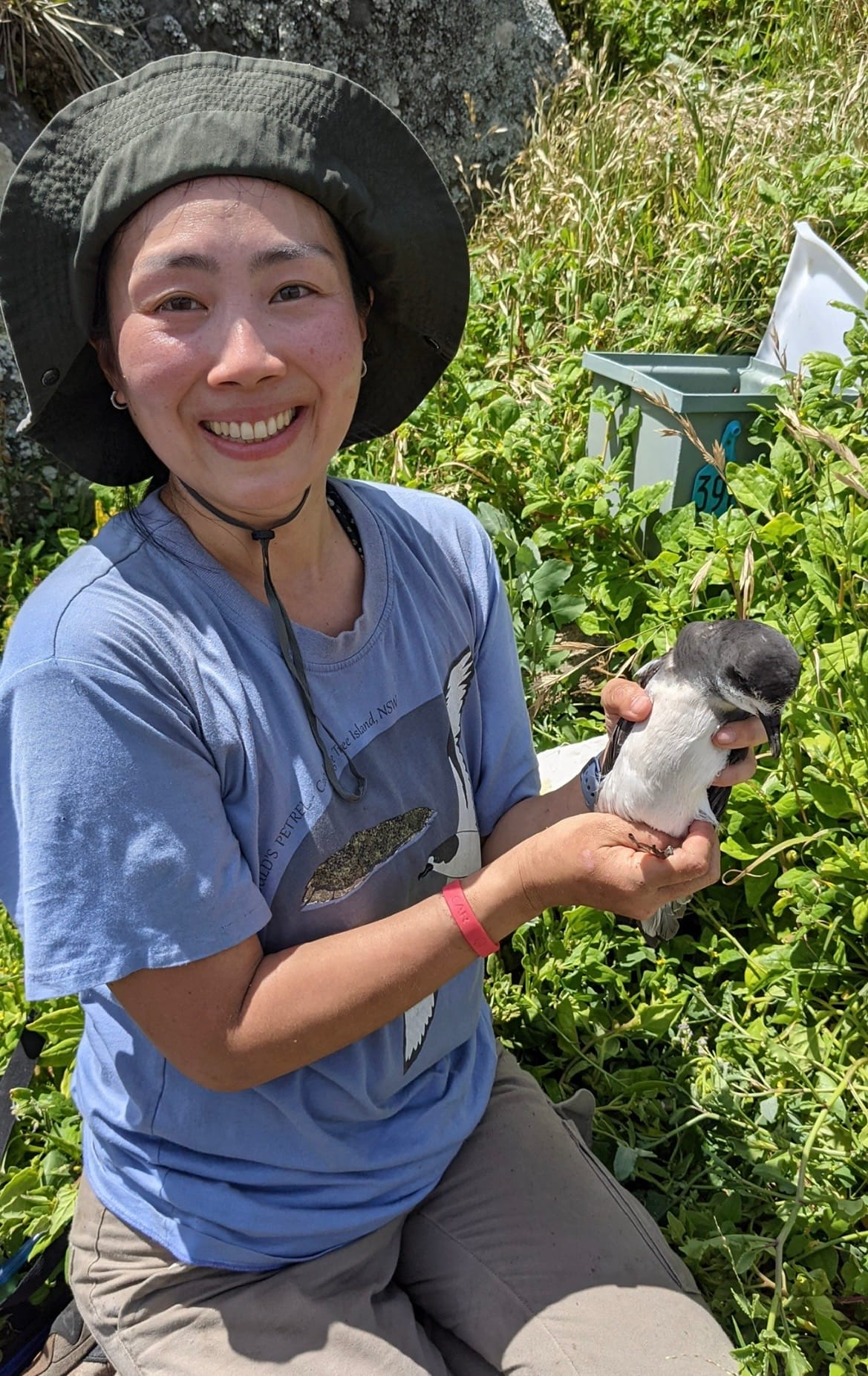
At the latest Illawarra Birders meeting, Dr Yuna Kim from Birdlife Australia explained how these majestic creatures, celebrated for their remarkable long-distance flights, play a crucial role in maintaining the health of marine ecosystems.
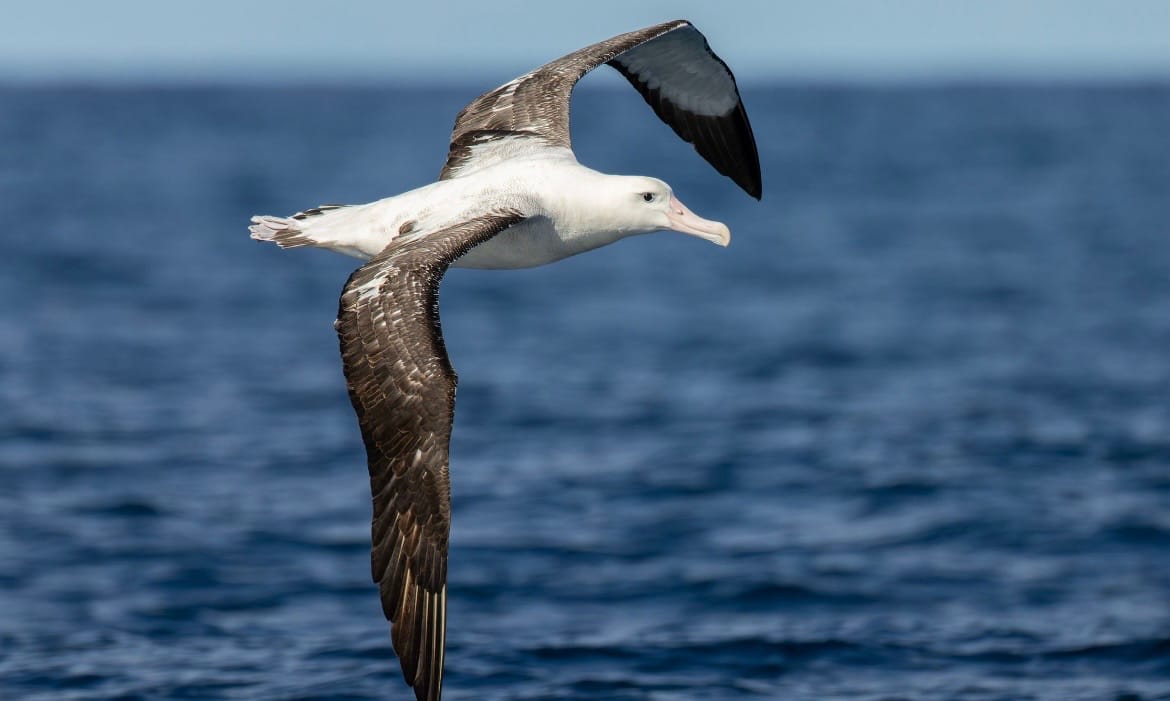
It’s said that albatrosses are the sentinels of our oceans. If they’re struggling, it’s a sign the whole marine environment is under stress.
Under threat
Albatrosses are among the most threatened group of birds globally, with 15 of the 21 species listed as critically endangered, endangered or vulnerable on the International Union for Conservation of Nature Red List.
Dr Yuna Kim is a person on a mission. Simply put, that mission is to end the accidental killing of tens of thousands of albatrosses every year by the fishing industry.
“The bait they use for tuna fishing is the same size of fish that albatross eat,” Yuna said.
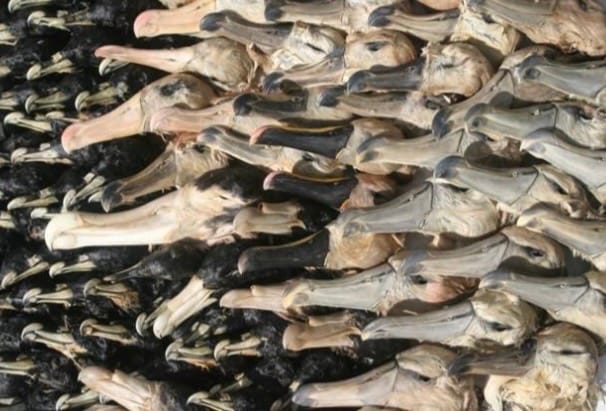
Estimates put the total loss of albatross attracted to the long-line multi-hook baits at 300,000, but Dr Kim thinks the numbers are almost certainly much higher.
“The number of albatross deaths is poorly monitored and there are really poor reporting methods. Fishery reporting is so poor, so I think the number of deaths are seriously more than the estimates.”
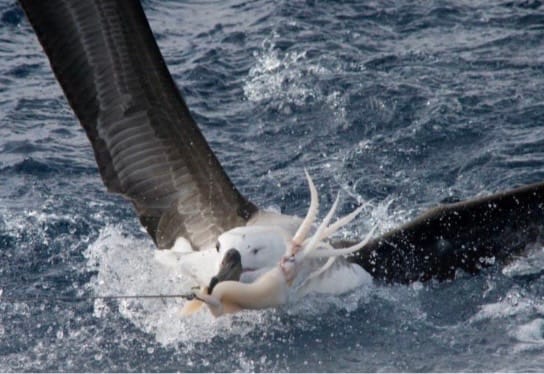
Yuna believes it’s everyone’s responsibility to find a solution to the unnecessary bird deaths. “Fishermen don’t want to catch albatross. There is definitely a role for scientists to come up with the solution.”
Yuna said the waters off the NSW South Coast ate definitely seeing a drop in albatross numbers through fishing and she warned wind farms would present a new risk. “They can kill so many birds,”she said.
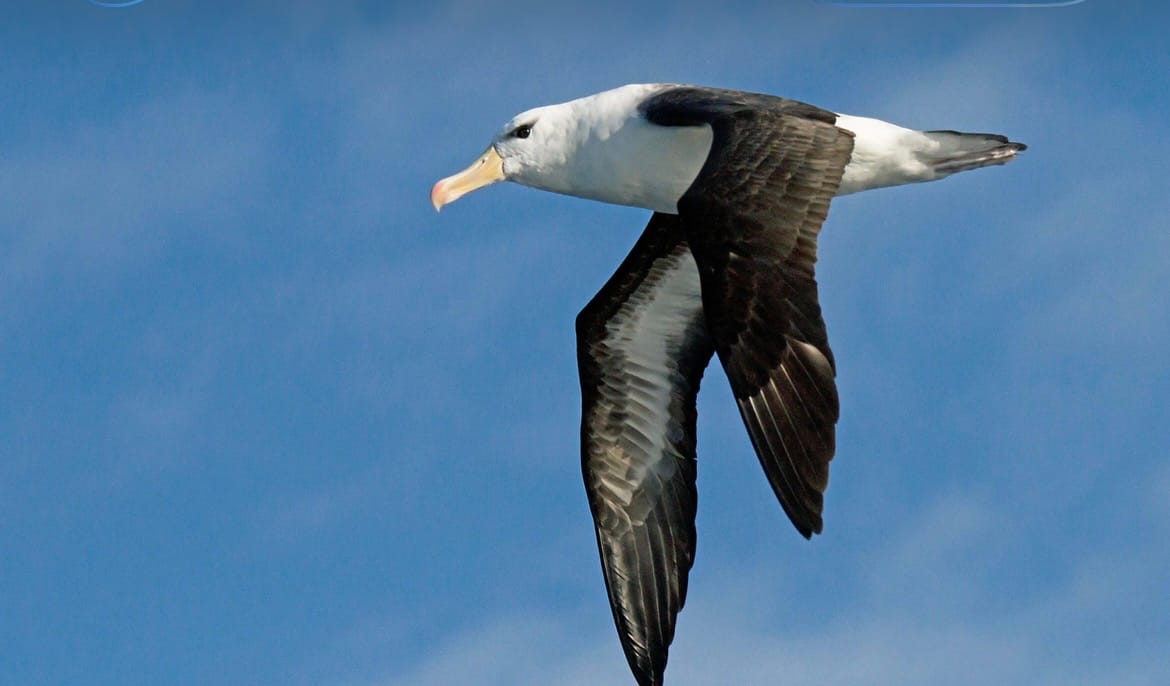
Yuna said organisations such as Illawarra Birders have an important role to play, understanding how much threat albatross numbers are under.
“Because they‘re well off shore, it’s difficult to log at-sea observations. So we do rely on citizen scientists to help monitor the numbers.”
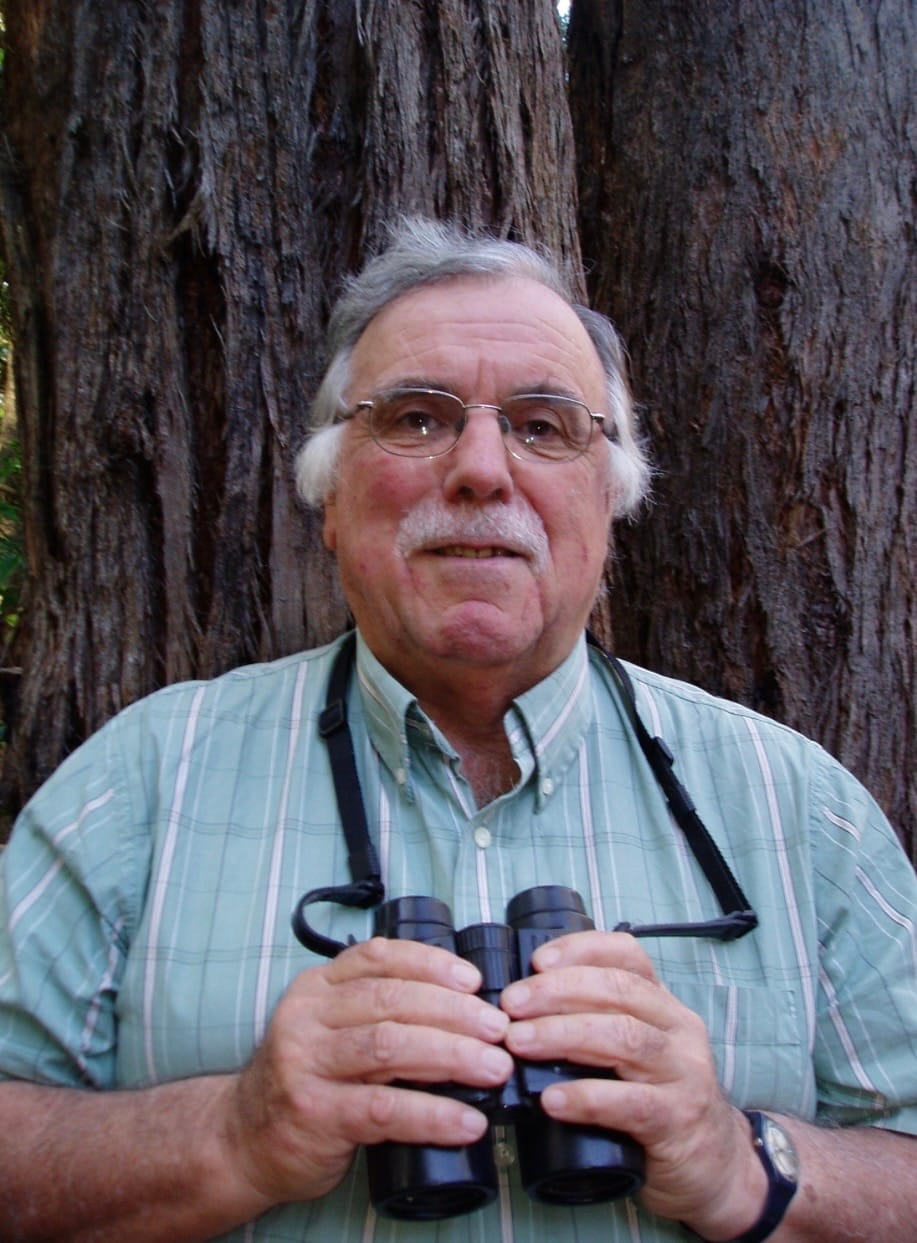
Graham Barwell, a keen Illawarra Birder, has been monitoring albatross in local waters for decades and for more than 20 years he helped conduct tours off the South Coast.
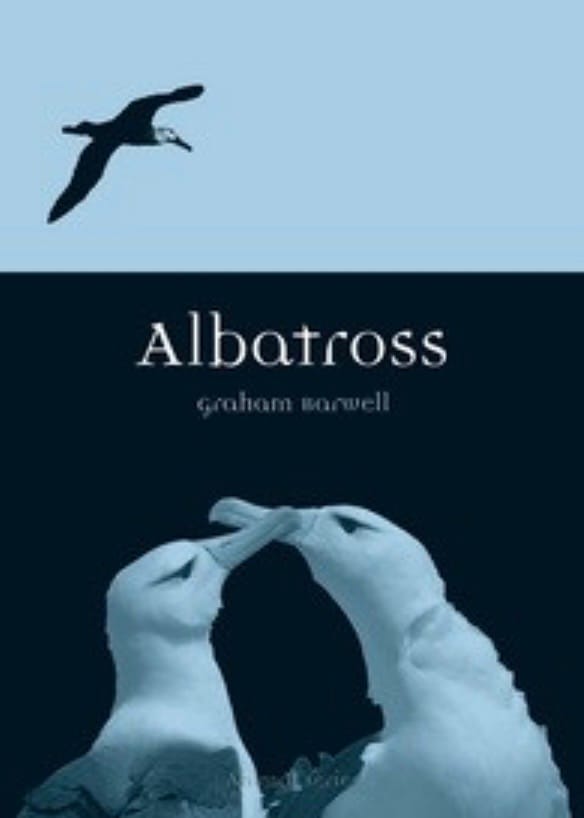
Graham’s 2014 book Albatross is described as “an engaging account of the historic relationship between people and albatross, and their impact on human cultures”.
Over many years, he’s been involved with other Illawarra Birders to tag the birds to help monitor their massive oceanic migration and to guide vital conservation methods.
Graham laments the noticeable fall in numbers since the time he first began his love affair with the albatross in the waters off the Illawarra.
“When I first started seeing them, there would be 20 birds at one time. Now you’re lucky to see one. Trying to preserve these birds is quite an effort,” Graham said. He also believes fishing is having the single most significant impact on local albatross numbers.
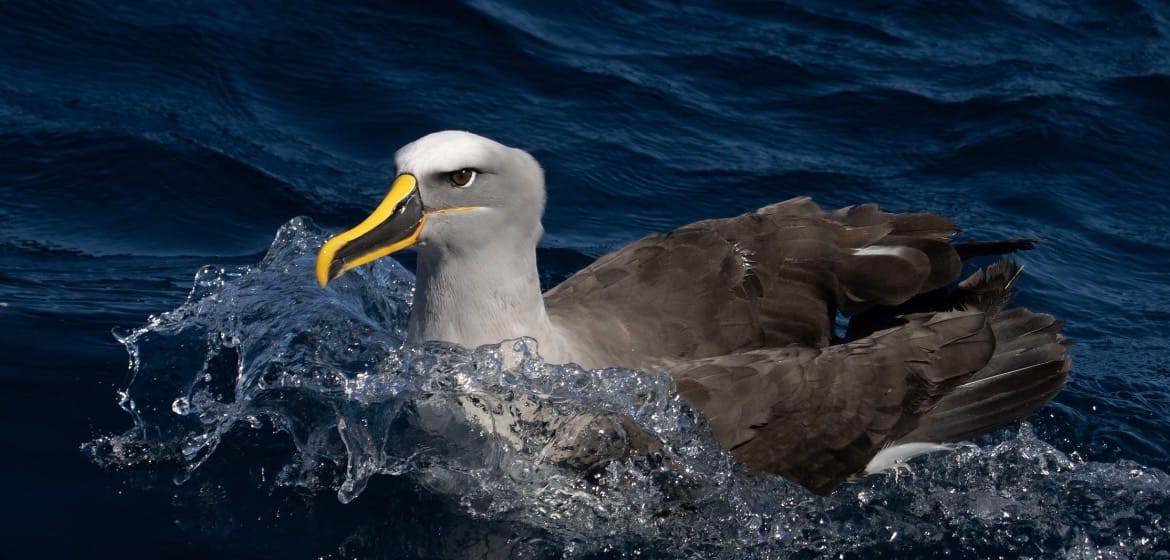
As we celebrate World Albatross Day, Birdlife Australia asks us to remember Samuel Taylor Coleridge’s classic poem The Rime of the Ancient Mariner, in which a sailor kills an albatross and thereafter, as a punishment, is forced to wear its carcass around his neck.
And so albatrosses came unfairly to represent a burden from which one couldn’t escape. However, in our modern world, the literary phrase has it all backwards. It fails to capture the terrible burden humans place on this group of huge, majestic seabirds which range widely across our oceans.