
Catch these clouds before they become shadows of their former shelves
Constantly evolving skies can transform the Illawarra's scenery from hour to hour

The day began with very little photographic promise. A thin veil of high cloud blanketed the sky, allowing the sun to filter through and creating one of my least favourite lighting conditions.
The bright, hazy light makes it difficult to achieve a balanced exposure, often resulting in washed-out skies, blown highlights and flat, low-contrast images. It certainly wasn't the sort of weather that inspires you to pack the camera and head out.
By midday, however, the atmosphere began to transform, and a succession of different cloud formations developed throughout the afternoon, turning what had started as an uninspiring day into an exciting opportunity for landscape photography.
I spent the afternoon chasing the evolving skies across the Illawarra, photographing from Mount Nebo, Sublime Point, Maddens Plains and Garrawarra on the Old Princes Highway.
In Figtree for lunch, I noticed the early stages of a shelf cloud developing. Sensing the potential for some nice shots, I made my way to Mount Nebo for a higher vantage point overlooking the region. Before long, a spectacular arcus shelf cloud swept in from the south, advancing over Mt Kembla and creating an impressive display.
Shelf clouds form along the leading edge of the cool outflow from thunderstorms as it plows into warm, moist air at the surface. As the cool air spreads out along the ground, it acts as a mini cold front, whilst the warm moist air lifts ahead of the storm front and creates a horizontal wedge.
Shelf clouds are often associated with strong wind gusts, a rapid drop in temperature and the potential for heavy rain and lightning. On this occasion, the system remained relatively dry. While there was little rainfall and no lightning, the temperature fell noticeably as powerful gusts swept across the escarpment. The shelf cloud was accompanied by extensive layers of stratocumulus cloud adding drama to sky.
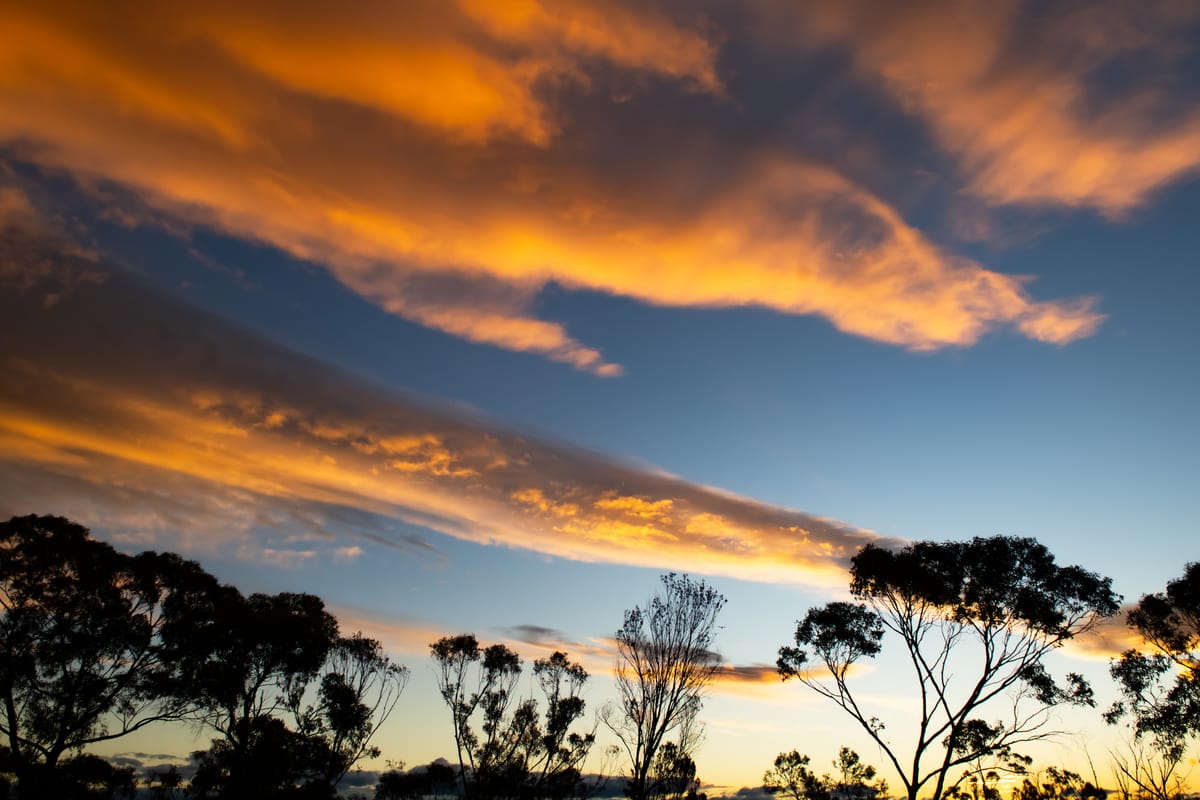
As the afternoon progressed, the Illawarra became blanketed beneath beautifully defined layers of stratocumulus and altocumulus cloud along with the odd lenticular cloud. The constantly evolving skies transformed the scenery from hour to hour, providing photographic opportunities and reinforcing a reminder that even days that begin with little promise can produce some of the most rewarding conditions for photographers, so always keep your camera handy.

Stratocumulus clouds are low-level clouds that typically form between 2000 and 7000 feet. They are the most common cloud type on Earth, covering around 20 per cent of the planet at any given time. Their well-defined shapes provide excellent texture in landscape photographs, often creating balanced lighting and producing spectacular crepuscular rays – those dramatic beams of sunlight that appear to radiate through gaps in the clouds.
Above them sat the equally photogenic altocumulus clouds. These mid-level clouds generally form between 6500 and 23,000 feet and are characterised by their intricate, geometric patterns and rippled appearance. When they are present around sunrise or sunset, they often reflect vibrant shades of pink, orange and crimson, creating some great photographic opportunities.
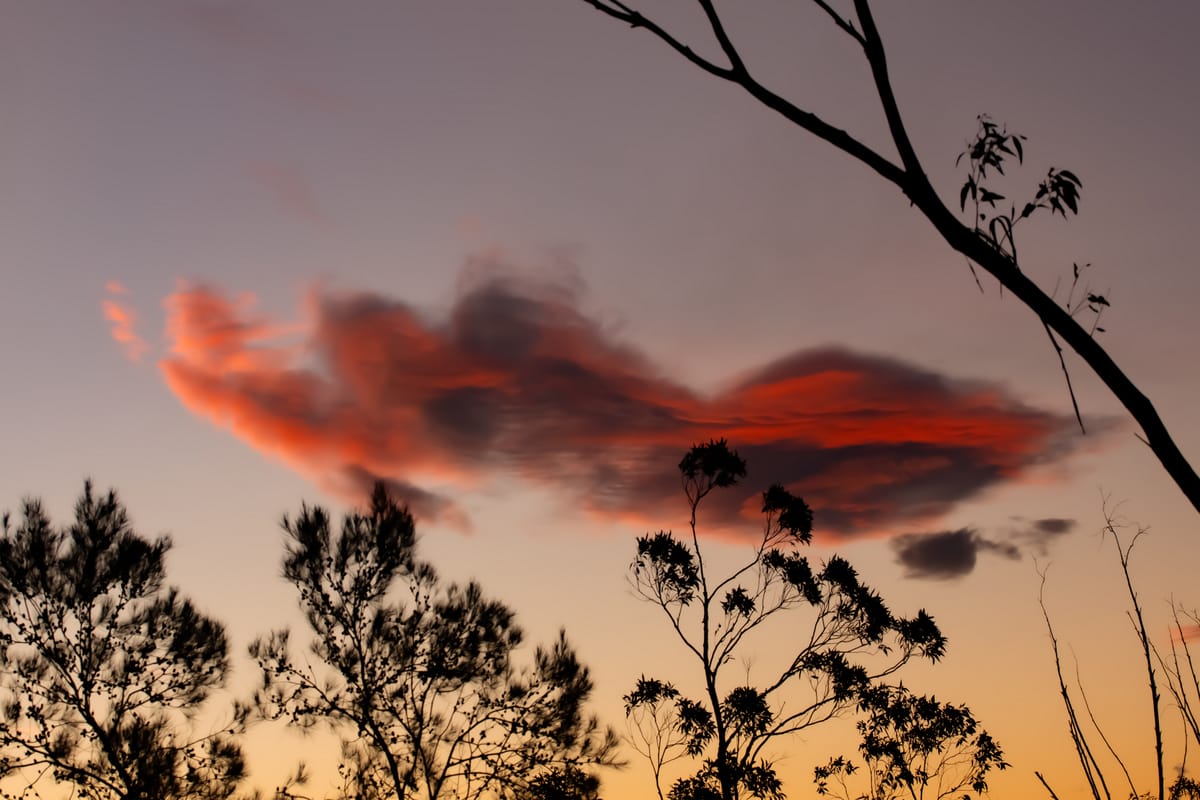
Lenticular clouds generally form near mountains when fast winds hit a mountain and push upward. The rising air cools to its dew point, forming clouds that often have pancake like layers. These clouds are most common near high mountains and can often sit on top of the mountain itself.
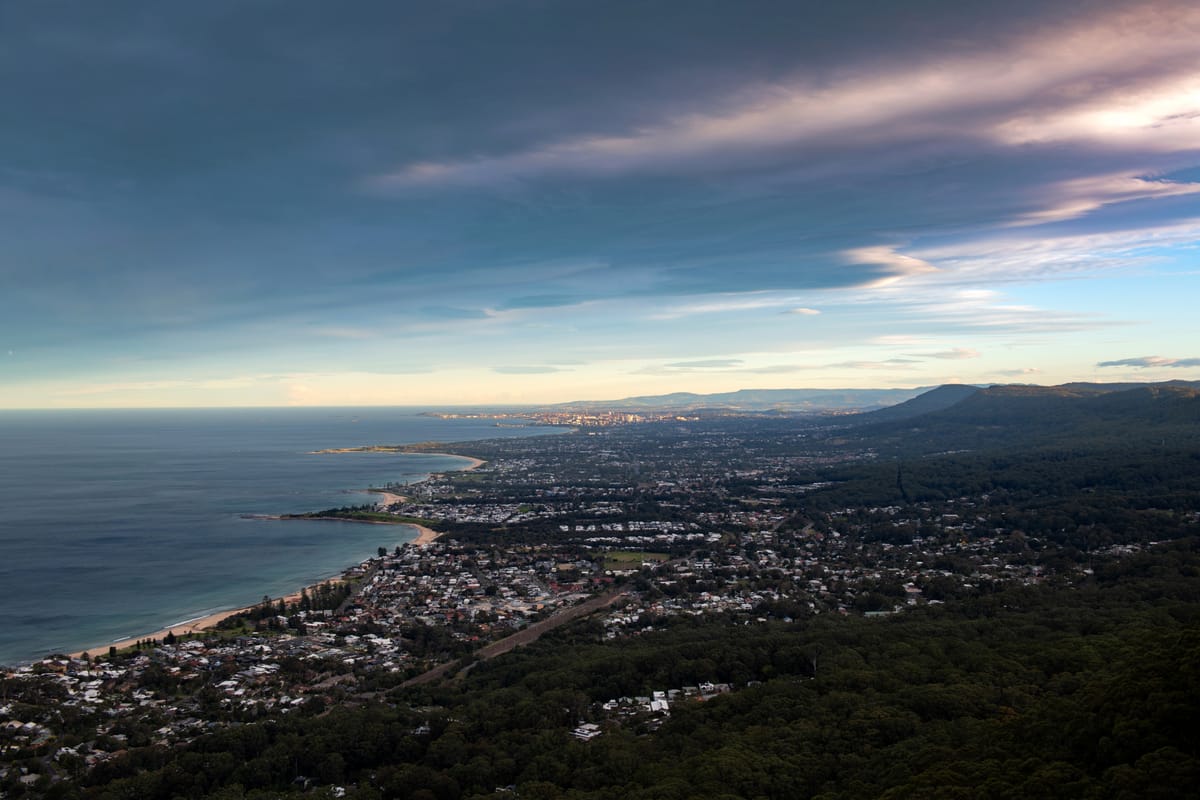
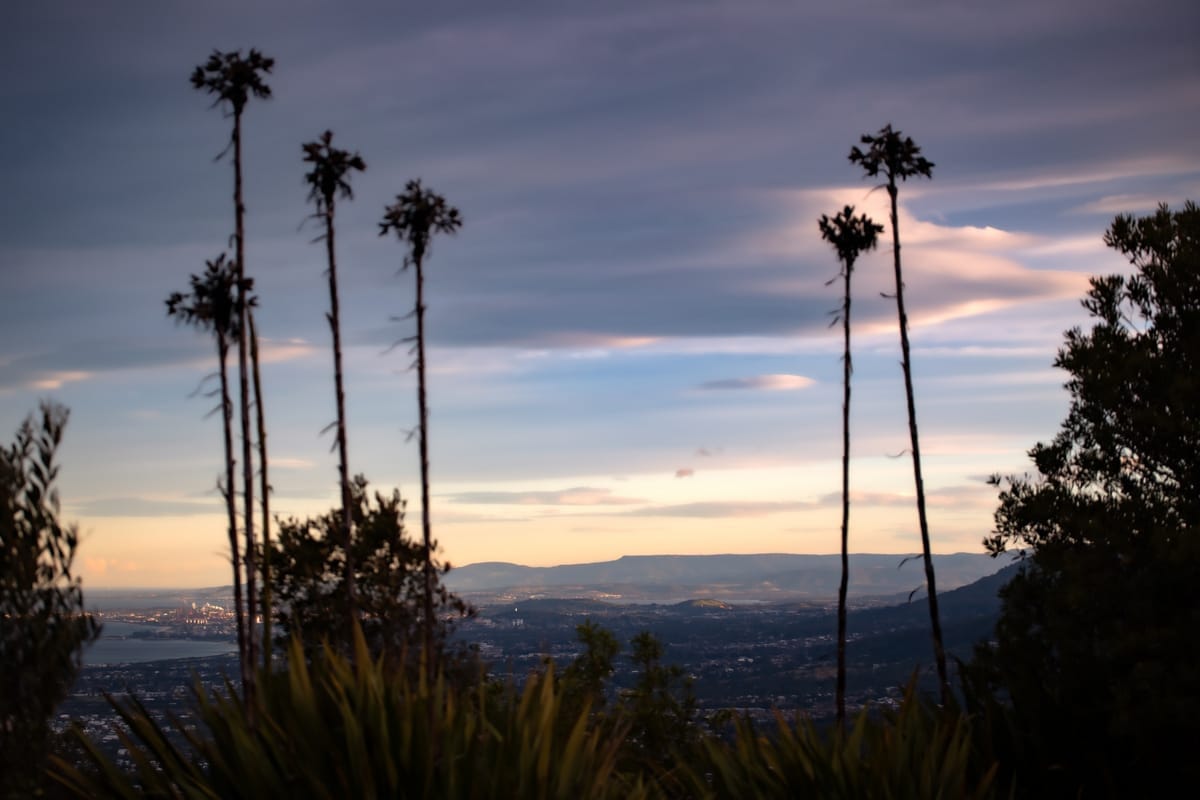
As the cloud formations drifted north, I followed them to stay ahead of the system. Sublime Point provided the perfect vantage point to capture the sweeping cloud layers stretching across the Illawarra region. By this stage, the afternoon light was beginning to add some nice golden tones, and the changing colours in the sky hinted that a dramatic sunset was on the way.
From there I travelled to nearby Maddens Plains, one of the region's most unique landscapes. Perched atop the escarpment, this windswept heath-land and upland coastal swamp provides an ideal foreground for dramatic skies.
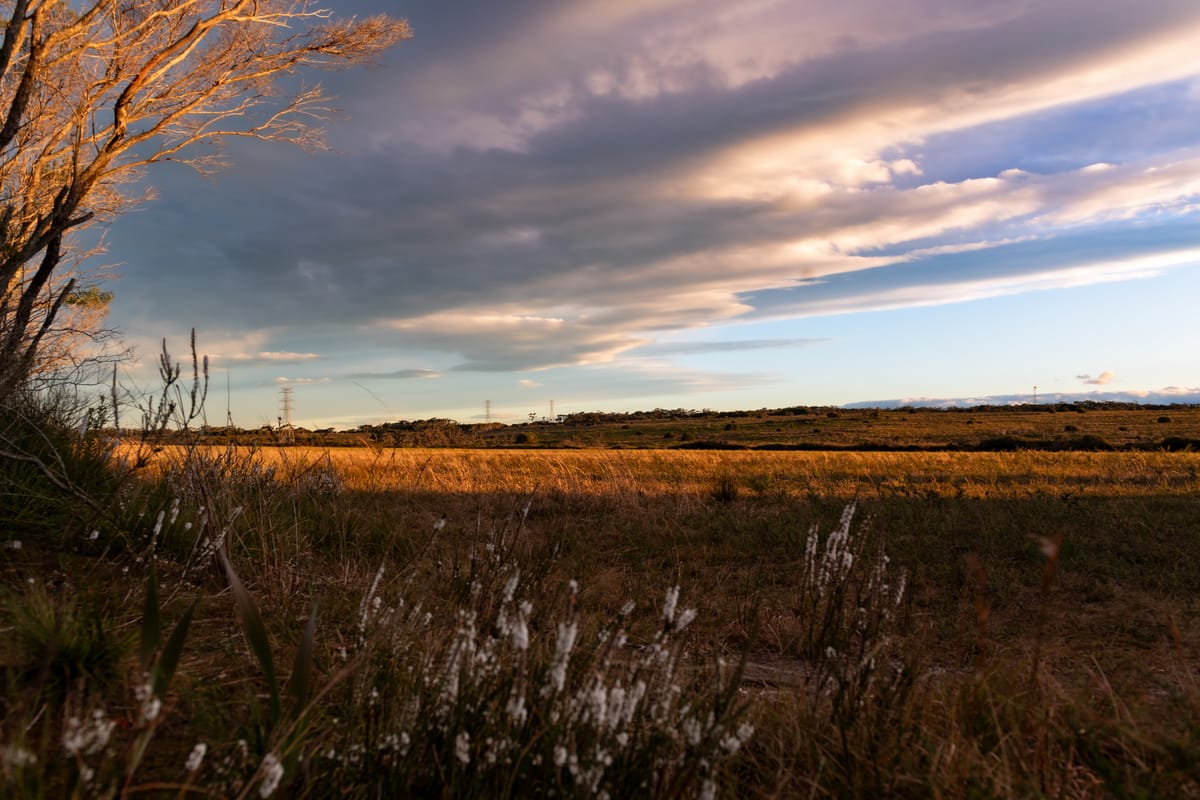
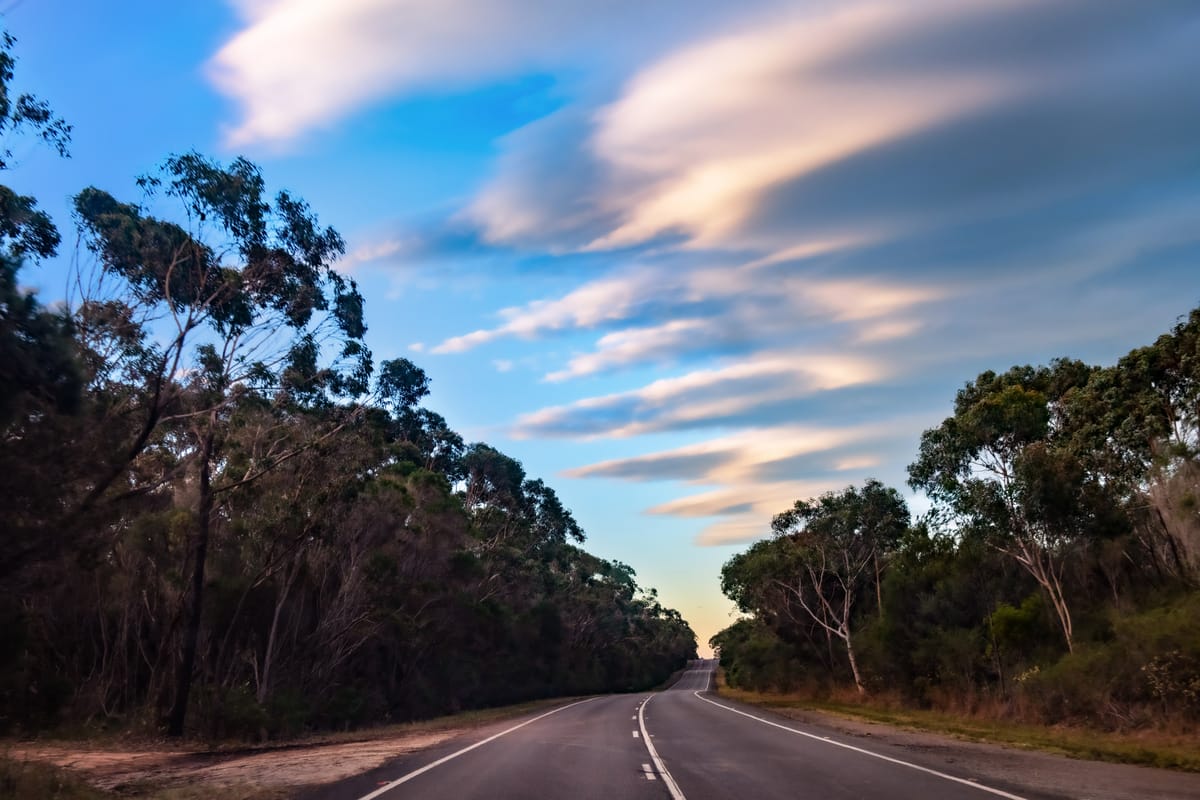
My final stop was at Garrawarra, along the Old Princes Highway, where I captured the sunset. As the sun dipped below the horizon, the altocumulus clouds burst into brilliant shades of pink and red, creating a spectacular end to the day.
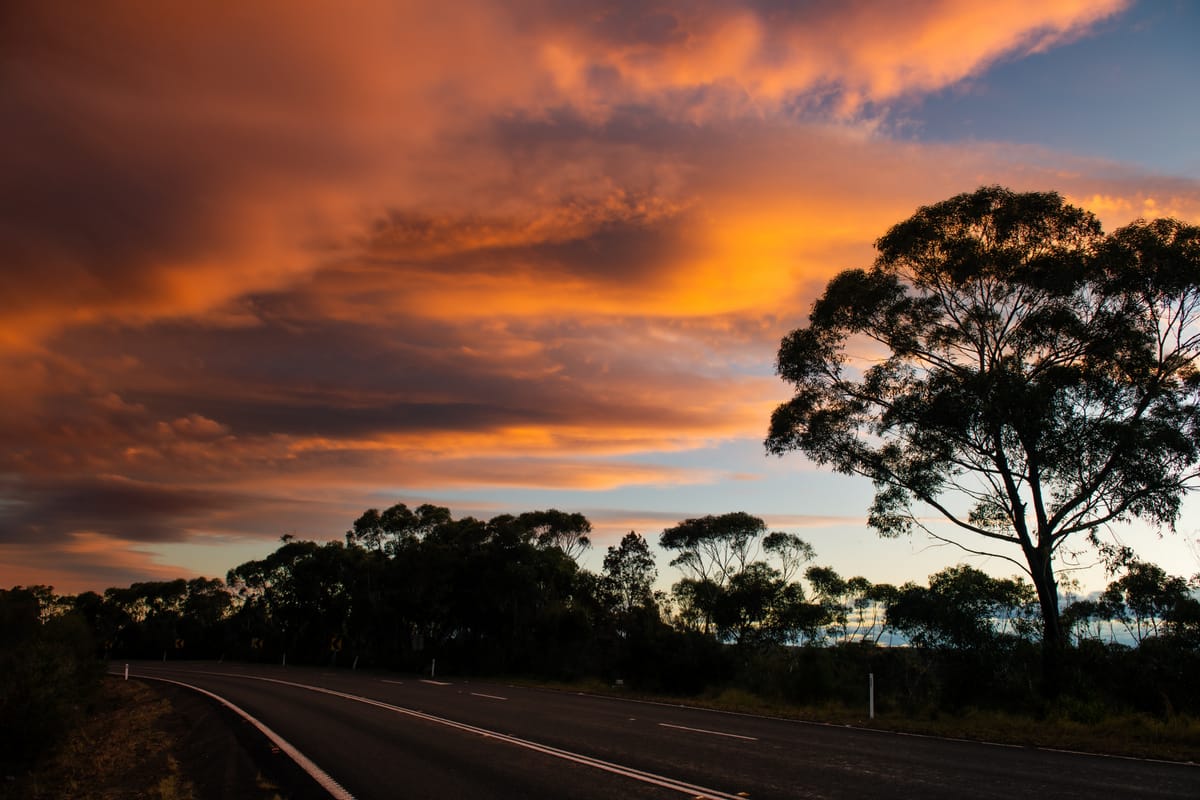
Photographers hoping to capture similar conditions should keep a close eye on weather forecasts and radar, but don't be discouraged by an ordinary-looking morning, and always have a camera readily available as weather systems can evolve rapidly, and dramatic skies often develop with very little warning.
Knowing local vantage points is equally important. Along the Illawarra coast, locations such as Sublime Point, Bald Hill, Mount Keira and the region's beaches all provide excellent perspectives for photographing approaching storms, as does Lake Illawarra.