

Going in to bat for some key pollinators
Bats can be challenging neighbours but we should consider them as we do bees, birds and butterflies
Bats can be difficult neighbours. They can make a lot of noise and a lot of smells, and they carry viruses, some of which are dangerous or deadly to humans. But the reality is that bats are our neighbours, and we should take them into account, just as we consider the birds and the bees and the butterflies.
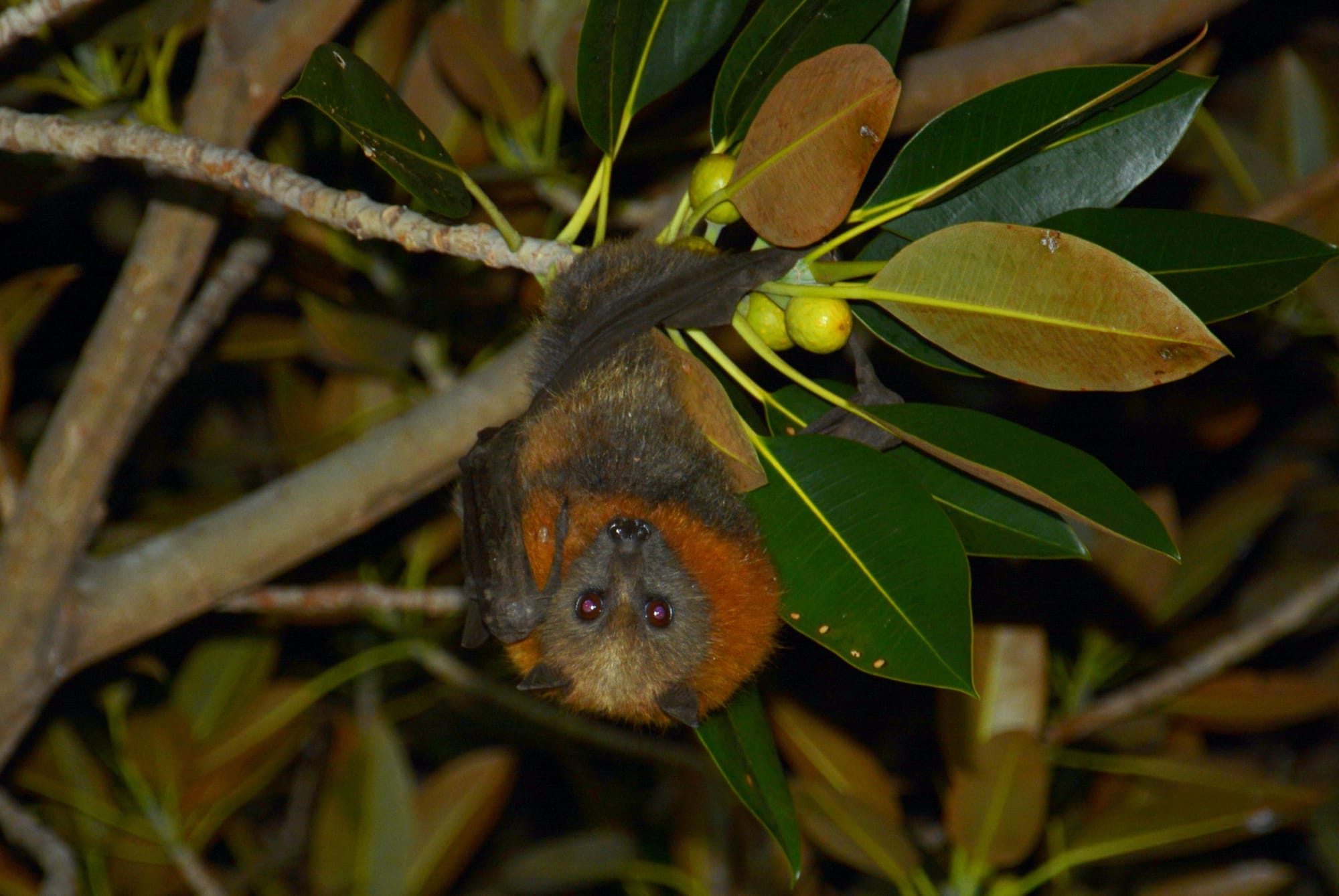
As I write, there are reports up and down the east coast of a major starvation event affecting the grey-headed flying fox, a keystone pollinator of eastern Australia's forests. Hungry bats are turning up in urban gardens, and some are being taken into care by the incredible wildlife volunteers who look after animals in trouble.
Yet we are continuing to clear established trees and forests across the region, and planting smaller or no trees in their place.
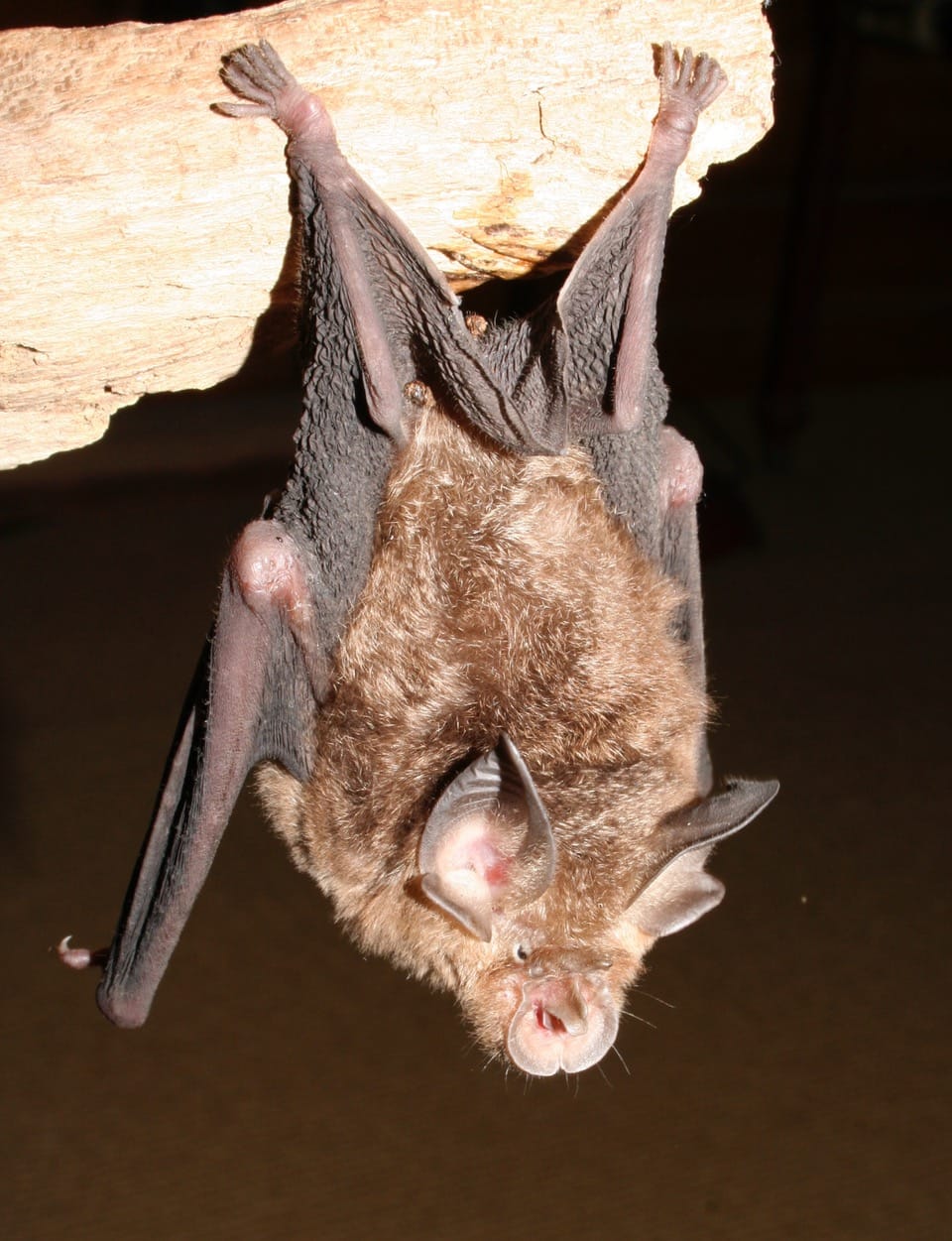
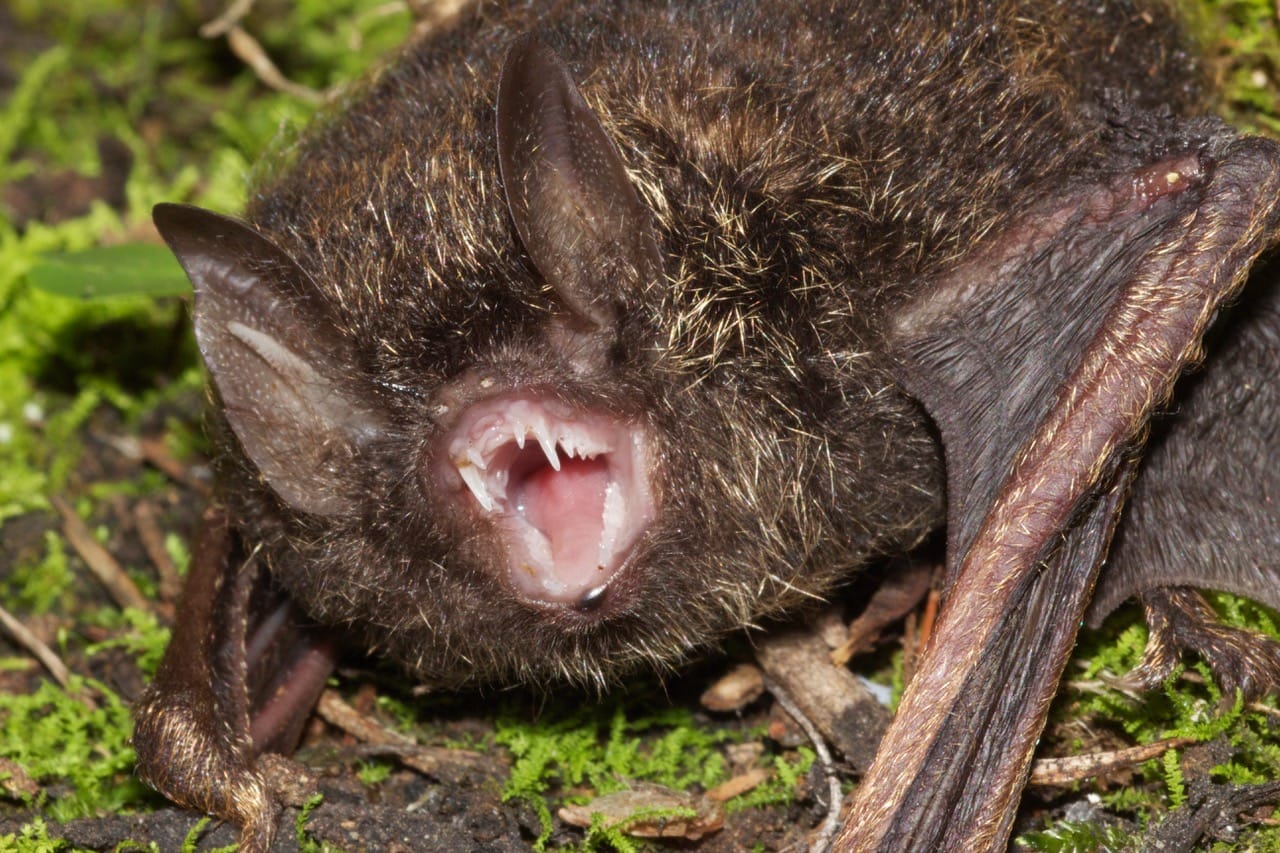
There's also enormous frustration in the West Dapto community that a threatened microbat population has held up the development of a bridge until the animals could be safely relocated. Yet it is human activities, including development for roads and housing, that have led to the southern myotis (one of over 20 microbat species in the area) becoming a threatened species.
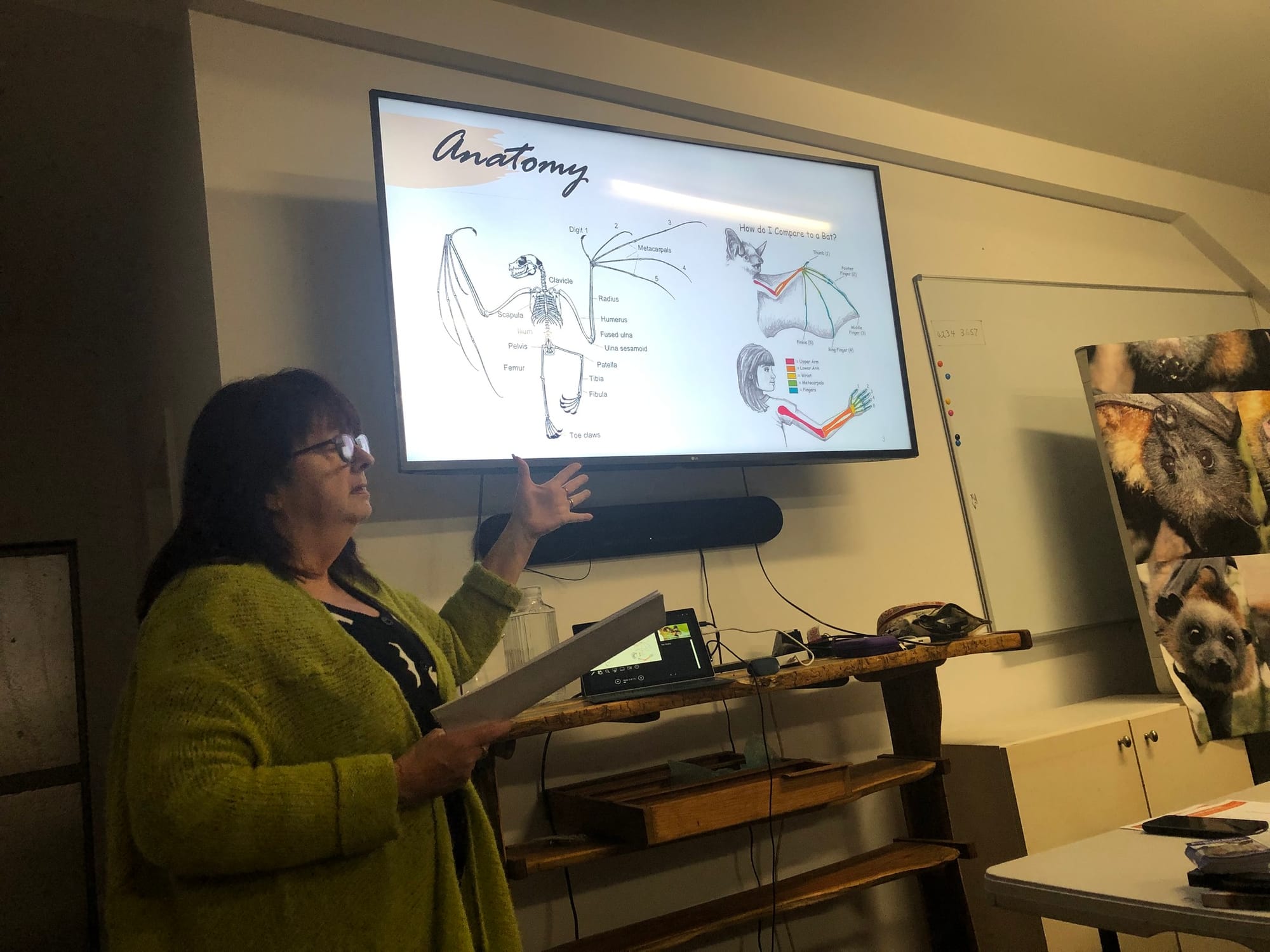
I talked with Janine Davies, a licensed wildlife carer with Wildcare and a member of the Australian Bat Society about the current crisis for Grey-headed Flying Foxes.
Janine told me, "Usually, October is the commencement of breeding season and with that comes orphans. This season however has seen large numbers of aborted and premature bubs being found and some coming into care. Unfortunately, the number that survive is minimal. Also, a large number of adults are bring found, notably in mulberry trees, which seem to be the only fruiting trees, albeit most fruit is unripe."
I asked Janine what is happening to cause this distressing event. She said, "Preliminary testing has indicated emaciation and dehydration. We believe this is due to the dry winter which in turn has resulted in the eucalypts dry flowering with little to no nectar production."
Janine said there is a research project under way to understand the many and complex drivers of eucalypt flowering led by Alison Peel and a colleague at the University of Sydney. Growing Illawarra Natives has more information about this project.
What to do? There aren't any easy answers, particularly in the immediate term, as the problem is so big and some aspects of it are not well understood. But here are a few suggestions:
- Provide bat habitat in your garden or property if you have one. This could include planting eucalypts, figs or other local native trees if you have the space, leaving dead trees standing if safe to do so, or if unsafe, leaving the felled tree in situ. Leaving "mess" such as loose bark on tree trunks also provides habitat.
- Don't cut down eucalypt trees unless necessary for safety reasons. Many eucalypts are removed because of concerns about safety, but removal of dangerous branches is a less drastic option.
- For microbats, grow the plants that will attract their insect prey, which include night-flying moths, midges, weevils, flying termites, and caterpillars. Choosing local native species is one of the easiest ways to do this.
- Avoid using insecticides as much as possible or stick to organic options. Microbats live on insects, hundreds of them a day, and some can eat almost half their bodyweight in a night's hunting. With concern about declining insect populations worldwide, it's time to reconsider the temptation to poison them, particularly in cases where it's primarily for human convenience.
- Use the minimum of lighting at night, as it can interfere with bats' hunting activities. This will help all wildlife, not just bats. Use sensor lights where needed for moving around safely, and avoid those strings of pretty fairy lights. While some resources suggest that lighting helps microbats to find insects, it doesn't actually increase the number of insects available.
- Keep your cat indoors. Cats kill all sorts of creatures, including bats. During October, which is the breeding season for grey-headed flying foxes, this is particularly important.
- Consider letting your urban fruit trees go without netting this spring. If you do decide to net any of your fruit trees, make sure to use wildlife-safe netting, as described in this article.
- And if you find a bat in distress, don't touch it but call WIRES straight away and they can connect you with a carer qualified to look after bats.
References
- Australian Wildlife Society, 'Microbats', https://www.aws.org.au/wp-content/uploads/2018/09/Microbats.pdf.
- Backyard Buddies, 'Microbats', https://backyardbuddies.org.au/backyard-buddies/microbat.
- New South Wales Office of Environment and Heritage, 'Golden-tipped bat,' https://threatenedspecies.bionet.nsw.gov.au/profile?id=10444.
- Sydney Wildlife Rescue, 'Safe netting of your fruit trees,' https://www.sydneywildlife.org.au/post/safe-netting-of-your-fruit-trees.


