

Why cockatoos are going crackers over this wattle
Maiden's Wattle is an absolutely outstanding habitat tree
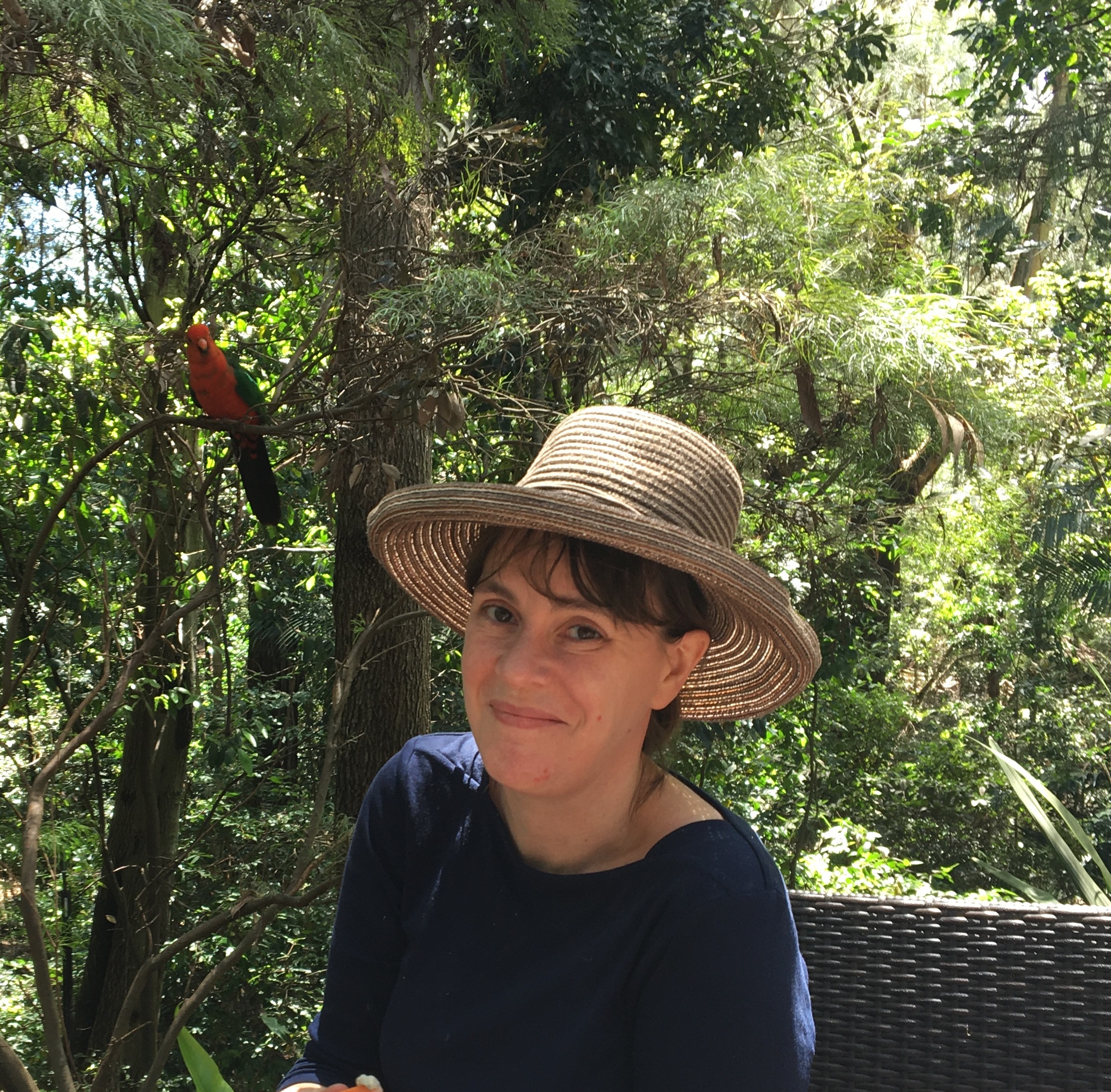
If you go for a bushwalk in almost any of Illawarra's local forests, you might run into one of the region's tallest wattles, Maiden's Wattle (or Acacia maidenii).
It's common and widespread, often growing on the edge of rainforest or among the eucalypt forests across the escarpment. This tree can reach around 30m tall, and live for 40 or 50 years or more, much longer than most wattles.
It is sometimes seen as a street tree around the Illawarra, as per the photo below. I enjoy the rough feel of its brown, faintly fibrous bark, the delicate, pale yellows of its flowers, and its curly-wurly seed pods, which are around at the moment.
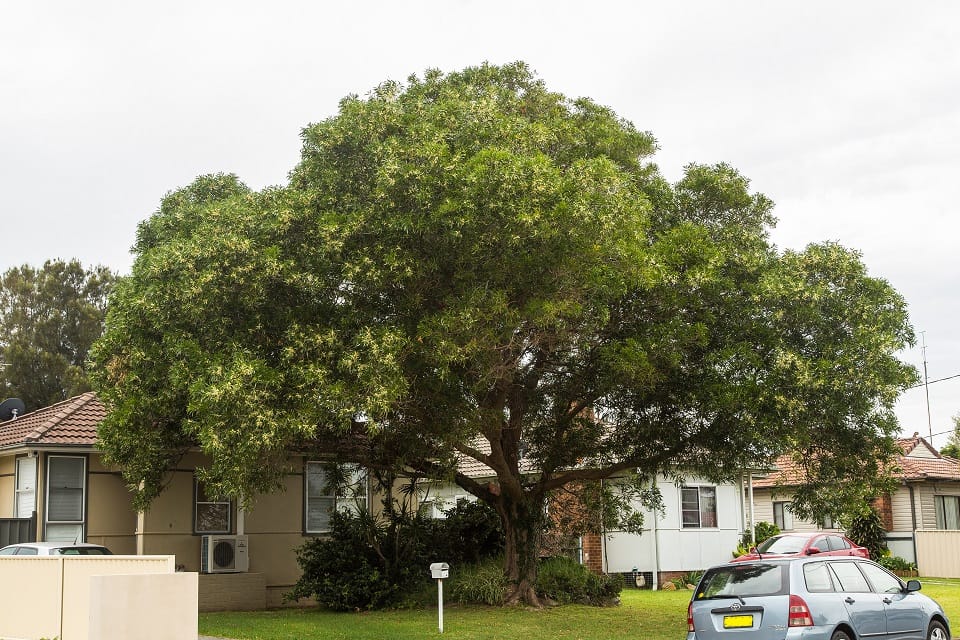
I've chosen to focus on Maiden's Wattle this week because of its interesting relationships with local fauna. It's an absolutely outstanding habitat tree.
Birds such as the local parrots eat the seeds, while others hunt insects, including the mighty Feather Horned Longicorn beetle (Piesarthrius marginellus), for which the tree is a host plant. Sugar Gliders eat the sap, by making incisions in the bark. And it's a larval food plant for Common Grass-yellow, Double-spotted Line-blue, Moonlight Jewel and Tailed Emperor butterflies.
One of these interesting relationships is between this wattle and the woody galls created on their smaller stems by wasps.
The image below shows a young tree covered with a number of the galls. Many people (understandably) think they're fruit. In fact, they're structures created as the wasp larvae develop, creatively diverting the plant's stem growth patterns to instead create these large, multi-chambered galls.
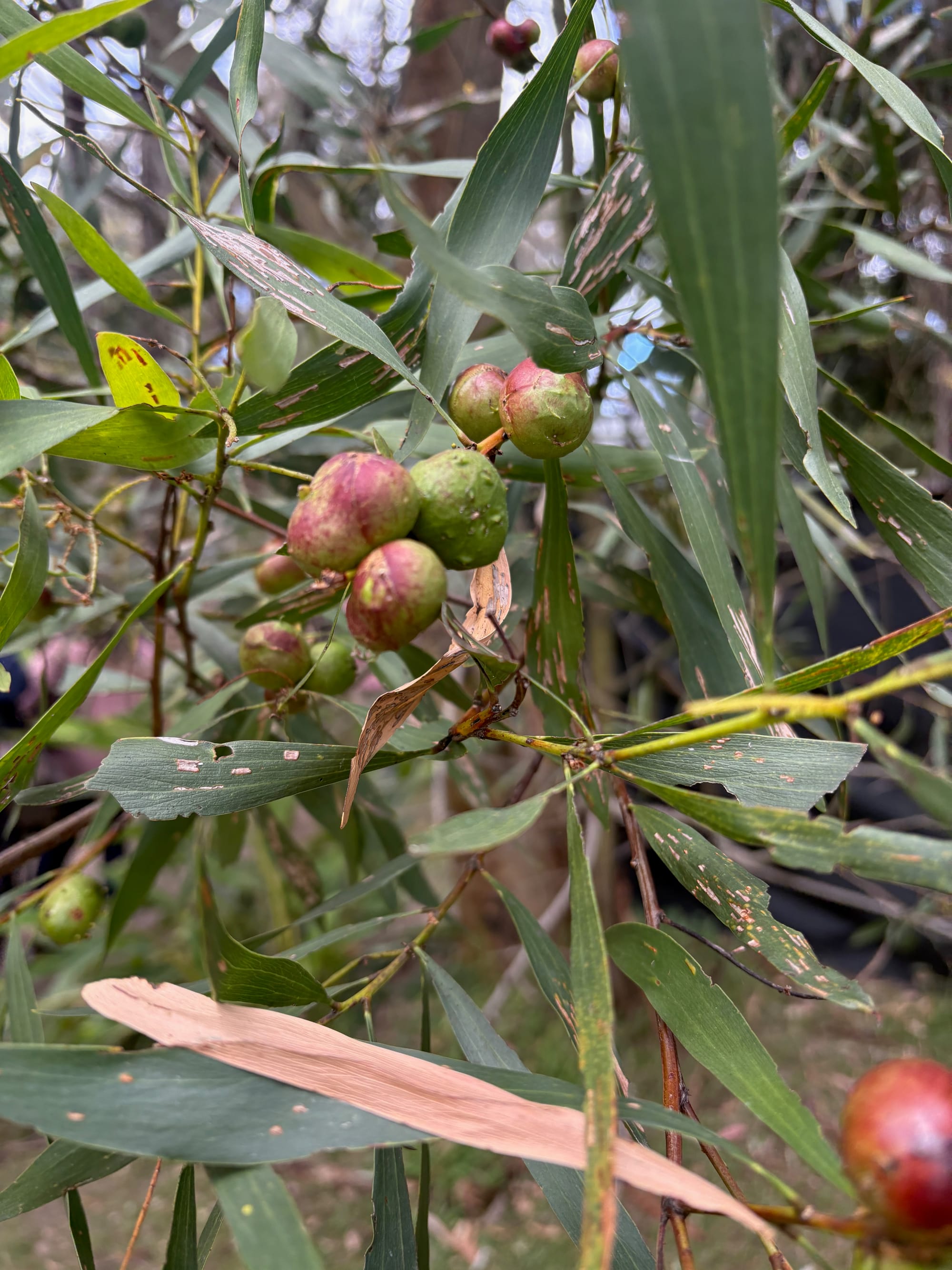
I'm very far from an expert on the many insects that form galls, but after a bit of casual research, I found that the main gall-forming insects on wattles are wasps; and one of the wasp species is called Trichilogaster maidenii ; and the images of its galls online look like the galls I see on Acacia maidenii. I don't want to jump to conclusions, so the next step is to consult someone with expertise on the topic.
But for now I can report that, whichever wasp species creates these galls in Maiden's Wattles, the larvae inside are delicious to Sulphur-crested Cockatoos!
The below image shows my first clue as to the relationship: galls neatly clipped open and the larvae inside taken. These galls actually fell on my head while I was out walking with a friend.
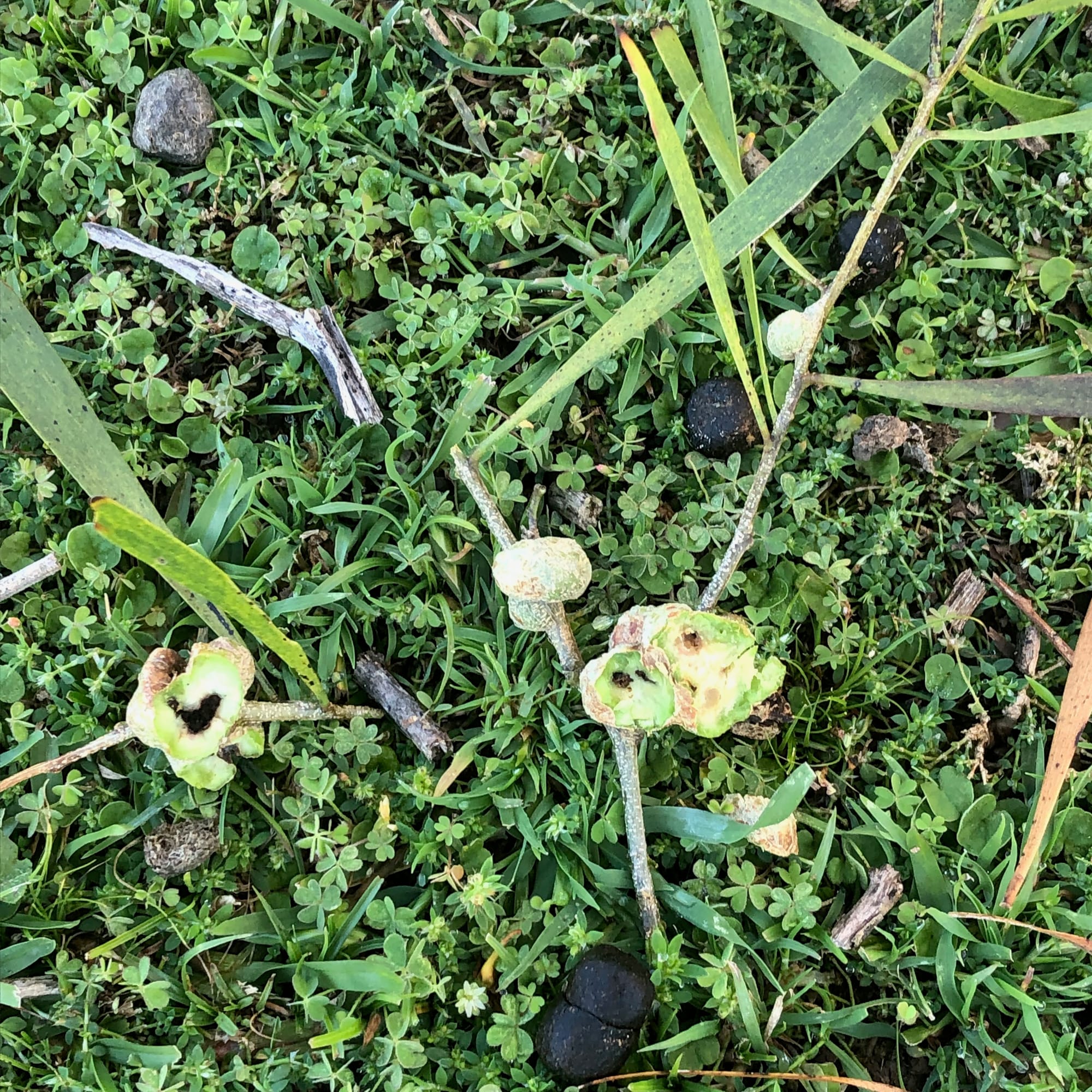
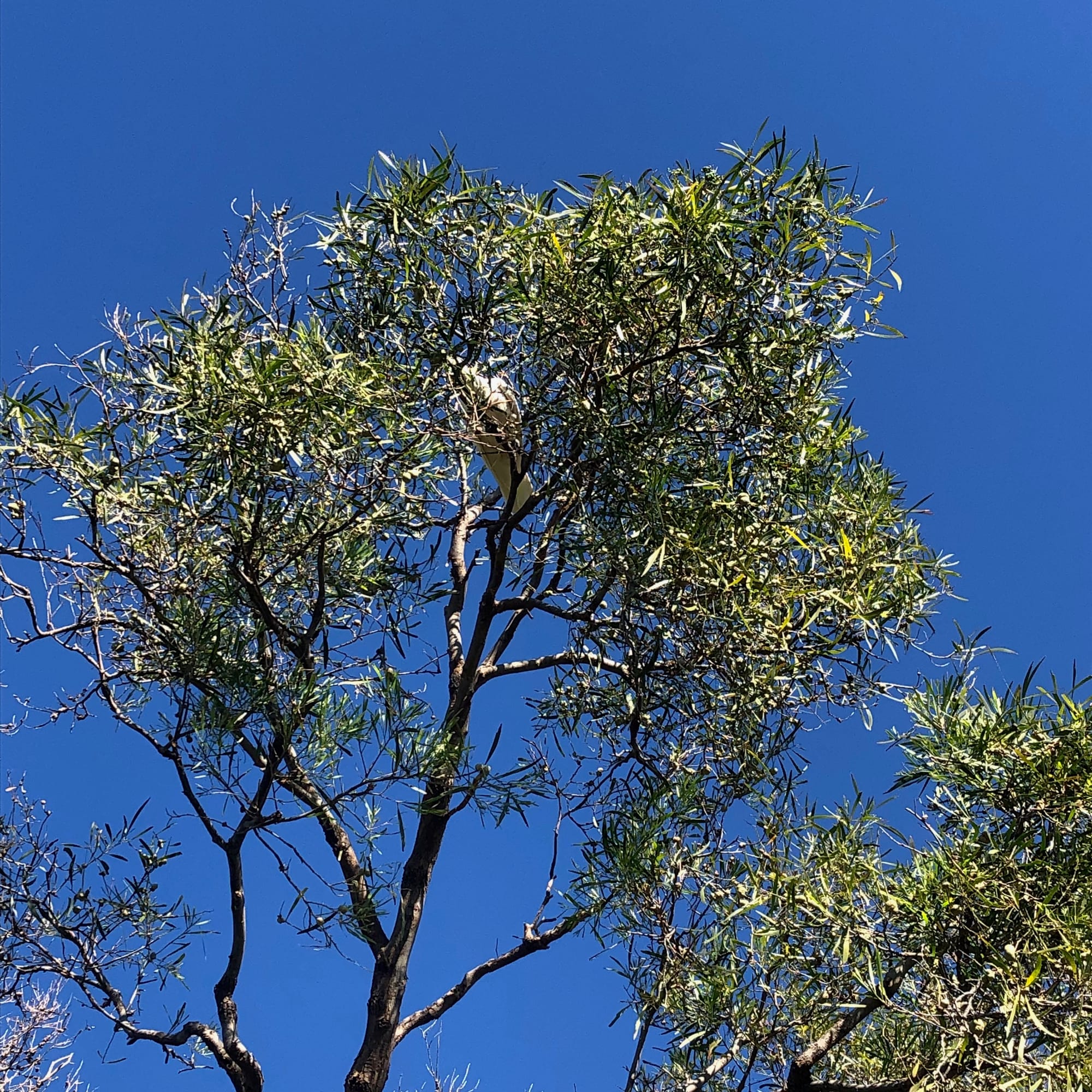
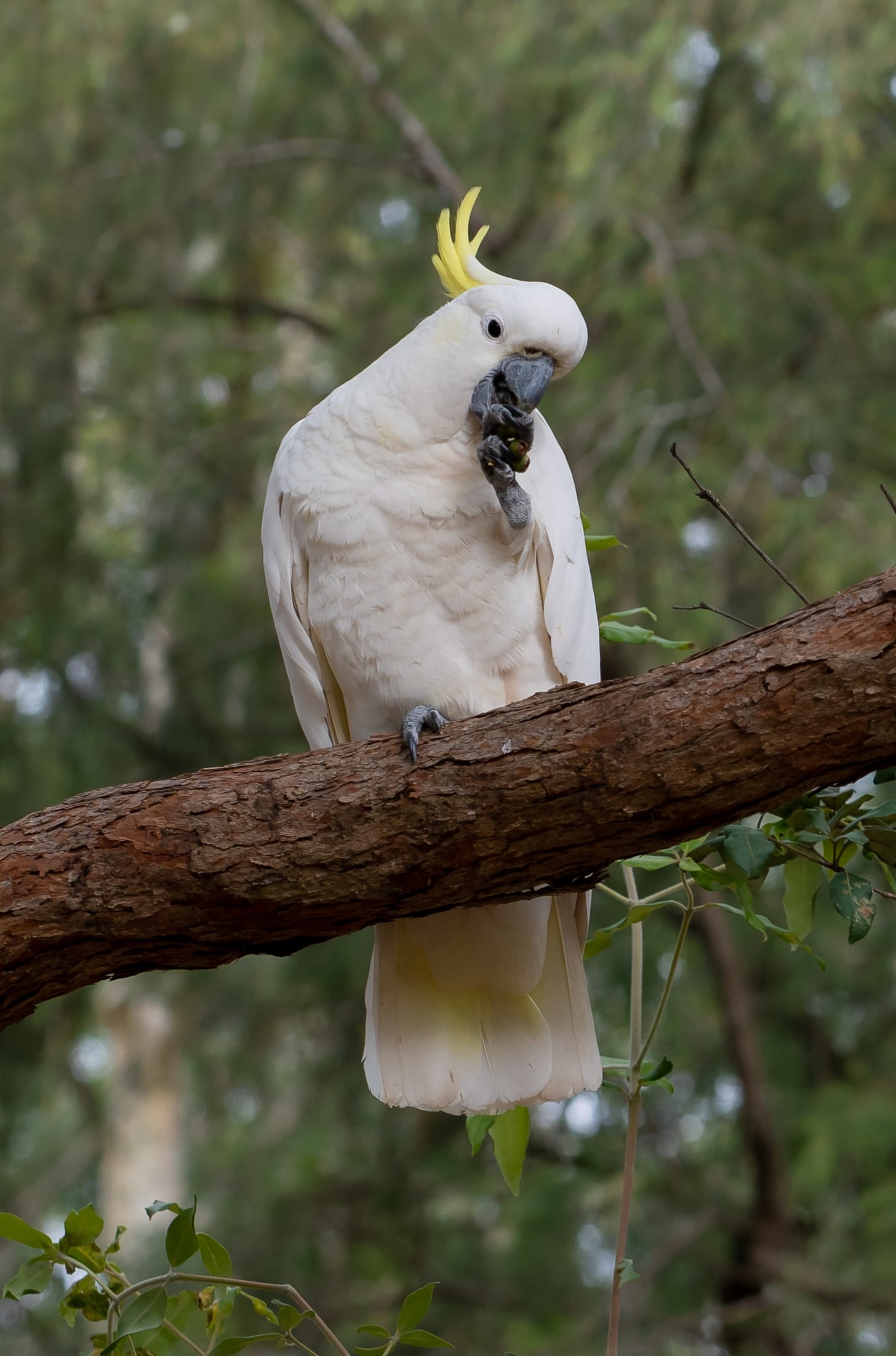
It was only when we looked up that we worked out what was happening. There was the gall-muncher, up above us, its white plumage conspicuous in the canopy. Unfortunately the images I took qualify for a minor 'crap bird photography' award, but I'm including one for completeness, plus a bonus shot showing a Sulphur-crested Cocky in all its glory in a Turpentine tree (Syncarpia glomulifera).
So when you see those strange bulges on local wattles, you can think about the wasp larvae that are making their homes there, and about the cockatoos that get to have a good feed on the larvae.
References
Atlas of Living Australia entry for Trichilogaster maidenii (Froggatt 1892).
Ryley MJ (2024). Wattle gall: the quintessential Australian plant disease. Historical Records of Australian Science 35(2): 116-129. Viewed 4 October 2026.


