Tiny but tough: Don't gloss over moss
The Illawarra is home to at least 29 moss species - doughty examples of extraordinary resilience


Hidden across the city, in crevices and cracks, dimples and dents, live some of the world’s toughest plants. They are mosses: tiny but plucky pioneers that are surprisingly resilient to stress.
This miniature landscape flourishes because its small-scale texture collects tiny amounts of water and creates micro-shelters which offer shade and protection.
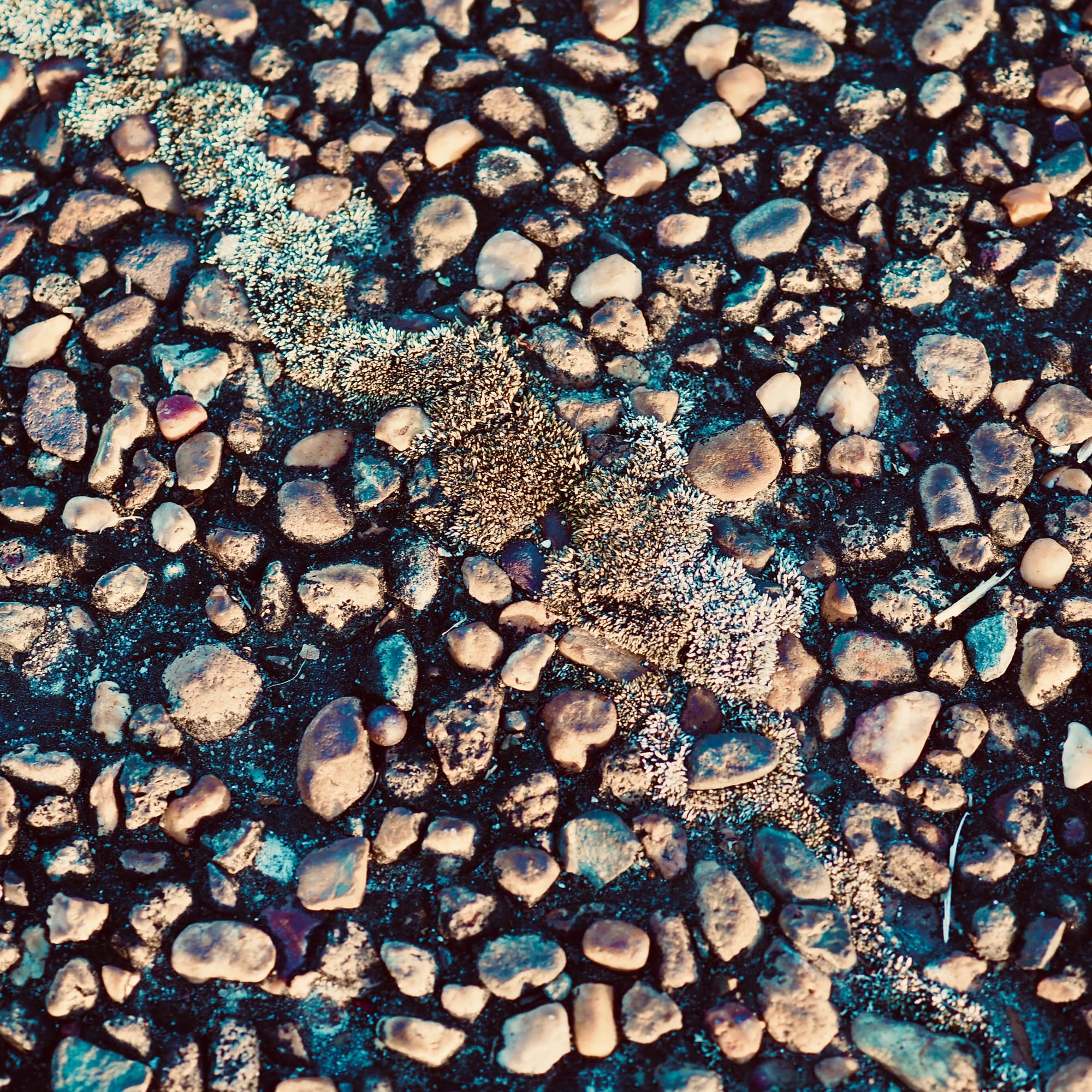
In turn, mosses are well adapted to exploiting these niches. Many are desiccation tolerant, meaning they can totally dry out yet remain alive. They do this by creating glass-like sugars to protect delicate membranes when they are in the dry state. With a little rain, they quickly plump up and resume photosynthesis. Since they lack roots that transport water, they can survive on solid surfaces like rocks, bound only by thread-like attachments called rhizoids.
Identifying mosses can be difficult. You might need a microscope to look at the arrangement of individual cells on the leaf, or a small variation in pattern at the leaf edge. When I surveyed three substrates (pavement crevices, car park edges and the soil at the edges of green spaces) across Wollongong suburbs, I found 29 species in all.
Surprisingly, some of the most common mosses here are also found in Antarctica. Both are extreme environments: bathed in excessive light, often dry. The urban environment has added stresses of pollution and trampling, but the traits that make Antarctic survival possible also assist our urban mosses.
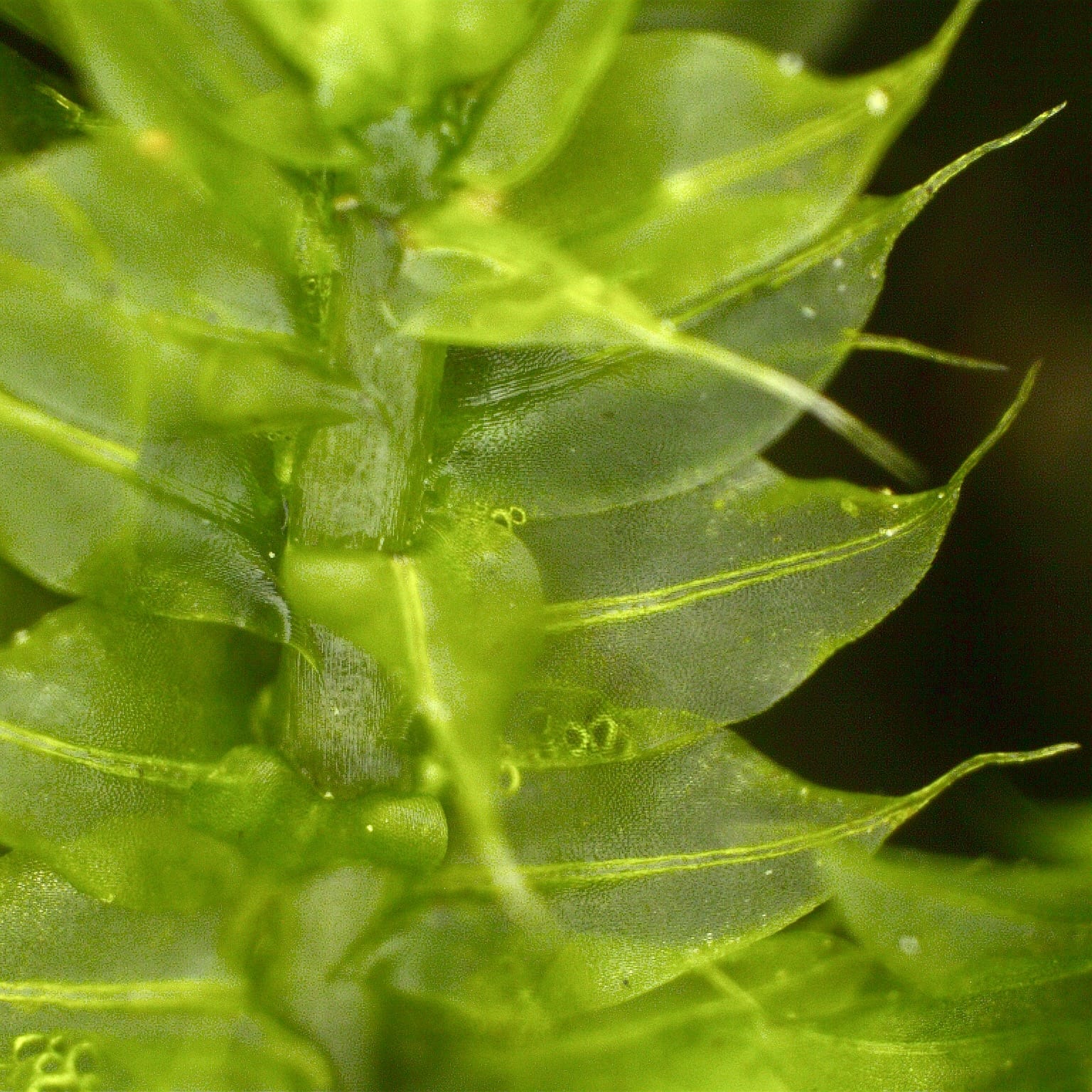
One of the most common species, Bryum argenteum or silver moss, wins on all fronts, being highly desiccation tolerant with built-in protection against high light. Its leaves are small, tightly bunched and white at the top because here there are no chloroplasts – the green cellular components where photosynthesis takes place. These white zones protect the chloroplasts lower down.
Another common moss is Ceratadon purpureus, which is pollutant tolerant, but you won’t find it in on pavements because it doesn’t like alkaline surrounds. Tortula muralis is another cosmopolitan moss, found in cities across the world. Its round leaves are tipped with a fine white thread called a hair point. This helps to gather water, as drops will collect (nucleate is the fancy term) then roll down into the leaf.
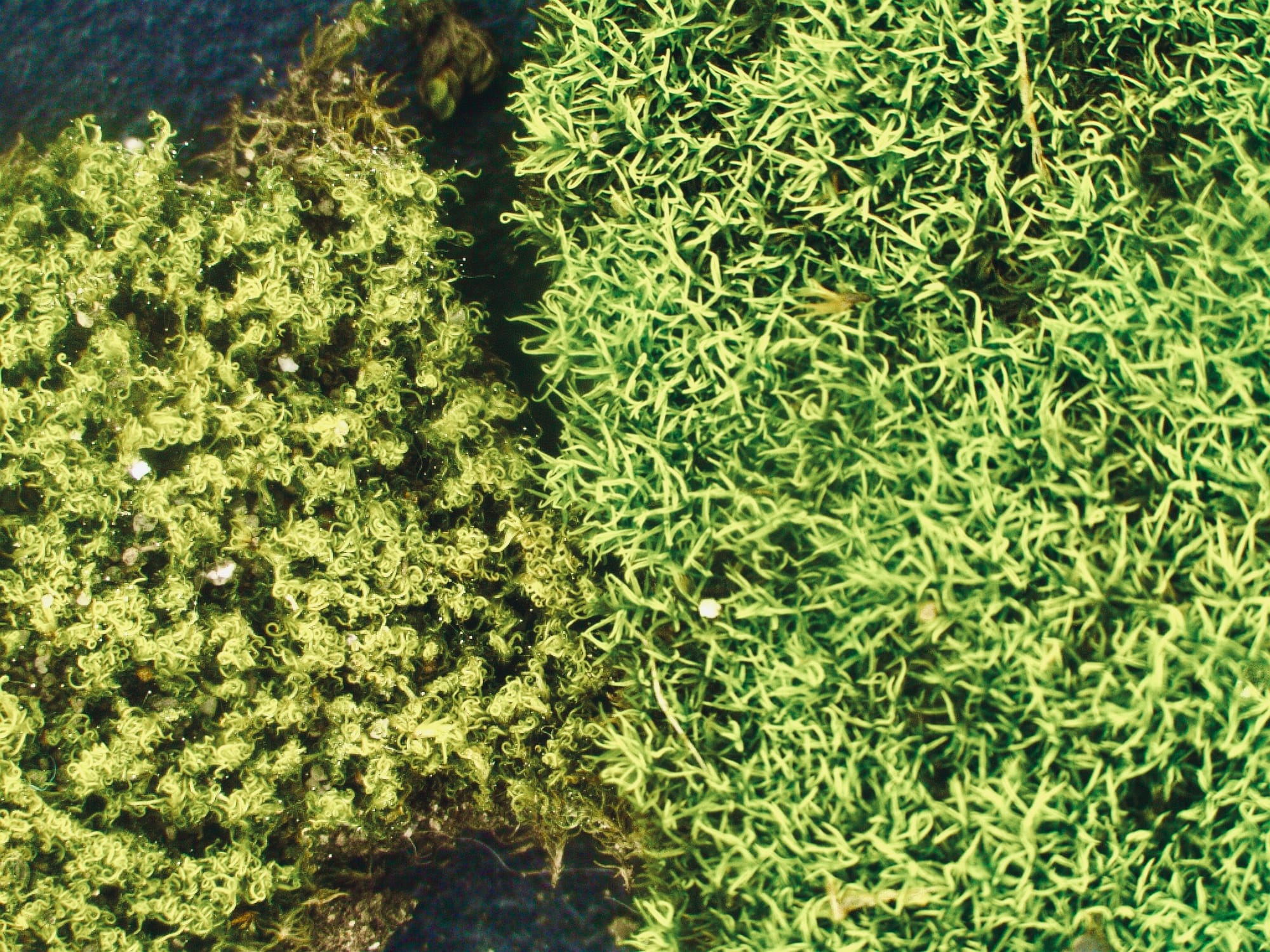
There’s also the robust, spikey-looking Polytrichum juniperinum; Campopylus introflexus, which has a fluffy appearance due to a hair point with a kink in it; and Weissia controversa, with its crazy twist when dry.
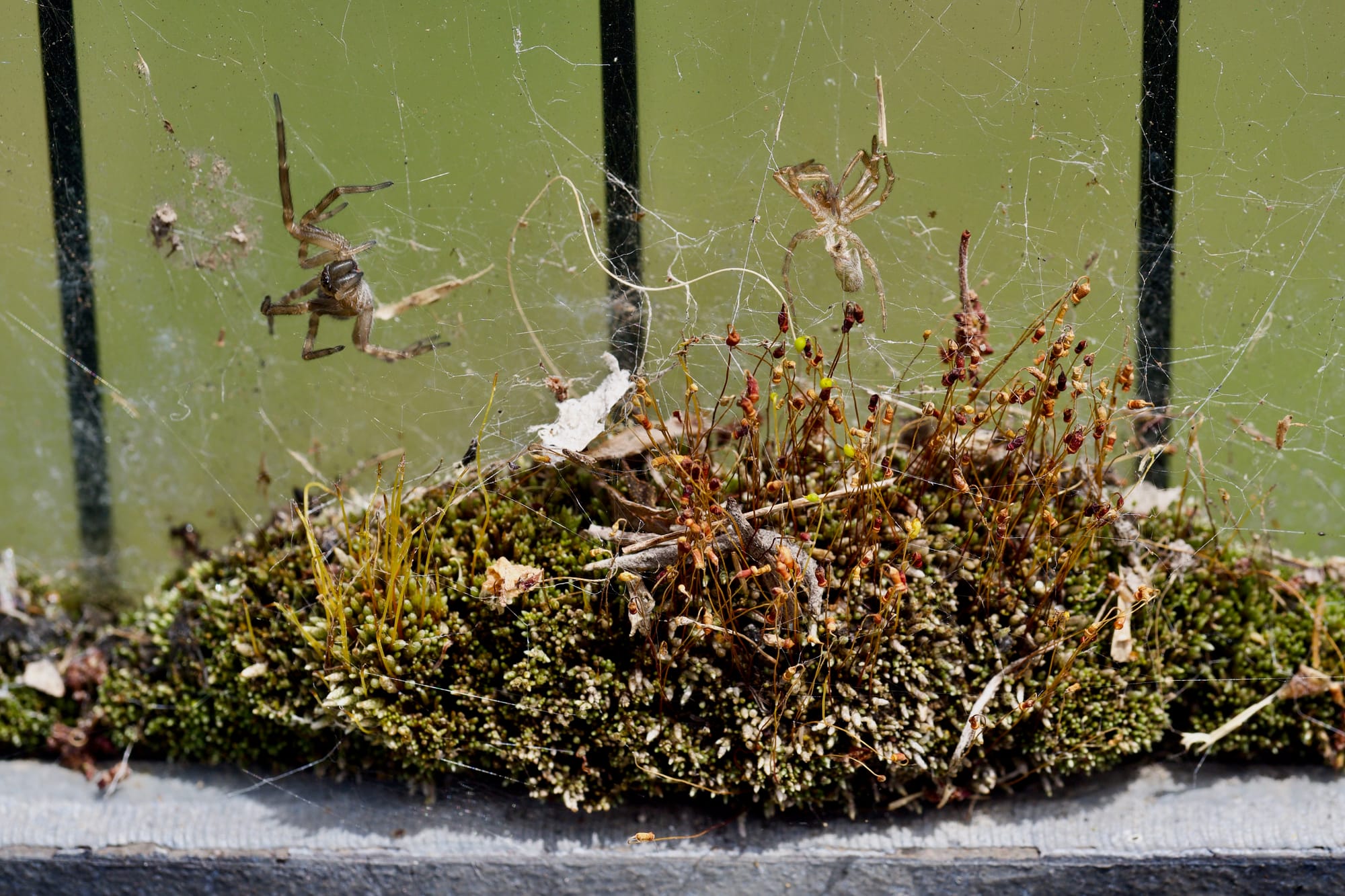
Tuning into moss draws you closer to another, smaller, world. Have you spotted the streak of green on the bridge that leads into Thirroul, below the Bulli Pass? Recently, I took a closer look. There, at the bottom of the glassy barrier is Bryum argenteum. There are even sporophytes, those slender stems that bear a capsule at the top, where spores develop, ready to be caught by the wind and start a new moss somewhere else, maybe on a pavement near you.