

Heart of grass: Art project a reminder of the nature we walk past
Remnants of the region's once-mighty woodlands are form the focus of this festival
The Illawarra Nature Festival returns to Port Kembla this October, bringing together artists, ecologists, musicians and the community for two days of celebrating the remarkable natural world of the Illawarra.
Held at The Servo on October 15 and 17, this year’s festival will include talks, live music, art-making and nature-based stalls and activities. In the Servo’s NASA Gallery, festivalgoers will encounter an immersive installation, Tracing the Grassy Woodlands, exploring one of the region’s most endangered ecological communities: the Illawarra lowland grassy woodland (ILGW).
Before colonisation and urban sprawl, open grassy woodlands occupied much of the flatter areas between the escarpment and the sea. Today, remnants survive among the suburbs, roads and industrial landscapes that have spread across their former range.
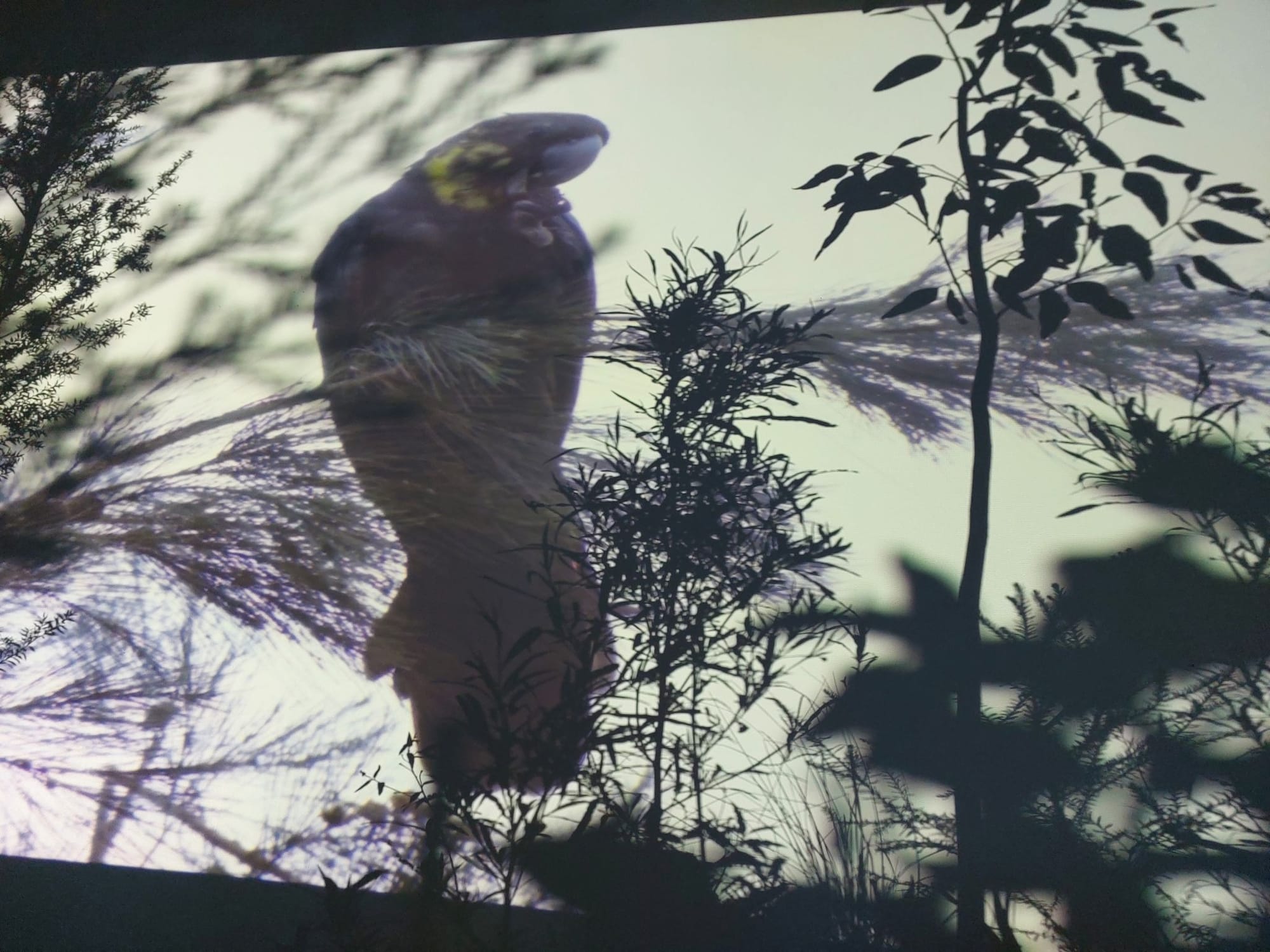
Last year’s Nature Festival installation, The Grassening, filled the gallery with hundreds of living grassy woodland plants. Visitors could walk around and through a miniature version of this ecological community while listening to artist and composer Nicole Smede’s soundscape created using electrical signals recorded from living plants.
The project went on to win the 2026 Australian Urban Design Award for Research and Advocacy. This October, Penny Sadubin, Nicole Smede, Eliza Maartensz and myself want audiences to encounter the grassy woodland through a slightly different lens.
If The Grassening was about discovering what the woodland sounds and feels like, Tracing the Grassy Woodlands asks what is happening to it, and what must be done to stop the destruction.
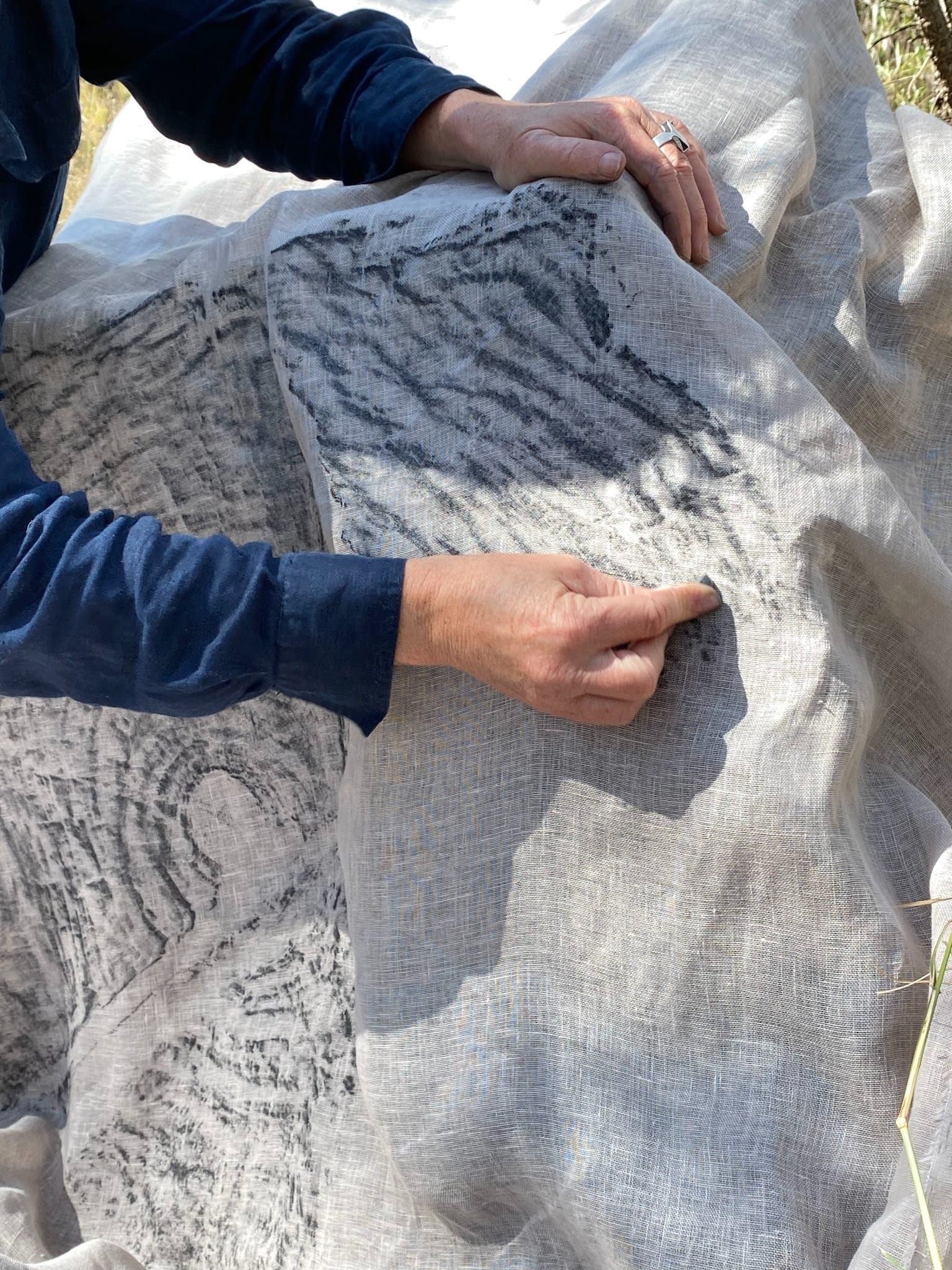
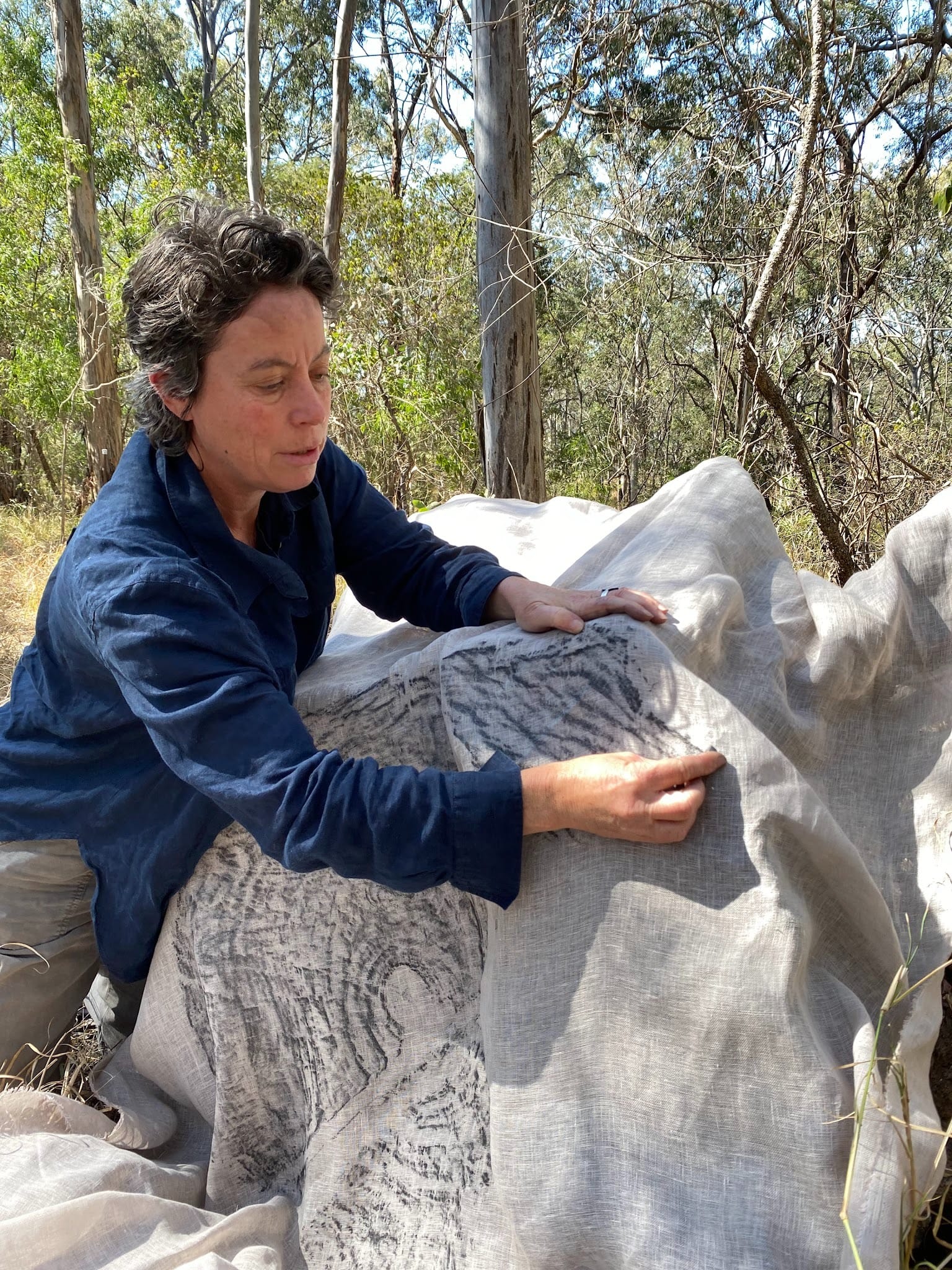
Artist Penny Sadubin is creating large graphite rubbings taken directly from fallen logs and tree stumps at surviving and former Illawarra lowland grassy woodland sites.
She traces the idea back to an earlier artwork made after watching habitat disappear along her drive to work. A giant remnant spotted gum had been felled, and she took a rubbing from its freshly cut stump onto linen. Penny looks upon her tracings of the logs as “shroud-like reminders of what has been”.
She has since sought out remnants across Wollongong, including at Purrungully Woodland in West Dapto. Working with botanist and ecologist Leon Fuller, Penny found weathered remnants of woodland eucalypts.
“We found a stump full of a species of native solitary bee, living in the decomposing wood.”
One of Penny’s linen panels records eight logs now lying at Phil Adams Park in Corrimal. The trees were removed from the former Corrimal Cokeworks site as part of its redevelopment and relocated to the park, where they now form part of efforts to restore grassy woodland.
The logs provide habitat and varied microclimates as they decay, return nutrients to the soil and act as a physical buffer protecting the restoration area from mowing and trampling. As ecologist Dr Beth Mott puts it, their relocation has “made the best of a bad situation”.
Mapping absence
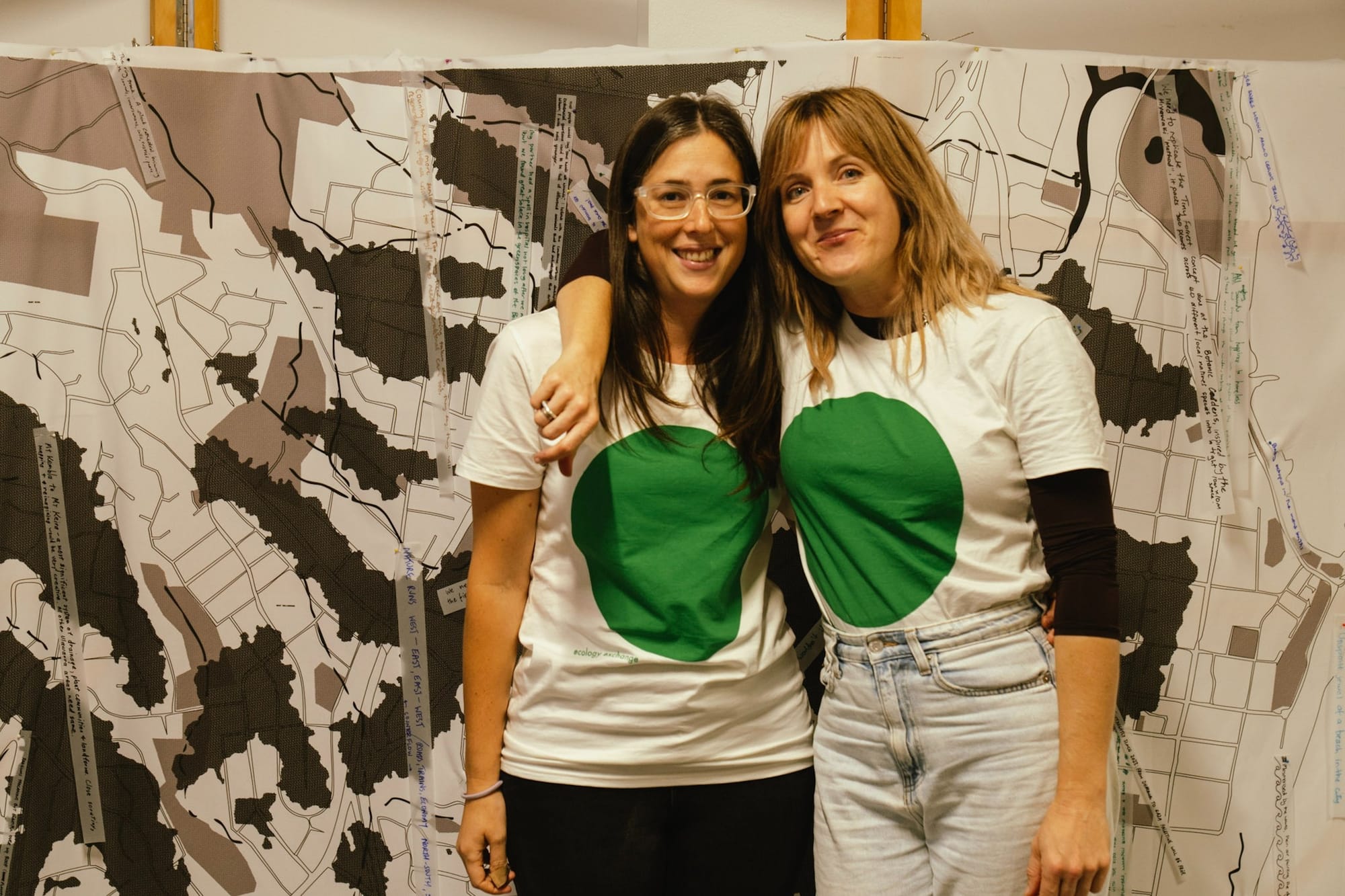
Designer Eliza Maartensz and I have been mapping the historical and surviving footprint of grassy woodland against the contemporary city. Our countermapping practice asks what conventional maps leave out when Country is reduced to roads and property boundaries.
For Tracing the Grassy Woodlands, large maps of Port Kembla, Dapto, Fairy Meadow and Wollongong will cover the gallery walls, revealing an ecological geography that remains present beneath the familiar suburban one.
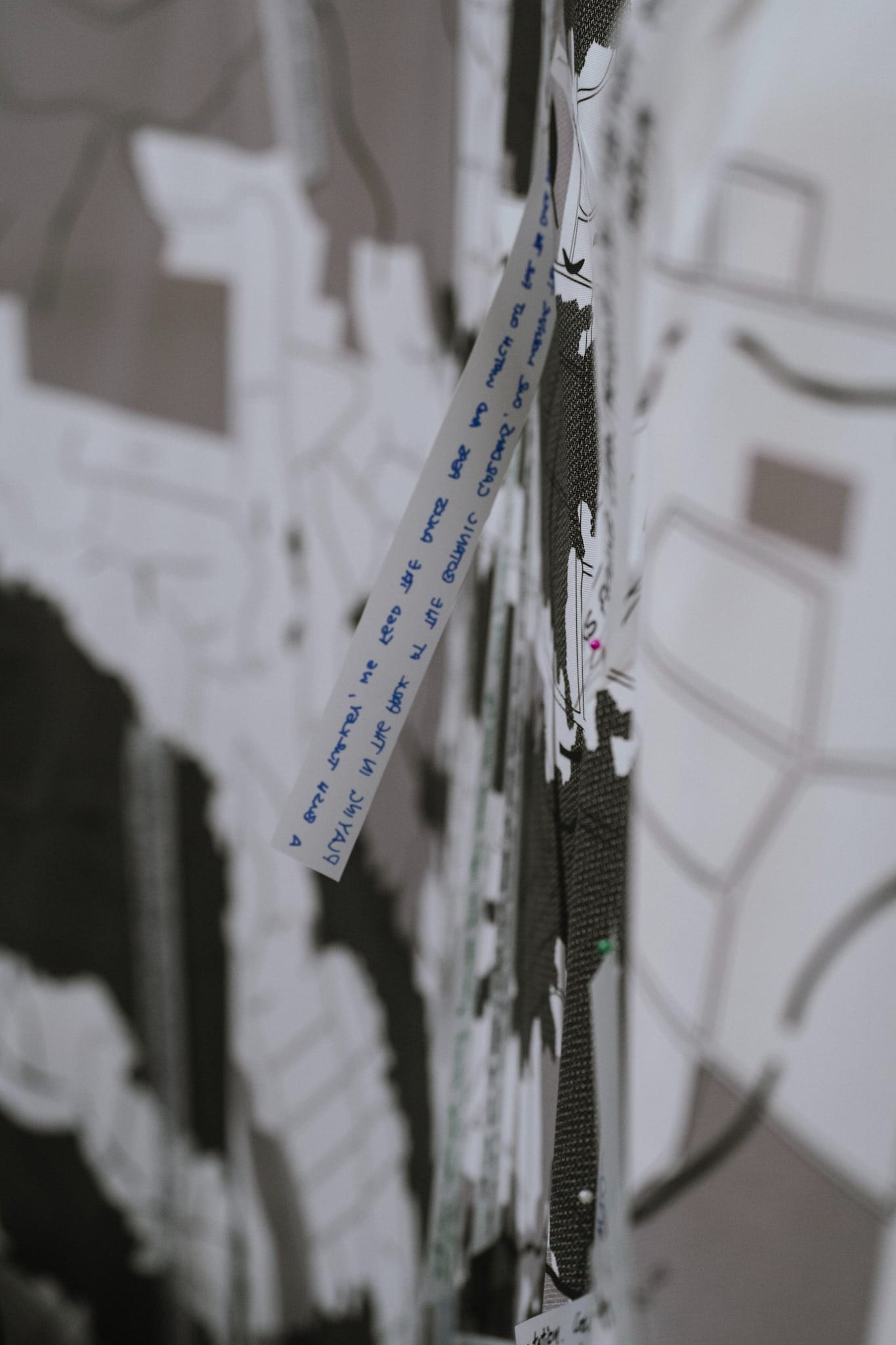
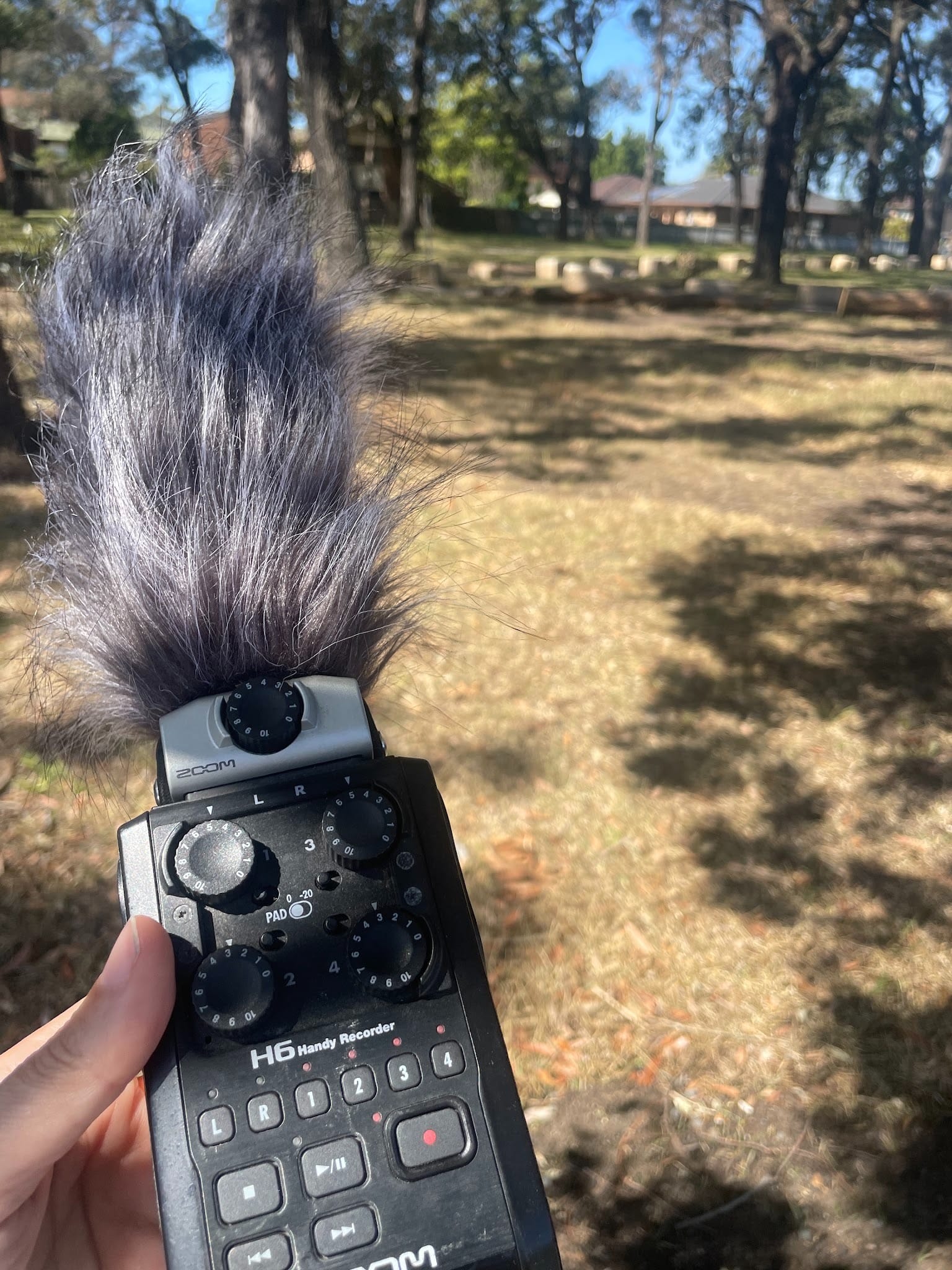
Nicole Smede has also been mapping, though not with paper. She has been exploring the suburbs, listening and recording, creating sonic maps that capture the former woodland footprint.
“Tracing the Grassy Woodlands is the third soundwork in my growing relationship with the Illawarra Lowland Grassy Woodland. The Grassening (2025) began that relationship through the plants themselves.
“I came to know them intimately: what once grew here, and the habitat it created. Using specialised technology I recorded the water content signals of native grasses and plants to the woodland and wove them into composition with field recordings of Country.”
Nicole’s new recordings will sit in dialogue with the extraordinary living soundscape she created for The Grassening, made from signals recorded from native grasses and other woodland plants.
“The process now is mostly standing still. I map the old woodland footprint from the Trees Near Me NSW records, then go to the suburbs built over it, recording at each site, whatever the place gives me. Trains. Traffic. A handful of birds, and the conspicuous absence of many more. Listening is slow and intentional work, and it makes loss audible in a way a cleared block never quite makes sense to the eye.”
“Last year's soundscape will play among the plants: the hum and pulse of a woodland in full voice. I want to invite the audience to move between the two: the biodiversity that was and what these sites sound like now, encouraging the ear to notice what is missing, and to sit with how our interference as humans has done that…
“My hope is that these soundscapes hand that awareness on, so the woodland is not depicted but present, still speaking, if we slow down enough to hear it.”
Last year, The Grassening sought to plant the sumptuous character of the grassy woodland in our collective imagination. This year, Tracing the Grassy Woodlands asks us to notice what is disrupting it — particularly the continuing pressure of urban development — and to consider what it might mean to live differently with what remains.
The Illawarra Nature Festival is not to be missed! Across the two days, talks, music, art, stalls and hands-on activities will offer plenty of ways to encounter the living ecology of the region and learn from the people working with it.
Come for a talk, make some art, listen to the woodland, meet some plants—or simply stand still for a while.
“Witnessing is part of it, and so is accountability,” says Nicole. “We are all connected, and all responsible for the wellbeing of Country.”
Illawarra Nature Festival 2026
The Servo, Port Kembla: Thursday, October 15, 4-8pm, as part of Port Kembla Night Shift; Saturday, October 17, 1–5pm. See the full program here.
Note: The Grassening was the work of Penny, Eliza, Nicole, Kathryn, Emma Rooksby, Kath Gadd, Katrin Plogstert and others as part of Nature Festival 2025.


