

Disease monitoring now key to marine wildlife conservation
Marine mammals – including seals, sea lions, dolphins and whales – are at risk of bird flu and volunteers are getting ready to respond, writes ORRCA's vice president, Jody Langlois
H5N1 is a strain (or subtype) of avian influenza, commonly known as bird flu. It belongs to a group of viruses known as Highly Pathogenic Avian Influenza (HPAI), which can cause severe disease and high mortality in birds and other animals.
While the virus is best known for affecting birds, it can also infect a wide range of marine mammals, including seals, sea lions, dolphins and whales.
Australia has now confirmed H5N1 in marine mammals, including September's detection in an endangered Australian Sea Lion, prompting ORRCA (Organisation for the Rescue and Research of Cetaceans in Australia) to increase surveillance and strengthen biosecurity measures when responding to marine mammal incidents.
For our Illawarra region, this serves as an important reminder that disease monitoring is becoming an increasingly important part of marine wildlife conservation.
Around the world, H5N1 has caused large-scale mortality events in seabirds and marine mammals. In South America, tens of thousands of sea lions and numerous dolphins have died following exposure to the virus.
Scientists are closely monitoring the virus because it has demonstrated an ability to move between different animal groups and adapt to new hosts.
Although most people are at very low risk of getting bird flu, the potential impact on vulnerable marine mammal populations is of great concern.
What to expect
ORRCA is expecting that volunteer rescue members may encounter more sick or injured marine mammals as the virus circulates, even where illness may ultimately prove unrelated to H5N1.
The Illawarra is home to a diverse range of marine mammals, including:
- Australian fur seals
- Long-nosed fur seals
- Bottlenose dolphins
- Common dolphins
- Humpback whales
- Southern right whales
- Various species of beaked whales
Because migratory seabirds and marine mammals travel vast distances, disease outbreaks occurring elsewhere in Australia or overseas have the potential to influence our local wildlife populations.
The Illawarra is a hotspot for marine wildlife. Every year we are lucky to observe migrating humpback whales, resident dolphin populations and our seals resting on local beaches and rock platforms.
If H5N1 were to affect marine mammals in NSW, coastal communities would likely play an important role in early detection. Members of the public are often the first people to notice stranded, sick or unusually behaving animals and report them to ORRCA’s 24-hour hotline.
What you can do
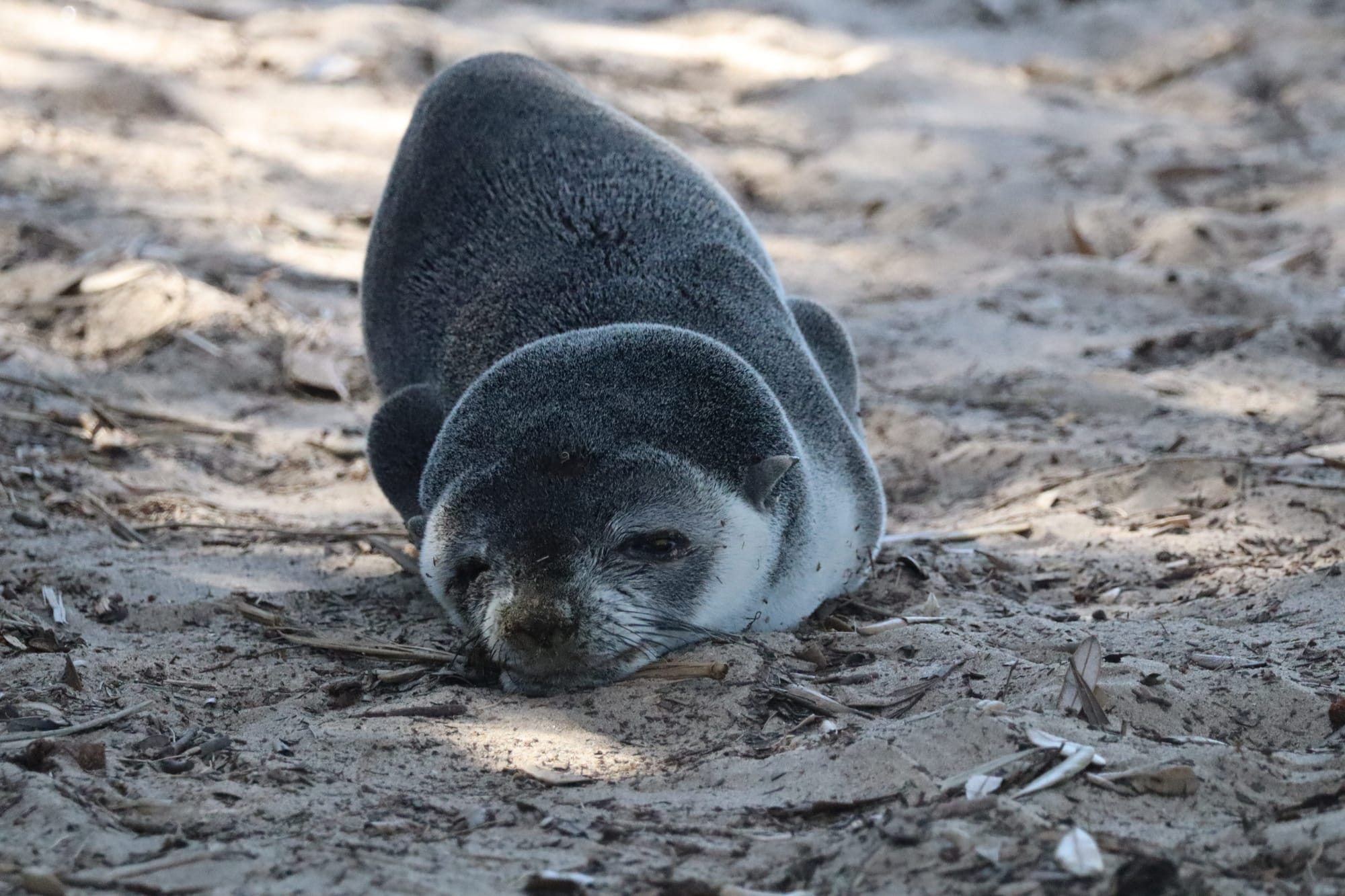
ORRCA strongly advises that people do not approach, touch or attempt to rescue marine mammals themselves. Even under normal circumstances, marine mammals can carry diseases that may be transmissible to humans and beloved pets. Our dedicated rescue members work according to ORRCA’s Biosecurity protocols derived from official government and veterinarian advice and information and understand the importance of biosecurity and decontamination procedures to reduce the risk of disease transmission.
If you encounter a hauled-out seal or stranded dolphin or whale:
- Keep your distance.
- Keep children and dogs away from the animal.
- Do not touch the animal or any bodily fluids.
- Avoid walking through areas contaminated by faeces or other biological material.
- Report the sighting immediately to ORRCA’s 24-hour rescue hotline
Prompt reporting allows trained responders to assess the animal while maintaining appropriate biosecurity protocols.
How ORRCA is preparing
ORRCA has implemented a tiered biosecurity response system based on risk levels associated with known and emerging zoonotic diseases (diseases that can be transmitted between animals and humans), which include viruses such as HPAI H5N1. These protocols include enhanced personal protective equipment (PPE), strict decontamination procedures and specialised training for higher-risk incidents.
Volunteers follow the principle of "Come Clean, Go Clean", ensuring equipment, footwear and protective gear are thoroughly cleaned and disinfected before and after every incident.
ORRCA has also developed specialised response protocols for incidents involving potentially infectious marine mammals, ensuring both wildlife welfare and volunteer safety remain the highest priorities.
Report sick or stranded animals
The arrival of H5N1 in Australian marine mammals highlights the growing connection between wildlife health, ecosystem health and human health.
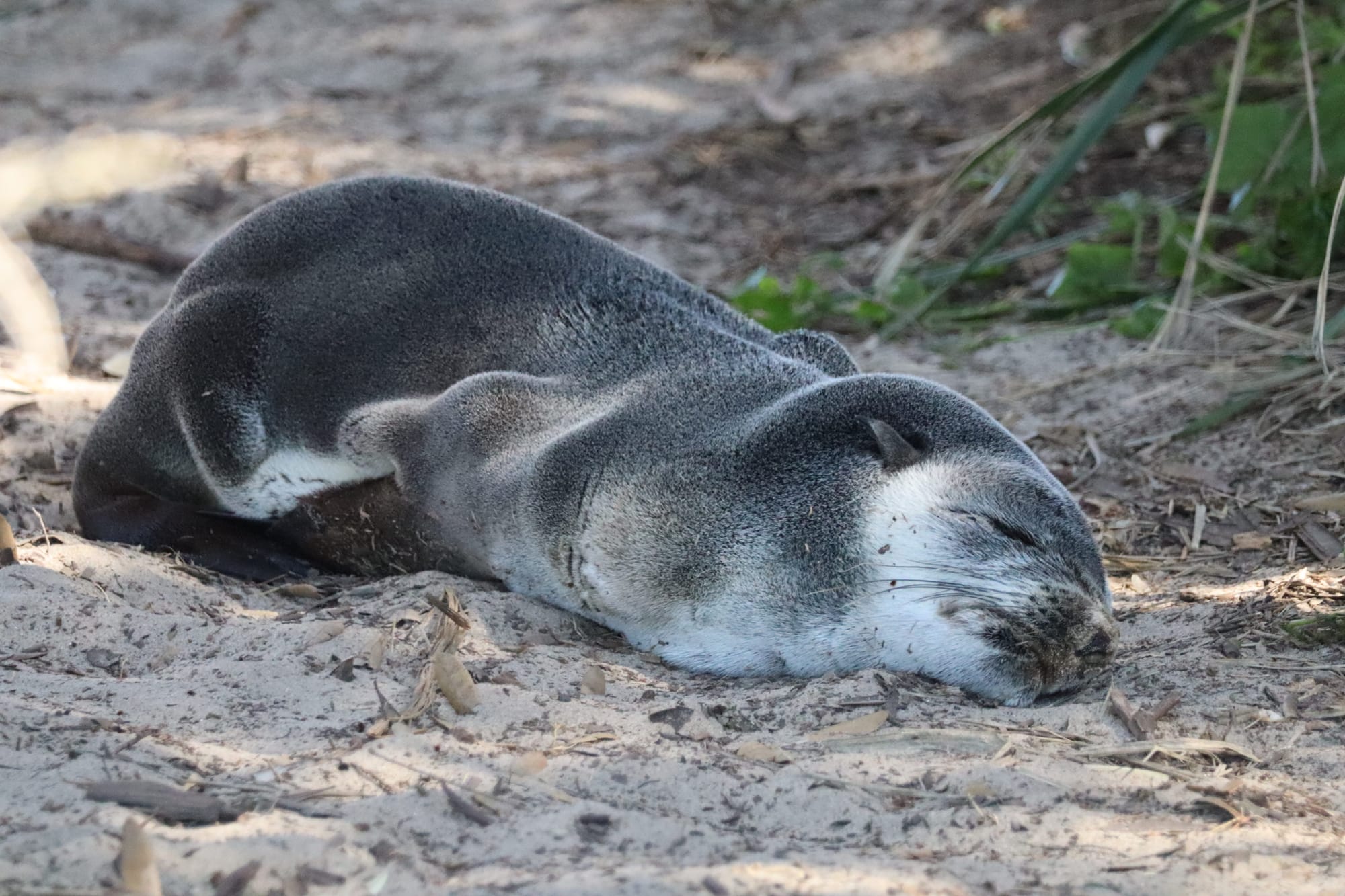
For Illawarra residents, the message is simple: enjoy our incredible marine wildlife from a safe distance, report animals that appear sick, injured or stranded, and allow trained responders to undertake assessments safely.
Early detection, community awareness and strong biosecurity practices will be essential in helping protect the whales, dolphins and seals that make the Illawarra such a special place.
If you see sick or dead birds or marine mammals: Avoid contact, record what you see, take photos if safe and report to the Emergency Animal Disease hotline on 1800 675 888.
If you see a stranded, injured or distressed whale, dolphin or seal, contact the ORRCA Rescue Hotline on 02 9415 3333.


