
From rhododendrons to rainforest, Wollongong's secret garden is blooming
Since the pandemic, volunteer numbers have risen tenfold and the Illawarra Rhododendron Garden has added 'Rainforest' to its name

Almost 70 years old, the Illawarra Rhododendron & Rainforest Gardens (IRRG) is something of a 14-hectare local secret, nestled in the escarpment at Mount Pleasant, a surprisingly quiet sanctuary just a few hundred metres from traffic thundering up the M1.
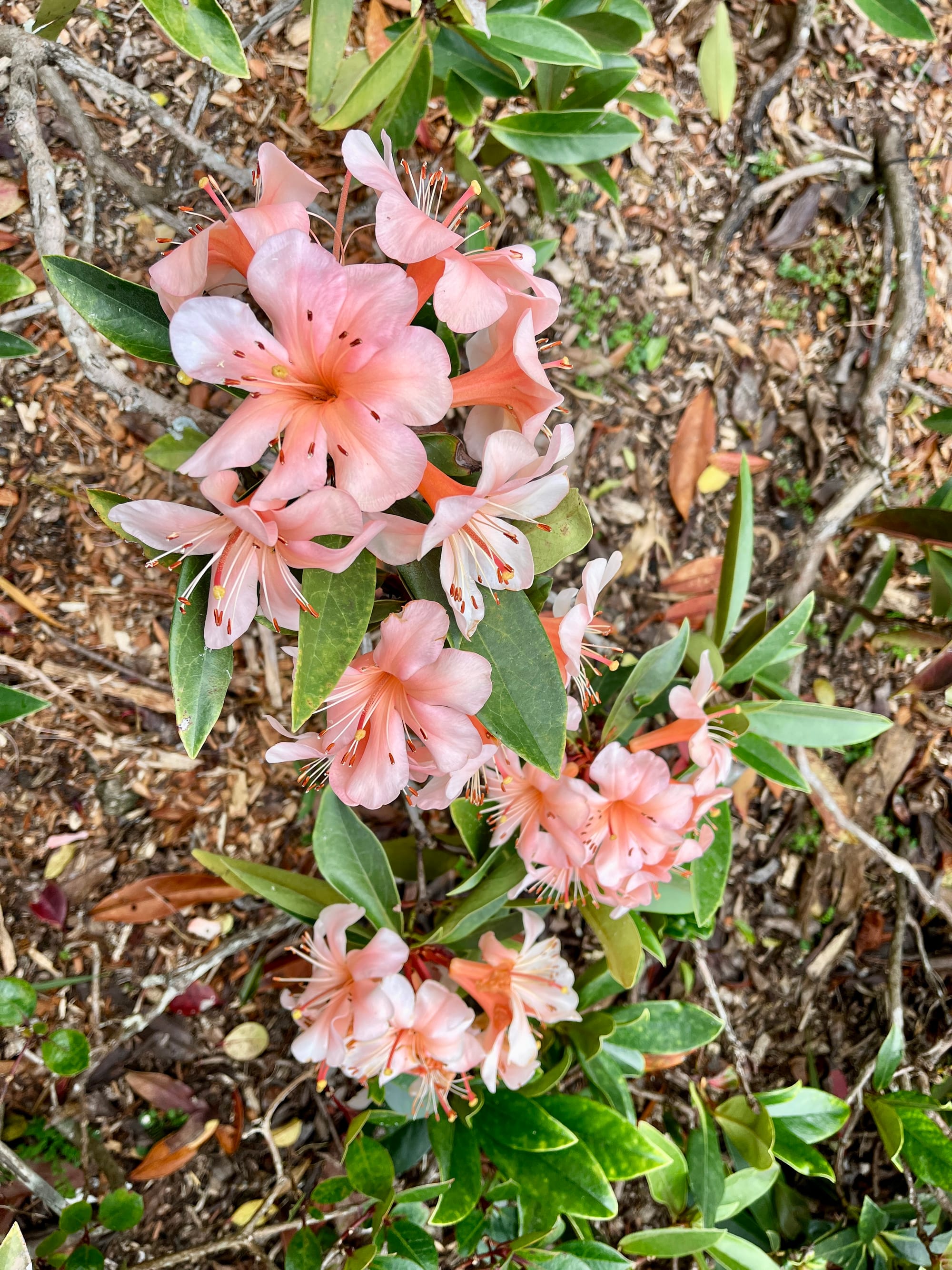
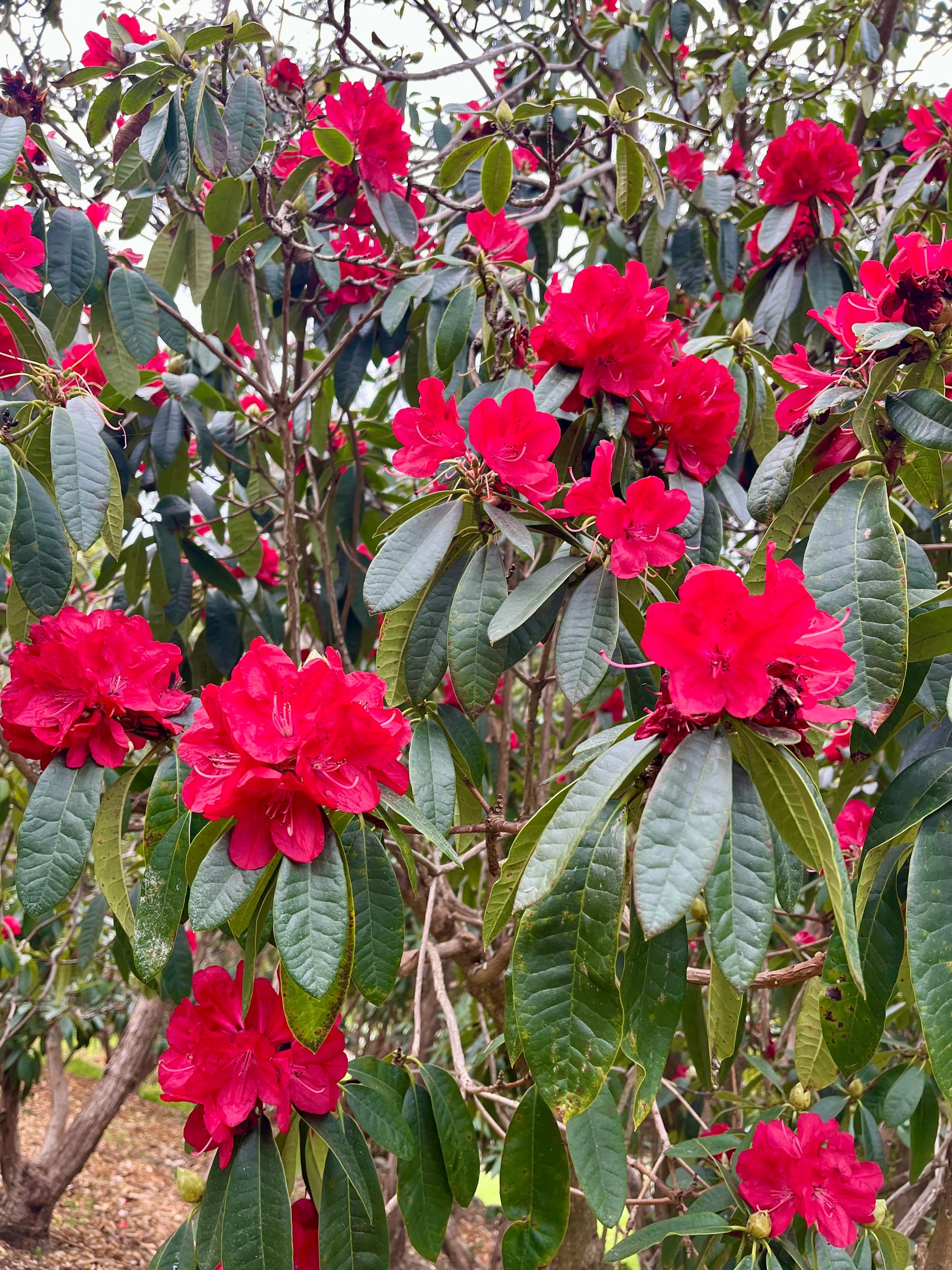
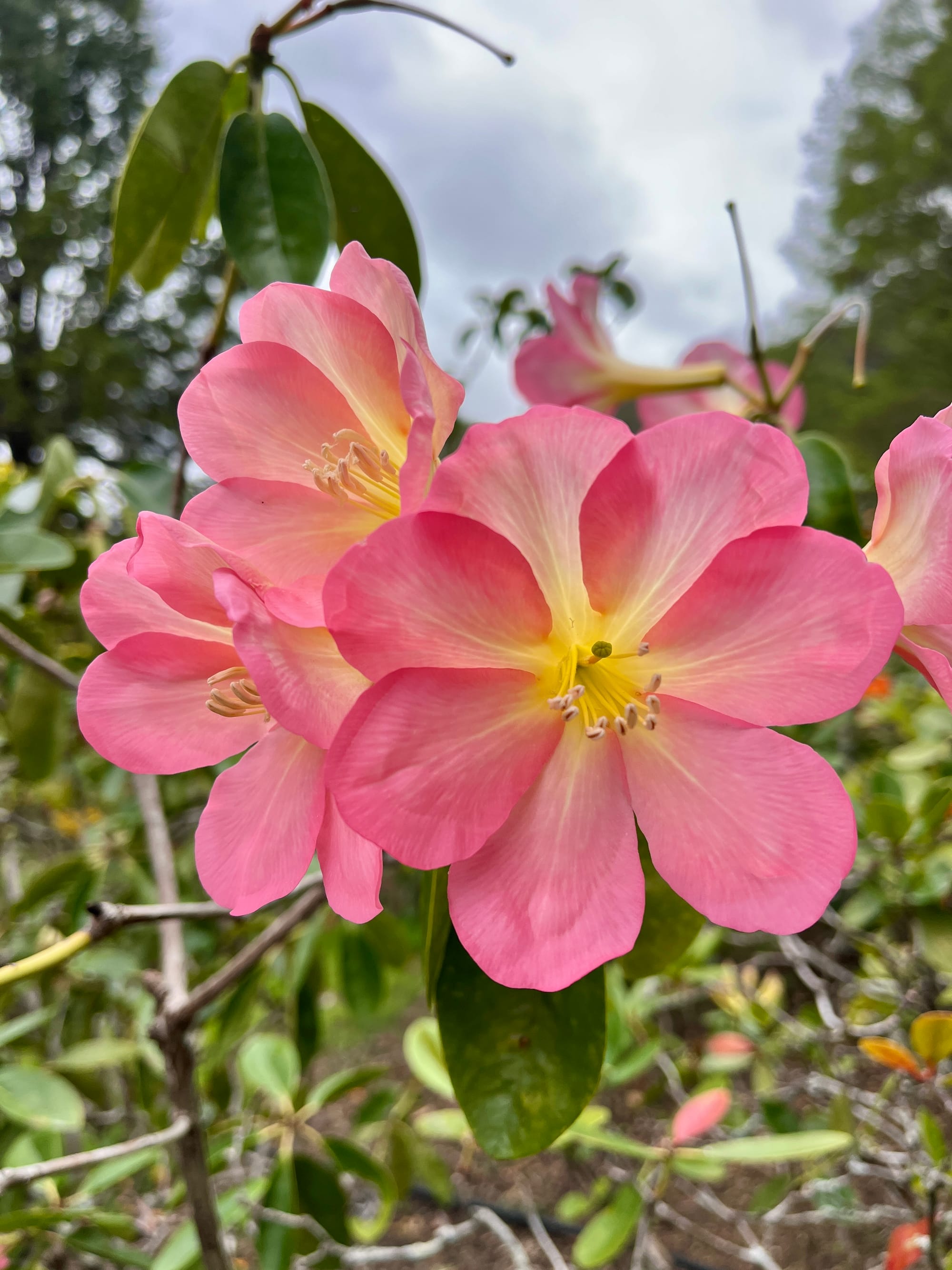
This spring, it’s ablaze with blooms, including the stunning red Rhododendron arboreum, Nepal's national flower, naturally found in the rainforests of the Himalayan foothills.
“We get a lot of Nepalese visitors coming here,” says IRRG secretary Vicki Christie. “In Nepal, they couldn't afford to go to the rainforests where these trees are, so they come here to see their national flower.
“Every day, there is something else to see.
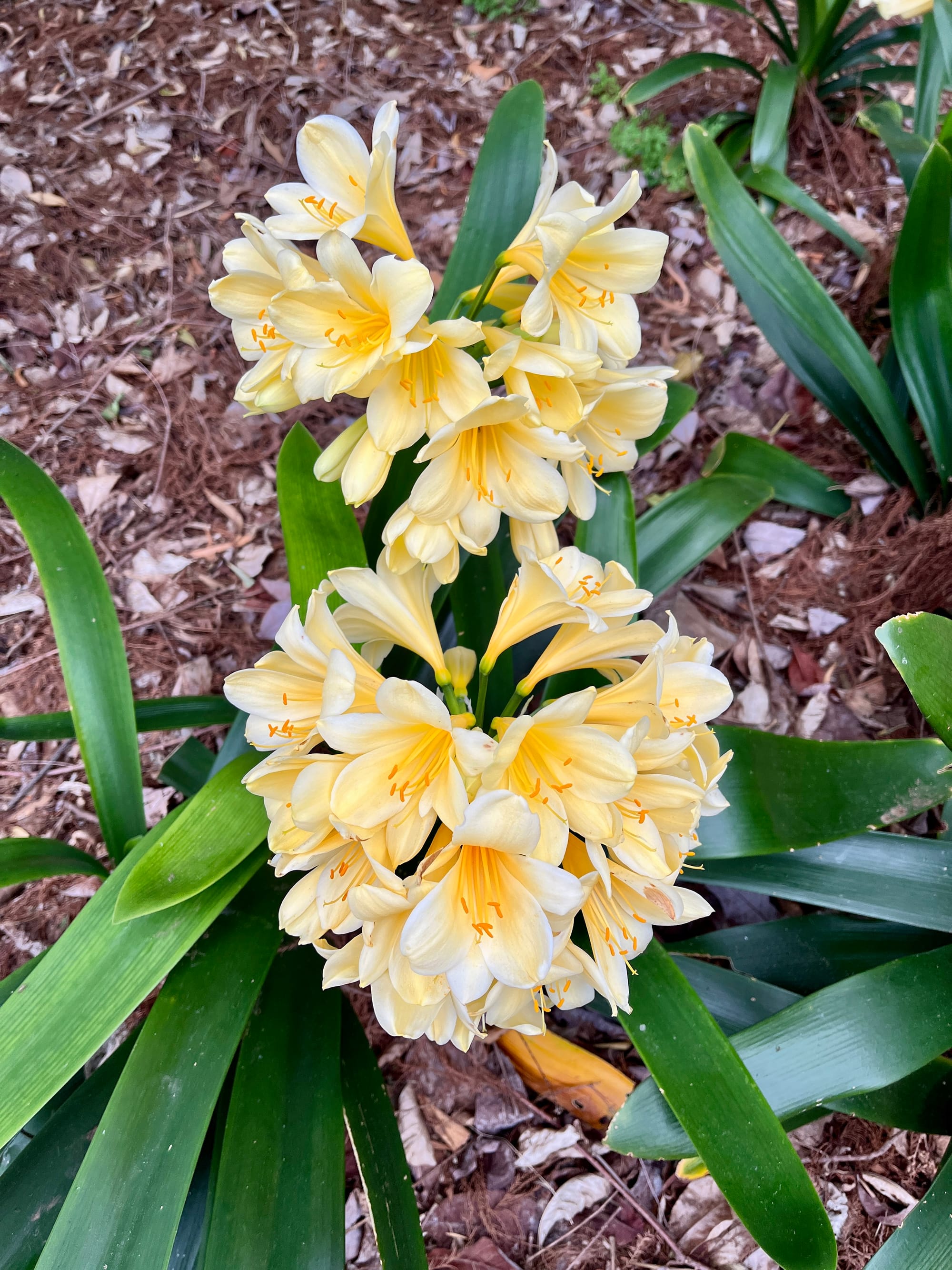
“The early volunteers were very clever in the way they set it out, so that there's always something in flower. There's the autumn leaves, then there's the summer flowers. In January, all the beautiful lotus are out on the lake. In winter there's the camellias and the magnolias and all the bulbs.
"But I do like spring. I just love flowers.”
Vicki and her husband Bruce, the IRRG president, have brought fresh energy to the volunteer-run organisation. Bruce was a vet who became head of biosecurity and food safety for the NSW Government; Vicki was an audiologist. Both loved gardening and so on retiring to Wollongong, joined the not-for-profit community garden just up the road. This was in 2020, when volunteers were down to a handful, including Pat and David Stanton, son of founder Don Stanton.
“We decided we wanted to give back to the community when we retired,” Vicki says. “We started here about five years ago, before Covid, and there were five volunteers. I was about 60, and I was the youngest.”
Vicki remembers one 94-year-old volunteer telling her, “I can get down, but I can't get up.”
“They just really have trouble keeping things going, and there were weeds everywhere,” she says.
“We've got probably about 40 or 50 volunteers now.”
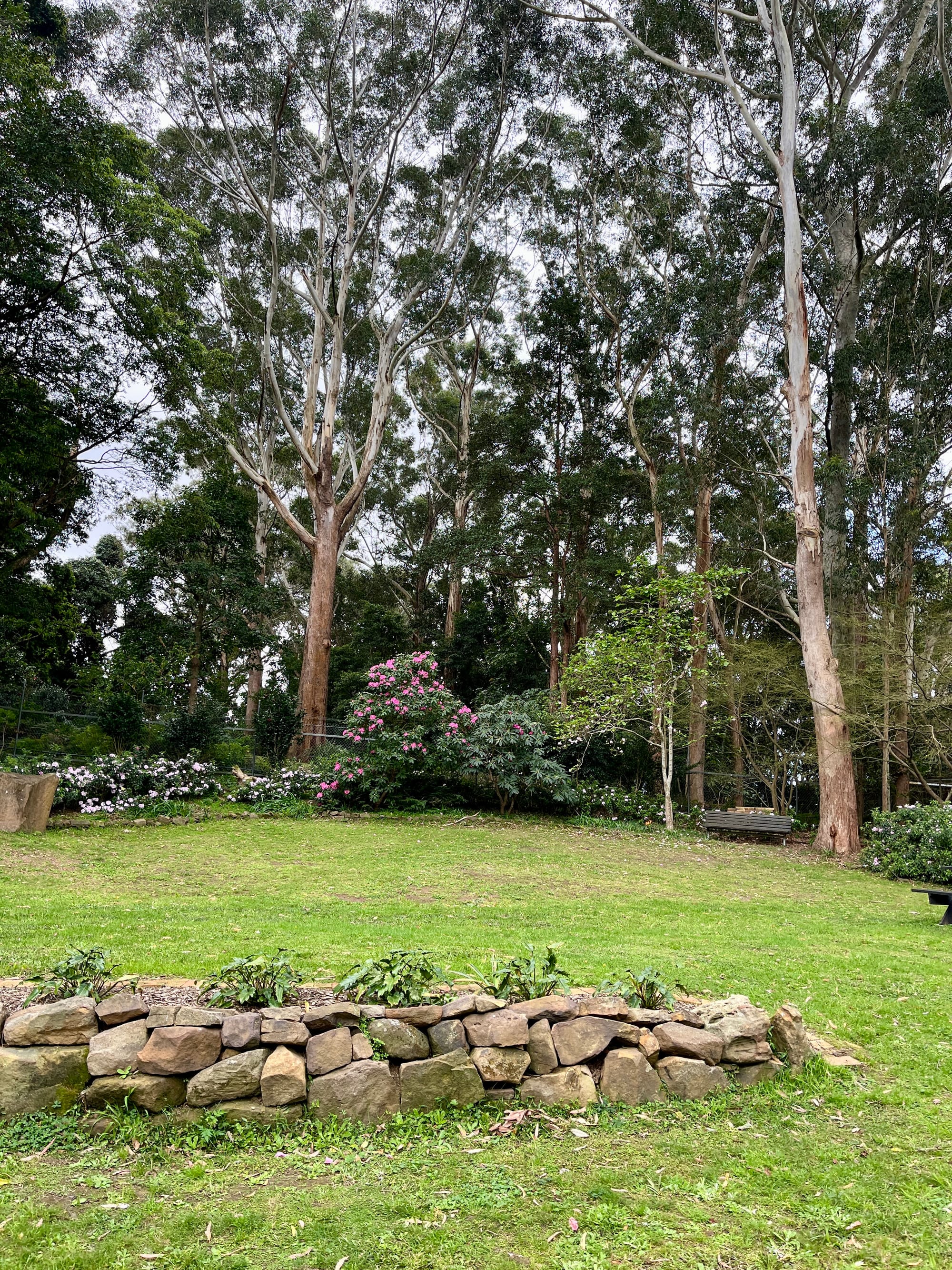
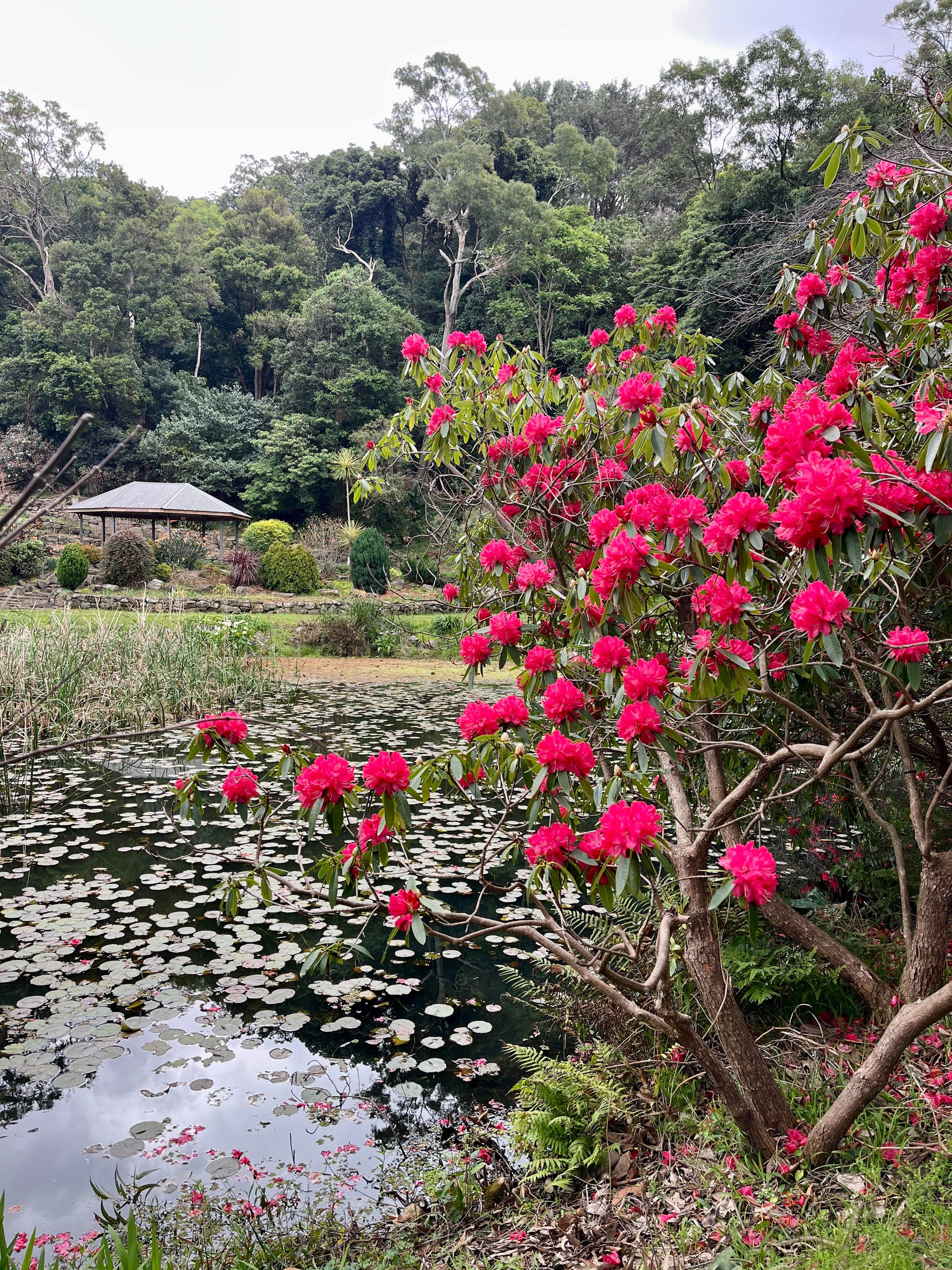
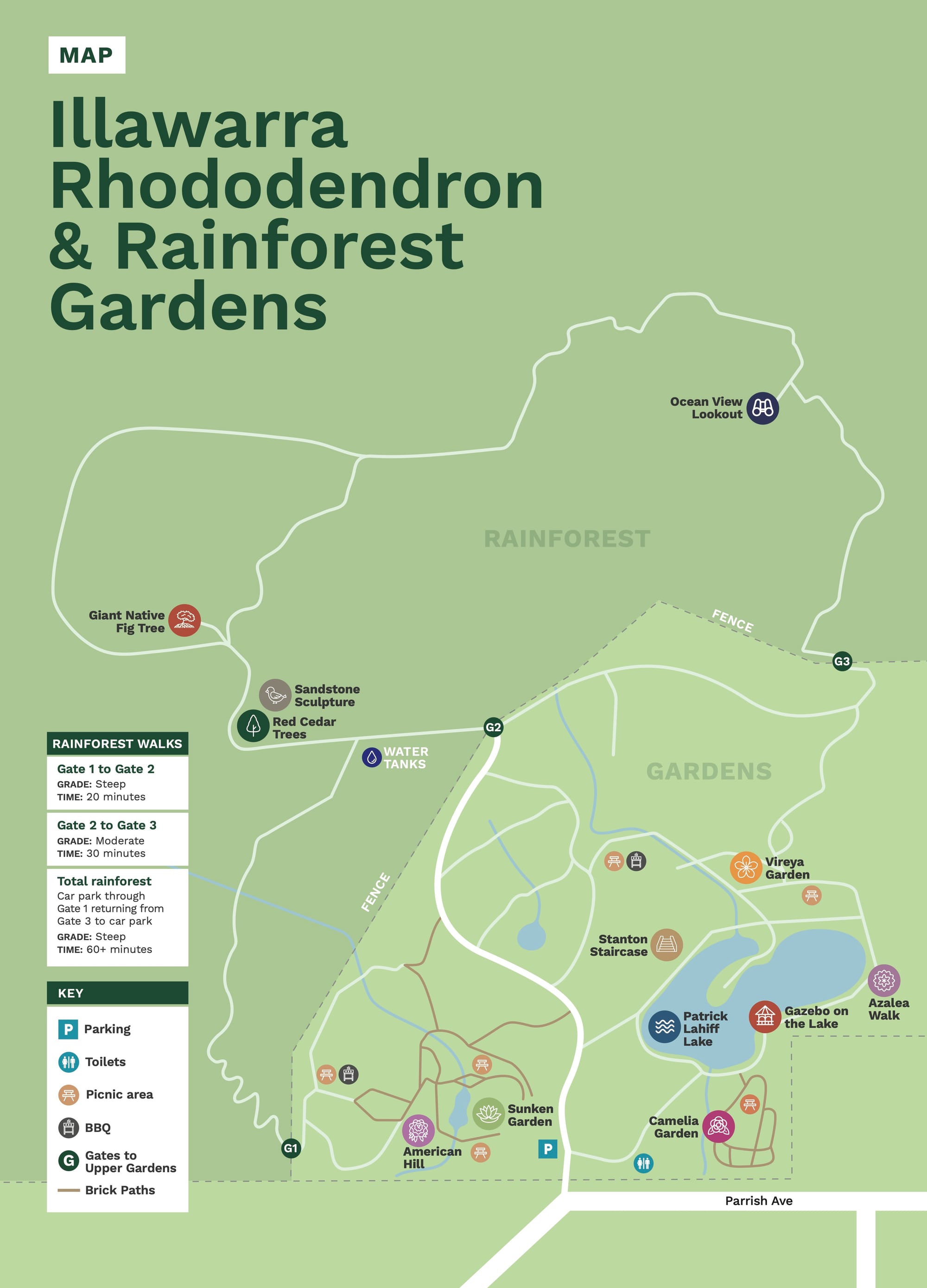
A little like Wollongong itself, a city caught somewhere between its coal coast heritage and green steel future, the garden is in two parts, past and future growth. About a third is the lower section of exotics, planted by enthusiastic gardeners of the 1970s, while the majority is an upper section of bushland, tended to by today’s landcare volunteers as part of the growing conservation movement to plant natives.
In 2022, in recognition of the endangered escarpment habitat within its grounds, the team expanded the name to Illawarra Rhododendron and Rainforest Gardens.
“We want to bring the rainforest down into the garden and marry the two,” says Vicki, who has her eye on some old backyard Christmas trees she’d like to take out to make space for a red cedar. There’s also two hoop pines volunteers would like to replace with a row of white cedars.
“We've got lots of birds and we've got water dragons, and we want to encourage the flora and fauna,” Vicki says.
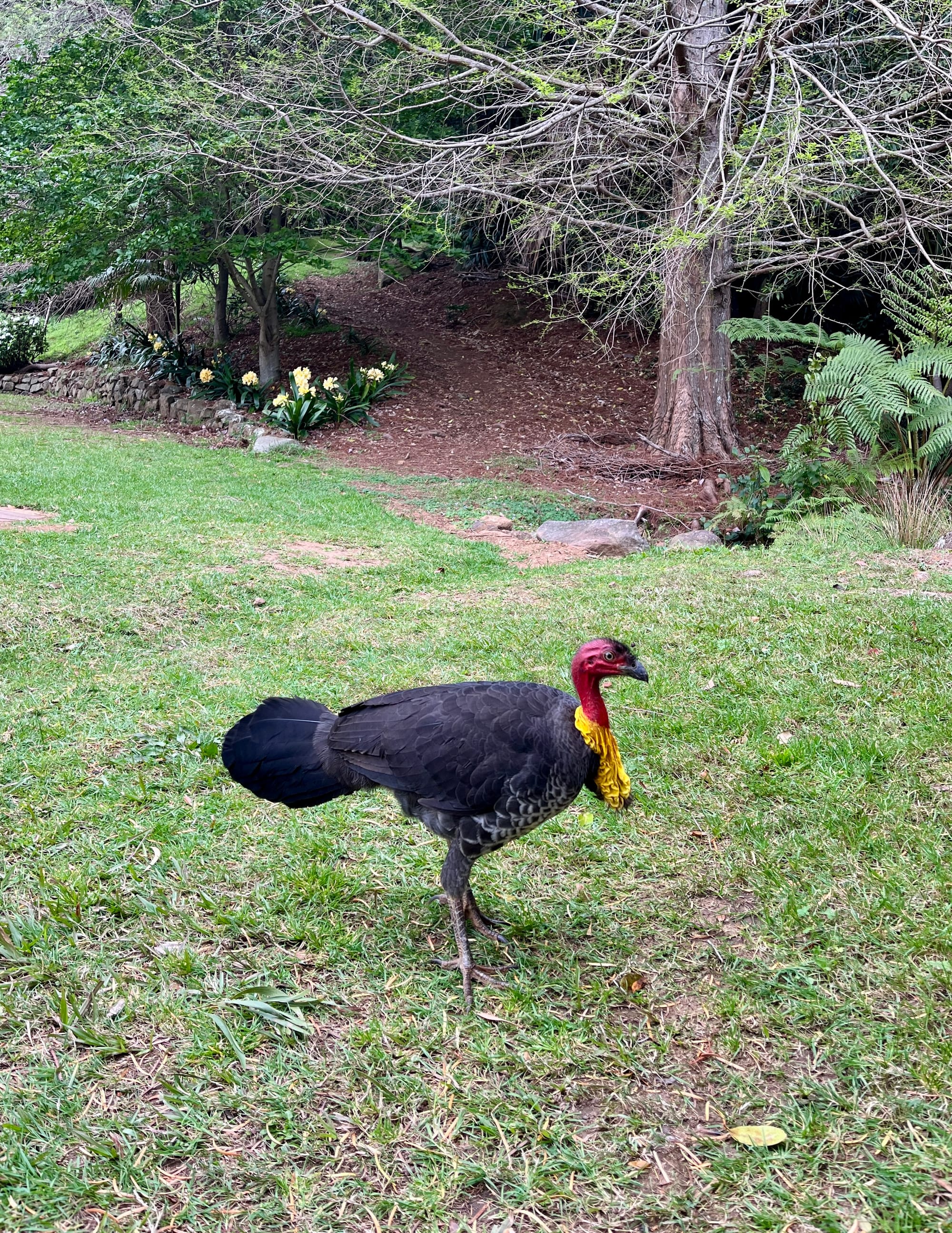
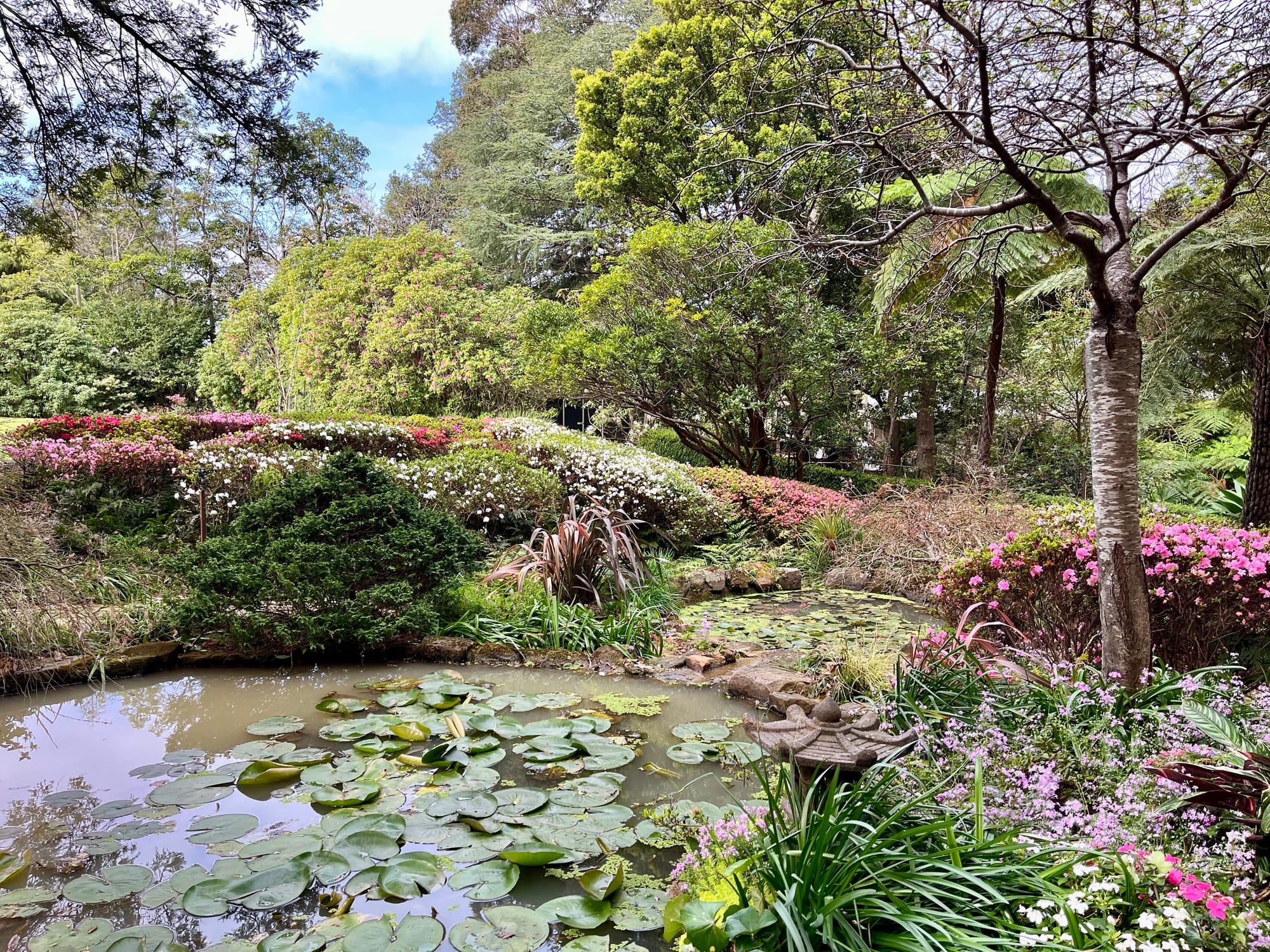
Open this weekend, the rainforest walk takes about an hour, with highlights including giant figs, ocean views and a sandstone birdbath by May Barrie, the Albion Park sculptor remembered for her award-winning work in Bondi’s Sculpture by the Sea.
There are now two sets of volunteers caring for the garden, which is protected by a deer fence (although two are inside and eluding removal).
“We have a bush re-gen group that meet once a month, and they go up and do weeding in the rainforest,” Vicki says. “In the lower gardens we have the volunteers on a Tuesday and a Saturday morning at 9.30 for a couple of hours.”
Considerable pruning, weeding and lawn mowing is required. Even with the help of a ride-on mower, the lawn is nearly six-hour job in summer, Vicki says.
Before the land became a garden it was part of Mount Pleasant underground coal mine, which operated for nearly a century, closing in 1955 and leaving a mass of weeds in the environment. Aerial photos of the 1960s from Wollongong Library show there were very few trees back then, compared to today's forest.
It was thanks to BHP manager and rhododendron enthusiast Don Stanton who – along with Wollongong Botanic Garden's first curator Bill Mearns – united efforts to clear blackberry bushes and lantana, making way for a neat garden of flowers, including vireyas, tropical rhododendrons, some of which Don collected during on journeys to Papua New Guinea.
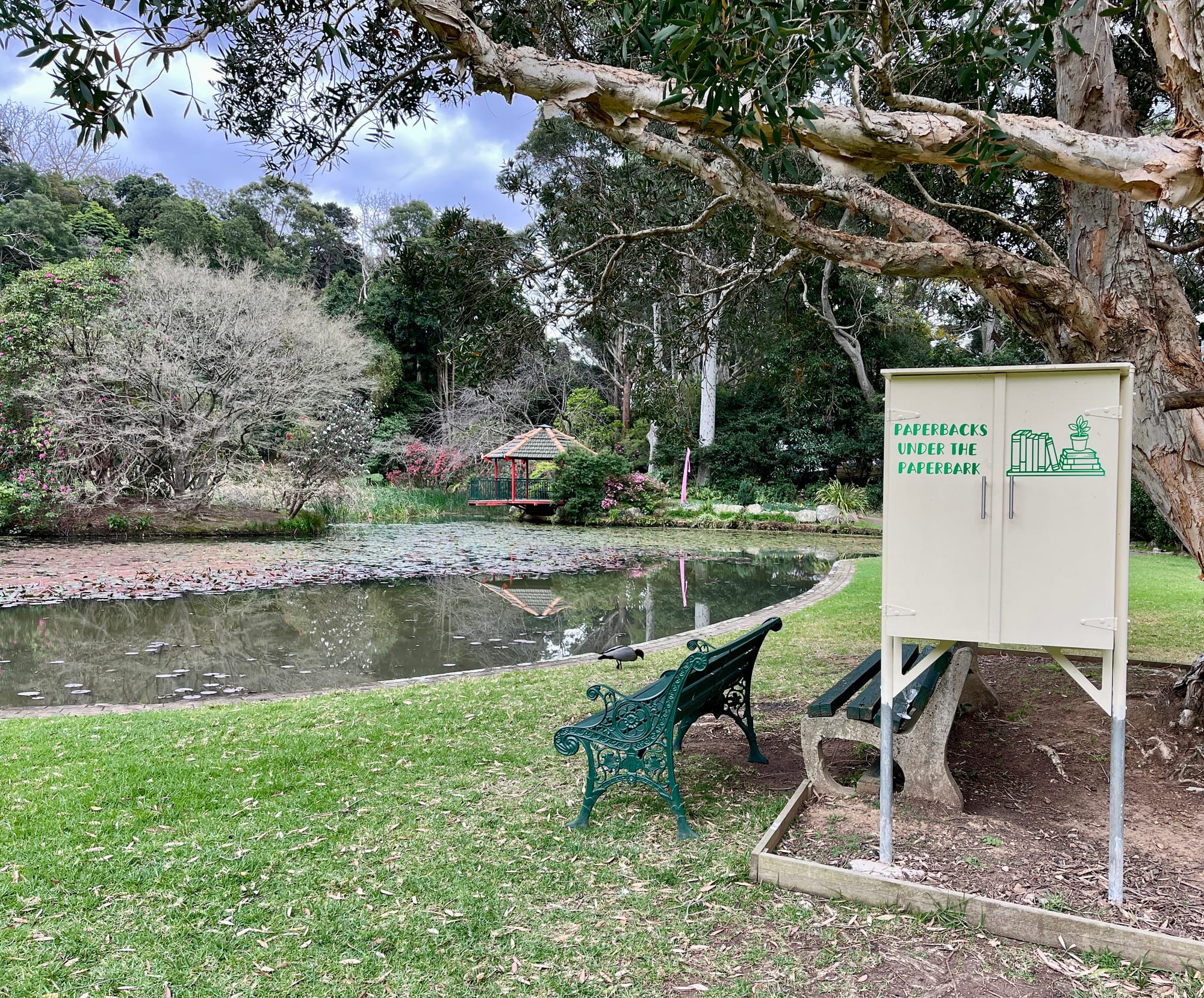
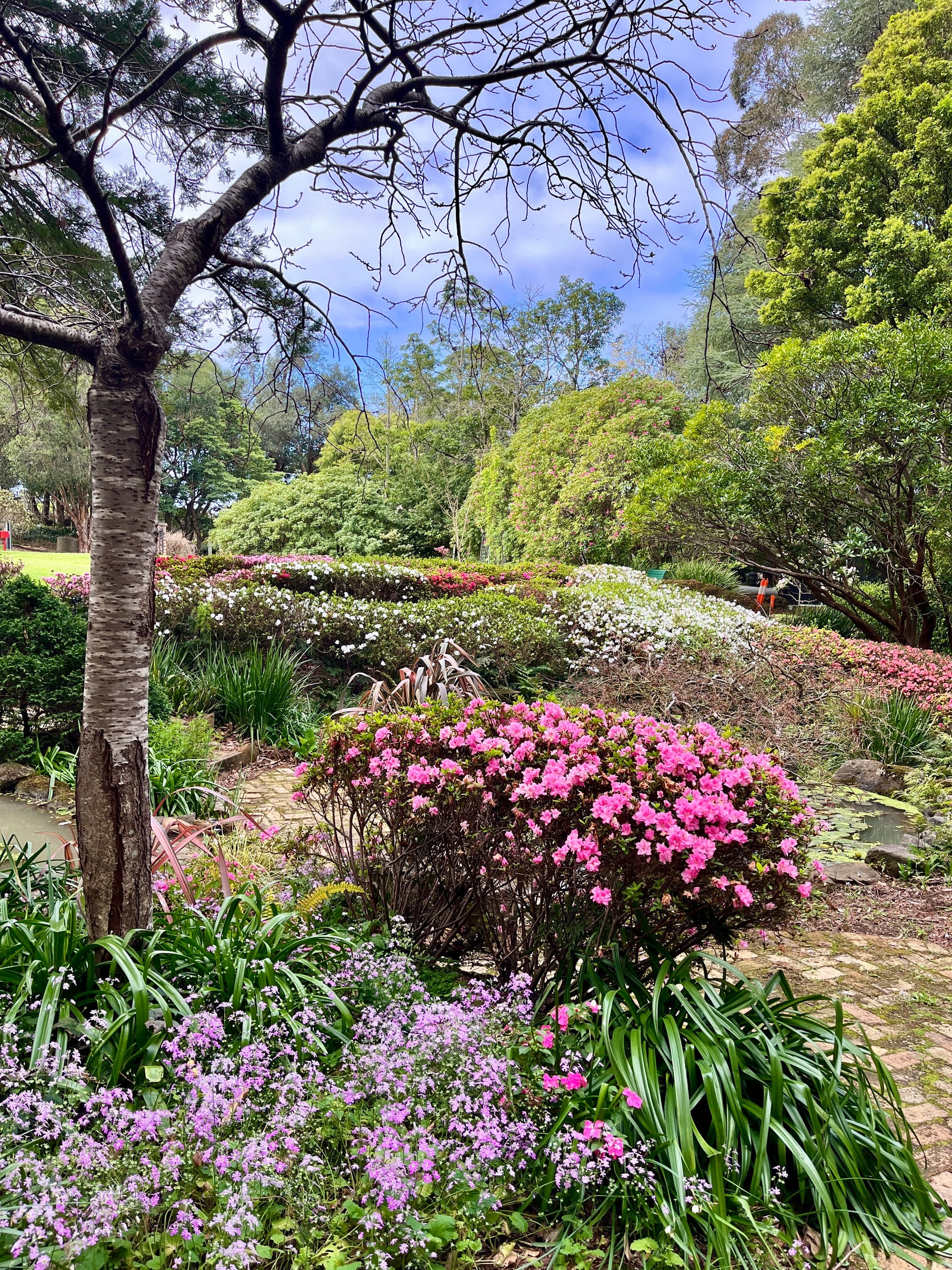
Now the gardens are a popular place for weddings and picnics. The lower section has a charming lake and gazebo, manicured lawns and beds of exotics, including an azalea walk with a 770m hedge. “It just smells like heaven,” Vicki says.
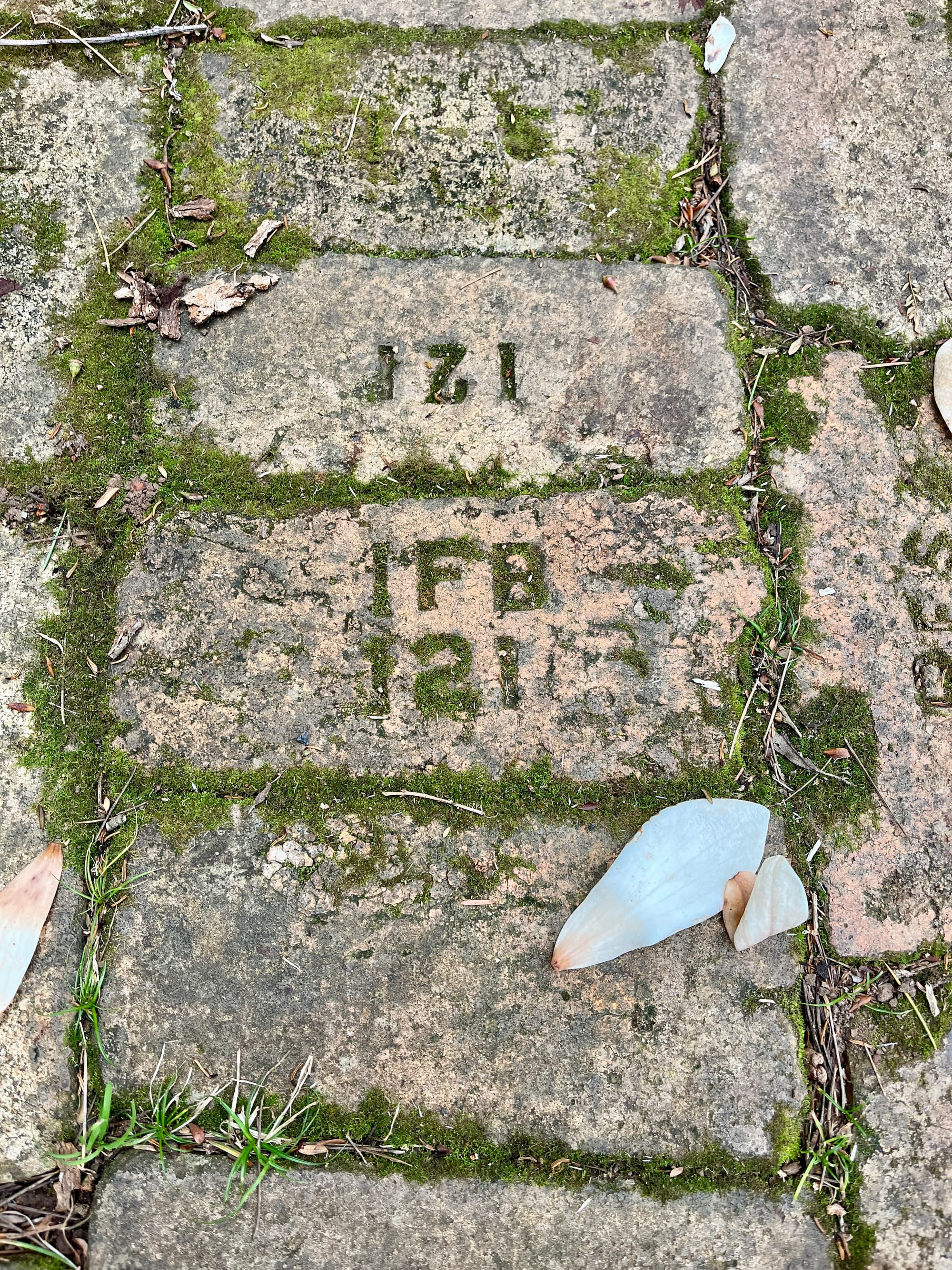
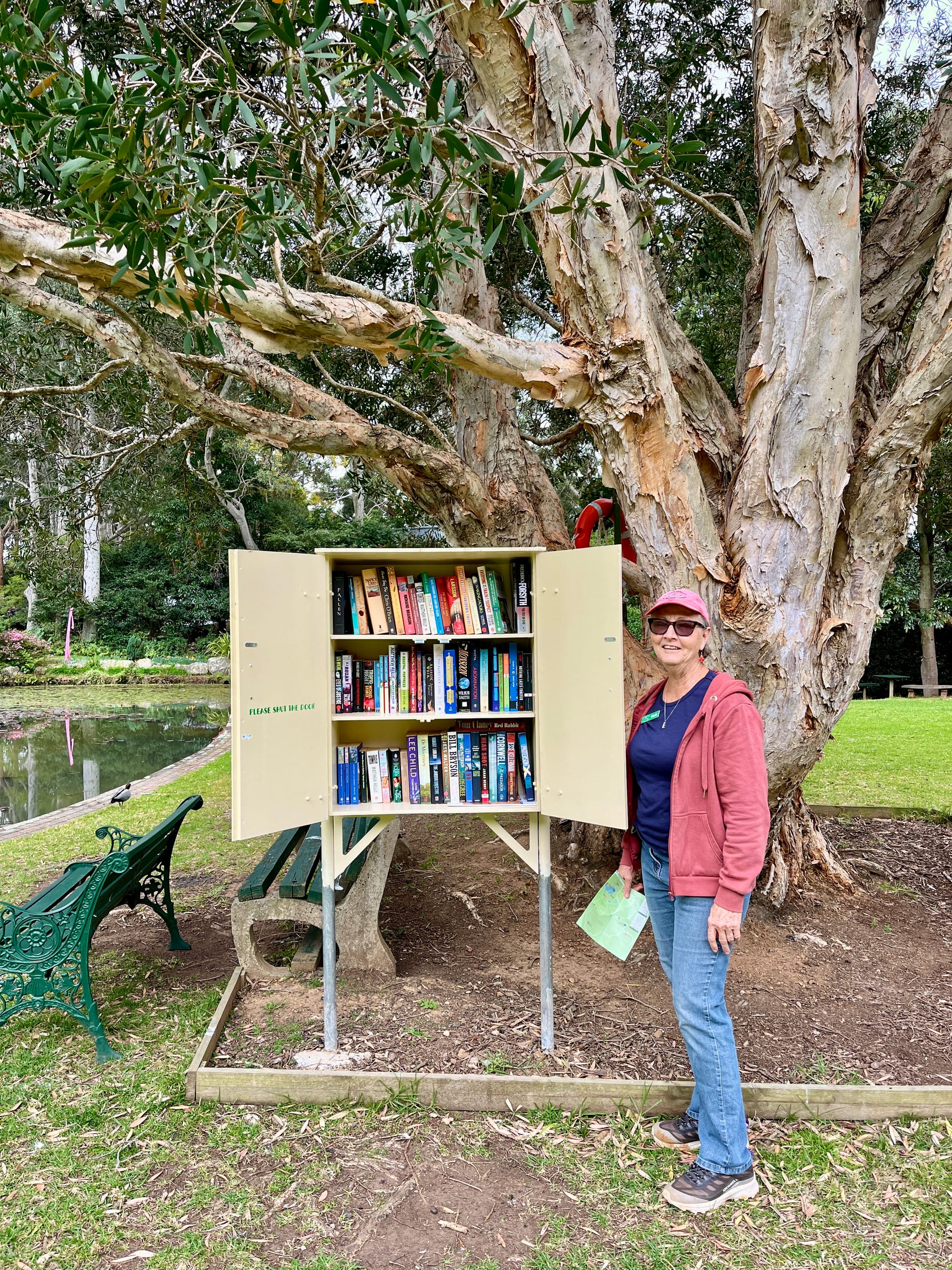
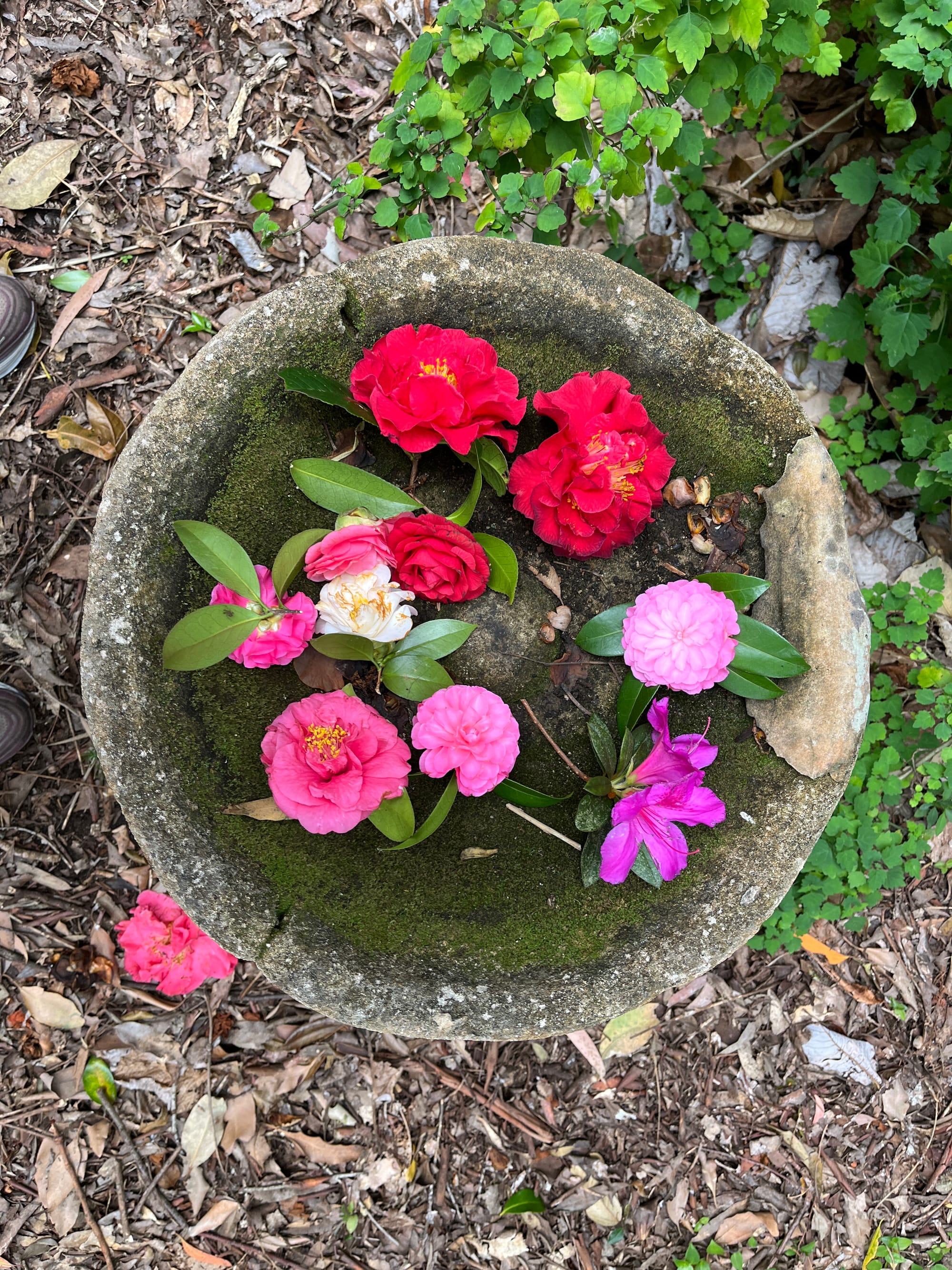
Visitors will find themselves walking on history, stepping along paths made of old bricks from the blast furnace at Port Kembla. For those who like to relax with a good book, there's a swap box called 'Paperbacks under the Paperbark', begun by garden volunteers who multitask as Lifeline volunteers. Another highlight is a grove of camellias, planted in the 1980s and now of heritage value as several varieties are no longer commercially available in Australia.
The little lake was also built in the 1980s, as part of a government job creation scheme, and is named after Wollongong pioneer Patrick ‘Paddy’ Lahiff, a stonemason who came over from Ireland in 1829 and was instrumental in building St Michael's Anglican Cathedral and the stonework around Belmore Basin.
“He was a pretty amazing person,” Vicki says. “He was also the manager of Mount Pleasant Mine and he was the one who developed those tramways that come down from the mountains. A couple of years ago, his great-grand niece was doing the family history, so she came to Wollongong, and she was just tickled pink that we'd named the lake after her relative.”
The gardens are on a peppercorn lease from NSW National Parks and Wildlife Service (hence, no dogs allowed) and are entirely maintained by volunteers.
Community members have made all sorts of contributions, including a graphic artist who transformed the toilet block with a flower mural, but there’s always more work to do and funding it is a battle. The lake, for example, should be 3m deep, Vicki says, but it is full of sediment from the 2022 floods that would cost $200,000 to remove.
“If we had lots of money, there's lots of things we could do,” she says.
This weekend is the final in September's showcase, but the garden is open year round on Tuesdays, weekends and public holidays from 10am until 5pm. No vollies around? Simply pop $5 in the contribution box.
For more information, visit the IRRG website.