

Jasmine in the bin, let the Resin Vine win!
Next time you think about planting a vine, please consider local options before opting for the exotics, writes Emma Rooksby, coordinator of Growing Illawarra Natives
Weedy vines are a scourge of this region. They do so much damage to our unique and extraordinary bushland. They can deprive plants of sunlight by smothering them, compete for precious nutrients, and bigger vines can even pull down tall trees.
White (or Chinese) Jasmine (Jasminum polyanthum) is a common weed in local woodland and forest, and can spread over large areas. It is challenging to remove, being very wiry, and producing roots along its stems that can require a lot of digging to pull out.
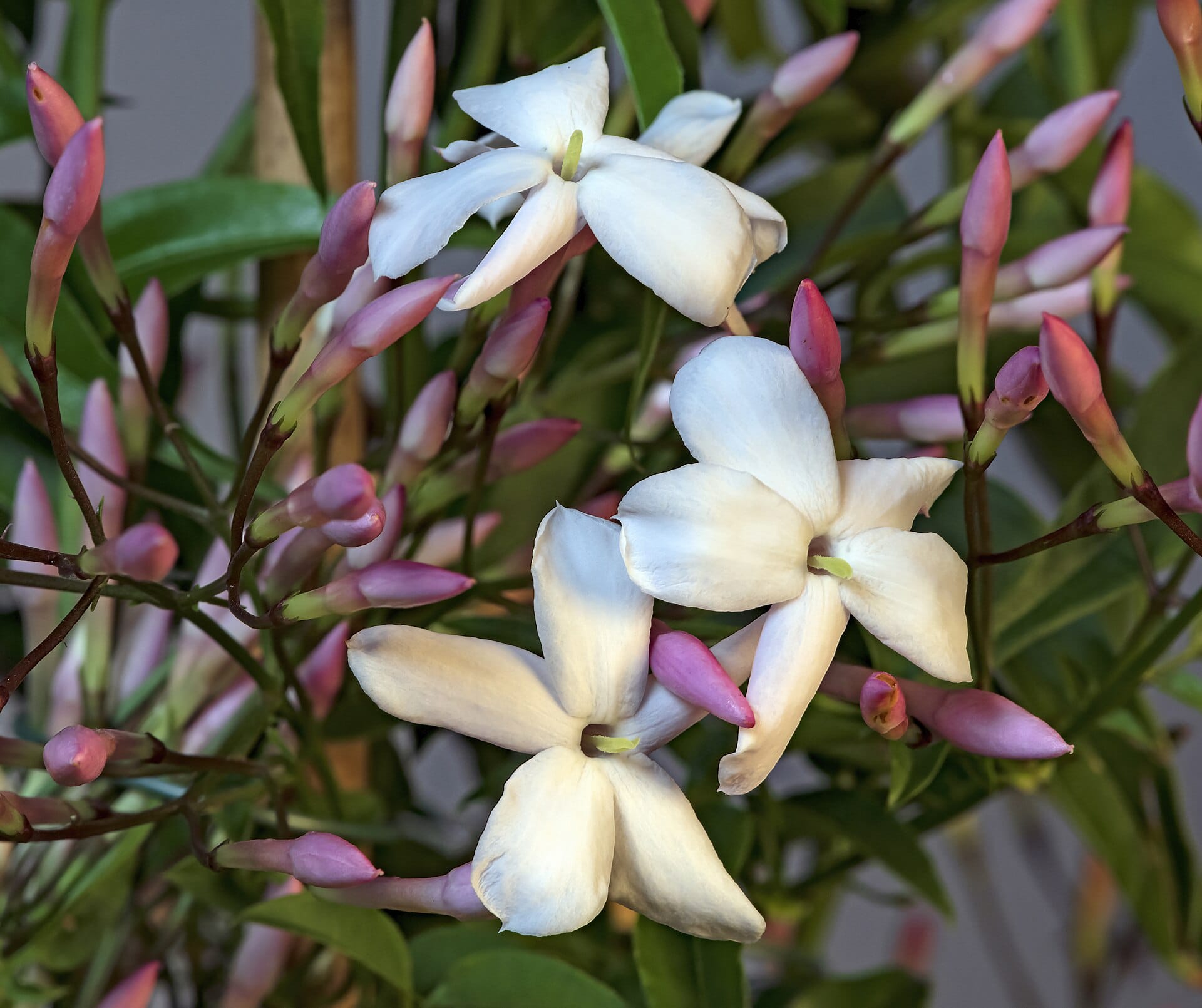
For that reason, although its scent is heavenly, I always discourage people from growing this exotic Jasmine. Thankfully, there are local alternatives that can do the job while providing much better habitat for local fauna and not needing any active management!
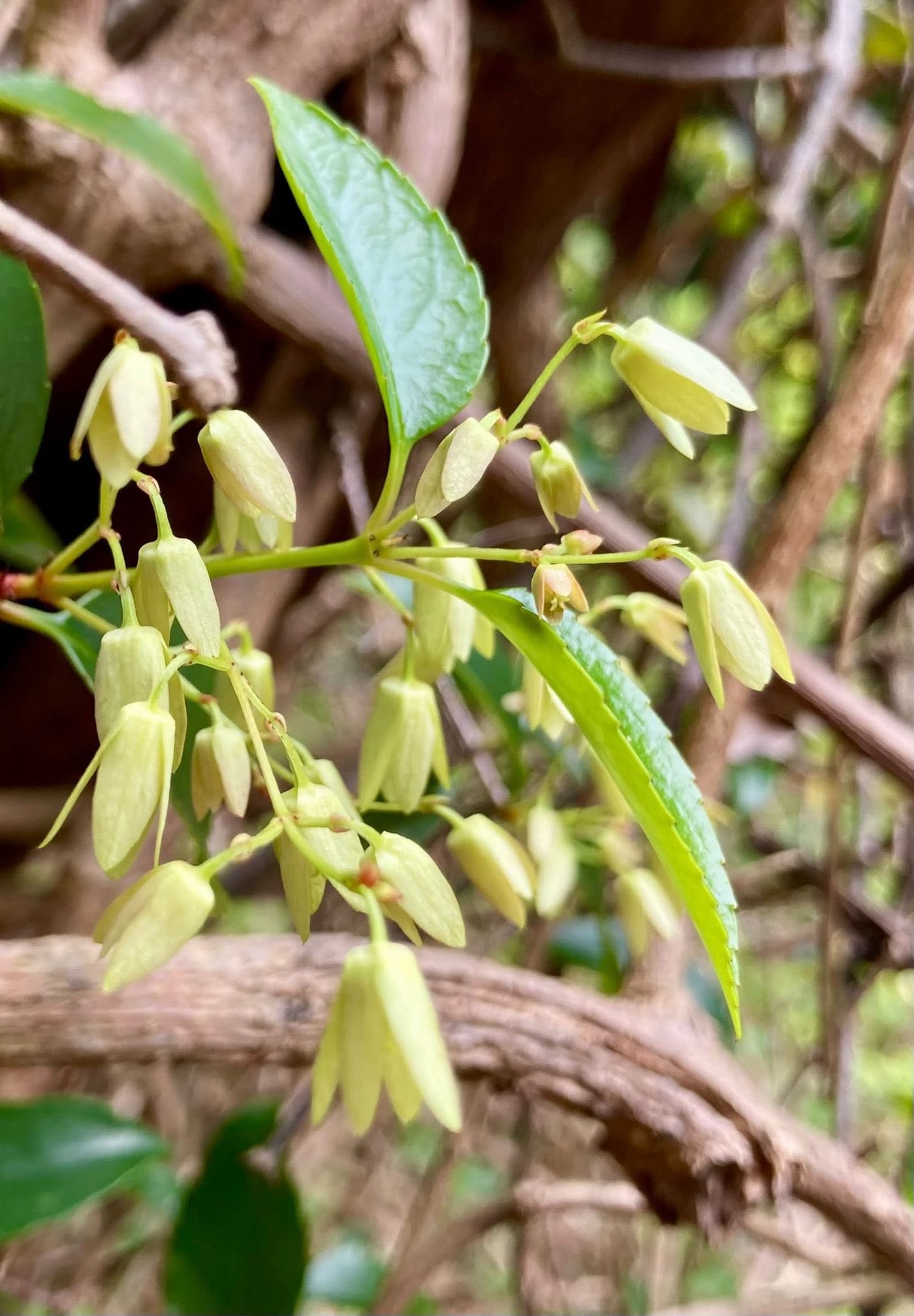
First and foremost is the Resin Vine (Aphanopetalum resinosum) vine. This is a beautiful local rainforest vine with glossy dark green leaves and beautiful white flowers. The flowers have a faint smell, nothing like that of Jasmine, but let's pitch that as a benefit for those who have an allergic reaction to strong floral scents!
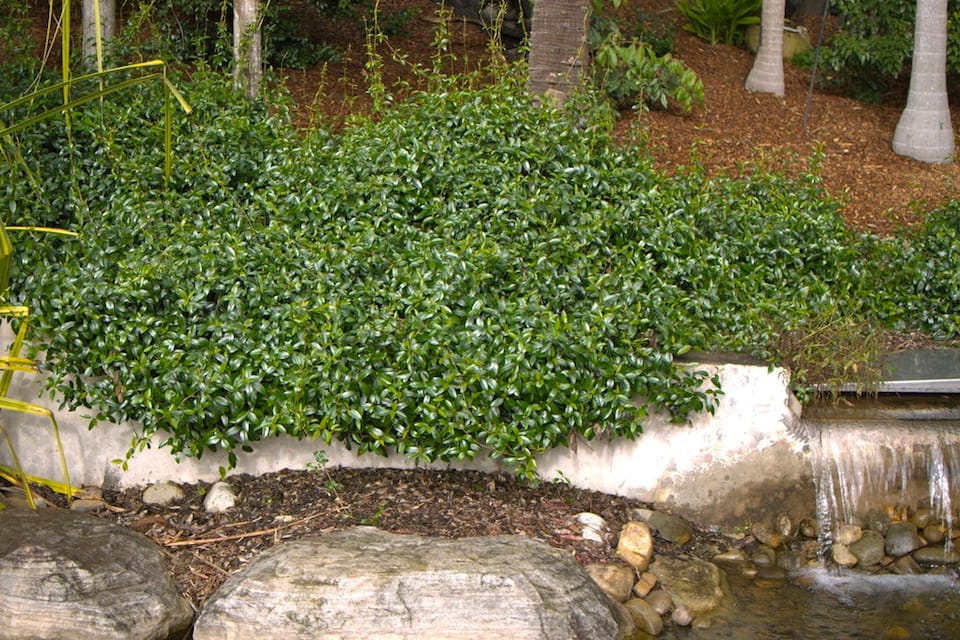
Some bonuses of Resin Vine are that it tolerates shady conditions, and that it can be managed as a shrubby border plant, as per the outstanding specimen pictured below. The vine below has been managed over many years by Kath Gadd of Kath Gadd Landscape Designs, and it's her photograph too.
If you're not convinced by Resin Vine, there are some other beautiful white-flowering vine options.
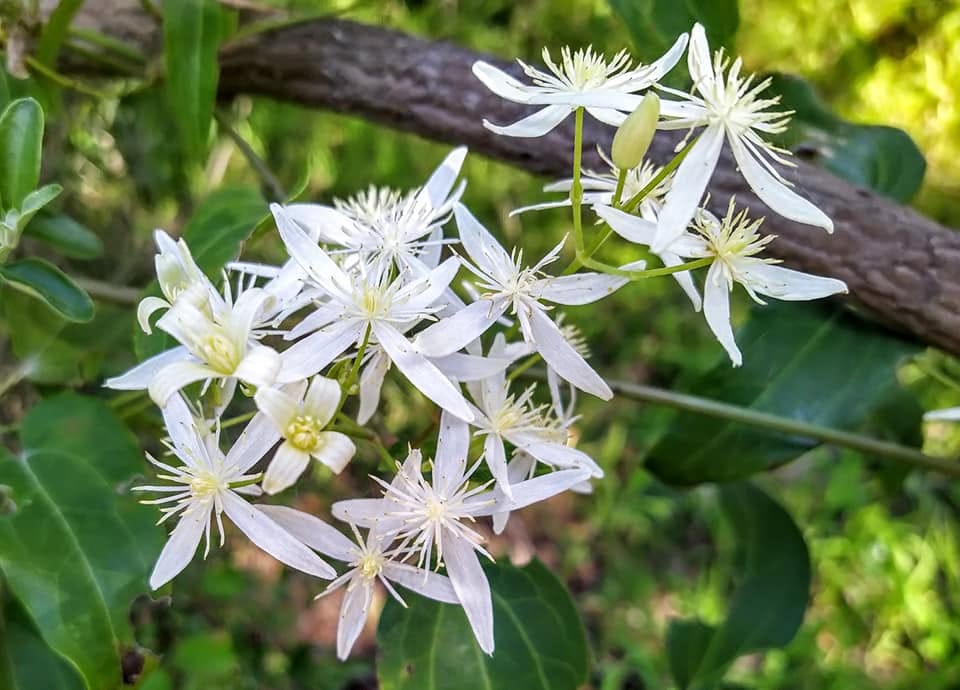
First and foremost, and flowering right now is the Old Man's Beard (Clematis aristata), which is looking absolutely amazing in local bushland around the region. This small twining vine grows in local woodlands and eucalypt forests, often flowering at head-height.
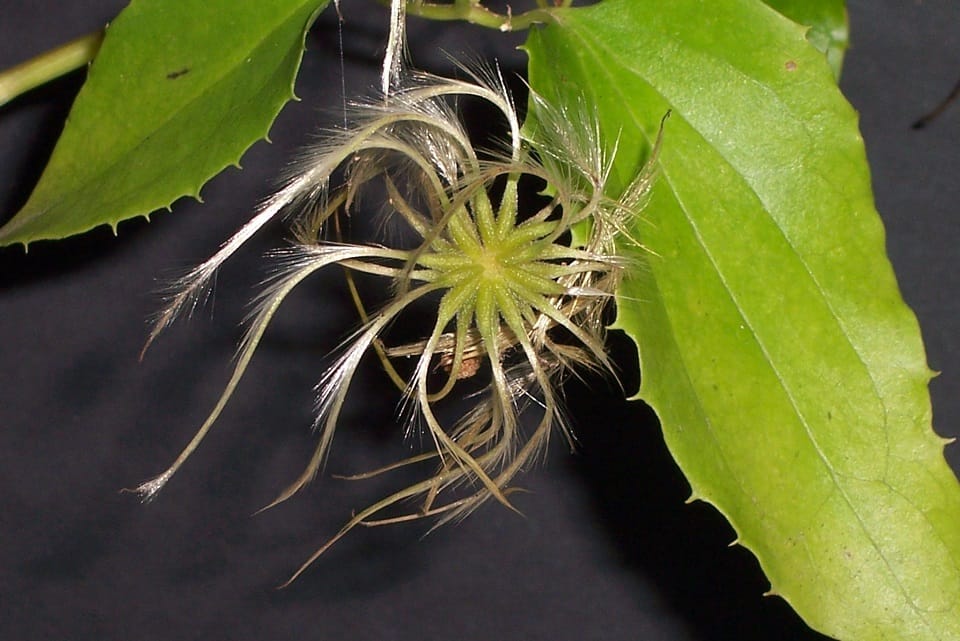
After the flowers are finished, the fruit/seeds develop with long plumy appendages (as shown in the final photo below), giving the plant its common name.
Next time you think about planting a vine, please consider local options before opting for the exotics!
About the writer
Emma Rooksby is a volunteer bush regenerator and environmental educator who helped establish the Growing Illawarra Natives website. She is passionate about protecting and restoring biodiversity in the Illawarra.


