
New plan sets stage for mine v water showdown
In a country prone to drought, it’s no surprise the prospect of more underground mining in a drinking water catchment supplying Australia’s largest city has led to battle lines being drawn

It’s early days in the state significant development application process but Peabody’s Metropolitan Continuation Project to expand coal mining under the Woronora water catchment is shaping as a battle of big business versus the environment as residents worry about impacts on their drinking water.
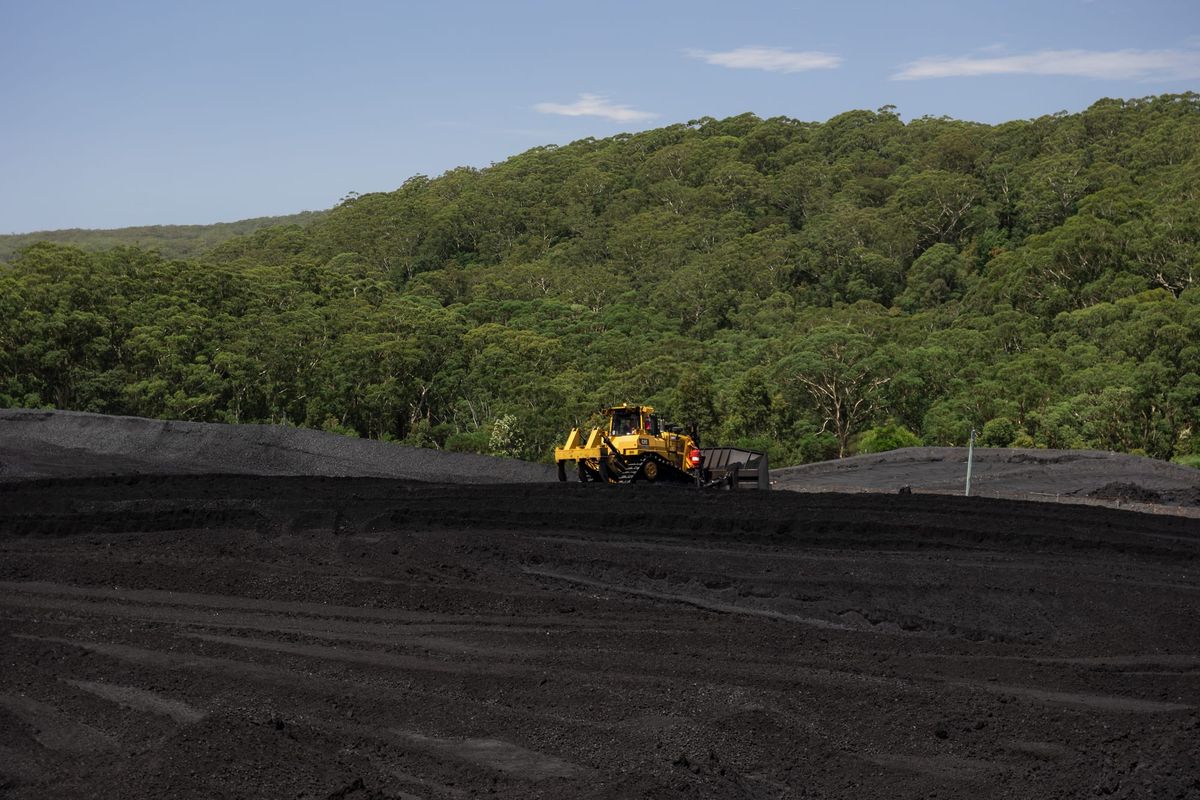
Peabody is a global coal producer with its headquarters in the US. A few weeks ago, the company submitted a scoping report for a 12-year extension of underground mining at Helensburgh's Metropolitan Mine that would add 22 more longwalls west of existing operations.
The proposal aims to extract about 31 million tonnes of coal through to 2044.
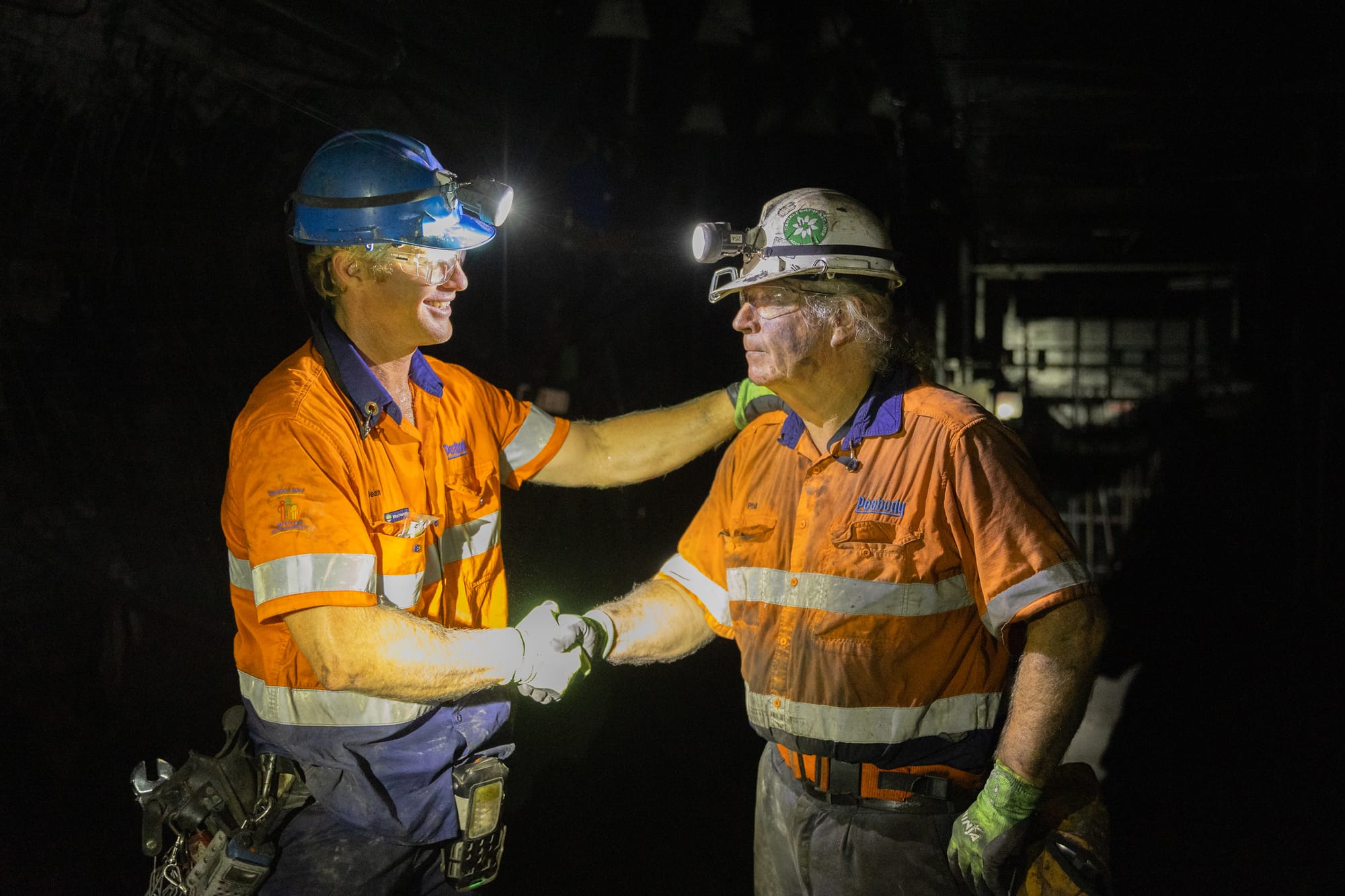
The mine provides 400 local jobs and the expansion would secure those jobs, a Peabody spokesperson said.
'Great news' – MEU
In September, Andy Davey, district secretary at the Mining and Energy Union’s South West branch, said Peabody's application to expand was “great news” for workers.
“Helensburgh mine is one of the longest continuous mines to work in NSW,” he said.
“The township of Helensburgh supplies a majority of the labour to site and the residents of Helensburgh strongly support the workforce. The Illawarra has the cleanest coal in the world and Australia is the safest place in the world to mine coal.
“Coal mines plan up to 10 years in advance. These applications allow for first workings to set up the mine’s mains and gate roads. If and when first workings are approved, they still have to apply for the extraction of their longwalls.
“The current extractions of longwalls at Helensburgh are so heavily monitored that sensors are set up out in the catchment to monitor the effect to the catchment area. Peabody are heavily invested in ensuring they protect the catchment area.
“Some of the coal will go to making local steel at BlueScope and the remainder will go to export.”
Global to local backdrop
At a global level, Peabody's plans come as the United Nations warns the world will overshoot its 1.5°C target and calls for a rapid transition away from fossil fuels to curb climate change. Nationally, Treasury modelling projects that fossil fuel exports will decline as trading partners move to fulfil net zero commitments.
"On the basis of IEA [International Energy Agency] forecasts, Australia’s coal production is projected to decrease by at least 42 per cent to 2035 and 71 per cent to 2050 across all scenarios," a September 2025 report says.
Locally, environmental groups and activists told the Illawarra Flame they opposed the expansion.
Nannas say no
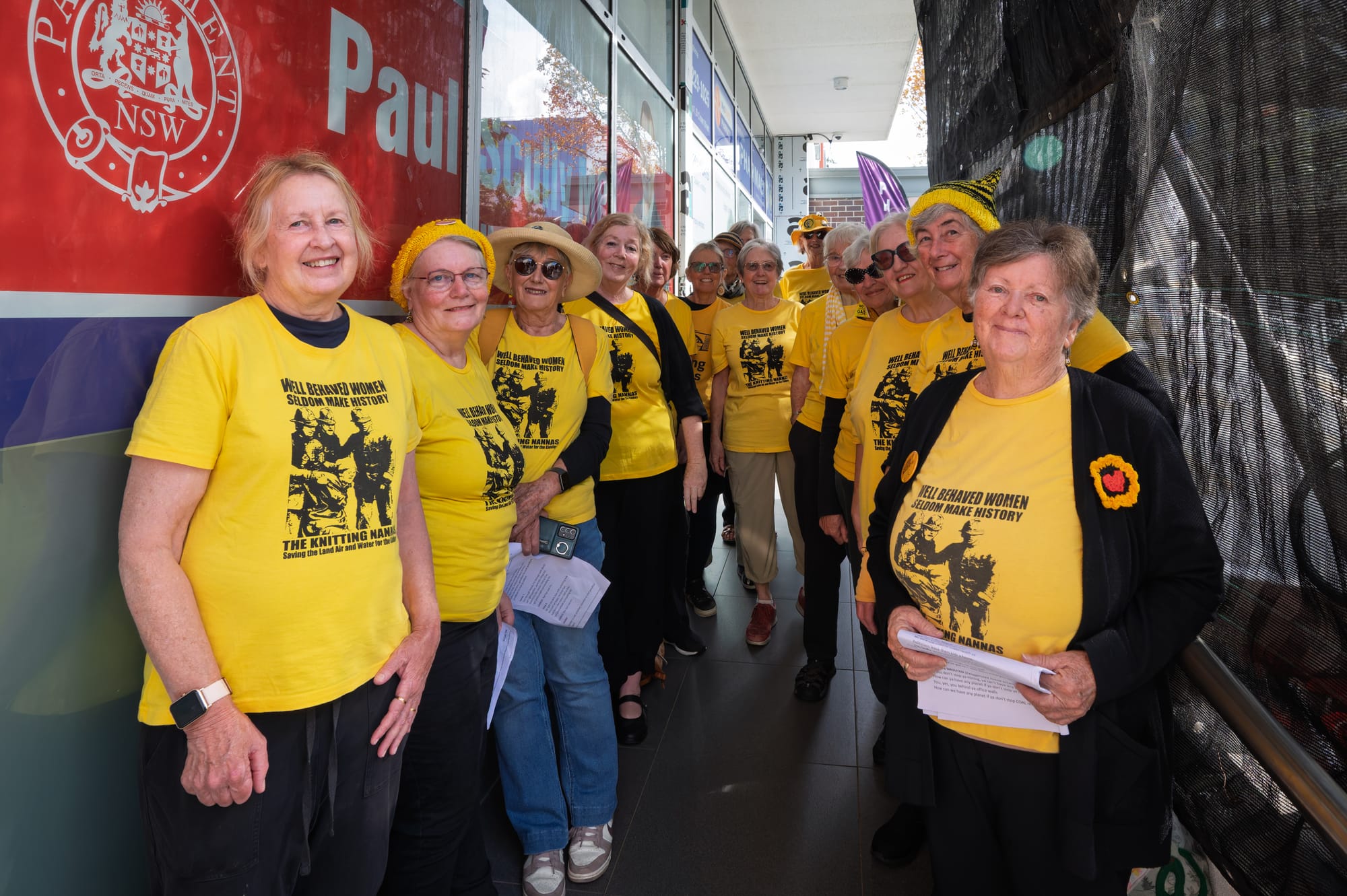
The Illawarra Knitting Nannas Against Greed (IKNAG) are vocal opponents of mining in water catchments, and a choir of nannas rocked the Gong in May with protest songs, including We don't need no longwall mining, a parody of Pink Floyd’s Another Brick in the Wall.
“The Illawarra Knitting Nannas Against Greed have always acknowledged the difficult, and often dangerous, work done by coal miners,” said IKNAG’s Anne Kelly in response to news of the Metropolitan Continuation Project.
“However, there is no place for mining in our drinking water catchments. Scientific evidence shows the deleterious impacts of Peabody's Metropolitan Mine, including coal sediment entering the Hacking River in the Royal National Park; damage to the upland swamps, the natural filtering system for our drinking water; and pollution flowing into the Woronora Reservoir.
“We cannot allow the drinking water for five million people to be put at risk.”
'Incredibly disappointing' – Lock the Gate
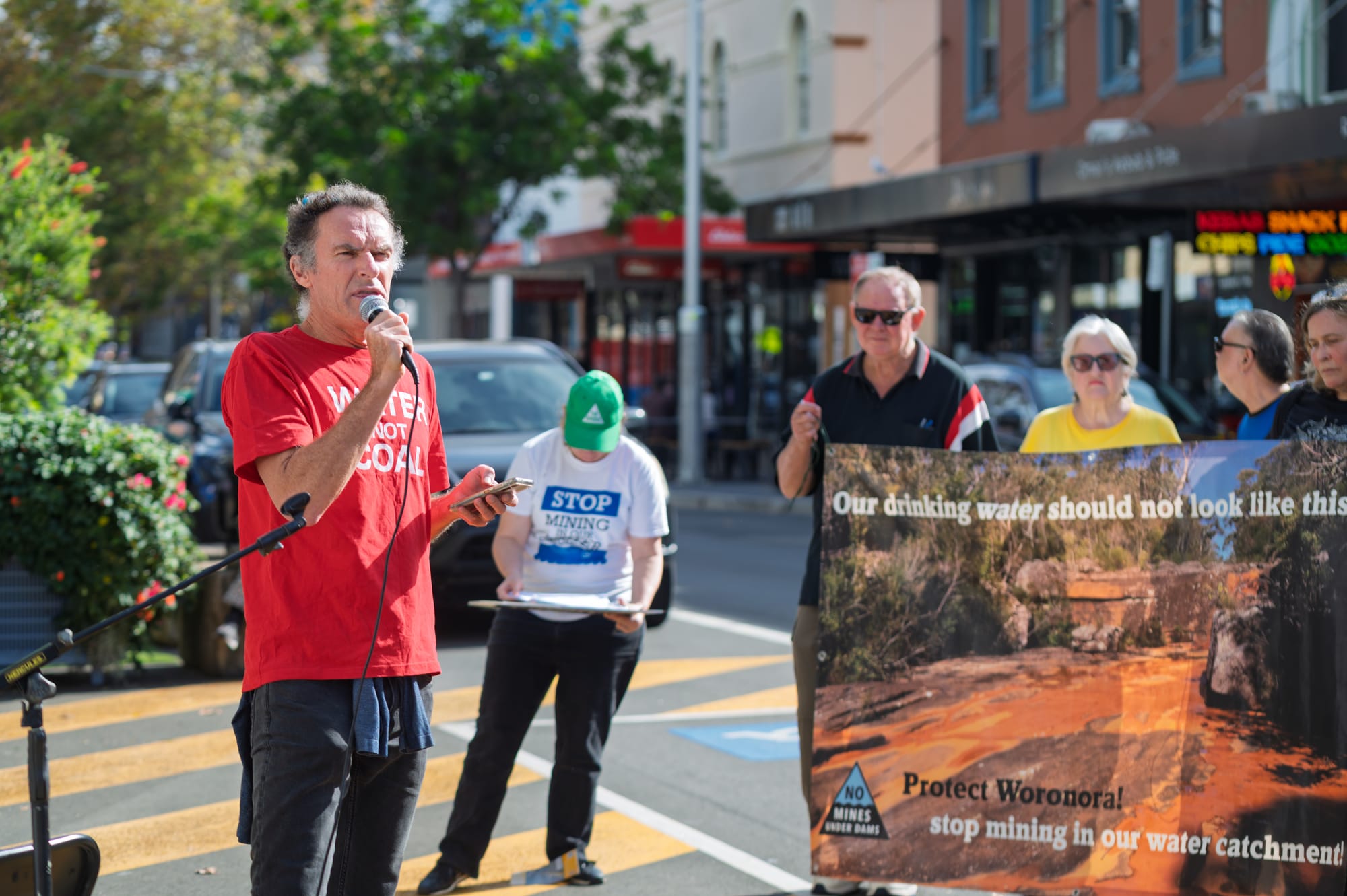
“The Independent Expert Scientific Committee has advised that the Metropolitan project is in a ‘near-pristine catchment for the Woronora Reservoir’ and that the only way to protect drinking water is to avoid coal mining under swamps and waterways," said Nic Clyde, NSW coordinator for the Lock the Gate Alliance.
“Fifteen years ago, the incoming Liberal Premier Barry O’Farrell famously promised no coal mine expansions projects would be approved inside the Special Areas of our drinking water catchments.
"It’s incredibly disappointing that the Illawarra’s drinking water is still under threat from new coal projects.
“The NSW Government released its new coal policy back in March. That could have been an opportunity to protect the catchments from coal once and for all, but it didn’t happen. Illawarra locals were denied the opportunity to have their say, as there was no public consultation.”
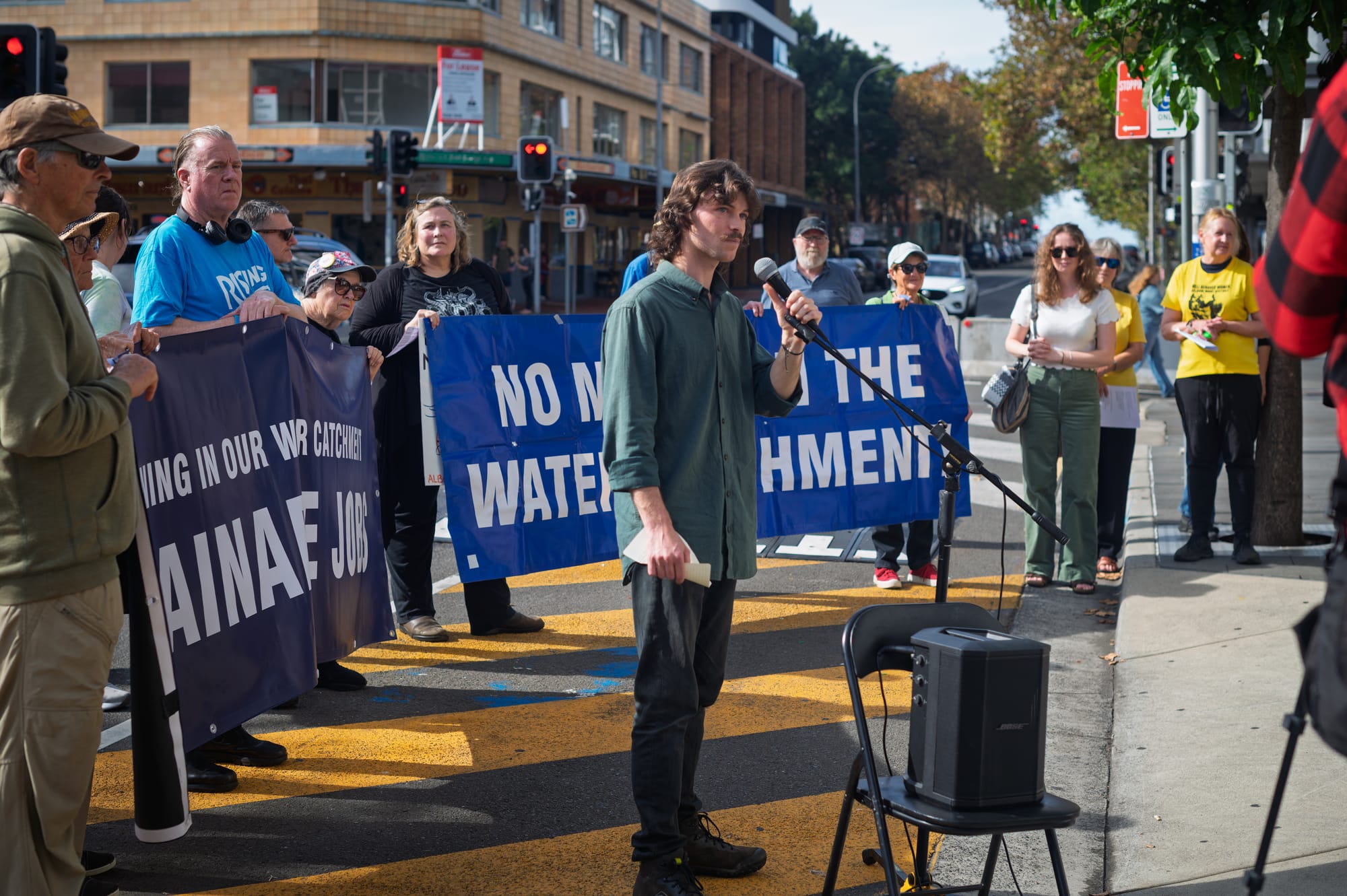
SSEC spokesperson wants mine stopped
Cooper Riach, a spokesperson for the Sutherland Shire Environment Centre, said: “Peabody are seeking to undermine even more of the protected Woronora catchment area without us even knowing the full extent of the damage they have already caused.
“The weight of evidence on the impacts of longwall mining in ecologically sensitive catchment areas, such as the Woronora, should be cause for the immediate cessation of this mine’s operations.
"Approving this mine’s extension would effectively sacrifice the health and security of one of Sydney’s most pristine drinking water catchments for the profits of a tax-dodging American coal giant.”
In the 2023 NSW election, Cooper ran as the Greens candidate for Heathcote. He does not plan to stand in the 2027 election.
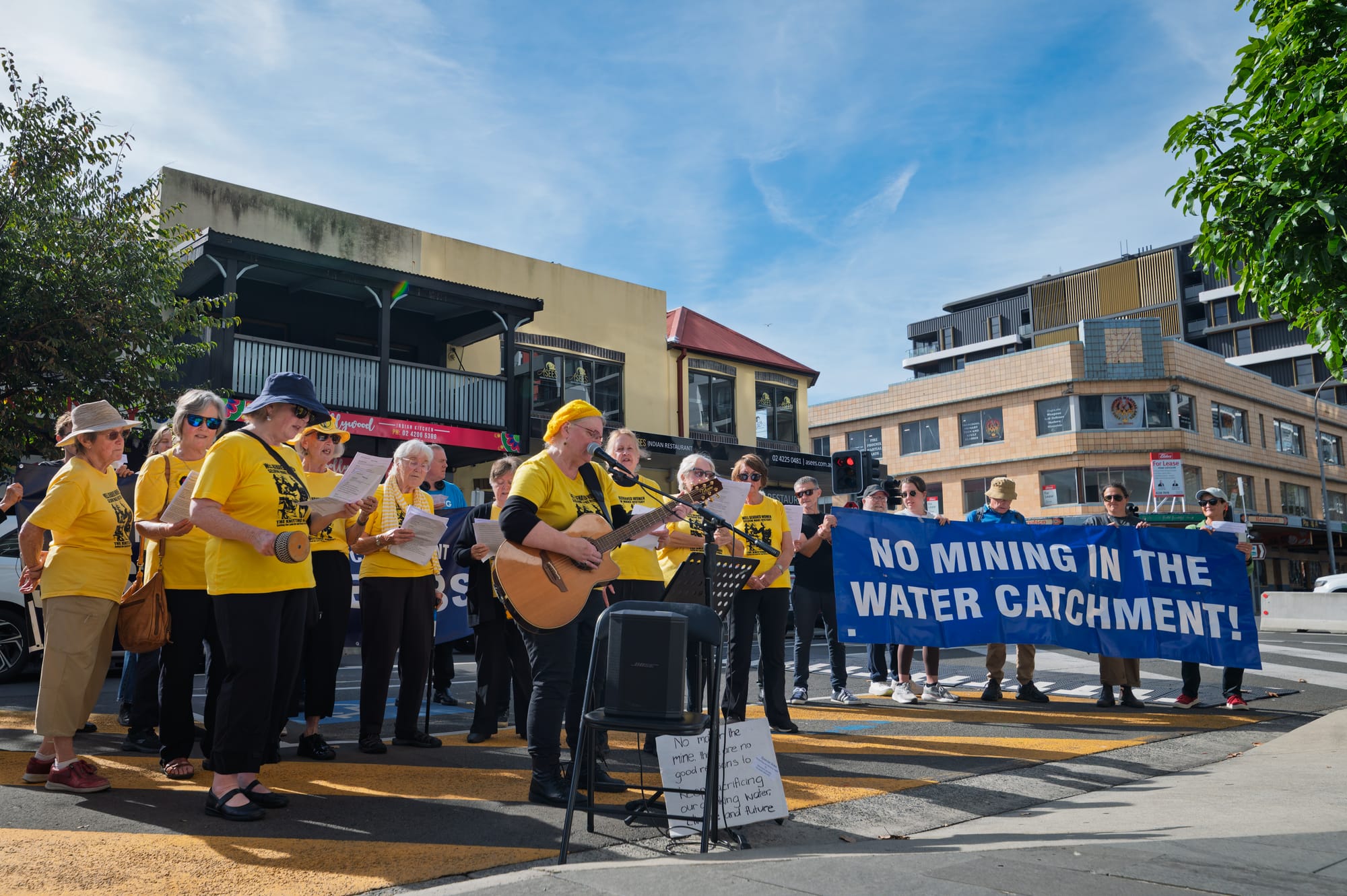
'Drinking water v profit' – POWA volunteer
Poet Ali Jane Smith, a member of Protect Our Water Alliance (POWA), had three points to make.
"First, that the Independent Planning Commission rejected the expansion at Dendrobium because the risk to the catchment was too great. This proposal at Metropolitan does not address that risk, and I think it’s actually even more impactful than that proposal.
"It is hard to see how the company can argue it is all about providing jobs — their industrial relations record is there for all to see.
"This one is really not about jobs versus the environment. It’s our drinking water versus their profit.
"And the third thing is that it was established during the proposed Dendrobium expansion application that no one mine is vital to supply for Port Kembla steelworks. And I would note that there’s now a little place making steel with an electric arc furnace up in western Sydney! So that whole sector is rapidly changing."
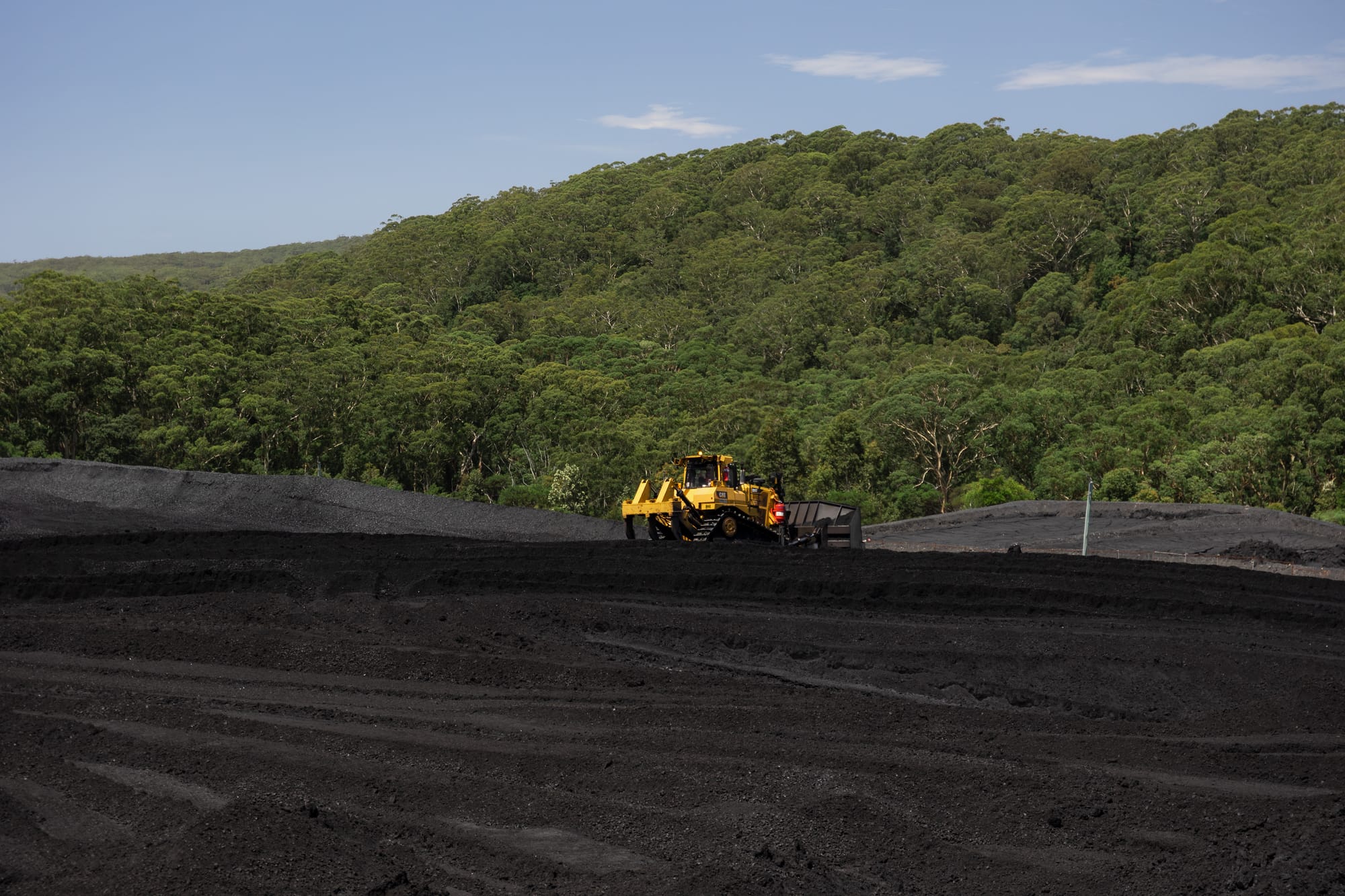
Peabody points to compliance and design
A Peabody spokesperson said Metropolitan has consistently complied with consent conditions requiring negligible impacts to upland swamps, water quality and quantity since project approval in 2009. The spokesperson also said the mine uses narrow longwall panels, about 500m deep with 55m pillars, to limit subsidence.
"Stage 2 would help maintain continuity of Metropolitan's coal supply to domestic steelmaking," said James Hannigan, Metropolitan Mine's general manager.
"It would also safeguard mining jobs and uphold the rigorous safety and environmental standards we remain committed to."
Metropolitan an awards finalist
The Illawarra Business Chamber chose the Metropolitan Mine as a finalist in two categories for the 2026 Illawarra Business Awards, including “innovation” for introducing its Longwall Cerebral three years ago. This system uses a network of 15 cameras and fibre optic cables with software and 17 screens to create a remote operations centre (ROC), offering a view Peabody says is better than at the coalface.
“For individual workers, the impact is profound and lasting,” according to Peabody. “An operator who works just one shift per week in the ROC reduces their annual exposure to potentially hazardous underground conditions by 576 hours. Over a 25-year career, that translates to 14,400 fewer hours of exposure to coal dust, gas and the physical strain of underground operation.”
However, the mine owner’s reputation remains tarnished after a scandal over coal waste in Camp Gully Creek four years ago led to the NSW Environmental Protection Authority (EPA) prosecuting Metropolitan Collieries in the NSW Land and Environment Court. In March 2025, the EPA announced fines and fees of more than half a million dollars. Even in Helensburgh, a coal-mining town since the 1880s, public trust took a knock, as the Flame reported.
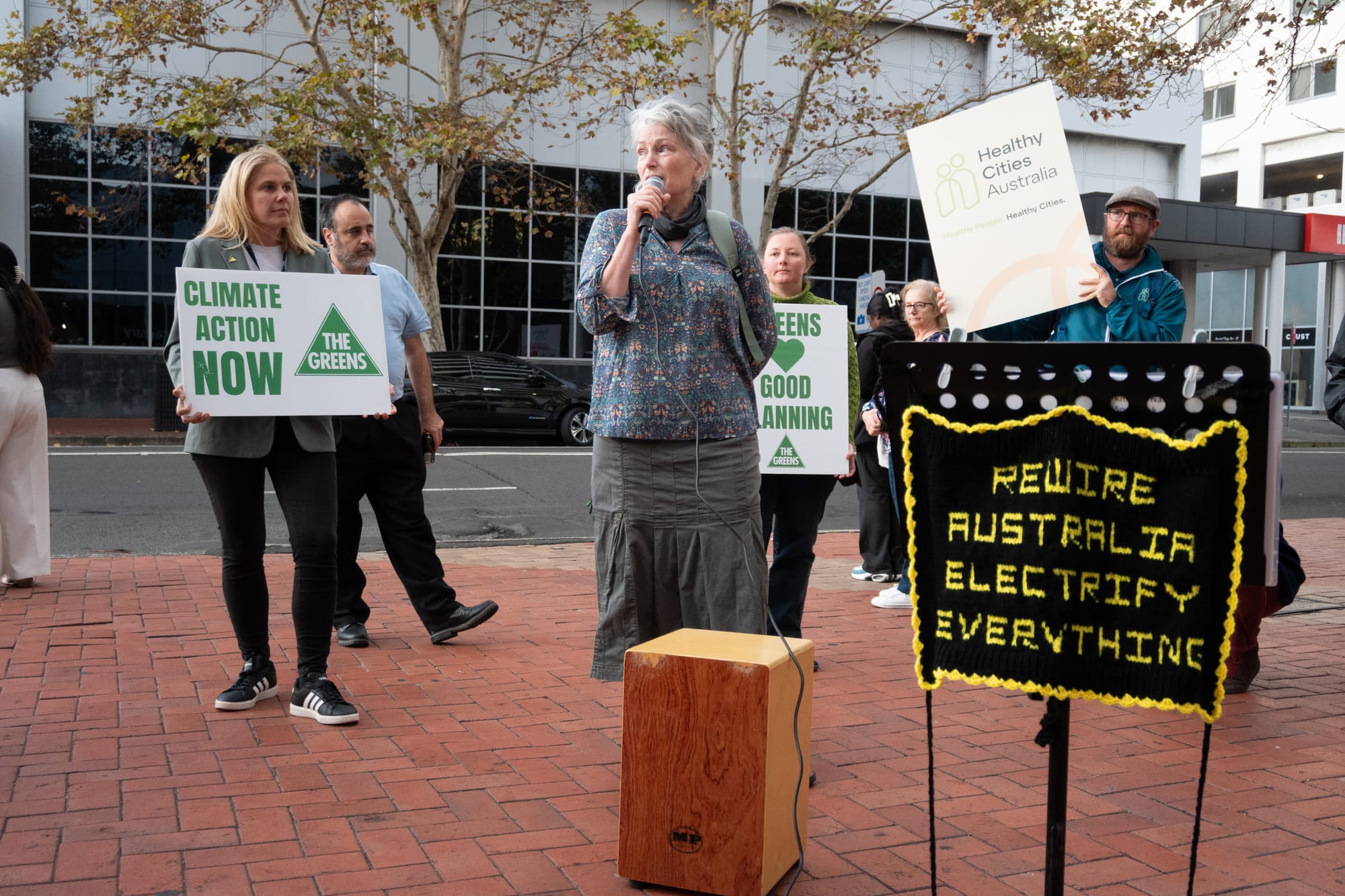
Long process ahead
No decision has yet been made on Stage 1, aka "Modification 4", which involves two longwalls, and received about 140 objections when it was exhibited last year. The state government is awaiting advice, expected by the end of 2026, on upland swamps and water resources from the Independent Expert Advisory Mining Panel.
Unlike Sutherland City Council, Wollongong City Council did not object to what the mine is now calling "stage 1". As reported at a council meeting in August 2025, Labor councillors voted against Greens Cr Deidre Stuart's motion to object.
The proposed Continuation Project will meet the trigger for referral to the Independent Planning Commission (IPC) for determination if it progresses to exhibition stage and receives more than 100 public objections from within NSW.
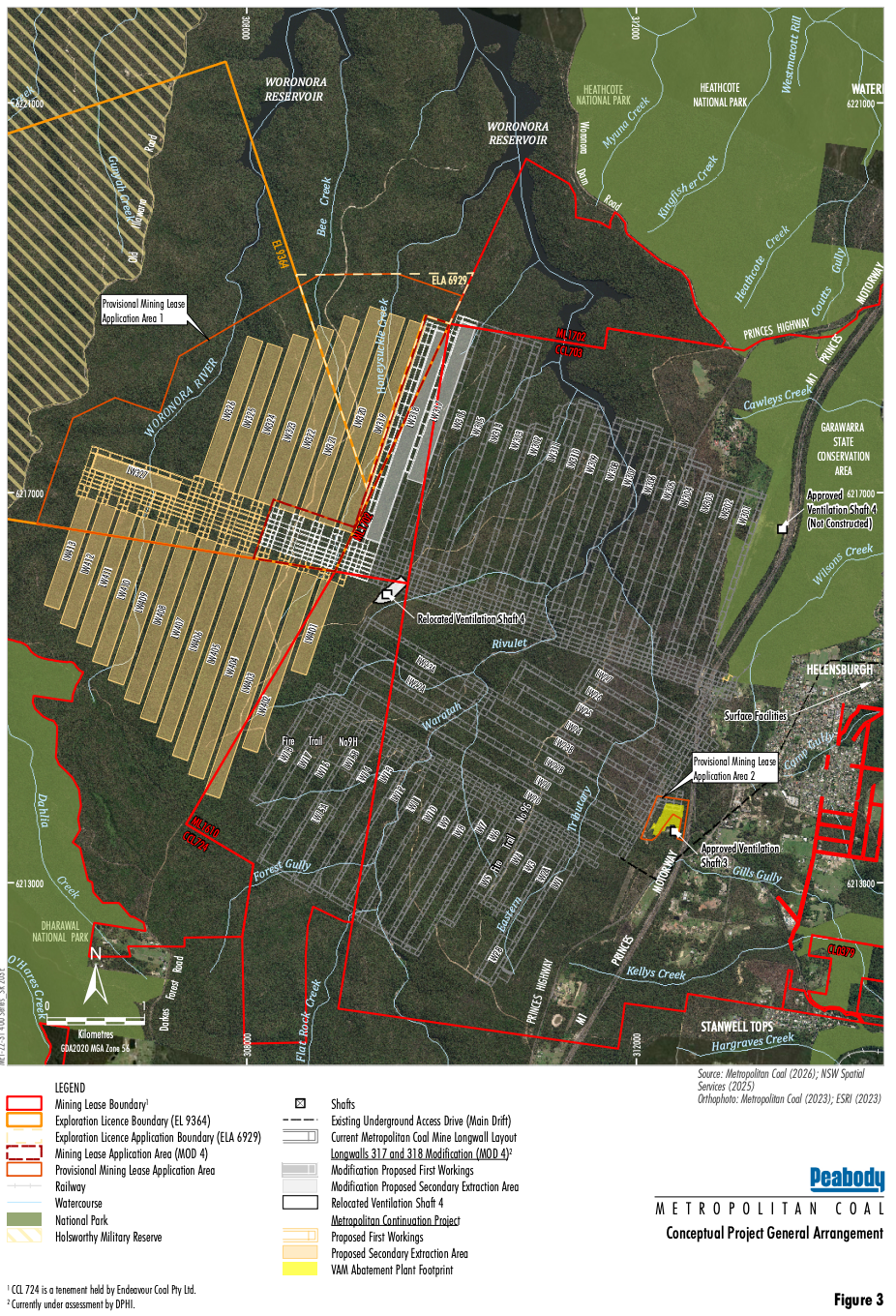
A spokesperson for the Department of Planning, Housing and Infrastructure confirmed that stage 2 of the Metropolitan Continuation Project is not a modification, but a separate state significant development (SSD) application. This is at "the earliest stage" of the planning process, the spokesperson said.
"It will be assessed separately to Modification 4, which is an extension of Metropolitan’s existing planning approvals.
"The NSW Government is committed to maintaining high standards for water quality protection, particularly in our drinking water catchments.
A WaterNSW spokesperson said: "WaterNSW is aware of the Metropolitan Continuation Project, for which DPHI is currently preparing SEARs (Secretary's Environmental Assessment Requirements). WaterNSW will provide advice during this process in accordance with our Mining Principles."
Read more
 Genevieve Swart