

Polish diaspora celebrates 70th anniversary of Illawarra group
There is a museum, a library, dance groups, and even a plane replica building crew. Franca Facci reports on Wollongong's thriving Polish Association

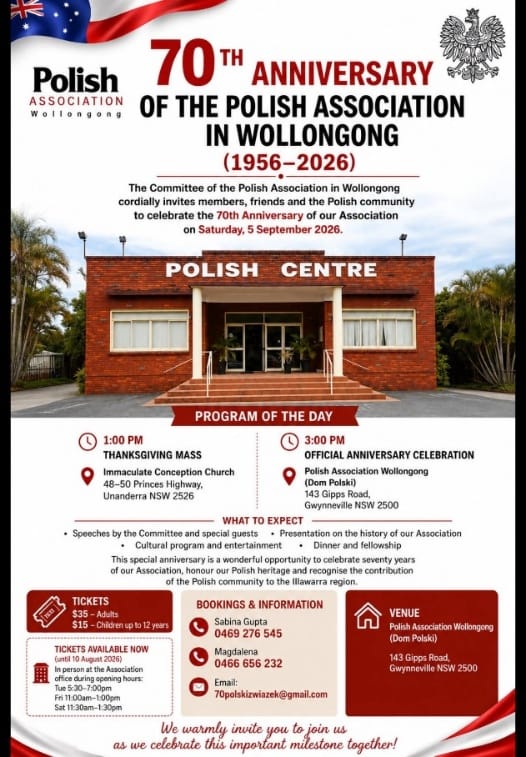
Gwynneville's Polish Association Hall was festooned with red and white and bubbling with excitement this month in preparation for the 70th anniversary celebrations.
Australians with a Polish background make up just over 1 per cent of the Illawarra population and have made a major contribution to the region's post-war growth, financially and culturally.
Before the party on September 5, Bishop Brian Mascord and Father Jerzy Slowinski S. Chr led a thanksgiving Mass at the Immaculate Conception Church in Unanderra.
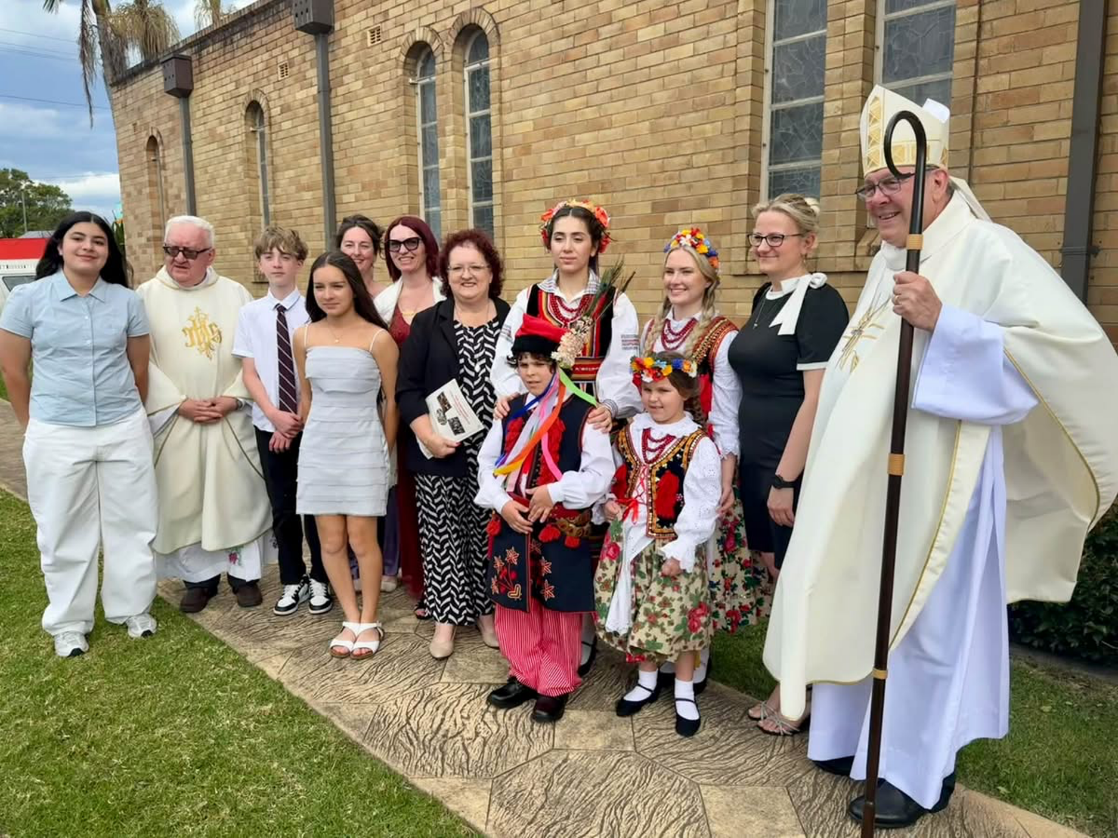
Celebrations then moved to the hall at Gwynneville, which has been the heart and home of the Polish community since 1966, when the foundation stone was laid.
The anniversary brought people together to not only celebrate 70 years of the association, but to honour Polish heritage and recognise the Polish community's contribution to the Illawarra.
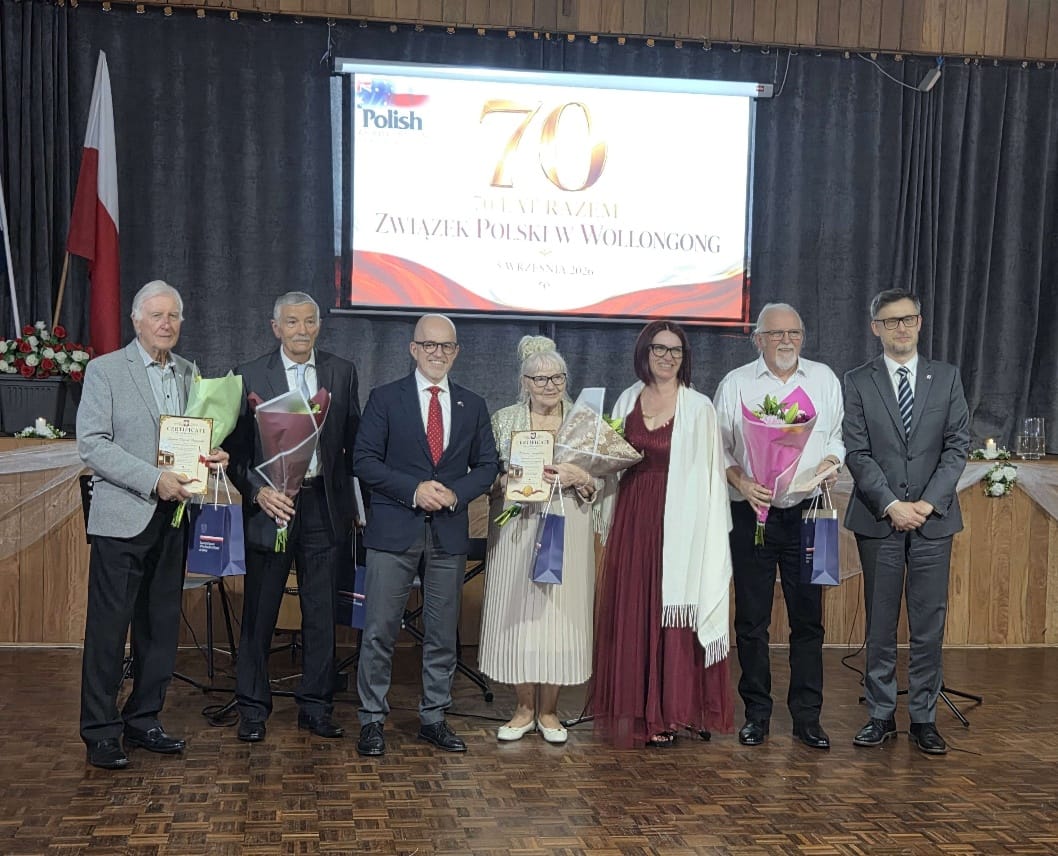
Polish Consul General Piotr Rakowski and Consul Mariusz Stus attended the function. MCCI board member Diane Manns and CEO Chris Lacey represented the Multicultural Communities Council of Illawarra; I represented the Migration Heritage Project; and Cr Tania Brown, Lord Mayor of Wollongong, attended the Mass.
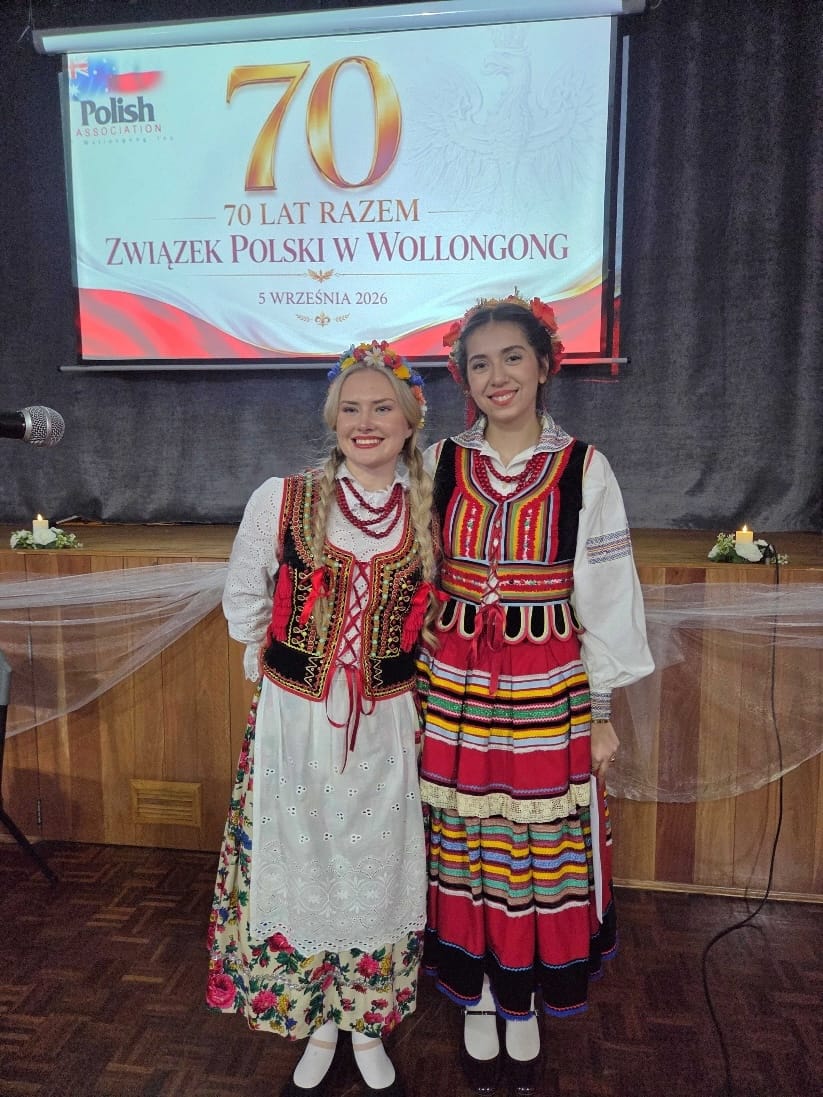
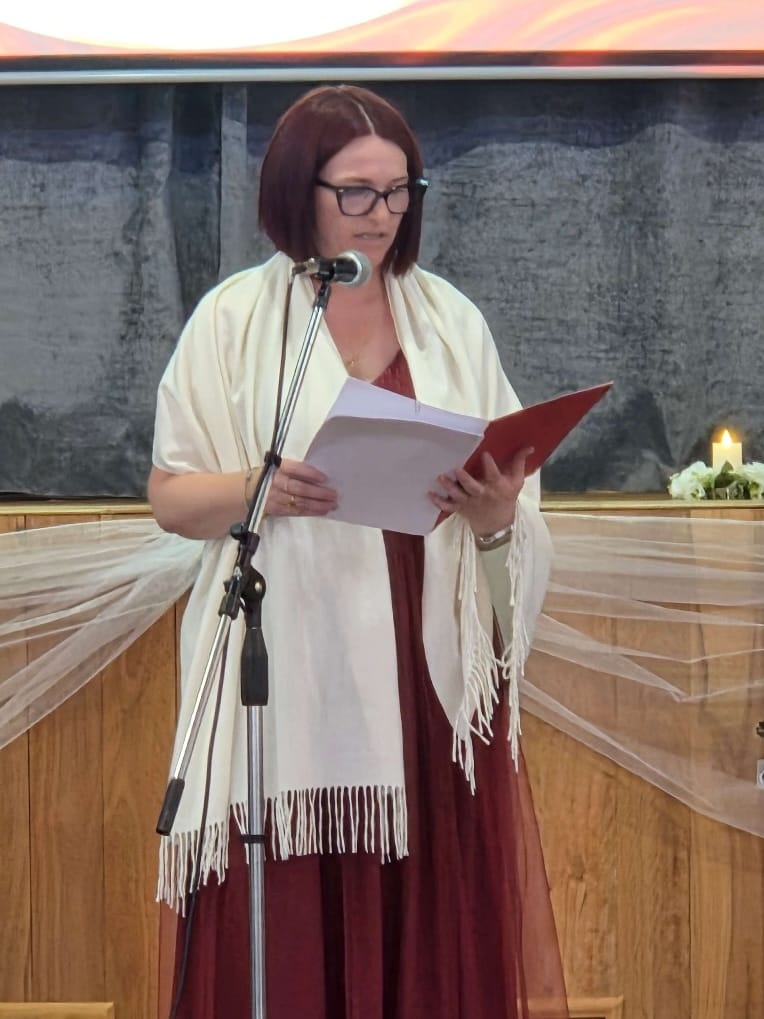
Very capable event MCs Angel Vincent and Kaaya Gupta. At right; the association's president, Sabina Gupta.
Wollongong's Polish Association is thriving as younger members take on leadership roles. The association holds Polish language classes, has a community library, a children’s dance group (Wawel), a choir and a Polish Museum and Heritage group.
A very enthusiastic group of volunteers is working on a replica of the PZL P.11 aircraft from World War II. The plane is an important piece of history for the Polish community as these aircraft were the first to fight the Nazis during Germany's invasion of Poland. It is only the second static replica in the world.
The museum has been operating for more than 10 years and is open to the public on the first Sunday of every month. It is managed and curated by Andrew Krajewski, who has been an integral part of the Migration Heritage Project for many years. Andrew has become indispensable for many individuals with Polish heritage by helping with family histories, as well as researching and collecting important objects of significance to the community.
The Polish Association in Wollongong was established in 1956 at the Port Kembla Church Hall. It was known as the Ognisko Polskie, Okręg Illawarra: (Polish bonfire/campfire or Polish hearth) until it changed its name to the Polish Association Wollongong.
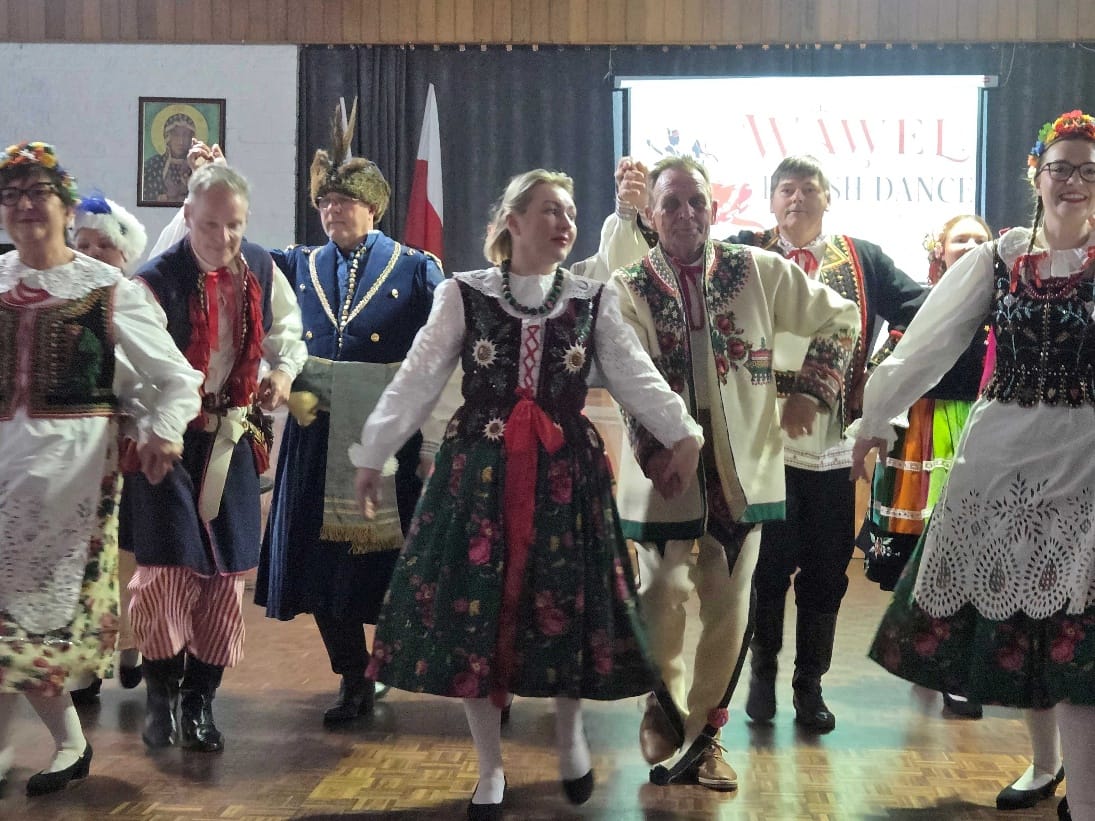
In the 1950s, a youth group would meet to learn national dances, and this led to the establishment of the dance group in 1956. The foundation stone for the new Polish centre was laid in 1966. Known as the Polish “Millennium” Hall, it was constructed at Gipps Road in Gwynneville. Volunteers from the Polish community built the hall, founded by the Polish Association members with money raised through fundraising events organised by the Polish Ladies Group.
We congratulate the Polish Association on this important milestone.
About the writer
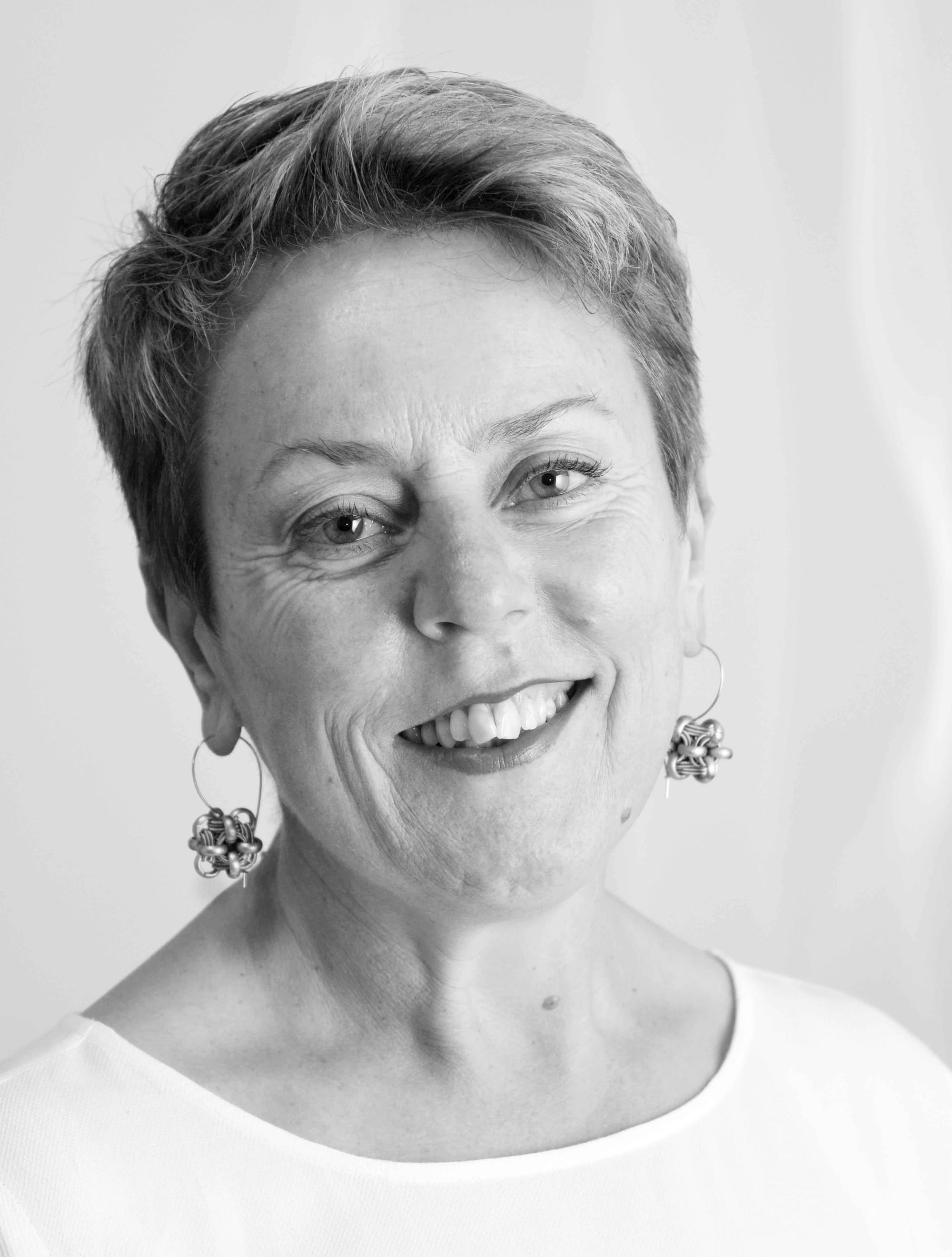
Franca Facci chairs the Migration Heritage Project and is the convenor of the Museum of People Country and Industry.
For more information, visit the MHP Illawarra website.


