
One man’s journey from business boss to disability advocacy
Cram Foundation chair Bill Dowson reflects on a journey aimed at improving the lives of others


Bill Dowson has spent much of his career developing and acquiring small businesses across the hardware, self-storage and document management sectors.
During his business career, he was no stranger to community service, volunteering with the Salvation Army Red Shield Appeal, the Illawarra Sports Stadium Trust, Illawarra basketball and the Illawarra Academy of Sport.
Now, as chair of The Cram Foundation, his focus has shifted from building businesses to advocating for people with disability across the Illawarra and Shoalhaven regions.
Bill said it was after retiring that he decided to make disability advocacy his next chapter.
“When I retired, I thought I’d like to get involved in disability care, so I rang everybody that I knew and said I was available,” he said.
About a year later, he was approached by The Cram Foundation’s then CEO and asked to meet with the organisation’s chair.
His business experience ultimately led to him being recruited to the board in 2017.
Bill said this was because the skills needed to run a successful business were not as different from those required to lead a not-for-profit organisation.
“In real terms, there is little difference between the business world and not-for-profit world because if neither of them make a profit, they won’t be here for long,” he said.
“I often joke that I was recruited to CRAM because I am a greedy capitalist pig and I chased profit all of my life.”
Today, that commercial experience is being used for a different purpose.
“CRAM has been around for 90 years and I’d like to make sure it’s there for another 90,” he said.
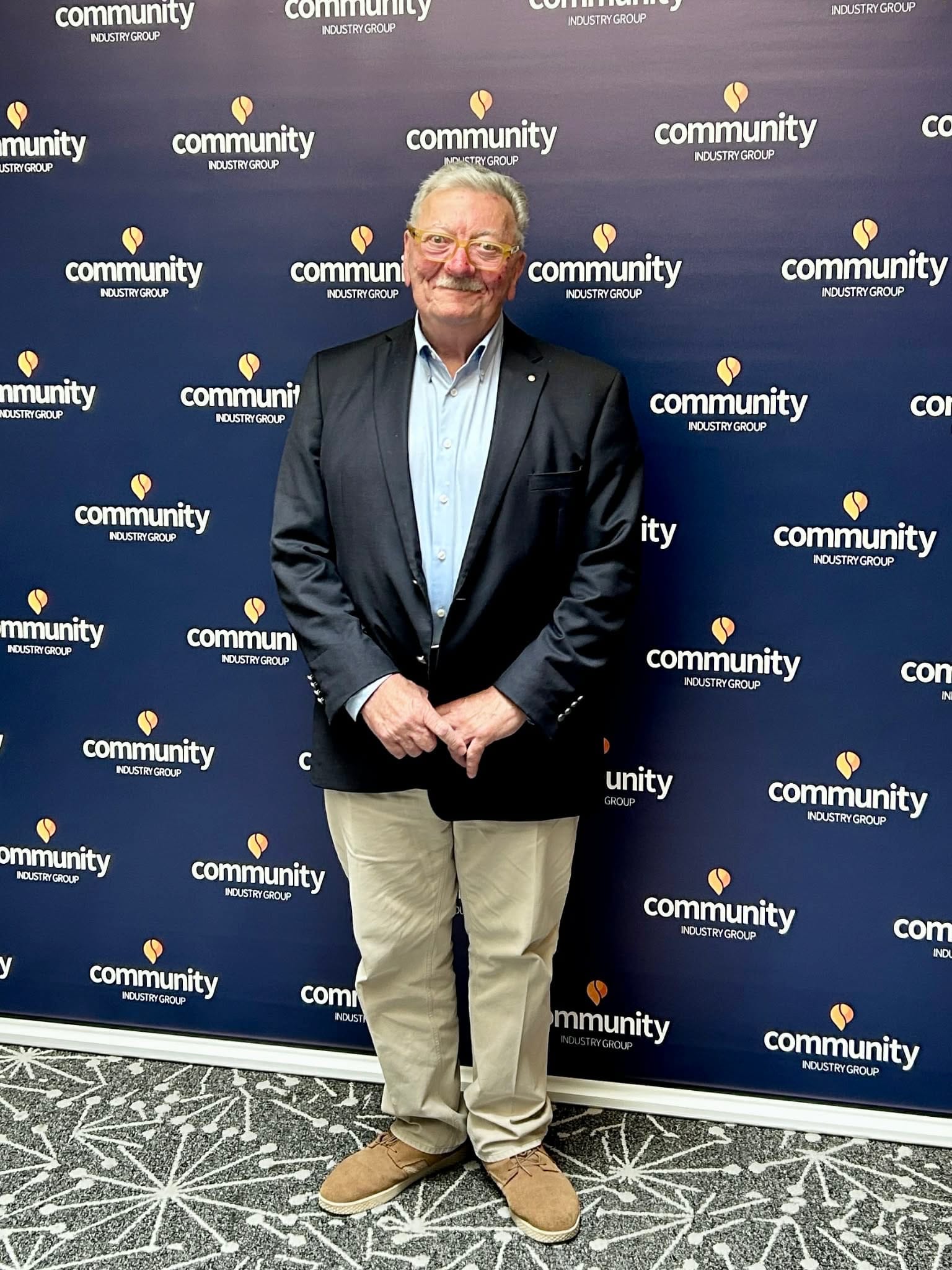
One of the most significant changes he has witnessed during his time with CRAM has been the organisation’s move away from a clinical approach to a human rights approach.
“The thing that has excited me the most in the last 10 years is that we got rid of a clinical approach and we’ve gone to a human rights approach in dealing with our participants,” he said.
That change means looking beyond the basic requirements of care and recognising that people with disability should have the same freedoms, choices and opportunities as anyone else.
“It’s not about physical care and making sure they get their medication, it’s about if they want to have a beer while they watch television or have a friend over and have a pizza,” Bill said.
“Inclusion is always, not when it suits you, or a ramp – it means inclusion every hour of every day.
“CRAM above all other organisations now looks at everything we do through a human rights lens.”
Despite the progress, Bill believes The Cram Foundation's greatest opportunity is also its biggest challenge.
“The biggest challenge and the biggest opportunity are the same thing – which is acceptance,” he said.
For Bill, giving back to the community is also deeply personal.
“The Illawarra embraced me – I was a migrant kid from England and I am absolutely honoured to be able to give back,” he said.
But he was quick to point to the person who made that possible.
“The one who did all the work so that I could give back was my wife, Lee,” he said.
“I am eternally grateful for the support she has given me.”
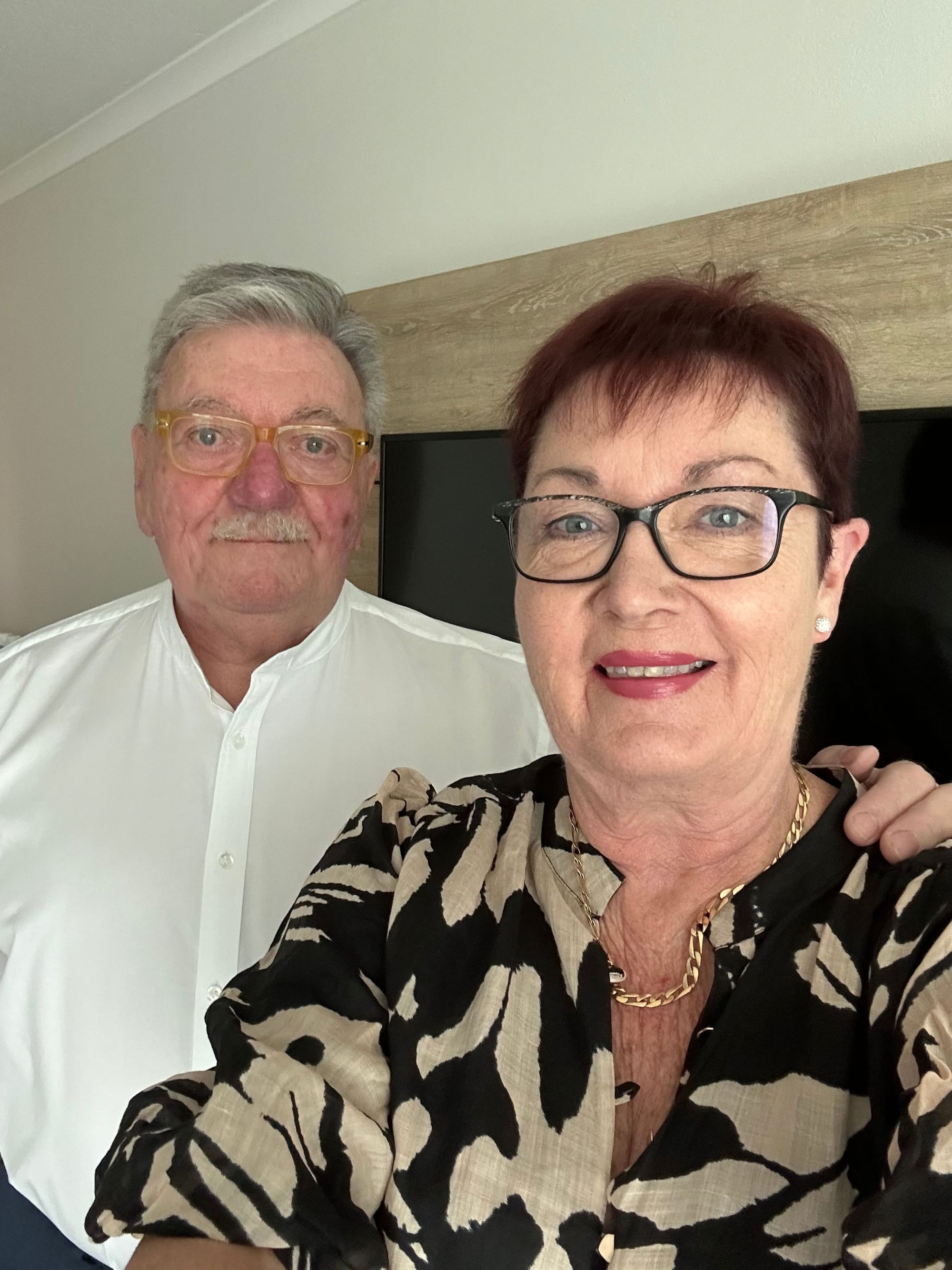
After decades spent building businesses, Bill’s definition of success has evolved.
He measures it through the people and communities he can support, guided by these words from a plaque in his office.
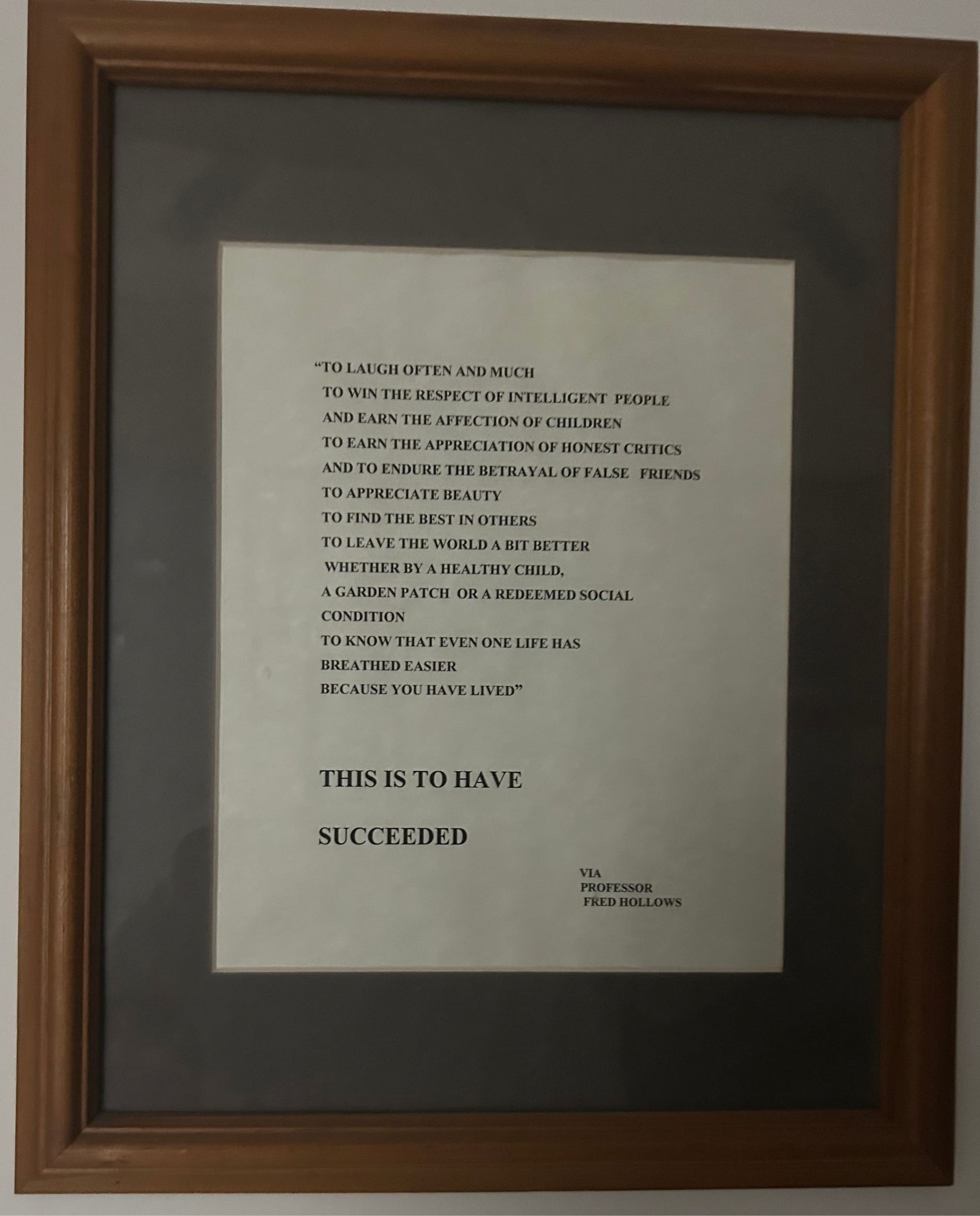
“To know that even one life has breathed easier because you have lived.”
Bill’s contribution was recently recognised when he was named a finalist for a 2026 social justice award.
He hopes to continue contributing to a future in which people with disabilities are accepted, included and given the same opportunities as everyone else.


