

Most of Royal National Park closed for deer cull this week
Restrictions begin tonight. The iconic platypus is one of many native species threatened by deer, which may trample on burrows, ringbark trees and cause erosion

For the next three days, most of the Royal National Park will be off limits as the National Parks and Wildlife Service (NPWS) closes the area for an aerial deer cull.
The deer – an introduced species that threatens native plants and animals, such as the Royal's small population of platypus – will be shot from helicopters, with 22 park locations closed from Tuesday, 26 May to Thursday, 28 May 2026.
The Coast Track from Bundeena and Otford, and the popular Figure 8 Pools, will be closed. Picnic spots will also be shut, including at Wattamolla, Garie and Audley.
The Basin Walking Track between Maianbar and Bonnie Vale will stay open to local residents, but delays may occur and the bushland beside the track is closed.
Restrictions apply from 8.38pm tonight, May 25, to 5.39pm on Thursday. Find the full list of closures at the NPWS website.
'No practical biological control'
Deer are not native to Australia and the environmental damage they cause is listed as a key threatening process in New South Wales by the NSW Scientific Committee.
A National Parks spokesperson said: “There is no practical biological control currently available for feral deer control.
“NPWS has been controlling deer in Royal National Park for many years using ground and aerial shooting.
“This is because feral deer pose a threat to the Royal National Park, neighbours and agriculture.
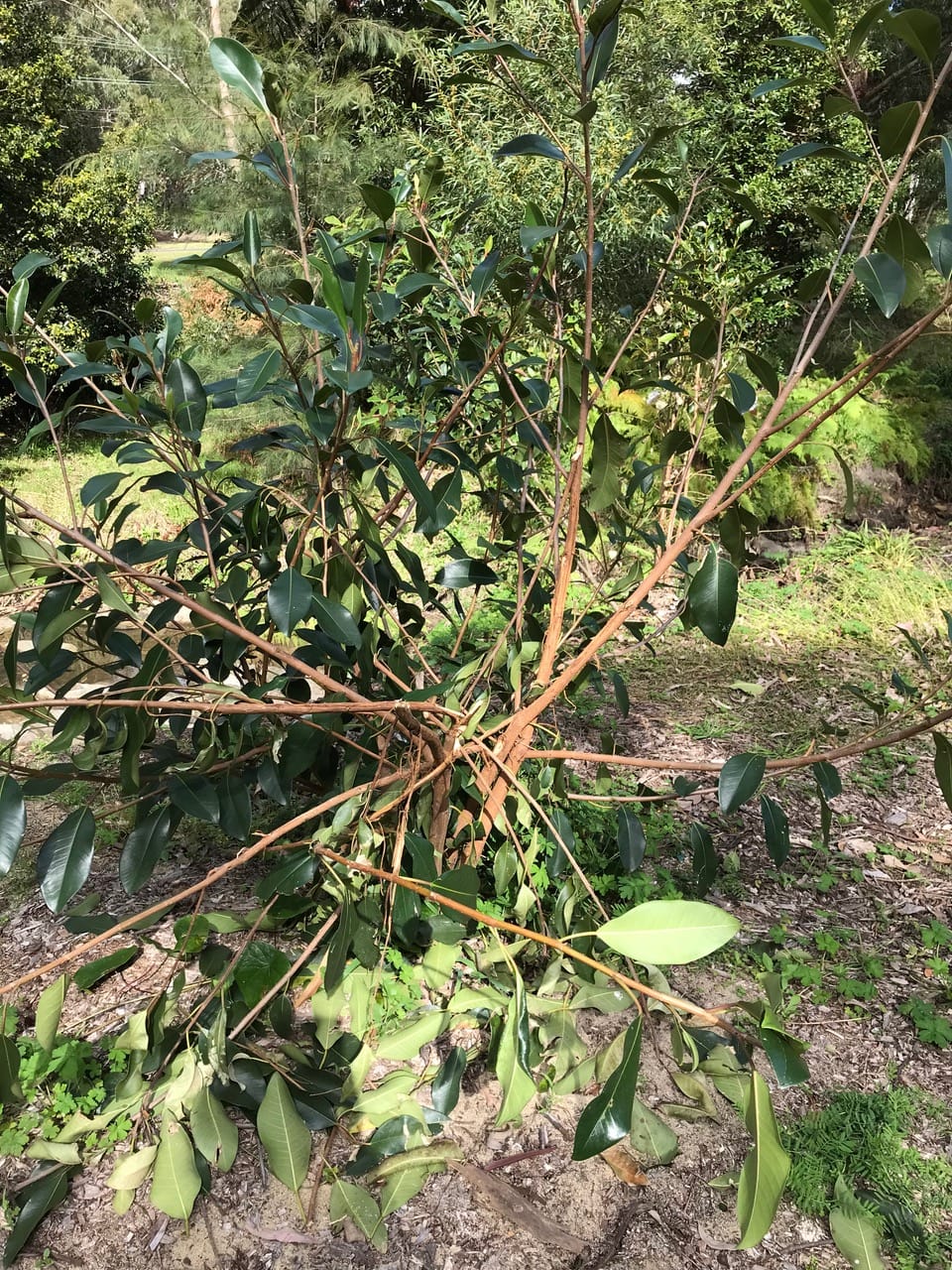
“Deer destroy native plants by trampling plants, grazing on them and ringbarking young trees. The hard hooves of deer cause soil erosion and compaction in sensitive areas.
“Deer also impact threatened rainforest communities in Royal National Park. They have the potential to transmit diseases such as foot-and-mouth disease and spread weeds.
“In parkland close to urban areas, feral deer can pose a risk to drivers and can damage private gardens and public amenities.”
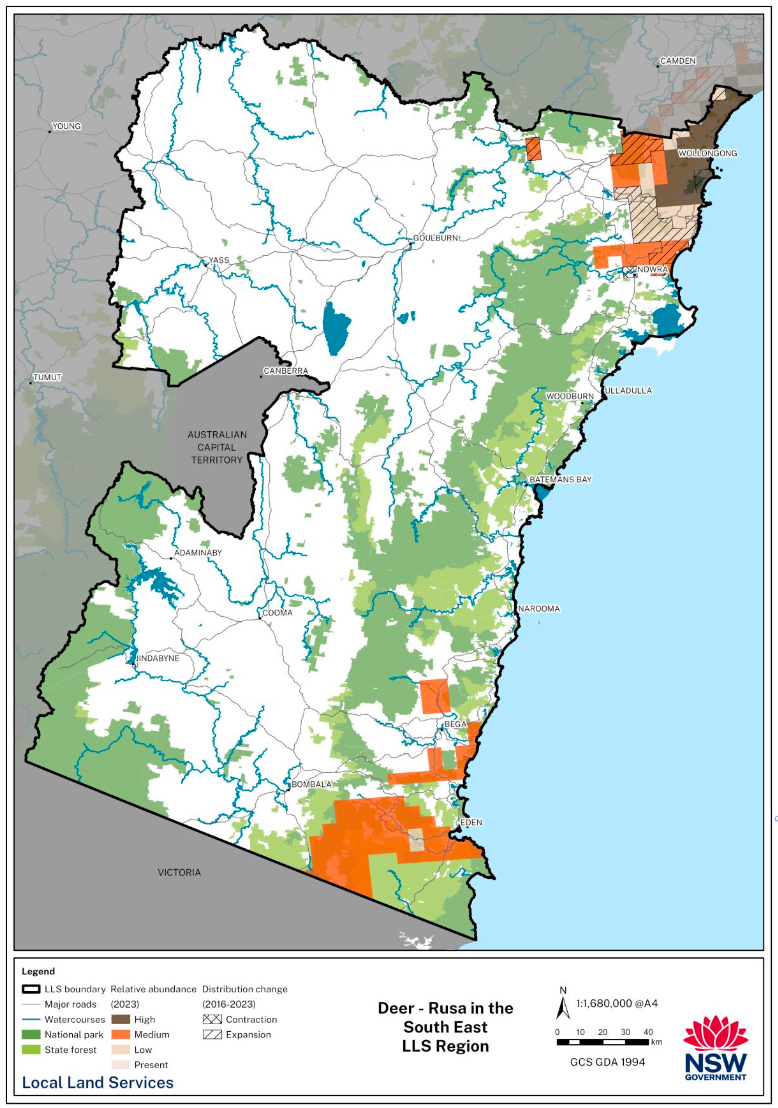
NPWS works with the Local Land Services, which manages the Illawarra Wild Deer Management Program. Since 2011 the program has removed over 7400 deer from the Illawarra.
On the move in autumn
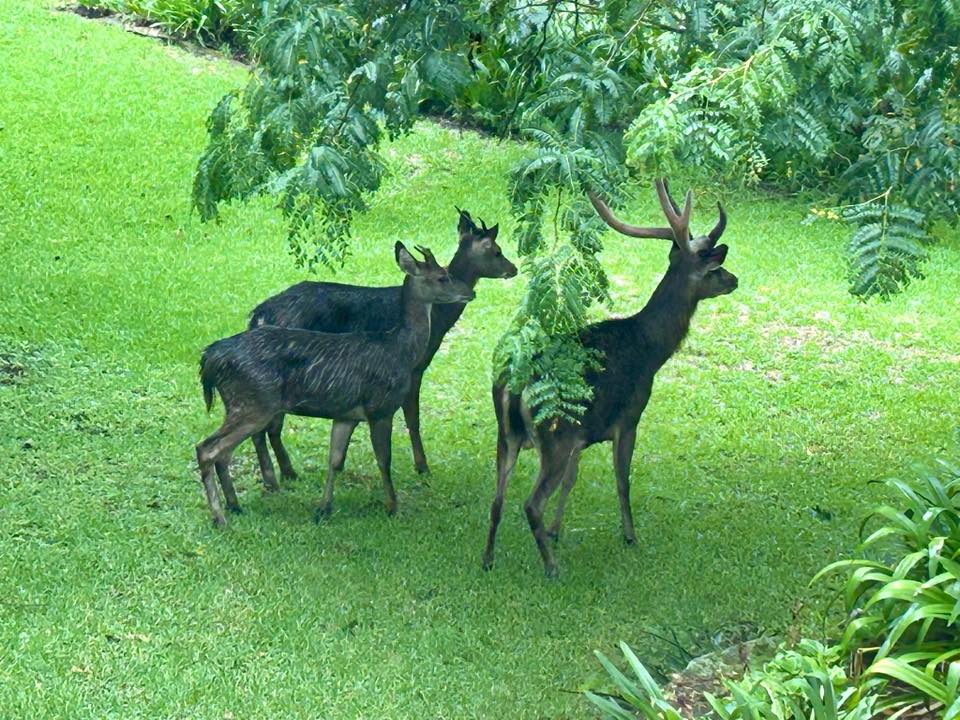
Wollongong has the region's highest abundance of Rusa deer, which are often seen in autumn – grazing in suburban gardens, beside local roads or wandering onto streets and highways.
Wollongong City Council recently wrote to the NSW Government, seeking assurance that South East Local Land Services will continue to cull deer after the current management agreement ends on June 30.
“Whether it be on people’s private property where they eat people’s plants, traipsing through sensitive bushland areas or in a collision with a car or truck, there is no question that deer can be destructive,’’ Lord Mayor of Wollongong Councillor Tania Brown said.
“Government firearms and biosecurity legislation prevents Council from conducting deer culling activities directly and that’s why it’s essential we work closely with organisations like the South East Local Land Service to deliver deer culling activities on Council-managed land.
"Without ongoing culling, the population of feral deer will continue to grow along with their impact.’’
How deer came here
According to Sutherland Shire Libraries’ history of the Royal National Park, five Rusa deer were introduced in 1886 – when the country’s first official wildlife reserve was simply known as National Park – and it is their descendants that still roam the park today.
How to deal with the current population is hotly debated.
A recent safety warning titled “Look out, deer about” on the Illawarra Flame’s Facebook page attracted more than 100 comments. Some decried the cruelty of culling, saying: “People are the problem!”; others called for hunting in national parks and celebrated the idea of free venison. One poster alleged FeralScan, the free website for reporting deer sightings, was “just a way for the government to have free access to your property”.
Several people shared pictures of deer seen on roads and lawns. Responses ranged from “Go for a drive around Bulli Pass in the early hours and count them around the highway. It's ridiculous and dangerous” to “Oh deer, what can we do?”
Which deer are here
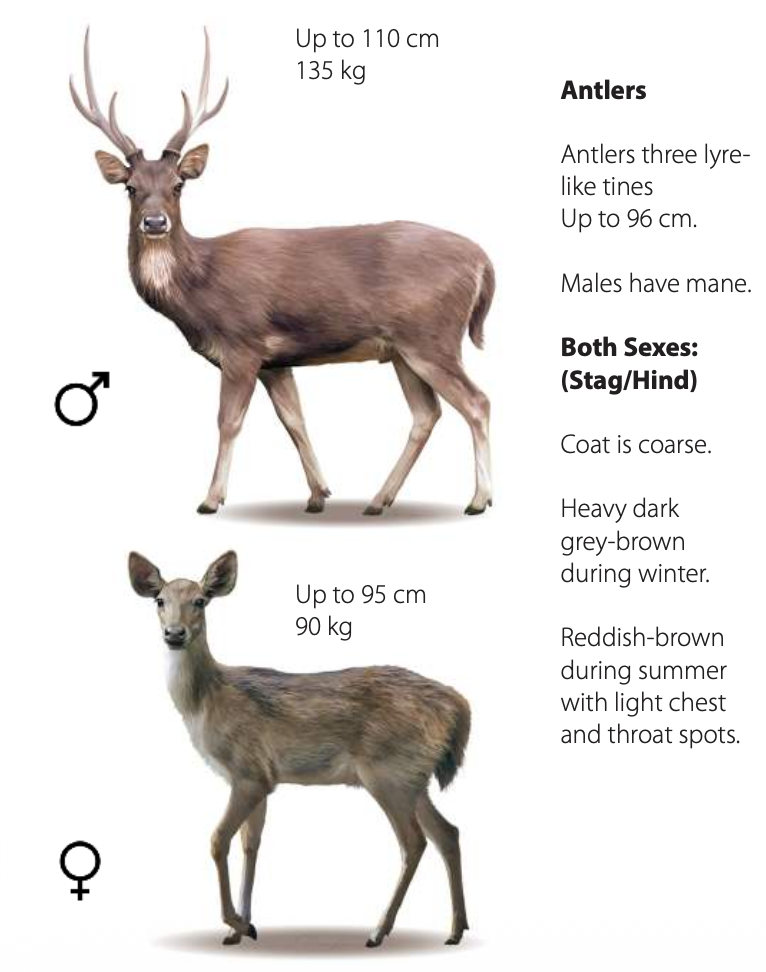
Rusa deer are often seen in the Royal National Park, but the state is home to six introduced species: Rusa, Red, Sambar, Chital, Hog and Fallow deer.
Deer are known to eat nine threatened species or populations of plants, including the Callitris endlicheri population on the Woronora Plateau.
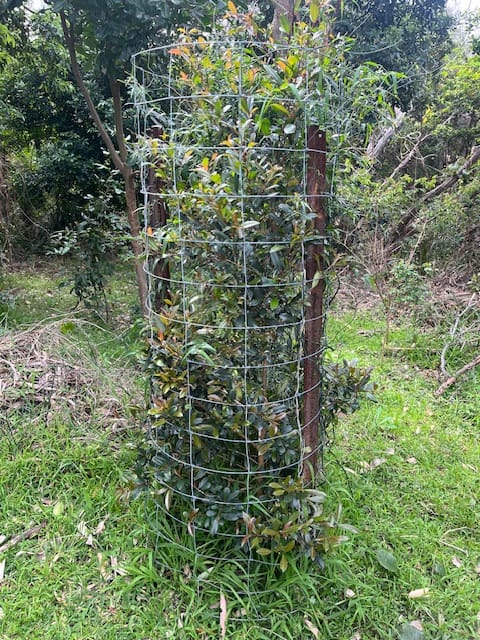
Gardeners wanting to protect their yard from deer can try planting local prickly natives, such as native Raspberry species; Cockspur Thorn; Orange Thorn; Cabbage Palm; sickle and bracken ferns and native Stinging Nettle (Urtica incisa).
Read more in Dealing with deer: A prickly subject for Illawarra gardeners.
Report sightings
Residents can report deer sightings via the Feralscan website, which gathers information for control programs.
Injured deer should be reported to NSW Police or the RSPCA.
Contact the Police on 131 444 to report illegal deer hunting. Licensed hunters may have permission to shoot deer on private rural land, but this is not allowed in residential areas.
Council’s website has more information.


