

Nature is the bridge for a better future
Phebe Fidge travelled from Shellharbour to Armenia for UNCBD COP17

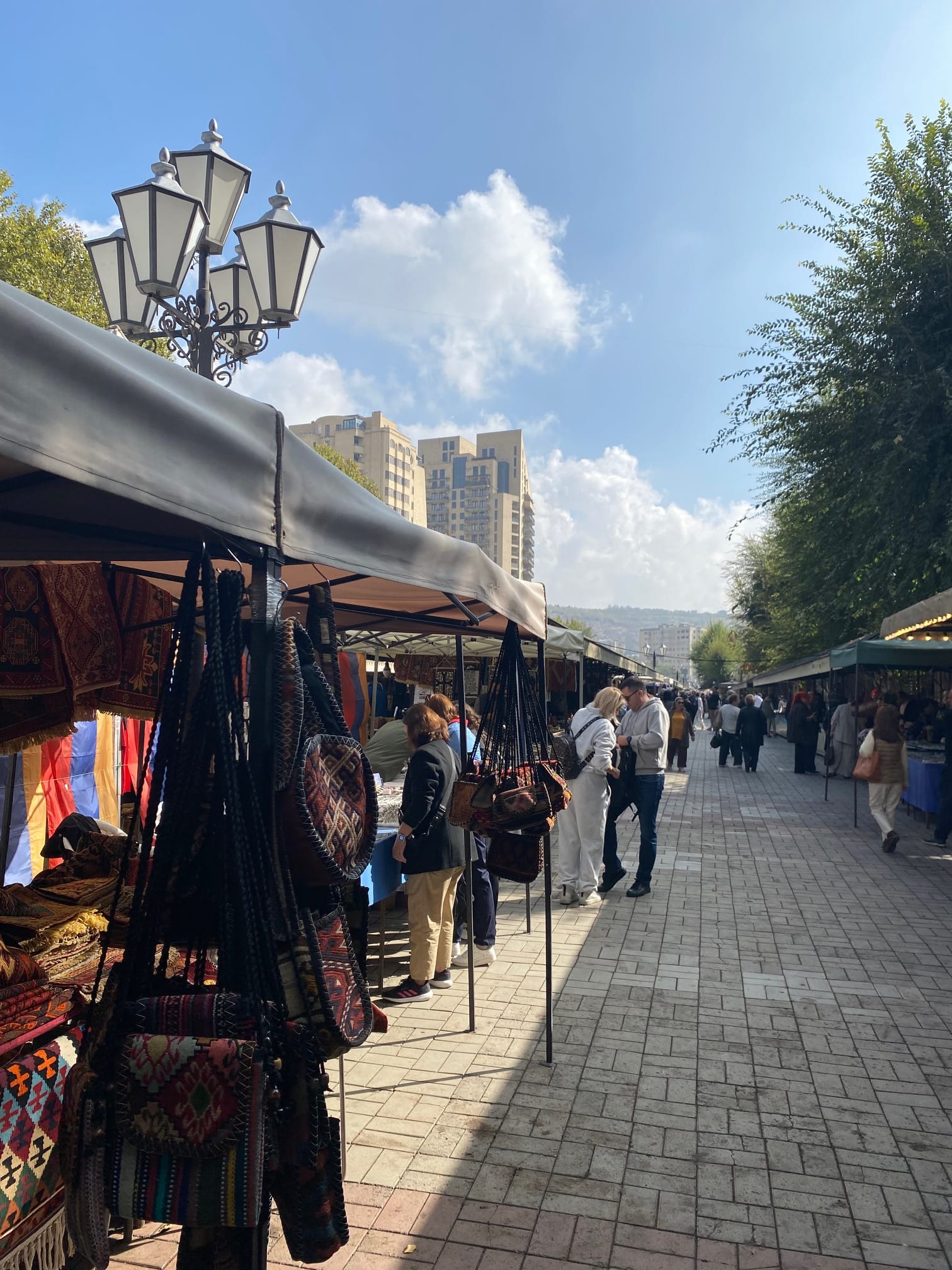
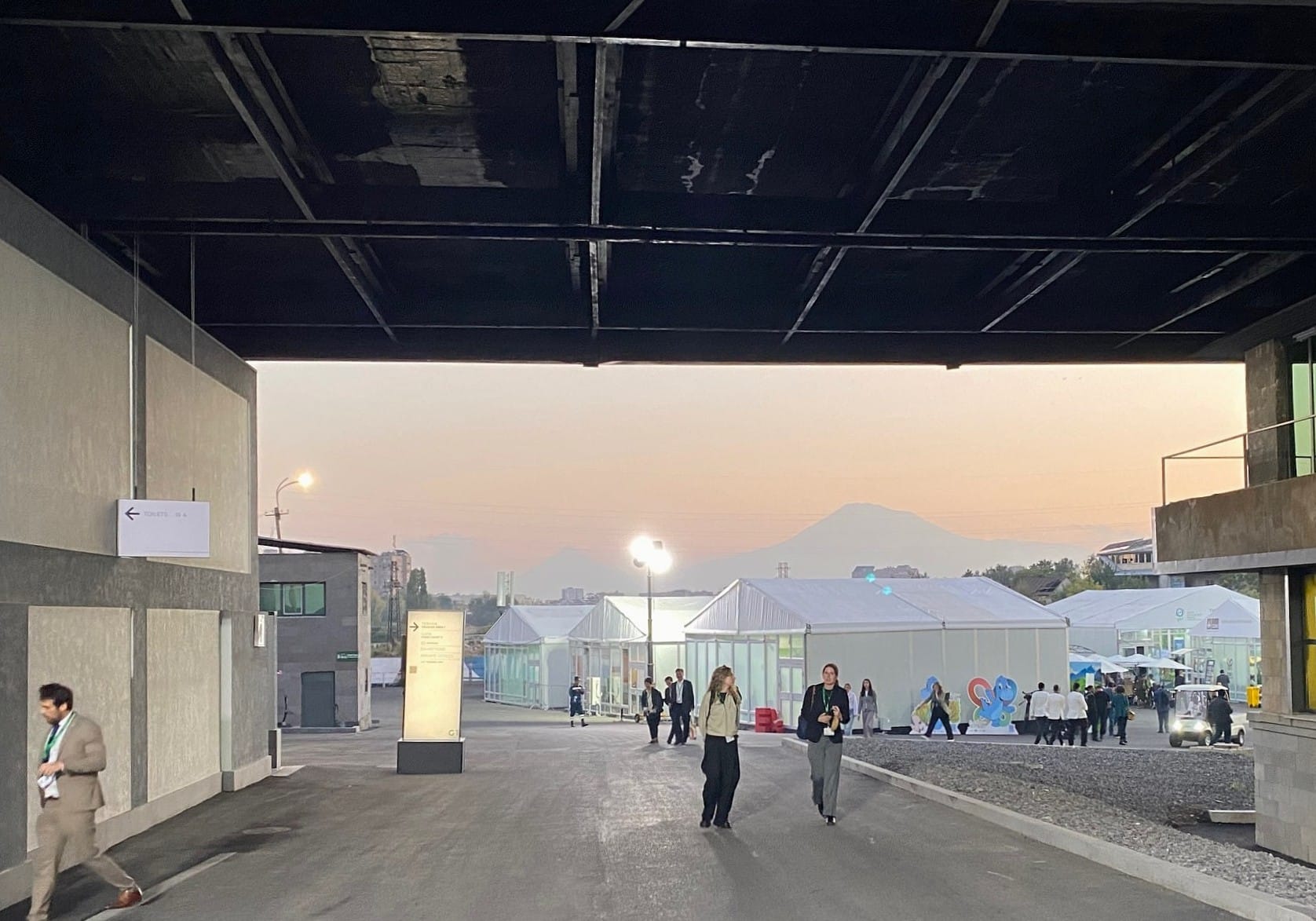
After nearly missing my connection in Dubai, I was both excited and relieved to see Mt Ararat towering over Yerevan. What an extraordinary city – perched in the Caucasus region between Eastern Europe and Western Asia, this landlocked metropolis of Byzantine arches and domes plays host to bazaars, decadent carpets and shisha bars.
The city is truly Eurasian and the culture is uniquely Armenian. The air was filled with the smell of lavash from sunken tonirs – warm, welcoming and charged with anticipation.
COP17: 'The Implementation COP'
Earlier this year and without expectation, I applied for funding to attend the 17th Conference of the Parties to the UN Convention on Biological Diversity (UNCBD COP17). I almost couldn’t believe it when I received an invitation from the Global Youth Biodiversity Network (GYBN) to represent their Australian chapter on an official delegation of youth policy advocates from more than 80 countries.
Interacting with this cohort of impressive and passionate individuals, I felt a lot of pride but also responsibility as we braced ourselves for the whirlwind weeks ahead.
It was straight in, too. Harvesting insights from our new family at the Global Youth Summit on Biodiversity had our heads spinning with information within 48 hours of landing, and we didn’t slow down for the next two weeks.
After the initial overwhelm, we got into a rhythm of negotiations, side events, bilateral meetings, and demonstrations.
To keep up with the negotiations, our days started at 8am and ended at 10pm. It was clear what was at stake, and we intended to make the absolute most of our time at CBD COP17.
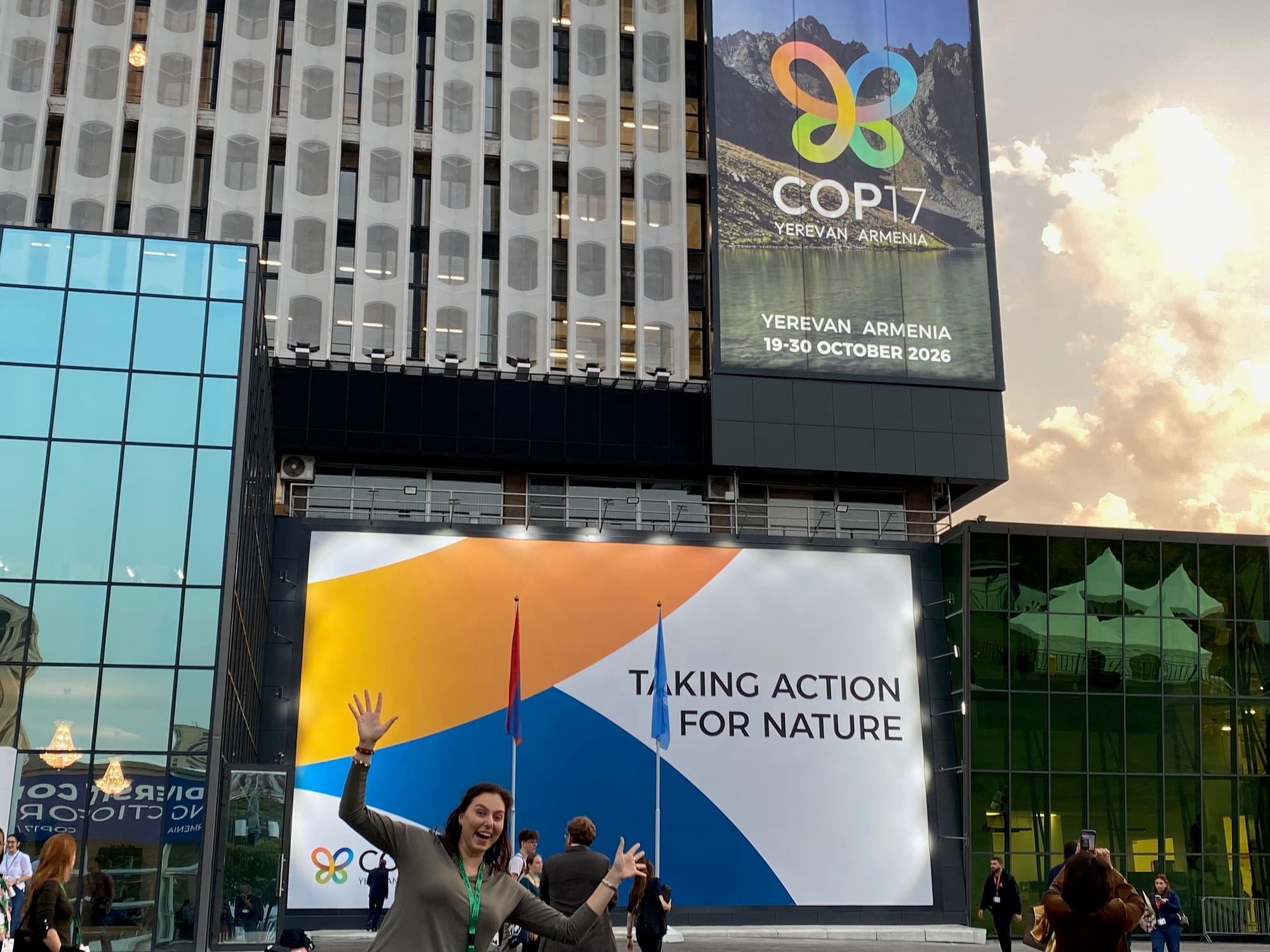
The convention is an international agreement on biodiversity conservation that provides a legal framework for the sustainable use of ecosystems, species and genetic resources.
In 2022, the Kunming-Montreal Global Biodiversity Framework (KMGBF) emerged as a strategic plan for global implementation of the CBD. It aims to halt biodiversity loss by 2030, with a vision of “living in harmony with nature” by 2050.
This year, the first ever global review of collective progress assessed the trajectory of member States (countries) towards this vision.
The results were disappointing, with the world falling short of many targets. For example, only 16.7% of the desired 30% protected area coverage for coastal and ocean ecosystems had been realised.
Furthermore, the contributions and rights of Indigenous Peoples, local communities (IPLCs), women and youth were not sufficiently recognised in national biodiversity strategies and action plans. CBD COP17 was deemed the “implementation COP” in the hopes that countries would mobilise resources to address the gaps highlighted in the report and close the space between global ambition and national action.
Key outcomes
I am sorry to report that I do not believe the world delivered on this promise.
Although resource mobilisation arrangements were agreed upon, only $US1.8 billion in new funding pledges were announced for biodiversity finance. Encouragingly, offsets were excluded from this number when their additionality was questioned by negotiators.
However, CBD text that directs financial flows from the Global Environment Fund to community-led grassroots action remains weak and non-binding. Additionally, no real obligations exist for countries to act on synergies between the CBD and other international agreements on climate change, land degradation and biodiversity beyond national jurisdiction.
I was especially disappointed to see the removal of proposed text that acknowledged the International Court of Justice’s advisory opinion on climate change. For real change, we must streamline action on global environmental challenges.
Some other disappointing outcomes include the omission of key text on environmental human rights defenders, leaving them voiceless and undefended. Additionally, IPLCs, women and youth were often conflated as “actors other than national government” throughout the convention, though it was encouraging to see some delegations, including Australia, advocate strongly for textual references to these groups as rights holders and implementation partners.
In one case, this type of advocacy led to previously deleted text being reinserted for an inclusive communication, education and public awareness (CEPA) program. However, specific recognition of these stakeholder groups is limited and they remain under-represented.
On a positive note, the introduction of a modus of operandi on Article 8(j) during the COP established structural rules for institutionalising benefit sharing and meaningful engagement of IPLCs.
Also, the restoration progress report produced by the UN Decade on Ecosystem Restoration alongside the global review features IPLCs, women and youth as agents of change, acknowledging their contributions to ecosystem restoration globally.
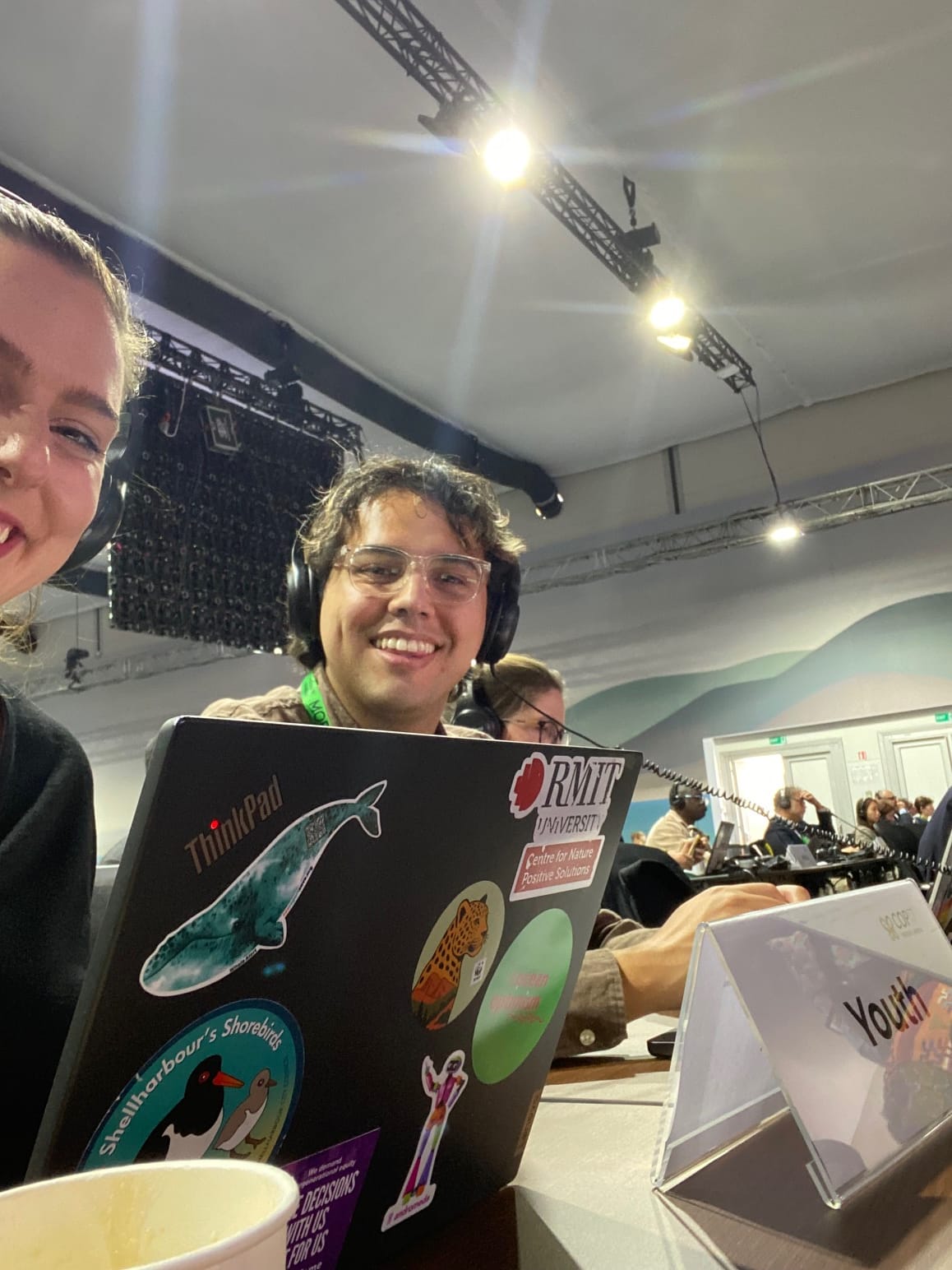
Sitting in on negotiations, it became clear to me why things move so slowly in global biodiversity policy.
While some countries participate in small group discussions to workshop text “in the spirit of compromise”, others use delay tactics that make consensus impossible and prevent critical additions to the text. The contact group sessions feel like a group of friends trying to pick a restaurant where most are willing to go anywhere, but one insists on a fully vegan menu.
The CBD in Australia
Australia is a mega-diverse country with a large number of highly specialised and endemic species. We are also losing biodiversity faster than many parts of the world, with the highest mammal extinction rate of any country. Despite this, the federal government spends less than 0.1% of its federal budget on nature conservation and restoration. According to a recent study by Paul Elton, this needs to lift by around $28 billion per year for our nation to meet its KMGBF targets.
For these reasons and more, Australians should care deeply about biodiversity loss. However, public awareness is limited and policy literacy is low. The introduction of a global plan of action on education for biodiversity introduced under CEPA provides a framework for embedding environmental stewardship into our education system. This would be a great start, but it must be coupled with increased media coverage and decentralised systems of engagement like Citizen COP Australia.
I have engaged twice with Australia’s COP17 delegation on behalf of GYBN Australia to advocate for youth inclusion in the CBD and ensure the priorities emerging from discussions with Australian nature leaders are considered in the implementation of our NBSAP, which is called “Australia’s Strategy for Nature 2024-2030”. This sets out a national approach for achieving the KMGBF targets and is supported by an implementation plan that hinges on three enablers of change, specifically First Nations engagement, mainstreaming biodiversity across sectors, and data sharing for evidence-based decisions.
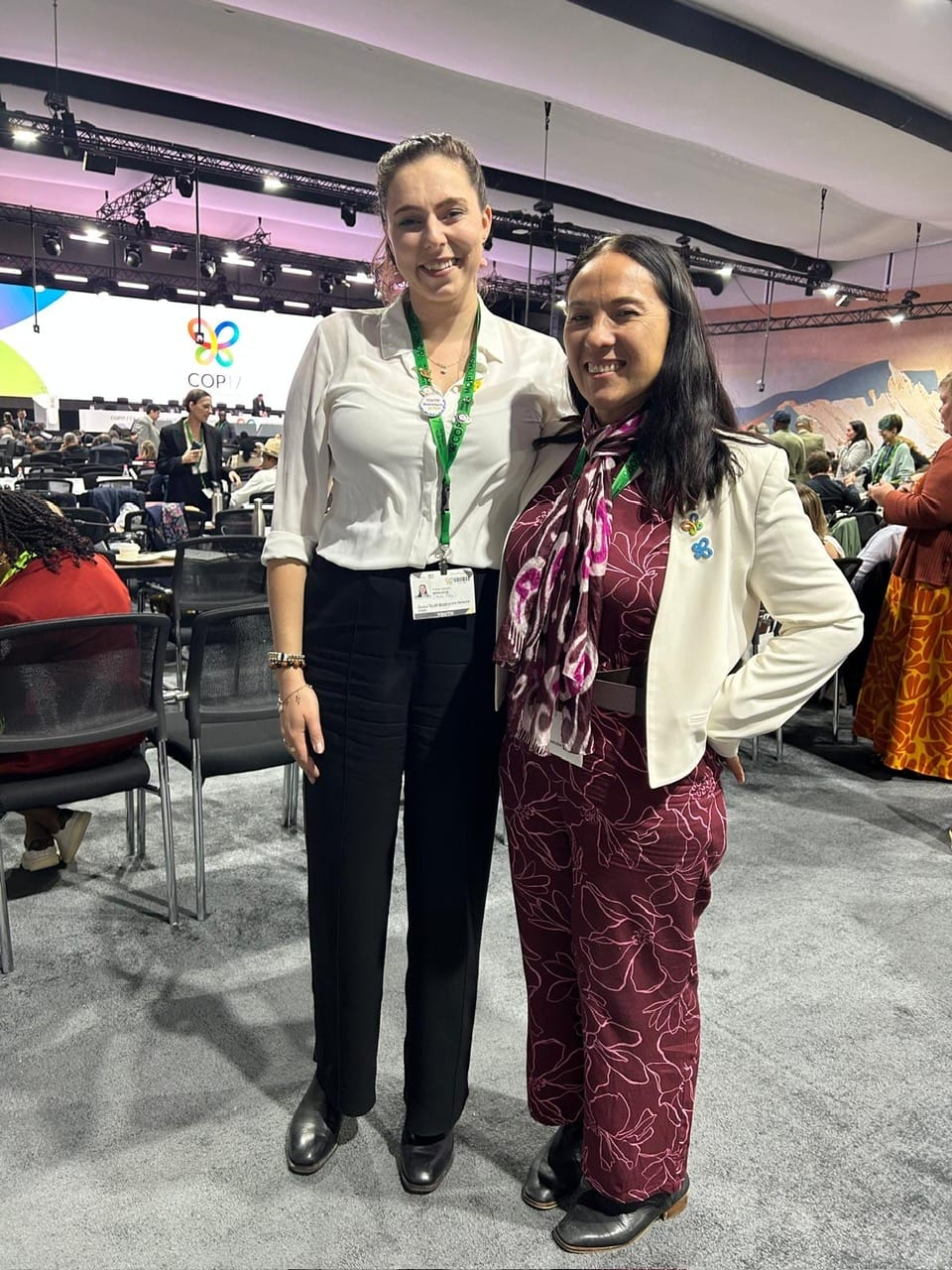
In the aftermath of COP17, the team at GYBN Australia are committed to ensuring implementation of the plan while working with the Australian government as partners in the delivery of local biodiversity outcomes.
We must hold our government accountable for enacting change that will save our species and ecosystems.
Closing reflections
A week on and continents away, I am grateful for this incredible learning experience, which has elevated my understanding of how environmental decisions are made. This will inform my work as a scientist and increase my capacity to drive meaningful action in my community.
The challenges ahead are confronting, but I am filled with hope because of the people who make transformative change seem possible.
The world has come together to resolve global challenges before, successfully eliminating CFCs to repair the ozone layer, or bringing back humpback whales from the brink of extinction. The deciding factor is timing. We must act fast to halt biodiversity loss and restore natural environments.
Nature must unite us, to bridge the implementation gap and ensure the wonders of this world can be enjoyed by generations to come.
Join GYBN Australia
Are you a young person interested in biodiversity conservation or an organisation that works with young people to protect species and ecosystems? Join us at the Global Youth Biodiversity Network (GYBN) Australia as we work towards a future in harmony with nature.
Individual sign-up here; organisational sign-up here.


