
Nature Notes: Peacocks and alarm clocks on the move
Spring is a fantastic time to get down on your hands and knees and stare into the leaf litter. That is, if you like Peacock Spiders and, I mean, who doesn't?


Peacock Spiders are getting their dance on
Spring is a fantastic time to get down on your hands and knees and stare into the leaf litter. That is, if you like Peacock Spiders, and, I mean, who doesn't? It's their breeding season so you might not only get to spot one, but you might also get to witness one of their famous mating dances (which I'm yet to see myself). Those dances are the subject of loads of videos and reels on social media. You know the ones, where the spider flicks up his incredibly colourful abdomen, kicking out his third leg and shuffling from side to side?
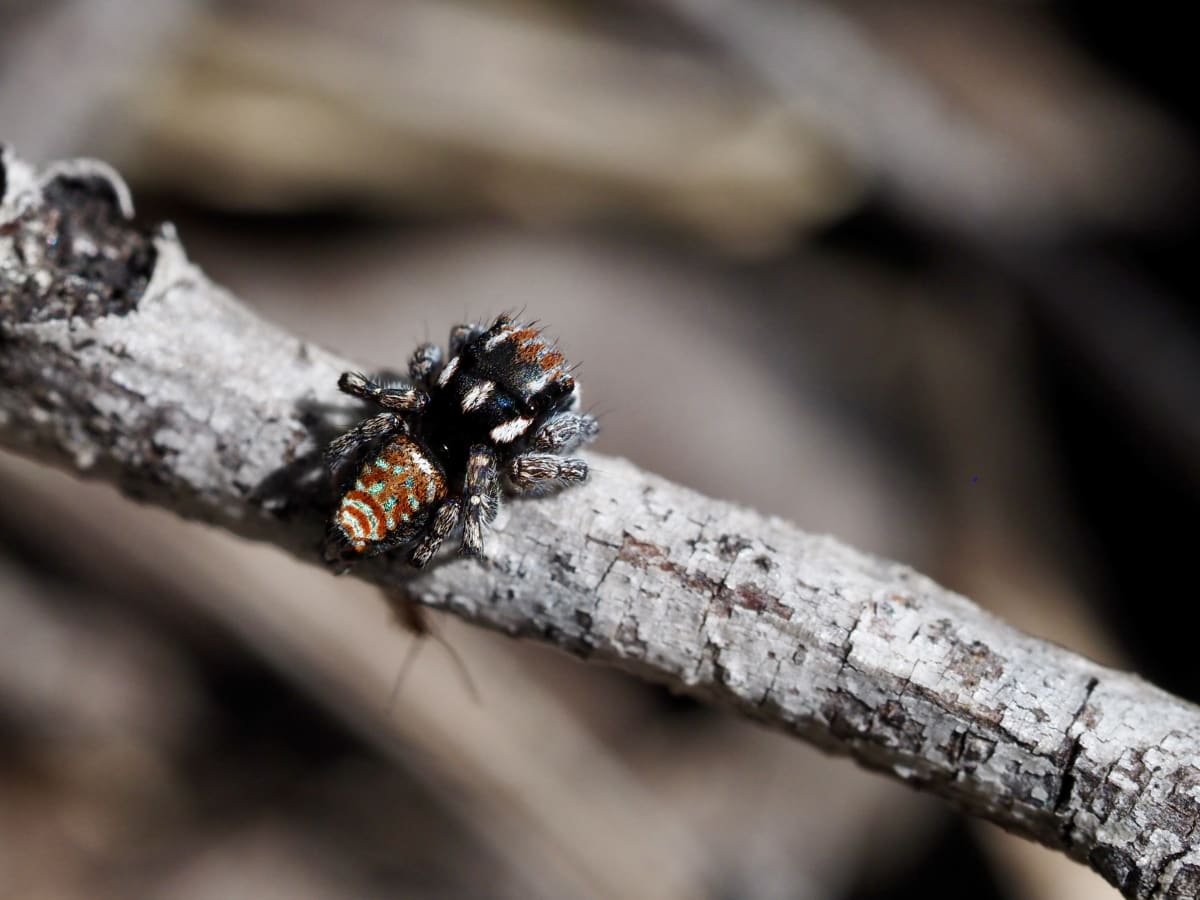
Those videos might give the impression that they are easy to find, but I only found my very first Peacock Spider this time last year, and trust me I spend a lot of time looking at the worlds of the smaller animals. They are seriously tiny with some only a couple of millimetres long! The species pictured here is Maratus plumosus and is one of the most widely distributed of all the Peacock Spiders. I found it amongst the leaf litter at Darkes Forest.
Alarm clocks are on the move
Ah, the good ol' Channel-Billed Cuckoo, the largest cuckoo in Australia and very, very noisy. They migrate to Australia from Indonesia and New Guinea between August and October each year, leaving again around February. I saw my first pair a few days ago, being chased by a couple of ravens. And for good reason. Cuckoos will lay their eggs in the nest of other birds, usually magpies, currawongs and ravens. Some of the host bird's eggs may be damaged by the much larger bird as she's laying, but once her egg is in amongst the other eggs, she leaves and doesn't look back. It's then up to the host parent to raise the young Channel-Billed Cuckoo.
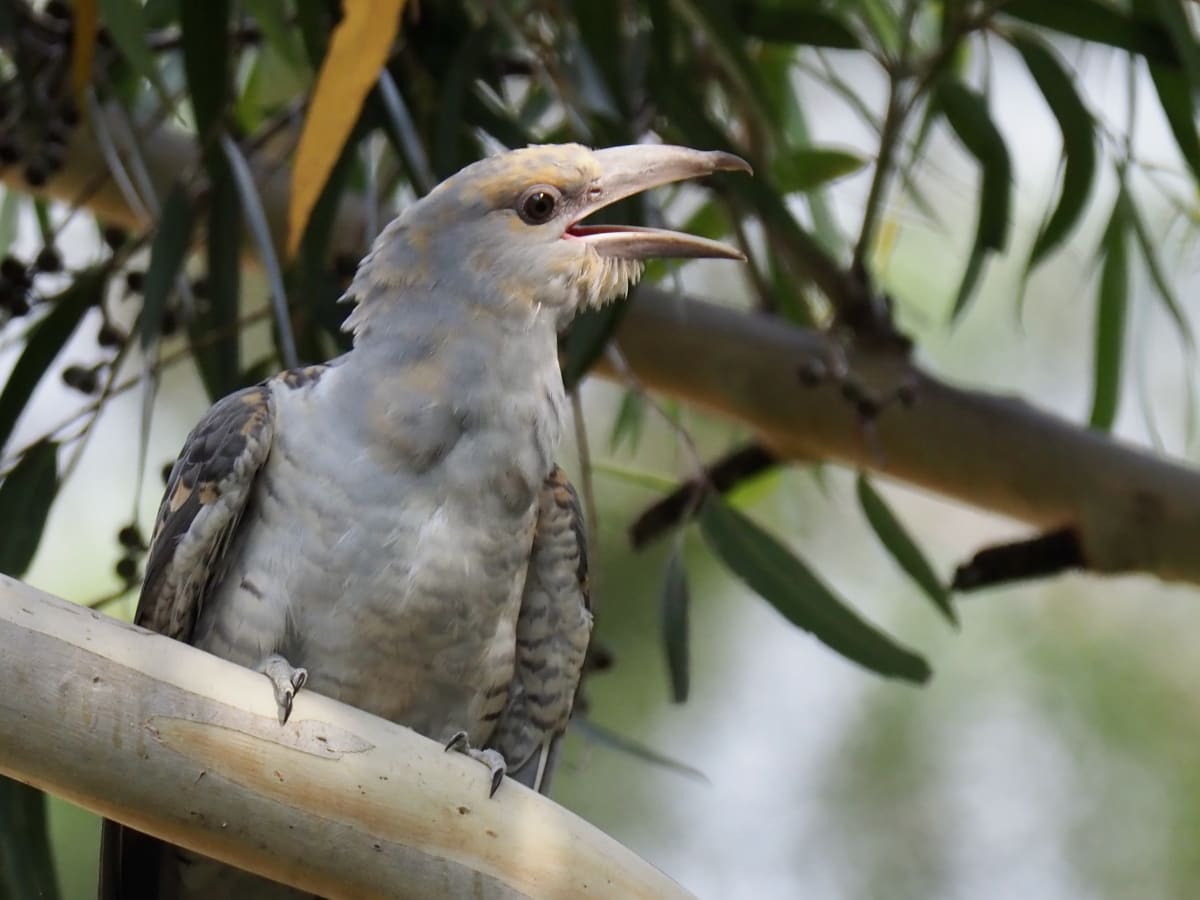
This is pretty harrowing to watch as they are significantly larger than the host, and very hungry, running the poor foster parent haggard trying to keep up with demand, while the host's own hatchlings often starve. If you're 'lucky' you might have one calling all night, just outside your window during breeding season. I suggest moving or taking an extended holiday during this period!


