

New preppers guide for health sector as climate hazards rise
The Australian Centre for Disease Control has released a planning package for health organisations

By 2050, the Illawarra Shoalhaven could swelter through double the number of heatwaves a year, triggering more heat-related illness and putting pressure on hospitals.
This is one of the scenarios for our region featured in a new guideline acknowledging the significant impacts of climate change on human health and health systems.
Launched at Parliament House on Tuesday, the Australian Centre for Disease Control (CDC)'s Guidance on climate risk assessment and adaptation planning package is a suite of tools that includes a manual, climate and health data, and templates to help local health networks, aged care services and other health organisations plan for a warmer world.
Authorities are considering two possibilities:
- a ‘middle of the road’ scenario that sees temperatures rise by about 2.7°C by the end of the century
- and a ‘reasonable worst-case’ scenario of 3.6°C by 2100, which assumes emissions and temperatures continue to rise due to delayed climate action.
The Paris Agreement attempted to limit the long-term global average surface temperature increase to 1.5°C.
The CDC guideline examines six hazards – heat and humidity, fire, drought, rainfall, storms, and coastal inundation – in each local health district over three "time horizons": baseline (observed data from 1985-2014); medium term projections for mid-century (2050) and late century (2085).
With the population of the Illawarra Shoalhaven estimated to grow from 448,567 in 2025 to 516,926 in 2035, our health system will face challenges across all six categories.
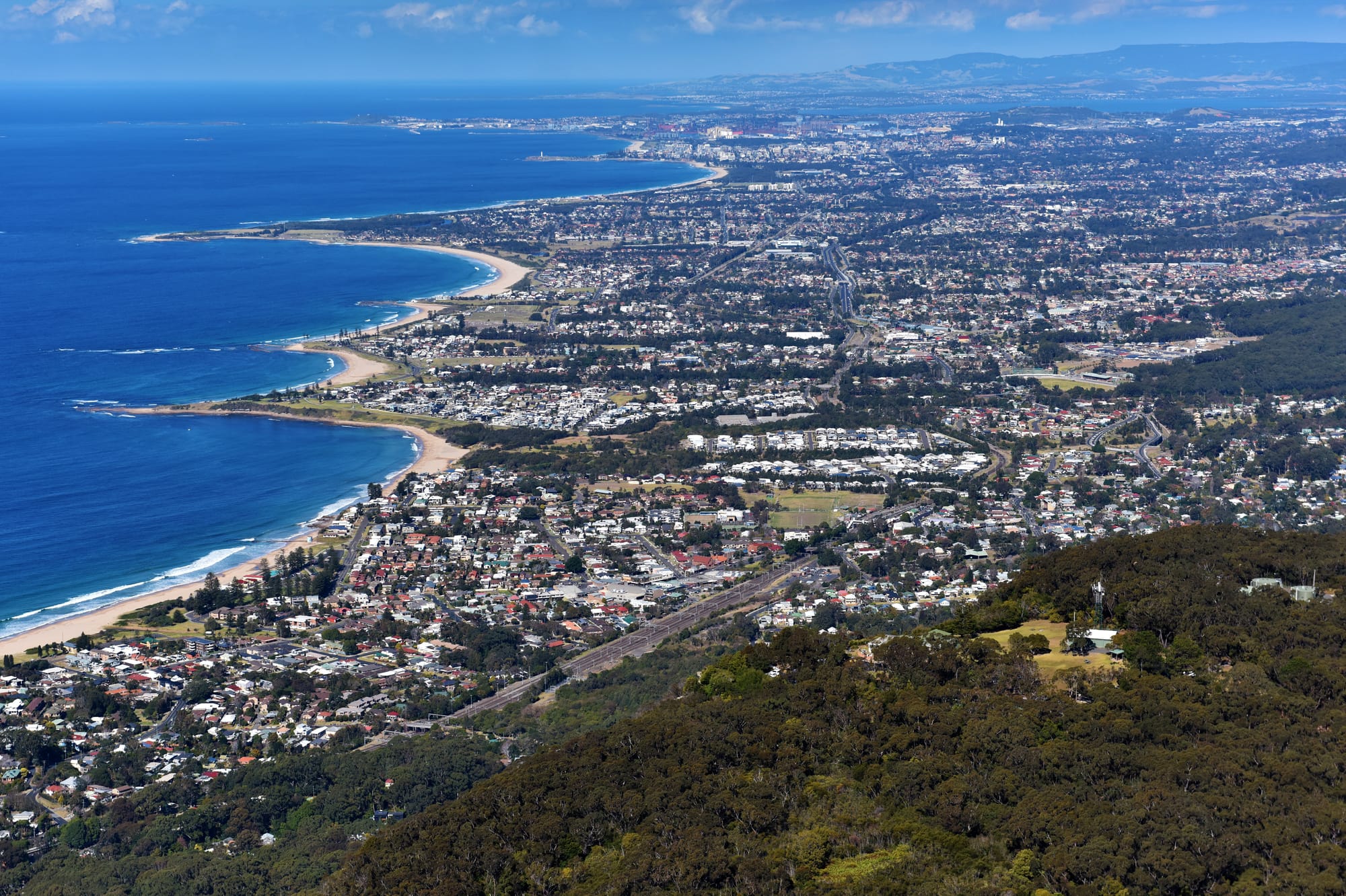
The CDC has a new planning package for health organisations. Photos: supplied & Chilby Photography
Heat and humidity
“Heatwaves are likely to last longer and the number of heatwaves per year will increase,” the report's Illawarra Shoalhaven section says.
“By 2050, under a reasonable worst-case scenario, the number of heatwaves will more than double. By 2085, under a reasonable worst-case scenario, the number of heatwaves per year will be more than quadruple.”
There will be hotter days and warmer nights, as well as more days over 40 degrees.
The manual says rising temperatures and more heatwaves will increase the incidence of heat-related illness, including by worsening cardiovascular and respiratory conditions.
Fire
The fire hazard in most of the Illawarra Shoalhaven is already high, and in about 60 years even the situation in low-risk areas is tipped for change.
“Under baseline conditions 72- 73% of the health district already experiences very high fire hazard,” the report says.
“More of the district will experience moderate to high fire hazard by 2085, with areas currently rated as low fire hazard expected to shift to a higher fire hazard rating.”
The CDC’s manual warns that people with pre-existing respiratory conditions may be highly sensitive to poor air quality during bushfires.
Demographic data shows 37,586 people (8.8%) in the Illawarra Shoalhaven have asthma.
Drought
On drought in our region, the report says: “The occurrence of drought will increase across both scenarios and time horizons, with the largest increase occurring under a reasonable worst-case scenario by 2050.”
Drought could affect mental health, food insecurity, people with respiratory illness and infectious diseases.
Storms
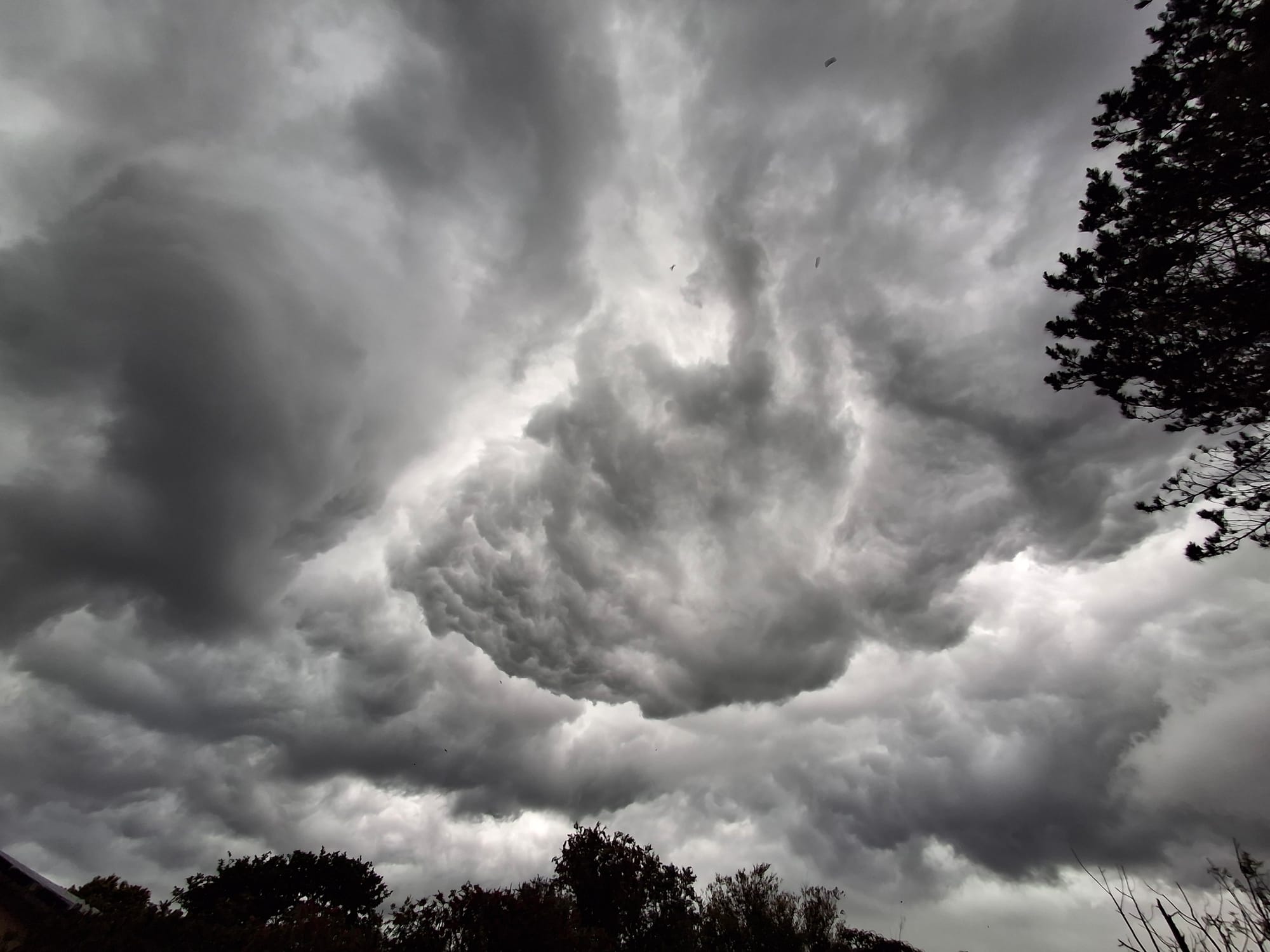
“The frequency of very-high-intensity storms will increase slightly across both middle of the road and reasonable worst-case scenarios with the greatest increase occurring by 2050, based on the middle of the road scenario,” the report says.
Health impacts range from injuries to infectious diseases; for the system there could be disruptions to critical infrastructure, supply chains, and utilities like electricity and water.
Rainfall and flood
The Illawarra Shoalhaven can expect extreme rainfall days to remain consistent, with an average of about seven extreme rainfall days per year.
Flooding will increase in urban areas, which may displace communities, contaminate water supplies, and disrupt transport routes and access to healthcare facilities.
The report says: “The largest increase in flooding is seen in the reasonable worst-case scenario where frequency of a ‘1-in-100 year’ flood will more than triple by 2050 and become nearly 10 times more likely by 2085 in urban environments.”
The CDC warns impacts may drive demand for care while the system itself is under strain: “A flood may displace communities and contaminate water supplies, while also disrupting transport routes and access to healthcare facilities.”
Coastal inundation
While councils battle to protect infrastructure, health authorities will deal with the human impacts of storm surges and tidal flooding. These may include injuries and infectious diseases.
The report says: “There will be an increase in the area affected by tidal inundation (i.e. area submerged during high tide) and storm surge and tidal inundation (i.e. the area submerged during a storm surge and high tide) across both middle of the road and reasonable worst-case scenarios. In the reasonable worst-case scenario, the area inundated during a ‘1-in-1000-year’ event will increase by over 8,000 ha. by 2085.”
The common impact running through all six categories is: mental health.


