
Bystander training an important step forward to help stamp out racism
It’s been widely reported that last year’s referendum to give our First Nations people a Voice to Parliament generated an alarming rise in the level of racism in Australia. The national result, rejecting The Voice, only added to this worrying...

It’s been widely reported that last year’s referendum to give our First Nations people a Voice to Parliament generated an alarming rise in the level of racism in Australia. The national result, rejecting The Voice, only added to this worrying problem.
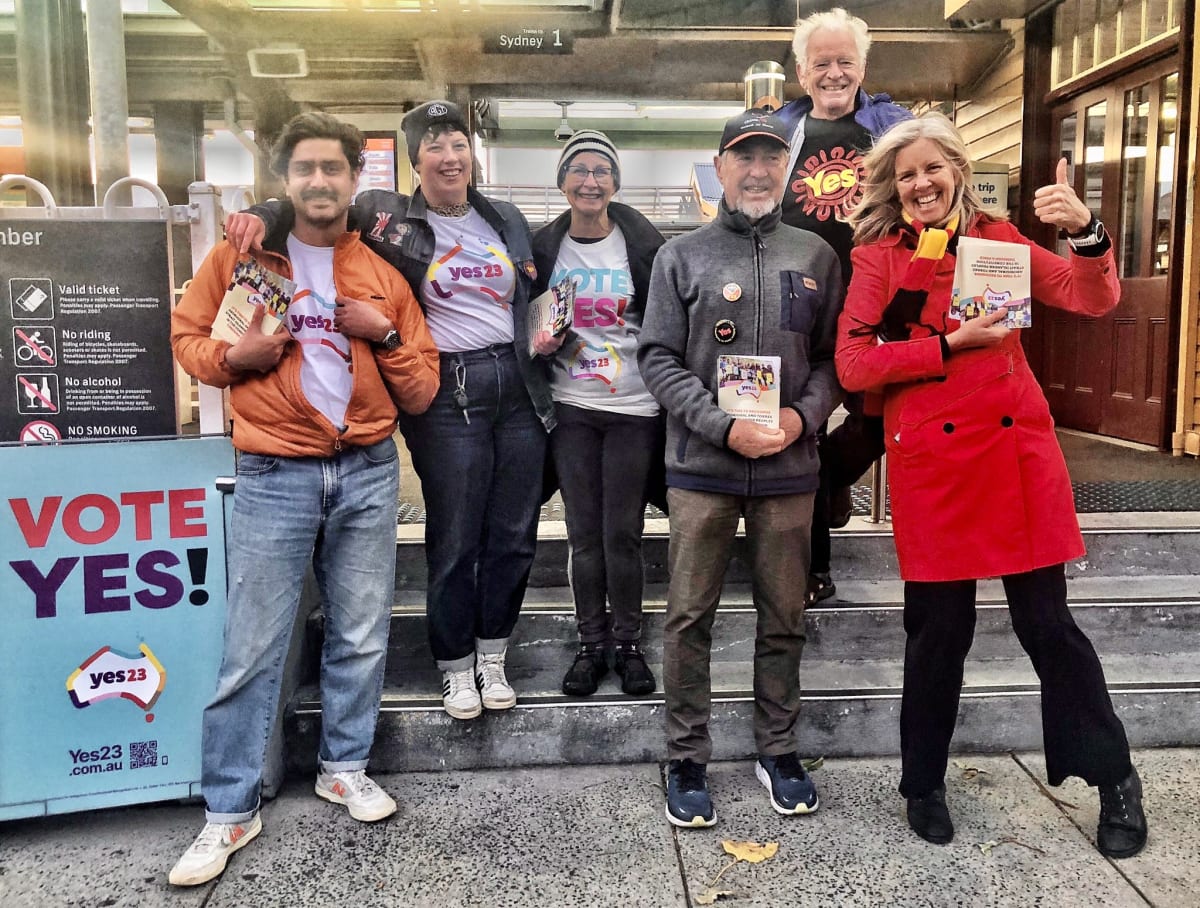
Local YES campaigners (me included), still struggling to understand why and how the vote went so badly wrong, reached out to the University of Wollongong (a major supporter of the YES campaign) to ask what we can do together to create a positive out of such a disappointing and depressing result.
Plans are now well underway to create a Friends of Woolyungah group, to create a new conscious, connected community to support the Illawarra’s First Nations people via an alliance with the Woolyungah Indigenous Centre, which is based on the UOW campus.
As a first step, earlier this month more than 50 people attended bystander training, an extension of a program launched last year for staff and students on campus, which initially focused on bullying and gender-based violence.
Sharing experiences
Kylie McElhone, a proud Wiradjuri woman, set the scene, telling her story of being with her mum at Sydney’s Town Hall station recently.
"An elderly Aboriginal man had slipped and fallen over and hit his head. He was injured but people were stepping over him and around him. No one bothered to help. We see this all the time."
Angela Cowan, project coordinator for Safe and Respectful Communities at UOW, said the referendum result and the resultant rise in racism prompted a shift in focus for their training.
"Unfortunately, racists think the referendum vote gives them the right. They think they’re in the majority," Angela said. "Racism stems from ignorance and, sadly, it’s become a cultural norm amongst too many Australians."
Providing practical examples
"People have felt really helpless since the referendum and many want to know what they can do, day to day, to help stamp out racism," Angela said.
"Our training is a response to those local people who say they want to be a part of the Friends of Woolyungah. We’re giving them practical skills to help them deal with racism."
The training session I attended gave an excellent mix of video examples of racism in workplaces and in the broader community, scenarios were presented that I’m afraid seemed all too familiar, and there were excellent group discussions.
"The scenarios really hit home to people because they were so relevant to the situations they might face," Angela said.
A typical response from someone who witnesses racism is to not get involved and walk on by. We were reminded the behaviour you walk past is the behaviour you accept. By standing up for others, we’re showing them respect and that they matter.
And when it comes to combatting racism. ‘If not you, then who?’
The Four Ds to guide our responses
We also learned about the Four Ds as a simple but important strategy to deal with a situation where we witness racism.
- Direct: If it’s safe, call out the behaviour. When you speak up, others will follow.
- Distract: It’s a circuit breaker! Be creative! Cause a distraction to interrupt the situation.
- Delegate: Get some help. Ask people around you to do something.
- Document: Note down details of the incident and report it.
Following the training, amongst the overwhelmingly positive feedback, one participant suggested more of this type of training was needed for the broader community. Another said she felt she now had more options to respond appropriately and effectively to racism "rather than just feeling paralysed or upset".
"Armed with what they saw and learnt in the training, most people said they’d now be more confident to intervene if they saw racism in their lives. Both sessions we ran received rave reviews and many of the participants said they’d like to get more training like this," Angela added.


