

Plant program brings residents with dementia back to nature
Once-stagnant courtyards have become vibrant hubs of activity with health benefits at a Figtree aged care home

As the number of Australians with dementia climbs toward half a million, Illawarra horticulturalist Narelle Happ wants more meaningful, non-clinical interventions in aged care.
“You can’t imagine being cooped up in the same space day in and day out,” Narelle says. “To have that calming effect on their mind, aged care residents need stimulation regardless of whether they remember they’ve had it.”
For more than two years, Narelle, owner of A Garden For Life, has been leading a gardening program at Greenhill Estate in Figtree for residents in aged care, specifically those with dementia. What started as a three-month trial has blossomed into a permanent fixture of residents' lives.
“I think I get as much out of it as they do,” Narelle says.
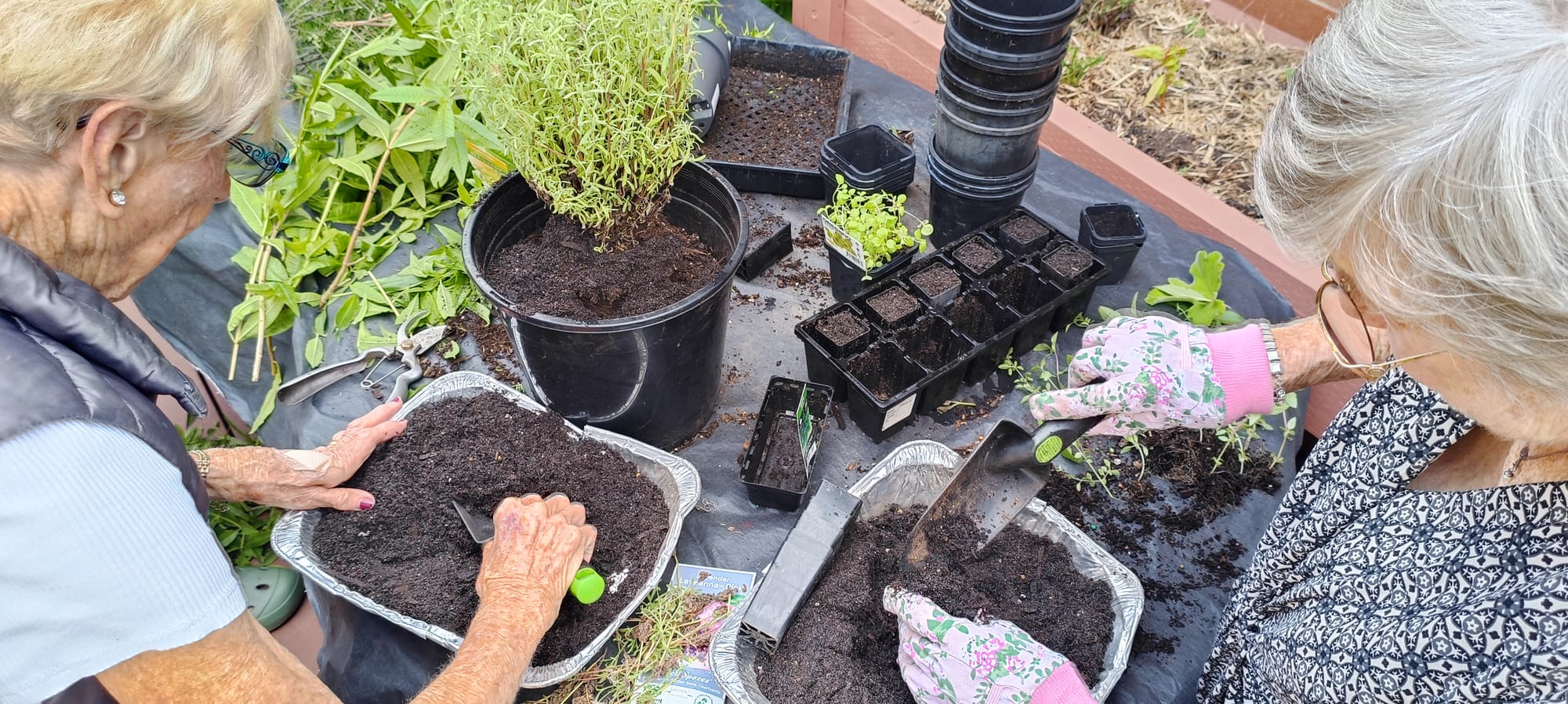
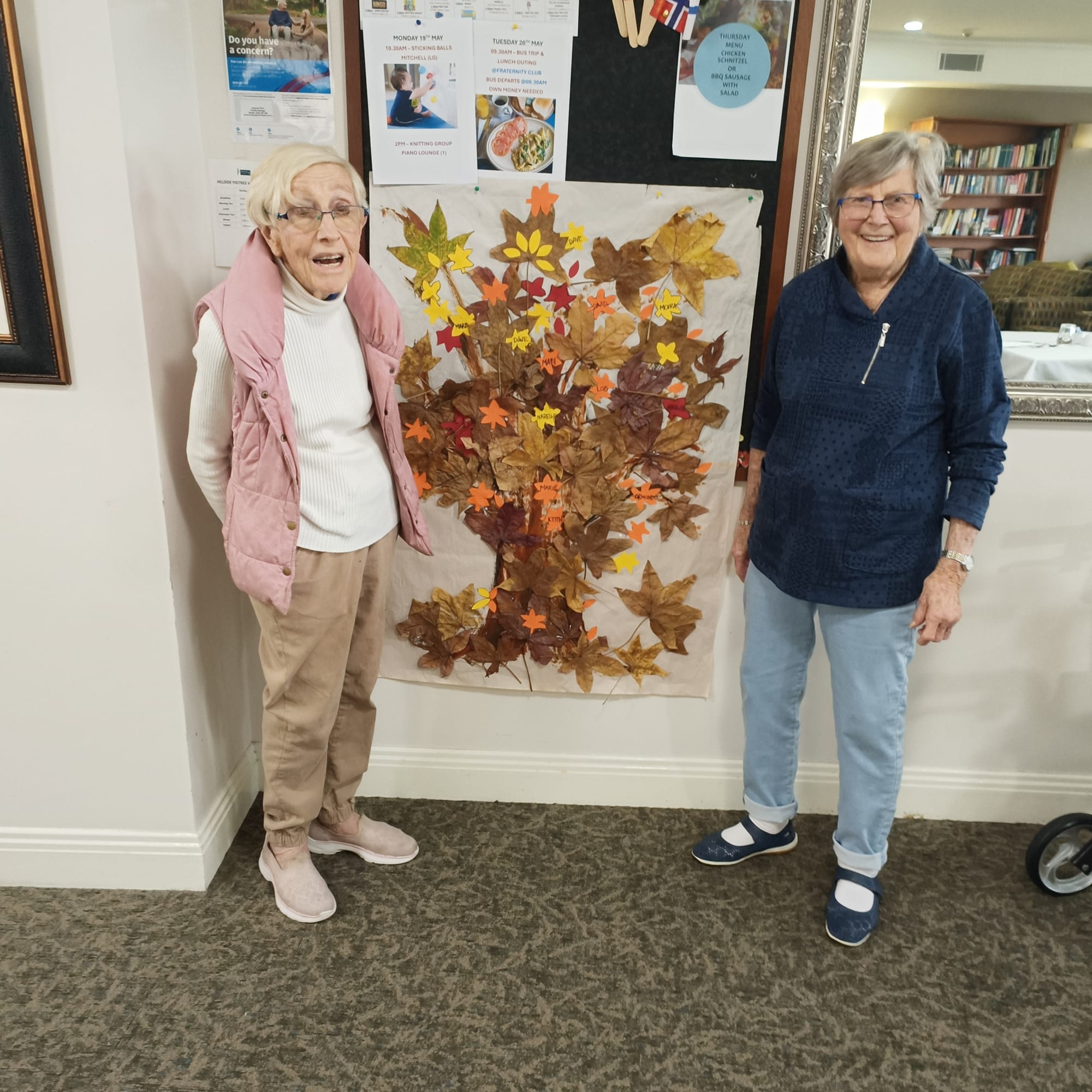
“We do different things every week. We might do seed-raising, we might do propagating, we might do succulents, we might do nature crafts. We've upcycled old bicycle wheels, painted them bright colours, and then we've done nature weaving in those.
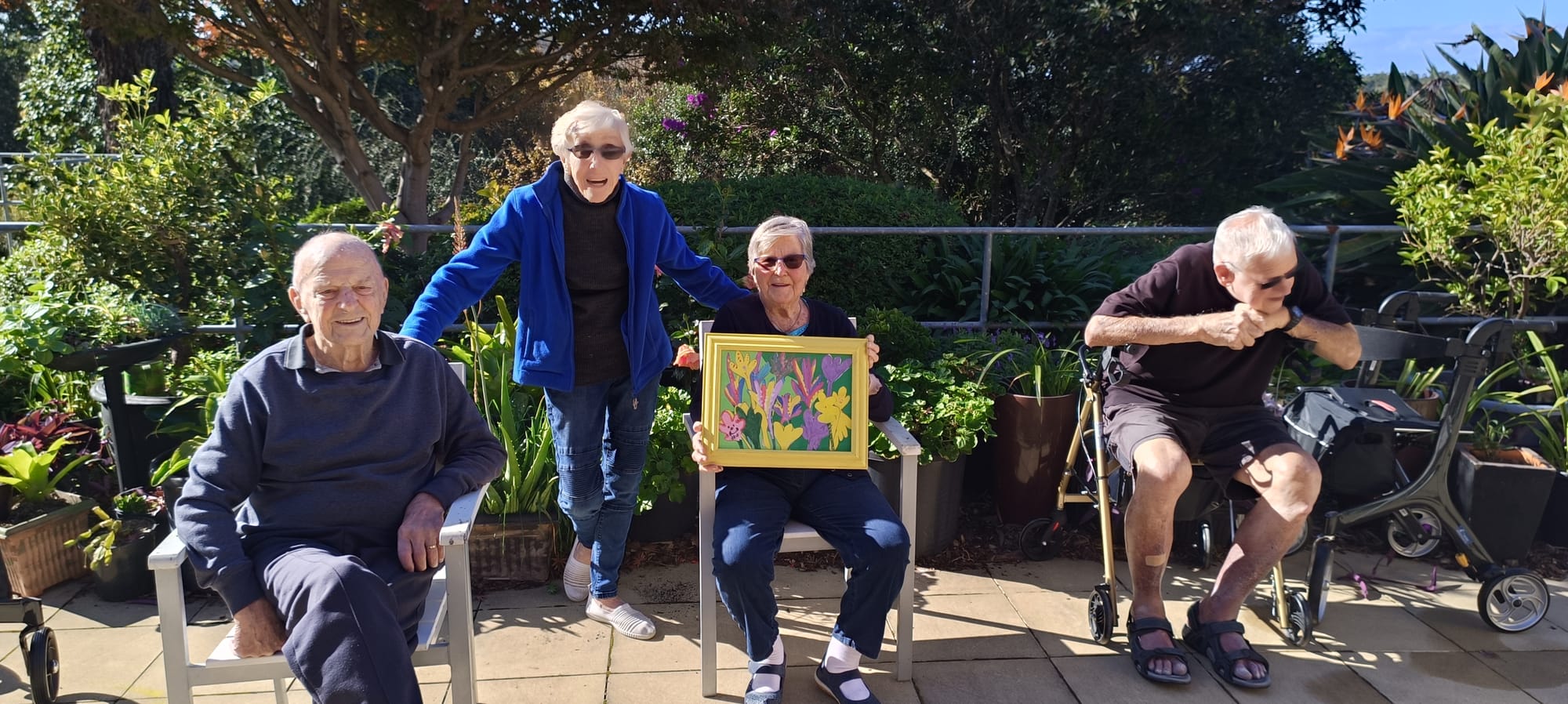
“We make gifts when it’s Mother’s Day or Christmas ... it’s all nature-based.”
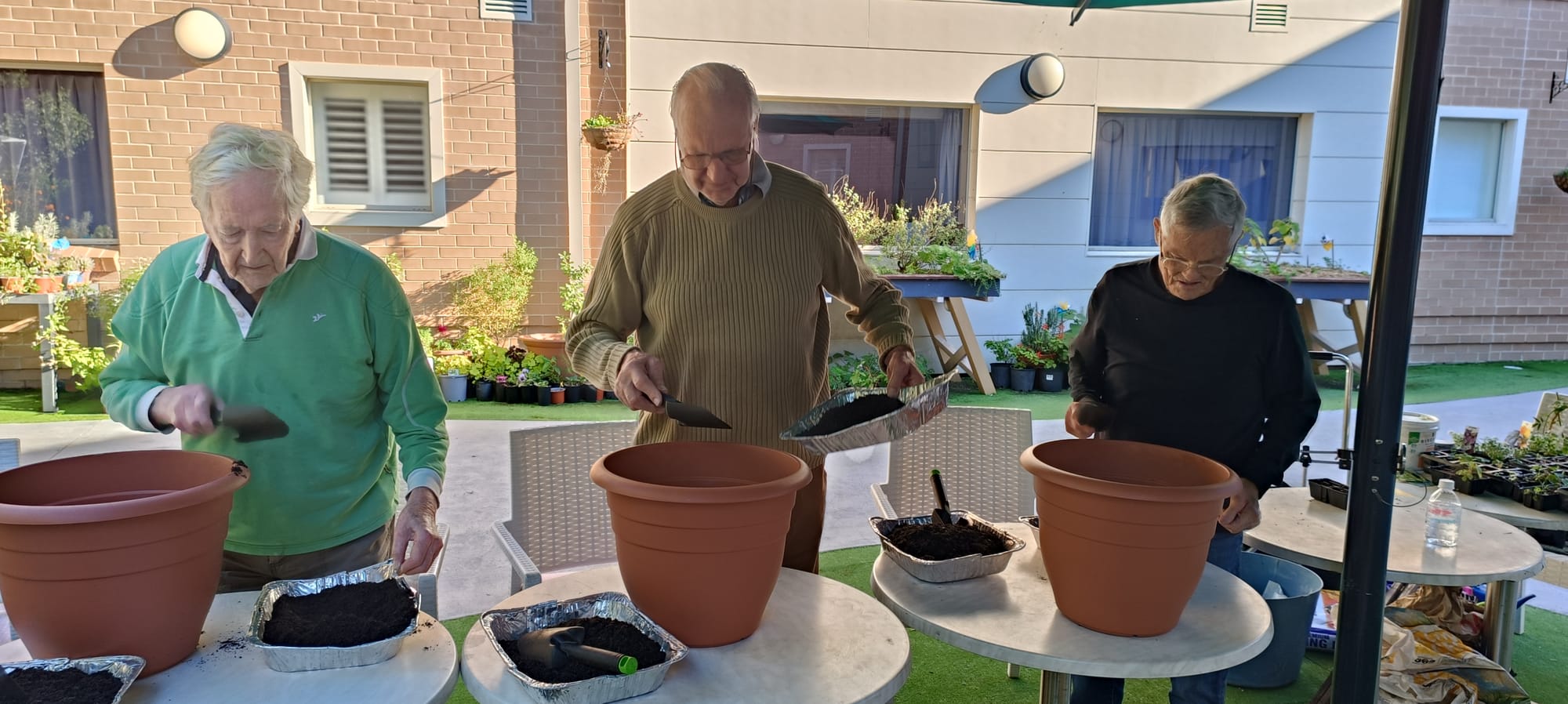
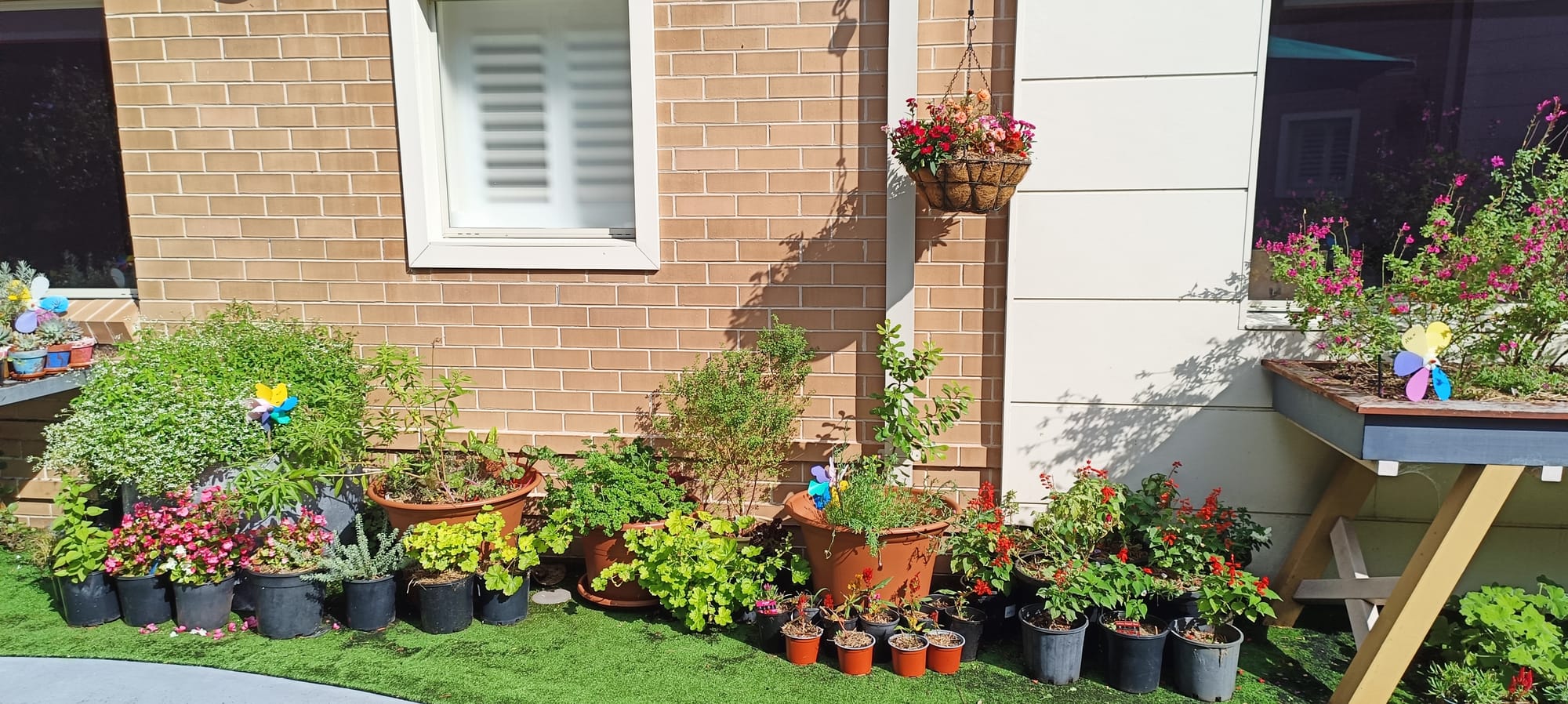
Twice a week, Narelle helps residents turn once-stagnant courtyards into vibrant hubs of activity. More than a simple hands-on workshop, the sessions provide cognitive stimulation and sensory connection.
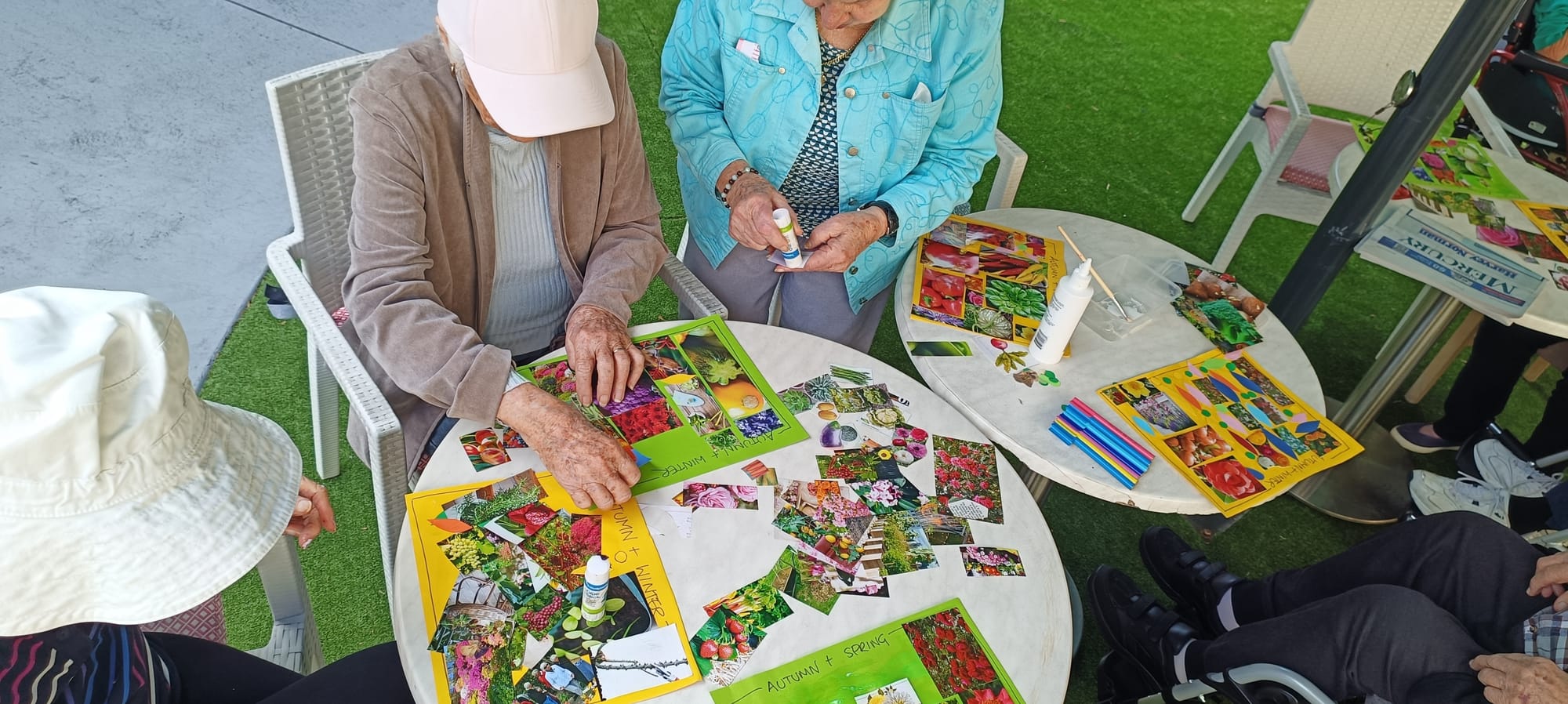
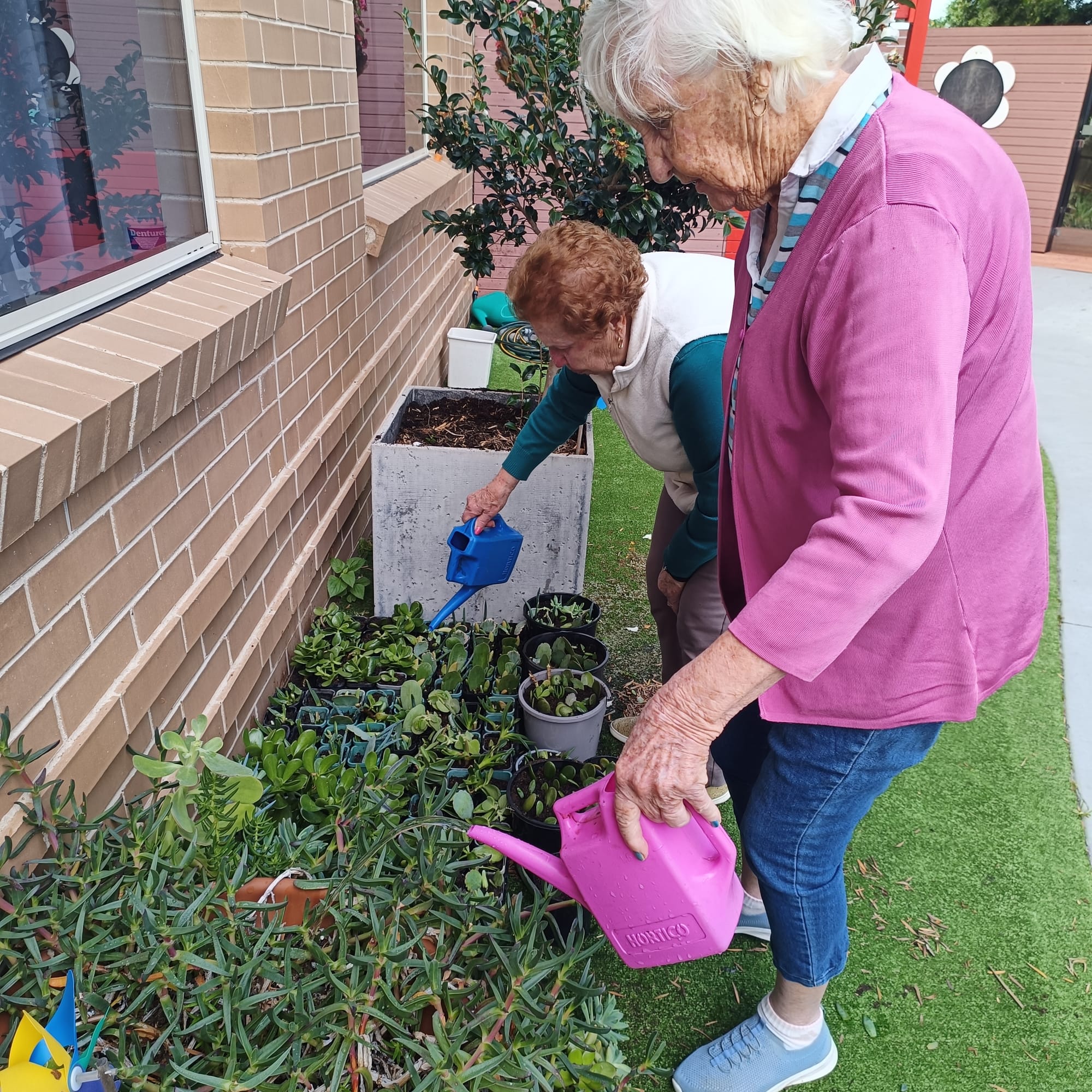
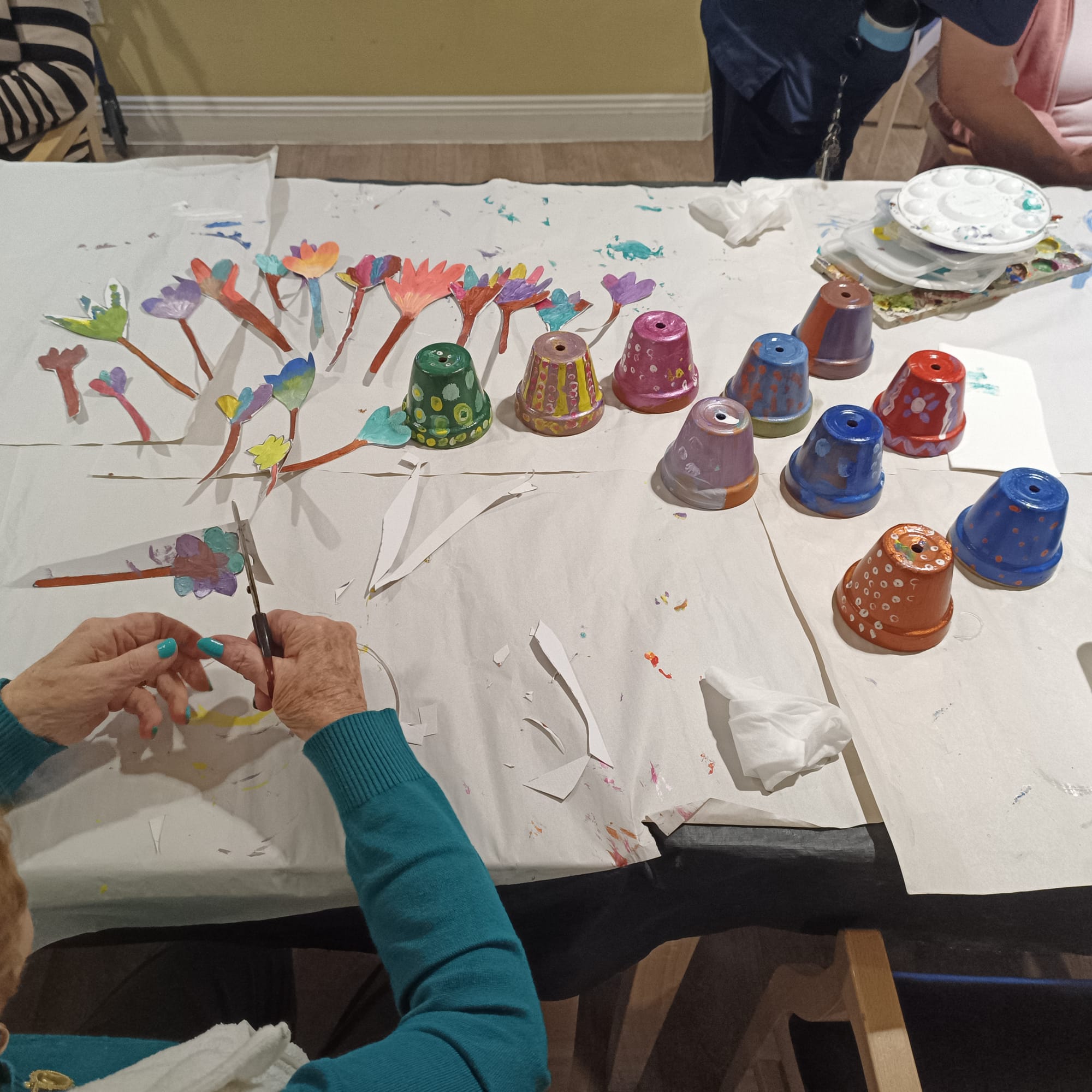
Gardening for the senses
Dementia often robs individuals of short-term memory, but long-term memories, especially those tied to the senses, remain remarkably resilient. Narelle uses this to her advantage.
One resident was moved to tears by the smell of rosemary.
“She said, 'My mum always made bruschetta with rosemary when I was a little girl,'” Narelle says. “She obviously had a memory from way back when she was really young.”
Tasks such as scooping soil into pots provide a repetitive, calming rhythm that stabilises the nervous system. “Some of them, that's all they want to do. I'll just give them 50 little pots and they'll just keep filling them up,” says Narelle. “And their whole nervous system calms down.”
One gentleman expressed a desire to grow rhubarb, a plant he loved in his youth. “I've got a rhubarb crown at home, so I divided the rhubarb crown and took a piece in and we grew it together,” Narelle says.
“And then when it got big enough, we harvested it together and then I took it home and cooked it and then I brought it back and then we ate it together.”
While Narelle sees these changes in the courtyard twice a week, data backs her up. A 2024 meta-analysis by Wang et al. found that horticultural therapy significantly improved cognition and reduced depression in older patients with dementia.
Further evidence from Detweiler et al. (2021) supports that therapeutic garden environments are essential for behavioural regulation and maintaining a sense of independence. These nature-based approaches are increasingly recognised as effective non-drug interventions that enhance psychological wellbeing through dementia-specific garden design.
Growing need
The urgency of programs such as Narelle’s is underscored by recent data from Dementia Australia. In 2026, an estimated 446,500 Australians have dementia – a number expected to double by 2065. In NSW, the figure sits at roughly 145,700.
Professor Tanya Buchanan, CEO of Dementia Australia, emphasises that with dementia now the leading cause of death in Australia, there is a "critical demand” for quality care and support services.
“There is all the data about how even if you can look at nature out the window even for five minutes, it actually calms your nervous system,” Narelle says.
“The repetitive action of gardening is like weaving; it affects your dopamine and has a real calming effect.”

Effects on family members
The benefits of the program extend beyond the residents, providing a point of connection for families who may be struggling to communicate with their loved ones.
“Some of the families visit when we’re doing it, and they say, 'Oh, we just love it out here. Every time we come, we bring Mum or Dad out here and we go for a walk in the garden,'” Narelle says. “It makes quite a big difference to people.”
The garden provides a space where social graces may have faded, but the human connection remains as residents often help one another with a tricky planting task. Many residents even refuse to wear gloves, preferring the direct tactile "sensory thing” of touching the soil.
“I find them quite funny because a lot of the social graces have gone and they're just... they're very blunt... I find them quite funny to be around,” she says.
“By the end of the session, they don't want to go back inside,” Narelle laughs. “We're often like, 'It's time for lunch!' and they're like, 'No, we just want to stay here'”.
Narelle is calling for more formal research into the health outcomes of these programs. “If you see the calming effect ... it must impact health,” she says. “I wish every aged care facility had this.”
How you can help
Narelle believes the community plays a vital role in the success of these garden programs. Here is how you can get involved:
- Donate plants: If you have plants or cuttings to spare, consider donating them to aged care facilities.
- Share special varieties: If you have specific plants such as orchids or rhubarb that can be divided, these can provide great sensory links to the past for residents.
- Volunteer: Programs such as the MCCI friendship program in Wollongong look for volunteers to spend time with residents who may not have regular visitors.
- Advocate for nature: Encourage local aged care providers to implement nature-based stimulation and horticultural therapy as part of their standard care.
Call for research
To take horticultural therapy from a local success story to a national standard, Narelle is looking to collaborate with professionals in mental health and medical areas to lead clinical studies and write papers that confirm the long-term health benefits of programs such as hers.
Interested researchers can contact Narelle at https://www.agardenforlife.com.au/visit


