

Port Kembla's copper smelter: do health risks linger?
After one year of joint investigations, concentrations of lead and other pollutants have been discovered in 100 out of the 160 properties

What some called an eyesore, others remember as an iconic shadow on the Illawarra skyline. Hundreds gathered to watch 1000 explosives erupt from the base of the Port Kembla stack as the last remnant of a once-booming copper enterprise came thudding down on February 20, 2014.
As locals were re-orienting themselves with the loss of this industrial waypoint, the NSW Environmental Protection Agency (EPA) was preparing themselves for a landmark investigation into the copper smelter’s impacts on surrounding areas, especially due to soil contamination and dust from airborne emissions.
Eleven years on, in February 2025, Port Kembla Copper (PKC) entered into an Enforceable Undertaking with the EPA. After one year of joint investigations, concentrations of lead and other pollutants have been discovered in 100 out of the 160 properties tested in Port Kembla. More than 300 homes (mainly within 800 metres of the former smelter) are expected to be contaminated.
Although heavy metal concentrations were not linked to the cluster of leukaemia cases famously reported during the 1990s, prolonged exposure to heavy metals can still pose serious health risks including anaemia, kidney problems, neurological and developmental effects.
What can be done to protect Illawarra residents and reverse the degradation caused by almost 100 years of air pollution?
The conditions of PKC’s operating licence stipulate the company’s obligation to remediate the smelter and refinery site for future use. This extends to offsite impacts, which is why the company is currently working to remediate contaminated topsoils and remove indoor and roof dust from affected properties.
Toxic dust remediation has already been completed at more than seven homes in the investigation area. However, progress is slow and affected residents have already expressed their frustration at long delays in communication from PKC. PKC have expressed that remediation options are evaluated at a property level and must be discussed with owners and tenants as well as regulators and an independent expert site auditor.
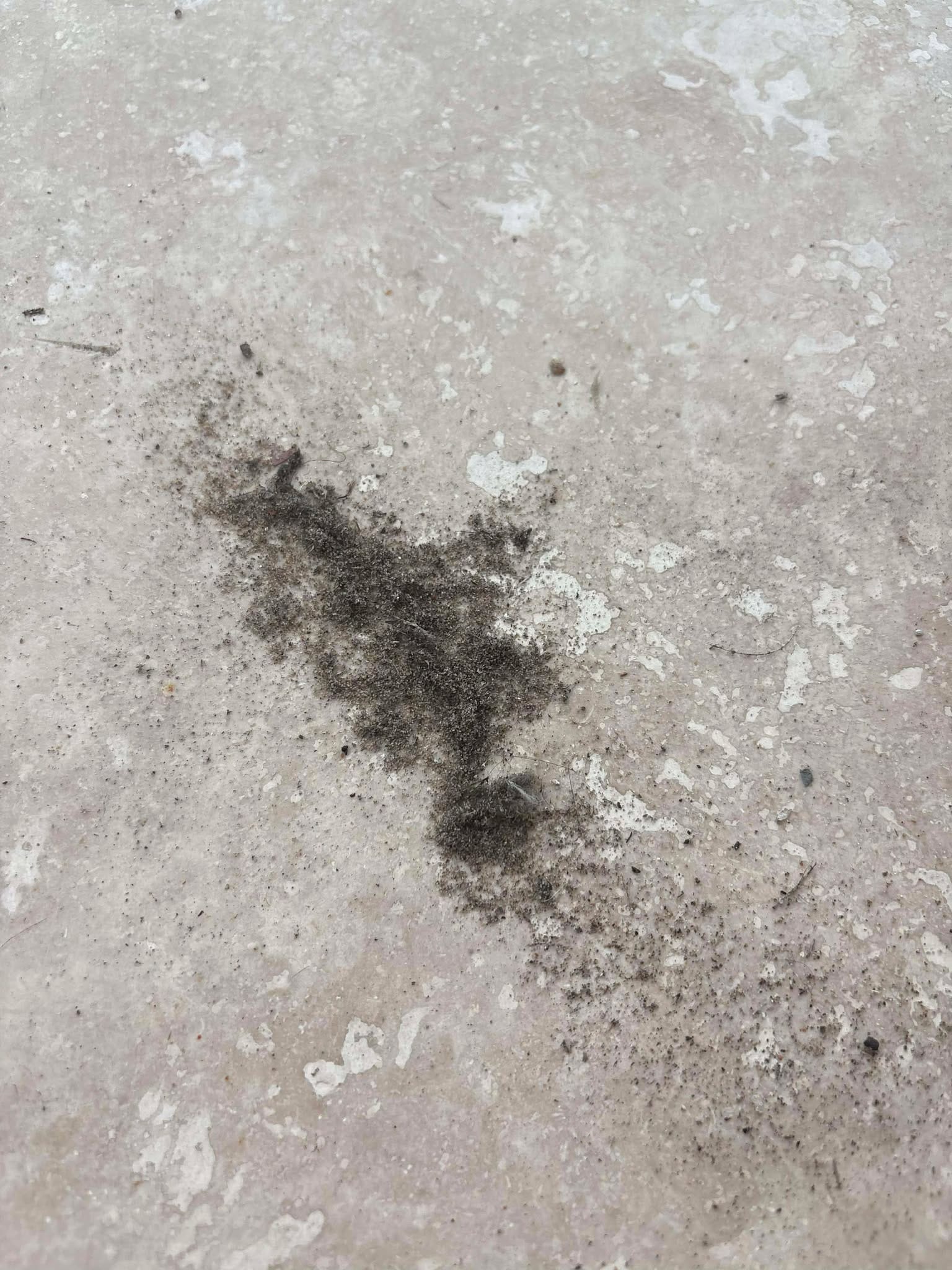
It turns out the familiar black dust that has collected on the windowsills and floor tiles of Port Kembla homes since the 1960s is not just dirt, but rather the legacy of an unsustainable industry that collapsed symbolically with the stack. We will not understand the extent of persisting pollution until the contractor engaged by PKC (Senversa) publishes their reports, which are being prepared. However, we can consider the lessons learned to envision a greener future for Port Kembla copper and steel industries.
Air pollution from current copper and steel operations are strictly regulated by NSW EPA under the Protection of the Environment Operations Act 1997.
Although the total solid particles in the air around MM and BlueScope’s Port Kembla facilities are well under permissible levels, there are still trace amounts of benzene and heavy metals escaping the facilities together with substantial carbon and nitrous oxide emissions. Residents can breathe easy knowing that local air quality is acceptable, but the cumulative impacts of these types of pollution on our local and global environments are not sustainable in the long term.
Looking to the future, it is important we begin to decarbonise copper and steel industries to protect our health and the planet. Innovative companies such as Metso have developed technologies such as “flash smelting” that increase energy efficiency and reduce emissions from copper production. Similarly, Boston Metal have devised a molten oxide electrolysis cell to replace traditional blast furnace infrastructure and entirely cut out greenhouse gas emissions.
As investigations into the lasting effects of air pollution from Port Kembla’s copper smelter are concluded, we begin a conversation about the sustainability of an industry that underpins our region’s economy and must change for future prosperity.
Learn more
If you’d like more information or think your property may be affected, you can reach out to Senversa at 1800 297 051 or info@militaryroadsitefuture.com.
For annual community updates on PKC investigations, visit the Military Road Site Future website.
Information Sources:
- https://www.epa.nsw.gov.au/Working-together/Community-engagement/updates-on-issues/Legacy-contamination-Port-Kembla-Wollongong/Remediation-legacy-smelter-related-contamination-Port-Kembla
- https://www.militaryroadsitefuture.com/
- https://pubmed.ncbi.nlm.nih.gov/10494232/
- https://www.abc.net.au/news/2024-09-02/port-kembla-copper-smelter-site-sale-remediates-contamination/104270022
- https://www.bluescope.com/illawarra/environmental-responsibility/reporting-on-performance
- https://www.kembla.com/support/environmental/
- https://www.bostonmetal.com/moe-steel/
- https://www.metso.com/portfolio/flash-smelting-process/


