

Scaled-back housing plan near uni moves to next level
More open space and around 1200 new homes are features of the proposal, which will give part of Gwynneville a wholly new appearance

Plans to effectively create a small new town at Gwynneville, on a site near the University of Wollongong, have been unanimously supported by Wollongong City Council.
After several years of discussions and debate – and while most locals opposed the plans – council this week allowed the proposal to proceed to create a precinct for 1250 dwellings, where there are currently 128, to the final stage of approval.
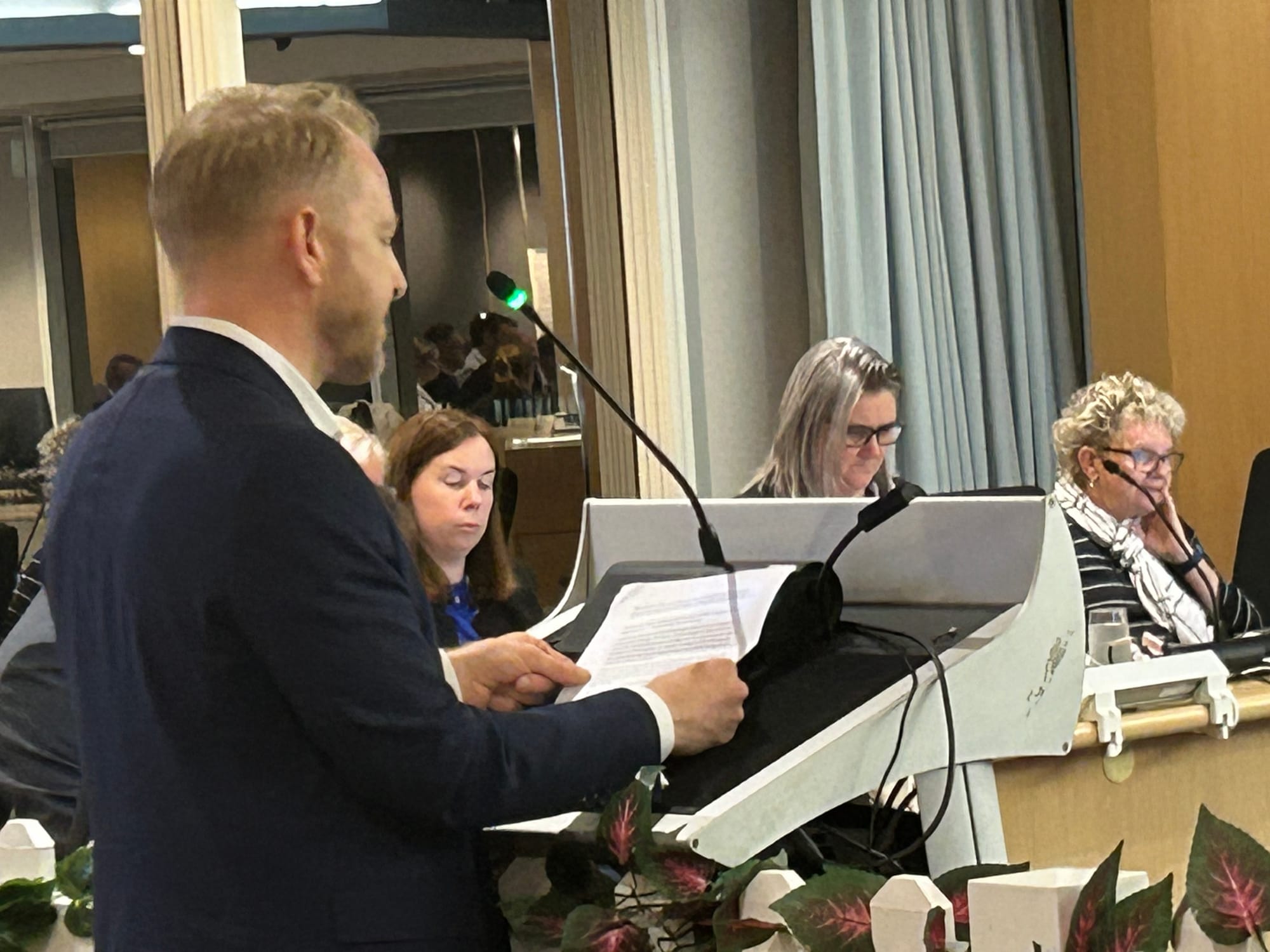
Klint Rivett, representing the proponents, Homes NSW, told council his organisation had listened to the concerns of locals and had scaled back the proposed residential zoning from R4 High Density to R3 Medium Density, meaning maximum building heights would be four to six storeys.
He also said there would be “a significant increase to the amount of open space”.
The final proposal would allocate 50 per cent, or around 600 of the new homes, as social and affordable housing.
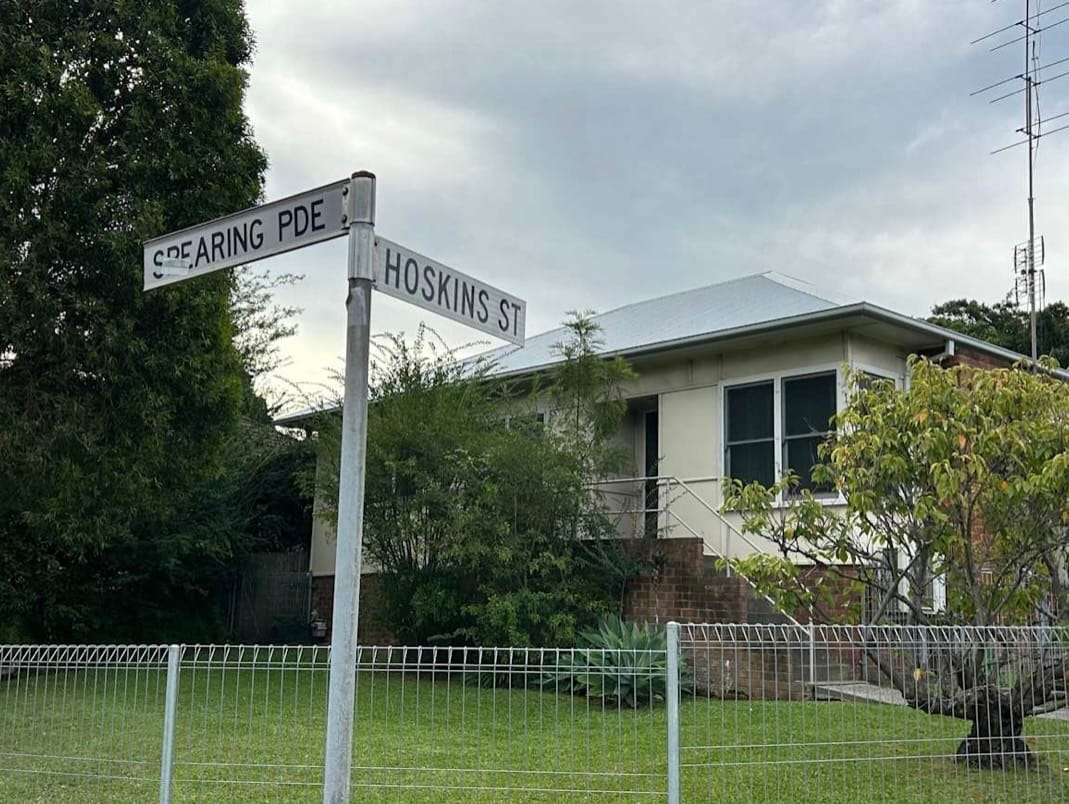
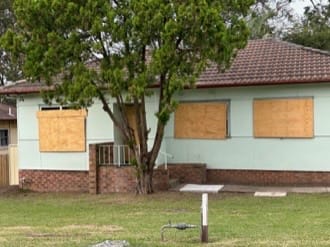
On the site in question, Homes NSW currently owns 75 lots and 61 lots are privately owned. Most lots still contain the original single-dwelling houses, in the area which includes Irvine Street, Madoline Street, Sidney Street, Paulsgrove Street, Hoskins Street, Leahy Crescent, Spearing Parade and a part of Murphys Avenue.
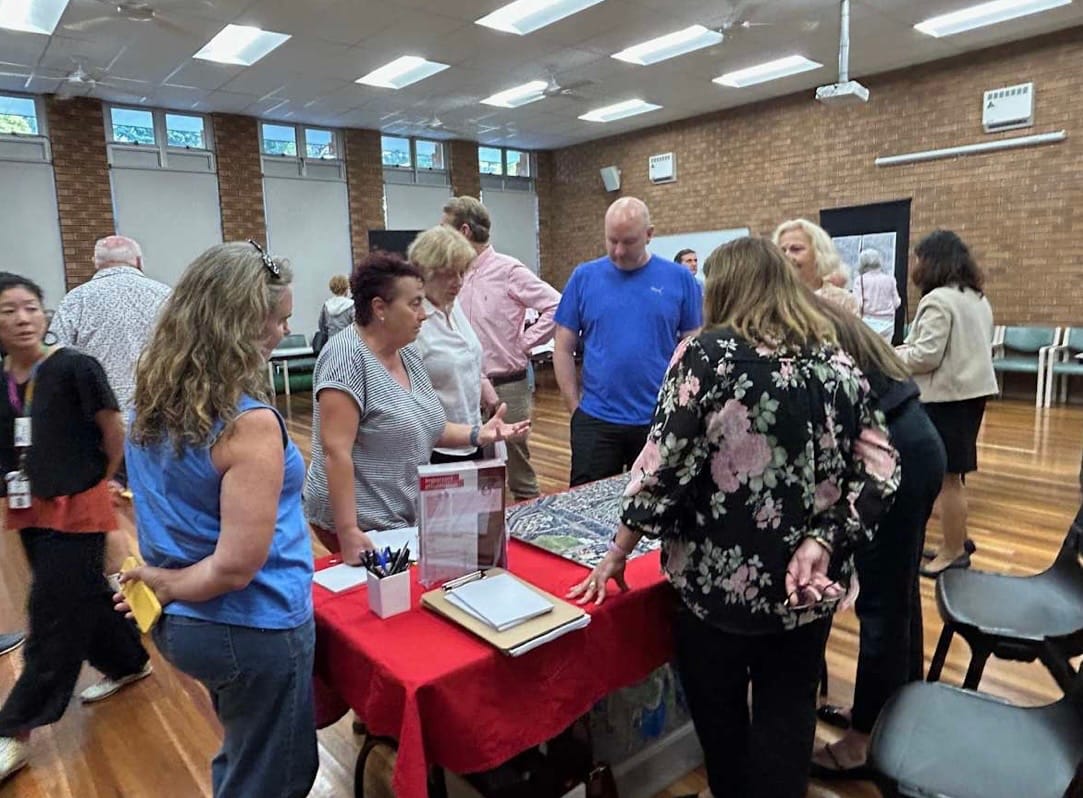
Of the 128 submissions received during the public exhibition period, only 19 (15 per cent) supported the proposed changes. A total of 65 were opposed (including the Keiraville Residents Action Group) and 24 expressed concerns.
Falling through the gaps
Addressing council ahead of the vote, Hoskins Street resident Bettina Frankham, a private resident owner, said she wasn’t opposing what was planned, but she felt she was falling through the gaps.
“Council’s own report stated that development will take time as Homes NSW progressively develops its primary sites first, and that lots will need to be amalgamated before development in private key sites can proceed,” Bettina said.
“The draft Planning Agreement runs to hundred of pages governing Homes NSW’s obligations in detail yet makes no provision for private owners in mixed-ownership key site. Schedule 1 lists every Homes NSW lot in the precinct, but there is no parallel framework addressing what happens to private owners like me.
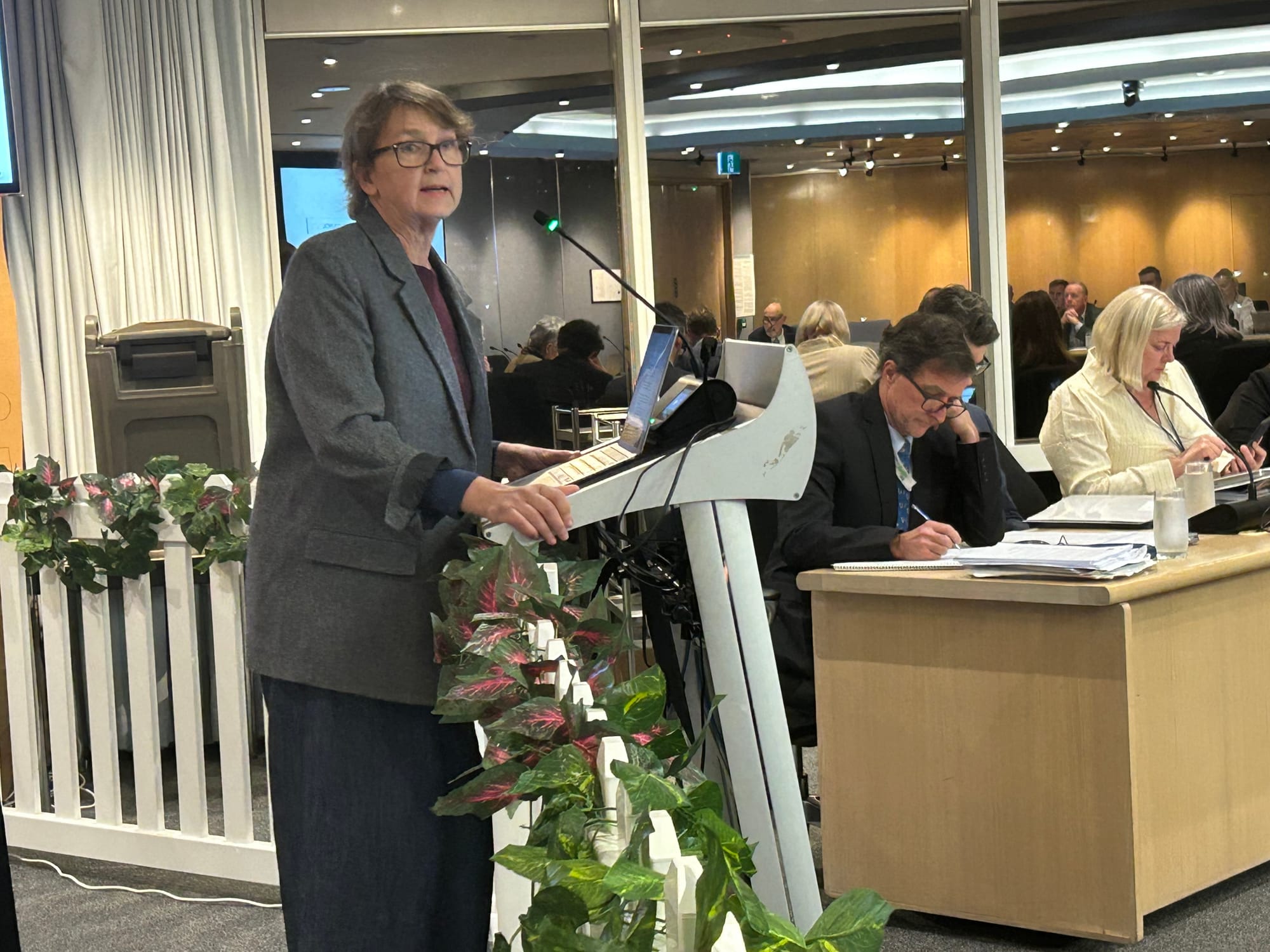
“I want to give that gap a human face. I’ve lived at Hoskins Street for nearly six years. When I purchased this property, my plan was to make it my long-term home, somewhere I could age in place.
“Yes, we need more housing, and I support that goal. But the people already living in this precinct matter, too.
“Now I find myself unable to plan ahead, uncertain how far into the future I can commit to being here, reluctant to invest further, and unsure whether I will ever receive fair compensation if I do eventually have to leave. That uncertainty has a real human cost that doesn’t appear anywhere in the planning documents.
“I’ve engaged in this process in good faith. I’m here to ask that the framework be designed with sufficient care to account for the reality of owners in situations like mine, so that informed decisions about the future can be made, and so that the development of this precinct proceeds in a way that is genuinely fair to everyone it affects.”
In supporting the rezoning proposal to move it forward to the NSW government for finalisation, several councillors expressed concerns about the likely increase in traffic and parking congestion, and the strain on other infrastructure, but generally agreed that something had to be done to address the current housing crisis.
Cr Thomas Quinn said he was “proud“ that Wollongong was doing its part to address the current lack of housing. Lord Mayor Cr Tania Brown was pleased the scale of buildings had been reduced from high to medium density. “This is a much better outcome,” she said.


