

Seals on our shores: What you need to know
Organisation for the Rescue and Research of Cetaceans in Australia (ORRCA) secretary Jody Langlois explains why seals often seem to be waving and what 'hauling out' is all about

If you’ve spent time along our beautiful Illawarra coastline recently, you may have been lucky enough to spot a seal resting on the sand or lounging on the rocks. It’s a sight that often draws a crowd, but it can also cause confusion. Is the seal injured? Why is it waving its flipper? Should we call for help?
The good news is that most of the time, these seals are perfectly healthy and simply doing what seals do best, resting and regulating their body temperature.
When seals hold their flipper out of the water, many people assume they’re waving or in distress. In fact, they’re thermoregulating.
Seals use their flippers to control their body temperature, raising them to warm up in the sun or dipping them in the water to cool down. This behaviour is completely normal and doesn’t mean they’re sick. It’s much like sticking a foot out of the blanket at night for us humans to cool down a little.
Hauling out (coming ashore to rest) is also a vital part of a seal’s routine. Just like us, they need time to rest and recharge, especially after long feeding trips. So if you see a seal on the beach, it’s best to give it space to relax.
At ORRCA, our role isn’t just about monitoring marine mammals. It’s also about protecting both marine mammals and the public. When seals haul out on busy beaches, especially off-leash dog areas, it’s important for everyone to act responsibly.
We often hear dog owners say, “My dog is friendly!” and refuse to put their dogs on a leash while passing a hauled-out seal, but seal safety isn’t about whether your dog is friendly, it’s about preventing risky interactions. Seals are wild animals. If they feel threatened or concerned, they can defend themselves aggressively, and their bites can cause serious injuries to both humans and pets.
By leashing dogs and keeping a safe distance (at least 40 metres), you’re protecting your dog as much as the seal.
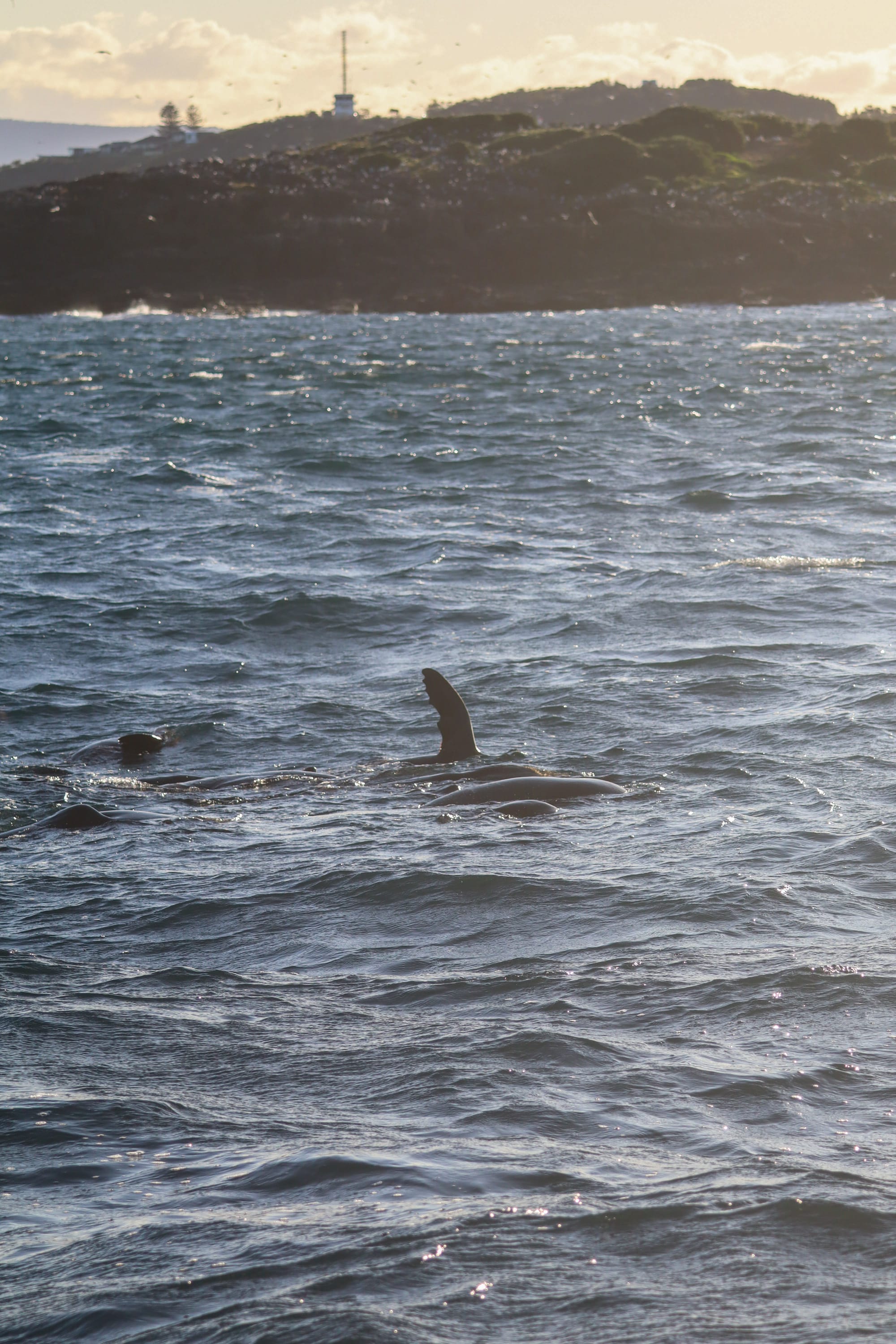
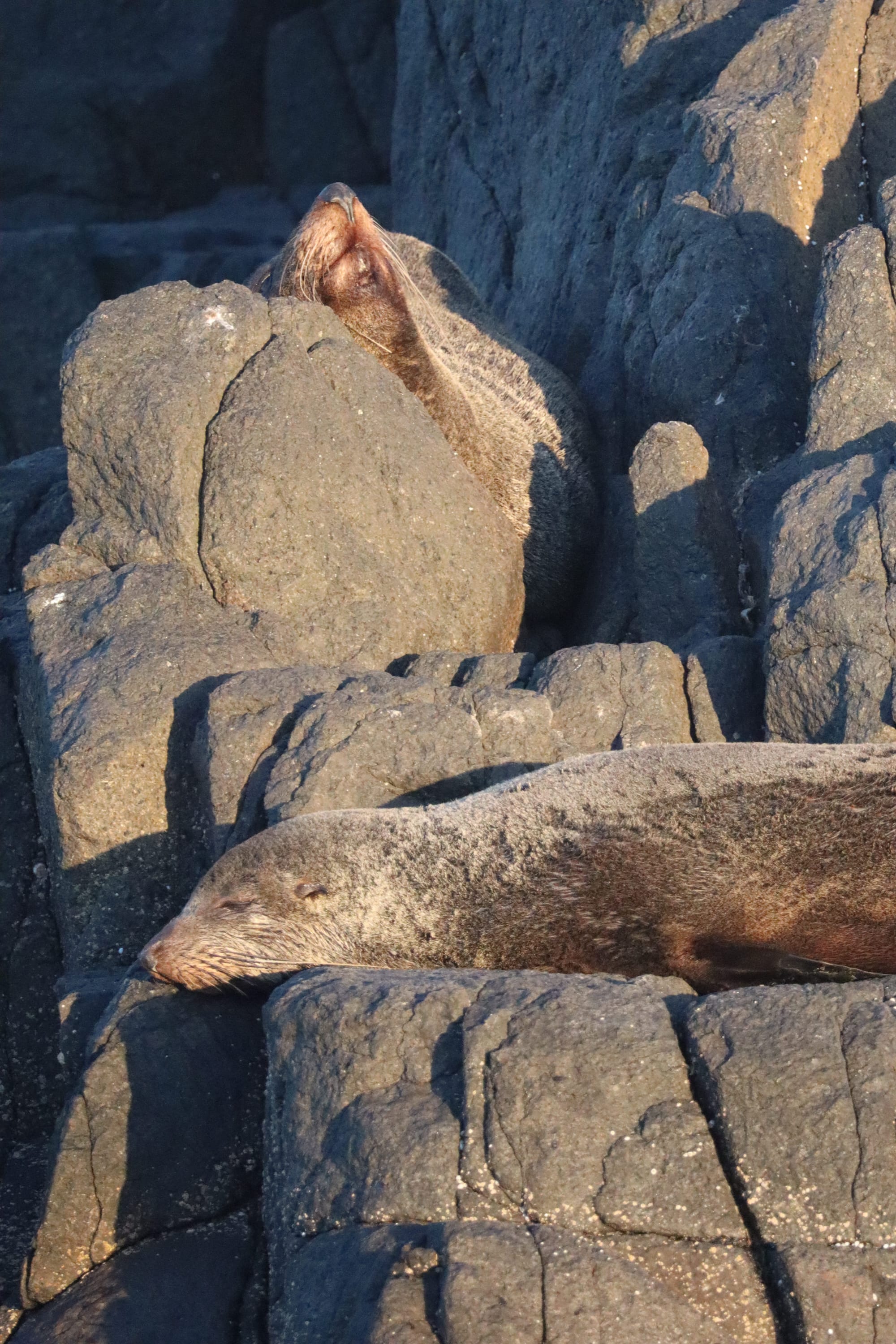
A seal waving, aka thermoregulating. At right: Seals resting and recharging. Photos: Jody Langlois @thecuriouscetacean
It's easy to tell when a seal is uncomfortable or feels threatened. Warning signs include:
- Lifting its head suddenly or making loud grunting or hissing noises
- Moving or lunging forward
- Opening its mouth or baring teeth (also seems like “yawning”)
If you notice these behaviours, it’s time to move further away and give the animal space.
If you see a seal on the beach, you should stay at least 40 metres away (and 80 metres if you have a dog), keep dogs on a leash at all times, do not feed, touch or approach the seal and call ORRCA’s 24-hour rescue hotline on 02 9415 3333.
Most importantly, enjoy the encounter from a distance. By giving these seals space to rest, we can ensure they continue to visit our shores safely.
To find out more about ORRCA and the work we do, please visit www.orrca.org.au


