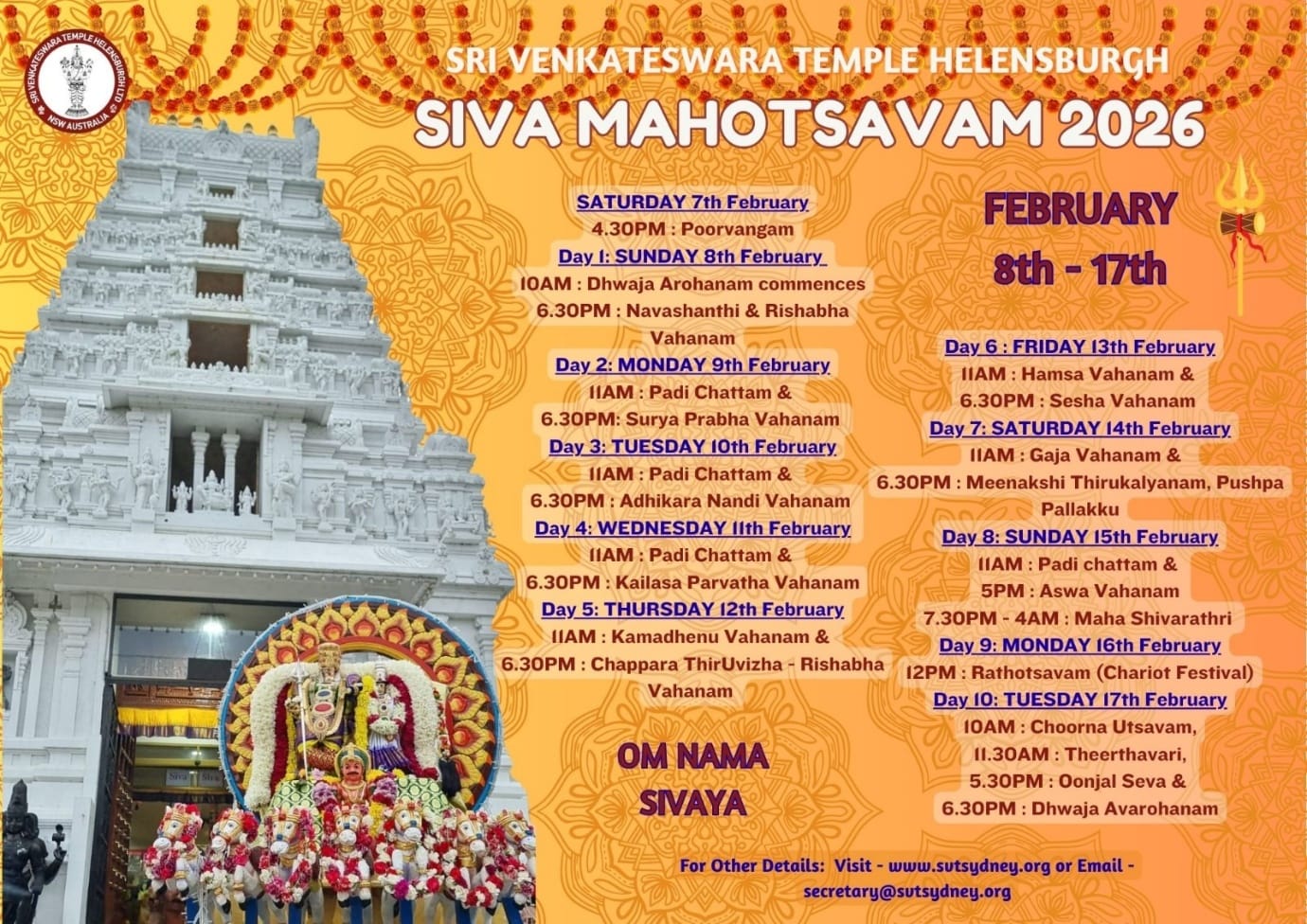

ShivaMahotsavam is a great time to visit Helensburgh's Hindu temple
Event highlights include dances, drumming and a chariot festival, and people of many faiths are invited to visit, writes Subra Iyer of Sri Venkateswara Temple in Helensburgh
Sri Venkateswara Temple at Helensburgh has existed since 1979 in an Anglo-Celtic Christian environment. We also welcome Southeast Asians who are Buddhists who come to the temple to pray. The 10-day SivaMahotsavam festival is an occasion where we invite people of different faiths to participate in the poojas and cultural events and provide free meals as well.
It is an occasion for togetherness and understanding. The festival aims to strengthen mutual friendship and understanding among all faiths. These communities enjoy the religious, cultural and culinary delights provided by the temple.
The festival emphasises service , trust and integrity in our relationship with other faiths. We consult and work in a cooperative way, highlighting our religion’s inclusive nature and generosity to others. The hallmark of our religion and the festival is its openness and humility.
Though it is a Hindu Temple, we welcome visitors of all religions as well as nonbelievers. The festival promotes diversity, mutual respect, friendship, understanding among all faiths, therefore all are welcome – with restrictions of decent dress code and no footwear inside the Temple – to witness the festivities.
Over the 10 days, we expect about 2,000 attendees, particularly during weekends and the major Chariot Festival.
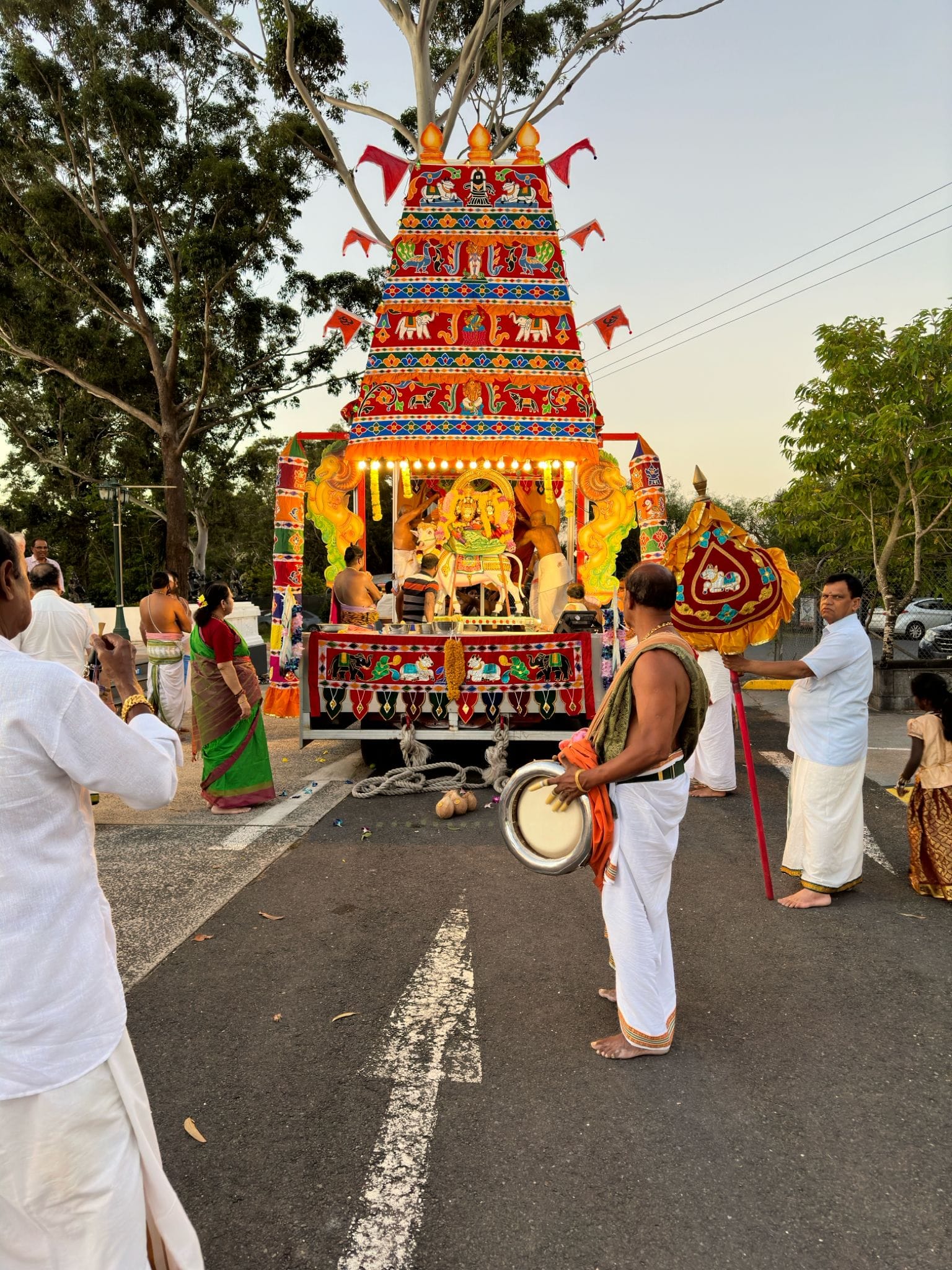
What happens during the festival
Mahotsavam means a great festival. It is celebration of rituals and community activities at a grander scale in comparison to daily temple activities. Festivals mentioned in Agamas are rituals such as purification great festivals etc.
This ‘Mahotsavam’ is one of the most elaborate Shaiva festivals as it is performed for many days, usually for 10 days.
One of the reasons it is a 'Great festival/Mahotsavam' is because it combines dance, music, food and cultural activities. The most important and joyful part of the festival is the daily procession of Lord Shiva (along with the Great Goddess Parvati, Sri Ganesha and others).
The great festival/Mahotsavam' combines promotion of arts and culture, through display and competition, together with the religious festival. During the festival, each of the deities parade outside the temple, mounted on various artfully decorated celestial chariots, accompanied by the congregation of musicians with horns and drums amid much fanfare.
Mahotsavam is very significant to our community through elaborate auspicious rituals, and cultural activities are carried out for the well-being of the community. It promotes diversity and fosters local talent through competition and networking, and a sense of belonging through shared experience. Visitors support local businesses in the Helensburgh area.
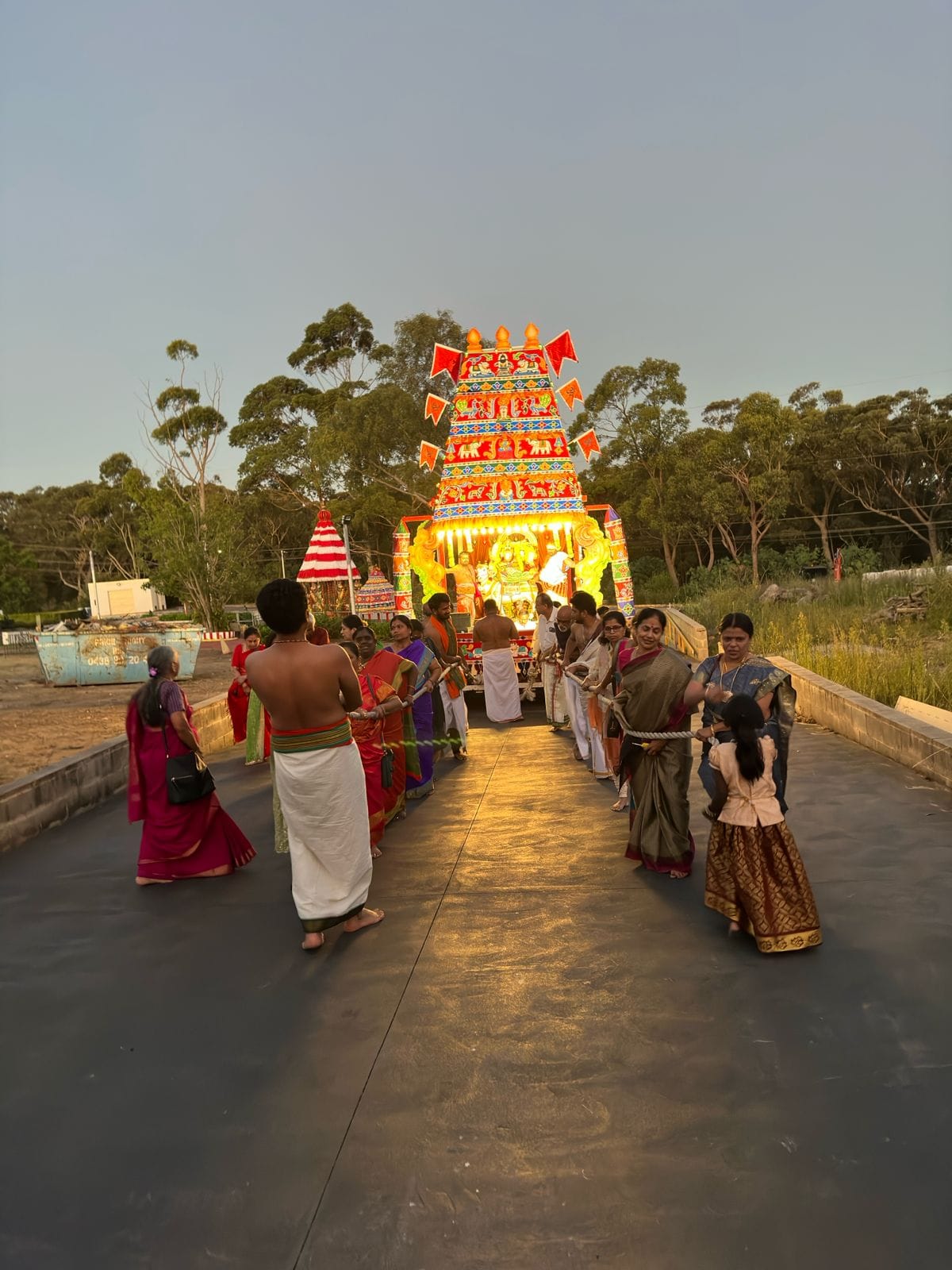
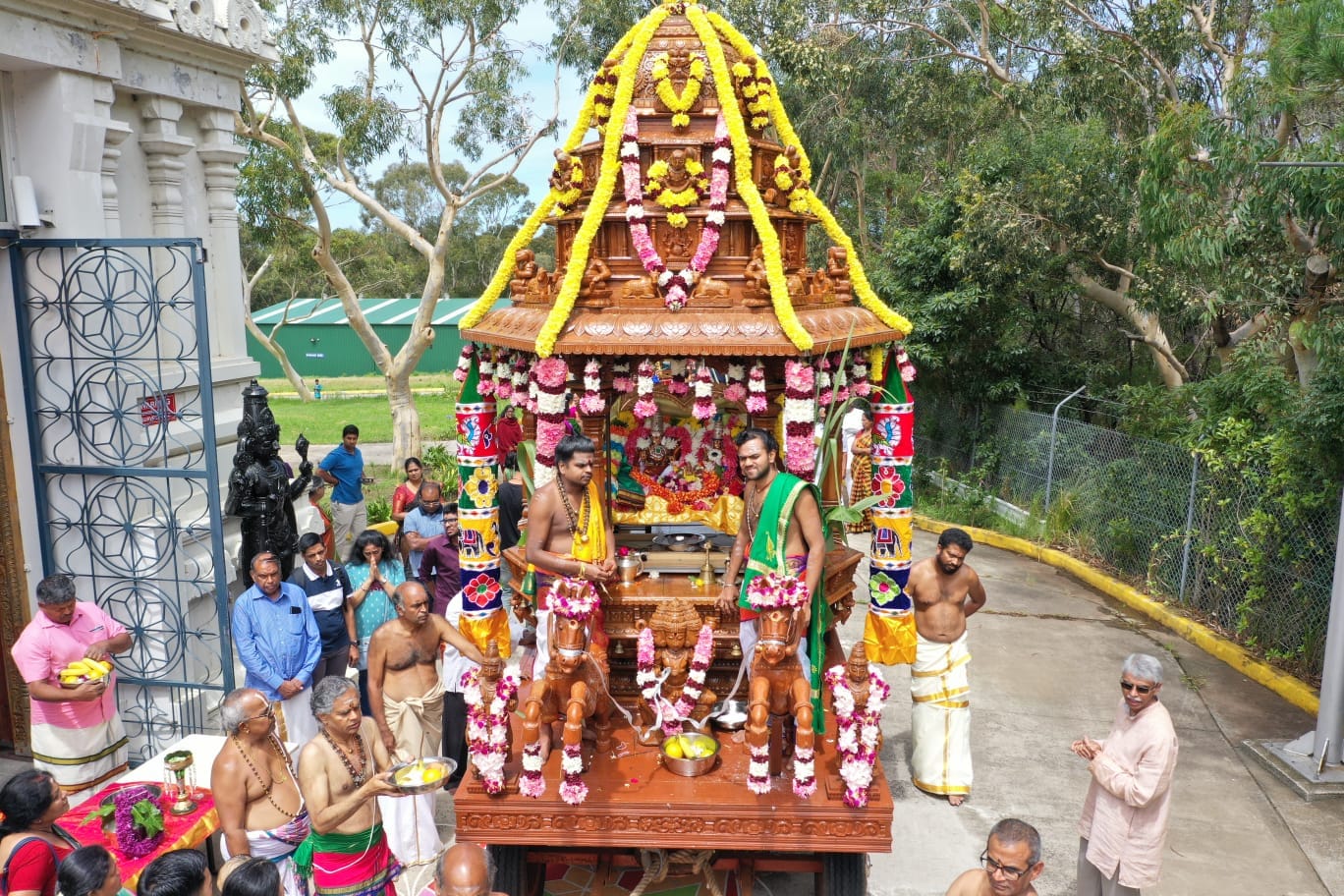
Highlights include chariots, drummers and dancing
We will have cultural performances by vocal artists with supporting instrumentalists and Indian dances consisting of individual dances, as well as group performances portraying stories from Hindu mythologies.
The highlight would be the Shiva Garjnaa Drummers performing to high beat on the chariot festival day. They are popular with the devotees and visitors. A mix of culture and religion are intertwined. This is a memorable sight for visitors to the temple. It is a way of encouraging traditional dances, songs and instruments to make children interested in visiting temples as they were generally fascinated by dances and drum beats.
The Chariot Festival (Ratha Yatra on Monday, 16 February 2026) at a Mahotsavam is a significant Hindu procession where deities are carried on chariots, made out of beautiful wooden carvings, to symbolise their journey to meet devotees, fostering community, devotion, and a spiritual connection. It represents Lord Shiva’s return to our world or a grand, festive procession of deities to bless the public.
The other highlight is the Maha Sivarathri on Sunday, 15 February 2026, symbolising the cosmic union of Lord Siva and his consort Godess Shakti and the victory of light over darkness. Worshipping Lord Siva on this day brings peace and prosperity!
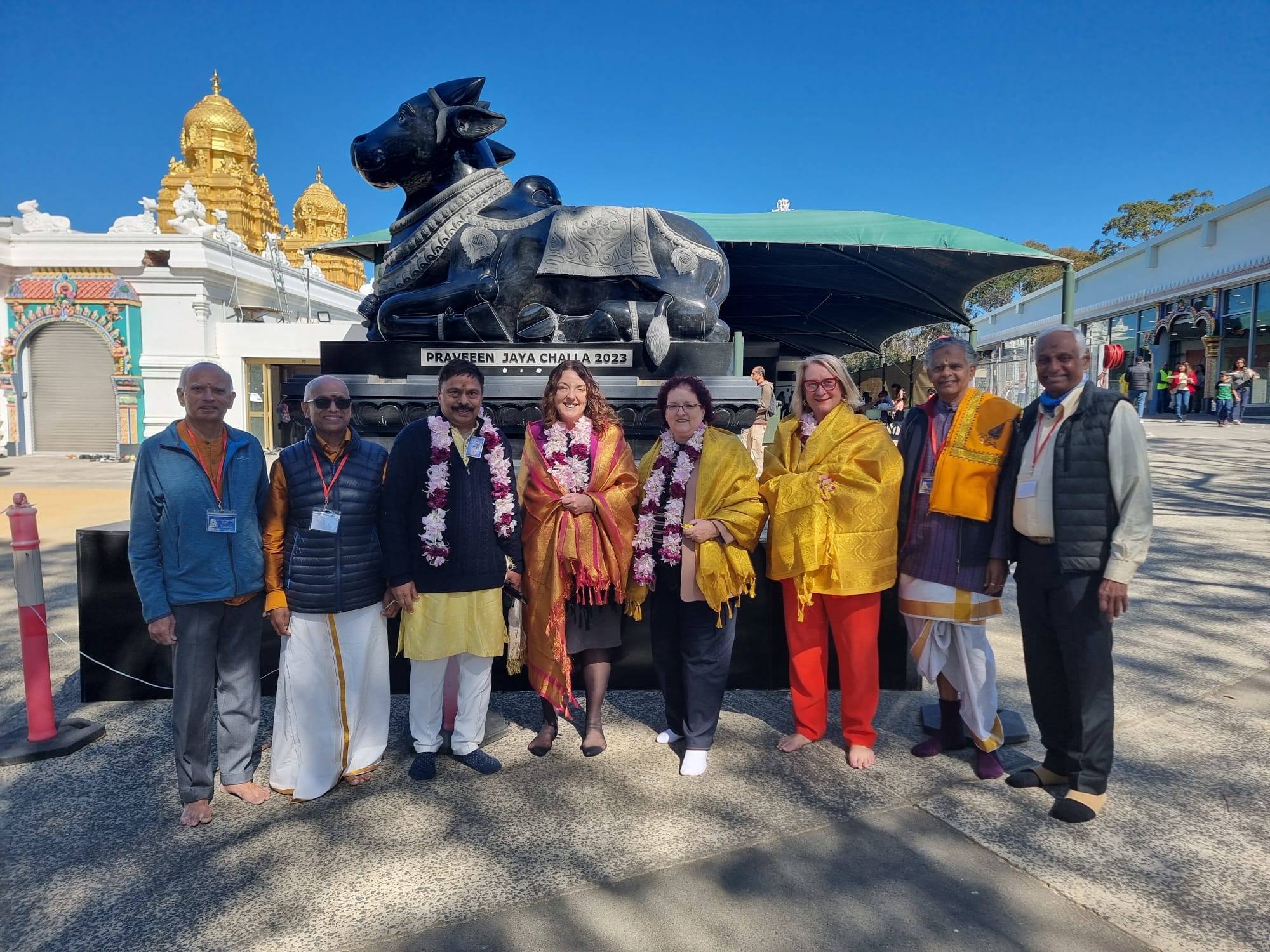
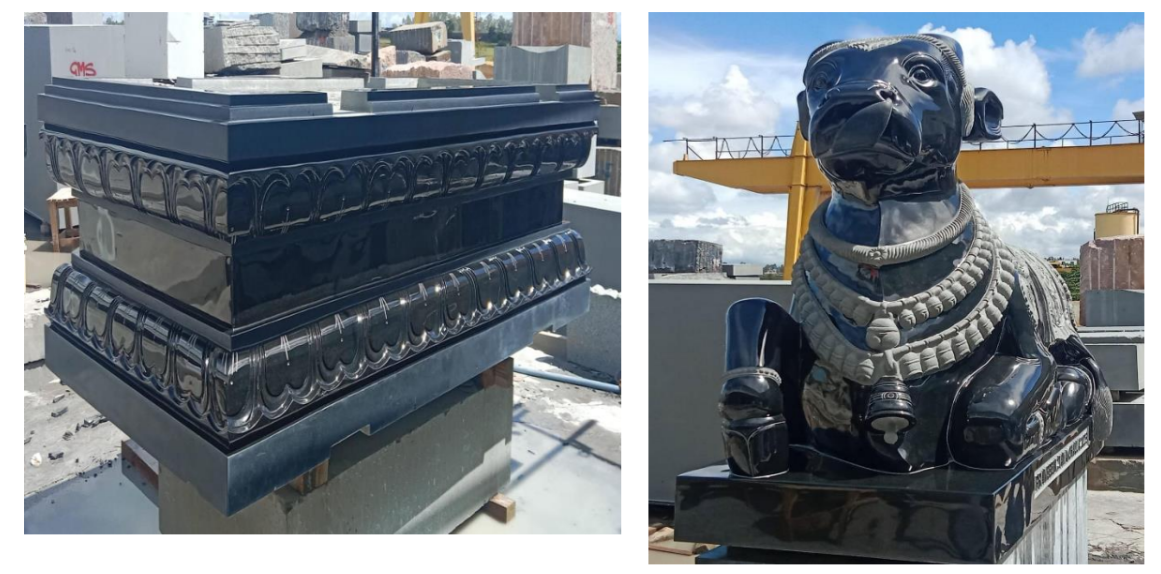
Must see: Nandi, a black granite bull at SVT
Famous Nandis in India are predominantly massive monolithic sculptures, with the largest located at Lepakshi, Andhra Pradesh. Recognised as one of the largest monolithic (single stone) Nandi statues in India, this 16th-century granite bull is 4.5 meters high and 8.23 meters long. Other iconic, large and historically significant Nandi statues are located at the Brihadeeswara Temple (Thanjavur), Chamundi Hills (Mysore), and the Big Bull Temple (Bengaluru), mostly carved from single blocks of stone and serving as guardians of Shiva temples.
Nandi is the sacred bull, revered in Hinduism as the primary vahana (vehicle), gatekeeper, and most devoted disciple of Lord Shiva. Symbolising purity, justice, and unwavering faith, Nandi represents the individual soul (jiva) focused solely on the divine. Statues are placed facing the Shiva Lingam in temples, signifying meditation and readiness to receive divine wisdom.
About the writer
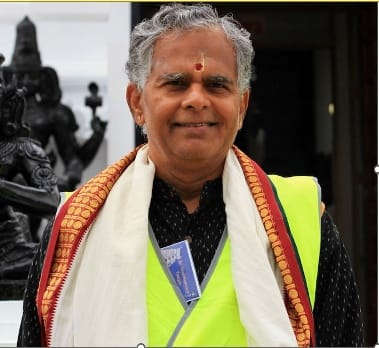
Subra Iyer is the director of Information and Communication Technology at Sri Venkateswara Temple (SVT) in Helensburgh. For more information about the Helensburgh attraction, visit the temple's website or Facebook page.